

Table of Contents
Kilimanjaro Full Moon Climb
Conquer the Roof of Africa Beneath the Glow of the Moon
An Extraordinary Adventure with Joyful Safaris and Tours
A Kilimanjaro Full Moon Climb is one of the most magical and unforgettable trekking experiences on Earth. Standing at 5,895 meters (19,341 feet), Mount Kilimanjaro is Africa’s highest mountain and one of the world’s most iconic adventure destinations. While climbing Kilimanjaro is already a life-changing journey, summiting during a full moon transforms the entire experience into something truly surreal, emotional, and breathtaking.
At Joyful Safaris and Tours, we specialize in creating exceptional Kilimanjaro climbing experiences designed for travelers who seek adventure, inspiration, natural beauty, and personal achievement. Our carefully planned full moon climbs combine expert mountain guidance, proper acclimatization, safety, comfort, and unforgettable scenery to deliver one of the greatest adventures of a lifetime.
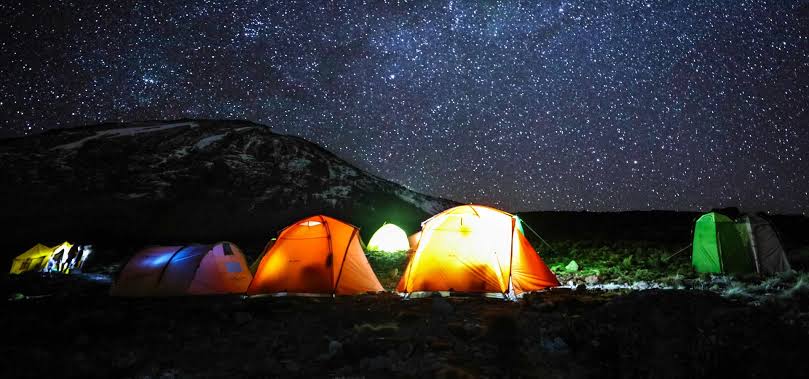
Imagine ascending the mountain beneath a brilliant African sky illuminated by the silver glow of the full moon. The glaciers shimmer in the distance, the volcanic landscape glows softly under the moonlight, and thousands of stars stretch endlessly above you. The silence of the mountain, the crisp alpine air, and the feeling of climbing toward the highest point in Africa create a truly unforgettable atmosphere.
A full moon ascent on Kilimanjaro is not simply a trek — it is a powerful and emotional journey that combines nature, endurance, beauty, and achievement in one extraordinary adventure.
Why a Full Moon Climb on Kilimanjaro is So Special
Climbing Mount Kilimanjaro during the full moon is considered one of the most spectacular mountain experiences in the world. The moon illuminates the mountain slopes so brightly that climbers can clearly see the surrounding glaciers, volcanic ridges, and distant valleys during the summit ascent.
Unlike darker summit nights where hikers rely almost entirely on headlamps, a full moon climb provides natural visibility that dramatically enhances the beauty and atmosphere of the journey.
The moonlight creates:
- A peaceful and dreamlike environment
- Enhanced visibility across the mountain
- Stunning glacier reflections
- Incredible opportunities for photography
- Easier navigation during summit night
- Exceptional stargazing conditions
Many climbers describe the experience as spiritual, emotional, and unlike anything they have ever experienced before.
As you slowly make your way toward Uhuru Peak beneath the glowing moonlight, the mountain feels alive with beauty and silence. Every step becomes part of an unforgettable story.
The Beauty of Kilimanjaro Under the Full Moon
Mount Kilimanjaro changes completely under the glow of the full moon. The mountain’s glaciers reflect silver light, shadows stretch across the volcanic terrain, and the night sky becomes incredibly clear.
The moonlight reveals details that are often hidden in darkness:
- Ice formations sparkling in the night
- The rugged volcanic slopes
- Vast alpine deserts
- Mawenzi Peak rising dramatically nearby
- Endless clouds below the summit
The landscape becomes almost otherworldly.
For many climbers, the most emotional moment occurs just before sunrise when the full moon hangs above the glaciers while the first golden light of dawn begins to appear across the African horizon.
It is a moment of pure magic.
Why Choose Joyful Safaris and Tours for Your Kilimanjaro Full Moon Climb?
At Joyful Safaris and Tours, we believe every Kilimanjaro climb should be safe, enjoyable, inspiring, and deeply memorable. Our mountain team is passionate about helping travelers achieve their dream of standing on the Roof of Africa.
We focus on:
- Personalized climbing experiences
- Excellent customer care
- Professional mountain guidance
- High safety standards
- Comfortable trekking experiences
- Proper acclimatization
- Ethical porter treatment
- Memorable summit experiences
From the moment you arrive in Tanzania until the moment you leave, our team is dedicated to making your adventure extraordinary.
Our Kilimanjaro Climbing Services
We provide complete mountain support to ensure your climb is safe, comfortable, and successful.
Professional Mountain Guides
Our licensed guides are highly experienced in:
- High-altitude trekking
- Wilderness first aid
- Mountain safety
- Altitude monitoring
- Emergency response procedures
They are knowledgeable, friendly, supportive, and passionate about helping climbers succeed.
Experienced Porters and Mountain Crew
Our hardworking porters and cooks are an essential part of every successful climb. They carry equipment, prepare camps, cook nutritious meals, and provide support throughout the journey.
Their dedication and professionalism help create a comfortable and enjoyable trekking experience.
High-Quality Camping Equipment
We provide:
- Spacious mountain tents
- Dining tents
- Tables and chairs
- Comfortable sleeping arrangements
- Kitchen equipment
- Sanitary facilities where applicable
Comfort is important, especially during multi-day climbs.
Fresh and Nutritious Mountain Meals
Good nutrition is essential at high altitude. Our mountain chefs prepare fresh meals daily to keep climbers energized and healthy.
Meals typically include:
- Soups
- Fresh vegetables
- Rice and pasta dishes
- Chicken and meat options
- Fruits
- Hot drinks
- Snacks and energy foods
We can also accommodate dietary preferences and special meal requirements.
Safety Equipment
Safety remains our highest priority on every climb.
Our mountain teams carry:
- Oxygen cylinders
- Pulse oximeters
- First aid kits
- Emergency communication systems
- Altitude monitoring equipment
Daily health checks help ensure climbers remain safe and healthy throughout the expedition.
Understanding the Full Moon Summit Experience
Summit night is the most challenging and rewarding part of the Kilimanjaro climb. Most summit pushes begin around midnight from high camp.
Climbers wake up in freezing temperatures, dress warmly, and begin the slow ascent toward Uhuru Peak beneath the glowing moonlight.
The atmosphere during a full moon summit is unforgettable.
As you climb:
- The moon lights the path ahead
- Glaciers shine brilliantly in the distance
- The silence of the mountain surrounds you
- Thousands of stars fill the sky
- The cold alpine air feels crisp and pure
The climb requires patience, endurance, and determination, but the beauty of the surroundings makes every step worthwhile.
Reaching Stella Point and finally Uhuru Peak at sunrise is an emotional achievement that many climbers remember forever.
Physical Preparation for a Kilimanjaro Full Moon Climb
Although Kilimanjaro is a non-technical mountain, it still requires good physical preparation.
The climb involves several days of trekking at increasing altitude, often across steep and challenging terrain.
Recommended Fitness Preparation
To prepare effectively, climbers should focus on:
- Cardiovascular endurance
- Leg strength
- Hiking practice
- Long-distance walking
- Stair climbing exercises
- Core strength workouts
Training should ideally begin several weeks or months before the climb.
The stronger and fitter you are, the more comfortable and enjoyable your experience will be.
Acclimatization and Altitude on Kilimanjaro
Altitude is one of the most important factors to consider when climbing Kilimanjaro.
As elevation increases, oxygen levels decrease significantly. Proper acclimatization is essential for improving summit success and minimizing the risk of altitude sickness.
At Joyful Safaris and Tours, we prioritize longer and well-designed itineraries that allow the body time to adjust gradually.
Common Symptoms of Altitude Sickness
Some climbers may experience:
- Headaches
- Nausea
- Fatigue
- Dizziness
- Loss of appetite
- Difficulty sleeping
Our guides monitor climbers closely throughout the trek to ensure safety and proper acclimatization.
Tips for Preventing Altitude Sickness
Climb Slowly
The famous Kilimanjaro phrase “Pole Pole” — slowly slowly — is extremely important.
Stay Hydrated
Drink plenty of water every day during the climb.
Eat Properly
Nutritious meals help maintain strength and energy.
Rest Well
Proper sleep helps the body recover and adapt.
Communicate with Your Guide
Always inform your guide if you feel unwell.
Kilimanjaro Climate and Weather Conditions
Mount Kilimanjaro contains several ecological zones, each with different weather conditions and landscapes.
Rainforest Zone
The lower slopes are warm, humid, and filled with dense rainforest vegetation.
You may encounter:
- Giant trees
- Tropical birds
- Monkeys
- Rich plant life
- Misty forest trails
Moorland Zone
Higher elevations transition into open moorlands with unique alpine plants and dramatic scenery.
This zone features:
- Giant groundsels
- Lobelias
- Rolling hills
- Open valleys
Alpine Desert Zone
The alpine desert is dry, rocky, and exposed with dramatic volcanic terrain.
Temperatures become colder, and the environment feels increasingly remote and harsh.
Arctic Summit Zone
Near the summit, climbers enter the arctic zone where glaciers, snow, and freezing temperatures dominate the landscape.
This is where the full moon creates its most magical effect.
Best Kilimanjaro Routes for Full Moon Climbs
At Joyful Safaris and Tours, we offer several carefully selected routes ideal for full moon summit experiences.
Lemosho Route
The Lemosho Route is one of the most scenic and successful routes on Kilimanjaro.
Highlights
- Beautiful rainforest scenery
- Excellent acclimatization profile
- Remote trekking experience
- High summit success rate
- Stunning western approach views
Recommended Duration
8 to 9 days
Best For
- First-time climbers
- Scenic trekking
- Photography lovers
Machame Route
The Machame Route is adventurous, scenic, and physically rewarding.
Highlights
- Diverse landscapes
- Dramatic ridges
- Exciting trekking sections
- Spectacular summit approach
Recommended Duration
7 to 8 days
Best For
- Active hikers
- Adventure seekers
- Experienced trekkers
Northern Circuit Route
The Northern Circuit is the longest and most comprehensive route on Kilimanjaro.
Highlights
- Exceptional acclimatization
- Remote wilderness scenery
- Highest summit success rates
- Minimal crowds
Recommended Duration
9 to 10 days
Best For
- Maximum acclimatization
- Comfortable trekking pace
- Nature enthusiasts
Rongai Route
The Rongai Route approaches from the northern side near Kenya.
Highlights
- Drier conditions
- Quiet trails
- Unique northern scenery
- Good during rainy seasons
Recommended Duration
6 to 7 days
Best For
- Remote trekking experiences
- Climbers seeking quieter routes
Essential Packing List for a Full Moon Climb
Proper gear is extremely important for comfort and safety on Kilimanjaro.
Final Verdict: Is April a Good Time to Climb Kilimanjaro?
Yes—provided you are prepared for rain.
April may not offer the consistently clear skies of the dry season, but it rewards adventurous climbers with unparalleled natural beauty, vibrant ecosystems, fewer crowds, dramatic photography opportunities, and a profoundly immersive wilderness experience.
For travelers who value solitude, lush scenery, and a deeper connection with nature, April is not simply an alternative time to climb Kilimanjaro—it may be one of the mountain’s most extraordinary seasons of all.
Articles About Kilimanjaro Full Moon Climb
Are you ready to start planning?
You can proceed with booking by filling out the form below. Let’s make your adventure unforgettable!