Table of Contents
ToggleTop-Rated Safaris in Tanzania: The Ultimate Guide for 2025
Introduction to Tanzania Safaris
Tanzania is one of the world’s most celebrated safari destinations, offering an extraordinary combination of wildlife, landscapes, culture, conservation areas, and luxury travel experiences. From the endless golden plains of the Serengeti to the wildlife-rich floor of the Ngorongoro Crater, the elephant-filled landscapes of Tarangire and the remote wilderness of Ruaha, Tanzania provides an incredible range of safari experiences within a single country. What makes Tanzania especially appealing is the diversity of experiences available to travelers.
A visitor can spend one day watching lions and cheetahs on the savannah, another day observing elephants beneath enormous baobab trees, and later enjoy a boat safari along the Rufiji River before relaxing on the beaches of Zanzibar. Tanzania is therefore much more than a destination for seeing the Big Five; it is a destination where travelers can experience complete ecosystems, dramatic natural events, traditional cultures and some of Africa’s most spectacular wilderness areas.
Why Tanzania Is One of the Best Safari Destinations in Africa
Tanzania stands out because of the sheer scale and diversity of its protected areas. The country contains some of Africa’s most recognizable wildlife landscapes, including the Serengeti ecosystem, the Ngorongoro Conservation Area, Tarangire, Nyerere and Ruaha.
These destinations provide different experiences rather than simply repeating the same type of game drive. The Serengeti is famous for enormous grasslands and the Great Wildebeest Migration, Ngorongoro offers remarkable concentrations of wildlife within a dramatic volcanic crater, Tarangire is renowned for elephants and baobabs, Nyerere introduces travelers to boat and walking safaris, while Ruaha provides a more remote and uncrowded wilderness experience.
Tanzania is also particularly attractive because safari can easily be combined with other forms of travel. Visitors can add Mount Kilimanjaro for a mountain adventure, cultural experiences with local communities for a deeper understanding of Tanzanian life, or Zanzibar for several days of Indian Ocean relaxation. This ability to combine wildlife, adventure, culture and beaches makes Tanzania one of the most complete travel destinations in Africa.
Serengeti National Park: The Ultimate Tanzania Safari Destination
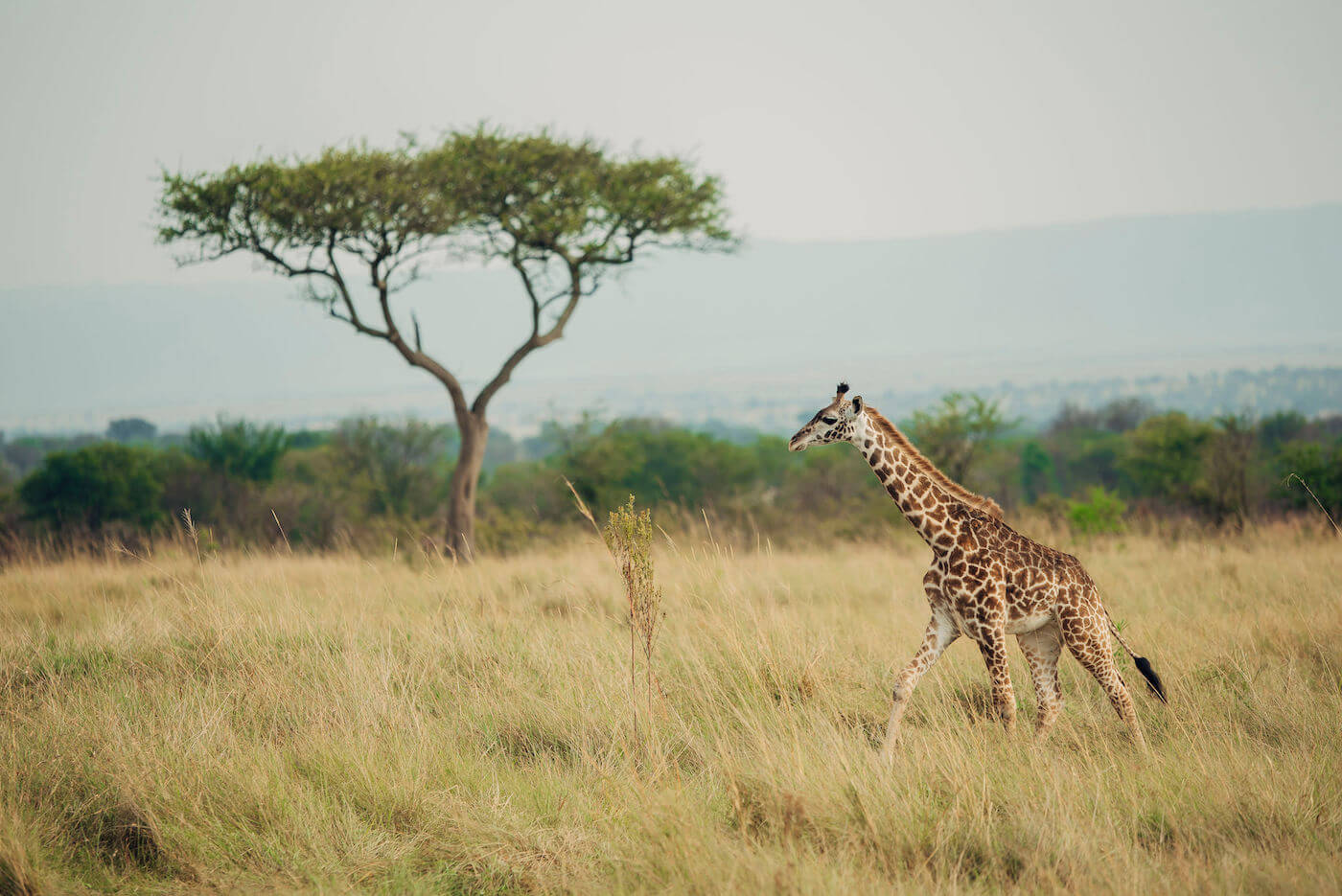
Serengeti National Park is the destination most closely associated with the classic African safari and is arguably the most important safari destination in Tanzania. The park’s enormous plains support extraordinary populations of wildebeest, zebra, gazelle, buffalo, giraffe, elephant and numerous predators, including lions, cheetahs, leopards and hyenas.
The landscape is equally impressive, with wide grasslands, rocky kopjes, acacia trees, seasonal rivers and vast horizons that create the feeling of a truly limitless wilderness. The Serengeti is famous worldwide because it forms the Tanzanian heart of the Great Wildebeest Migration, one of the most remarkable wildlife spectacles on Earth. However, travelers should not assume that the Serengeti is valuable only during the migration.
Resident wildlife remains throughout the year, and different parts of the park become particularly attractive depending on rainfall, vegetation and animal movements. A properly planned Serengeti safari can therefore deliver exceptional wildlife viewing even when the migrating herds are elsewhere. For first-time visitors, photographers, honeymooners, families and experienced safari enthusiasts, the Serengeti remains one of the strongest choices for an unforgettable Tanzania safari.
The Great Wildebeest Migration in Tanzania
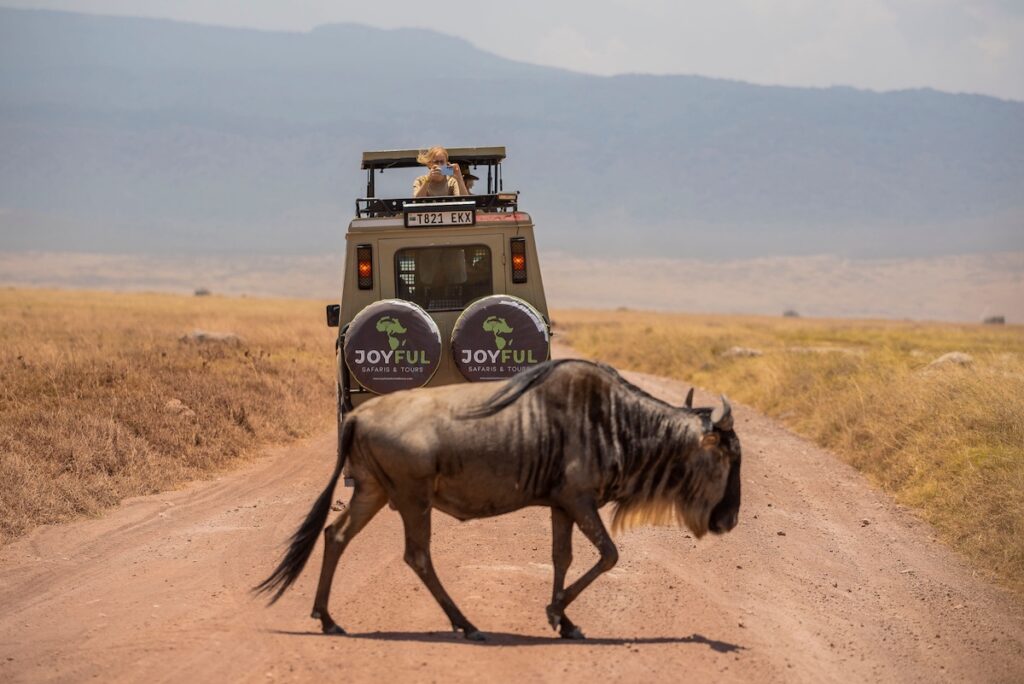
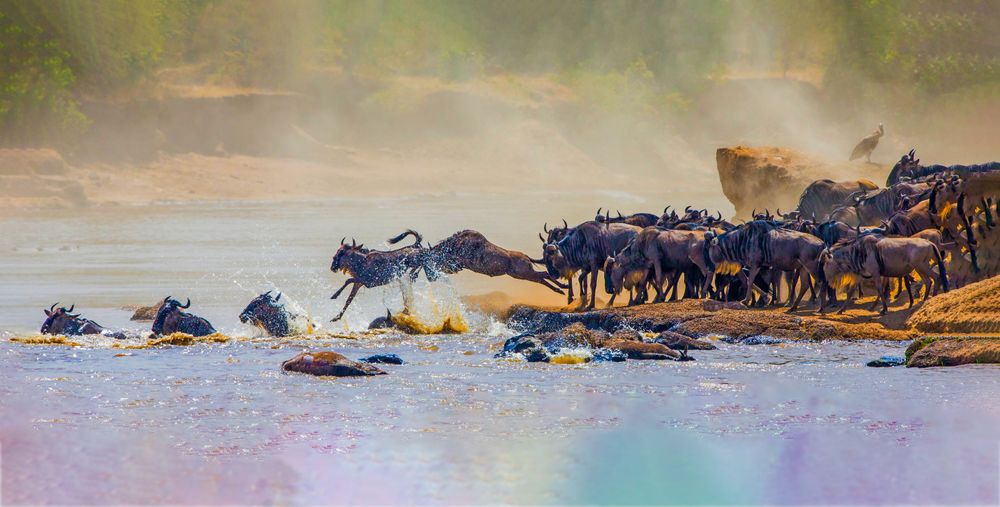
The Great Wildebeest Migration is one of the primary reasons travelers choose Tanzania, but understanding the migration correctly is essential when planning a safari. The migration is not a single event that happens on one particular day or at one fixed location. It is a continuous ecological movement involving enormous numbers of wildebeest, accompanied by zebra and other herbivores, as they respond to rainfall, fresh grass, water availability and seasonal conditions across the Serengeti-Mara ecosystem.
During the early part of the year, large herds can gather in the southern Serengeti and surrounding areas for the calving season, creating exceptional opportunities to observe newborn animals and the predators that follow them. As the year progresses, the herds gradually move through different parts of the Serengeti before reaching northern areas where dramatic river crossings may occur.
River crossings are among the most famous migration experiences, but they are also unpredictable. The animals may cross at an unexpected location, wait for hours or days, or change direction completely. Travelers should therefore choose an experienced safari operator who understands animal movements and can position guests intelligently rather than relying on promises of guaranteed crossings.
Ngorongoro Crater: One of Tanzania’s Most Spectacular Wildlife Experiences
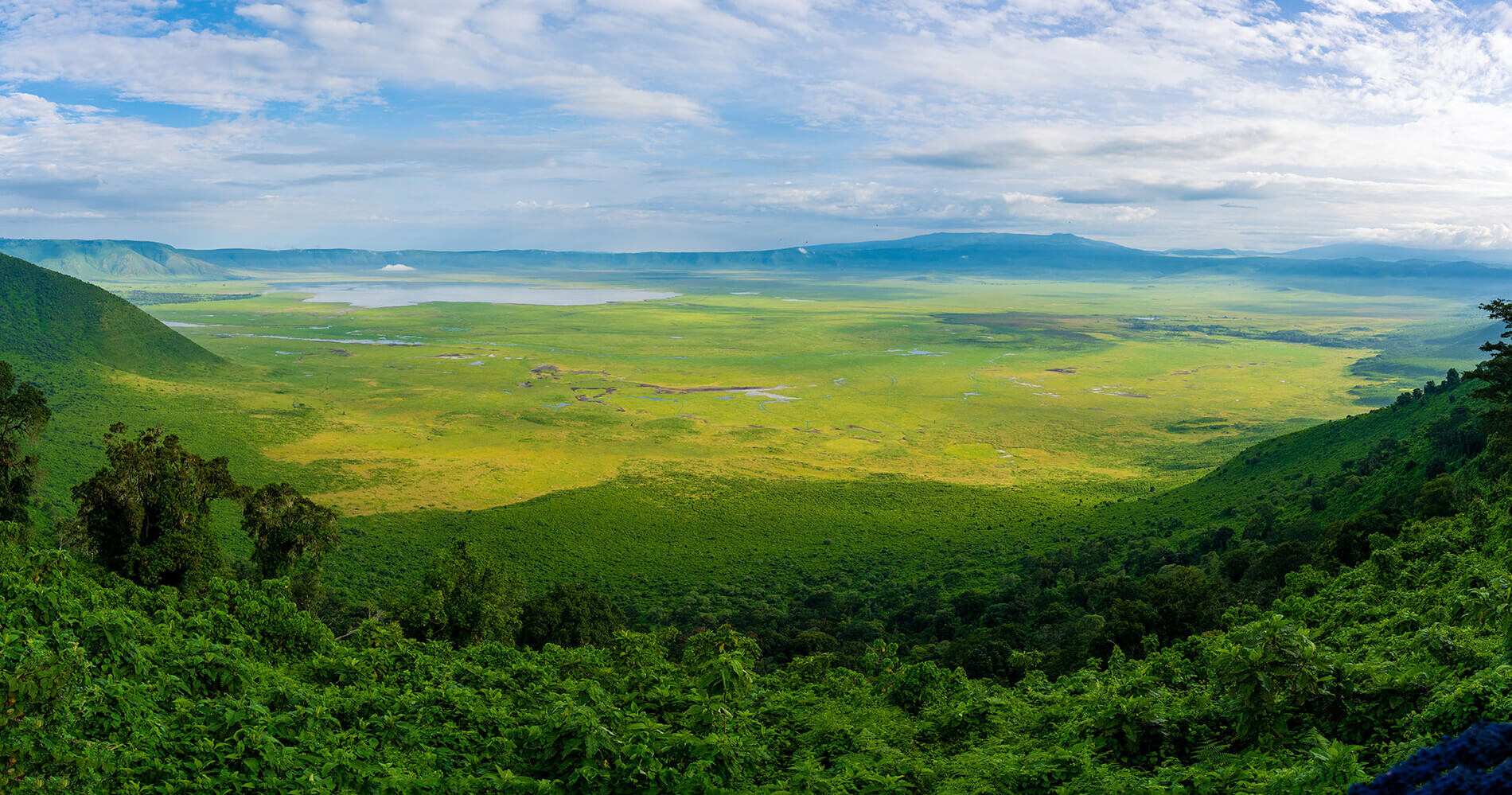
Ngorongoro Crater is one of the most extraordinary safari landscapes in Tanzania and one of the most recognizable natural environments in Africa. The enormous volcanic caldera contains grasslands, wetlands, forests, lakes and other habitats that support a remarkable concentration of wildlife. Because the crater is relatively compact compared with the Serengeti, visitors can experience an impressive variety of animals within a relatively short period, making it particularly valuable for travelers with limited safari time.
Lions, buffalo, elephants, zebras, wildebeest, hippos, hyenas and many other species can be encountered within the crater, while the area is also important for black rhinoceros sightings. Beyond wildlife, the crater provides spectacular scenery, with steep walls surrounding the broad floor and changing light creating excellent photographic conditions throughout the day. Ngorongoro is particularly effective when combined with Serengeti and Tarangire because it adds a completely different landscape to a northern Tanzania safari rather than simply duplicating the experience of open plains.
Tarangire National Park: The Elephant Kingdom of Northern Tanzania
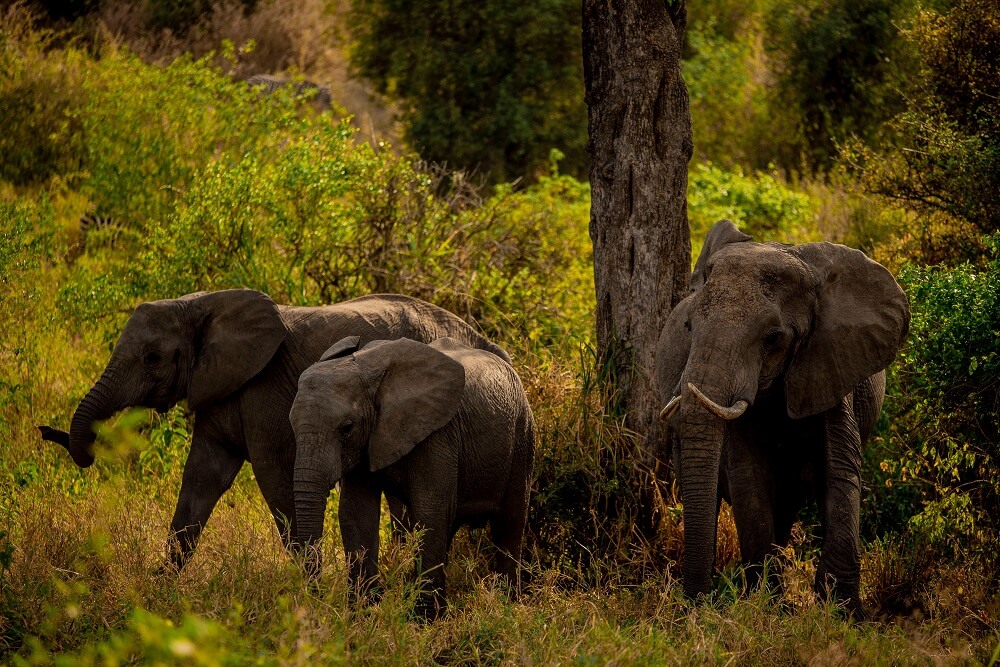
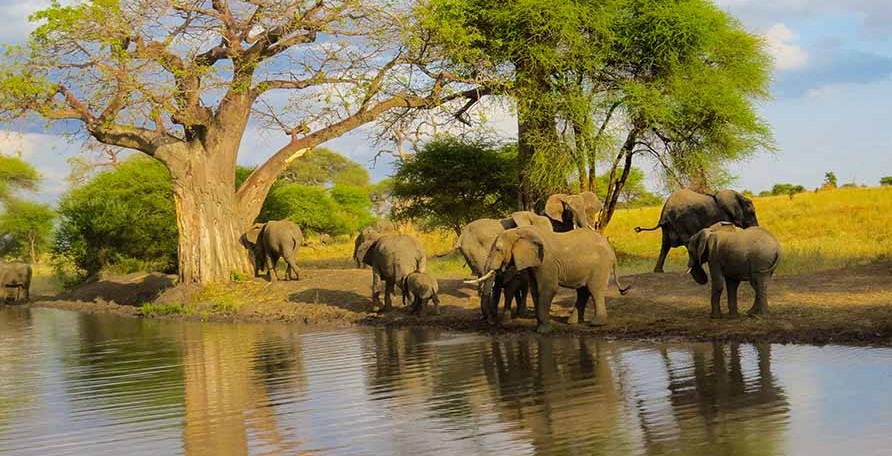
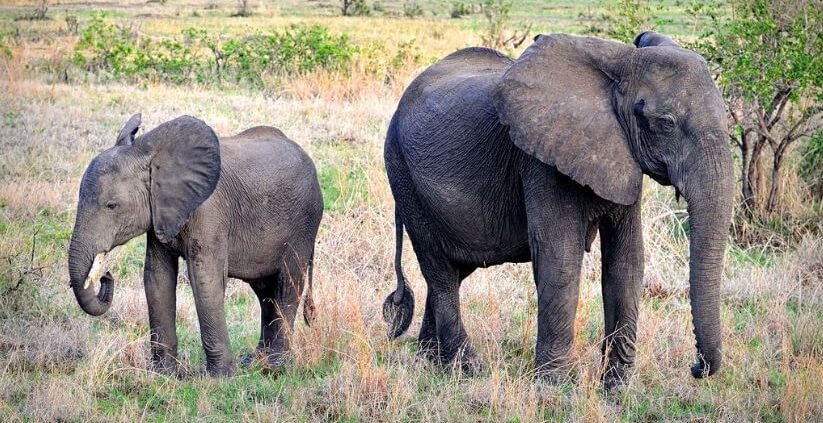
Tarangire National Park is one of the most rewarding safari destinations in northern Tanzania and is especially famous for elephants, baobab trees and dramatic seasonal wildlife concentrations.
The park’s landscape differs considerably from the open plains of the Serengeti, with woodland, grassland, swamps, seasonal water sources and enormous ancient baobabs creating a distinctive African atmosphere. During drier periods, wildlife is attracted toward dependable water sources, increasing the chances of encountering large elephant herds and other animals in concentrated areas. Tarangire also supports lions, leopards, cheetahs, giraffes, zebras, wildebeest, buffalo and an impressive diversity of birdlife.
Because it can often be incorporated efficiently into a northern safari circuit, Tarangire is an excellent destination for both short and extended trips. Travelers who appreciate landscapes and photography often find Tarangire particularly memorable because the combination of elephants, baobabs, golden grass and dramatic skies produces a visual experience that is very different from the Serengeti.
Nyerere National Park: The Best Destination for Boat Safari Experiences
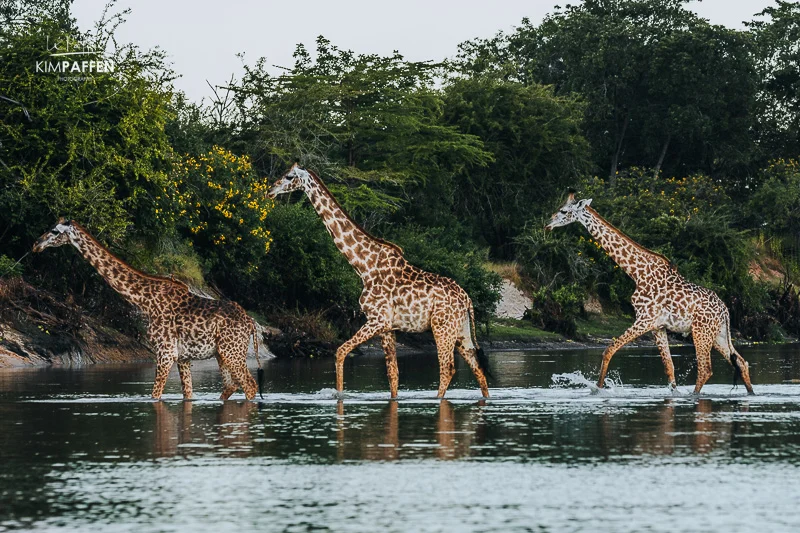
Nyerere National Park, formerly associated with the Selous ecosystem, provides one of Tanzania’s most distinctive safari experiences because it allows travelers to experience wildlife from both land and water. The Rufiji River and its associated channels, lakes and wetlands create an environment where boat safaris can reveal animals that may be experienced differently from a traditional vehicle safari.
Hippos can gather in the water, crocodiles rest along the riverbanks, elephants may approach water sources and numerous bird species inhabit the surrounding wetlands. Nyerere also offers opportunities for walking safaris in suitable areas, allowing visitors to appreciate smaller ecological details such as animal tracks, plants, insects and birdlife.
The park is also associated with African wild dog sightings, making it particularly attractive to experienced wildlife enthusiasts. Nyerere is an excellent choice for travelers who have already visited the northern circuit or anyone who wants a more varied safari experience that combines traditional game drives with river exploration and a stronger sense of wilderness.
Ruaha National Park: Tanzania’s Remote Wilderness
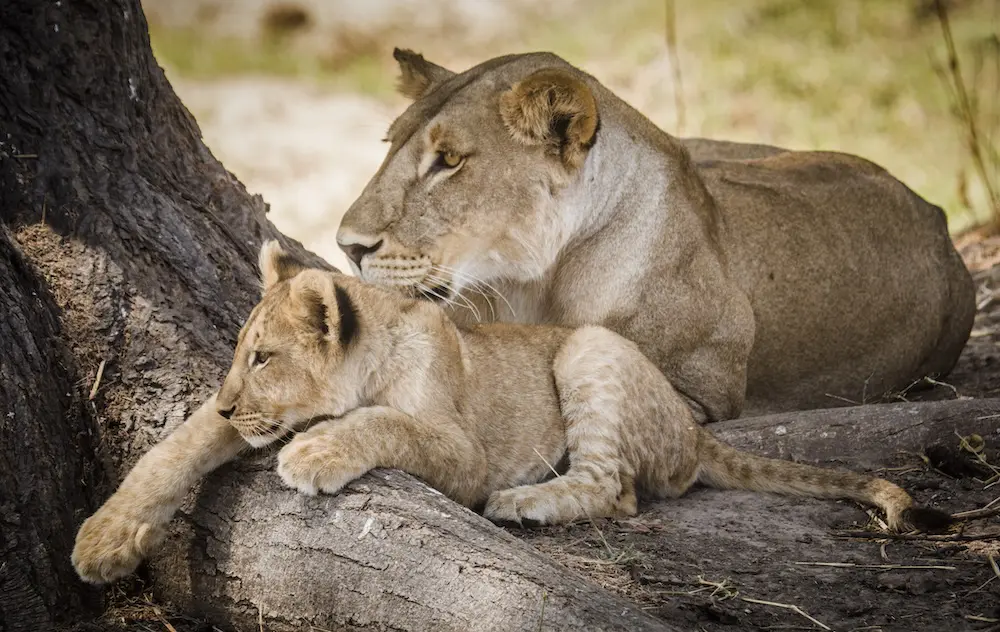
Ruaha National Park is one of the best choices for travelers who value remoteness, solitude and a more traditional wilderness atmosphere. Located in southern Tanzania, Ruaha is characterized by vast landscapes, rugged scenery, woodland, open plains and river systems that sustain wildlife during changing seasons.
The park supports large populations of elephants and buffalo and offers opportunities to see lions, leopards, giraffes, hippos, crocodiles, kudu and numerous other species. Ruaha is particularly appealing to experienced safari travelers because it generally feels less dominated by the high visitor numbers associated with some of the most famous northern destinations.
Its enormous landscapes create a sense of space and isolation that is increasingly difficult to find in heavily visited wildlife destinations around the world. Birdwatchers are also rewarded with exceptional diversity, while photographers can benefit from dramatic landscapes, strong light and a wide range of wildlife behavior. For travelers looking for a deeper wilderness experience rather than simply checking famous parks off a list, Ruaha deserves serious consideration.
Lake Manyara National Park: A Compact and Diverse Safari Destination
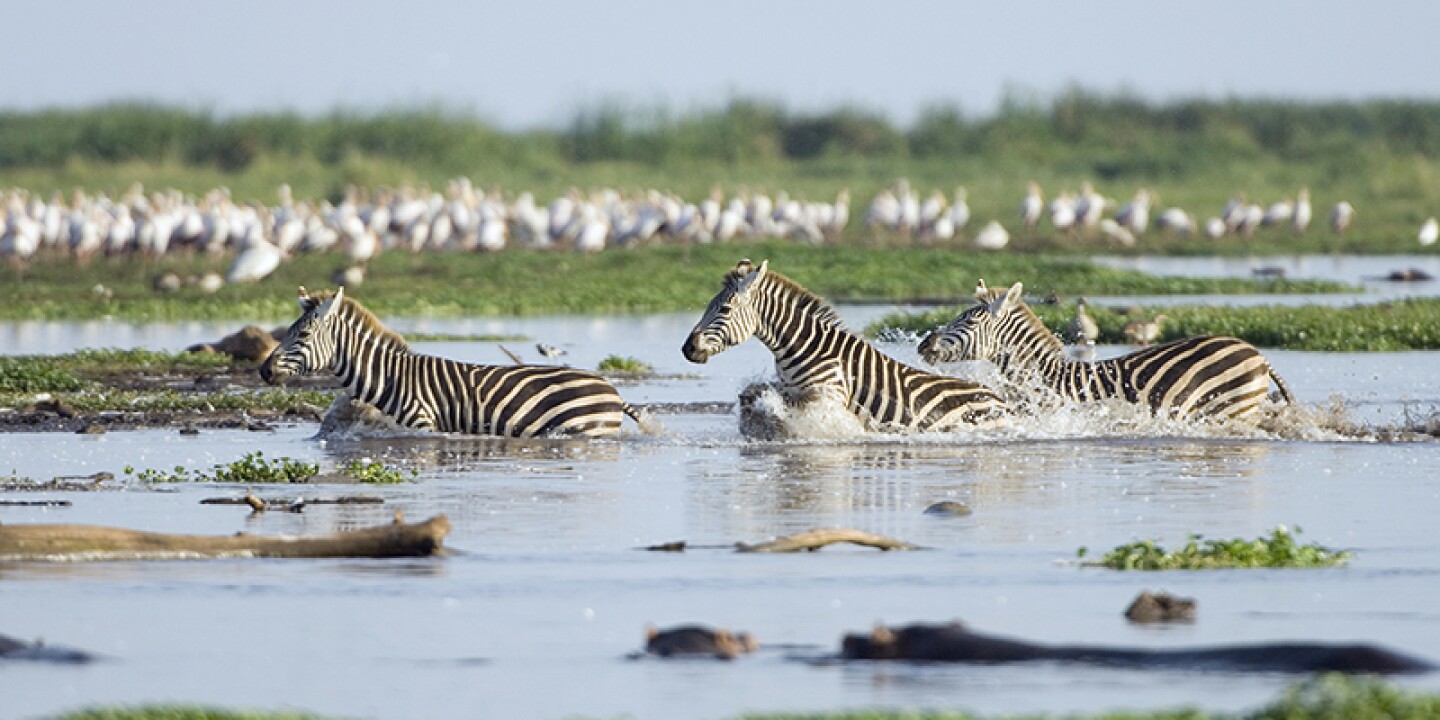
Lake Manyara National Park is a relatively compact destination but contains an impressive variety of habitats within a small geographical area. The park includes groundwater forests, woodland, open grassland and lake environments that support elephants, giraffes, buffalo, hippos, monkeys, birds and numerous other species.
The lake itself creates an important wetland environment and can attract large numbers of birds, making the park valuable for wildlife enthusiasts who want to combine traditional game viewing with birdwatching. Lake Manyara can be especially useful on shorter northern Tanzania itineraries because it can be combined with Tarangire, Ngorongoro and Serengeti without requiring a completely separate safari circuit. Although it may not have the international fame of the Serengeti, its ecological diversity and convenient position make it a worthwhile component of a well-designed northern safari.
Mikumi National Park: An Accessible Safari From Dar es Salaam
Mikumi National Park is one of the most accessible safari destinations for travelers staying in or traveling through Dar es Salaam. Its location makes it particularly suitable for shorter safari holidays, weekend trips and travelers who do not have enough time for the longer journey required to reach some northern or southern destinations.
The park’s open plains support a variety of wildlife, including elephants, lions, giraffes, zebras, buffalo and other herbivores, while surrounding habitats contribute to a broad range of bird species. Mikumi can also serve as an introduction to the southern Tanzania safari circuit and may be useful for travelers who want a genuine wildlife experience without committing to a week-long northern itinerary. Although it does not carry the same global reputation as Serengeti, its accessibility makes it an important option when designing a practical Tanzania safari.
The Best Time to Go on Safari in Tanzania
The best time to visit Tanzania depends entirely on what the traveler wants to experience, because wildlife conditions, weather, landscapes and tourism levels change throughout the year. The dry season from approximately June to October is widely regarded as one of the strongest periods for classic safari because vegetation is generally less dense, water becomes more concentrated and animals may be easier to locate around remaining water sources.
This period is also popular because the weather is often favorable for game drives and photography. January through March can be particularly rewarding in southern Serengeti areas because of the calving season, when large numbers of young wildebeest are born and predator activity can become intense. April and May generally coincide with the long rains, which can result in fewer visitors and potentially better-value accommodation, while the landscapes become exceptionally green and photogenic.
November and December bring shorter rains and can produce lush scenery, migratory movements and strong birdwatching conditions. Rather than asking for one universally perfect month, travelers should identify their main objective first and then choose dates that match it.
Tanzania Safari During the Dry Season
The dry season is one of the most popular times to visit Tanzania because wildlife viewing can be highly productive and road conditions are often favorable. As water sources become more limited, animals may concentrate around rivers, lakes, springs and other permanent water points, making them easier for guides to locate.
Dry vegetation can also improve visibility, while clear skies and strong sunlight provide excellent opportunities for wildlife photography. The disadvantage is that this period is also extremely popular, particularly around major migration areas, which means accommodation can sell out early and prices can increase. Travelers who want the best possible combination of weather, wildlife viewing and comfortable safari conditions should consider the dry season but should also plan well in advance and consider less crowded destinations such as Ruaha or parts of Nyerere.
Tanzania Safari During the Green Season
The green season offers a completely different visual experience. After rainfall, the landscapes become lush, grasses grow rapidly, trees develop fresh foliage and many areas become exceptionally attractive for photography. Migratory birds may be present in significant numbers, while fewer tourists can create a quieter atmosphere in some parks.
Rain does not necessarily mean that a safari is ruined; showers can be short, landscapes can become dramatically beautiful and wildlife remains active. Travelers who are flexible about weather may find the green season particularly rewarding because they can experience Tanzania under conditions that differ significantly from the dry-season photographs commonly used in tourism marketing. It can also provide opportunities for travelers seeking better value, although specific lodge pricing and seasonal closures vary by property.
How Many Days Do You Need for a Tanzania Safari?
The ideal safari length depends on how many destinations you want to visit and how much time you want to spend actually watching wildlife rather than traveling between parks. A three-day safari can provide a valuable introduction to destinations such as Tarangire and Ngorongoro, but it is generally too short for travelers whose main goal is to explore the Serengeti thoroughly.
Five days can create a strong introduction to northern Tanzania by combining Tarangire, Ngorongoro and a shorter Serengeti experience. Seven days is often a much better balance because it provides enough time for multiple game drives and reduces the pressure to move every day. Travelers with ten to fourteen days can create a much more comprehensive journey, combining northern Tanzania with the southern circuit or adding Zanzibar.
The most important principle is to avoid trying to visit too many parks simply to increase the number of destinations. A safari becomes more rewarding when travelers have enough time to slow down, observe animal behavior and enjoy the landscape.
The Best Seven-Day Tanzania Safari Itinerary
A seven-day northern Tanzania safari can provide an excellent balance between variety and depth. The journey can begin in Tarangire, where travelers experience elephants, baobabs and woodland landscapes, before continuing toward the Ngorongoro Conservation Area.
After exploring Ngorongoro, several days can then be devoted to the Serengeti, with the exact region selected according to the season and current wildlife movements. Spending multiple nights in the Serengeti is particularly important because the park is enormous and travel between regions can take time.
A well-designed seven-day safari should therefore prioritize wildlife time rather than attempting to include every famous park. The itinerary can conclude with a return toward Arusha or an onward flight, depending on whether the traveler plans to continue to Zanzibar, Kilimanjaro or another destination.
The Best Ten-Day Tanzania Safari Experience
Ten days allows travelers to experience Tanzania at a much more comfortable pace. A northern circuit can begin in Tarangire, continue to Ngorongoro and then spend several days in the Serengeti. Instead of immediately leaving the Serengeti after one game drive, travelers can remain in the ecosystem long enough to explore different habitats and respond to wildlife activity.
The final portion of the trip can either continue through the Serengeti or introduce a completely different experience in Nyerere or another southern destination. Another option is to finish with Zanzibar, creating a classic combination of wildlife and beach relaxation. The greatest advantage of ten days is flexibility because the itinerary does not need to be dominated by long transfer days. Travelers can spend more time observing wildlife, enjoying their accommodation and experiencing the natural environment rather than constantly packing and unpacking.
Luxury Safaris in Tanzania
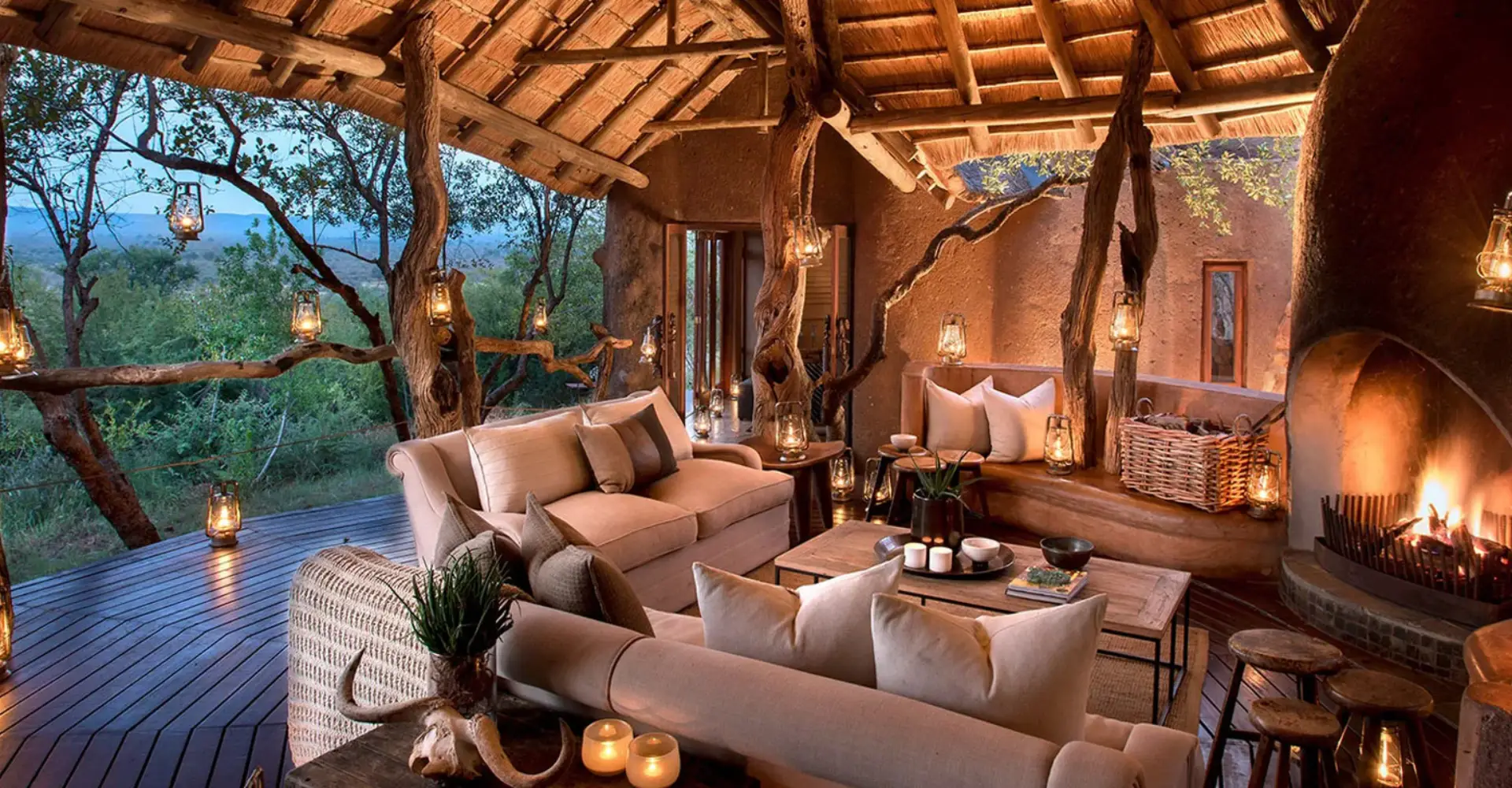
Luxury safari travel in Tanzania is about far more than expensive accommodation. The most successful luxury experience combines excellent guiding, prime wildlife locations, privacy, personalized service, comfortable vehicles and carefully selected camps or lodges.
Luxury travelers can choose private safari vehicles, allowing them to determine departure times and spend as much time as they wish at interesting sightings. High-end camps can provide exceptional meals, private dining, spacious tents or suites, scenic locations and personalized service, while domestic flights can dramatically reduce travel time between distant safari regions.
The value of luxury is therefore not simply measured by the quality of the bed but by the overall experience. A smaller, well-positioned camp with an outstanding guide can provide a more memorable safari than a larger property with impressive architecture but less effective wildlife access.
Budget Safaris in Tanzania
A Tanzania safari does not necessarily require an ultra-luxury budget. Budget-conscious travelers can reduce costs by choosing shared vehicles, camping or simpler accommodation, traveling during lower-demand periods and selecting destinations that do not require expensive internal flights.
However, travelers should be careful when comparing prices because extremely cheap safari packages may reduce costs through long driving days, low-quality vehicles, inexperienced guides or poorly located accommodation. The best budget safari is one that manages expenses without sacrificing the fundamentals of safety, guiding and wildlife time. A slightly more expensive operator with a reliable vehicle and knowledgeable guide may provide dramatically better value than the cheapest available quotation.
Private Versus Group Tanzania Safaris
Private safaris offer greater flexibility because the itinerary can be adjusted according to the interests of the travelers. If a family wants to spend an hour watching elephants, a photographer wants to wait for a leopard to emerge, or a couple wants to enjoy a quiet sunset location, a private vehicle makes this much easier.
Group safaris can be significantly more affordable and can be enjoyable for travelers who like meeting other people, but the schedule is usually less flexible. The right choice depends on budget, personality and priorities. Travelers who consider wildlife photography, family travel, honeymoon travel or specialized interests should generally consider a private vehicle because the ability to control the pace can significantly improve the safari experience.
Tanzania Safari for Families
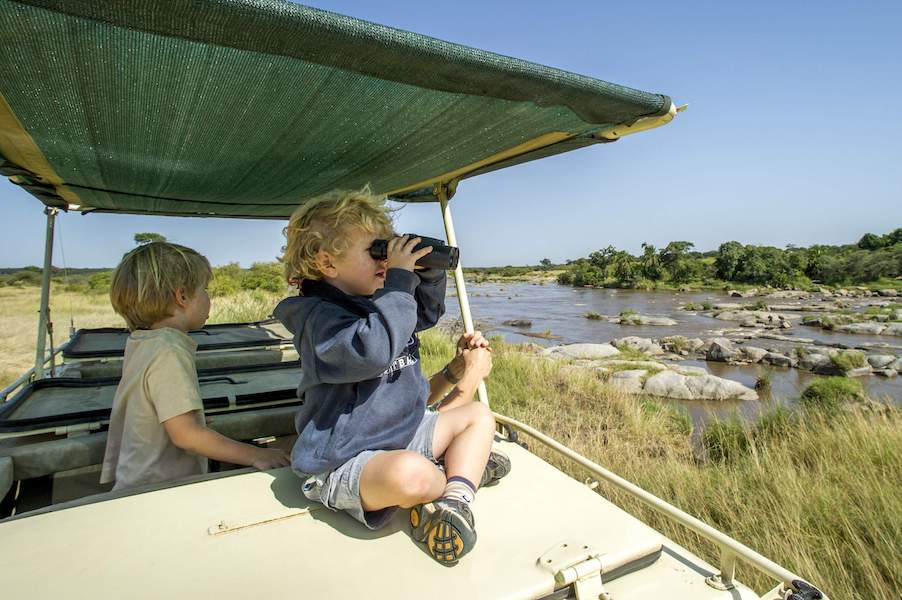
Tanzania can be an excellent family destination when the itinerary is designed around the ages, interests and energy levels of the children. Long daily drives can become tiring for young travelers, so families should avoid overly ambitious itineraries that involve changing accommodation every night. Private vehicles are particularly valuable because they allow families to control departure times, meal breaks and the length of wildlife viewing sessions.
Family-friendly lodges and camps can provide appropriate room configurations and activities, while shorter game drives can prevent children from becoming overwhelmed. Tarangire, Ngorongoro and selected areas of the Serengeti can form an excellent family itinerary because they combine accessible wildlife viewing with diverse scenery. Families should also work with experienced operators who understand the practical requirements of traveling with children in a wilderness environment.
Tanzania Safari for Honeymoons
Tanzania is one of Africa’s most romantic safari destinations because it combines wilderness, luxury and privacy with the possibility of a beach extension in Zanzibar. Couples can spend several days in private safari camps, enjoy sunrise game drives, share meals in the bush and watch wildlife together before flying to the Indian Ocean for a period of relaxation. A honeymoon itinerary should not be overloaded with too many destinations because constantly moving can reduce the romantic atmosphere.
Spending several nights in one exceptional camp can be more memorable than visiting numerous properties for only one night each. Serengeti and Ngorongoro provide particularly strong foundations for a romantic safari, while Zanzibar can provide the ideal conclusion with beaches, warm waters, Swahili culture and relaxed coastal accommodation.
Tanzania Safari for Wildlife Photographers
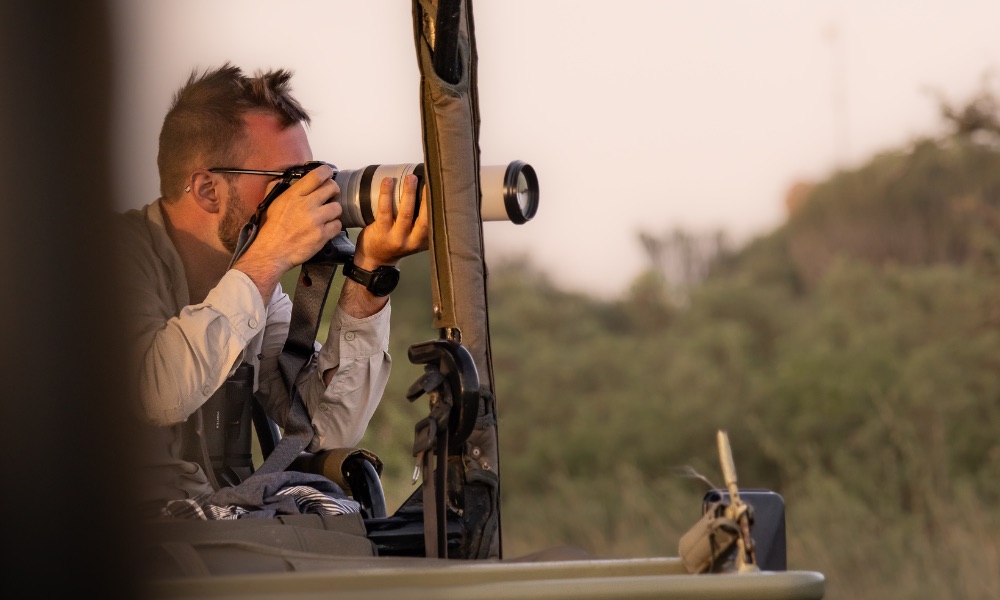
Tanzania is one of the world’s outstanding wildlife photography destinations because it provides a combination of abundant animals, dramatic landscapes, open vehicles and changing light. Photographers should pay attention not only to individual animals but also to environmental storytelling.
A lion against a vast Serengeti horizon, elephants framed by baobabs in Tarangire, a giraffe beneath storm clouds or a herd of wildebeest crossing open grassland can communicate far more about Tanzania than a close-up animal portrait. Early morning and late afternoon generally provide the most attractive light, while patience is often more important than expensive equipment. Photographers should also work with guides who understand animal behavior and can position vehicles responsibly without disturbing wildlife.
Tanzania Safari for Birdwatchers
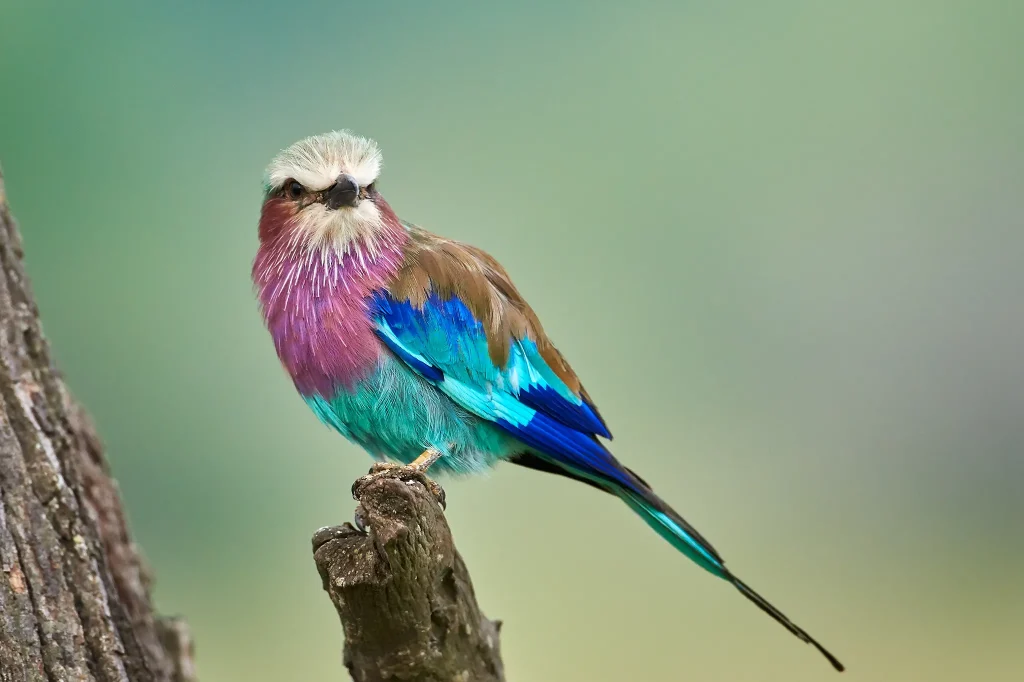
Although Tanzania is internationally famous for large mammals, it is also an exceptional destination for birdwatching. The country’s diverse habitats support numerous resident and migratory bird species, ranging from raptors and kingfishers to bee-eaters, rollers, hornbills, herons, storks and waterbirds. Tarangire, Lake Manyara, Nyerere and Ruaha can be particularly interesting because their varied habitats create opportunities for observing different bird communities.
Birdwatchers should communicate their interests to the safari operator before departure because a guide who specializes exclusively in large mammals may not spend sufficient time identifying smaller or less obvious species. A good birding safari changes the pace of travel, allowing more time for careful observation and habitat exploration.
The Big Five in Tanzania
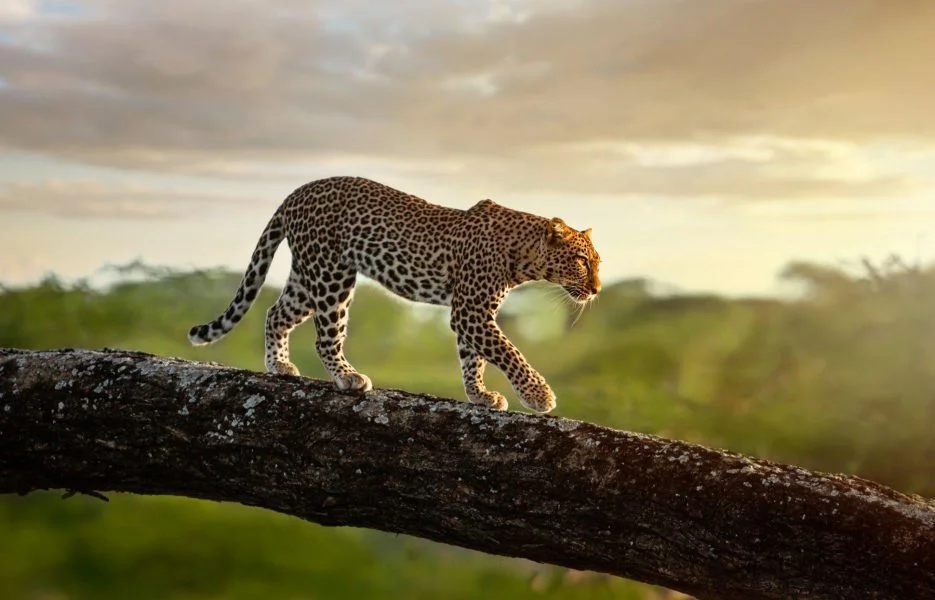
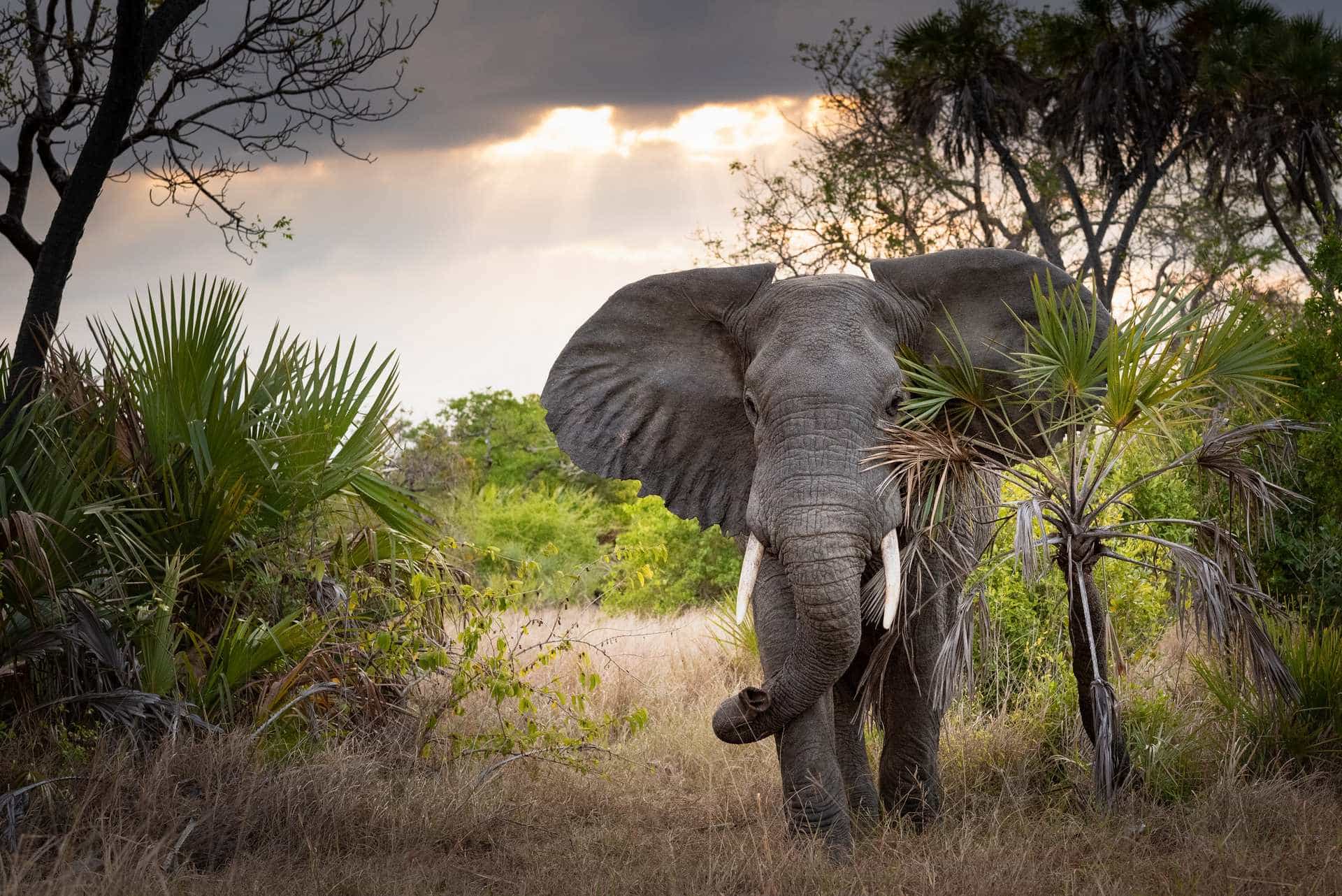
The Big Five remain one of the main attractions for safari travelers, but they should be viewed as part of a much larger ecosystem. Lions are widespread across Tanzania’s major safari destinations, while leopards can require greater patience because they are more solitary and elusive. Elephants are particularly impressive in Tarangire and Ruaha, where travelers may encounter large groups moving through distinctive landscapes.
Buffalo are widespread and often easier to encounter, while rhinoceros sightings require more patience and favorable circumstances. Ngorongoro is especially important for travelers hoping to see black rhinoceros. No responsible safari company should guarantee sightings of every Big Five species because wildlife remains wild and unpredictable. The quality of the safari should instead be judged by the overall experience, guiding and ecological understanding.
Wildlife Beyond the Big Five
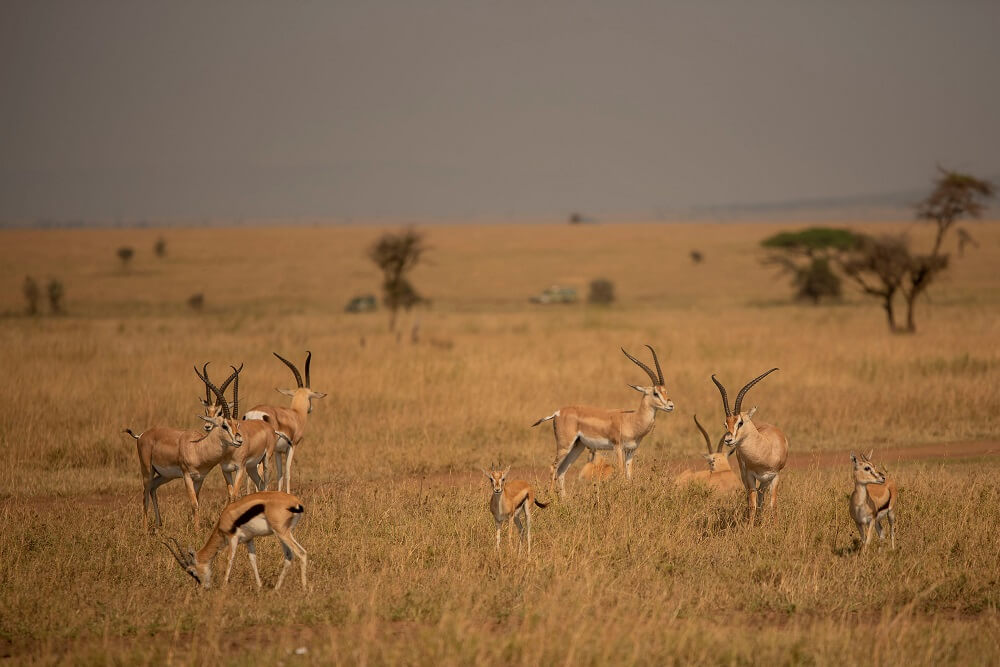
One of the biggest mistakes first-time safari travelers make is focusing only on lions, leopards, elephants, buffalo and rhinoceros. Tanzania supports a much wider collection of wildlife, including cheetahs, African wild dogs, giraffes, zebras, wildebeest, hippos, crocodiles, hyenas, jackals, warthogs, impalas, gazelles, kudu, eland, baboons, monkeys and hundreds of bird species.
Many of the most memorable safari moments involve animals that are not technically part of the Big Five. Watching a family of elephants interact, seeing a cheetah teach a young cub to hunt, observing hyenas communicating around a den or following a herd of zebra across a dramatic landscape can be every bit as fascinating as finding a lion. Travelers should therefore approach safari as an opportunity to understand an ecosystem rather than as a checklist of famous animals.
Tanzania Safari and Zanzibar Combination
Combining a Tanzania safari with Zanzibar is one of the most attractive ways to experience the country. The contrast between mainland wilderness and Indian Ocean beaches creates a balanced holiday in which adventure is followed by relaxation. Travelers can spend several days exploring Serengeti and Ngorongoro before taking a domestic flight to Zanzibar, where they can enjoy beaches, marine activities, historical architecture and Swahili culture.
Zanzibar can also provide an opportunity to slow down after several early-morning game drives. The combination is particularly popular among honeymooners and international visitors traveling to Tanzania for the first time because it offers two completely different sides of the country within a single journey.
Tanzania Safari and Mount Kilimanjaro Combination
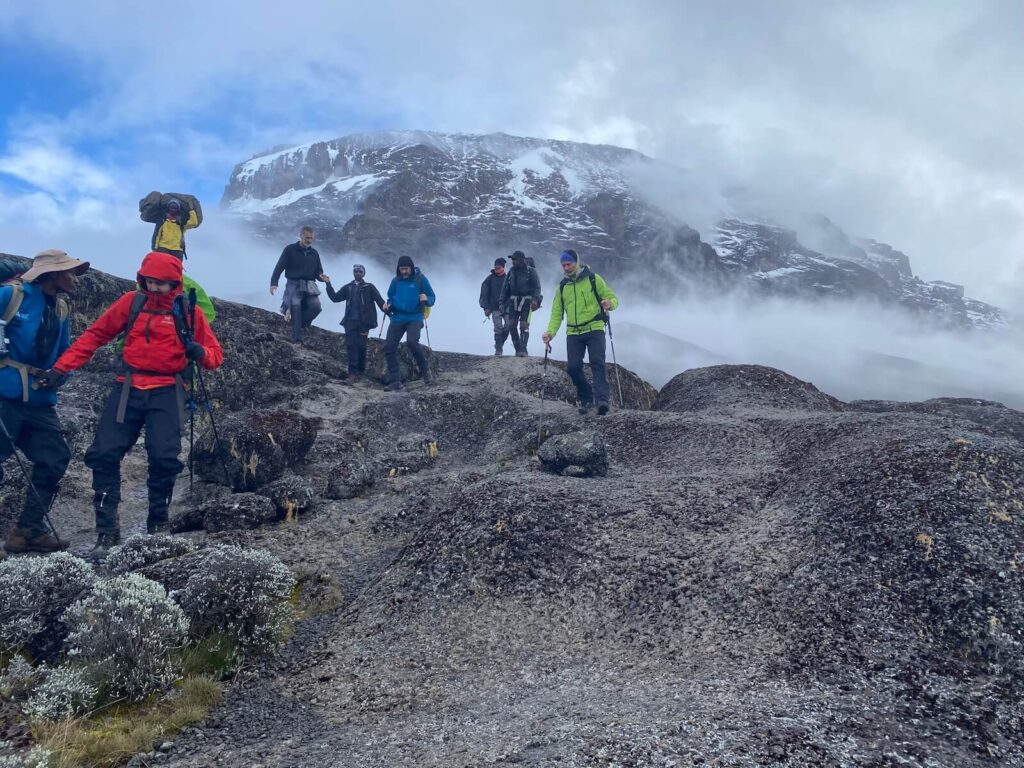
Travelers interested in adventure can combine a wildlife safari with Mount Kilimanjaro, Africa’s highest mountain. The combination creates a powerful itinerary that brings together high-altitude trekking, wildlife and potentially a tropical beach holiday. However, the physical demands of climbing Kilimanjaro should not be underestimated. Travelers should allow adequate recovery time before beginning long safari drives and should select a trekking route and schedule appropriate to their fitness and experience.
A well-planned combination might place the mountain experience before the safari, allowing travelers to finish the physically demanding portion of the journey before relaxing in the wilderness. Alternatively, the safari can come first for travelers who prefer to begin their holiday with less strenuous activities.
What to Pack for a Tanzania Safari
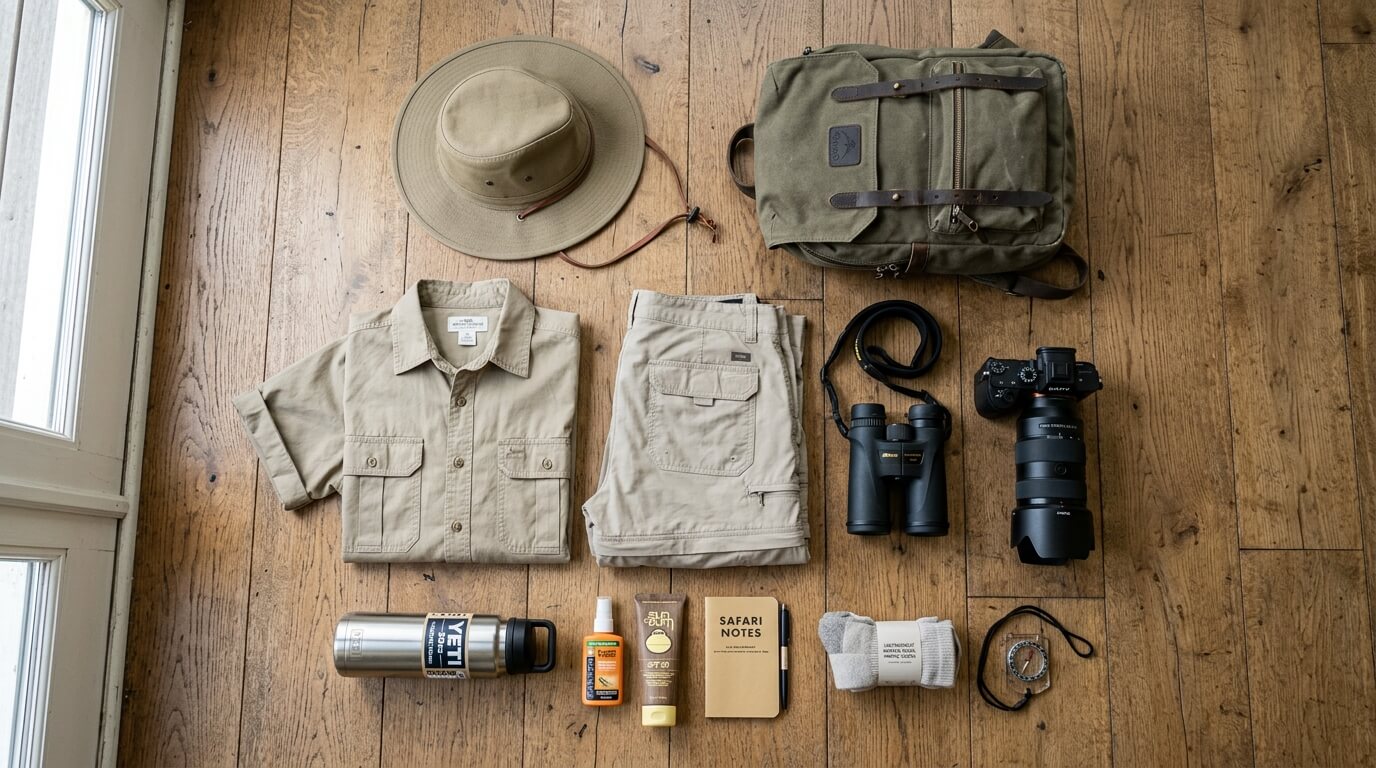
Packing for Tanzania should focus on comfort, practicality and adaptability rather than fashion. Lightweight clothing is useful during warm days, while long sleeves and trousers can provide protection from sun and insects. Early mornings and evenings can be surprisingly cool, especially in higher-elevation areas around Ngorongoro, so a warm layer is valuable.
Comfortable closed shoes, a hat, sunglasses, sunscreen and insect repellent are practical essentials, while binoculars can dramatically improve wildlife observation. Travelers using cameras should carry spare batteries or appropriate charging equipment because some camps may have limited electricity.
A small daypack can also be useful for personal items during game drives. The most important principle is to avoid overpacking because many safari flights have strict luggage limitations, particularly when using small aircraft.
Choosing the Right Tanzania Safari Company
Selecting a safari company is one of the most important decisions a traveler will make because the quality of the operator can influence almost every part of the trip. A professional company should provide clear information about accommodation, park fees, transportation, meals, activities and exclusions rather than presenting a vague package price. Travelers should pay particular attention to guide experience because a knowledgeable guide can transform an ordinary game drive into a fascinating lesson in animal behavior, ecology and conservation.
Vehicle condition is also important because safari roads can be demanding and travelers may spend many hours inside the vehicle. Responsible operators should demonstrate respect for wildlife regulations, local communities and conservation principles. Travelers should compare complete itineraries rather than simply comparing prices, because a cheaper itinerary may contain longer transfers, lower-quality accommodation or less time in the most important wildlife areas.
Responsible and Sustainable Safaris in Tanzania
Responsible tourism is increasingly important because Tanzania’s wildlife destinations depend on healthy ecosystems and supportive local communities. Travelers should choose operators that follow park regulations, maintain appropriate distances from wildlife and avoid activities that stress or exploit animals.
Supporting locally owned businesses and community-based initiatives can help ensure tourism benefits people living around protected areas. Travelers should also minimize waste, avoid unnecessary single-use plastics and respect local cultural practices. A responsible safari does not mean sacrificing enjoyment; in fact, the best wildlife experiences often occur when guides prioritize animal welfare and natural behavior rather than trying to manufacture dramatic encounters for tourists.
Conservation is ultimately what makes Tanzania’s extraordinary safari industry possible, so responsible travel is an investment in the future of the destination.
Safari Safety in Tanzania
Tanzania safaris take place in genuine wilderness environments, which means travelers must understand and respect wildlife safety rules. Animals should never be approached independently, fed or disturbed, and visitors should remain inside vehicles whenever guides or park regulations require it.
At camps and lodges, travelers should follow staff instructions because wildlife can sometimes move through accommodation areas, particularly at night. Visitors should also listen carefully to their guides regarding safe behavior around elephants, buffalo, hippos and predators because apparently calm animals can react unpredictably.
Reliable safari operators maintain safety procedures and should be able to explain emergency communication, vehicle maintenance and evacuation arrangements. The safest safari is one in which travelers understand that they are visitors inside a wild ecosystem and allow experienced professionals to make decisions about distance, timing and movement.
How to Get the Best Value From a Tanzania Safari
Getting the best value does not necessarily mean finding the cheapest safari. True value comes from maximizing the quality of the experience relative to the money spent. Travelers should consider how many hours they will actually spend viewing wildlife, where their accommodation is located, how experienced their guide is, how reliable the vehicle is and how much time is lost through long transfers.
A slightly more expensive lodge located close to a major wildlife area can provide better value than a cheaper property requiring several hours of driving each day. Similarly, a private vehicle can seem expensive at first but may offer significantly greater flexibility and comfort. Travelers should also consider traveling during shoulder or green-season periods if their schedules are flexible. The strongest safari is one in which the budget is directed toward the elements that have the greatest impact on the experience.
Common Mistakes When Planning a Tanzania Safari
One of the most common mistakes is attempting to visit too many parks in a short period. Tanzania is enormous, and long transfer days can consume valuable wildlife time. Another mistake is choosing an itinerary solely because it is cheap without understanding what has been removed from the experience.
Some travelers also assume that seeing the Great Migration means automatically seeing a river crossing, even though wildlife movement is unpredictable. Others spend too little time in the Serengeti because they want to collect more destinations, only to discover that the best safari moments often come from staying longer in one ecosystem.
Travelers should also avoid booking without understanding what the package includes, especially regarding park fees, flights, activities and accommodation. Finally, visitors should avoid treating safari as a guaranteed wildlife performance. The unpredictability of wild animals is not a weakness of the experience; it is one of the reasons safari is so special.
The Best Tanzania Safari for First-Time Visitors
For travelers visiting Tanzania for the first time, the classic northern circuit remains one of the strongest choices because it introduces several different ecosystems without requiring an extremely long journey. Tarangire provides elephants and baobabs, Ngorongoro provides a compact and spectacular wildlife environment, and Serengeti provides the enormous plains and predator-rich landscapes for which Tanzania is famous.
The itinerary can be adjusted according to the season, with more time allocated to southern Serengeti during calving season or northern Serengeti during periods when migration activity is concentrated there. First-time visitors should resist the temptation to add every available destination. A well-paced itinerary that allows time to appreciate wildlife is generally more rewarding than an itinerary that becomes a race between national parks.
The Best Tanzania Safari for Experienced Travelers
Experienced safari travelers often look for something beyond the classic northern circuit. For these travelers, Ruaha and Nyerere can provide a more remote and varied experience, particularly when combined with private guiding and carefully selected camps. Southern Tanzania offers the opportunity to experience wildlife in landscapes that can feel less developed and less crowded than some famous northern destinations.
Walking safaris and boat safaris also add dimensions that traditional vehicle-based game drives cannot provide. Travelers who have already seen Serengeti and Ngorongoro may therefore find enormous value in exploring the southern circuit, where the focus can shift from famous landmarks toward wilderness, ecological diversity and slower-paced exploration.
The Ultimate Tanzania Safari Experience
The ultimate Tanzania safari is not necessarily the longest, most expensive or most luxurious trip. It is the itinerary that matches the traveler’s interests with the right destination, season, accommodation and style of guiding. A wildlife enthusiast may prioritize several nights in Serengeti, while a honeymooner may prefer a private camp followed by Zanzibar.
A photographer may value long game drives and flexible private vehicles, while a family may prioritize shorter drives and comfortable accommodation. An experienced traveler may choose Ruaha and Nyerere for wilderness and walking experiences. The key is personalization. Tanzania has enough diversity to support almost any safari style, but the itinerary needs to be designed around what the traveler actually wants to experience.
Final Thoughts on the Best Tanzania Safaris
Tanzania is one of the few destinations where a single country can provide an extraordinary range of wildlife experiences, from the globally famous Great Wildebeest Migration in the Serengeti to elephant-filled Tarangire, the dramatic Ngorongoro Crater, river-based safaris in Nyerere and remote wilderness in Ruaha.
The country offers excellent opportunities for first-time safari travelers, families, honeymooners, photographers, birdwatchers and experienced wildlife enthusiasts. The most important step is to stop thinking of Tanzania as one safari destination and instead recognize it as a collection of very different ecosystems, each with its own strengths and seasonal patterns.
Once travelers identify the experience they want, it becomes much easier to choose the right park, the right season, the right accommodation and the right itinerary. Whether the goal is to watch thousands of wildebeest move across the Serengeti, photograph elephants beneath baobabs, search for black rhinos in Ngorongoro, explore the Rufiji River by boat or disappear into the wilderness of Ruaha, Tanzania offers an exceptional opportunity to experience Africa at its most spectacular and authentic.
Conclusion: Why Tanzania Should Be on Your Safari Bucket List
Tanzania deserves its reputation as one of Africa’s premier safari destinations because it combines exceptional wildlife, enormous protected landscapes, dramatic scenery, rich cultural heritage and extraordinary opportunities for adventure.
The Serengeti provides the iconic image of endless African plains, Ngorongoro offers one of the continent’s most remarkable wildlife environments, Tarangire delivers elephants and baobabs, Nyerere provides water-based exploration, and Ruaha offers the solitude and scale of genuine wilderness. When these experiences are combined with professional guiding, carefully selected accommodation and appropriate seasonal planning, a Tanzania safari can become far more than a conventional holiday.
It can become an immersive journey into one of the world’s great natural ecosystems. For travelers planning their first African adventure or returning to explore Tanzania more deeply, the country’s greatest attraction remains the same: the opportunity to witness wild animals living according to natural rhythms across landscapes that have remained extraordinary for generations.
Are you ready to start planning?
You can proceed with booking by filling out the form below. Let’s make your adventure unforgettable!