
Table of Contents
ToggleNorthern Circuit Route Kilimanjaro
The longest, most scenic, most remote & highest success trekking expedition in africa
The Northern Circuit Route on Mount Kilimanjaro is widely recognized by professional trekking operators, high-altitude guides, and expedition planners as the most complete, scenic, and strategically advanced climbing route on Africa’s highest peak. It is not simply a path to Uhuru Peak, but a deliberately engineered high-altitude expedition system designed to maximize acclimatization efficiency, reduce physiological risk, and provide the most immersive wilderness experience available anywhere on Kilimanjaro.
Unlike shorter ascent routes such as Machame, Marangu, or Umbwe, which prioritize rapid summit access, the Northern Circuit is fundamentally built around controlled altitude progression, extended adaptation windows, and reduced physiological shock exposure. This makes it the most scientifically optimized route on the mountain for oxygen adaptation and summit success.
Covering approximately 98 kilometers (61 miles), the Northern Circuit is the longest officially established Kilimanjaro route and represents a near-complete circumnavigation of the mountain’s upper slopes. Instead of moving directly upward through high-traffic southern corridors, climbers traverse a wide arc around Kilimanjaro’s remote northern flank, passing through isolated volcanic landscapes, untouched alpine valleys, and expansive high-altitude desert systems.
The result is a rare expedition environment where trekkers experience multi-day wilderness isolation, with minimal human interference and continuous exposure to rapidly shifting ecological zones. This creates not only a physical challenge but also a deep psychological immersion into one of Africa’s last true high-altitude wilderness corridors.
Because of its extended acclimatization design and gradual elevation gain, the Northern Circuit consistently records the highest summit success rates on Kilimanjaro, typically ranging between 90% and 95% on 9-day guided expeditions. This positions it as the safest and most reliable route for climbers aiming to reach Uhuru Peak successfully.
For travelers seeking the ultimate Kilimanjaro experience—one that combines isolation, endurance, visual diversity, and physiological safety—the Northern Circuit is widely regarded as the definitive expedition route on the mountain.
Overview of the northern circuit route Kilimanjaro
The Northern Circuit begins on the western approach of Mount Kilimanjaro at Londorossi Gate, entering through dense rainforest ecosystems that form the initial acclimatization stage of the expedition. Early sections follow the Lemosho Route before branching northward after the Shira Plateau and Lava Tower region, where the true Northern Circuit loop begins.
This divergence is the defining feature of the route. Instead of descending quickly toward the summit corridor, climbers are guided into a wide, slow-moving arc around Kilimanjaro’s northern slopes, a region characterized by extreme remoteness, low trekking density, and uninterrupted volcanic terrain.
The northern side of Kilimanjaro lies within a rain-shadow climatic zone, meaning it receives significantly less precipitation than southern routes. This results in clearer skies, drier terrain, and exceptionally wide visibility across the Kenyan plains. Climbers often experience prolonged periods of silence and isolation, with only wind movement, volcanic rock formations, and distant glacier silhouettes defining the environment.
From an expedition science perspective, this route is considered one of the most effective altitude adaptation systems because it introduces elevation gain gradually while incorporating multiple staged recovery points. This allows the body to naturally increase oxygen transport capacity, improve hemoglobin efficiency, and stabilize cardiovascular response before entering summit pressure zones.
In addition, the Northern Circuit exposes climbers to nearly every ecological system on Kilimanjaro in a single continuous progression—from rainforest humidity and moorland transition zones to alpine desert expanses and Arctic summit conditions. This makes it not only a trekking route but also a complete vertical climate traversal experience.
For photographers, expedition filmmakers, and high-end adventure travelers, the Northern Circuit is often described as the most visually and experientially complete Kilimanjaro route.
Key route facts
Starting Point: Londorossi Gate (Western Kilimanjaro)
The expedition begins at Londorossi Gate, a remote western entry point surrounded by dense rainforest ecosystems and lower trekking traffic compared to the southern routes. This entry provides a gradual environmental introduction and reduces early-stage congestion, allowing climbers to settle into trekking rhythm with minimal external disturbance.
Summit Point: Uhuru Peak (5,895m / 19,341 ft)
The expedition culminates at Uhuru Peak, the highest point in Africa and one of the most globally recognized trekking summits. Reaching this point requires successful navigation of multiple climate zones and sustained physiological adaptation under extreme altitude conditions.
Uhuru Peak represents:
• The highest free-standing mountain summit on Earth
• The symbolic “Roof of Africa”
• A Seven Summits achievement destination
• One of the most sought-after endurance trekking goals worldwide
Summiting requires a combination of endurance capacity, altitude adaptation, mental resilience, and disciplined pacing rather than technical climbing skill.
Total Distance: Approximately 98 Kilometers (61 Miles)
The Northern Circuit is the longest Kilimanjaro trekking route, covering significantly more terrain than traditional ascent paths. This extended distance is a deliberate design feature that improves oxygen adaptation by slowing overall ascent speed and distributing altitude stress across multiple days.
Key physiological benefits include:
• Reduced altitude shock response
• Improved cardiovascular adaptation
• Lower daily fatigue accumulation
• Higher summit success probability
Instead of rapid ascent, the route prioritizes controlled altitude exposure and recovery balance.
Recommended Duration: 8–9 Days
Although technically possible in 8 days, the 9-day itinerary is widely considered the optimal standard because it significantly improves acclimatization efficiency and reduces summit failure risk.
The additional day enhances:
• Oxygen absorption efficiency
• Sleep quality at altitude
• Energy stabilization
• Physical recovery cycles
• Overall summit success rate
Most professional expedition operators strongly recommend the 9-day version, especially for first-time high-altitude climbers.
Difficulty Level: Moderate to Challenging
The Northern Circuit requires no technical climbing equipment such as ropes or ice axes under normal conditions, but it remains physically demanding due to:
- Sustained high altitude exposure
• Long trekking durations
• Cold summit environments
• Oxygen reduction above 4,000m
• Progressive fatigue accumulation
The difficulty is physiological rather than technical, making altitude adaptation the key determinant of success.
Success Rate: Approximately 90%–95%
The Northern Circuit consistently achieves the highest summit success rate on Kilimanjaro due to its extended acclimatization profile and controlled elevation gain strategy.
Key contributing factors:
✔ Gradual ascent profile
✔ Multiple acclimatization phases
✔ Reduced crowd pressure
✔ Improved rest cycles
✔ Stable trekking rhythm
This makes it the safest commercially guided route on the mountain.
Traffic Level: Very Low
One of the most defining advantages of the Northern Circuit is its extremely low traffic density. Unlike popular southern routes, climbers often experience long stretches of complete isolation.
This creates:
• Strong wilderness immersion
• Minimal campsite congestion
• Reduced psychological stress
• Greater connection to environment
• Enhanced expedition authenticity
The northern slopes are among the quietest trekking environments in all of East Africa.
Detailed northern circuit route trekking flow
The Northern Circuit functions as a structured altitude adaptation corridor, where each stage is designed to progressively prepare the human body for high-altitude survival conditions. The route does not simply ascend—it systematically transforms environmental exposure, oxygen availability, and physiological demand in controlled stages.
Londorossi gate to the rainforest zone
The expedition begins within the dense western rainforest belt of Kilimanjaro, a humid and biologically rich ecosystem that represents the first major environmental transition of the climb. This zone is characterized by high moisture levels, thick vegetation layers, and a dense canopy structure that filters sunlight into soft, diffused patterns across the forest floor.
The rainforest acts as a natural acclimatization buffer, allowing climbers to begin physical exertion under relatively stable oxygen conditions while gradually adjusting to altitude gain. The environment is alive with biodiversity, including layered vegetation structures, moss-covered trees, and constant atmospheric humidity that creates a sense of immersion in a living ecological system.
Common features include:
• Dense tropical forest canopy layers
• Fern-covered volcanic soil paths
• Continuous mist and cloud interception
• High humidity microclimates
• Natural wildlife corridors
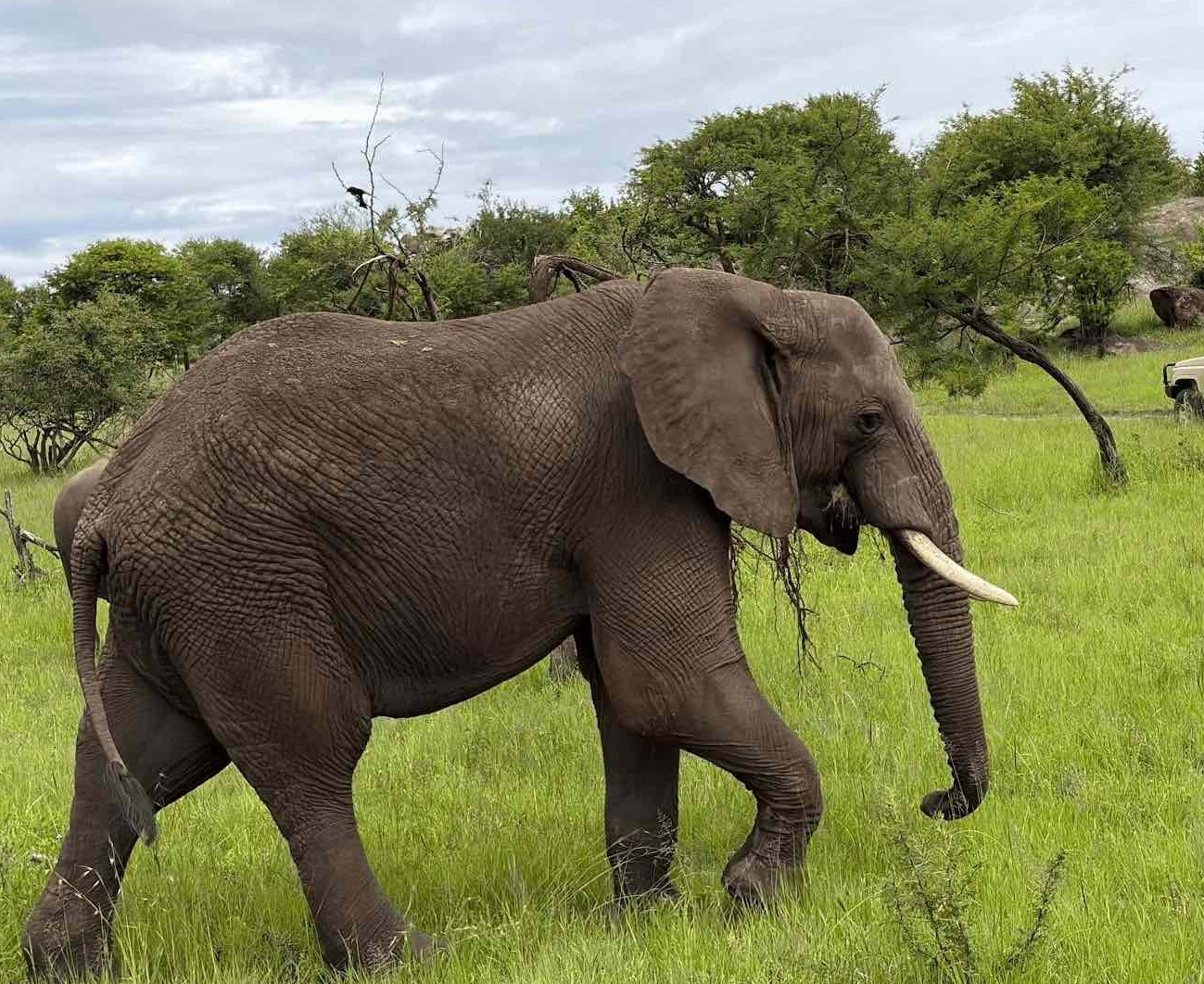
Wildlife encounters may include:
• Colobus monkeys
• Blue monkeys
• Forest antelope species
• Tropical bird populations
Physiologically, this stage is critical because it initiates metabolic adaptation without overwhelming oxygen stress, allowing climbers to establish rhythm, hydration discipline, and trekking efficiency before entering higher altitude zones.
Shira ridge & shira plateau – the volcanic expansion zone
After exiting the rainforest, the terrain transitions abruptly into the Shira Plateau, one of the highest volcanic plateaus on Earth and a defining geological feature of Kilimanjaro. This transformation represents one of the most visually dramatic moments of the entire expedition, as enclosed forest environments give way to vast open volcanic landscapes.
The Shira Plateau is formed from ancient volcanic activity and now exists as an elevated plain surrounded by distant peaks, shifting cloud formations, and expansive African sky horizons. The sense of scale becomes significantly larger, and climbers begin to feel the exposure of high-altitude environments.
Key environmental features include:
• Wide volcanic rock plains
• Giant alpine plant species (lobelias and senecios)
• Strong wind currents and open exposure
• Rapid temperature fluctuations
• Expansive visibility across East African terrain
At this stage, the physiological impact of altitude becomes noticeable. Climbers begin experiencing reduced stamina efficiency, increased breathing rate, and heightened dehydration sensitivity due to thinner air density and increased UV exposure.
The Shira Plateau is also one of Kilimanjaro’s most important acclimatization zones, as it allows early adaptation to high altitude conditions before entering more demanding ascent phases.
Advanced expedition systems, risk architecture & summit execution logic (deep field operation layer)
Beyond basic physical preparation and general altitude awareness, Kilimanjaro functions as a multi-layer expedition system where success depends on understanding how environmental pressure, human biology, logistics timing, and decision-making frameworks interact in real time. Every trekking group on the mountain is effectively operating inside a controlled but unpredictable high-altitude system where small errors in pacing, hydration, or rest management accumulate into exponential performance decline at higher elevations.
The mountain does not respond linearly to effort. Instead, it amplifies inefficiency. A slightly too-fast pace at 3,000 meters may feel manageable, but the same pacing error at 4,800 meters can result in full physiological collapse due to oxygen saturation drop, dehydration acceleration, and metabolic imbalance.
This non-linear stress response is why professional guides enforce extremely slow trekking rhythms, often summarized as “pole pole” (slowly, slowly), which is not cultural advice but a scientifically effective altitude survival pacing system.
Oxygen depletion dynamics – how the atmosphere changes human function
As climbers ascend Kilimanjaro, atmospheric pressure decreases progressively, which reduces oxygen availability per breath even though oxygen percentage in air remains constant. This creates a silent but continuous decline in aerobic efficiency. At around 3,500 meters, most climbers begin experiencing measurable oxygen reduction effects, but the brain often compensates temporarily, creating a false sense of capability. This is dangerous because it leads to overexertion before full physiological limitation is felt.
By 4,500 meters, oxygen saturation decline becomes structurally significant. The body begins prioritizing vital organs over muscular efficiency, meaning leg strength decreases even if energy “feels” available mentally. This disconnect between perceived energy and actual oxygen capacity is one of the most critical risk factors on Kilimanjaro. Climbers often misinterpret early altitude symptoms as fatigue or dehydration rather than oxygen deficiency, which leads to incorrect self-management decisions.
Above 5,000 meters, the body enters a survival prioritization mode where cognitive function begins to slow, decision-making becomes less precise, and emotional regulation weakens. This is not psychological weakness but neurological oxygen limitation. Understanding this shift is essential for safe summit planning.
Expedition timing engineering – why kilimanjaro is a scheduled biological process
Kilimanjaro climbing is not flexible in the same way as normal trekking experiences. Each day of the itinerary is designed as part of a physiological adaptation sequence, meaning timing cannot be arbitrarily changed without affecting acclimatization outcomes.
For example, adding rest time too early in the climb does not necessarily improve summit success unless it is strategically positioned at mid-altitude zones where red blood cell adaptation is actively developing. Similarly, moving too quickly between camps compresses adaptation time and increases Acute Mountain Sickness risk.
Professional expedition design follows a structured logic:
- Early days: build oxygen baseline adaptation
- Mid-phase: stress exposure + recovery balance
- High camp phase: stabilization under low oxygen
- Summit phase: short-term performance extraction under maximum stress
This sequence mirrors controlled stress training used in high-performance physiology programs, where the body is gradually exposed to increasing difficulty rather than sudden shock.
Summit night mechanics – human performance under extreme limit conditions
Summit night is the most extreme physiological and psychological phase of the entire Kilimanjaro expedition. It typically begins around midnight, when temperatures are at their lowest and human circadian rhythm is naturally at its weakest point. This timing is deliberate because it ensures climbers reach the summit at sunrise, but it also creates a compounded stress environment of cold exposure, sleep deprivation, and oxygen restriction.
During this phase, movement becomes mechanically simple but physiologically demanding. Climbers are no longer operating at full metabolic efficiency. Instead, they are functioning at reduced oxygen throughput, where every step requires conscious pacing control to prevent overexertion. The trail becomes steep, dark, and repetitive, with minimal sensory variation, which can create a psychological looping effect where time perception becomes distorted.
At this stage, success depends on three variables:
- Breathing rhythm stability – maintaining slow, consistent oxygen intake
- Energy conservation discipline – avoiding unnecessary movement or acceleration
- Emotional neutrality – preventing panic responses under fatigue
Climbers who attempt to “push faster” often fail not due to lack of strength but due to oxygen debt accumulation that cannot be recovered mid-ascent.
Extreme environment interaction – cold, wind & metabolic collapse risks
As elevation increases toward summit zones, temperature can drop below -10°C to -20°C depending on wind exposure. However, cold alone is not the primary risk factor. The combination of cold exposure and oxygen deficiency creates a compounding metabolic strain where the body must simultaneously maintain core temperature while struggling to deliver oxygen efficiently to tissues.
Wind exposure increases heat loss dramatically, especially in exposed ridge sections, accelerating fatigue and increasing the risk of hypothermic stress if clothing systems are improperly layered. This is why expedition clothing systems must be designed for layer adaptability, not static insulation.
Climbers often underestimate the descent phase, which can be equally physically demanding. While oxygen levels improve on descent, muscular fatigue from prolonged eccentric loading creates delayed onset stress in the legs, particularly in the quadriceps. This is why many climbers report descent pain exceeding ascent difficulty.
Altitude medicine protocols – monitoring human biological safety
On guided Kilimanjaro expeditions, altitude monitoring is not optional but continuous. Guides are trained to identify early physiological warning signs before they escalate into severe altitude illness. These include:
- Persistent headache that does not respond to hydration
- Loss of coordination or unstable walking patterns
- Nausea combined with appetite suppression
- Abnormal fatigue disproportionate to effort
- Confusion or delayed response behavior
These symptoms indicate varying stages of Acute Mountain Sickness progression. The key principle in altitude medicine on Kilimanjaro is that descent is the only definitive treatment for worsening symptoms, because no amount of rest or medication can fully compensate for oxygen deficiency at extreme elevation.
Portable oxygen may provide temporary stabilization but does not replace proper acclimatization. Therefore, prevention through pacing and gradual ascent remains the primary safety strategy.
Expedition logistics intelligence – how the mountain is operationally run
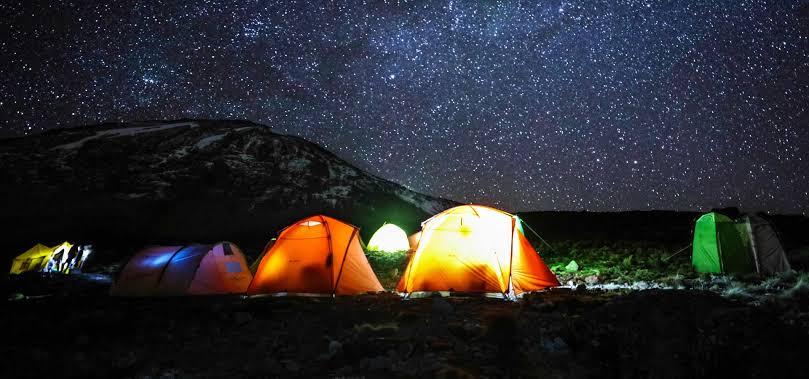
Kilimanjaro expeditions operate as coordinated mobile systems involving guides, porters, cooks, and support staff. Each group functions like a temporary field infrastructure unit that must rebuild itself daily in new terrain conditions. Camps are not permanent structures; they are reconstructed every day based on terrain availability, weather conditions, and route progression.
This requires precise logistical coordination:
- Tents must be transported, assembled, and stabilized under variable weather conditions
- Food preparation must adjust to altitude-related boiling point changes
- Water sourcing must be filtered and managed carefully due to contamination risks
- Equipment must be checked continuously due to temperature-related material stress
The entire expedition functions like a moving basecamp system, where efficiency determines safety, comfort, and summit success probability.
Final expedition psychology model – identity shift under altitude
One of the least discussed but most profound aspects of Kilimanjaro is the psychological transformation that occurs over time. As climbers progress through altitude zones, their mental state gradually shifts from external awareness (navigation, scenery, conversation) to internal awareness (breathing, pacing, discomfort tolerance).
By the summit phase, many climbers experience what can be described as narrowed consciousness, where focus becomes extremely simple: step, breathe, continue. This reduction in cognitive complexity is not a limitation but an adaptation mechanism that allows survival under low oxygen conditions.
After descent, climbers often report a lasting cognitive shift in how they perceive effort, resilience, and physical limits. The experience becomes embedded not just as a memory of achievement but as a recalibrated internal reference point for endurance capacity.
Are you ready to start planning?
You can proceed with booking by filling out the form below. Let’s make your adventure unforgettable!