
Table of Contents
Climbing Mount Kilimanjaro in February: The Ultimate Guide to Africa’s Best Climbing Month
Why February is Considered the Best Month to Climb Mount Kilimanjaro
If there is one month that consistently stands out as the ultimate time to climb Mount Kilimanjaro, it is February. Many professional mountain guides, experienced trekkers, and Kilimanjaro experts regard February as the most reliable month of the year for reaching the summit of Africa’s highest mountain. Combining warm temperatures, low rainfall, clear skies, excellent visibility, and outstanding trekking conditions, February offers everything climbers hope for when planning a Kilimanjaro expedition.
Standing at 5,895 meters (19,341 feet) above sea level, Mount Kilimanjaro is one of the world’s most iconic trekking destinations. Every year, thousands of adventurers travel to Tanzania to challenge themselves on this legendary mountain. While Kilimanjaro can be climbed year-round, weather conditions vary significantly from month to month. February sits comfortably within the short dry season that begins in January and continues through early March, making it one of the most stable and enjoyable periods for trekking.
At Joyful Safaris & Tours, February is one of our most recommended months for climbers seeking exceptional weather, breathtaking scenery, and the highest chances of reaching Uhuru Peak successfully.
Is February a Good Time to Climb Kilimanjaro?
The answer is an emphatic yes.
February is often regarded as the single best month for climbing Mount Kilimanjaro due to its ideal balance of weather conditions and mountain accessibility. During this period, the short rains have long disappeared, while the heavier long rains of April and May have not yet arrived.
The result is a mountain that offers:
- Dry and comfortable trekking conditions
- Excellent visibility throughout the climb
- Warm daytime temperatures
- Reduced likelihood of rain interruptions
- Beautiful sunrise and sunset opportunities
- High summit success rates
- Exceptional photography conditions
Many climbers specifically choose February because it offers some of the clearest summit mornings of the year, providing unforgettable views across Tanzania, Kenya, and the vast plains of East Africa.
Kilimanjaro Weather in February
Weather plays the most important role in determining the overall success and enjoyment of a Kilimanjaro climb.
February is known for having some of the most predictable weather conditions on the mountain. While Kilimanjaro creates its own microclimates and weather can never be guaranteed, February typically delivers stable conditions that are highly favorable for trekking.
The mountain experiences lower levels of rainfall compared to most other months, allowing trails to remain relatively dry and easy to navigate. Clear skies are common, particularly during mornings and evenings, creating ideal conditions for photography and panoramic mountain views.
What Makes February Weather So Special?
Unlike July and August, which can be colder and windier, February offers slightly warmer temperatures across most elevations.
This means climbers often enjoy:
- More comfortable daytime hiking
- Less exposure to cold weather at camp
- Improved overall trekking experience
- Better sleeping conditions at higher camps
- Reduced weather-related delays
The combination of warmth and dryness makes February particularly appealing for first-time climbers who want to maximize comfort during their expedition.
Understanding Kilimanjaro’s Climate Zones in February
One of the most fascinating aspects of climbing Kilimanjaro is experiencing multiple climate zones within a single journey.
Cultivation Zone
The lower slopes surrounding the mountain remain warm and fertile throughout February. Farmers cultivate coffee, bananas, maize, and other crops in this region.
Visitors often begin their adventure surrounded by green farmland and vibrant local villages before entering the national park.
Rainforest Zone
The rainforest remains lush following the short rains that occurred several months earlier.
February conditions often include:
- Mild temperatures
- Reduced rainfall
- Beautiful forest scenery
- Active wildlife
- Comfortable hiking conditions
Trekkers frequently encounter:
- Blue monkeys
- Colobus monkeys
- Turacos
- Sunbirds
- Exotic forest plants
The rainforest section is particularly beautiful in February because vegetation remains vibrant without the excessive mud associated with wetter seasons.
Moorland Zone
As climbers ascend higher, the landscape transforms dramatically.
The moorland zone features:
- Giant groundsels
- Lobelias
- Open mountain views
- Rolling hills
- Spectacular sunsets
February’s clear skies allow trekkers to fully appreciate the remarkable beauty of this unique ecosystem.
Alpine Desert Zone
The alpine desert is one of Kilimanjaro’s most dramatic environments.
Here, climbers experience:
- Volcanic landscapes
- Sparse vegetation
- Massive lava formations
- Extraordinary visibility
February often provides uninterrupted views across the mountain, making this zone particularly impressive.
Arctic Summit Zone
Near the summit, conditions become extremely cold despite the favorable weather lower down.
Temperatures frequently fall below freezing, especially during summit night.
However, February’s stable weather often produces calm conditions that contribute significantly to successful summit attempts.
Temperature on Mount Kilimanjaro in February
Temperatures vary significantly depending on altitude.
Lower Elevations
At the mountain’s base, daytime temperatures often range between:
20°C and 30°C (68°F–86°F)
These warm temperatures create ideal conditions for beginning the trek.
Mid-Elevations
Higher on the mountain, temperatures become cooler:
5°C to 15°C (41°F–59°F)
These comfortable conditions make daytime hiking particularly enjoyable.
Summit Temperatures
At Uhuru Peak, temperatures typically range between:
-10°C and -20°C (14°F–-4°F)
Although February is one of the warmer months overall, climbers must still prepare for extremely cold summit conditions.
Proper layering remains essential.
Why February Offers Exceptional Summit Success Rates
Reaching Uhuru Peak is the primary goal for most climbers.
February consistently delivers some of the highest summit success rates due to several key factors.
Dry Trails
Dryer trails reduce physical exhaustion and improve footing throughout the climb.
Better Visibility
Clear weather allows climbers to enjoy motivating views throughout the expedition.
Reduced Weather Stress
Less rain means:
- Drier equipment
- More comfortable camps
- Better sleep quality
- Improved morale
Stable Conditions
Consistent weather enables climbers to maintain steady progress and conserve energy for summit day.
At Joyful Safaris & Tours, our carefully designed itineraries combined with February’s favorable conditions create an excellent environment for summit success.
Why Photographers Love Kilimanjaro in February
For photographers, February may be the best month of the entire year.
The mountain offers extraordinary photographic opportunities from base to summit.
Crystal-Clear Sunrise Views
Sunrise above the clouds is one of Kilimanjaro’s most unforgettable experiences.
February mornings frequently provide:
- Brilliant colors
- Clear horizons
- Exceptional visibility
Snow and Ice Features
Although Kilimanjaro’s glaciers continue to shrink, February often showcases beautiful ice formations near the summit.
These features create dramatic contrasts against the dark volcanic rock.
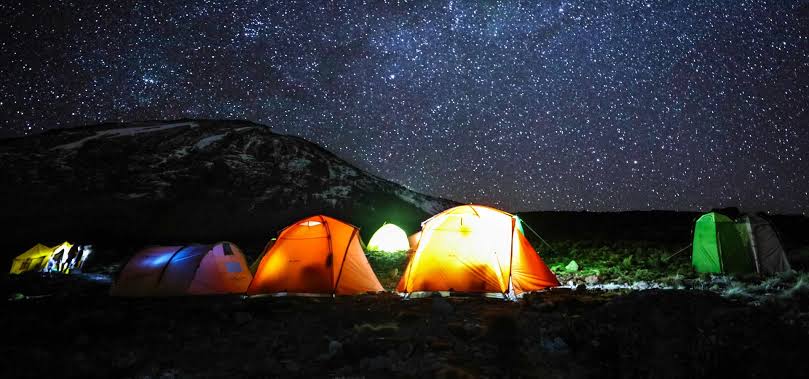
Night Sky Photography
Dry weather and minimal cloud cover create outstanding opportunities for:
- Milky Way photography
- Star trails
- Astrophotography
- Night landscapes
Landscape Photography
Popular photography locations include:
- Shira Plateau
- Barranco Wall
- Karanga Valley
- Stella Point
- Uhuru Peak
The combination of lush lower slopes and snow-covered summit scenery produces some of the mountain’s most iconic images.
Best Kilimanjaro Routes for February
Lemosho Route
The Lemosho Route is widely regarded as one of Kilimanjaro’s most scenic approaches.
Benefits include:
- Outstanding scenery
- Excellent acclimatization
- High summit success rates
- Lower initial crowds
February conditions make Lemosho particularly spectacular.
Machame Route
Known as the “Whiskey Route,” Machame remains one of the most popular routes on Kilimanjaro.
Advantages include:
- Diverse landscapes
- Excellent acclimatization profile
- Dramatic scenery
- Strong success rates
Northern Circuit
The Northern Circuit offers:
- Maximum acclimatization time
- Exceptional scenery
- Lowest crowd levels
- Highest overall success rates
Many experienced climbers consider this the finest route available.
Rongai Route
Approaching from the northern side of the mountain, Rongai often experiences slightly drier conditions than southern routes.
This route is ideal for travelers seeking solitude.
Combining a Kilimanjaro Climb with a Tanzania Safari
February is one of the best months to combine mountain climbing with wildlife viewing.
After reaching the summit, many travelers continue to Tanzania’s famous safari destinations.
Popular options include:
Serengeti National Park
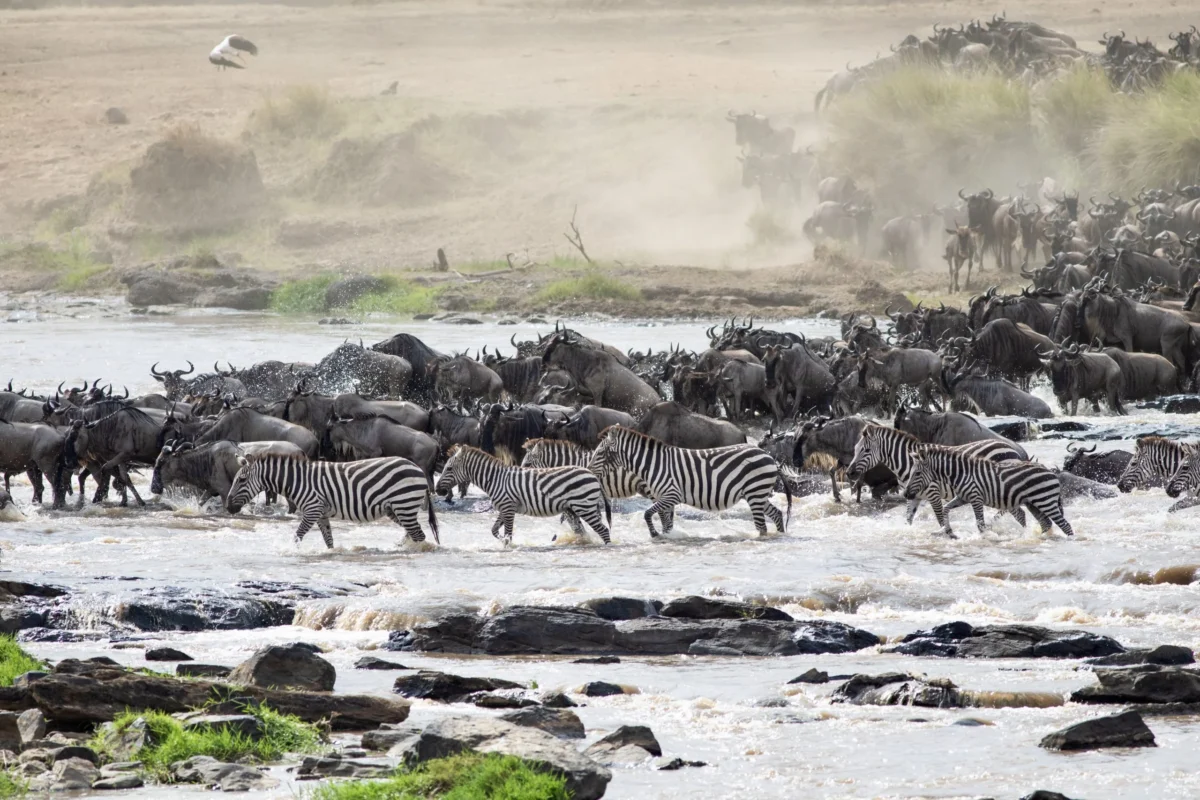
February coincides with the calving season in parts of the Serengeti ecosystem.
This period offers:
- Thousands of newborn wildebeest
- Excellent predator activity
- Incredible wildlife photography
Ngorongoro Crater
The crater provides year-round wildlife viewing and is particularly beautiful during February.
Tarangire National Park
Famous for:
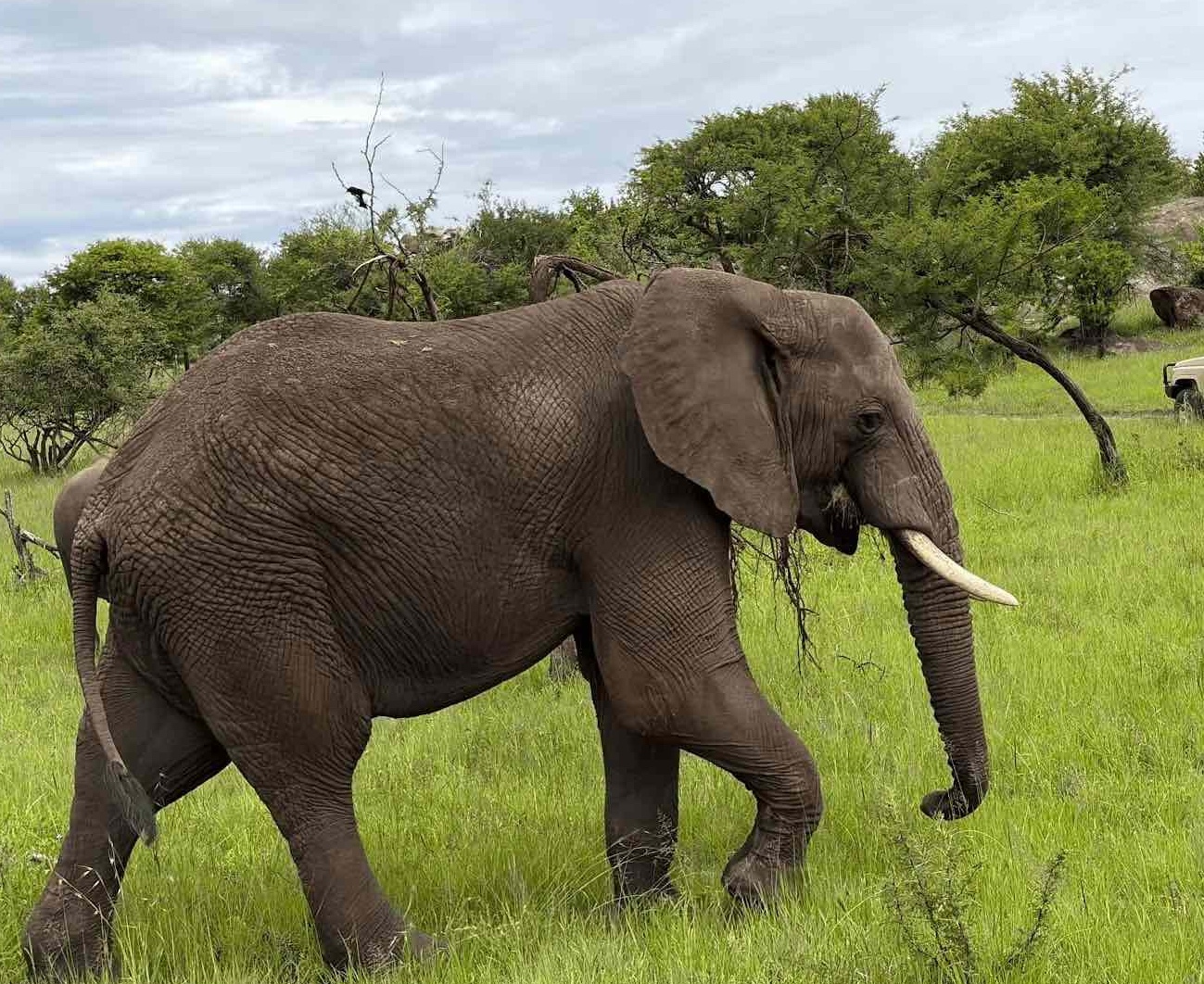
- Large elephant herds
- Ancient baobab trees
- Diverse birdlife
Lake Manyara National Park
Known for:
- Tree-climbing lions
- Flamingos
- Beautiful lake scenery
Combining Kilimanjaro and safari creates the ultimate Tanzania adventure holiday.
Advantages of Climbing Kilimanjaro in February
February offers numerous advantages that make it one of the strongest months for climbing.
Excellent Weather
Dry and stable conditions dominate most routes.
High Summit Success Rates
Weather supports successful summit attempts.
Outstanding Visibility
Panoramic views are common.
Comfortable Temperatures
Warmer conditions improve overall comfort.
Exceptional Photography
Clear skies create unforgettable images.
Great Safari Opportunities
February is excellent for combining trekking and wildlife experiences.
Strong Route Flexibility
Nearly all routes perform exceptionally well.
Who Should Climb Kilimanjaro in February?
February is ideal for:
- First-time climbers
- Families
- Honeymoon travelers
- Adventure seekers
- Photographers
- Corporate groups
- Experienced trekkers
- Luxury travelers
The favorable conditions make February suitable for virtually every type of climber.
Why Choose Joyful Safaris & Tours for Your February Kilimanjaro Climb?
At Joyful Safaris & Tours, we believe every Kilimanjaro expedition should be safe, inspiring, and unforgettable.
Our experienced mountain guides, carefully planned itineraries, quality equipment, and commitment to personalized service help maximize your chances of standing on the Roof of Africa.
When you climb with Joyful Safaris & Tours, you benefit from:
- Professional mountain guides
- High-quality camping equipment
- Safety-focused operations
- Excellent acclimatization strategies
- Exceptional customer service
- Authentic Tanzanian hospitality
February provides some of the best conditions available on Mount Kilimanjaro, and there is no better time to embark on the adventure of a lifetime.
Join Joyful Safaris & Tours and experience why February is often called the perfect month to climb Africa’s highest mountain.
Are you ready to start planning?
You can proceed with booking by filling out the form below. Let’s make your adventure unforgettable!