
Table of Contents
ToggleWhat to Pack for a Tanzania Safari: The Complete, Expert Tanzania Safari Packing Guide
What to Pack for a Tanzania Safari: The Complete, Expert Tanzania Safari Packing Guide
Packing for a Tanzania safari is less about bringing a large suitcase and more about choosing the right combination of lightweight, versatile, weather-appropriate, and practical essentials. Tanzania’s safari environment can take you from chilly predawn game drives in the Serengeti to intensely sunny afternoons in Tarangire, dusty roads in the Ngorongoro Conservation Area, cool highland evenings around the crater, and warm, humid beach days if you continue to Zanzibar.
The best packing strategy therefore revolves around layers, comfort, sun and insect protection, sensible luggage, and equipment that can withstand dust, heat, long hours in a safari vehicle, and limited charging opportunities. Whether you are preparing for your first African safari or returning for another wildlife adventure, the following guide explains exactly what to pack, why each item matters, and how to avoid filling your luggage with things you are unlikely to use.
1. Lightweight and Breathable Safari Clothing
The foundation of your Tanzania safari wardrobe should be lightweight, breathable clothing that allows you to remain comfortable through dramatic changes in temperature during the day. Safari mornings can be surprisingly cold because game drives often begin before sunrise, while temperatures can rise considerably once the sun is overhead.
Choose shirts and trousers made from breathable cotton blends, linen blends, or modern quick-drying fabrics that allow airflow and are comfortable when sitting in a vehicle for several hours.
Neutral shades such as khaki, beige, olive, brown, grey, and tan are especially practical because they do not show dust as easily as very light clothing and are visually unobtrusive in the natural environment. You do not need to dress head-to-toe in traditional safari khaki, however; comfort and practicality matter much more than achieving a particular safari look. Select clothes that can be mixed and matched, washed easily, and worn repeatedly, because safari travel rewards simplicity rather than an oversized wardrobe.
2. Long-Sleeved Shirts
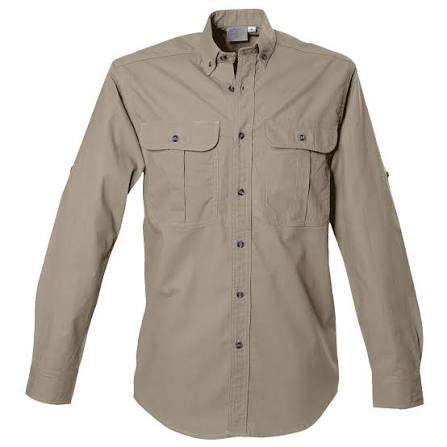
Long-sleeved shirts are among the most useful items you can pack for Tanzania because they serve several purposes at once. During early-morning drives, they provide an extra layer of warmth, while later in the day they protect your arms from intense sunlight and help reduce exposed skin around areas where insects may be present. Lightweight long-sleeved shirts with roll-up sleeves are particularly versatile because you can adjust them as temperatures change without needing to change clothes.
Look for breathable materials rather than thick fabrics, especially if your itinerary includes warmer regions such as Tarangire or Lake Manyara. A shirt with a collar can provide additional protection for the back of your neck, while models with secure pockets can be useful for keeping small essentials close at hand. Two or three good-quality long-sleeved shirts can therefore be far more valuable than packing a large number of ordinary T-shirts.
3. T-Shirts and Casual Tops
T-shirts remain useful for warmer afternoons, travel days, relaxing at your lodge, and layering beneath long-sleeved shirts or jackets. Choose lightweight tops that are comfortable enough to wear for several hours in a safari vehicle and easy to wash if necessary. Neutral and earthy colors are practical, but there is no requirement to restrict yourself entirely to safari shades.
Avoid very heavy materials that retain heat or take a long time to dry, particularly if your itinerary includes multiple destinations. Three or four versatile T-shirts can provide plenty of flexibility when combined with trousers and shorts, especially if your accommodation offers laundry services. The objective is to create a compact wardrobe where every top works with multiple bottoms rather than packing separate outfits for every day.
4. Lightweight Trousers
Two or three pairs of lightweight trousers should be a priority for most Tanzania safari travelers because they are versatile, comfortable, and useful for both early-morning drives and walking activities. Lightweight trekking trousers or quick-drying travel pants are generally more practical than heavy denim because they allow easier movement, dry faster, and remain comfortable in warm conditions. Trousers also provide useful coverage against sun, dust, thorny vegetation, and insects.
If you prefer convertible trousers with zip-off legs, they can be especially convenient because you can adapt your clothing as temperatures change. Choose trousers with secure pockets if possible, particularly if you like keeping your phone, lens cloth, lip balm, or other small items accessible while traveling. The best pair is not necessarily the most expensive technical model; it is the one that you can comfortably wear for hours while sitting, walking, and traveling.
5. Shorts
Shorts are useful during hot afternoons, at your accommodation, and when transitioning between safari and beach destinations. One or two comfortable pairs are usually sufficient, particularly if you are traveling during warmer conditions. Lightweight shorts that dry quickly and do not restrict movement are preferable to heavy denim. Although shorts can be comfortable during the heat of the day, long trousers may be more practical during early-morning game drives, walking activities, or periods when insects are more noticeable.
If your itinerary includes cultural visits or communities, remember that appropriate dress can vary by location, so it is useful to have clothing that allows you to dress more conservatively when necessary. For travelers continuing to Zanzibar, comfortable shorts also become useful for beach and resort days.
6. Warm Layers for Cold Safari Mornings
One of the biggest mistakes first-time safari travelers make is assuming that Tanzania will be hot from sunrise to sunset. In reality, temperatures can feel quite cold during predawn game drives, particularly in open-sided safari vehicles and at higher elevations. The Ngorongoro area, for example, can be distinctly cool because of its elevation, while early mornings elsewhere can still feel chilly before the sun rises.
A lightweight fleece, warm sweater, hoodie, or packable insulated jacket is therefore an essential part of your luggage. Layering is the smartest approach because you can remove garments gradually as the temperature increases instead of carrying one bulky coat. A compact insulated jacket is particularly useful because it provides substantial warmth without occupying much luggage space, making it ideal for travelers who need to comply with the luggage restrictions associated with small safari aircraft.
7. Lightweight Rain Jacket
A compact rain jacket is worthwhile even when your safari is scheduled during a generally dry period. Weather conditions can change, and a waterproof or water-resistant outer layer can also function as a windbreaker during chilly game drives.
Choose something lightweight and easily packable so that it can remain inside your daypack without becoming a burden. A rain jacket is particularly valuable during wetter seasons, when sudden showers can occur while you are away from your accommodation. Rather than packing a large umbrella or heavy waterproof coat, most safari travelers will find that a compact breathable shell offers a better balance of protection and portability.
8. Comfortable Safari Shoes
Your choice of footwear should reflect the activities included in your itinerary. For a conventional vehicle-based safari, comfortable closed-toe walking shoes, lightweight trail shoes, or sturdy trainers are usually sufficient for moving around lodges, walking short distances, and participating in ordinary activities. You do not necessarily need heavy hiking boots simply because you are going on safari.
Look for shoes that you have already broken in, because long days of travel are a poor time to discover that new footwear causes blisters. Closed shoes also provide practical protection from dust, rough ground, and vegetation. If your itinerary includes walking safaris, more demanding hikes, or trekking, footwear requirements can change significantly, so your activities should determine your choice rather than the word “safari” alone.
9. Sandals and Relaxation Footwear
A comfortable pair of sandals is an excellent complement to your main walking shoes. Safari days can be long, and being able to change into open footwear at your lodge or camp can make your evenings much more comfortable. Sandals are also particularly useful if your Tanzania trip continues to Zanzibar, where beach and resort environments naturally call for lighter footwear.
Choose a pair that is comfortable and secure rather than bringing several different styles. If you are staying at tented camps, sturdy sandals can also be convenient for moving around accommodation areas, although you should follow your camp’s guidance about walking after dark and wildlife safety.
10. Wide-Brimmed Hat or Cap
A good hat is one of the simplest and most effective pieces of safari equipment you can bring. Tanzania’s sun can be intense, and you may spend several hours exposed to it during game drives. A wide-brimmed hat protects your face, ears, and neck more effectively than a simple cap, while a lightweight baseball-style cap can still be useful if you prefer its fit.
A chin cord can be particularly practical because safari vehicles are open to the wind and a hat can easily disappear when the vehicle is moving. Choose a breathable, lightweight design that packs easily and remains comfortable for extended periods. Your hat is not merely an accessory for safari photographs; it is an important part of your sun-protection strategy.
11. Sunglasses
Quality sunglasses are essential for protecting your eyes from strong sunlight, dust, and glare during long game drives. Polarized lenses can be particularly comfortable because they reduce glare, although the most important factor is choosing glasses that provide reliable UV protection and fit securely.
Consider bringing a protective case so that your sunglasses do not become scratched inside your daypack. A spare inexpensive pair can also be useful if your main pair is lost or damaged. Because safari vehicles can be dusty and windy, sunglasses are not only useful during the brightest hours of the day but can also make the journey more comfortable when traveling along unpaved roads.
12. High-SPF Sunscreen
Sunscreen should be treated as a daily safari essential rather than something you use only when you visit the beach. Long hours outdoors, strong sunlight, and repeated exposure during game drives mean that unprotected skin can burn surprisingly quickly.
Bring a high-SPF, broad-spectrum sunscreen that you are comfortable applying regularly, and remember areas that travelers often overlook, including the ears, neck, back of the hands, and exposed legs. A small bottle can remain in your daypack for easy reapplication while a larger supply can stay with your main luggage. If you are combining safari with Zanzibar, you will use even more sunscreen, so pack accordingly rather than assuming you can rely entirely on supplies at your destination.
13. Insect Repellent
Insect repellent is another important part of your Tanzania packing strategy. Mosquitoes and other insects can be more noticeable in certain environments and at particular times of day, so carrying an effective repellent gives you an additional layer of protection.
Follow the product’s instructions regarding application and reapplication, and combine repellent with practical clothing choices such as long sleeves and trousers when appropriate. Your safari lodge or camp may also provide mosquito nets and other measures, but personal repellent is still convenient because you can use it whenever you need it. Health risks vary by destination and season, so insect repellent should be considered part of a broader travel-health plan rather than a substitute for professional pre-travel medical advice.
14. Personal Medication and Health Supplies
Your personal medication should always be one of the highest priorities on your packing list. Bring enough prescription medication for the entire trip, with an additional supply where appropriate in case of unexpected delays. Keep essential medication in your hand luggage rather than placing everything in checked or inaccessible luggage.
A small personal health kit can include commonly used items such as blister treatment, plasters, antiseptic wipes, oral rehydration products, and any non-prescription medicines you normally use. Before traveling to Tanzania, speak with a qualified travel-health professional about vaccinations, malaria prevention, travel-specific medications, and any health precautions relevant to your individual circumstances and itinerary. Medication planning should be done before departure because some preparations may need to begin well before you arrive in Tanzania.
15. Toiletries and Personal Care Products
Most established safari lodges and camps provide some basic toiletries, but bringing your preferred personal-care products makes the trip more comfortable and ensures that you have what you need if your accommodation offers only limited supplies. Pack travel-sized toothpaste, toothbrush, deodorant, moisturizer, shampoo, conditioner, soap, shaving supplies, personal hygiene products, sunscreen, insect repellent, lip balm, and hand sanitizer.
Wet wipes and tissues are particularly useful during long drives, where access to conventional facilities can be limited. If you are trying to reduce luggage weight, use refillable travel containers rather than bringing full-sized bottles. Your safari packing philosophy should be “small and useful”: every toiletry should earn its place in the bag.
16. Binoculars
Binoculars can transform your safari experience because not every memorable wildlife sighting happens close to the vehicle. A pair of good-quality compact binoculars allows you to examine distant animals, birds perched high in trees, predators resting in grass, and wildlife across open plains without relying entirely on your camera’s zoom.
Binoculars are especially valuable for birdwatchers, but even casual wildlife enthusiasts quickly discover how much more detail they can appreciate with magnification. Choose a model that is comfortable to hold and light enough to carry throughout the day. You do not need enormous professional binoculars; a reliable compact pair is generally a much better travel companion.
17. Camera and Wildlife Photography Equipment
Tanzania is one of the world’s great wildlife photography destinations, so a camera can be one of the most rewarding pieces of equipment you bring. A smartphone can capture beautiful memories, but travelers who want detailed images of lions, elephants, cheetahs, giraffes, birds, and other distant wildlife will benefit from a camera with a suitable telephoto lens.
Bring spare batteries, extra memory cards, a lens-cleaning cloth, and a protective camera bag because safari conditions can involve considerable dust and vibration. Avoid constantly changing lenses in dusty environments when possible, and protect your equipment when traveling on rough roads. The best photography setup is the one you can comfortably carry and operate quickly; an enormous collection of equipment is less useful if you spend your safari struggling to manage it.
18. Extra Camera Batteries and Memory Cards
Extra batteries and memory cards deserve their own place on your packing list because wildlife photography can consume both much faster than expected. A single exciting morning can produce hundreds of photographs, particularly when animals are active or when a dramatic event such as a hunt unfolds.
Charging opportunities may also vary between camps, lodges, vehicles, and internal flights, so relying on a single battery is risky. Bring more memory capacity than you expect to need and carry at least one spare charged battery whenever you leave for a game drive. If your photography is important, consider a secure backup strategy for your photographs so that losing a memory card does not mean losing the most valuable memories of your trip.
19. Power Bank and Charging Equipment
A power bank can be extremely useful during long safari days because your phone may be working harder than usual for photography, navigation, communication, and entertainment. Bring the appropriate charging cables for all essential devices and consider a compact multi-port charger if you are traveling with several electronics.
Charging facilities vary between properties, so do not assume that every game drive vehicle will have convenient charging points. A power bank gives you independence when you are away from your room for several hours. Keep important charging equipment in your daypack rather than burying it in your main luggage, particularly when traveling between destinations.
20. Travel Adapter
Tanzania uses electrical sockets that may differ from those in your home country, so international travelers should check the plug requirements before departure and carry a suitable travel adapter. A universal adapter is often the simplest option for travelers who will visit multiple countries on the same trip.
If you are carrying several devices, a compact charger with multiple ports can reduce the number of adapters and cables you need. Remember that adapters change the physical plug connection but do not automatically convert voltage, so travelers carrying devices that are not compatible with the local electrical supply should check their equipment specifications before use.
21. Reusable Water Bottle
A reusable water bottle is practical throughout a Tanzania safari, particularly during warm days and long game drives. Staying hydrated is important when spending extended periods outdoors, and having your own bottle makes it easier to drink regularly without repeatedly purchasing disposable containers.
Many safari properties provide drinking water or refill options, although arrangements vary, so confirm what is available on your specific itinerary. An insulated bottle can be especially useful because it can help keep water cooler during hot afternoons. Choose a durable bottle that fits comfortably into your daypack and is easy to clean.
22. Headlamp or Small Flashlight
A small headlamp or flashlight may not seem essential when you are planning your trip, but it can become extremely useful after dark. Many safari camps have pathways between tents, dining areas, and communal facilities, and lighting can vary depending on the property.
A headlamp has the advantage of leaving both hands free while you walk, unpack, or search through your luggage. It can also provide reassurance during power interruptions or when you need to locate something inside your tent at night. Choose a compact model with reliable battery life and keep it somewhere accessible rather than at the bottom of your suitcase.
23. Soft-Sided Safari Bag or Duffel
Your luggage itself deserves careful consideration because safari transportation can be very different from conventional city travel. Soft-sided duffel bags are often easier to store in safari vehicles and small aircraft than rigid hard-shell suitcases.
If your itinerary includes internal flights on smaller aircraft, baggage weight and dimensions may be restricted, so you should confirm the exact allowance with your safari operator and airline before departure. A soft-sided bag can also be compressed when partially empty, making it more adaptable during a multi-destination journey. Do not simply assume that the baggage allowance for your international flight will apply to your safari flights; these can operate under entirely different rules.
24. Small Daypack
A compact daypack is one of the most useful pieces of safari luggage because it keeps the things you need during a game drive separate from your main bag. Ideally, it should be large enough for your water bottle, camera, binoculars, sunscreen, sunglasses, jacket, snacks, medication, and power bank without becoming bulky. Look for comfortable shoulder straps and a design that is easy to access while seated in a safari vehicle.
A daypack also becomes useful during walking activities, lodge excursions, and travel between accommodations. Keep valuable electronics and essential medication close to you rather than leaving them in your main luggage.
25. Dust Protection for Electronics
Dust is an unavoidable part of many Tanzania safari experiences, particularly when traveling along unpaved roads. Cameras, phones, binoculars, and other electronics can all benefit from simple protection.
You do not need specialized expedition-grade cases for everything; resealable waterproof or dust-resistant pouches, dry bags, protective camera covers, and microfiber cleaning cloths can make a significant difference. Keep sensitive equipment protected when the vehicle is moving through particularly dusty conditions and avoid leaving lenses or ports unnecessarily exposed. A little preventive care can save you from spending your holiday cleaning grit from expensive equipment.
26. Waterproof and Dry Bags
Small waterproof pouches or dry bags are useful for protecting important items from unexpected rain, spills, wet clothing, or humidity. They can hold passports, phones, electronics, medications, or camera accessories and are particularly valuable during wetter travel periods.
Even a simple waterproof pouch can provide peace of mind when your daypack is exposed to the elements. If you plan to combine your safari with water-based activities in Zanzibar, a dry bag becomes even more useful for protecting valuables around boats, beaches, snorkeling excursions, and other aquatic activities.
27. Passport and Travel Documents
Your passport and travel documentation should be treated as essential equipment, not administrative afterthoughts. Carry your passport securely and ensure that it meets the entry requirements applicable to your nationality. Keep copies of important documents, including travel insurance information, flight confirmations, safari bookings, accommodation details, emergency contacts, and any relevant visa documentation.
Digital copies stored securely can provide an additional backup. Because requirements can change, check official and current sources before traveling rather than relying on an old packing list or information from another traveler. Keep essential documents accessible during transit but secure when you are not using them.
28. Travel Insurance Information
Travel insurance is not something you pack in your suitcase, but the information associated with your policy should be readily accessible. Keep your policy details, emergency assistance contacts, and relevant coverage information available offline as well as digitally. If your itinerary includes adventure activities such as trekking or walking safaris, check that your policy actually covers those activities and any relevant altitude or evacuation requirements.
Safari travel often involves remote destinations, so understanding your coverage before departure is considerably better than discovering limitations after an emergency occurs.
29. Cash and Payment Cards
Bring a dependable payment card and a backup payment method, while also carrying an appropriate amount of local cash for smaller purchases, tips, or locations where electronic payment may not be available. The amount you need depends on your itinerary, accommodation arrangements, and planned activities. Keep cash discreetly and avoid carrying more than you reasonably need. It is also sensible to separate backup cards or emergency funds from your primary wallet so that one lost item does not leave you without access to money.
Before departure, confirm what payment methods your safari operator, accommodations, and planned excursions accept.
30. Snacks for Long Game Drives
Although many safari operators and lodges provide meals, drinks, or snacks, having a few personal snacks can be convenient during long drives. Choose lightweight, non-perishable options that tolerate heat reasonably well, such as nuts, dried fruit, crackers, granola bars, or other familiar snacks.
Avoid foods that melt easily, create strong odors, or generate excessive packaging. If you have specific dietary requirements, carrying a few dependable snacks can provide reassurance when traveling between remote locations. Always dispose of packaging responsibly and follow your guide’s instructions about eating around wildlife.
31. Notebook and Pen
A small notebook and pen can become an unexpectedly memorable addition to your safari luggage. You can record animal sightings, interesting facts from your guide, place names, bird species, memorable moments, or observations from each day. It is particularly useful for travelers who want to remember details that photographs cannot capture.
A notebook also gives children an engaging way to document their safari and turn the trip into a personal wildlife journal. Keep it small and lightweight so it never becomes another item you feel obligated to carry everywhere.
32. What to Pack for a Tanzania Safari With Children
Family safaris require a little additional preparation because children may have different needs from adults. Bring familiar snacks, refillable water bottles, comfortable clothing, sun protection, insect repellent appropriate for their age, personal medication, entertainment for longer drives, and clothing layers for changing temperatures.
A small activity book, wildlife guide, notebook, or binoculars can help children become more engaged with the environment rather than becoming bored during periods when animals are not immediately visible. Keep essential child-specific medication and comfort items accessible in your daypack. Families should also confirm age restrictions or special requirements with their safari operator because some walking activities and certain safari experiences may have minimum age requirements.
33. What to Pack for a Tanzania Safari During the Dry Season
Dry-season safari packing should emphasize dust management, sun protection, and temperature changes between morning and afternoon. Lightweight clothing, sunglasses, sunscreen, a hat, insect repellent, and a warm outer layer for early drives are particularly useful.
Dust can become noticeable on unpaved roads, so protecting cameras and other electronics is important. The dry season can also mean long periods of strong sunshine, making hydration and sun protection especially important. Rather than bringing additional clothes to deal with dust, focus on versatile fabrics that can be washed easily and a small number of protective accessories that make the environment more comfortable.
34. What to Pack During Tanzania’s Rainier Seasons
If you are traveling during a wetter period, the emphasis should shift toward quick-drying clothing and protection for your belongings. A lightweight waterproof jacket, compact dry bags, waterproof pouches, extra socks, and quick-drying footwear can be extremely useful. You do not need to transform your entire wardrobe into technical rain gear; the goal is to have a few reliable layers that keep you comfortable when showers arrive.
Protect electronics and important documents rather than assuming your daypack is completely waterproof. Because weather patterns vary significantly across Tanzania’s different regions, your exact destination and travel dates should guide your final preparation.
35. What to Pack for the Serengeti and Great Migration
The Serengeti requires essentially the same core packing list as other classic safari destinations, but excellent binoculars and photography equipment become particularly rewarding when you are observing large concentrations of wildlife.
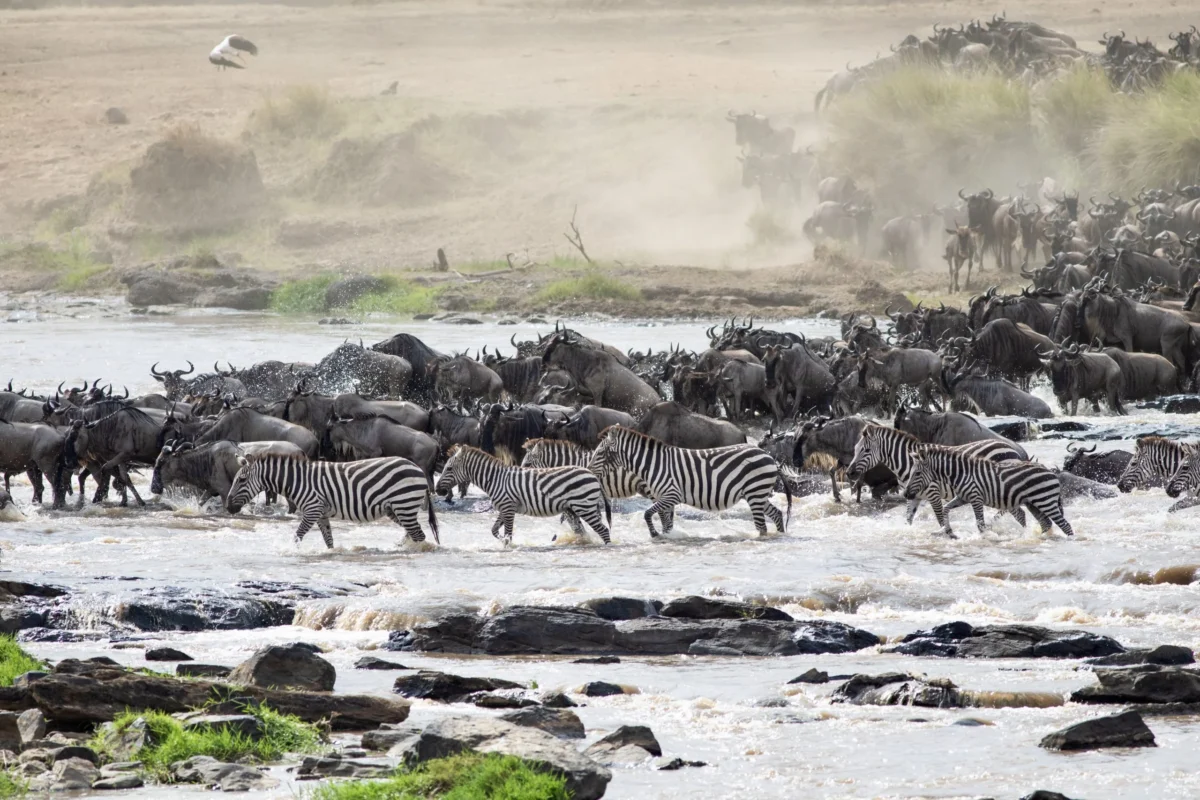
If you are traveling during the Great Migration, remember that conditions can vary considerably and animal movements are natural rather than precisely scheduled. Warm layers remain important for early drives, while sun protection becomes essential later in the day. A camera with a telephoto lens, spare batteries, extra memory cards, and dust protection can significantly improve your ability to capture distant wildlife without needing to approach animals too closely.
36. What to Pack for Ngorongoro Crater
Ngorongoro deserves particular attention when it comes to warm clothing because its elevation can make mornings considerably cooler than travelers expect. Pack a fleece, sweater, or lightweight insulated jacket that can be removed once temperatures rise.
Comfortable closed shoes are useful, while layers allow you to adapt throughout the day. The crater environment also offers excellent wildlife viewing opportunities, so binoculars and a camera are worthwhile. Because you may move between warmer and cooler environments during your Tanzania itinerary, layering is far more efficient than packing completely different wardrobes for each destination.
37. What to Pack for Tarangire National Park
Tarangire is known for its spectacular landscapes, elephants, baobabs, and diverse wildlife, and its generally warmer conditions make breathable clothing particularly useful. Lightweight shirts, trousers, shorts, sunscreen, sunglasses, a hat, and plenty of water should be central to your daily setup.
A long-sleeved shirt remains useful even in warm conditions because it provides protection from the sun and insects. As with other parks, a daypack containing your essential items allows you to remain comfortable without repeatedly accessing your main luggage.
38. What to Pack If You Are Combining Safari With Zanzibar
A safari-and-Zanzibar itinerary requires a slightly broader wardrobe because you will transition from dusty game drives to tropical beaches and coastal environments. Add swimwear, sandals, lightweight beach clothing, a cover-up, extra sun protection, and any equipment you intend to use for snorkeling or other water activities. You may also want one or two slightly smarter casual outfits for evenings at your accommodation.
When visiting communities and religious or cultural sites, dress respectfully and follow local expectations, which may call for more coverage than you would wear at a resort beach. The key is to add a few versatile coastal items rather than packing a completely separate vacation wardrobe.
39. What to Pack for a Tanzania Safari and Kilimanjaro Combination
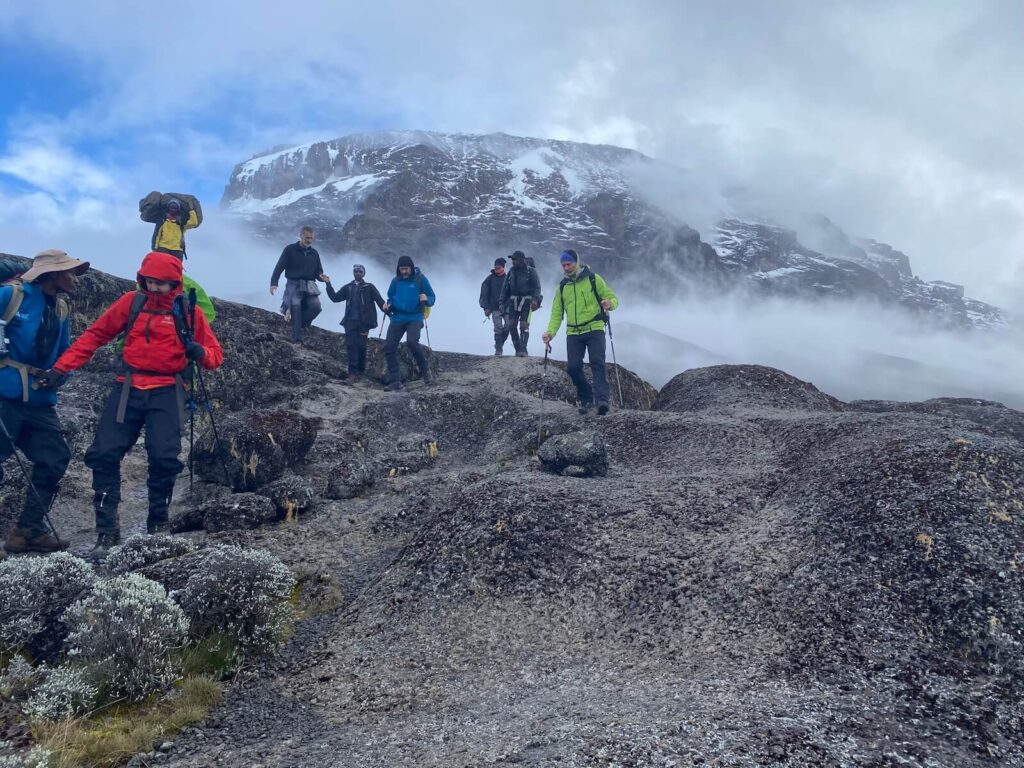
A safari followed by Mount Kilimanjaro requires two very different packing strategies. Safari clothing is designed around lightweight comfort, sun protection, and changing temperatures, whereas Kilimanjaro requires technical layering and equipment capable of handling dramatically colder conditions.
If your itinerary includes the mountain, follow your trekking operator’s specific equipment list and do not assume your safari wardrobe will be adequate for higher elevations. You may need proper trekking boots, thermal base layers, insulating mid-layers, waterproof outerwear, gloves, warm headwear, trekking socks, and specialized equipment depending on the route and operator. Many travelers benefit from arranging luggage storage or transfers so that unnecessary safari or beach items do not have to be carried onto the mountain.
40. What NOT to Pack for a Tanzania Safari
Knowing what to leave behind is just as important as knowing what to bring. Avoid oversized hard-shell suitcases if your itinerary includes small aircraft or difficult luggage storage, and do not pack a completely different outfit for every day.
High heels are rarely useful, bulky formalwear is unnecessary for most safari lodges, and expensive jewelry adds little value to a wilderness trip. Avoid excessive electronics that you will never use, heavy books that can be replaced with a lightweight e-reader, and large quantities of toiletries that can be purchased or provided locally when appropriate. Camouflage or military-style clothing is also unnecessary; simple, neutral travel clothing is more practical.
The objective is to travel light enough that your luggage supports the adventure rather than becoming part of the adventure.
41. The Golden Rule: Pack in Layers, Not Bulk
The smartest Tanzania safari packing strategy can be summarized in one principle: pack layers rather than bulk. A T-shirt, long-sleeved shirt, fleece, and lightweight jacket can create several combinations suitable for dramatically different conditions while occupying far less space than multiple heavy garments. This approach is particularly valuable when internal flights impose strict luggage limitations.
It also makes mornings easier because you can start a game drive wearing several layers and remove them one by one as the day warms. Choose pieces that coordinate with each other so that every item has multiple uses. Versatility is the secret to a lighter, more comfortable safari bag.
42. How to Pack Your Safari Bag Efficiently
Organize your luggage according to how frequently you need each item. Put clothing and less frequently used belongings in your main safari bag, while keeping essential daily items in your daypack.
Use packing cubes to separate clothing categories and small waterproof pouches for documents, electronics, and medications. Keep your warm morning layer near the top of your main bag so that it is easy to reach before an early departure. Camera batteries, memory cards, binoculars, sunglasses, sunscreen, and water should remain accessible in your daypack.
Efficient packing is particularly valuable on safari because you may change accommodation frequently, and nobody wants to unpack an entire bag simply to find a fleece or phone charger.
43. The Perfect Tanzania Safari Packing Philosophy
The best safari packing list is not necessarily the longest one. It is the one that anticipates real conditions without weighing you down. Tanzania rewards travelers who prepare for temperature changes, strong sun, dust, insects, occasional rain, long hours outdoors, and limited luggage capacity while avoiding unnecessary possessions.
Your clothing should be comfortable enough to wear repeatedly, your equipment should be practical enough to use quickly, and your essential documents and medication should always remain accessible. Once those priorities are covered, everything else is optional. A well-packed safari bag gives you something far more valuable than extra belongings: the freedom to concentrate on the landscapes, wildlife, people, and extraordinary experiences unfolding around you.
Final Tanzania Safari Packing Checklist
- Passport and required travel documentation
- Travel insurance information
- 3–5 lightweight shirts
- 2–3 long-sleeved shirts
- 2–3 lightweight trousers
- 1–2 pairs of shorts
- Warm fleece, sweater, or lightweight jacket
- Lightweight rain jacket
- Comfortable closed walking shoes
- Sandals
- Wide-brimmed hat or cap
- Sunglasses
- High-SPF sunscreen
- Insect repellent
- Personal medication
- Small first-aid kit
- Toiletries
- Hand sanitizer
- Wet wipes and tissues
- Reusable water bottle
- Binoculars
- Camera
- Telephoto lens if desired
- Spare camera batteries
- Extra memory cards
- Power bank
- Charging cables
- Travel adapter
- Headlamp or flashlight
- Small daypack
- Soft-sided safari bag or duffel
- Waterproof/dustproof pouches
- Small dry bag
- Cash and payment cards
- Optional snacks
- Optional notebook and pen
- Swimwear if visiting Zanzibar
Final Thoughts: Pack Smart, Then Enjoy Tanzania
A Tanzania safari is not the kind of journey where packing more automatically means being better prepared. The most successful travelers usually bring a carefully selected collection of lightweight clothing, adaptable layers, comfortable footwear, sun and insect protection, personal health essentials, reliable electronics, and a few pieces of safari equipment that genuinely improve the experience. Once you have those fundamentals covered, there is very little reason to fill your luggage with unnecessary items.
Remember that the exact contents of your bag should reflect your itinerary. A classic Serengeti and Ngorongoro game-drive safari requires a different level of equipment from a Kilimanjaro trek, a walking safari, or a combined safari-and-Zanzibar holiday. Check your safari operator’s current luggage requirements, especially if you are flying on small aircraft, and verify current travel and health requirements before departure.
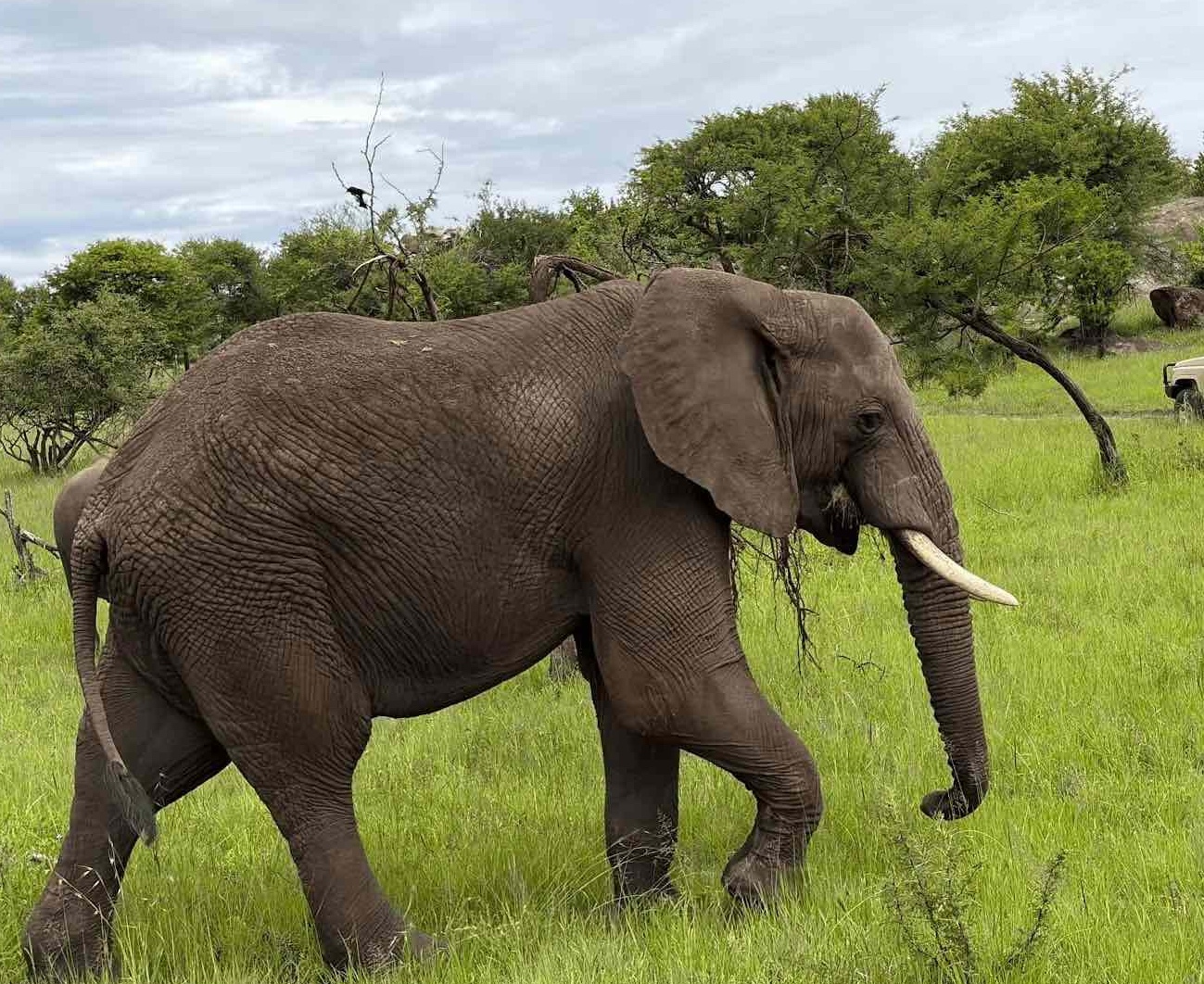
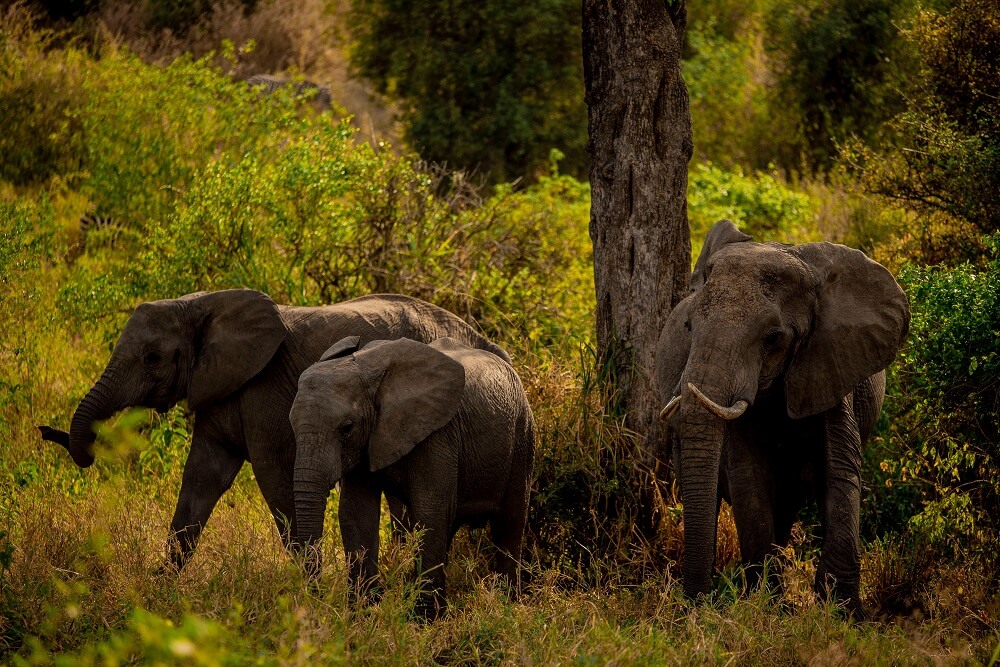
Most importantly, leave enough room in your attention for the experience itself. The purpose of packing well is not to arrive in Tanzania with the perfect wardrobe—it is to be comfortable enough to sit quietly in the African wilderness, watch elephants crossing the plains, listen to the sounds of the bush before sunrise, and experience one of the world’s greatest wildlife destinations without worrying about what you forgot to bring.
Pack light. Pack smart. Pack for the conditions—and leave the rest to Tanzania.
Are you ready to start planning?
You can proceed with booking by filling out the form below. Let’s make your adventure unforgettable!