
Table of Contents
Climbing Mount Kilimanjaro in June
Why June Is One of the Best Months to Climb Mount Kilimanjaro
June marks the beginning of one of the most celebrated climbing seasons on Mount Kilimanjaro. As Tanzania transitions out of the long rainy season, the mountain begins to dry out, skies become clearer, trails become more stable, and climbers from around the world start arriving to take advantage of the excellent trekking conditions.
For many experienced guides and tour operators, June represents the official start of Kilimanjaro’s prime climbing season. The lush landscapes created by the rains of April and May remain vibrant and green, while the improving weather significantly enhances visibility and overall trekking comfort.
This unique combination of fresh vegetation, cooler temperatures, and increasingly dry conditions makes June one of the most attractive months for summiting Africa’s highest mountain.
At Joyful Safaris & Tours, June consistently ranks among our most recommended months for climbing Kilimanjaro because it offers an outstanding balance between excellent weather, manageable crowds, beautiful scenery, and high summit success rates.
Whether you are a first-time climber, an experienced trekker, a photographer, or someone seeking a once-in-a-lifetime African adventure, June provides some of the best conditions available anywhere on the mountain.
Is June a Good Time to Climb Kilimanjaro?
The answer is a resounding yes.
June is widely considered one of the best times of the year to climb Mount Kilimanjaro.
The long rainy season has largely ended, leaving behind:
- Cleaner air
- Greener landscapes
- More stable weather
- Improved visibility
- Drier trails
Unlike the peak months of July and August, June often provides these excellent conditions while still avoiding the largest crowds.
Many climbers describe June as a “sweet spot” because it combines the beauty of the green season with the reliability of the dry season.
This balance makes June particularly attractive for travelers who want favorable climbing conditions without experiencing the busiest periods on the mountain.
Understanding Kilimanjaro Weather in June
June represents a major seasonal shift on Kilimanjaro.
The heavy rains associated with April and May begin to disappear, allowing the mountain to gradually enter its long dry season.
Weather conditions become increasingly predictable.
Although occasional showers remain possible—particularly during the early part of the month—the overall trend is toward drier, clearer weather.
Typical June weather includes:
- Dry mornings
- Cooler temperatures
- Lower humidity
- Improved visibility
- Less cloud cover
- Reduced rainfall
The atmosphere feels noticeably fresher and cleaner after the rainy season.
Views from higher elevations become increasingly spectacular as dust and haze are minimized.
For climbers, these conditions create an ideal environment for trekking and acclimatization.
Here is a fully rewritten, more professional, comprehensive, and engaging version with rich paragraph-style content instead of bullet-heavy formatting.
What Makes June Special for Climbing Mount Kilimanjaro?
June holds a unique and highly desirable position within Mount Kilimanjaro’s annual climbing calendar. As the mountain emerges from Tanzania’s long rainy season, climbers are rewarded with an extraordinary combination of lush landscapes and increasingly stable weather conditions. The vegetation remains vibrant and green from months of rainfall, while the arrival of the dry season brings clearer skies, improved trail conditions, and greater comfort during trekking. This balance between spectacular scenery and reliable weather is difficult to find during any other time of the year, making June one of the most sought-after months for Kilimanjaro expeditions.
One of the most remarkable advantages of climbing Kilimanjaro in June is the exceptional visibility. As cloud cover gradually decreases, the mountain reveals some of its most breathtaking panoramic views. Climbers frequently enjoy uninterrupted vistas stretching across northern Tanzania and into neighboring Kenya. On clear days, Mount Meru rises dramatically on the western horizon, while the vast plains of Amboseli National Park, the Maasai Steppe, and surrounding wilderness areas create a stunning backdrop. The clarity of the atmosphere often allows trekkers to fully appreciate the immense scale and beauty of East Africa’s landscapes.
June is also celebrated for its magnificent green scenery. The mountain remains beautifully refreshed from the recent rains, creating some of the most visually impressive conditions of the year. Kilimanjaro’s rainforest is dense and thriving, the moorland regions display vibrant vegetation, and seasonal wildflowers may still be visible across various elevations. The contrast between lush lower slopes and the snow-capped summit above creates extraordinary photographic opportunities. Many experienced guides and photographers consider June among the most visually rewarding months on the mountain.
Another significant advantage of June is that it offers a quieter experience compared to the peak trekking months of July and August. While June is increasingly popular, visitor numbers are generally lower than during the height of the dry season. This means climbers can often enjoy more peaceful trails, less crowded campsites, and a greater sense of solitude in nature. Photographers benefit from fewer people appearing in their images, while trekkers have more opportunities to connect with the mountain’s natural beauty without feeling rushed or overwhelmed by large groups.
Kilimanjaro’s Ecological Zones in June
One of the most fascinating aspects of climbing Mount Kilimanjaro is the opportunity to journey through five distinct ecological zones, each offering unique landscapes, climates, and experiences. June showcases every one of these zones at its absolute best, allowing climbers to witness dramatic environmental changes as they ascend from tropical farmland to the Arctic summit.
The Cultivation Zone, located between approximately 800 and 1,800 meters, forms the fertile lower slopes of the mountain. This region enjoys warm temperatures and rich volcanic soils that support thriving agricultural communities. During June, conditions are particularly pleasant, with fresh air and clear views across the countryside. Visitors pass through picturesque villages surrounded by coffee plantations, banana groves, flowering gardens, and productive farmland. This area provides a fascinating introduction to local Chagga culture while highlighting the agricultural importance of Kilimanjaro’s lower slopes.
Above the cultivated lands lies the famous Rainforest Zone, extending from roughly 1,800 to 3,000 meters. June is widely regarded as one of the finest times to experience this remarkable ecosystem. Although the forest remains lush and moisture-rich from the recent rains, precipitation levels have significantly decreased, making trekking more enjoyable. Towering trees draped in moss, giant ferns, cascading waterfalls, and dense vegetation create an atmosphere that feels almost prehistoric. Wildlife activity remains high, and climbers frequently encounter black-and-white colobus monkeys, blue monkeys, bush babies, and a variety of colorful tropical bird species. The reduced rainfall also makes forest trails easier to navigate and improves opportunities for wildlife observation.
As climbers ascend beyond the rainforest, they enter the Moorland Zone between approximately 3,000 and 4,000 meters. In June, this region becomes particularly spectacular due to the combination of vibrant vegetation and increasingly clear skies. The landscape is characterized by rolling hills, wide valleys, dramatic ridgelines, and iconic giant groundsels and lobelia plants that seem almost otherworldly. The improved visibility of June allows trekkers to appreciate the immense scale of Kilimanjaro’s slopes and the surrounding African plains below. Sunrises and sunsets within this zone are often among the most memorable moments of the entire climb.
The Alpine Desert Zone, found between approximately 4,000 and 5,000 meters, presents a dramatic shift in environment. Here, vegetation becomes sparse and the landscape takes on a rugged, volcanic appearance. June offers particularly favorable conditions in this region, with dry air, minimal precipitation, and expansive views extending across vast distances. The terrain is dominated by rocky slopes, ancient lava formations, and open skies. Many climbers describe this zone as surreal and almost lunar in appearance. The clear weather often creates extraordinary visibility that allows trekkers to fully appreciate Kilimanjaro’s geological history and immense scale.
The final stage of the climb leads into the Arctic Summit Zone, stretching from approximately 5,000 meters to Uhuru Peak at 5,895 meters. Despite being located near the equator, this environment remains cold throughout the year. However, June’s stable weather patterns often provide excellent summit opportunities. Climbers may encounter snow patches, ice formations, and remnants of Kilimanjaro’s famous glaciers. On clear mornings, the sunrise viewed from Uhuru Peak is an unforgettable spectacle, with golden light illuminating the clouds far below and revealing one of Africa’s most extraordinary mountain panoramas.
Kilimanjaro Temperatures in June
Temperature on Mount Kilimanjaro varies dramatically according to altitude, making proper preparation essential for a successful climb. Conditions experienced at the base of the mountain are vastly different from those encountered near the summit.
The lower slopes are generally warm and comfortable during June, with daytime temperatures commonly ranging between 20°C and 28°C. These pleasant conditions make the initial stages of the trek highly enjoyable.
Within the rainforest zone, temperatures typically range between 10°C and 20°C. Mornings can feel cool and refreshing, while daytime conditions remain comfortable for hiking through the dense vegetation.
The moorland zone experiences temperatures of approximately 5°C to 15°C. Daytime trekking remains relatively mild, but evenings and overnight temperatures become noticeably cooler, requiring additional layers.
In the alpine desert zone, temperatures often range between 0°C and 10°C. The dry air and higher elevation create a colder environment, particularly after sunset when temperatures can drop rapidly.
At the summit, climbers face the most challenging conditions. Temperatures frequently range between -20°C and -10°C, especially during the early morning summit push. Proper winter clothing, insulated gloves, thermal layers, and high-quality cold-weather gear are essential for safety and comfort at these elevations.
Advantages of Climbing Kilimanjaro in June
June is widely regarded as one of the most reliable months for climbing Kilimanjaro because it combines stable weather patterns with favorable trekking conditions. Reduced rainfall results in drier trails, fewer weather-related disruptions, and significantly improved visibility throughout the expedition. These factors contribute to a safer, more comfortable, and more enjoyable overall experience for climbers of all experience levels.
The favorable weather conditions also contribute to higher summit success rates. Stable temperatures and reduced precipitation allow climbers to maintain a consistent pace and conserve energy throughout the trek. Routes that provide excellent acclimatization opportunities, such as the Lemosho Route, Northern Circuit, and Machame Route, often achieve particularly strong summit success rates during June due to the combination of gradual altitude gain and reliable weather.
For photographers, June represents one of the finest opportunities to capture Kilimanjaro’s diverse beauty. Climbers can photograph dramatic sunrises above the clouds, vibrant green lower slopes, wildlife within the rainforest, and the striking contrast between tropical vegetation and snow-covered summit landscapes. The clarity of the atmosphere frequently produces vivid colors and exceptional image quality.
Trekking comfort is another major advantage. Drier trails reduce the mud and slippery conditions often encountered during the rainy season, resulting in better footing and safer hiking. Campsites are generally easier to manage, gear remains drier, and overall trekking conditions are considerably more pleasant.
Challenges of Climbing Kilimanjaro in June
Despite its many advantages, June is not entirely without challenges. As the dry season begins, temperatures become progressively cooler, particularly at higher elevations. Climbers must still prepare for cold nights and potentially harsh summit conditions by packing appropriate clothing and layering systems.
June also marks the beginning of Kilimanjaro’s busiest climbing season. As the month progresses, popular routes can experience increasing numbers of trekkers. Early reservations are highly recommended to secure preferred travel dates, quality accommodations, and experienced guiding teams.
Regardless of the month, altitude remains the greatest challenge on Mount Kilimanjaro. Weather alone does not guarantee success. Proper acclimatization, physical preparation, hydration, and route selection are essential factors in reaching the summit safely. Choosing a longer itinerary that allows the body sufficient time to adapt significantly improves the likelihood of success.
Best Routes for Climbing Kilimanjaro in June
The Lemosho Route is widely considered one of Kilimanjaro’s most scenic approaches. It offers exceptional acclimatization opportunities, diverse landscapes, beautiful campsites, and consistently high summit success rates. June’s clear weather further enhances the route’s spectacular scenery, making it a favorite among photographers and first-time climbers alike.
The Machame Route, often referred to as the “Whiskey Route,” is renowned for its dramatic landscapes and rewarding trekking experience. Climbers pass through a variety of ecological zones while benefiting from a strong acclimatization profile. June’s stable conditions highlight the route’s panoramic views and contribute to its enduring popularity.
The Northern Circuit is the longest route on Kilimanjaro and is frequently regarded by experienced guides as the most complete trekking experience available. It offers maximum acclimatization time, lower crowd levels, exceptional scenery, and some of the highest summit success rates on the mountain. During June, the route provides a particularly rewarding combination of solitude and outstanding visibility.
The Rongai Route approaches Kilimanjaro from the northern side near the Kenyan border. This region generally receives less rainfall than the southern slopes, making it an excellent choice during June. Climbers enjoy quieter trails, remote wilderness landscapes, and a unique perspective of the mountain.
Combining Kilimanjaro and Safari in June
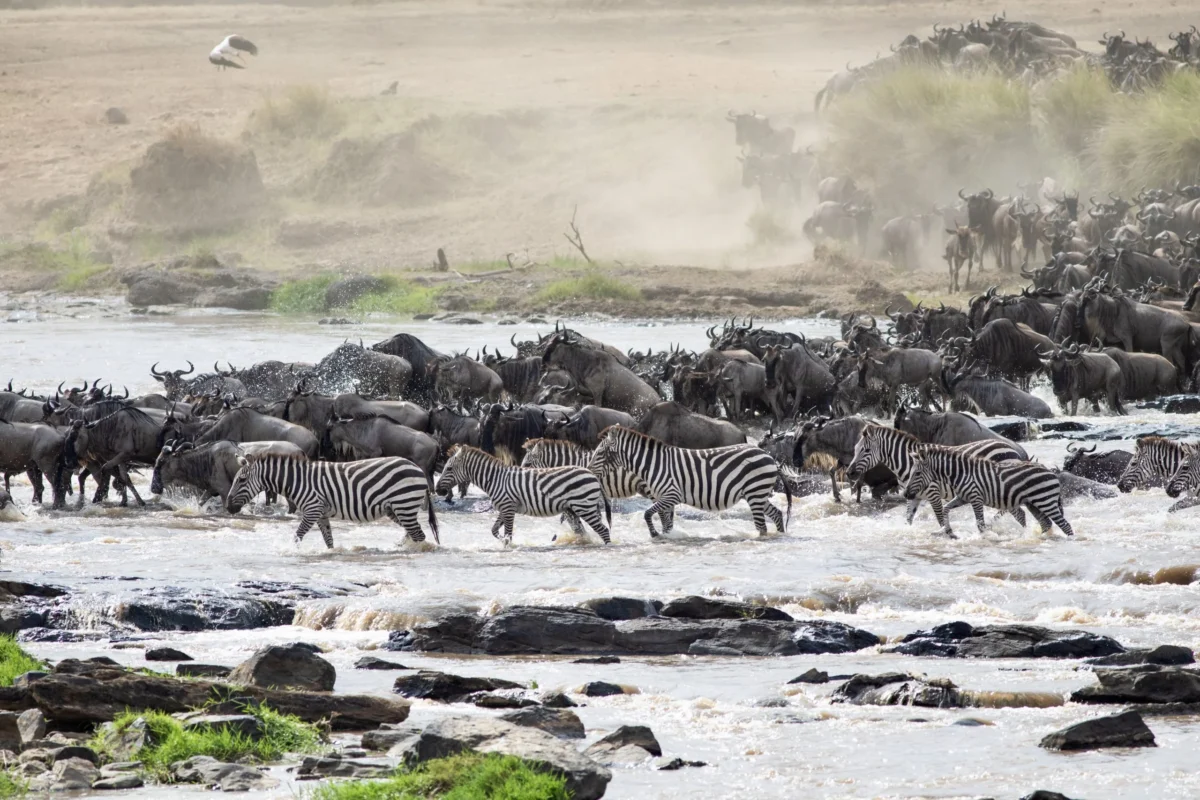
June is one of the finest months to combine a Kilimanjaro climb with a Tanzania safari. Across northern Tanzania, the dry season is beginning to take hold, creating increasingly favorable wildlife-viewing conditions. As water sources become more concentrated, animals gather in predictable areas, making sightings more frequent and rewarding.
Destinations such as the Serengeti, Ngorongoro Crater, Tarangire National Park, and Lake Manyara offer exceptional safari experiences during this period. The combination of a successful Kilimanjaro summit and world-class wildlife viewing creates one of Africa’s most unforgettable adventure itineraries.
Packing for a June Kilimanjaro Climb
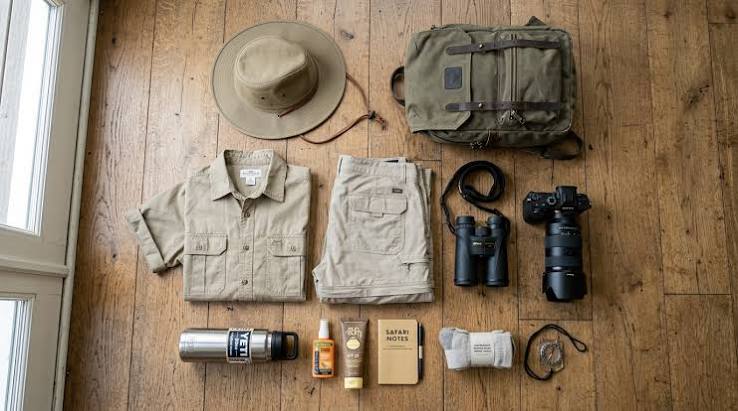
Successful climbing in June requires preparation for a wide range of temperatures and environmental conditions. Moisture-wicking base layers, insulating fleece jackets, a quality down jacket, and a waterproof outer shell are essential components of a layered clothing system. Well-broken-in hiking boots, warm trekking socks, and gaiters help ensure comfort on the trail.
For summit night, climbers should bring insulated gloves, a thermal hat, a neck gaiter, and a reliable headlamp. Trekking poles, a comfortable daypack, reusable water bottles, and high-quality sunglasses are also strongly recommended. Photographers should carry spare batteries, lens protection, and waterproof storage systems, as cold temperatures can rapidly reduce battery performance. Careful packing significantly improves both comfort and safety throughout the expedition.
Who Should Climb Kilimanjaro in June?
June is an excellent choice for a wide variety of travelers. First-time climbers often appreciate the stable weather and comfortable trekking conditions, which help create a more enjoyable introduction to high-altitude mountaineering. Photographers benefit from the rare combination of lush landscapes, dramatic skies, and excellent visibility. Adventure travelers seeking the classic Kilimanjaro experience will find June exceptionally rewarding, while families often value the predictability and reliability of the conditions.
Safari enthusiasts also benefit from June’s timing, as it allows seamless integration between mountain trekking and wildlife viewing. For travelers seeking a balance between scenery, comfort, safety, and summit potential, few months rival June.
Joyful Safaris & Tours Expert Opinion
If you are searching for one of the very best times to climb Mount Kilimanjaro, June deserves a place at the top of your list. The mountain is fresh from the rainy season, the landscapes remain remarkably vibrant, and the weather becomes increasingly stable with every passing week. Clear skies, manageable crowd levels, comfortable trekking conditions, and excellent summit opportunities combine to create an exceptional climbing environment.
For many adventurers, June represents the perfect beginning of Kilimanjaro’s famous dry season. It delivers an outstanding balance of scenery, visibility, comfort, and success potential that is difficult to match at any other time of year. With expert guides, carefully planned itineraries, and professional support from Joyful Safaris & Tours, a June expedition can become one of the most rewarding trekking experiences available anywhere in Africa.
Based on our experience, June consistently earns top ratings for weather reliability, scenery, photography opportunities, and summit success potential. It is particularly well suited to first-time climbers, photographers, families, adventure travelers, safari enthusiasts, and anyone seeking optimal mountain conditions. Without question, June remains one of the premier months to climb Mount Kilimanjaro and marks the exciting start of Tanzania’s world-famous trekking season.
Are you ready to start planning?
You can proceed with booking by filling out the form below. Let’s make your adventure unforgettable!