
Table of Contents
Climbing Mount Kilimanjaro in September
Why September Is One of the Best Months to Climb Mount Kilimanjaro
September is widely regarded as one of the most balanced, rewarding, and visually stunning months to climb Mount Kilimanjaro. It sits firmly within the long dry season, which stretches from June through October, and benefits from the full strength of stable weather patterns, minimal rainfall, and consistently clear skies. However, what makes September especially unique is not only the quality of its weather but also the subtle shift in atmosphere as the peak crowds of August begin to ease slightly.
For many climbers, September represents the perfect equilibrium between ideal trekking conditions and a more peaceful mountain experience. The landscapes remain exceptionally clear and vibrant, the air is crisp and dry, and summit views from Uhuru Peak are often among the most breathtaking of the entire year. At the same time, the mountain feels slightly less congested than in August, allowing for a more immersive and reflective journey toward Africa’s highest point.
At Joyful Safaris & Tours, September is consistently considered one of the most highly recommended months for Kilimanjaro expeditions due to its exceptional combination of weather reliability, scenic beauty, strong summit success rates, and improved trekking comfort.
Is September a Good Time to Climb Kilimanjaro?
Yes, September is not only a good time to climb Kilimanjaro—it is one of the very best months of the year. It falls within the heart of the long dry season, which ensures climbers benefit from stable weather, dry trails, and excellent visibility from base to summit. Rainfall is extremely rare, and when it does occur, it is usually brief and localized, with minimal impact on trekking schedules.
Compared to August, September offers a slightly quieter mountain experience while maintaining nearly identical weather quality. This makes it particularly appealing for climbers who want excellent conditions without the full intensity of peak-season crowds. It is especially well suited for first-time trekkers, photographers, families, and travelers seeking a well-balanced expedition that combines comfort, safety, and natural beauty.
In essence, September delivers the best of both worlds: high-quality climbing conditions and a more relaxed atmosphere on the mountain.
Kilimanjaro Weather in September
September weather on Kilimanjaro is defined by clarity, consistency, and dryness. The dry season is fully established by this time, resulting in long stretches of stable atmospheric conditions across all ecological zones. Most mornings begin with crisp air and clear skies, gradually transitioning into bright, sunny trekking conditions. As evening approaches, temperatures drop quickly, especially at higher elevations where heat retention is minimal due to low humidity and limited cloud cover.
One of the most remarkable aspects of September is the exceptional visibility. The air is clean and dry, allowing for panoramic views that stretch across northern Tanzania and into Kenya. On especially clear days, climbers can see Mount Meru, the plains of Amboseli, and the vast East African landscape unfolding far below the mountain. These conditions create some of the most dramatic sunrise and sunset moments of the entire climbing season.
Although daytime trekking conditions are generally comfortable, climbers must still prepare for significant cold at night, particularly in the upper zones. The dry air contributes to rapid heat loss after sunset, which means summit night temperatures can feel especially harsh despite the overall stability of the weather.
What Makes September Special?
September stands out as one of Kilimanjaro’s most desirable months because it offers a rare combination of peak-season quality conditions with a noticeably calmer atmosphere. While August represents the height of global climbing traffic, September introduces a sense of balance, where excellent weather continues but the mountain begins to feel slightly less crowded.
This balance is one of the main reasons climbers often describe September as the “sweet spot” of the entire Kilimanjaro season. Trails are still dry and reliable, visibility remains outstanding, and summit conditions are highly favorable. However, the reduced congestion compared to August allows for a more peaceful and personal connection with the mountain.
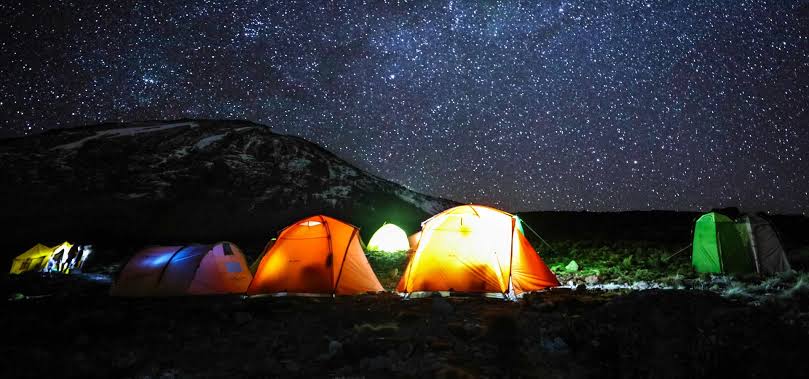
The visual experience in September is also exceptional. The stable atmosphere enhances color contrast across landscapes, creating deep blue skies, golden sunrise light, and sharply defined mountain silhouettes. These conditions make it one of the most photogenic months of the year.
Kilimanjaro Climate Zones in September
Climbing Kilimanjaro in September offers a journey through five distinct ecological zones, each presented in some of the clearest and most stable conditions of the year.
The Cultivation Zone at the base of the mountain is warm, fertile, and culturally rich. In September, the dry season enhances visibility across the lower slopes, revealing expansive views of coffee plantations, banana groves, terraced farmland, and traditional Chagga villages. The environment feels vibrant yet calm, offering a beautiful introduction to the mountain and its surrounding communities.
Above this lies the Rainforest Zone, which in September is at its most enjoyable. While still lush and green, the forest is significantly drier than in earlier months, making trekking easier and more comfortable. Trails are firm, visibility through the canopy is improved, and wildlife activity remains active. Climbers may encounter colobus monkeys, blue monkeys, hornbills, and a variety of tropical bird species. The forest feels alive, yet far more accessible and welcoming than during wetter periods.
As the climb continues into the Moorland Zone, the scenery opens dramatically. Giant groundsels and lobelias dominate the landscape, while rolling ridges and wide valleys stretch toward the horizon. September’s clear air allows for exceptional visibility, making this one of the most visually striking sections of the entire ascent. Sunlight moves across the terrain with remarkable clarity, creating strong contrasts and unforgettable photographic moments.
The Alpine Desert Zone introduces a more extreme and dramatic environment. In September, conditions are typically dry, windy, and intensely clear. The volcanic terrain feels vast and almost lunar in appearance, with minimal vegetation and endless horizons. This zone often leaves a strong impression on climbers due to its raw, untouched beauty and the sense of isolation it creates.
Finally, the Arctic Summit Zone represents the most challenging and visually powerful stage of the climb. Despite being near the equator, this region remains permanently cold, and September is no exception. However, stable weather conditions often provide excellent summit windows, with clear skies, snow patches, and breathtaking sunrise views over the African continent. The final ascent to Uhuru Peak is both physically demanding and emotionally unforgettable.
Kilimanjaro Temperatures in September
Temperature variation on Kilimanjaro is dramatic and becomes especially noticeable in September due to the dry-season clarity of the atmosphere.
At the lower slopes, temperatures generally remain warm and comfortable, making the initial stages of the climb pleasant and accessible. In the rainforest zone, conditions cool significantly but remain suitable for steady hiking through shaded, green terrain. The moorland zone introduces colder conditions, particularly at night, while still offering manageable daytime trekking temperatures.
In the alpine desert, conditions become noticeably harsher, with cold winds and reduced protection from the elements. At summit level, temperatures frequently drop well below freezing, often reaching extreme lows during early morning summit attempts. Because September skies are usually clear, radiational cooling intensifies nighttime cold, making proper layering and expedition-grade gear absolutely essential.
Advantages of Climbing Kilimanjaro in September
September offers some of the most reliable and visually rewarding climbing conditions of the entire year. The weather is highly stable, rainfall is minimal, and trekking conditions remain consistently favorable across all routes. This allows climbers to progress steadily and confidently through each stage of the expedition without significant weather disruptions.
Another major advantage is the slight reduction in crowd density compared to August. While September remains a popular month, the mountain feels more spacious and less congested, improving campsite comfort and enhancing the overall trekking atmosphere. This creates a more relaxed and immersive experience without sacrificing weather quality or summit potential.
From a success perspective, September continues to deliver excellent summit rates, particularly when combined with proper acclimatization and well-structured itineraries. Photographers also benefit greatly from the month’s atmospheric clarity, which produces vivid landscapes, sharp silhouettes, and dramatic light conditions throughout the climb.
Challenges of Climbing in September
Despite its many advantages, September still presents certain challenges that climbers must be prepared for. Cold temperatures remain a significant factor, especially at higher elevations and during summit night. The dry-season atmosphere allows heat to escape rapidly after sunset, making nighttime conditions particularly harsh without proper gear.
While crowds are reduced compared to August, September is still considered part of the peak climbing season. This means advance booking is strongly recommended, especially for popular routes such as Machame and Lemosho. Climbers who delay planning may find limited availability for preferred dates or experienced guiding teams.
As always, altitude remains the most significant challenge on Kilimanjaro, regardless of season. Proper acclimatization, hydration, pacing, and route selection are essential for a safe and successful summit attempt.
Best Routes for September Climbs
Several routes perform exceptionally well in September due to their balance of scenery, acclimatization, and crowd distribution. The Lemosho Route is widely regarded as one of the most scenic and rewarding options, offering gradual ascent and diverse landscapes. The Machame Route remains a popular choice for its dramatic scenery and strong summit success potential.
The Northern Circuit is ideal for climbers seeking a longer, quieter, and more immersive experience, while the Rongai Route provides a drier and less crowded alternative that is especially appealing during peak season months.
Combining Kilimanjaro and Safari in September
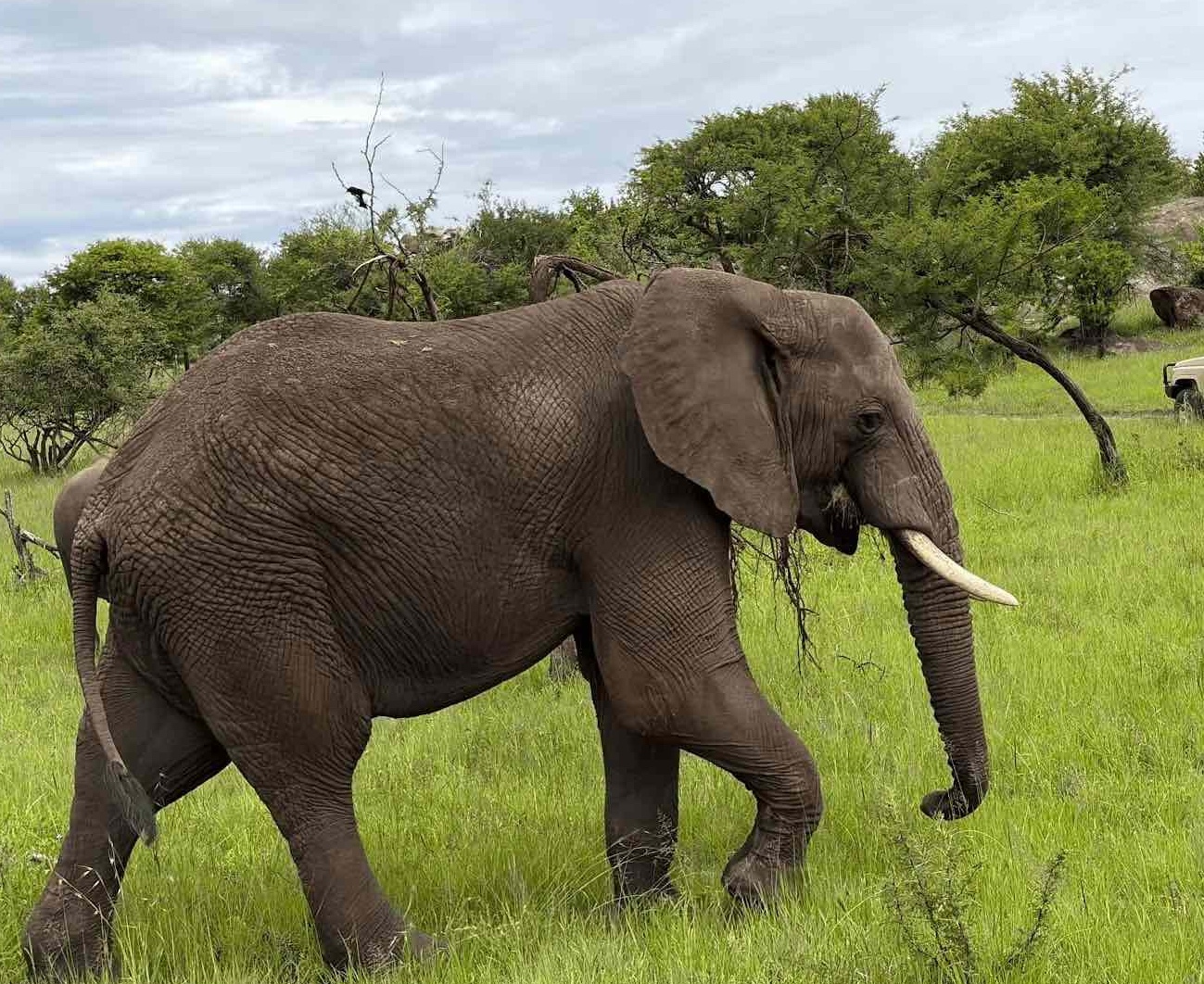
September is also one of the most rewarding months in Tanzania for combining a Kilimanjaro climb with a safari experience. Wildlife viewing is excellent across the northern circuit, as dry conditions concentrate animals around water sources, making sightings more frequent and predictable.
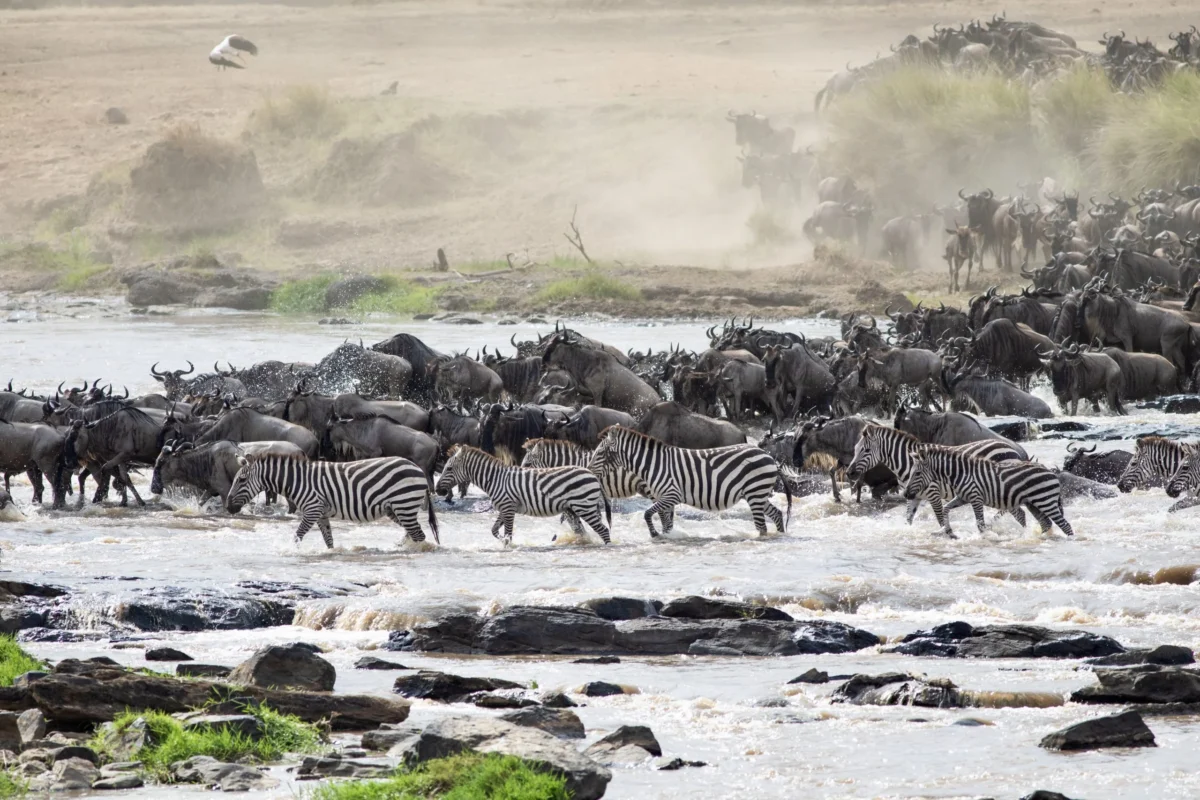
The Serengeti, Ngorongoro Crater, Tarangire, and Lake Manyara National Parks all offer outstanding safari experiences during this period. Depending on timing, travelers may also witness segments of the Great Migration, adding another layer of excitement to the journey.
This combination of mountain adventure and wildlife exploration makes September one of the most complete travel months in Africa.
Who Should Climb Kilimanjaro in September?
September is ideal for a wide range of travelers, particularly those seeking excellent weather with a slightly more relaxed atmosphere than peak August.
It is well suited for first-time climbers, families, photographers, adventure travelers, and safari enthusiasts. It is also an excellent choice for those who want high summit success potential without experiencing the busiest period on the mountain.
Joyful Safaris & Tours Expert Opinion
September represents one of the most perfectly balanced months to climb Mount Kilimanjaro. It combines the reliability of peak dry-season weather with outstanding visibility and strong summit success potential, while offering a slightly calmer and more spacious mountain environment compared to August.
For many climbers, September feels like the ideal equilibrium—scenic, stable, comfortable, and deeply rewarding. It allows for a high-quality expedition without the intensity of peak-season congestion.
With expert support from Joyful Safaris & Tours, a September Kilimanjaro climb becomes a carefully guided, immersive, and unforgettable African adventure that blends mountain trekking with world-class safari experiences.
September consistently earns top ratings for weather reliability, scenery, photography conditions, trekking comfort, wildlife viewing, and summit success potential. It remains one of the absolute best months to climb Mount Kilimanjaro and delivers a premium Roof of Africa experience from start to finish.
Are you ready to start planning?
You can proceed with booking by filling out the form below. Let’s make your adventure unforgettable!