Table of Contents
Climbing Mount Kilimanjaro in August
Why August Is One of the Absolute Best Months to Climb Mount Kilimanjaro
August is widely considered the peak of the Mount Kilimanjaro climbing season and one of the most reliable months for reaching the summit of Africa’s highest mountain. It falls squarely within Tanzania’s long dry season, a period known for its stable weather patterns, minimal rainfall, excellent visibility, and consistently favorable trekking conditions. For many climbers, August represents the pinnacle of Kilimanjaro’s climbing calendar, offering an almost ideal balance between adventure, safety, and success potential.
During this time, the mountain is at its most accessible. Trails are dry, skies are often crystal clear, and the surrounding landscapes appear especially dramatic under strong alpine light. August also coincides with global summer holidays, making it one of the most popular months for international travelers, families, and group expeditions. The result is a vibrant atmosphere on the mountain, where climbers from around the world share a common journey toward Uhuru Peak.
At Joyful Safaris & Tours, August consistently stands out as one of the most successful and in-demand climbing months due to its combination of predictable weather, exceptional scenery, and high summit success rates. For travelers seeking both reliability and a premium trekking experience, August remains one of the strongest choices available.
Is August a Good Time to Climb Kilimanjaro?
Without question, August is one of the best times of the year to climb Mount Kilimanjaro. The mountain is deep within its dry season, which means rainfall is extremely rare and trekking conditions are generally stable from base to summit. This makes the entire journey smoother, more predictable, and more enjoyable compared to wetter months earlier in the year.
Climbers in August benefit from firm trails, reduced mud, and clear skies that open up spectacular views throughout the ascent. These conditions make it especially appealing for first-time trekkers, families on holiday, photographers, and international visitors who prefer well-organized and reliable expedition planning. The consistency of August weather also makes it easier for climbers to maintain steady progress and focus on acclimatization rather than dealing with environmental challenges.
In short, August is widely regarded as one of the most forgiving and rewarding months to attempt Kilimanjaro, particularly for those seeking the highest probability of a successful summit.
Kilimanjaro Weather in August
August represents the heart of the dry season on Mount Kilimanjaro, and the weather reflects this stability in nearly every aspect of the climb. Rainfall is extremely limited, and when it does occur, it is typically brief and light. Most days begin with clear skies and cool mountain air, followed by bright, sunny conditions that extend into the afternoon before temperatures drop significantly at night.
One of the most defining characteristics of August is the exceptional clarity of the atmosphere. The air is dry, clean, and crisp, allowing for long-distance visibility that stretches across Tanzania and into neighboring Kenya. This creates some of the most breathtaking panoramic views of the entire year.
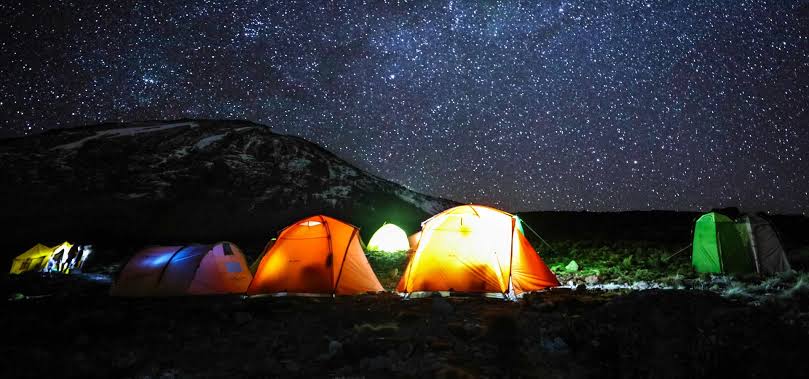
While daytime conditions are generally comfortable for hiking, climbers must be prepared for cold nights, especially at higher elevations. The dry season reduces cloud cover, which means heat escapes more easily after sunset. As a result, summit night temperatures can feel particularly intense, even though overall weather conditions remain stable and predictable.
What Makes August Special?
August stands out as one of Kilimanjaro’s most iconic climbing months because it brings together nearly every factor that contributes to a successful and memorable expedition. The most important of these is weather reliability. Throughout August, trekking conditions remain remarkably consistent, with very little disruption from rain or storms. This stability allows climbers and guides to follow planned itineraries with confidence and reduces uncertainty throughout the journey.
Another defining feature of August is the extraordinary visibility. From higher elevations, climbers are often rewarded with vast, uninterrupted views of the surrounding landscapes. On clear days, the plains of Amboseli, the distant silhouette of Mount Meru, the Kenyan borderlands, and the sweeping horizons of East Africa become visible in stunning detail. Sunrises during this month are especially memorable, often producing vivid golden light above a sea of clouds that stretches endlessly below the summit.
Trekking conditions are also at their best in August. Dry trails make walking more comfortable and significantly reduce the physical strain associated with slippery or muddy terrain. Campsites are easier to manage, gear remains drier, and daily progress is often smoother and more efficient. These factors contribute directly to both safety and overall enjoyment.
In addition, August brings a lively international atmosphere to the mountain. As one of the peak global travel months, climbers from many different countries are present on the routes, creating a sense of shared achievement and community. For many people, this adds an extra layer of motivation and excitement to the expedition.
Kilimanjaro Climate Zones in August
One of the most remarkable aspects of climbing Kilimanjaro is the journey through its five distinct ecological zones, each with its own environment, temperature, and landscape. In August, these zones are especially clear and well-defined due to the dry, stable weather conditions.
The lower slopes, known as the Cultivation Zone, are warm, fertile, and full of life. This region is characterized by agricultural activity, including coffee farms, banana plantations, and traditional Chagga villages. The air is fresh and visibility is excellent, making the initial stage of the climb both culturally rich and visually engaging.
Above this lies the Rainforest Zone, where lush vegetation dominates the landscape. In August, this zone is significantly more manageable than during wetter months. Trails are drier, hiking is more comfortable, and wildlife activity remains active throughout the forest. Monkeys, birds, and other species are frequently observed, while the dense green canopy creates a peaceful and immersive atmosphere.
As the ascent continues into the Moorland Zone, the environment becomes more open and dramatic. Giant groundsels, lobelias, and sweeping ridgelines define this section of the mountain. August conditions provide excellent visibility here, allowing climbers to fully appreciate the scale and beauty of the alpine landscape. Sunlight and shadow create striking contrasts across the terrain, especially during sunrise and sunset.
The Alpine Desert Zone presents a stark and rugged volcanic environment. In August, this area is dry, windy, and exceptionally clear. The lack of vegetation and the exposed rock formations give the impression of a lunar-like landscape. Visibility is often at its peak in this zone, making it one of the most visually dramatic sections of the entire climb.
Finally, the Arctic Summit Zone represents the most extreme environment on Kilimanjaro. Despite being near the equator, temperatures here are consistently freezing. In August, conditions are cold but stable, and climbers are often rewarded with crystal-clear sunrises, snow patches, and glacier views near the summit. The final ascent to Uhuru Peak is physically demanding but visually unforgettable.
Kilimanjaro Temperatures in August
Temperatures on Kilimanjaro vary significantly with altitude, and August’s dry-season conditions intensify this contrast. On the lower slopes, temperatures are generally warm and pleasant, making the beginning of the climb comfortable and welcoming. As altitude increases into the rainforest, conditions become cooler but remain suitable for steady trekking.
In the moorland zone, temperatures drop further, especially at night, and climbers begin to feel the effects of altitude more strongly. The alpine desert zone is colder still, with dry, windy conditions that require layered clothing and careful energy management. At summit level, temperatures frequently fall well below freezing, and climbers must be prepared for some of the harshest conditions of the entire expedition.
Because August skies are often clear, heat loss after sunset is more pronounced, making nighttime and early morning temperatures feel even colder than in cloudier months.
Advantages of Climbing Kilimanjaro in August
August offers some of the most reliable weather conditions of the entire year, which translates into a safer and more predictable trekking experience. Rainfall is minimal, trails remain dry, and visibility is consistently excellent. These factors make expedition planning smoother and allow climbers to focus more on the journey itself rather than environmental challenges.
Summit success potential is also high during August, largely due to stable conditions and improved trail quality. Climbers are better able to maintain energy and pace, which is essential during the final ascent to Uhuru Peak.
From a photography perspective, August is one of the most rewarding months on the mountain. Clear skies, strong alpine light, and dramatic cloud formations create ideal conditions for capturing sunrise landscapes, glacier details, and wide panoramic views. The rainforest also remains vibrant, offering excellent opportunities for wildlife photography.
Trekking comfort is significantly improved due to dry trails and reduced mud. Campsites are more stable, gear stays drier, and overall movement is easier and more efficient. These practical advantages contribute greatly to the enjoyment of the climb.
Challenges of Climbing in August
Despite its many advantages, August is not without challenges. The most noticeable is crowding, as it is one of the busiest months on Kilimanjaro. Popular routes can feel more congested, and campsites may be busier than during shoulder seasons. Early booking is essential to secure preferred routes and dates.
Another challenge is the cold, particularly at higher elevations. Summit night can be extremely cold due to clear skies and strong radiational cooling. Proper gear and layering are absolutely essential to ensure safety and comfort during the final ascent.
Costs can also be higher during August due to peak demand, which is something travelers should consider when planning their expedition.
Best Routes for August Climbs
Several routes perform exceptionally well in August due to their combination of scenery, acclimatization, and reliability. The Lemosho Route is especially popular for its beauty and gradual ascent profile, making it ideal for maximizing summit success. The Machame Route is another favorite, known for its dramatic scenery and strong acclimatization structure.
The Northern Circuit offers the most complete Kilimanjaro experience, with fewer crowds and excellent acclimatization opportunities, while the Rongai Route provides a quieter and drier alternative that is particularly attractive during peak season congestion.
Combining Kilimanjaro with Safari in August
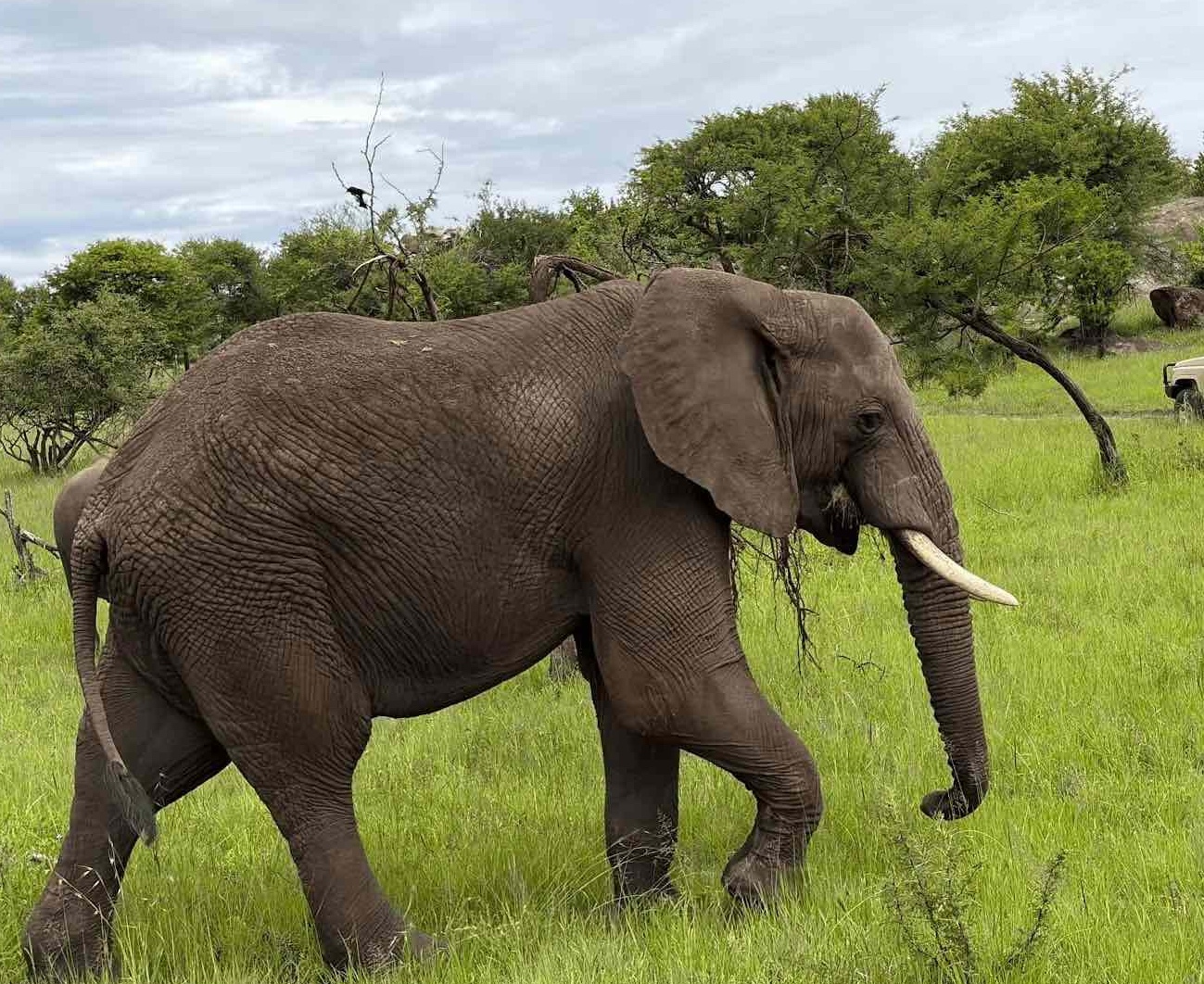
August is also one of the best months in Tanzania for combining a Kilimanjaro climb with a safari adventure. Wildlife viewing is exceptional during this period, as dry conditions concentrate animals around water sources, making sightings more frequent and predictable.
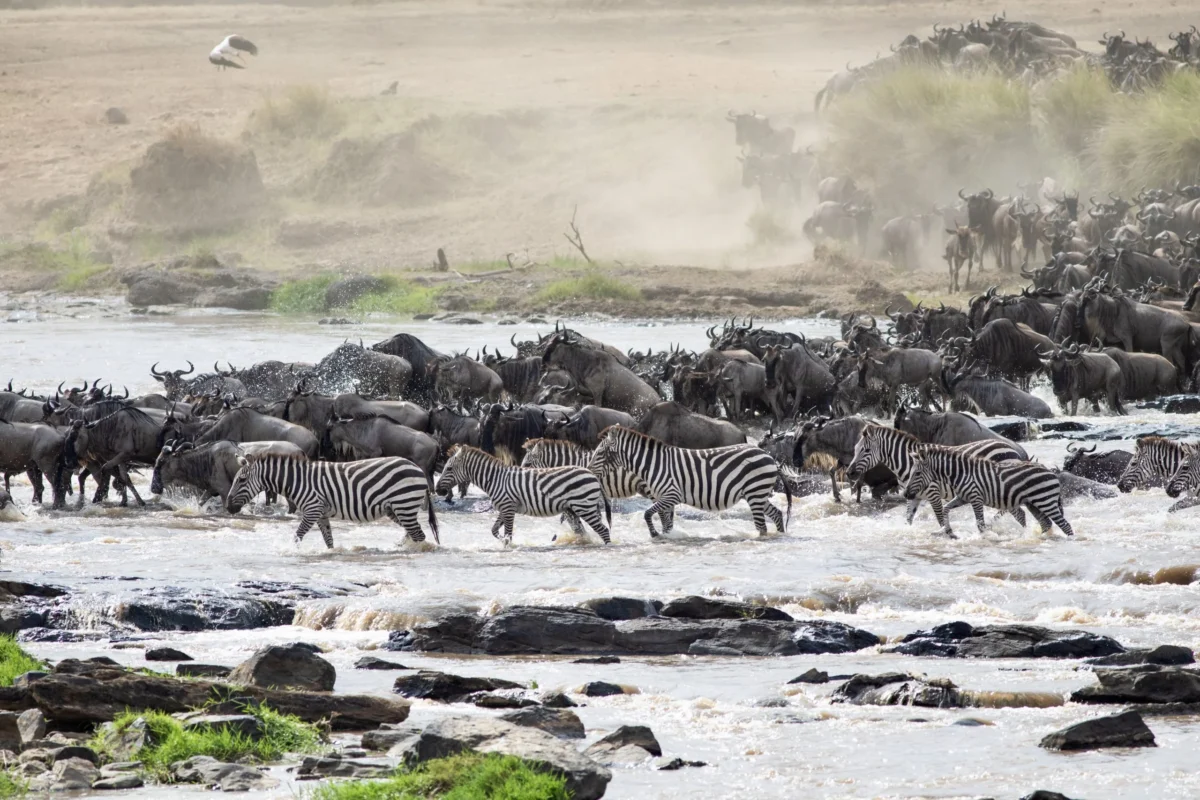
The Serengeti, Ngorongoro Crater, Tarangire, and Lake Manyara all offer outstanding safari experiences in August. In addition, the famous Great Migration is often active within the Serengeti ecosystem during this time, creating one of the most spectacular wildlife events on Earth.
For travelers seeking a complete African adventure, August offers an unmatched combination of mountain trekking and safari exploration.
Who Should Climb Kilimanjaro in August?
August is ideal for a wide range of travelers, including first-time climbers who benefit from stable weather, families seeking safe and well-organized adventures, photographers looking for optimal lighting and visibility, and safari enthusiasts who want to combine wildlife viewing with mountain trekking. It is also well suited to groups and international travelers who prefer peak-season energy and reliable expedition conditions.
Joyful Safaris & Tours Expert Opinion
August represents the peak of Kilimanjaro’s climbing season and offers one of the most complete trekking experiences available anywhere in the world. The combination of stable weather, dry trails, breathtaking visibility, and high summit success rates makes it one of the most dependable months for reaching Uhuru Peak.
Although it is a busy season, the overall quality of the experience is exceptional. The mountain is at its most accessible, most scenic, and most globally vibrant. For travelers seeking a safe, predictable, and highly rewarding expedition combined with world-class safari opportunities, August is one of the strongest choices available.
With professional guidance from Joyful Safaris & Tours, an August Kilimanjaro climb becomes not just a journey, but a truly unforgettable African adventure.
August consistently earns top marks for weather reliability, scenery, photography conditions, trekking comfort, wildlife viewing, and summit success potential. It remains one of the absolute best months to climb Mount Kilimanjaro and delivers a classic, high-quality Roof of Africa experience from start to finish.
Are you ready to start planning?
You can proceed with booking by filling out the form below. Let’s make your adventure unforgettable!