Table of Contents
Climbing Mount Kilimanjaro in January: The Complete Guide
Why January is One of the Best Times to Climb Kilimanjaro
January is widely regarded as one of the finest months to climb Mount Kilimanjaro, offering trekkers a remarkable combination of favorable weather conditions, breathtaking scenery, excellent summit visibility, and relatively manageable crowd levels. As the short rains of November and December come to an end, Kilimanjaro emerges refreshed and vibrant, with lush vegetation covering the lower slopes and crystal-clear skies dominating much of the mountain.
For travelers seeking the ultimate African adventure, January provides an ideal opportunity to conquer Africa’s highest peak while enjoying some of the most stable trekking conditions of the year. Whether you are a first-time climber, an experienced mountaineer, a photographer searching for dramatic landscapes, or a traveler combining a Kilimanjaro climb with a Tanzania safari, January consistently ranks among the top months to visit.
At Joyful Safaris & Tours, we recommend January as one of the premier climbing seasons due to its excellent balance between weather reliability, scenic beauty, and overall climbing experience.
Is January a Good Time to Climb Kilimanjaro?
The simple answer is yes. January is considered one of the best months for climbing Mount Kilimanjaro.
This period falls within the first major dry season of the year. The mountain experiences significantly reduced rainfall compared to the preceding months, resulting in drier trails, clearer views, and more comfortable trekking conditions. Climbers often enjoy spectacular sunrises, incredible panoramas above the cloud line, and stunning summit views from Uhuru Peak.
January is particularly attractive because the mountain is still beautifully green after the short rainy season. Unlike the drier months of August and September, the landscapes remain vibrant and alive, creating exceptional photographic opportunities throughout the journey.
Many experienced guides describe January as the perfect combination of favorable weather and scenic beauty, making it one of the most rewarding times to climb Kilimanjaro.
Kilimanjaro Weather in January
Weather is one of the most important factors when planning a Kilimanjaro expedition. January typically offers some of the most stable conditions found throughout the year.
Although weather on Mount Kilimanjaro can never be completely predictable due to its immense height and multiple ecological zones, January generally experiences warm temperatures at lower elevations and dry conditions across most routes.
The mountain consists of five distinct climatic zones:
Cultivation Zone
The lower slopes surrounding Kilimanjaro are warm and fertile. January conditions are pleasant, with sunny days and occasional brief showers that help maintain the area’s lush vegetation.
Rainforest Zone
One of the most beautiful sections of the mountain, the rainforest is particularly impressive in January. The forest remains green and vibrant following the short rains, while reduced precipitation makes trekking more comfortable.
Climbers may encounter:
- Giant tree ferns
- Colobus monkeys
- Blue monkeys
- Exotic bird species
- Colorful mountain flowers
Moorland Zone
As climbers gain altitude, the landscape transforms into a dramatic alpine environment. January skies are often exceptionally clear, providing magnificent views across northern Tanzania and neighboring Kenya.
Alpine Desert Zone
January offers outstanding visibility within the alpine desert. Dry conditions reduce cloud cover, allowing trekkers to fully appreciate the dramatic volcanic terrain that makes Kilimanjaro unique.
Arctic Summit Zone
Temperatures at the summit remain extremely cold year-round. During summit night, temperatures can fall well below freezing, often reaching between -10°C and -20°C depending on conditions.
Despite the cold temperatures near the summit, January’s relatively stable weather significantly improves overall comfort and summit success rates.
Temperature on Kilimanjaro in January
Temperature varies dramatically depending on elevation.
At the base of the mountain, daytime temperatures may reach 25°C to 30°C, creating warm and pleasant trekking conditions.
At mid-elevations, temperatures become cooler, especially during evenings and early mornings.
Near the summit, temperatures drop far below freezing.
Typical January temperatures include:
- Base of Mountain: 20°C to 30°C
- Rainforest Zone: 15°C to 25°C
- Moorland Zone: 5°C to 15°C
- Alpine Desert: 0°C to 10°C
- Summit Zone: -10°C to -20°C
These variations highlight the importance of proper layering and preparation.
Why Photographers Love January
January is a dream month for photography on Mount Kilimanjaro.
The combination of lush vegetation, clear skies, dramatic cloud formations, and occasional snow near the summit creates extraordinary photographic opportunities.
Some of the most spectacular photo locations include:
- Shira Plateau
- Barranco Wall
- Karanga Valley
- Stella Point
- Uhuru Peak
Sunrise photography is particularly rewarding in January due to the increased likelihood of clear morning skies.
Photographers often capture:
- Golden sunrise colors
- Sea of clouds beneath the summit
- Snow-covered summit glaciers
- Dramatic volcanic landscapes
- Wildlife in lower forest zones
The contrast between green lower slopes and the icy summit creates iconic images recognized around the world.
Summit Success Rates in January
One of the major reasons January remains highly recommended is its excellent summit success potential.
Weather conditions contribute significantly to climber comfort and safety.
Dry trails reduce physical fatigue, while clear weather allows climbers to maintain a more consistent pace throughout the expedition.
When combined with proper acclimatization and professional guiding services, January offers some of the highest summit success rates of the year.
At Joyful Safaris & Tours, we strongly recommend longer itineraries of seven to nine days to maximize acclimatization and increase your chances of standing on the Roof of Africa.
Best Kilimanjaro Routes for January
Several routes perform exceptionally well during January.
Lemosho Route
The Lemosho Route is often considered the most scenic path to the summit.
Advantages include:
- Excellent acclimatization profile
- Beautiful wilderness scenery
- High summit success rates
- Less crowded initial stages
Machame Route
Known as the Whiskey Route, Machame offers:
- Spectacular scenery
- Diverse landscapes
- Strong acclimatization opportunities
- Excellent January trekking conditions
Northern Circuit
The Northern Circuit provides:
- Maximum acclimatization
- Lowest crowd levels
- Outstanding scenery
- Highest success rates
Rongai Route
The Rongai Route approaches Kilimanjaro from the northern side and is often slightly drier than southern routes.
It is particularly appealing for climbers seeking quieter trails.
Combining Kilimanjaro with a Tanzania Safari
January is one of the best months to combine a Kilimanjaro climb with a wildlife safari.
After descending from the mountain, travelers can explore:
- Serengeti National Park
- Ngorongoro Conservation Area
- Tarangire National Park
- Lake Manyara National Park
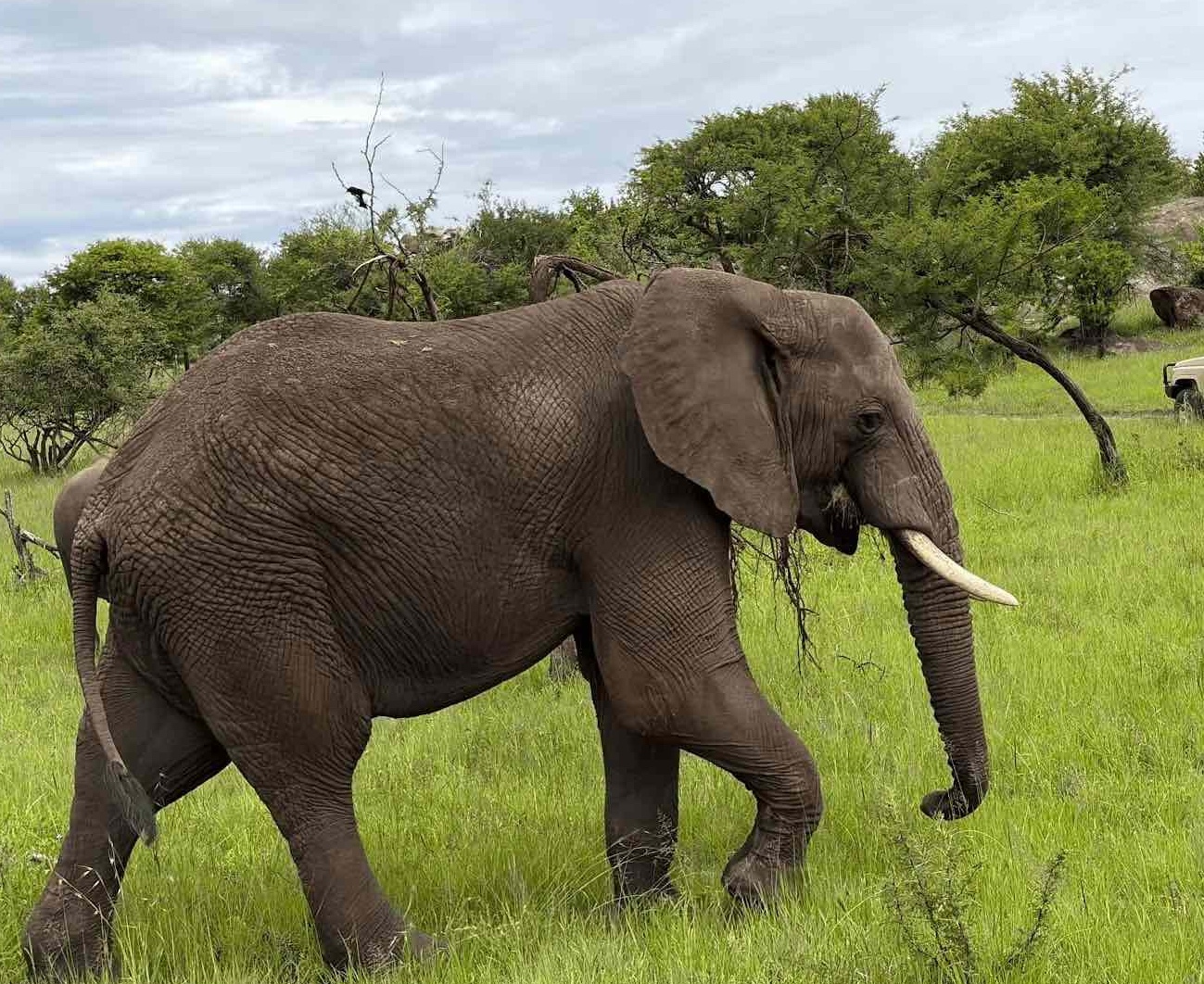
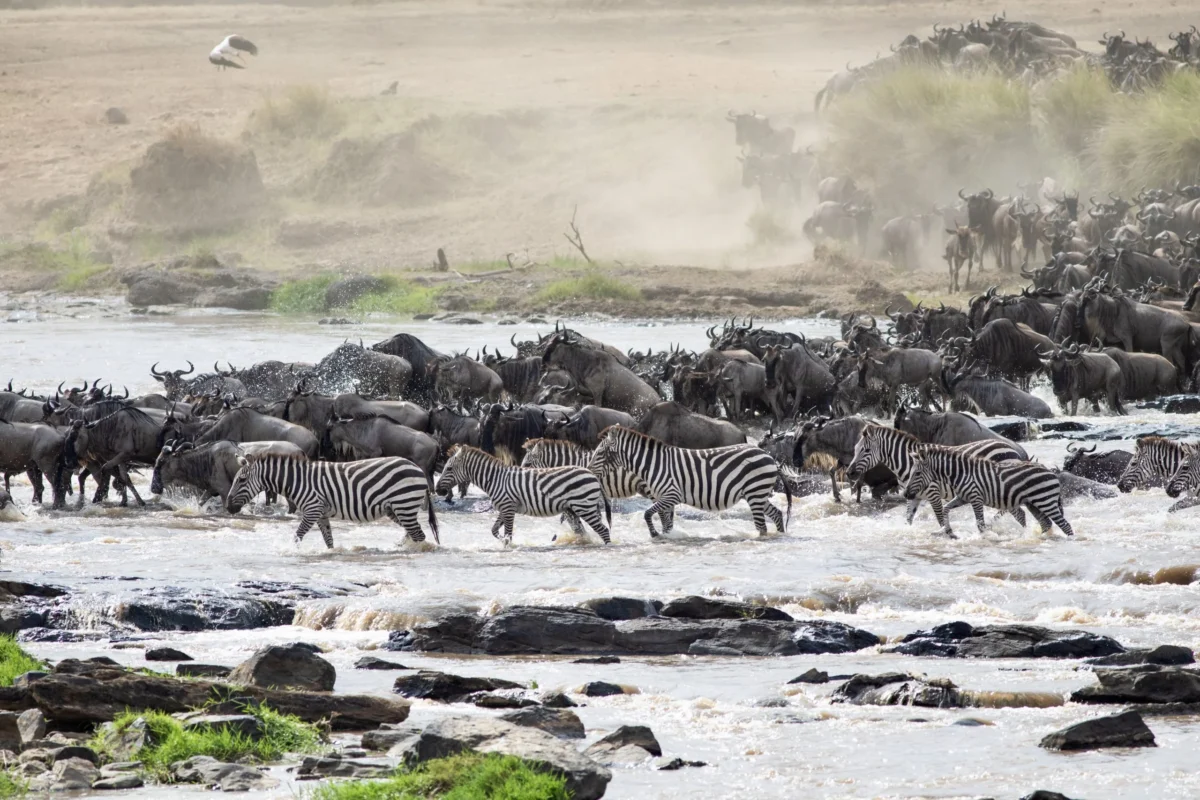
Wildlife viewing remains excellent during this period, making January one of the most attractive months for adventure travelers seeking a complete Tanzanian experience.
Advantages of Climbing Kilimanjaro in January
January offers numerous benefits:
- Excellent weather conditions
- High summit success rates
- Beautiful green landscapes
- Clear summit views
- Fantastic photography opportunities
- Moderate crowd levels
- Outstanding safari combinations
- Comfortable trekking temperatures
For many climbers, January represents the perfect balance between scenery, weather, and adventure.
Are you ready to start planning?
You can proceed with booking by filling out the form below. Let’s make your adventure unforgettable!