Table of Contents
Climbing Mount Kilimanjaro in July
Why July Is One of the Best Months to Climb Mount Kilimanjaro
July is widely regarded as one of the very best months to climb Mount Kilimanjaro and is firmly established within the mountain’s peak trekking season. By this time, Tanzania has settled fully into the long dry season, which means climbers can generally expect stable weather, very little rainfall, firm trail conditions, and some of the clearest mountain views of the entire year. For many trekkers, July offers the perfect balance of adventure, comfort, and summit opportunity. The landscape still carries the freshness left behind by the rainy months, but the routes are now much drier, easier to manage, and far more enjoyable to hike. Visibility is often outstanding, with expansive views stretching across northern Tanzania and into neighboring Kenya, creating the kind of dramatic scenery that makes Kilimanjaro so unforgettable.
Every year, thousands of climbers choose July because it consistently delivers some of the most reliable trekking conditions on Africa’s highest peak. Whether the goal is to stand on Uhuru Peak, capture breathtaking alpine photography, or combine the climb with a once-in-a-lifetime Tanzania safari, July offers an exceptional window for experiencing Kilimanjaro at its very best. At Joyful Safaris & Tours, July remains one of the most popular months for expeditions because it combines strong weather reliability, excellent summit potential, and an overall trekking experience that feels both rewarding and memorable from start to finish.
Is July a Good Time to Climb Kilimanjaro?
Without question, July is one of the finest months of the year for climbing Mount Kilimanjaro. It falls squarely within the mountain’s long dry season, which typically runs from June through October, and this makes a major difference to the quality of the climb. Rainfall is minimal, skies are more consistently clear, and trail conditions improve dramatically when compared with the wetter months earlier in the year. For climbers, this means fewer weather interruptions, less mud, better footing, and far more opportunities to enjoy the views.
Many experienced mountain guides consider July one of the most dependable periods for a Kilimanjaro expedition because the weather is generally predictable and summit attempts are less likely to be affected by heavy rain or low cloud cover. The month offers dry trails, clear summit views, stable weather patterns, cooler but manageable temperatures, high summit success potential, excellent conditions for photography, and an ideal opportunity to combine the trek with a safari. For first-time climbers in particular, July can feel like one of the most forgiving and confidence-building times to take on the mountain.
Understanding Kilimanjaro Weather in July
July marks the heart of Tanzania’s dry season, and that seasonal shift has a direct impact on the climbing experience. In contrast to the rainy months, when clouds often gather around the mountain and rainfall can affect trail quality, July usually brings bright mornings, sunny afternoons, and beautifully clear sunsets. Rain is minimal across most routes, and humidity levels drop noticeably, giving the air a cooler and crisper feel. These conditions are ideal not only for trekking but also for acclimatization, rest, and photography.
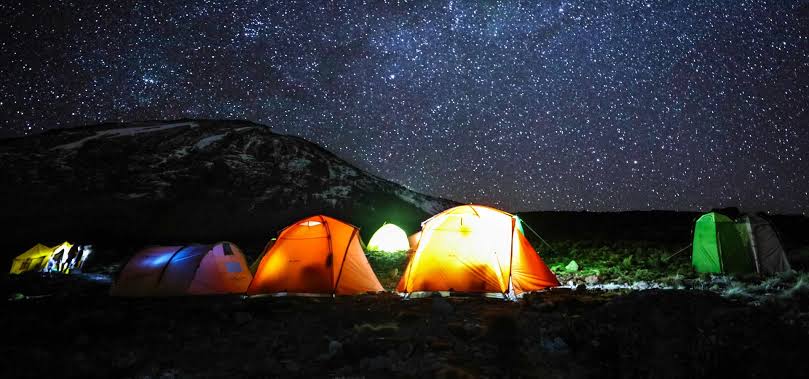
At the same time, climbers should not underestimate the cold. Even though the lower sections of the mountain can feel pleasant during the day, temperatures at higher elevations become increasingly harsh as you ascend. The dry season often brings colder nights because there is less cloud cover to trap warmth, and summit night in July can feel particularly demanding if clothing and layering are not carefully planned. In other words, July delivers excellent weather for trekking, but the summit environment still requires serious preparation and the right gear.
What Makes July Special?
July stands out because it brings together several of the most desirable conditions a climber can hope for on Mount Kilimanjaro. One of the greatest advantages of the month is the reliability of the weather. Trails are typically dry and stable, which reduces many of the complications associated with wet-season trekking and makes daily progress more comfortable and secure. This sense of consistency is especially valuable for climbers who want a smooth, well-organized expedition without unnecessary weather-related uncertainty.
Another major highlight is the exceptional visibility. July often provides some of the clearest views of the year, allowing climbers to take in sweeping panoramas across Mount Meru, Amboseli National Park, the Kenyan plains, northern Tanzania, and the broader Great Rift Valley region. The clarity of the atmosphere is especially appreciated by photographers, but even non-photographers often find themselves stopping repeatedly simply to absorb the scale and beauty of the landscape.
July is also known for offering excellent summit conditions. The combination of dry trails, stable weather, and clearer visibility often improves the chances of reaching Uhuru Peak successfully. When combined with proper acclimatization and a well-paced itinerary, these conditions can support a strong summit effort. In addition, July is one of the best months for pairing a Kilimanjaro climb with a safari, which makes it especially appealing to travelers who want to experience both Tanzania’s mountains and its wildlife in one journey.
Kilimanjaro’s Climate Zones in July
One of the most extraordinary aspects of climbing Kilimanjaro is moving through its five distinct ecological zones, each with its own character, vegetation, and atmosphere. July showcases every one of these zones beautifully, from the warm agricultural foothills to the icy summit region.
The Cultivation Zone, found between about 800 and 1,800 meters, covers the lower slopes of the mountain where the land is fertile and actively cultivated. In July, this region feels warm, welcoming, and productive. Climbers pass coffee farms, banana plantations, local Chagga villages, and tropical vegetation that reflects the richness of the volcanic soil. The temperatures are pleasant, and the dry-season weather creates excellent conditions for exploring the communities and farmland surrounding the mountain. This part of the journey offers a wonderful introduction to Kilimanjaro and the culture of the people who live in its shadow.
Higher up, the Rainforest Zone between about 1,800 and 3,000 meters is one of the most beautiful sections of the climb. July is an especially good month here because rainfall is far lower than earlier in the year, yet the forest still retains its lush, green appearance. Trekking conditions are typically excellent, with well-maintained trails and improved visibility through the trees. Wildlife is active, and climbers may encounter black-and-white colobus monkeys, blue monkeys, turacos, hornbills, and sunbirds. The forest feels alive and vibrant, but it is also easier to move through than in wetter months, which makes the experience more enjoyable overall.
As the route rises into the Moorland Zone between about 3,000 and 4,000 meters, the scenery becomes increasingly dramatic. This is where Kilimanjaro begins to feel truly alpine, with giant groundsels, lobelias, open valleys, and wide ridgelines stretching into the distance. In July, the clear skies and dry air allow climbers to appreciate the scale of the landscape far more fully. Views across East Africa are often exceptional, and this zone is frequently remembered for its beauty, quiet, and sense of elevation.
The Alpine Desert Zone, between approximately 4,000 and 5,000 meters, is one of the most distinctive environments on the mountain. It is dry, exposed, and shaped by volcanic terrain, with little vegetation and a landscape that feels both harsh and stunning at the same time. July is one of the best months to experience this zone because visibility is usually excellent and the crisp air adds dramatic clarity to the views. The rocky terrain and barren slopes create a unique atmosphere that many climbers find unforgettable.
At the top of the mountain, the Arctic Summit Zone from about 5,000 meters to 5,895 meters presents the final challenge. Even in July, it remains extremely cold, but the dry season often provides some of the best summit conditions of the year. Climbers may see snow patches, ice fields, glacier remnants, and spectacular sunrises from near the roof of Africa. Many trekkers describe July summit mornings as among the most beautiful and emotionally powerful moments of the entire expedition.
Kilimanjaro Temperatures in July
Temperature on Kilimanjaro changes dramatically with altitude, and July’s dry-season climate makes this contrast even more noticeable. On the lower slopes, daytime temperatures often range from 18°C to 28°C, creating a comfortable and relatively warm start to the journey. In the rainforest zone, temperatures usually fall between 8°C and 18°C, which is cool enough for pleasant hiking but not excessively cold. The moorland zone tends to feel mild during the day and colder at night, with temperatures around 5°C to 15°C.
In the alpine desert, temperatures generally range from 0°C to 10°C, and the exposed terrain can feel especially cold after sunset. Near the summit, climbers must prepare for severe conditions, with temperatures often dropping to between -20°C and -10°C. Because July has clear skies and less cloud cover, radiational cooling can make summit nights feel even colder. Proper insulation, layering, and winter-grade gear are therefore essential.
Advantages of Climbing Kilimanjaro in July
One of the strongest advantages of July is its excellent weather reliability. Climbers benefit from minimal rainfall, clearer skies, and more consistent trekking conditions, all of which make the expedition easier to organize and more enjoyable to complete. This predictability is especially valuable for travelers with limited time or those planning a carefully timed safari afterward.
July also offers strong summit success potential. Dry trails, stable conditions, and clear visibility all contribute to a better overall climbing rhythm, which can help climbers conserve energy and stay focused during the ascent. The month is also outstanding for photography. Sunrises from Stella Point, glacier shots, cloud inversions, and active rainforest wildlife all provide exceptional opportunities for memorable images. For many people, the visual rewards of a July climb are just as powerful as the summit itself.
The trekking experience itself is also more comfortable in July. With less rain, there is less mud, better traction, drier campsites, and far easier gear management. These small improvements have a major impact on the overall quality of the climb. July is also particularly attractive for first-time climbers because the conditions are generally favorable and predictable, which can reduce stress and allow more focus on acclimatization and enjoyment.
Challenges of Climbing Kilimanjaro in July
Although July is one of the best months for climbing, it is not without challenges. The most obvious is the cold. Dry-season weather often produces lower overnight temperatures, especially at higher elevations, so climbers must be prepared for freezing summit conditions. Proper layering is not optional; it is essential.
Another challenge is crowding. July is a popular month, and that popularity means some routes may feel busier, especially the more famous ones. The positive side of that popularity is that the mountain feels lively and well-supported, but early booking is strongly recommended to secure preferred dates and route options. Altitude remains the most serious challenge regardless of season. No matter how favorable the weather may be, proper acclimatization is still the key to a safe and successful summit attempt.
Best Routes for July Climbs
Several routes perform exceptionally well in July, each offering a different style of experience. The Lemosho Route is often regarded as one of the most scenic on the mountain. It provides beautiful landscapes, excellent acclimatization, strong summit success rates, and a varied trekking experience through multiple ecological zones. July’s clear weather enhances its beauty even further.
The Machame Route remains one of Kilimanjaro’s most popular choices because it combines dramatic scenery with a strong acclimatization profile. It is challenging in a rewarding way, and July’s dry conditions make the route especially appealing. The Northern Circuit is the longest route and is often considered the most successful overall because of its extended acclimatization time, lower traffic, and outstanding scenery. It is a superb choice for climbers who want a quieter, more immersive journey. The Rongai Route, which approaches from the northern side, is another excellent option in July because it tends to be drier and quieter, offering a more remote and distinctive perspective of the mountain.
Combining Kilimanjaro and Safari in July
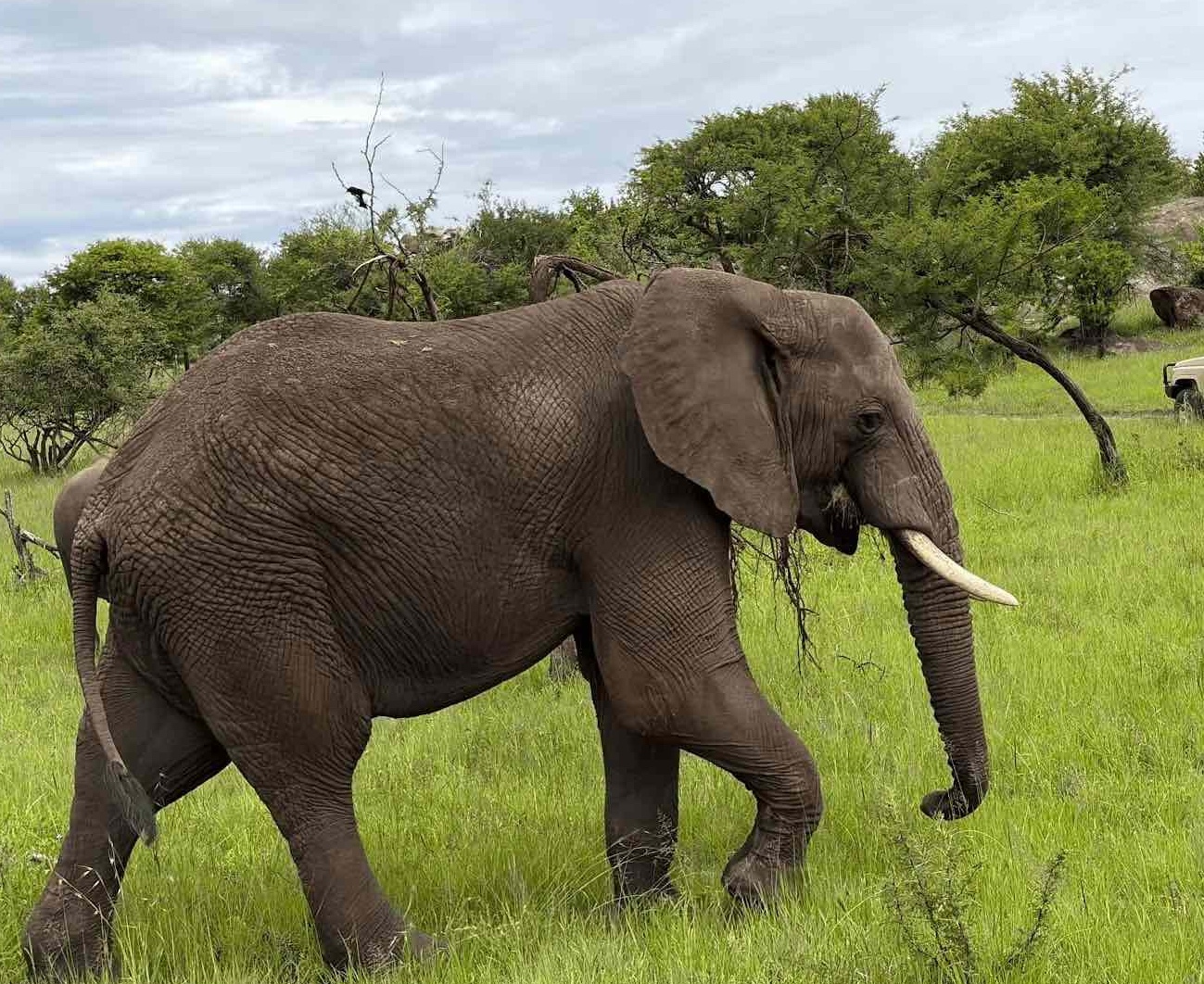
July is one of the best months in Tanzania for combining a Kilimanjaro climb with a safari adventure. The country’s northern safari circuit is in excellent condition during this period, and wildlife viewing becomes especially rewarding as animals gather near permanent water sources. Serengeti National Park, Ngorongoro Conservation Area, Tarangire National Park, and Lake Manyara National Park all offer outstanding safari experiences in July.
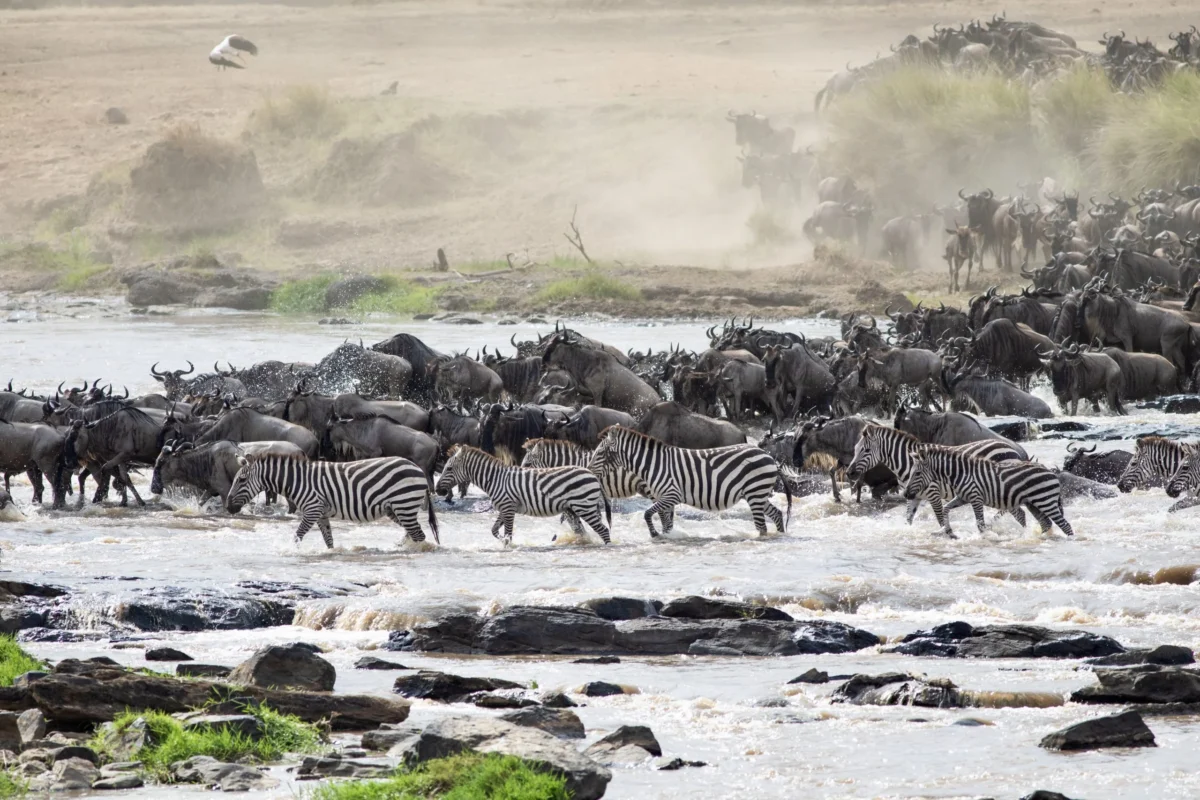
This month is also closely associated with some of the most dramatic wildlife movements in the Serengeti ecosystem, making it a particularly exciting time for nature lovers. For travelers who want both a challenging mountain expedition and a world-class safari, July is one of the finest combinations available anywhere in Africa.
Essential Packing List for July Climbers
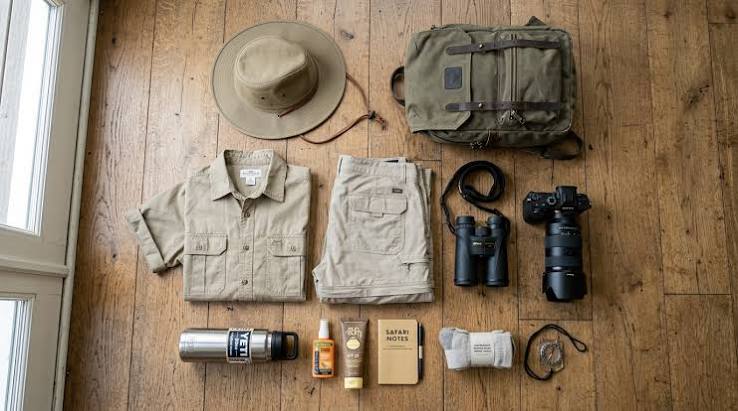
Packing correctly for a July climb is crucial because temperatures can vary from warm to extremely cold within the same journey. Climbers should bring thermal base layers, fleece jackets, a high-quality insulated down jacket, and a waterproof outer shell. These layers allow for flexibility as conditions change with altitude and time of day. On summit night, heavy gloves, a warm hat, a balaclava, and a neck gaiter are essential for protecting against the cold.
Other important items include trekking poles, a comfortable daypack, reusable water bottles, and a reliable headlamp. Footwear should include waterproof hiking boots, warm socks, and camp shoes for use around the tents or huts. Photographers should carry spare batteries, camera protection, and a lens-cleaning kit, since cold temperatures can drain battery life quickly and dust or moisture can affect equipment. A well-prepared packing system goes a long way toward making the climb safer and far more comfortable.
Who Should Climb Kilimanjaro in July?
July is an excellent choice for many different kinds of travelers. First-time climbers often appreciate the stable weather and predictable conditions, which make the experience feel more manageable and less uncertain. Families also tend to value the reliability of the season when planning a major adventure.
Photographers benefit enormously from the clear skies and striking contrasts between the mountain’s zones. Adventure travelers who want the classic Kilimanjaro experience will find July especially satisfying, and safari enthusiasts can easily combine the climb with some of Tanzania’s best wildlife viewing.
Why July Remains One of the Most Popular Months
Every year, thousands of climbers choose July because it offers nearly everything they hope for in a Kilimanjaro expedition. The weather is stable, the trails are dry, the views are clear, the summit opportunities are excellent, and the safari options are outstanding. Few months provide such a strong and consistent combination of benefits, which is why July continues to be one of the most sought-after climbing periods on the mountain.
Joyful Safaris & Tours Expert Opinion
If your goal is to climb Mount Kilimanjaro during one of the most dependable and rewarding months of the year, July should be near the top of your list. The mountain is at its finest in many ways, with excellent weather, dry trails, breathtaking visibility, and strong summit potential. The combination of trekking and safari opportunities is also world-class, making July ideal for travelers who want the full Tanzanian adventure experience.
Although the month attracts more visitors than some quieter periods, the advantages far outweigh the challenges. For climbers seeking a high-probability summit attempt, spectacular scenery, and memories that last a lifetime, July offers one of the very best opportunities anywhere in Africa. With expert support from Joyful Safaris & Tours, a July Kilimanjaro expedition can become the adventure of a lifetime.
July consistently earns top ratings for weather reliability, scenery, photography, trail conditions, wildlife viewing, and summit success potential. It is especially well suited to first-time climbers, families, adventure travelers, professional photographers, wildlife enthusiasts, and anyone hoping to combine trekking with safari. July is undoubtedly one of the absolute best months to climb Mount Kilimanjaro, offering a classic Roof of Africa experience with near-perfect trekking conditions and unforgettable summit moments.
Are you ready to start planning?
You can proceed with booking by filling out the form below. Let’s make your adventure unforgettable!