Table of Contents
Climbing Mount Kilimanjaro in March:
The Full Guide to Trekking Africa’s Highest Mountain During the Transition Season
Is March a Good Time to Climb Mount Kilimanjaro?
March is one of the most underrated months to climb Mount Kilimanjaro. While many travelers automatically focus on the peak climbing months of January, February, July, August, and September, March offers a unique and rewarding experience that combines relatively favorable weather conditions, quieter trails, beautiful green landscapes, and excellent value for money.
As the final month before Tanzania’s long rainy season fully arrives, March serves as a transition period on Mount Kilimanjaro. Early March often delivers weather conditions similar to those experienced in January and February, while late March can become more unpredictable as rainfall gradually increases.
For climbers seeking fewer crowds, stunning scenery, and a more peaceful trekking experience, March can be one of the most attractive times of the year to reach the Roof of Africa.
At Joyful Safaris & Tours, we frequently recommend March to travelers who prefer a balance between good weather, lower visitor numbers, and exceptional mountain beauty.
Why Climb Kilimanjaro in March?
Mount Kilimanjaro is one of the world’s most accessible high-altitude mountains, attracting thousands of climbers annually. Every month offers a different experience, and March stands out because it combines many of the advantages of the dry season with the beauty of a landscape that is preparing for the rains.
Unlike the busier months of July and August, March provides a quieter atmosphere on the mountain. Camps are generally less crowded, trails feel more remote, and climbers can enjoy a deeper connection with nature.
March offers several key benefits:
- Fewer climbers on all major routes
- Beautiful green scenery
- Pleasant temperatures
- Reduced dust on trails
- Better campsite availability
- More flexible booking opportunities
- Excellent photography conditions
- Potentially lower travel costs
Many experienced trekkers believe March provides one of the most authentic Kilimanjaro experiences because the mountain feels less crowded and more natural.
Understanding Kilimanjaro Weather in March
Weather is one of the most important considerations when choosing when to climb Mount Kilimanjaro.
March marks the gradual transition between the short dry season and the upcoming long rainy season.
The first half of March often experiences relatively dry and stable weather. Climbers can enjoy sunny mornings, clear summit views, and comfortable hiking conditions.
As the month progresses, rainfall becomes more likely, particularly in the rainforest zone. However, rain is rarely constant throughout the day. Many showers occur during afternoons or evenings, while mornings remain clear and pleasant for trekking.
Because Kilimanjaro creates its own weather systems, conditions can vary significantly from one route to another and from one elevation zone to the next.
Despite this variability, March remains a very climbable month and often rewards climbers with spectacular scenery and memorable experiences.
Climate Zones of Kilimanjaro in March
One of Kilimanjaro’s most remarkable features is the diversity of ecosystems encountered during a single climb.
Cultivation Zone
The lower slopes surrounding Kilimanjaro are home to fertile farmland where local communities grow:
- Coffee
- Bananas
- Maize
- Beans
- Avocados
March conditions help maintain the region’s lush appearance, creating beautiful scenery before climbers even enter the national park.
Rainforest Zone
The rainforest is perhaps at its most vibrant during March.
Visitors may experience:
- Dense green vegetation
- Moss-covered trees
- Flowing streams
- Abundant wildlife
- Rich birdlife
The forest becomes increasingly active as moisture levels rise, making it one of the most beautiful times of year for nature lovers.
Common wildlife sightings include:
- Black-and-white colobus monkeys
- Blue monkeys
- Forest birds
- Colorful butterflies
Moorland Zone
Higher elevations reveal rolling hills covered with unique alpine vegetation.
March often provides:
- Dramatic cloud formations
- Vibrant plant life
- Spectacular mountain views
- Comfortable hiking temperatures
The giant groundsels and lobelias that define this zone appear particularly striking against the green backdrop created by seasonal moisture.
Alpine Desert Zone
The alpine desert remains largely dry despite increasing rainfall lower on the mountain.
This zone features:
- Volcanic rock formations
- Open landscapes
- Expansive views
- Unique geological features
March frequently produces dramatic skies that photographers find irresistible.
Arctic Summit Zone
Near Uhuru Peak, temperatures remain extremely cold year-round.
Despite warmer conditions lower down the mountain, summit temperatures typically remain below freezing.
Climbers must still prepare for:
- Ice
- Snow
- Strong winds
- Extreme cold
Proper summit gear remains essential.
Temperature on Mount Kilimanjaro in March
Temperatures on Kilimanjaro vary dramatically according to altitude.
Base of the Mountain
Daytime temperatures generally range between:
20°C to 30°C (68°F to 86°F)
These warm conditions create comfortable trekking environments during the initial stages of the climb.
Rainforest Zone
Temperatures typically range between:
15°C to 25°C (59°F to 77°F)
The forest remains humid but comfortable.
Moorland Zone
Average temperatures range from:
5°C to 15°C (41°F to 59°F)
These elevations often provide ideal hiking conditions.
Alpine Desert Zone
Temperatures can vary between:
0°C and 10°C (32°F to 50°F)
Sunny days can feel warm, while evenings become significantly colder.
Summit Zone
At Uhuru Peak, temperatures frequently range between:
-10°C and -20°C (14°F to -4°F)
Summit night remains physically demanding regardless of the month.
What Makes March Special?
Many travelers overlook March, which is precisely what makes it special.
Beautiful Green Landscapes
The mountain appears lush and vibrant during March.
Vegetation thrives due to increasing moisture levels, creating some of the most beautiful scenery found throughout the year.
Lower Crowds
One of the biggest advantages of March is the reduced number of climbers.
Benefits include:
- Quieter campsites
- Less crowded trails
- More peaceful summit experiences
- Better photo opportunities
- Enhanced wilderness feeling
Exceptional Photography
March often produces dramatic skies that photographers love.
Popular subjects include:
- Sunrise above cloud layers
- Colorful sunsets
- Rainforest scenery
- Summit glaciers
- Volcanic landscapes
Cloud formations can add depth and drama to mountain photography that is rarely seen during the driest months.
Enhanced Wildlife Activity
The rainforest ecosystem becomes increasingly active during March.
Birdwatchers and nature enthusiasts often enjoy greater wildlife encounters than during peak dry seasons.
Summit Success Rates in March
A common question among climbers is whether March affects summit success.
The answer depends largely on preparation, acclimatization, and route selection.
March remains a strong month for successful summit attempts because:
- Temperatures are generally comfortable.
- Crowds are lower.
- Trails remain accessible.
- Major routes operate normally.
Success rates remain high when climbers choose longer itineraries that allow adequate acclimatization.
At Joyful Safaris & Tours, we strongly recommend routes lasting seven to nine days to maximize summit success regardless of the month.
Best Kilimanjaro Routes for March
Lemosho Route
The Lemosho Route performs exceptionally well in March.
Advantages include:
- Beautiful scenery
- Excellent acclimatization
- Lower crowds
- Diverse landscapes
The route’s gradual ascent profile makes it one of the safest options.
Machame Route
Machame remains highly popular during March.
Benefits include:
- Spectacular scenery
- Strong acclimatization opportunities
- Excellent success rates
- Memorable camping experiences
Northern Circuit
For climbers seeking the highest success rates, the Northern Circuit is difficult to beat.
Advantages include:
- Maximum acclimatization
- Lowest traffic
- Longest route
- Outstanding scenery
Rongai Route
Approaching from the northern side of Kilimanjaro, Rongai often experiences slightly drier conditions.
This route is particularly attractive during transitional weather periods.
Photography Opportunities in March
March is one of the most rewarding months for photographers.
The mountain offers an extraordinary variety of visual experiences.
Rainforest Photography
Photographers can capture:
- Misty forests
- Exotic plants
- Wildlife
- Water droplets
- Sunbeams filtering through trees
Landscape Photography
Higher elevations reveal:
- Expansive vistas
- Volcanic terrain
- Rolling clouds
- Dramatic skies
Summit Photography
On clear mornings, climbers may capture:
- Glacier remnants
- Sunrise colors
- Shadow projections across Africa
- Endless horizons
Many professional photographers consider March one of Kilimanjaro’s most visually rewarding months.
Combining Kilimanjaro and Safari in March
March is an outstanding month for combining a mountain climb with a wildlife safari.
Popular destinations include:
Serengeti National Park
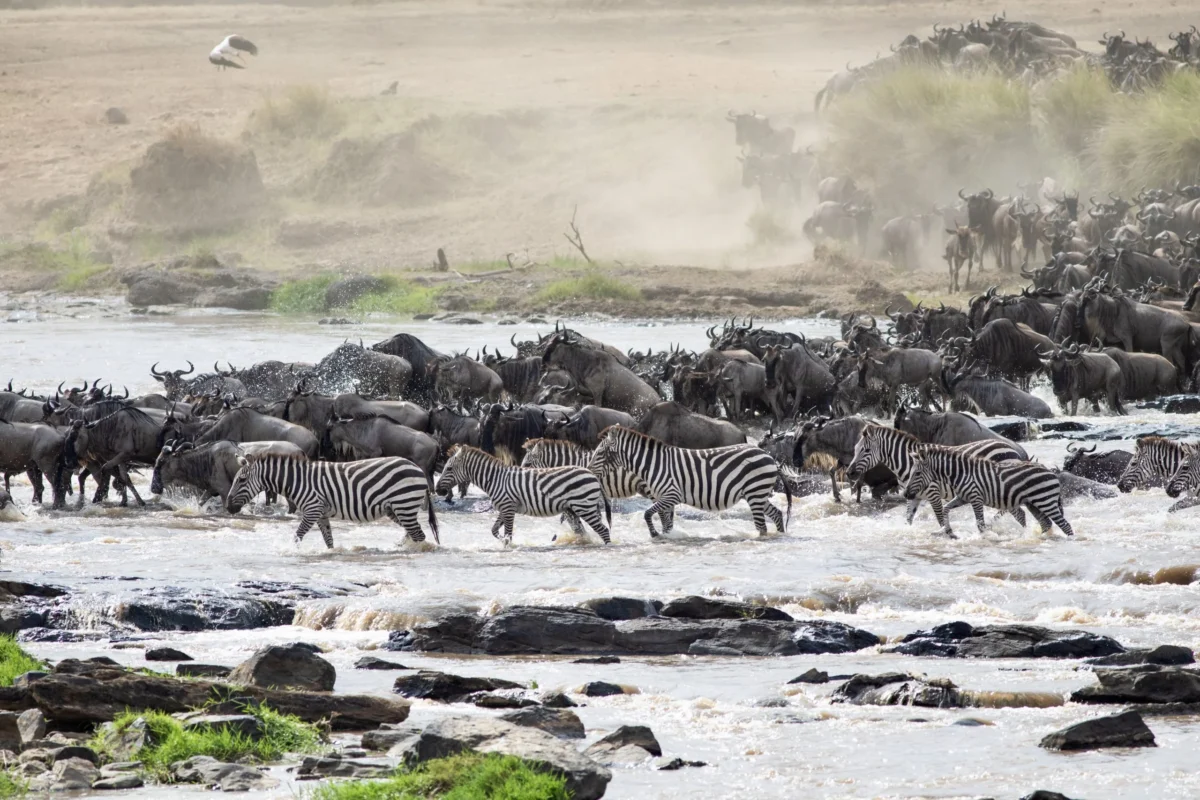
March continues the incredible calving season in parts of the Serengeti ecosystem.
Travelers may witness:
- Wildebeest calves
- Predator activity
- Vast wildlife concentrations
Ngorongoro Crater
The crater remains one of Africa’s most reliable wildlife destinations throughout March.
Tarangire National Park
Famous for:
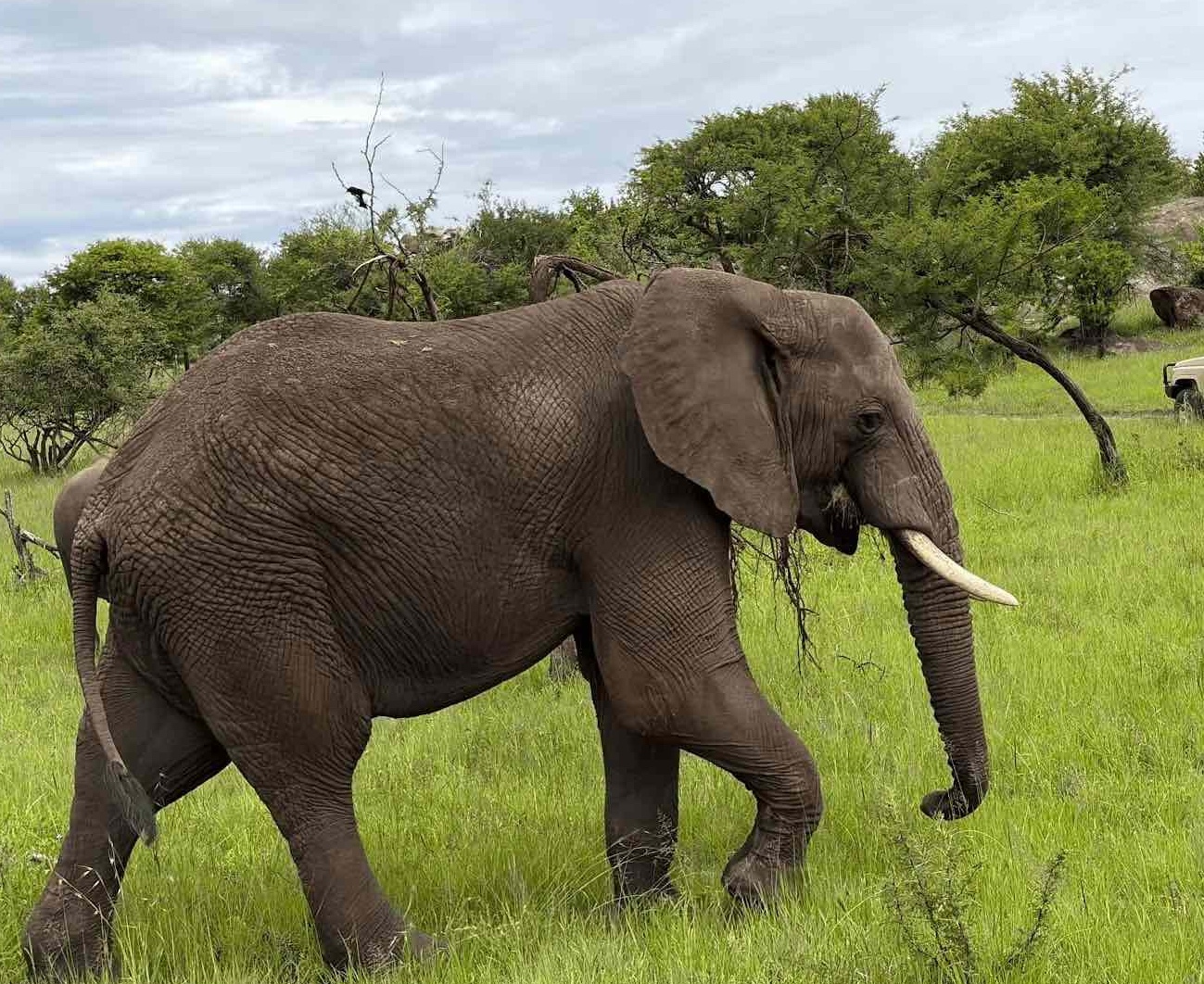
- Elephants
- Baobab trees
- Diverse bird species
Lake Manyara National Park
Offers:
- Scenic landscapes
- Flamingos
- Tree-climbing lions
A Kilimanjaro climb followed by a safari creates one of Africa’s ultimate adventure holidays.
Advantages of Climbing Kilimanjaro in March
March offers numerous benefits:
Reduced Crowds
Enjoy a more peaceful mountain experience.
Excellent Scenery
The landscape is lush, vibrant, and beautiful.
Strong Photography Opportunities
Cloud formations create dramatic visual effects.
Pleasant Temperatures
Comfortable conditions exist across most elevations.
Better Availability
Travelers often find greater flexibility when booking accommodations and climbing dates.
Great Value
March can provide excellent value compared to peak travel months.
Challenges of Climbing in March
Like every month, March has considerations travelers should understand.
Potential challenges include:
- Increasing rainfall later in the month
- Occasional muddy sections in rainforest areas
- Greater weather variability
- Possible afternoon showers
Fortunately, these challenges are usually manageable with proper equipment and planning.
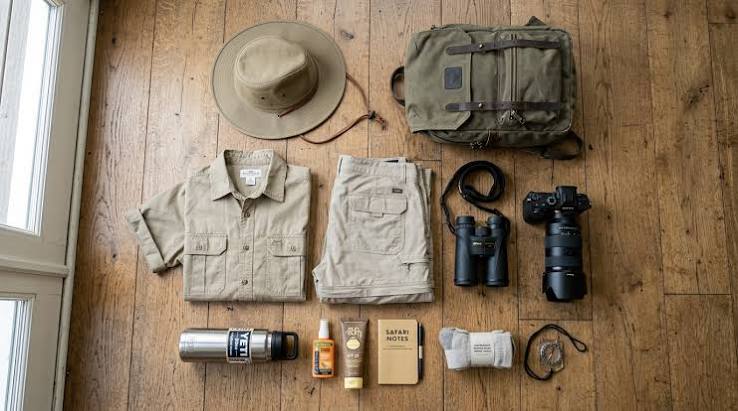
Packing List for March Climbers
Like every month, March has considerations travelers should understand.
Potential challenges include:
- Increasing rainfall later in the month
- Occasional muddy sections in rainforest areas
- Greater weather variability
- Possible afternoon showers
Fortunately, these challenges are usually manageable with proper equipment and planning.
Who Should Climb Kilimanjaro in March?
March is ideal for:
- Nature lovers
- Photographers
- Experienced hikers
- Travelers seeking fewer crowds
- Adventure travelers
- Budget-conscious explorers
- Wildlife enthusiasts
Those looking for solitude and scenic beauty often find March exceptionally rewarding.
Are you ready to start planning?
You can proceed with booking by filling out the form below. Let’s make your adventure unforgettable!