
Table of Contents
Climbing Mount Kilimanjaro in May
Is May a Good Time to Climb Mount Kilimanjaro?
May is one of the most overlooked months for climbing Mount Kilimanjaro, yet for adventurous travelers willing to embrace the mountain’s changing moods, it can offer one of the most authentic and rewarding experiences of the entire year. While May falls within Tanzania’s long rainy season, conditions gradually begin improving toward the end of the month, creating unique opportunities for climbers seeking solitude, lush landscapes, and exceptional value.
Many travelers automatically avoid May because of its reputation as a wet month. However, those who venture onto Kilimanjaro during this period often discover a side of Africa’s highest mountain that remains hidden from peak-season visitors. The trails are quieter, campsites are less crowded, the rainforest is bursting with life, and the mountain possesses a sense of tranquility that is difficult to find during busier months.
At Joyful Safaris & Tours, we believe that understanding the realities of May is essential. Rather than viewing the month simply as “rainy season,” experienced climbers recognize it as a transitional period where nature thrives, landscapes become spectacularly green, and opportunities for unique adventures increase.
For travelers prioritizing scenery, photography, wildlife, solitude, and a more intimate connection with the mountain, May can be an excellent choice.
Understanding Kilimanjaro Weather in May
May represents the final phase of Tanzania’s long rainy season. Rainfall remains possible throughout the month, especially during the first few weeks, but weather patterns often begin stabilizing toward the latter half of May.
One of the most important misconceptions about climbing Kilimanjaro in May is the belief that it rains constantly. In reality, rainfall frequently occurs in cycles. Mornings may begin with sunshine, followed by clouds and afternoon showers before clearing again.
The mountain’s immense height creates multiple microclimates, meaning weather conditions vary dramatically depending on altitude.
As climbers ascend through the mountain’s five ecological zones, they encounter constantly changing weather systems that contribute to the extraordinary beauty of a May expedition.
What Makes May Special?
May offers experiences that are simply impossible during the dry season.
The mountain appears at its greenest and most vibrant. Waterfalls cascade through the rainforest, wildflowers bloom across the lower slopes, and mist drifts through ancient forests creating magical landscapes.
Many experienced guides describe May as the month when Kilimanjaro feels most alive.
The ecosystem is thriving.
Streams flow strongly.
Vegetation flourishes.
Birdlife becomes increasingly active.
The entire mountain showcases its remarkable biodiversity.
For travelers who appreciate nature, May provides an opportunity to witness Kilimanjaro at its ecological peak.
Why Experienced Climbers Choose May
Although May may not attract the largest number of climbers, it appeals strongly to experienced trekkers who understand the advantages of traveling outside peak season.
Some of the key reasons climbers choose May include:
Uncrowded Trails
One of the greatest benefits of climbing Kilimanjaro in May is the absence of large crowds.
Unlike July, August, and September, where trails can become busy, May offers a much quieter experience.
This allows climbers to:
- Enjoy greater solitude
- Experience more peaceful campsites
- Take unobstructed photographs
- Connect more deeply with nature
- Enjoy personalized guide support
For many travelers, this alone makes May highly attractive.
Incredible Scenery
The mountain is exceptionally green during May.
Rainfall nourishes every ecological zone, creating landscapes that appear fresh and vibrant.
Photographers frequently find that May delivers some of the most visually striking conditions of the year.
The contrast between lush lower slopes and snow-covered summit regions creates dramatic compositions that are difficult to capture during drier months.
Better Availability
Because May is considered a shoulder-season month, climbers often enjoy:
- Greater route availability
- Easier booking opportunities
- Flexible departure dates
- Improved accommodation choices
This flexibility can be extremely valuable for travelers with specific schedules.
Excellent Value
May often offers better value compared to peak climbing months.
Travelers can frequently access premium services and accommodations while avoiding the price increases associated with the busiest seasons.
For budget-conscious adventurers, this can significantly enhance the overall experience.
Kilimanjaro Climate Zones in May
Cultivation Zone
The lower slopes surrounding Kilimanjaro are among the most fertile regions in Tanzania.
During May, the area thrives with agricultural activity.
Visitors encounter:
- Coffee plantations
- Banana farms
- Avocado trees
- Tropical flowers
- Green farmland
Temperatures remain warm and comfortable.
The region’s beauty is especially pronounced during this period.
Rainforest Zone
The rainforest is arguably at its most impressive during May.
Towering trees, moss-covered branches, giant ferns, and flowing streams create a stunning environment.
Wildlife activity increases significantly.
Common sightings may include:
- Black-and-white colobus monkeys
- Blue monkeys
- Tropical birds
- Forest butterflies
Mist frequently drifts through the forest, creating an enchanting atmosphere.
For many climbers, this becomes one of the highlights of the entire journey.
Moorland Zone
Above the rainforest lies the moorland zone.
This unique environment features:
- Giant groundsels
- Lobelia plants
- Rolling valleys
- Rocky ridges
Cloud formations become particularly dramatic during May.
As weather systems move across the mountain, sunlight and shadows constantly transform the landscape.
Alpine Desert Zone
Rainfall decreases substantially at higher elevations.
The alpine desert often experiences:
- Dry conditions
- Cool temperatures
- Strong winds
- Expansive views
This volcanic environment offers a stark contrast to the lush greenery below.
Arctic Summit Zone
The summit remains cold throughout the year.
May climbers frequently encounter:
- Snow-covered trails
- Frozen terrain
- Glacier views
- Crisp mountain air
Fresh snowfall can occasionally enhance summit scenery, creating spectacular conditions for photography.
Temperature Guide for May
Temperatures vary considerably according to elevation.
Lower Slopes
20°C to 30°C
Warm and comfortable conditions.
Rainforest
10°C to 20°C
Mild temperatures with occasional humidity.
Moorland
5°C to 15°C
Cooler but generally pleasant.
Alpine Desert
0°C to 10°C
Cold, especially during evenings.
Summit
-15°C to -5°C
Extreme cold requiring proper winter clothing.
Understanding these temperature differences is essential for proper preparation.
Advantages of Climbing Kilimanjaro in May
Remarkable Green Landscapes
May showcases Kilimanjaro in extraordinary condition.
The mountain appears lush and vibrant, offering scenery that differs dramatically from the dry season.
Nature lovers often consider May one of the most beautiful times to visit.
Outstanding Photography Opportunities
Photographers appreciate May because of:
- Dramatic cloud formations
- Misty forests
- Vibrant vegetation
- Snow-covered summit views
- Powerful waterfalls
The dynamic weather creates constantly changing lighting conditions that enhance landscape photography.
Peaceful Mountain Experience
May provides one of the quietest climbing experiences available.
Many climbers value the opportunity to explore Kilimanjaro without large crowds.
This creates a stronger sense of wilderness and adventure.
Greater Wildlife Activity
The lush conditions support increased wildlife activity throughout the lower ecological zones.
Birdwatchers and nature enthusiasts often find May particularly rewarding.
Better Travel Value
Compared to peak season months, May frequently offers attractive pricing opportunities.
Travelers can often maximize their budget while still enjoying world-class trekking experiences.
Challenges of Climbing in May
A realistic guide should also address potential difficulties.
Rainfall
Rain remains the primary challenge.
Climbers should prepare for:
- Wet trails
- Muddy sections
- Occasional heavy showers
- Damp campsites
Proper waterproof equipment is essential.
Reduced Visibility
Cloud cover may occasionally obscure mountain views.
However, these same clouds often contribute to dramatic scenery and photography.
Slippery Terrain
Certain sections of trail can become slippery following rainfall.
Good footwear and trekking poles significantly improve comfort and safety.
Best Routes for May Climbs
Certain routes perform particularly well during May.
Rongai Route
The Rongai Route approaches from Kilimanjaro’s northern side, which typically receives less rainfall.
Benefits include:
- Drier conditions
- Less mud
- Fewer crowds
- Excellent scenery
Many guides recommend Rongai as one of the best rainy-season options.
Northern Circuit
The Northern Circuit offers:
- Outstanding acclimatization
- Diverse landscapes
- High summit success rates
- Quiet trails
Its northern location often experiences slightly better weather conditions.
Lemosho Route
Lemosho remains one of Kilimanjaro’s most scenic routes.
The rainforest sections become particularly beautiful during May, offering unforgettable landscapes.
Photography in May
Professional and amateur photographers alike find exceptional opportunities during May.
Popular subjects include:
Rainforest Mist
Dense forest landscapes enhanced by drifting clouds.
Waterfalls
Seasonal rainfall increases water flow dramatically.
Wildflowers
Various flowering plants thrive during this period.
Summit Snow
Fresh snowfall creates striking visual contrasts.
Cloud Inversions
One of the most spectacular phenomena on Kilimanjaro.
Climbers often find themselves above a sea of clouds stretching toward the horizon.
Combining Kilimanjaro with a Tanzania Safari
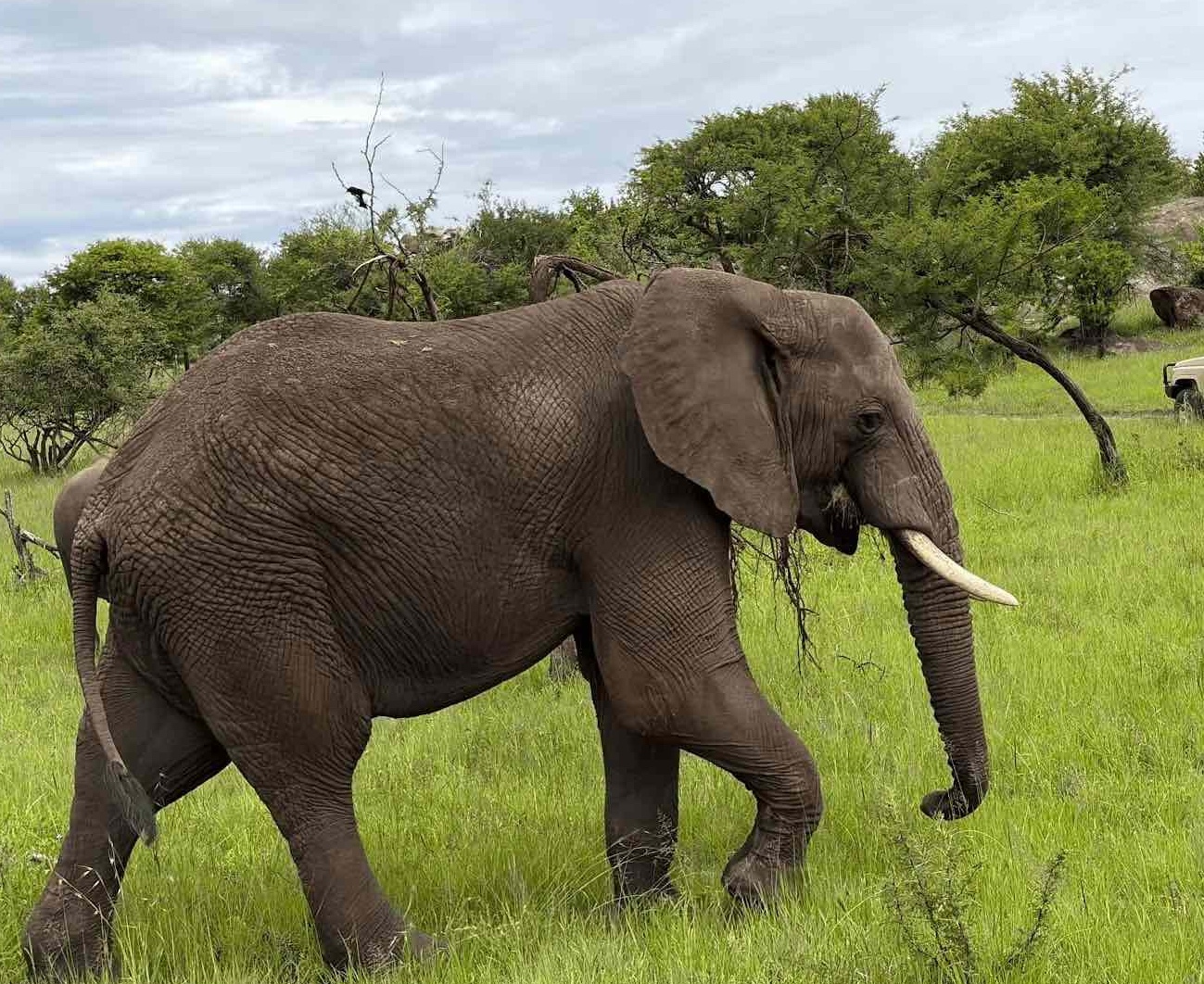
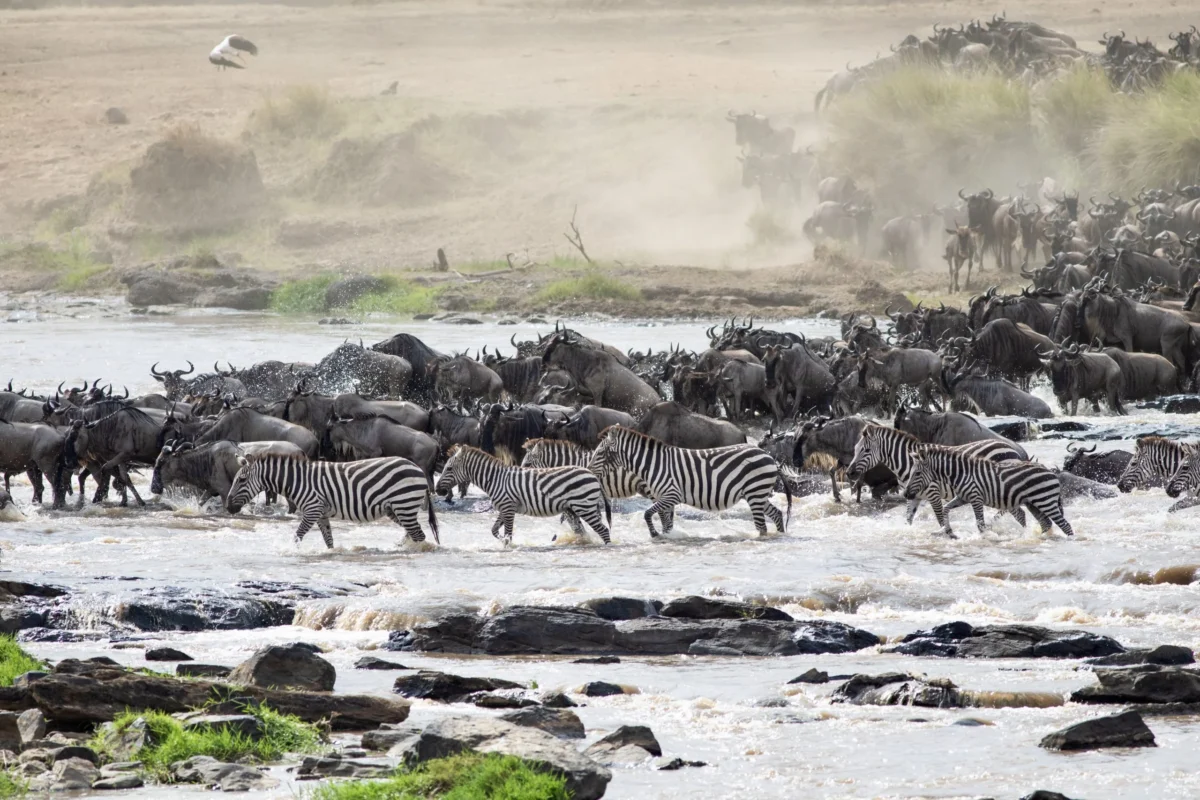
May remains a rewarding time to combine mountain climbing with safari adventures.
Popular destinations include:
- Serengeti National Park
- Ngorongoro Crater
- Tarangire National Park
- Lake Manyara National Park
The landscapes remain green and beautiful, offering excellent photography opportunities.
Birdlife is especially abundant during this period.
Who Should Climb Kilimanjaro in May?
May is ideal for:
Nature Lovers
Travelers who appreciate lush landscapes and biodiversity.
Photographers
Those seeking dramatic scenery and unique lighting conditions.
Adventure Travelers
Individuals comfortable with changing weather.
Budget-Conscious Climbers
Travelers seeking excellent value.
Repeat Visitors
Experienced climbers wanting a different perspective on the mountain.
Essential Packing List for May Climbers
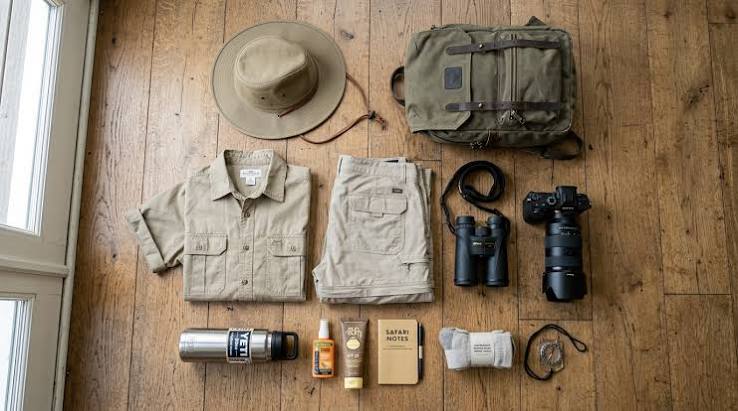
Waterproof Clothing
- Waterproof jacket
- Waterproof pants
- Rain cover
- Dry bags
Insulation Layers
- Thermal clothing
- Fleece jackets
- Down jacket
Trekking Equipment
- Waterproof hiking boots
- Trekking poles
- Gaiters
- Extra socks
Electronics Protection
- Waterproof camera bags
- Dry storage pouches
- Protective covers
Preparation is critical for maximizing comfort and enjoyment.
Joyful Safaris & Tours Expert Opinion
May may not offer the consistently dry conditions associated with peak season, but it delivers something equally valuable: authenticity.
The mountain feels untouched, wild, and incredibly alive.
For travelers willing to embrace changing weather conditions, May rewards climbers with stunning scenery, peaceful trails, exceptional photography, and unforgettable experiences.
At Joyful Safaris & Tours, we view May as one of Kilimanjaro’s hidden gems—a month where nature takes center stage and adventurous travelers can experience Africa’s highest mountain in a truly unique way.
May Kilimanjaro Rating by Joyful Safaris & Tours
Weather Reliability: ⭐⭐⭐
Scenery: ⭐⭐⭐⭐⭐
Photography: ⭐⭐⭐⭐⭐
Crowd Levels: ⭐⭐⭐⭐⭐
Wildlife Viewing: ⭐⭐⭐⭐
Value for Money: ⭐⭐⭐⭐⭐
Overall Experience: ⭐⭐⭐⭐
Best For: Nature enthusiasts, photographers, adventure travelers, budget-conscious climbers, and those seeking a quieter and more immersive Kilimanjaro experience.
Are you ready to start planning?
You can proceed with booking by filling out the form below. Let’s make your adventure unforgettable!