Table of Contents
Climbing Mount Kilimanjaro in November
Why November Is One of the Most Atmospheric Months to Climb Mount Kilimanjaro
November is one of the most misunderstood yet profoundly atmospheric months to climb Mount Kilimanjaro. It marks the beginning of Tanzania’s short rainy season, a period that many travelers tend to avoid due to the expectation of wet conditions. However, for those willing to embrace variability and adventure, November reveals a completely different personality of the mountain—one that is lush, quiet, dramatic, and deeply immersive.
Unlike the prolonged and heavy rains of April and May, the November rains are generally lighter, more intermittent, and highly unpredictable. This creates a constantly shifting environment where climbers may move between misty rainforests, sun breaks above the clouds, and rain-washed alpine landscapes within the same day. The result is a trekking experience defined not by perfect weather, but by powerful atmosphere and raw natural beauty.
At Joyful Safaris & Tours, November is often described as a “hidden wilderness season.” It is best suited for travelers who prioritize solitude, dramatic scenery, and emotional connection with the mountain over predictable dry conditions.
Is November a Good Time to Climb Kilimanjaro?
Yes, November can be a good time to climb Mount Kilimanjaro, but it depends entirely on what kind of experience a climber is seeking. It is not a month for those who require guaranteed dry weather or consistently clear skies. Instead, it is ideal for those who are open to variable conditions and who value atmosphere over predictability.
November sits within a transitional weather period between the long dry season and the short rains. This means climbers may encounter a combination of light rainfall, misty conditions, and occasional clear windows of visibility. Trails can be wet in places, especially in the rainforest zone, but trekking remains fully possible with proper preparation and equipment.
For climbers seeking solitude, November is one of the best months of the year. For those seeking perfect weather, it is less suitable. In this sense, November is a month of contrast, character, and authenticity rather than convenience.
Kilimanjaro Weather in November
Weather on Kilimanjaro in November is highly variable and defined by rapid transitions. The arrival of the short rains introduces a more dynamic and unpredictable climate pattern, where conditions can shift significantly within hours.
Mornings often begin with mist or low cloud cover, especially in forested regions. As the day progresses, climbers may experience alternating periods of light rain, overcast skies, and occasional clear breaks that reveal dramatic mountain views. Humidity increases noticeably in the lower zones, while higher elevations remain colder, windier, and relatively drier.
One of the most distinctive features of November weather is its emotional contrast. Rain can soften the landscape and reduce visibility, only for sudden openings in the clouds to reveal breathtaking panoramas. This unpredictability adds intensity and drama to the trekking experience, making each day feel unique and alive.
While conditions are less stable than in the dry season, trekking is still very much achievable, especially for those who are well-prepared and adaptable.
What Makes November Special?
November is not defined by perfect weather, but by atmosphere, solitude, and transformation. It is a month that reveals a more intimate and less commercialized side of Kilimanjaro, where nature takes center stage and human presence becomes minimal.
One of the most defining characteristics of November is the extraordinary level of solitude. With significantly fewer climbers on the mountain compared to peak months, trails feel quiet and remote, and campsites are often uncrowded. This creates a rare sense of isolation in one of the world’s most famous trekking destinations.
Another defining feature is the transformation of the landscape. The arrival of seasonal rains revitalizes the mountain, especially in the rainforest zone, where vegetation becomes intensely green, streams flow more actively, and the entire ecosystem feels refreshed and alive. This creates a visually rich and immersive environment that is entirely different from the dry-season appearance of Kilimanjaro.
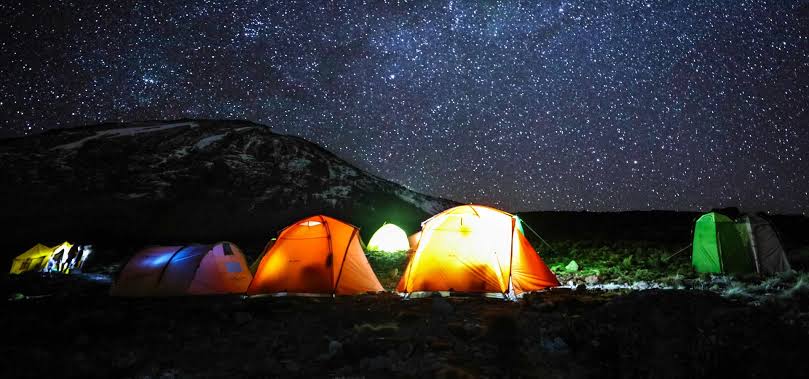
November also offers uniquely dramatic photography conditions. Constant shifts between mist, rain, and sunlight produce cinematic scenes that are difficult to replicate in other months. The mountain feels emotionally expressive, with moods that change throughout the day.
Kilimanjaro Climate Zones in November
Climbing Kilimanjaro in November provides a deeply contrasting journey through its five ecological zones, each influenced by increased moisture and dynamic weather patterns.
At the base, the Cultivation Zone is lush and fertile, with agricultural landscapes thriving under seasonal rains. Coffee plantations, banana groves, and terraced farmland appear especially green and vibrant, reflecting the renewed energy of the ecosystem.
The Rainforest Zone is at its most atmospheric during November. Mist frequently drifts through dense vegetation, and rainfall enhances the rich green tones of the forest. Trails may be wet and slippery, but the experience is immersive and visually striking. Wildlife activity remains active, with colobus monkeys, blue monkeys, tropical birds, and butterflies commonly observed in the canopy and along forest edges.
Higher up, the Moorland Zone becomes a landscape of shifting cloud and light. Rolling fog, wet vegetation, and intermittent visibility create a dramatic and almost mystical environment. The giant groundsels and lobelias stand out vividly against the mist, reinforcing the surreal nature of this altitude band.
In the Alpine Desert Zone, conditions begin to stabilize again as rainfall decreases with altitude. The terrain becomes rocky, exposed, and cold, with strong winds and occasional clear skies breaking through cloud layers. This contrast between wet lower zones and dry upper zones becomes especially pronounced in November.
At the summit, the Arctic Zone remains extremely cold and challenging. Weather conditions vary widely, with possible snow patches, high winds, and rapidly changing visibility. While summit views are not guaranteed, moments of clarity can be exceptionally powerful due to the dramatic cloud formations below.
Kilimanjaro Temperatures in November
Temperatures on Kilimanjaro in November vary significantly with altitude and moisture levels.
At lower elevations, conditions are generally warm but humid due to increased rainfall. In the rainforest zone, temperatures are cooler and combined with frequent mist and wet conditions, creating a damp but lush environment. The moorland zone is cooler still, with frequent cloud cover and strong shifts in visibility throughout the day.
As climbers ascend into the alpine desert zone, temperatures drop further, becoming cold, dry, and windy. At summit level, extreme sub-zero temperatures are common, especially during nighttime ascents, and require full winter expedition gear regardless of season.
The presence of cloud cover and moisture in November can sometimes make temperatures feel colder than during dry-season months, particularly in exposed high-altitude areas.
Advantages of Climbing Kilimanjaro in November
November offers a set of advantages that are very different from those of peak dry-season months. The most significant is the extraordinary level of solitude. With fewer climbers on the mountain, the trekking experience feels more personal, peaceful, and connected to nature.
Another major advantage is the visual transformation of the landscape. The rainforest and lower slopes are at their greenest and most vibrant, creating a lush and immersive environment that is ideal for photography and nature appreciation.
From a logistical perspective, November often falls within the low tourism season, which can result in more flexible booking options and improved value for travelers seeking a more budget-conscious expedition.
The overall atmosphere of the mountain is also a key advantage. Kilimanjaro in November feels less commercial and more wild, offering a rare opportunity to experience the mountain in a raw and natural state.
Challenges of Climbing in November
The most significant challenge in November is rainfall. While not constant, rain is frequent enough to affect trail conditions, particularly in the rainforest zone. Trails can become slippery, and camping conditions may be damp, requiring proper waterproof gear and mental flexibility.
Visibility is another challenge, as cloud cover can obscure mountain views for extended periods. However, this is balanced by sudden breaks in the weather that can reveal dramatic and unexpected scenery.
Physical effort may also feel more demanding due to wet terrain and humidity at lower elevations. Careful pacing and appropriate equipment become even more important in these conditions.
Best Routes for November Climbs
Certain routes perform better in November due to their positioning and climate exposure. The Rongai Route is often considered the most reliable option because it approaches from the drier northern side of the mountain. The Northern Circuit is also an excellent choice, offering extended acclimatization and fewer crowds.
The Lemosho Route provides exceptional scenery but passes through wetter rainforest sections, while the Machame Route, although beautiful and popular, is more affected by rainfall during this period.
Combining Kilimanjaro and Safari in November
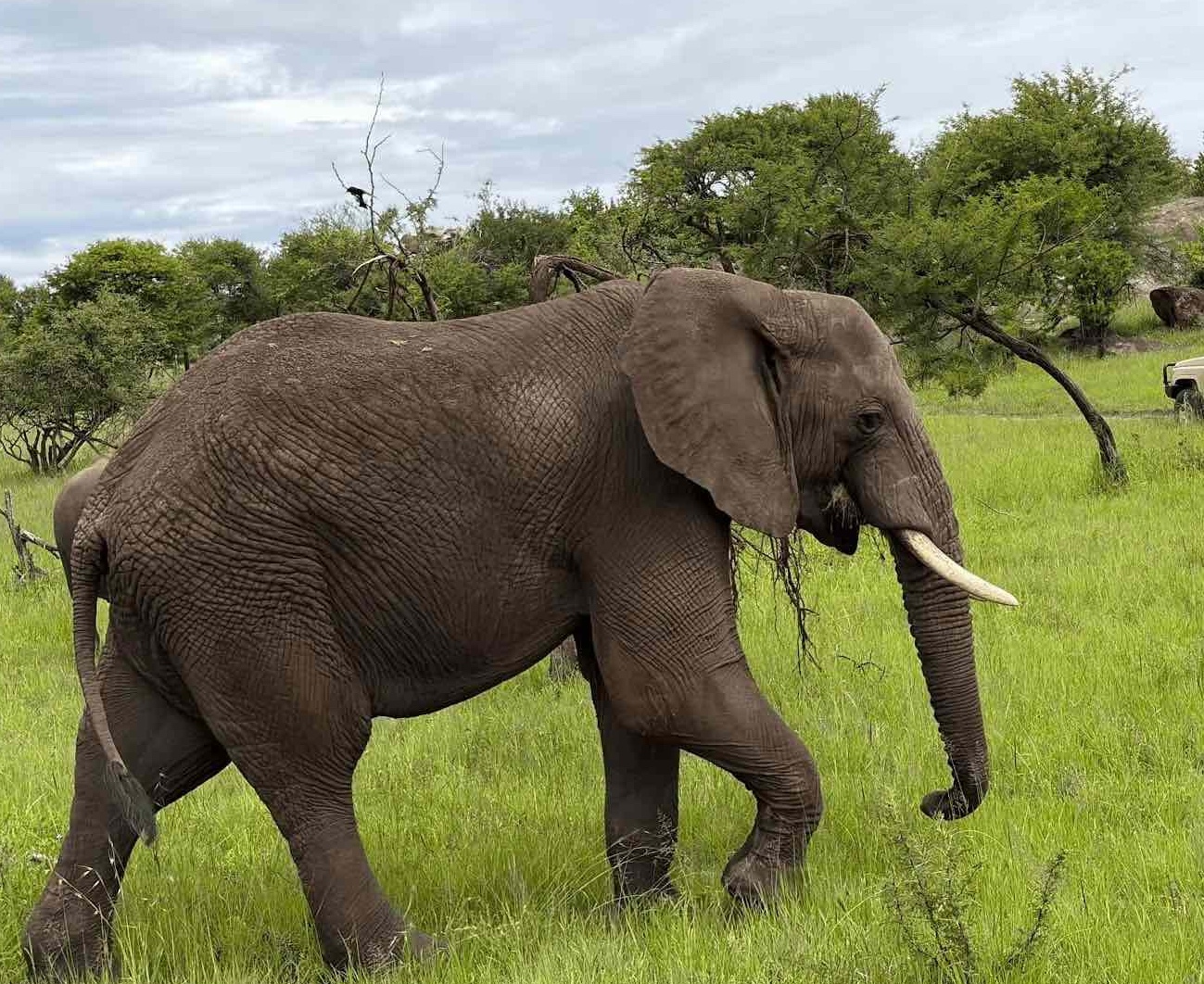
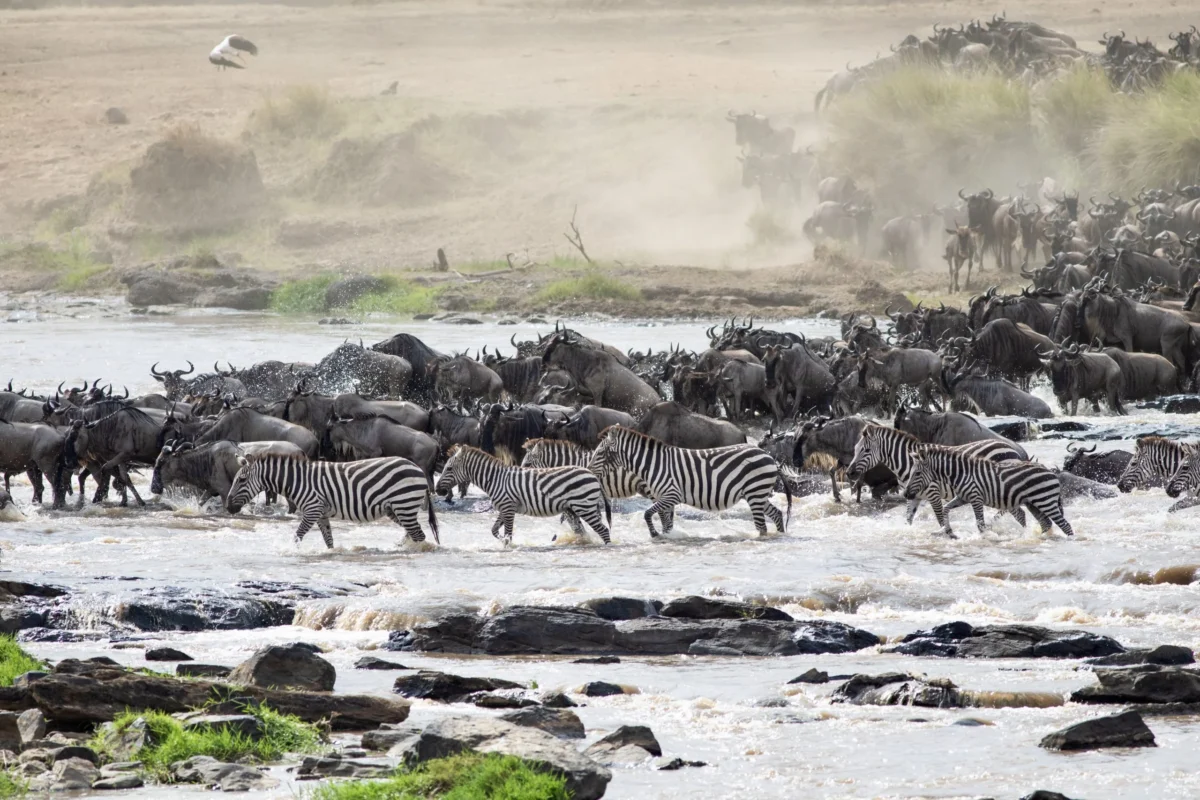
November is a transitional safari month in Tanzania, offering green landscapes, fewer tourists, and strong birding opportunities. Wildlife is still present across major parks, although conditions become progressively wetter as the month advances.
Early November is generally more favorable for combining trekking and safari experiences, particularly in Serengeti, Ngorongoro, and Tarangire.
Who Should Climb Kilimanjaro in November?
November is best suited for experienced trekkers, adventure travelers, photographers, budget-conscious climbers, and those seeking solitude over predictability. It is not ideal for those who require guaranteed dry weather or consistently clear summit views.
Instead, it appeals to those who value atmosphere, emotional depth, and a more raw and natural mountain experience.
Joyful Safaris & Tours Expert Opinion
November is one of Kilimanjaro’s most atmospheric and emotionally rich climbing months. While it does not offer the reliability of the dry season, it compensates with unmatched solitude, lush landscapes, and constantly evolving scenery.
The mountain feels quieter, greener, and more expressive, offering a deeply immersive experience that is very different from peak-season climbs.
For travelers willing to embrace changing conditions, November becomes a journey of character rather than certainty. With expert planning and support from Joyful Safaris & Tours, it transforms into a powerful and memorable adventure on Africa’s highest mountain.
November Kilimanjaro Rating by Joyful Safaris & Tours
Weather Reliability: ⭐⭐⭐
Scenery: ⭐⭐⭐⭐⭐
Photography: ⭐⭐⭐⭐⭐
Trail Conditions: ⭐⭐⭐
Crowd Levels: ⭐⭐⭐⭐⭐
Wildlife Viewing: ⭐⭐⭐⭐
Value for Money: ⭐⭐⭐⭐⭐
Summit Success Potential: ⭐⭐⭐
Best For
November is best suited for climbers seeking solitude, photographers drawn to dramatic light and mist, adventure travelers who enjoy variable conditions, budget-conscious trekkers, and experienced hikers looking for a more authentic wilderness experience.
November is one of the most atmospheric and underrated months to climb Mount Kilimanjaro, offering lush rainforest beauty, quiet trails, and a raw, ever-changing mountain experience on the Roof of Africa.
Are you ready to start planning?
You can proceed with booking by filling out the form below. Let’s make your adventure unforgettable!