
Table of Contents
Climbing Mount Kilimanjaro in October
Why October Is One of the Most Underrated Months to Climb Mount Kilimanjaro
October is one of the most underrated yet highly rewarding months to climb Mount Kilimanjaro. Positioned at the tail end of the long dry season, it offers a unique blend of stable weather, excellent visibility, and gradually decreasing tourist traffic compared to the peak months of July through September. For many climbers, October represents a “hidden sweet spot” in the climbing calendar—where conditions remain highly favorable, but the mountain feels noticeably quieter and more relaxed.
During this period, Kilimanjaro still benefits from the dry-season clarity that defines its best trekking months. The skies are often bright and expansive, the trails remain firm and dry, and summit views from Uhuru Peak can be truly spectacular. At the same time, the first subtle signs of seasonal transition begin to appear, especially toward the end of the month, adding a sense of natural rhythm and change to the journey.
At Joyful Safaris & Tours, October is often recommended for travelers who want excellent climbing conditions without the intensity of peak-season crowds. It is a month that combines adventure, comfort, and authenticity in a way few other periods can match.
Is October a Good Time to Climb Kilimanjaro?
Yes, October is a very good time to climb Mount Kilimanjaro and is often considered one of the most balanced months of the entire year. It still falls within the long dry season, meaning climbers can expect generally stable weather, minimal rainfall, and strong trekking conditions across most routes.
Trails remain dry and manageable for the majority of the month, and visibility is typically excellent, especially during morning and early afternoon hours. This creates favorable conditions for both trekking and acclimatization, as well as for enjoying the mountain’s dramatic scenery.
Toward the end of October, there may be early hints of the short rainy season beginning to develop, particularly in rainforest zones. However, these changes are usually mild and do not significantly affect the overall climbing experience. For most climbers, October still feels like a dry-season month with only subtle transitional characteristics.
In practical terms, October offers high-quality climbing conditions with fewer crowds, making it an excellent option for those seeking both performance and tranquility.
Kilimanjaro Weather in October
Weather in October is generally stable, warm at lower elevations, and cool to cold at higher altitudes. The mountain continues to enjoy the influence of the long dry season, which means most days are characterized by clear skies, good visibility, and predictable trekking conditions.
Morning hours are often crisp and bright, offering excellent long-distance views across the surrounding landscapes. As the day progresses, temperatures remain comfortable for hiking, although conditions become increasingly cold with altitude gain. Nights are consistently cold, especially above the moorland zone, where heat loss is rapid due to thinner air and reduced humidity.
One of the defining features of October weather is its transitional nature. While the first half of the month often resembles peak dry-season conditions, the latter half may introduce slightly increased cloud formation and occasional light moisture, particularly in the rainforest zone. Despite this, overall trekking conditions remain highly favorable.
Visibility remains strong for most of the month, making October a particularly rewarding time for photography and panoramic landscape viewing.
What Makes October Special?
October stands out because it bridges the gap between the peak dry season and the beginning of the short rains, creating a unique and visually dynamic climbing experience. Unlike the busier months that precede it, October offers a calmer atmosphere while still maintaining excellent weather quality.
One of its greatest strengths is the balance between stability and space. Climbers benefit from dry, reliable conditions but also enjoy noticeably fewer people on the mountain compared to August and September. This creates a more peaceful trekking environment, where camps feel less crowded and trails feel more open.
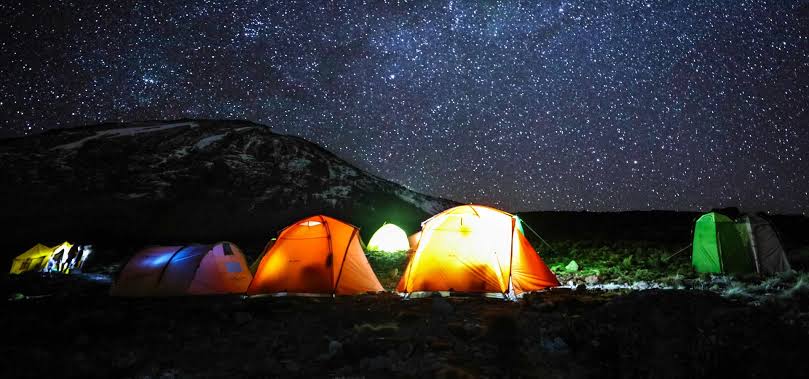
Another special feature of October is its atmospheric character. The combination of dry-season clarity and early seasonal shifts produces soft golden lighting, evolving cloud formations, and striking contrasts between mountain layers. These conditions often result in especially dramatic photography opportunities, particularly at sunrise and sunset.
October also feels more intimate and immersive. With fewer climbers on the routes, there is a stronger sense of connection to the mountain’s natural environment, making the experience feel more personal and reflective.
Kilimanjaro Climate Zones in October
Climbing Kilimanjaro in October allows trekkers to pass through all five ecological zones under generally stable and visually rich conditions, each offering a distinct environment shaped by altitude and climate.
At the base of the mountain, the Cultivation Zone remains warm, fertile, and active. Agricultural landscapes dominate this region, with coffee farms, banana plantations, and traditional Chagga villages spread across the lower slopes. October’s dry conditions enhance visibility, allowing for clear views of the rural landscapes surrounding Kilimanjaro.
Above this lies the Rainforest Zone, which remains lush and vibrant but begins to show early signs of increased humidity toward the end of the month. Despite this, trekking conditions are still good, with relatively dry trails and active wildlife. Monkeys, tropical birds, and butterflies are commonly observed, and the forest retains its rich green character while feeling slightly more atmospheric and dynamic than in peak dry-season months.
The Moorland Zone introduces a more open and dramatic environment. Giant groundsels, lobelias, and expansive ridgelines dominate the landscape, and October’s lighting conditions enhance the visual depth of this region. The combination of clear skies and evolving cloud patterns often creates striking photographic moments, particularly during early morning and late afternoon hours.
In the Alpine Desert Zone, conditions become harsher and more exposed. The terrain is rocky, volcanic, and largely devoid of vegetation. October’s dry-season influence still dominates here, ensuring good visibility and stable trekking conditions. Strong winds and low temperatures are common, but the dramatic scale of the landscape makes this one of the most memorable sections of the climb.
Finally, the Arctic Summit Zone presents the most extreme environment. Despite being near the equator, temperatures here remain consistently freezing. October often provides clear summit windows, allowing climbers to experience breathtaking sunrise views, snow patches, and expansive cloud layers below the summit. The final ascent remains physically demanding but visually extraordinary.
Kilimanjaro Temperatures in October
Temperatures on Kilimanjaro vary significantly by altitude, and October reflects both dry-season stability and early transitional cooling patterns.
At lower elevations, temperatures are generally warm and comfortable, making the initial stages of the climb pleasant and accessible. In the rainforest zone, conditions are cooler and may become slightly more humid toward the end of the month, although trekking remains manageable and enjoyable.
As climbers ascend into the moorland zone, temperatures drop further, especially at night, and conditions become noticeably colder. The alpine desert zone is characterized by dry, windy, and cold conditions, while the summit zone experiences extreme sub-zero temperatures that require full expedition gear and careful preparation.
Because of October’s relatively clear skies, nighttime heat loss can be more pronounced, making summit conditions feel particularly cold despite overall stable weather.
Advantages of Climbing Kilimanjaro in October
October offers a strong combination of dry-season reliability and reduced crowd levels. Weather conditions remain generally stable, with low rainfall and good visibility throughout most of the month. This ensures safe and predictable trekking conditions across the mountain.
One of the key advantages is the noticeable reduction in traffic compared to peak months. Trails are less congested, camps feel more spacious, and the overall atmosphere is calmer and more relaxed. This allows for a more personal and immersive mountain experience without sacrificing weather quality.
From a visual perspective, October is highly rewarding. The interplay between clear skies, golden light, and evolving cloud formations creates excellent photography conditions. Landscapes appear layered and dynamic, especially during sunrise and sunset.
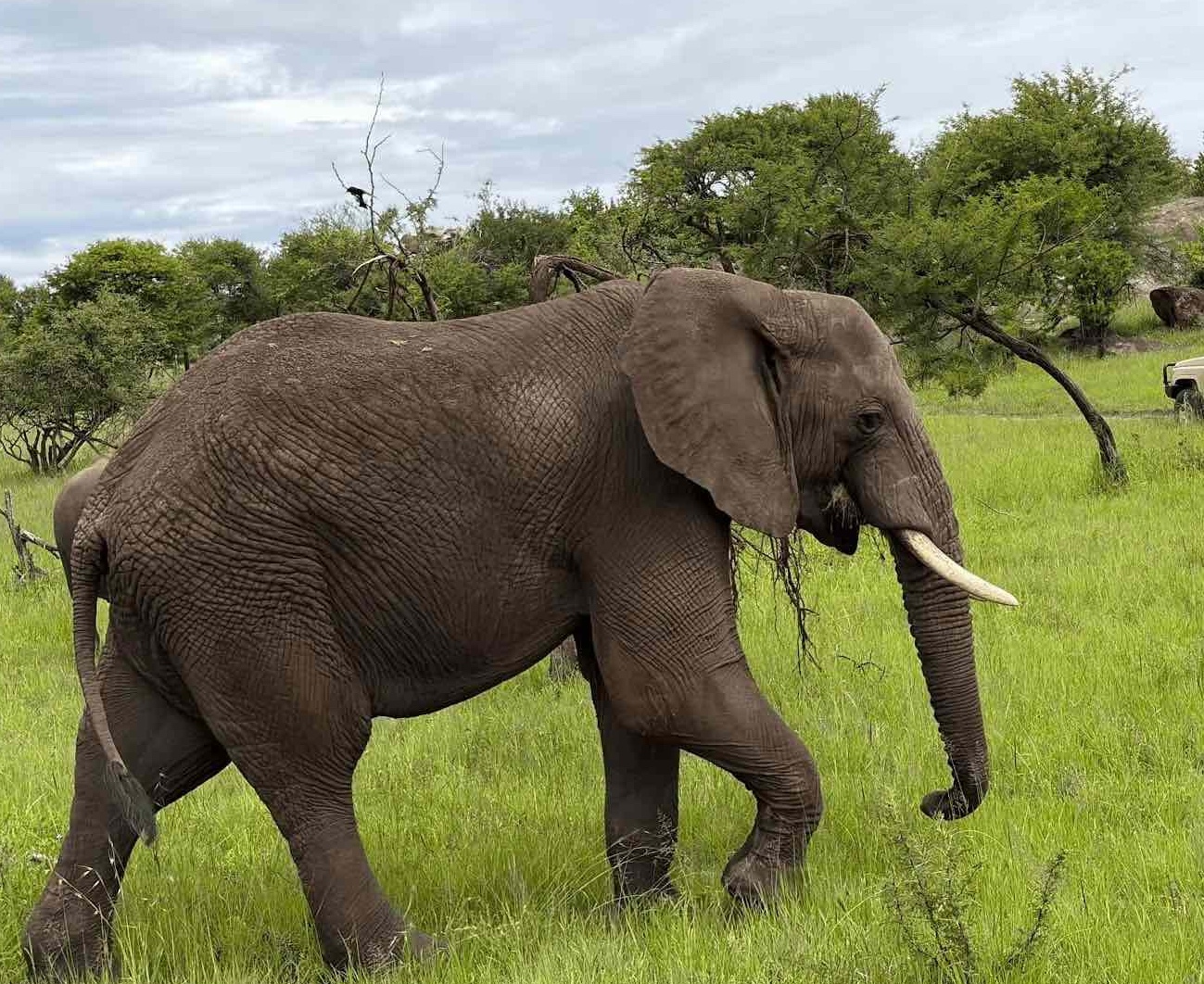
Safari opportunities also remain strong during October, as dry conditions continue to concentrate wildlife around water sources across Tanzania’s northern circuit. This makes it an excellent month for combining Kilimanjaro with a wildlife safari experience.
Challenges of Climbing in October
Although October is an excellent month for climbing, it does present a few considerations. The most important is the gradual transition toward the short rainy season, which may begin to influence weather patterns toward the end of the month. This can result in occasional afternoon showers or increased cloud cover in certain zones, particularly the rainforest.
Another challenge is that October still retains some peak-season characteristics, meaning that popular routes may remain moderately busy. Early planning is recommended to secure preferred dates and routes.
As always, altitude remains the primary challenge on Kilimanjaro. Regardless of season, proper acclimatization, pacing, hydration, and preparation are essential for a safe and successful summit attempt.
Best Routes for October Climbs
Several routes perform particularly well in October due to their balance of scenery, acclimatization, and flexibility. The Lemosho Route is highly recommended for its scenic diversity and gradual ascent profile. The Machame Route remains popular for its dramatic landscapes and strong summit success rates.
The Northern Circuit offers the most comprehensive and least crowded experience, making it ideal for those seeking extended acclimatization and solitude. The Rongai Route is also a strong choice in October, especially for climbers who prefer drier conditions and quieter trails on the northern side of the mountain.
Combining Kilimanjaro and Safari in October
October is an excellent month for combining a Kilimanjaro climb with a safari in Tanzania. Wildlife viewing remains strong across the northern safari circuit due to continued dry conditions and concentrated animal movement around water sources.
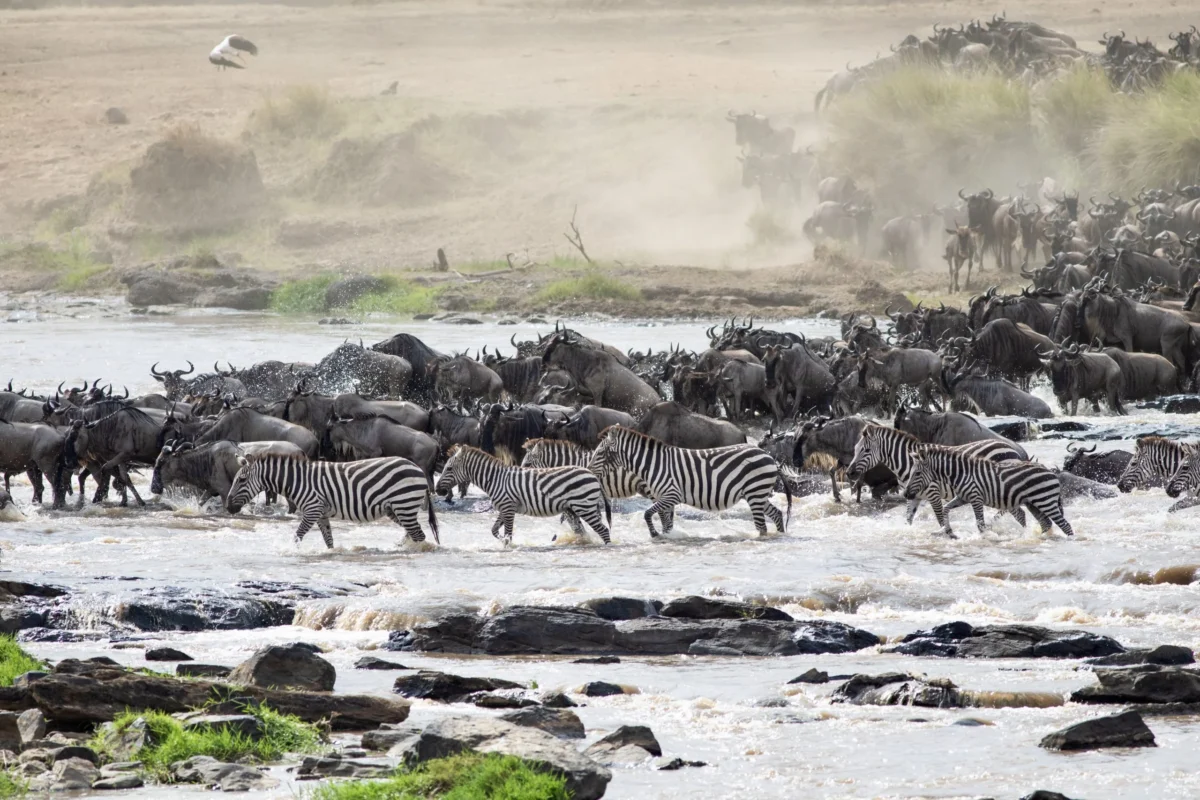
Destinations such as Serengeti National Park, Ngorongoro Crater, Tarangire National Park, and Lake Manyara all offer excellent safari experiences during this period. Depending on timing and location, portions of the Great Migration may still be visible, adding further excitement to the journey.
This combination of mountain adventure and wildlife exploration makes October a highly rewarding travel month.
Who Should Climb Kilimanjaro in October?
October is ideal for climbers seeking excellent weather with fewer crowds than peak-season months. It is especially well suited for photographers, adventure travelers, first-time climbers, safari enthusiasts, and those who prefer a more peaceful and less congested trekking experience.
It is also an excellent choice for travelers who want strong summit success potential while avoiding the busiest periods on the mountain.
Our Expert Opinion
October is one of Kilimanjaro’s most underrated but highly rewarding climbing months. It delivers a rare combination of dry-season stability, excellent visibility, and reduced crowd pressure, making it an ideal choice for climbers who value both performance and atmosphere.
While it marks the beginning of a seasonal transition, most of the month still offers outstanding trekking conditions. The result is a climb that feels both reliable and refreshingly calm compared to peak-season months.
For travelers seeking a well-balanced expedition with strong summit potential and excellent safari opportunities, October stands out as a truly excellent choice. With expert planning from Joyful Safaris & Tours, it becomes a seamless and memorable African adventure.
October consistently earns high ratings for weather reliability, scenery, photography quality, trekking comfort, wildlife viewing, and value. It remains one of the most underrated yet highly satisfying months to climb Mount Kilimanjaro and delivers a rewarding Roof of Africa experience from start to finish.
Are you ready to start planning?
You can proceed with booking by filling out the form below. Let’s make your adventure unforgettable!