Table of Contents
ToggleHow Much Does It Cost to Climb Mount Kilimanjaro?
Climbing Mount Kilimanjaro is a once-in-a-lifetime adventure—and while many travelers focus mainly on the tour package price, the true cost of the climb includes several additional essential expenses that are often overlooked.
At Joyful Safaris and Tours, we believe in full transparency so you can plan realistically, avoid surprises, and enjoy a safe, well-supported summit experience. Kilimanjaro is not just a hike—it is a high-altitude expedition where safety, logistics, and proper preparation matter more than anything else.
Below is a comprehensive breakdown of the 7 key cost categories you should consider when planning your Kilimanjaro adventure.
1. Tour Operator Cost (The Main Expedition Price)
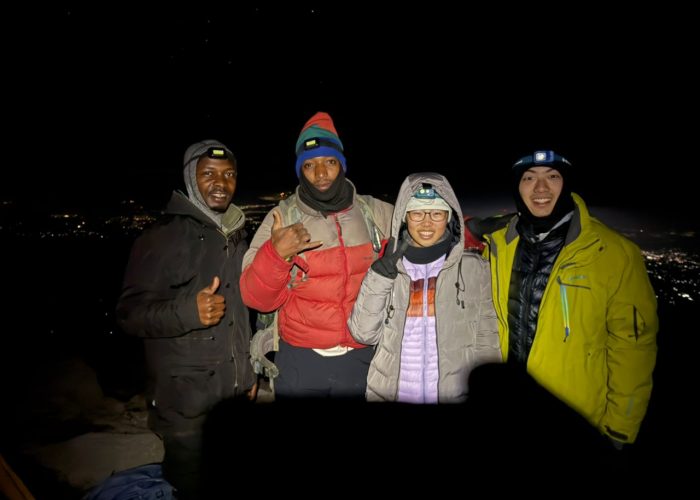
This is the largest and most important part of your budget, covering:
- Park fees (conservation, camping, rescue fees)
- Professional mountain guides
- Porters and cooks
- Food and drinking water on the mountain
- Tents, dining equipment, and logistics support
- Government taxes and mountain permits
With more than 200 operators in Tanzania, prices vary significantly. However, the difference in cost usually reflects differences in:
- Safety standards
- Staff welfare and porter treatment
- Food quality and hygiene
- Quality of equipment (tents, sleeping systems)
- Success rate of reaching Uhuru Peak
At Joyful Safaris and Tours, we emphasize ethical trekking standards, ensuring fair porter wages, trained guides, and properly maintained equipment. We strongly advise choosing operators who follow responsible tourism practices and support porter welfare initiatives such as KPAP standards.
Estimated Cost:
- £1,900 – £3,200 per person
(depending on route, number of days, and service level)
Shorter and cheaper packages may reduce acclimatization time, which can significantly lower summit success rates.
2. International Flights to Tanzania
Your flights are another major cost factor and depend heavily on your departure country, booking time, and season.
Most climbers fly into:
- Kilimanjaro International Airport (JRO)
or via connecting hubs such as Nairobi or Addis Ababa.
Common Flight Routes:
- Europe → Kilimanjaro (via Amsterdam, Doha, Istanbul)
- USA → Kilimanjaro (usually 1–2 stopovers)
- Africa → Direct or regional connections
Typical Flight Costs:
- UK/Europe: £750 – £1,200
- USA/Canada: £900 – £1,600
- Other regions: varies widely depending on distance
Booking early (3–6 months in advance) can significantly reduce costs.
3. Tanzania Visa Fees
Most travelers require a tourist visa to enter Tanzania.
You can obtain it:
- Online (e-visa system)
- On arrival at Kilimanjaro International Airport
- Through a Tanzanian embassy in your home country
Important Tip:
We strongly recommend applying online in advance to avoid long airport queues.
Visa Costs:
- Standard visa: approximately $50 (around £30–£40)
- Some nationalities (e.g., US citizens) may pay up to $100
4. Vaccinations and Health Preparations
Health preparation is a critical part of your Kilimanjaro budget and safety planning.
Recommended vaccinations may include:
- Yellow Fever (required if traveling from risk countries)
- Hepatitis A
- Typhoid
- Tetanus booster (if not up to date)
Malaria Considerations:
While Kilimanjaro itself is above mosquito altitude levels, malaria risk exists:
- Before the climb (arrival in Tanzania)
- After descending to lower elevations
Preventive measures may include:
- Anti-malarial medication (optional but recommended)
- Insect repellent
- Long-sleeved clothing in the evenings
Estimated Medical Costs:
- £80 – £180 depending on country and clinic
5. Climbing Gear and Equipment
Proper gear is one of the most important investments for a successful and comfortable summit.
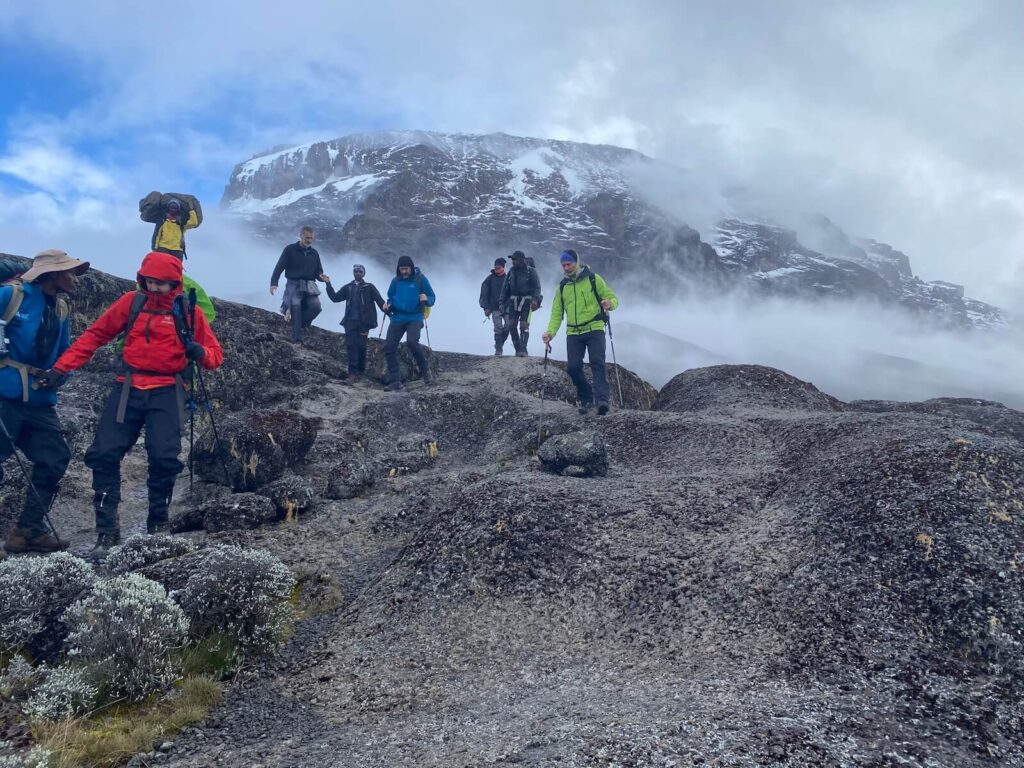
Kilimanjaro has extreme climate variation:
- Warm tropical base
- Cold alpine zones
- Sub-zero summit conditions
Essential equipment includes:
- Waterproof trekking boots
- Thermal base layers
- Insulated jacket
- Sleeping bag rated to -10°C to -20°C
- Backpack and rain cover
- Headlamp
- Trekking poles
- Gloves, hats, and UV protection
- Water bottles/hydration system
Why Quality Matters:
Cheap or poor-quality gear increases the risk of:
- Hypothermia
- Blisters and injuries
- Fatigue and discomfort
- Summit failure due to cold exposure
Estimated Gear Budget:
- £300 – £800 (depending on what you already own)
6. Tipping Guides, Porters, and Cooks
Tipping is a standard and culturally important part of Kilimanjaro trekking.
Your mountain crew works incredibly hard:
- Porters carry supplies
- Cooks prepare meals at altitude
- Guides monitor safety and altitude acclimatization daily
Tipping is not part of wages, but an additional appreciation for excellent service.
Typical Tipping Range:
- £150 – £250 per climber
Tipping is usually done at the end of the climb in a group ceremony and distributed fairly among the team.
At Joyful Safaris and Tours, we follow ethical tipping guidelines to ensure transparency and fairness for all staff.
7. Miscellaneous and Pre/Post Climb Expenses
These are often underestimated but still important.
You may need to budget for:
- Hotel accommodation before and after the climb
- Airport transfers
- Meals not included in your package
- Drinks and snacks in Moshi/Arusha
- Laundry services
- Souvenirs or local purchases
- Emergency personal expenses
Estimated Miscellaneous Budget:
- £50 – £150
Final Estimated Total Cost to Climb Kilimanjaro
Here is a realistic overall breakdown:
| Category | Estimated Cost |
|---|---|
|
Tour Operator |
£1,900 – £4,200 |
|
Flights |
£750 – £1,600 |
|
Visa |
£30 – £80 |
|
Vaccinations |
£80 – £180 |
|
Gear |
£300 – £800 |
|
Tipping |
£150 – £250 |
|
Miscellaneous |
£50 – £150 |
TOTAL ESTIMATED COST:
£3,260 – £6,260 per person
Final Advice from Joyful Safaris and Tours
Climbing Kilimanjaro is not just about finding the cheapest price—it is about choosing safety, professionalism, and proper mountain support.
Cheaper packages may reduce:
- Acclimatization time
- Food quality
- Safety procedures
- Porter welfare
- Overall summit success rate
At Joyful Safaris and Tours, we encourage climbers to prioritize value over cost alone. A well-supported climb dramatically increases your chances of reaching the summit safely and enjoying the experience.
Are you ready to start planning?
You can proceed with booking by filling out the form below. Let’s make your adventure unforgettable!