
Table of Contents
ToggleTipping Your Kilimanjaro Porters and Mountain Crew
Climbing Mount Kilimanjaro is one of the most rewarding adventures in the world. Standing on the roof of Africa at 5,895 meters (19,341 feet) is a life-changing achievement that requires determination, preparation, and resilience. However, reaching the summit is never a solo accomplishment. Behind every successful Kilimanjaro climb is a dedicated team of mountain professionals working tirelessly to ensure your safety, comfort, and success.
At Joyful Safaris and Tours, we believe that our porters, guides, cooks, and support staff are the true heroes of Kilimanjaro. Their hard work, expertise, and unwavering commitment make it possible for thousands of climbers from around the world to achieve their dream of reaching Uhuru Peak.
Tipping is an important and respected tradition on Mount Kilimanjaro. It is one of the most meaningful ways climbers can show appreciation for the incredible efforts of the mountain crew who support them throughout their journey.
This guide explains everything you need to know about Kilimanjaro porters, their responsibilities, ethical treatment, recommended tipping practices, and how tips are distributed.
Why Tipping Matters on Kilimanjaro
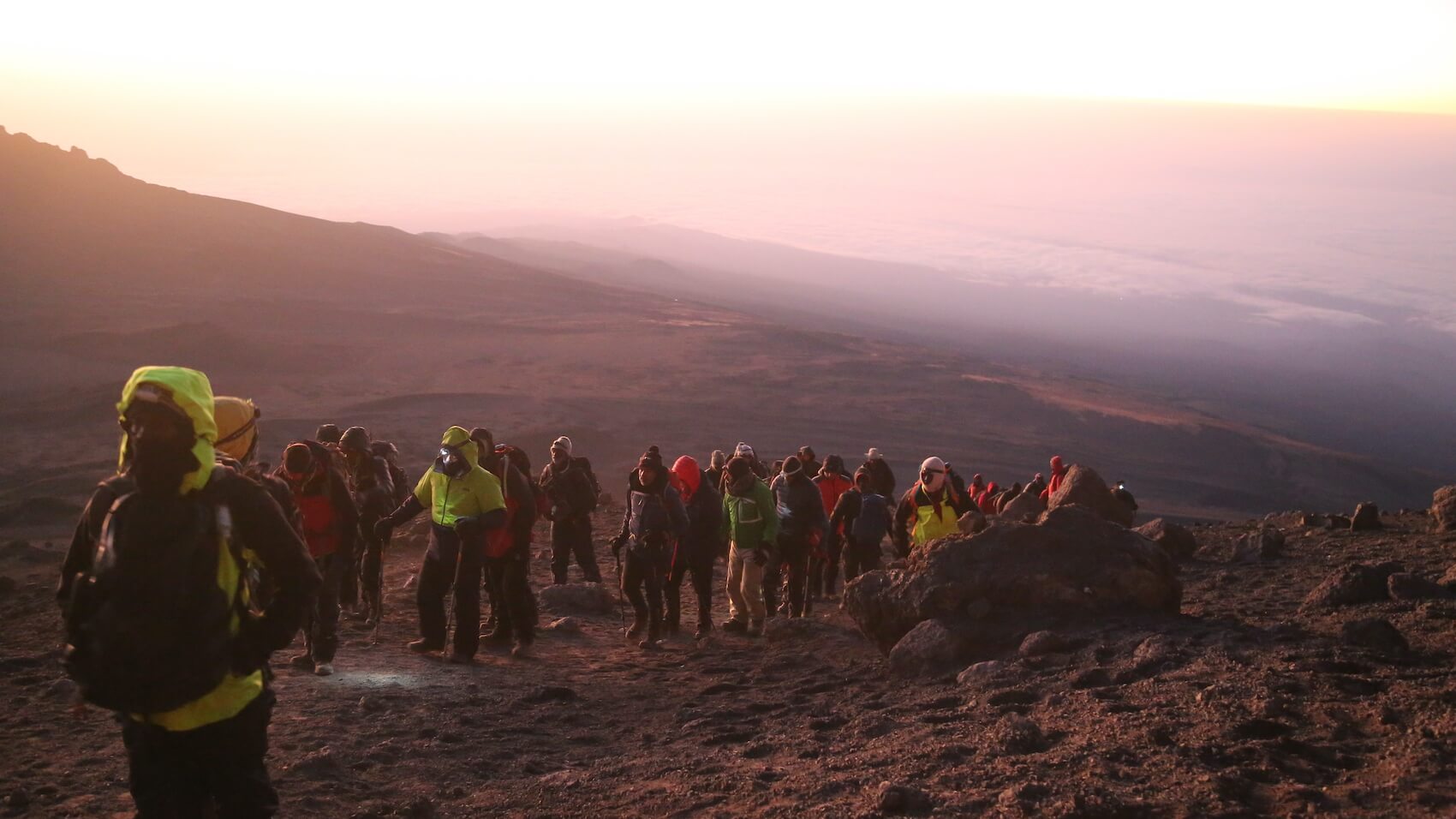
A Kilimanjaro climb is much more than simply hiking a mountain. It is a carefully coordinated expedition involving a large team of support staff who work behind the scenes every day.
From carrying equipment across challenging terrain to preparing nutritious meals and monitoring climbers’ health, the mountain crew plays a vital role in every successful ascent.
Tipping serves several important purposes:
- Recognizes exceptional service and dedication.
- Rewards the hard physical labor required on the mountain.
- Supports local Tanzanian families and communities.
- Encourages fair employment practices.
- Helps improve the livelihoods of porters and mountain workers.
For many porters and support staff, tips represent a significant portion of their income and directly contribute to supporting their families, paying school fees, accessing healthcare, and improving their quality of life.
Who Are Kilimanjaro Porters?
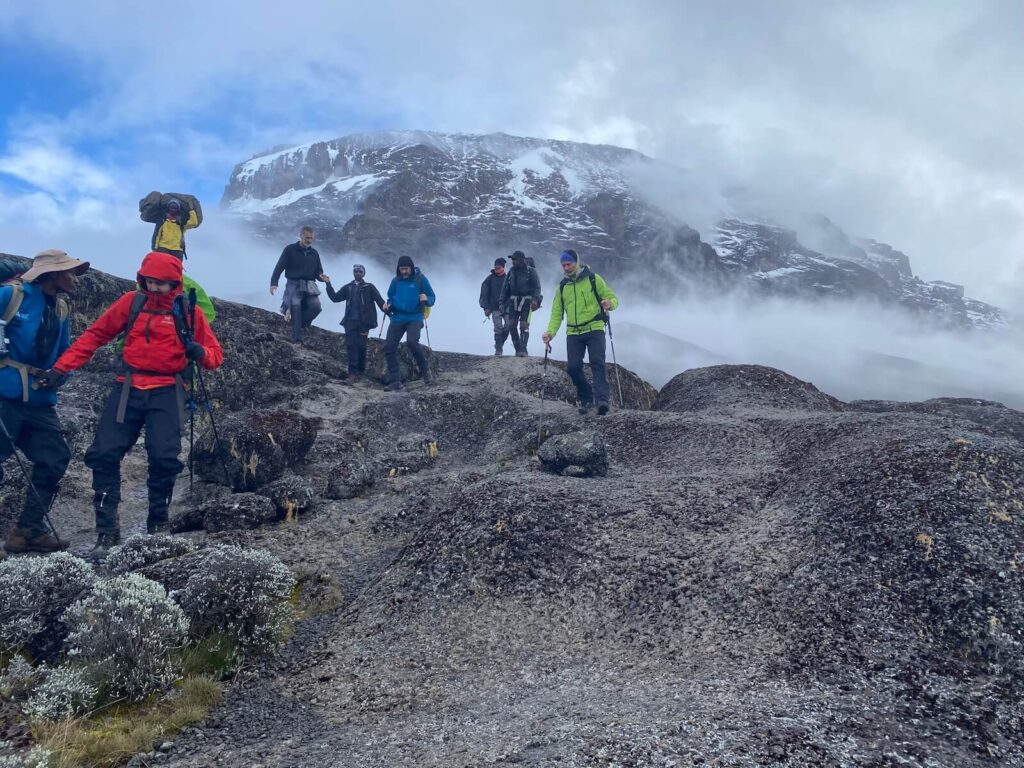
Kilimanjaro porters are hardworking men and women from local Tanzanian communities who provide essential support during mountain expeditions.
Most porters come from areas surrounding Mount Kilimanjaro, including Moshi, Arusha, and neighboring villages. Many have years of mountain experience and possess remarkable knowledge of Kilimanjaro’s terrain, weather patterns, campsites, and climbing routes.
These dedicated individuals are often the first to wake up and the last to rest each day. While climbers focus on reaching the summit, porters are constantly working to ensure that everything runs smoothly behind the scenes.
Without porters, climbing Kilimanjaro would be significantly more difficult, more expensive, and inaccessible for many trekkers.
In fact, Tanzanian regulations require all climbers to be accompanied by licensed mountain guides, and most expeditions rely heavily on porter support to transport equipment and supplies throughout the trek.
What Do Kilimanjaro Porters Do?
Many climbers are surprised to learn just how much work is involved in supporting a Kilimanjaro expedition.
Porters perform a wide range of responsibilities throughout the climb, including:
Carrying Expedition Equipment
Porters transport much of the equipment required for the expedition, including:
- Personal duffel bags for climbers
- Camping tents
- Dining tents
- Sleeping equipment
- Food supplies
- Cooking equipment
- Medical kits
- Emergency oxygen systems
- Portable toilets
- Water containers
- Environmental waste
To protect porter welfare, responsible operators follow strict weight limits for loads carried on the mountain.
Setting Up Camp
While climbers are trekking during the day, porters often move ahead to prepare the next campsite.
Upon arrival at camp, climbers typically find:
- Sleeping tents already erected
- Dining tents prepared
- Camp furniture arranged
- Water available for washing
- Hot drinks ready to serve
This level of organization allows climbers to conserve energy and focus on acclimatization and recovery.
Water Collection and Purification
Safe drinking water is essential at high altitude.
Porters collect water from designated mountain sources and ensure it is properly filtered, treated, or boiled before being supplied to climbers.
They continuously replenish water supplies throughout the expedition to keep everyone hydrated.
Environmental Conservation
Porters play a critical role in protecting Mount Kilimanjaro’s fragile ecosystem.
They help remove waste generated during expeditions and ensure campsites remain clean and environmentally responsible.
Many porter teams actively support conservation efforts and sustainable tourism practices throughout Kilimanjaro National Park.
Motivation and Emotional Support
One of the most valuable contributions porters make is their positive energy and encouragement.
As climbers face altitude challenges, fatigue, and changing weather conditions, the mountain crew provides continuous motivation.
Their smiles, songs, encouragement, and unwavering optimism help many climbers push through difficult moments and continue toward the summit.
The Role of Kilimanjaro Guides
While porters manage much of the logistical support, professional mountain guides are responsible for the overall success and safety of the expedition.
Guides are highly trained in:
- Mountain navigation
- Altitude sickness recognition
- Emergency response
- Wilderness first aid
- Weather assessment
- Climber monitoring
Throughout the trek, guides conduct regular health checks and monitor each climber’s condition to ensure a safe ascent.
On summit night, guides often provide one-on-one assistance, helping climbers maintain a steady pace and offering encouragement during the most demanding section of the climb.
The Importance of Ethical Climbing Practices
At Joyful Safaris and Tours, we are committed to responsible tourism and ethical treatment of mountain crews.
Historically, some porters on Kilimanjaro faced challenges such as:
- Low wages
- Excessive load carrying
- Inadequate food provisions
- Poor accommodation conditions
Today, reputable operators work closely with organizations dedicated to improving porter welfare and ensuring fair treatment for all mountain staff.
Choosing an ethical operator helps ensure that your climb positively impacts local communities while maintaining high standards of safety and professionalism.
Recommended Kilimanjaro Tipping Guidelines
Tipping amounts vary depending on group size, route length, and crew composition.
The following guidelines are commonly used within the Kilimanjaro trekking industry:
Lead Guide
USD $20–25 per day (per group)
Assistant Guide
USD $15–20 per day (per group)
Cook
USD $12–15 per day (per group)
Porter
USD $6–10 per day (per porter)
These recommendations are shared among the climbing group rather than paid individually by each climber.
For most climbers joining a group trek, the average contribution typically ranges between:
USD $200–300 per climber
depending on:
- Route duration
- Number of climbers
- Crew size
- Level of support required
Although this may seem substantial, it is important to remember that a Kilimanjaro expedition often involves a large support team. A group of ten climbers may require more than forty crew members working together throughout the trek.
How the Tipping Ceremony Works
One of the most memorable traditions on Kilimanjaro is the tipping ceremony.
This celebration usually takes place on the final evening of the expedition or after returning from the mountain.
During the ceremony:
- Climbers gather with the mountain crew.
- A representative of the group offers words of appreciation.
- The lead guide may translate the message into Swahili.
- Climbers acknowledge the hard work and dedication of the entire team.
- Tips are distributed according to established procedures.
The ceremony provides a meaningful opportunity to thank the crew personally and celebrate the shared success of reaching the summit.
Preferred Methods of Tipping
Tips can typically be given in:
- US Dollars (USD)
- Tanzanian Shillings (TZS)
When using US currency, bills should be:
- Clean
- Untorn
- Relatively new
- Easily exchangeable within Tanzania
For security reasons, many operators recommend distributing tips after returning to the hotel rather than carrying large amounts of cash on the mountain.
Is Tipping Mandatory?
No.
Tipping is always voluntary and based on the quality of service received.
If you feel the crew did not meet expectations, you are under no obligation to provide a tip.
However, tipping is a long-standing and widely accepted tradition on Mount Kilimanjaro. It is considered a respectful way to acknowledge the immense effort, professionalism, and dedication of the mountain crew.
Most climbers find that the support they receive far exceeds expectations and are happy to express their gratitude through tipping.
A Message from Joyful Safaris and Tours
At Joyful Safaris and Tours, we take great pride in our exceptional mountain teams. Our guides, cooks, and porters are the foundation of every successful Kilimanjaro expedition.
Their hard work begins long before climbers arrive and continues long after the trek has ended. They brave changing weather conditions, carry heavy loads, prepare nourishing meals, ensure camp comfort, and provide the encouragement needed to achieve the dream of standing on Africa’s highest peak.
When you tip your mountain crew, you are not simply giving money—you are recognizing dedication, supporting local families, and helping sustain responsible tourism on Mount Kilimanjaro.
We sincerely thank all climbers who choose to honor the incredible efforts of our mountain teams and help us continue creating unforgettable Kilimanjaro adventures.
Climb with confidence. Climb responsibly. Climb with Joyful Safaris and Tours.
Are you ready to start planning?
You can proceed with booking by filling out the form below. Let’s make your adventure unforgettable!