Table of Contents
ToggleTop 5 Routes to Climb Mount Kilimanjaro: The Ultimate Guide
Discover the top 5 routes to climb Mount Kilimanjaro with expert insights from Joyful Safaris & Tours. Compare the Lemosho, Machame, Rongai, Marangu, and Northern Circuit routes, learn about difficulty levels, acclimatization, success rates, costs, and find the perfect path to Africa’s highest summit.
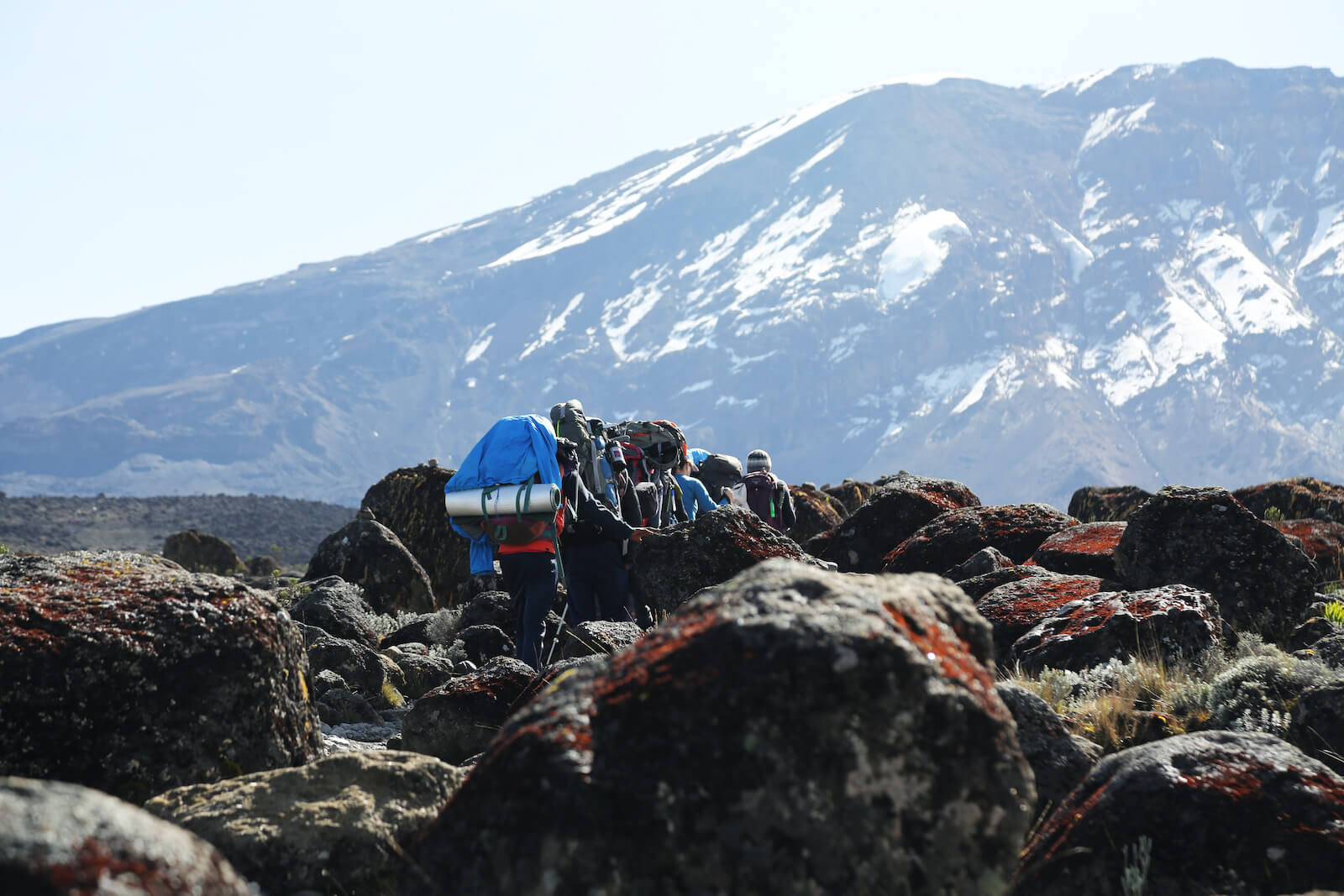
Climb Mount Kilimanjaro Guide
Mount Kilimanjaro stands proudly above the plains of Tanzania as Africa’s tallest mountain and one of the world’s most celebrated trekking destinations. Rising to an impressive 5,895 meters (19,341 feet) above sea level, this iconic free-standing mountain attracts thousands of climbers every year who dream of standing on the roof of Africa.
At Joyful Safaris & Tours, we have guided travelers from around the world on unforgettable Kilimanjaro expeditions. From first-time trekkers seeking a life-changing challenge to seasoned mountaineers chasing another remarkable summit, we understand that choosing the right route is one of the most important decisions you will make.
While reaching Uhuru Peak is the ultimate goal, the route you choose determines much of your experience. Some routes offer stunning scenery and excellent acclimatization opportunities. Others provide solitude, unique landscapes, or a shorter timeframe for travelers with limited vacation days.
This comprehensive guide explores the top five Kilimanjaro routes and provides everything you need to know before selecting the path that best matches your goals, fitness level, experience, and adventure style.
Why Route Selection Matters on Mount Kilimanjaro
For many aspiring climbers, reaching the summit of Mount Kilimanjaro is the ultimate goal. While standing on Uhuru Peak at 5,895 meters (19,341 feet) is undoubtedly the highlight of the adventure, the route you choose plays an enormous role in determining not only whether you successfully reach the summit, but also how much you enjoy the journey along the way.
Unlike many mountains that offer only one or two primary ascent paths, Mount Kilimanjaro provides several distinct routes to the summit. Each route follows a different side of the mountain, passes through unique landscapes, offers varying levels of difficulty, and provides different acclimatization opportunities. As a result, choosing the right route is one of the most important decisions you will make when planning your climb.
A carefully selected route can dramatically improve your summit success rate, enhance your overall comfort, and allow you to experience the mountain in a way that best matches your fitness level, trekking experience, budget, and personal preferences.
How Your Route Choice Impacts Your Kilimanjaro Experience
Summit Success Rate
One of the biggest differences between Kilimanjaro routes is their summit success rate. The primary reason climbers fail to reach the summit is altitude sickness rather than physical fitness. Routes that allow more time for gradual acclimatization generally have significantly higher success rates than shorter, more aggressive itineraries.
Longer routes such as the Northern Circuit, Lemosho, and Machame provide climbers with additional days to adapt to the altitude, increasing the likelihood of reaching Uhuru Peak safely and successfully.
Acclimatization Opportunities
Acclimatization refers to the body’s ability to adapt to lower oxygen levels at higher elevations. Since Kilimanjaro rises nearly 6,000 meters above sea level, proper acclimatization is critical.
Some routes follow the internationally recommended “climb high, sleep low” principle, allowing climbers to gain elevation during the day before descending slightly to sleep at a lower altitude. This process greatly improves adaptation and reduces the risk of altitude-related illnesses.
Routes that offer superior acclimatization profiles are generally considered safer and more enjoyable, especially for first-time high-altitude trekkers.
Physical Challenge and Difficulty
Although Kilimanjaro is often described as a non-technical mountain, climbers should not underestimate the physical demands of the trek.
The mountain does not require ropes, ice axes, or advanced mountaineering skills under normal conditions, but reaching the summit still involves:
- Multiple consecutive days of hiking
- Steep ascents and descents
- Long trekking distances
- Rocky and uneven terrain
- Exposure to cold temperatures
- Reduced oxygen levels at high altitude
- A demanding overnight summit push
Certain routes are physically more challenging due to steeper terrain, while others offer a more gradual and forgiving ascent profile.
Scenic Diversity
Each Kilimanjaro route showcases different aspects of the mountain’s extraordinary beauty.
Some routes provide expansive views of the Shira Plateau, while others traverse remote northern slopes rarely visited by trekkers. Certain routes offer dramatic ridgelines, volcanic formations, and glacier views, while others pass through pristine rainforest rich in wildlife.
For many climbers, the journey itself becomes just as memorable as reaching the summit.
Crowd Levels and Wilderness Experience
Kilimanjaro’s popularity means some routes can become quite busy during peak climbing seasons.
Popular routes such as Machame and Marangu often accommodate large numbers of climbers. While these routes are popular for good reason, some travelers prefer a quieter and more remote experience.
Routes such as Rongai and the Northern Circuit attract fewer trekkers and provide a greater sense of solitude and wilderness. Climbers seeking peaceful campsites and less crowded trails may find these routes particularly appealing.
Wildlife Viewing Opportunities
Although Kilimanjaro is not primarily known as a wildlife destination, certain routes offer excellent opportunities to encounter animals, particularly in the rainforest zone.
Climbers may encounter:
- Blue monkeys
- Colobus monkeys
- Bushbucks
- Various bird species
- Unique alpine flora
Routes that spend more time traversing the mountain’s forested lower slopes generally provide the best wildlife viewing opportunities.
Accommodation Style
The style of accommodation varies depending on the chosen route.
Most Kilimanjaro routes involve camping in tents at designated campsites. These camps are fully supported by porters who transport equipment, food, and supplies.
The notable exception is the Marangu Route, which uses permanent mountain huts. Climbers sleep in shared dormitory-style accommodations rather than tents. Some travelers appreciate the additional shelter and convenience, while others prefer the authentic wilderness atmosphere of camping.
Trek Duration
Kilimanjaro routes range from approximately five to nine days on the mountain.
While shorter routes may appear attractive due to lower costs and reduced time commitments, they often provide insufficient acclimatization and lower summit success rates.
Longer itineraries generally offer:
- Better acclimatization
- More enjoyable trekking days
- Less physical strain
- Higher summit success rates
- Greater opportunities for photography and exploration
For most climbers, spending an extra day or two on the mountain significantly improves the overall experience.
Overall Enjoyment
Ultimately, your route choice shapes every aspect of your Kilimanjaro adventure. The landscapes you see, the people you meet, the camps where you sleep, and your chances of reaching the summit are all influenced by this decision.
A route that aligns with your goals, fitness level, and travel style can transform your climb from a difficult challenge into one of the most rewarding experiences of your life.
Understanding Mount Kilimanjaro
Before comparing individual climbing routes, it is important to understand the structure of Mount Kilimanjaro itself.
Located in northeastern Tanzania near the Kenyan border, Mount Kilimanjaro is the highest mountain in Africa and the tallest free-standing mountain in the world. Rising to 5,895 meters (19,341 feet), it dominates the surrounding landscape and attracts tens of thousands of climbers every year.
Kilimanjaro is a massive stratovolcano composed of three volcanic cones that were formed through millions of years of geological activity.
Kibo
Kibo is the youngest and highest of Kilimanjaro’s three volcanic cones.
It contains the mountain’s summit crater and is home to Uhuru Peak, the highest point in Africa and the ultimate objective for climbers. Most summit routes converge on Kibo before making the final ascent to the peak.
Kibo’s landscape is characterized by volcanic rock, glaciers, ash formations, and dramatic summit views.
Mawenzi
Mawenzi rises to approximately 5,149 meters (16,893 feet) and forms Kilimanjaro’s rugged eastern peak.
Unlike Kibo’s broad volcanic dome, Mawenzi consists of sharp, jagged spires and dramatic ridges. While it is not typically climbed by standard trekking groups, it creates one of the most striking mountain silhouettes in Africa and provides spectacular scenery for climbers approaching from the eastern and northern routes.
Shira
Shira is the oldest of Kilimanjaro’s volcanic cones.
Over time, volcanic activity and erosion caused much of the cone to collapse, forming the expansive Shira Plateau. Today, the plateau offers one of the most beautiful and unique landscapes on the mountain, featuring wide-open views, volcanic formations, and remarkable alpine scenery.
Many climbers consider the Shira Plateau one of the highlights of the Lemosho and Shira routes.
Kilimanjaro’s Five Ecological Zones
One of Kilimanjaro’s most extraordinary features is the rapid transition through multiple climate zones during a single expedition.
Climbers essentially travel from tropical Africa to an Arctic environment in less than a week.
1.Cultivation Zone (800–1,800 meters)
The lower slopes of Kilimanjaro are home to fertile agricultural lands cultivated by local communities.
This region supports crops such as:
- Bananas
- Coffee
- Maize
- Beans
- Avocados
The rich volcanic soil and abundant rainfall make the area one of Tanzania’s most productive agricultural regions.
2.Rainforest Zone (1,800–2,800 meters)
Above the cultivated slopes lies a lush tropical rainforest.
This zone receives significant rainfall throughout the year and contains dense vegetation, towering trees, moss-covered branches, and diverse wildlife.
Common wildlife sightings include:
- Blue monkeys
- Black-and-white colobus monkeys
- Forest birds
- Small antelope species
The rainforest serves as an important watershed for surrounding communities and represents one of Kilimanjaro’s most biologically diverse ecosystems.
3.Heath and Moorland Zone (2,800–4,000 meters)
As climbers ascend beyond the rainforest, the landscape opens dramatically.
This zone is characterized by:
- Giant heathers
- Giant groundsels
- Lobelias
- Open valleys
- Rolling hills
The vegetation becomes increasingly adapted to cooler temperatures and harsher conditions. Many climbers consider this one of the mountain’s most visually distinctive zones.
4. Alpine Desert Zone (4,000–5,000 meters)
Higher on the mountain, rainfall becomes scarce and vegetation nearly disappears.
This harsh environment features:
- Volcanic rock
- Dusty trails
- Extreme temperature fluctuations
- Strong winds
- Intense sunlight
Daytime temperatures can be surprisingly warm, while nighttime temperatures often drop below freezing.
The landscape here resembles a barren lunar surface and showcases Kilimanjaro’s volcanic origins.
5. Arctic Summit Zone (Above 5,000 meters)
The summit region presents the most extreme conditions on the mountain.
Characteristics include:
- Thin air with greatly reduced oxygen levels
- Freezing temperatures
- Snowfields
- Ice formations
- Glaciers
- Volcanic crater landscapes
This is where climbers face their greatest physical and mental challenge as they make their final push toward Uhuru Peak.
Key Factors to Consider When Choosing a Kilimanjaro Route
Acclimatization
Altitude sickness is the leading cause of unsuccessful summit attempts on Kilimanjaro.
As elevation increases, atmospheric pressure decreases, reducing the amount of oxygen available with each breath. Even exceptionally fit athletes can experience altitude-related symptoms.
Common symptoms include:
- Headaches
- Nausea
- Fatigue
- Dizziness
- Loss of appetite
- Difficulty sleeping
Routes that allow gradual altitude gain and provide additional acclimatization days are strongly recommended for maximizing both safety and summit success.
Difficulty Level
Every Kilimanjaro route requires physical preparation.
Prospective climbers should be prepared for:
- Consecutive days of trekking
- Long daily hiking hours
- Steep sections of trail
- Rocky terrain
- Cold weather
- High-altitude fatigue
- A demanding summit night lasting 10–16 hours in some cases
While no route is technically difficult by mountaineering standards, some are significantly more demanding than others.
Accommodation Preferences
When selecting a route, consider whether you prefer:
Camping Routes
Camping routes provide:
- Greater immersion in nature
- Scenic wilderness campsites
- More route options
- A classic trekking experience
Hut-Based Route
The Marangu Route offers:
- Permanent sleeping huts
- Dining shelters
- Additional protection from weather
- No need to sleep in tents
This option appeals to travelers seeking added comfort during the climb.
Crowd Levels
Different routes attract different numbers of climbers.
If you prefer a social atmosphere and meeting trekkers from around the world, popular routes may be ideal.
If you value solitude, photography opportunities, and a stronger wilderness experience, less-traveled routes such as Rongai or the Northern Circuit may be better suited to your preferences.
Route Length
Longer routes generally provide:
- Better acclimatization
- More comfortable pace
- Increased summit success
- Enhanced enjoyment
- Additional scenic exploration
Although longer routes typically cost more, many experienced guides consider the extra investment worthwhile due to the improved experience and significantly higher chances of reaching the summit.
Choosing the right route is one of the most important decisions in planning a Kilimanjaro climb. By understanding the mountain, its ecosystems, and the unique characteristics of each route, climbers can select an itinerary that matches their goals and maximizes their chances of standing successfully on the Roof of Africa.
Route #1: The Lemosho Route – Mount Kilimanjaro’s Premier Trekking Experience
Overview
The Lemosho Route is widely recognized as the most scenic, well-balanced, and rewarding route on Mount Kilimanjaro. Favored by experienced mountain guides, adventure travel specialists, and seasoned trekkers alike, it offers an exceptional combination of breathtaking landscapes, excellent acclimatization opportunities, lower trail traffic, and one of the highest summit success rates on the mountain.
Beginning on Kilimanjaro’s remote western flank, the route traverses diverse ecological zones, from lush tropical rainforest to alpine desert and arctic summit terrain. Unlike shorter routes that force climbers to gain altitude rapidly, Lemosho follows a gradual ascent profile that allows the body sufficient time to adapt to the increasing elevation. This “climb high, sleep low” approach significantly reduces the risk of altitude sickness and greatly improves the likelihood of reaching Uhuru Peak successfully.
For many trekking professionals, including the expert mountain team at Joyful Safaris & Tours, the Lemosho Route represents the ultimate Kilimanjaro adventure—offering the perfect blend of wilderness, comfort, scenery, and summit success.
Quick Facts
Feature | Details |
Route Name | Lemosho Route |
Duration | 7–8 Days (8 days highly recommended) |
Difficulty Level | Moderate to Challenging |
Accommodation | Mountain Camping |
Starting Point | Western Side of Mount Kilimanjaro |
Summit Success Rate | Very High |
Acclimatization Profile | Excellent |
Scenic Value | Exceptional |
Crowd Levels | Moderate |
Best For | First-time climbers, photographers, nature lovers, and trekkers seeking the highest chance of success |
Why Choose the Lemosho Route?
Among all Kilimanjaro routes, Lemosho consistently ranks as the top choice for climbers seeking a complete and immersive mountain experience.
Unlike busier routes that begin closer to developed areas, Lemosho starts in a remote wilderness region where trekkers are immediately surrounded by untouched nature and spectacular scenery. The route gradually crosses several ecological zones, allowing climbers to experience the mountain’s extraordinary diversity.
The journey includes:
- Dense tropical rainforest
- Wildlife-rich forest habitats
- Expansive moorland landscapes
- The famous Shira Plateau
- Lava Tower acclimatization area
- Barranco Valley and Barranco Wall
- Karanga Valley
- High alpine desert
- Spectacular southern circuit views
- A dramatic summit ascent to Uhuru Peak
The route eventually joins the Machame Route near Shira Camp, but by that stage climbers have already enjoyed several days of quieter and more pristine wilderness trekking.
The combination of stunning scenery and gradual altitude gain makes Lemosho one of the safest and most successful routes for reaching the summit.
Scenic Highlights of the Lemosho Route
1.Rainforest Wilderness
The adventure begins in Kilimanjaro’s lush montane rainforest, one of the mountain’s most biologically diverse ecosystems.
Towering trees draped in moss create a magical environment filled with bird calls and forest wildlife. The rich vegetation provides a striking contrast to the barren alpine landscapes encountered later in the trek.
Wildlife sightings may include:
- Black-and-white colobus monkeys
- Blue monkeys
- Bushbuck antelope
- Various forest birds
- Chameleons and other small reptiles
The rainforest section is often described as one of the most enchanting parts of the entire mountain.
2. The Shira Plateau
After emerging from the forest, trekkers arrive at the magnificent Shira Plateau, one of the largest high-altitude plateaus in the world.
Formed by ancient volcanic activity, this vast open landscape offers sweeping views across the mountain and surrounding plains.
Highlights include:
- Panoramic mountain vistas
- Spectacular sunrises and sunsets
- Unique moorland vegetation
- Giant groundsels and lobelias
- Outstanding photography opportunities
The plateau provides a remarkable sense of wilderness and solitude rarely found on other Kilimanjaro routes.
3. Lava Tower (4,600m)
One of the route’s most important acclimatization points is the iconic Lava Tower.
This dramatic volcanic rock formation rises approximately 90 meters above the surrounding landscape and serves as a key milestone in the acclimatization process.
Although climbers ascend to around 4,600 meters during the day, they descend afterward to sleep at a lower elevation.
This strategy helps the body adapt effectively to altitude and significantly improves summit success rates.
Many climbers consider this day one of the most important stages of the entire expedition.
4. Barranco Valley
The beautiful Barranco Valley is often regarded as one of the most picturesque locations on Mount Kilimanjaro.
Surrounded by towering cliffs and dotted with giant senecio plants, the valley provides an extraordinary setting for overnight camping.
Trekkers wake up to magnificent views of:
- The Barranco Wall
- Kibo Peak
- Glaciers near the summit
- Dramatic alpine landscapes
The valley’s unique scenery makes it a favorite campsite for many climbers.
5. The Barranco Wall
Perhaps the most famous landmark on Kilimanjaro, the Barranco Wall initially appears intimidating.
However, despite its steep appearance, it does not require technical climbing skills.
Instead, climbers navigate a series of scrambling sections while enjoying incredible views of the valleys below.
The ascent is often considered one of the most exciting and rewarding parts of the trek.
From the top of the wall, climbers are rewarded with:
- Panoramic mountain views
- Stunning photography opportunities
- A tremendous sense of achievement
Many trekkers cite conquering the Barranco Wall as one of their favorite memories of the entire expedition.
6. Karanga Valley
After crossing the Barranco Wall, the route continues through the beautiful Karanga Valley.
This section offers:
- Rolling alpine landscapes
- Excellent acclimatization opportunities
- Fewer steep climbs
- Magnificent views of Kilimanjaro’s southern glaciers
Karanga Camp serves as a strategic overnight stop that helps prepare climbers for higher elevations.
7. The Southern Circuit
One of the unique advantages of the Lemosho Route is its traversal of Kilimanjaro’s Southern Circuit.
This less-traveled section provides some of the mountain’s most dramatic scenery and panoramic viewpoints.
Trekkers enjoy uninterrupted views of:
- Kibo Peak
- Mawenzi Peak
- Glaciers
- High-altitude deserts
- Vast East African plains
Few other routes offer such extensive and varied perspectives of the mountain.
8. Summit Night and Uhuru Peak (5,895m)
The final summit push begins around midnight.
Climbers ascend slowly under a sky filled with stars, making their way toward Stella Point before continuing to Uhuru Peak—the highest point in Africa.
Reaching Uhuru Peak at sunrise is an unforgettable experience.
The reward includes:
- Spectacular sunrise views
- Africa’s highest point
- Panoramic vistas stretching across Tanzania and Kenya
- Ancient glaciers and ice formations
- A profound sense of accomplishment
For many adventurers, standing atop Kilimanjaro becomes one of the defining moments of their lives.
Advantages of the Lemosho Route
Outstanding Scenery
Many experts consider Lemosho the most beautiful route on Kilimanjaro due to its incredible diversity of landscapes.
Excellent Acclimatization Profile
The gradual ascent and longer itinerary provide ideal conditions for adapting to altitude.
High Summit Success Rates
Because climbers acclimatize more effectively, summit success rates are among the highest on the mountain.
Lower Crowds
The remote starting point means fewer trekkers during the early stages of the climb, creating a more peaceful wilderness experience.
Rich Ecological Diversity
The route passes through multiple ecological zones, offering constantly changing scenery throughout the trek.
Wildlife Viewing Opportunities
The western rainforest section provides some of the best wildlife viewing opportunities available on Kilimanjaro.
Exceptional Photography
From rainforest landscapes to glaciers and volcanic formations, Lemosho offers countless opportunities for stunning photographs.
Challenges of the Lemosho Route
Higher Cost
Because the route typically requires seven or eight days on the mountain, overall expedition costs are slightly higher than shorter routes.
Longer Commitment
Trekkers must allocate more time compared to routes such as Marangu or Machame.
Physical Demands
Although the acclimatization profile is excellent, the route still requires good fitness, endurance, and mental determination.
Camping Conditions
All overnight accommodations are in mountain tents, which may be less comfortable for travelers who prefer hut accommodations.
Who Is the Lemosho Route Best For?
The Lemosho Route is ideal for:
- First-time Kilimanjaro climbers
- Trekkers seeking the highest chance of reaching the summit
- Nature and wildlife enthusiasts
- Adventure photographers
- Experienced hikers
- Climbers who prefer less crowded trails
- Travelers seeking the most scenic Kilimanjaro experience
Final Verdict
If your goal is to experience the very best of Mount Kilimanjaro, the Lemosho Route is widely considered the gold standard. Its unmatched scenery, excellent acclimatization profile, diverse ecosystems, lower crowds, and high summit success rates make it the preferred choice for thousands of climbers every year.
For trekkers seeking a safe, memorable, and rewarding journey to the Roof of Africa, the Lemosho Route stands out as one of the finest trekking routes in the world.
Route #2: The Machame Route
Overview
Widely known as the “Whiskey Route,” the Machame Route is the most popular and frequently chosen path to the summit of Mount Kilimanjaro. Renowned for its stunning landscapes, excellent acclimatization profile, and relatively high summit success rates, Machame has become the preferred choice for thousands of climbers from around the world.
The route offers an adventurous trekking experience that combines challenging terrain with some of the most spectacular scenery found anywhere on Kilimanjaro. Unlike shorter routes that provide limited acclimatization opportunities, Machame follows the highly effective “climb high, sleep low” principle, allowing trekkers to gradually adapt to the increasing altitude while enjoying a diverse range of ecosystems and breathtaking mountain vistas.
Although physically demanding, Machame rewards climbers with an unforgettable journey through dense rainforest, dramatic moorlands, alpine deserts, and glacial summit landscapes. For many adventurers, it represents the ideal balance between challenge, scenery, acclimatization, and overall value.
Quick Facts
Feature | Details |
Route Name | Machame Route (“Whiskey Route”) |
Duration | 6–7 Days |
Difficulty Level | Challenging |
Accommodation | Mountain Camping |
Success Rate | High |
Scenic Value | Excellent |
Crowd Level | High |
Starting Point | Machame Gate (Southern Side) |
Summit Point | Uhuru Peak (5,895m / 19,341ft) |
Best For | Adventurous trekkers seeking excellent scenery and high success rates |
Why Choose the Machame Route?
The Machame Route has earned its reputation as Kilimanjaro’s most popular route for several important reasons. It combines spectacular scenery, excellent acclimatization opportunities, and a challenging but achievable ascent profile that appeals to a wide range of climbers.
Unlike some routes that focus primarily on reaching the summit as quickly as possible, Machame is designed to maximize both the trekking experience and the likelihood of success. The route traverses multiple ecological zones and provides constantly changing landscapes throughout the climb, ensuring that each day feels unique and memorable.
Many experienced mountain guides consider Machame to be one of the best overall routes on Kilimanjaro because it offers:
- Exceptional scenic diversity
- Strong acclimatization opportunities
- High summit success rates
- Good value for money
- A true wilderness camping experience
- Opportunities to meet climbers from around the world
- Challenging but rewarding trekking conditions
For climbers seeking a classic Kilimanjaro adventure without the higher costs associated with some premium routes, Machame is often regarded as the gold standard.
Route Description
Day 1: Machame Gate to Machame Camp
The adventure begins at Machame Gate, located on the southern slopes of Mount Kilimanjaro. After registration procedures and a briefing from the mountain crew, trekkers enter the dense rainforest zone.
The trail winds through lush tropical forest filled with towering trees draped in moss and ferns. This ecosystem receives significant rainfall and is home to various species of birds, monkeys, and other wildlife. The air is humid, the vegetation is thick, and the atmosphere feels distinctly tropical.
After several hours of hiking through the forest, climbers reach Machame Camp for their first night on the mountain.
Day 2: Machame Camp to Shira Camp
As the route climbs higher, the dense rainforest gradually gives way to the heath and moorland zone. The vegetation changes dramatically, revealing open landscapes with panoramic mountain views.
Trekkers begin to see some of Kilimanjaro’s most iconic plant species, including giant heathers and unusual alpine vegetation. The terrain becomes more rugged and exposed, while views of Kibo Peak become increasingly impressive.
The day ends at Shira Camp, situated on the expansive Shira Plateau, one of the largest high-altitude plateaus in the world.
Day 3: Shira Camp to Lava Tower to Barranco Camp
This is one of the most important acclimatization days of the entire trek.
Climbers ascend gradually toward Lava Tower, a dramatic volcanic rock formation standing at approximately 4,600 meters (15,100 feet). The higher altitude allows the body to begin adapting to thinner air.
After spending time at Lava Tower, the route descends to Barranco Camp, following the principle of “climb high, sleep low.” This strategy significantly improves acclimatization and increases the likelihood of a successful summit attempt.
The descent leads into the spectacular Barranco Valley, often considered one of the most beautiful camping locations on Kilimanjaro.
Day 4: Barranco Camp to Karanga Camp
The day begins with the famous Barranco Wall, one of the most exciting and memorable sections of the Machame Route.
Although often referred to as a “wall,” it is not a technical climb. Climbers use their hands occasionally for balance while navigating steep rocky sections. The ascent is both exhilarating and rewarding, offering magnificent views of glaciers, valleys, and surrounding peaks.
After conquering the Barranco Wall, the route continues across ridges and valleys before reaching Karanga Camp.
This shorter day further supports acclimatization while allowing climbers to conserve energy for higher elevations.
Day 5: Karanga Camp to Barafu Camp
The landscape becomes increasingly barren as trekkers enter the alpine desert zone.
Vegetation is scarce, temperatures are colder, and the environment begins to resemble a high-altitude lunar landscape. Climbers ascend steadily to Barafu Camp, the final base camp before the summit attempt.
Upon arrival, guides conduct summit briefings and encourage trekkers to rest, hydrate, and prepare their equipment. Most climbers sleep for only a few hours before beginning the overnight summit push.
Summit Night: The Ultimate Challenge
Summit night is the most demanding and rewarding stage of the Machame Route.
Typically beginning around midnight, climbers leave Barafu Camp under a sky filled with stars and slowly ascend steep volcanic scree slopes in darkness. The pace is deliberately slow, allowing the body to conserve energy while coping with extreme altitude.
As dawn approaches, trekkers reach Stella Point (5,756m / 18,885ft) on the crater rim. Here, many witness one of the most spectacular sunrises on Earth as the first light illuminates the glaciers, crater, and vast African plains below.
From Stella Point, the route continues along the crater rim toward Uhuru Peak, the highest point in Africa at 5,895 meters (19,341 feet).
Standing on the summit of Kilimanjaro is an emotional and unforgettable achievement that represents months—or even years—of preparation and determination.
Scenic Highlights
Rainforest Zone
The lower slopes of Kilimanjaro feature dense tropical rainforest rich in biodiversity. Towering trees, colorful birds, moss-covered branches, and occasional monkey sightings create an enchanting start to the journey.
Shira Plateau
One of the most scenic high-altitude plateaus in Africa, offering sweeping views across the mountain and surrounding landscapes.
Giant Lobelias and Giant Groundsels
These unusual and prehistoric-looking plants thrive in Kilimanjaro’s moorland zone and are found almost nowhere else on Earth.
Lava Tower
A dramatic volcanic rock formation that serves as a critical acclimatization point and one of the route’s most photographed landmarks.
Barranco Valley
Widely regarded as one of the most beautiful sections of the mountain, featuring lush vegetation framed by towering cliffs and glaciers.
Barranco Wall
A thrilling climb that provides unforgettable views and a sense of adventure unique to the Machame experience.
Southern Circuit
The route circles the southern side of Kilimanjaro, exposing climbers to constantly changing perspectives of Kibo Peak, glaciers, valleys, and surrounding plains.
Summit Sunrise
Watching the sunrise above the clouds near 6,000 meters is often described as the highlight of the entire expedition.
Accommodation and Camping Experience
Machame is a fully camping-based route. Unlike the Marangu Route, which utilizes mountain huts, all overnight stays are spent in tents.
Professional mountain crews typically establish camps before climbers arrive, providing:
- Sleeping tents
- Dining tents
- Cooking facilities
- Portable toilets (depending on operator)
- Support staff and guides
Camping adds an authentic wilderness element to the Kilimanjaro experience and allows trekkers to fully immerse themselves in the mountain environment.
Acclimatization and Success Rate
One of Machame’s greatest strengths is its excellent acclimatization profile.
The route gains altitude gradually and incorporates strategic ascents and descents that help the body adjust to reduced oxygen levels. This significantly reduces the risk of altitude sickness compared to shorter routes.
Because of these acclimatization advantages, Machame consistently records some of the highest summit success rates among Kilimanjaro’s standard routes, especially when completed over seven days.
Advantages of the Machame Route
Excellent Scenery
Offers some of the most diverse and spectacular landscapes on Kilimanjaro.
High Summit Success Rate
Strong acclimatization profile improves climbers’ chances of reaching Uhuru Peak.
Great Value
Provides a premium trekking experience without the higher costs associated with some longer routes.
Diverse Ecosystems
Passes through rainforest, moorland, alpine desert, and glacial environments.
Adventurous Experience
Includes exciting features such as the Barranco Wall and dramatic mountain ridges.
International Atmosphere
Popular among climbers from around the world, creating a vibrant and social trekking environment.
Disadvantages of the Machame Route
High Crowds
As Kilimanjaro’s most popular route, trails and camps can become busy during peak climbing seasons.
Physically Demanding
Steeper sections and longer trekking days require good fitness and determination.
Camping Only
Trekkers who prefer hut accommodations may find tent camping less comfortable.
Busy Campsites
Popular camps can sometimes feel crowded, particularly during the main climbing months.
Who Is the Machame Route Best For?
The Machame Route is ideal for:
- First-time Kilimanjaro climbers with good fitness levels
- Adventure travelers seeking a challenging trek
- Climbers who want excellent scenery throughout the journey
- Budget-conscious trekkers seeking high success rates
- Hikers comfortable with camping
- Those looking for a classic Kilimanjaro experience
It is less suitable for individuals seeking solitude, luxury accommodations, or the easiest possible ascent.
Final Verdict
The Machame Route remains the benchmark against which all other Kilimanjaro routes are measured. Combining spectacular scenery, excellent acclimatization, challenging terrain, and strong summit success rates, it offers one of the most rewarding trekking experiences in Africa.
For climbers seeking a genuine mountain adventure and the best balance between difficulty, beauty, affordability, and success potential, the Machame Route is often considered one of the finest ways to reach the Roof of Africa.
Route #3: The Rongai Route
Overview
The Rongai Route is the only trail that approaches Mount Kilimanjaro from the mountain’s northern side, close to the Kenyan border. Unlike the more popular southern routes, Rongai traverses a remote and less-traveled region of the mountain, offering trekkers a quieter and more wilderness-oriented experience.
Known for its gentle gradients, relatively dry conditions, and uncrowded trails, the Rongai Route is often considered one of the best options for first-time high-altitude trekkers and those seeking a more peaceful ascent. The route gradually climbs through diverse ecological zones, beginning in farmland and forest before ascending into alpine desert and eventually reaching Kilimanjaro’s arctic summit zone.
Although Rongai is less dramatic in terms of scenery compared to routes such as Lemosho or Machame, it compensates with its sense of solitude, panoramic views of the Kenyan plains, and excellent summit success rates when sufficient acclimatization time is included.
The descent is typically completed via the Marangu Route, allowing climbers to experience different landscapes during their journey.
Quick Facts
Feature | Details |
Route Location | Northern side of Mount Kilimanjaro |
Approach Direction | Near the Kenya-Tanzania border |
Duration | 6–7 Days |
Difficulty Level | Moderate |
Accommodation | Camping |
Summit Success Rate | High |
Scenic Value | Very Good |
Crowd Level | Low |
Best For | Beginners, rainy-season climbs, solitude seekers |
Descent Route | Marangu Route |
Why Choose the Rongai Route?
The Rongai Route appeals to climbers who value tranquility, gradual altitude gain, and a more remote mountain experience. While many Kilimanjaro routes can feel crowded during peak seasons, Rongai remains relatively quiet throughout the year, allowing trekkers to enjoy a stronger connection with nature and a more relaxed trekking environment.
One of the route’s greatest advantages is its location on Kilimanjaro’s northern slopes. This side of the mountain receives significantly less rainfall than the southern and western approaches, making Rongai an excellent choice during the rainy seasons when other routes may become muddy and challenging.
The route’s moderate gradient also reduces daily physical strain, allowing climbers to conserve energy and adapt gradually to increasing altitude. For this reason, Rongai is often recommended for:
- First-time Kilimanjaro climbers
- Trekkers seeking a less crowded route
- Climbers traveling during the rainy season
- Individuals who prefer a steady, gradual ascent
- Nature enthusiasts looking for a wilderness experience
Scenic Highlights
Remote Wilderness Experience
From the moment the trek begins, Rongai offers a feeling of remoteness that is difficult to find on Kilimanjaro’s busier routes. The lower slopes are quiet and untouched, with far fewer trekking groups on the trail.
The sense of isolation creates opportunities to enjoy the sounds of nature, observe wildlife, and appreciate the mountain’s vastness without the distractions of large crowds.
Spectacular Views into Kenya
Because the route ascends from the northern side of the mountain, climbers are rewarded with stunning panoramic views stretching across Kenya’s vast landscapes.
On clear days, trekkers can enjoy breathtaking vistas over:
- The Amboseli ecosystem
- Rolling savannah plains
- Distant volcanic formations
- Traditional Maasai grazing lands
These unique perspectives are rarely seen from Kilimanjaro’s southern routes and provide a distinctive photographic experience.
Diverse Ecological Zones
Although the route is generally less varied than some western approaches, climbers still pass through several of Kilimanjaro’s ecological zones:
Farmland Zone
The journey begins in cultivated areas where local communities farm the fertile volcanic soils surrounding the mountain.
Montane Forest
Dense forests provide habitat for birds, monkeys, and other wildlife. The forest is rich in vegetation and offers welcome shade during the early stages of the climb.
Moorland Zone
As altitude increases, the landscape transitions into open moorland characterized by giant heathers, unique alpine plants, and expansive views.
Alpine Desert
Higher elevations reveal a stark, dramatic environment dominated by volcanic rock, sparse vegetation, and wide-open horizons.
Arctic Summit Zone
Near Uhuru Peak, climbers enter an otherworldly environment of glaciers, ice fields, and rugged volcanic terrain.
Wildlife Encounters
Rongai is widely regarded as the Kilimanjaro route with the best chance of spotting wildlife during the early stages of the trek.
Animals occasionally observed include:
- Antelope
- Buffalo
- Colobus monkeys
- Blue monkeys
- Bushbuck
- Various bird species
- Small forest mammals
While sightings cannot be guaranteed, wildlife encounters are more common here than on many of the mountain’s other routes.
Acclimatization Considerations
One of Rongai’s strengths is its gradual ascent profile, which allows climbers to gain altitude steadily and comfortably. However, the route provides fewer opportunities for the highly effective acclimatization strategy known as “climb high, sleep low.”
Because of this limitation, itinerary selection becomes extremely important.
A six-day itinerary can be successful for many trekkers, but altitude-related challenges become more common compared to longer schedules. For improved acclimatization and a significantly higher chance of reaching the summit, Joyful Safaris & Tours strongly recommends the seven-day Rongai itinerary.
The additional day allows climbers to:
- Adapt more effectively to altitude
- Reduce the risk of Acute Mountain Sickness (AMS)
- Improve energy levels before summit night
- Increase overall summit success rates
- Enjoy a safer and more comfortable climbing experience
For most climbers, the extra day is one of the best investments they can make in their Kilimanjaro journey.
Who Is the Rongai Route Best Suited For?
The Rongai Route is particularly well suited to:
First-Time Kilimanjaro Climbers
The moderate gradient and manageable daily trekking distances make the route approachable for those with limited high-altitude experience.
Climbers Seeking Solitude
Trekkers who prefer quieter trails and fewer crowds often find Rongai to be one of the most enjoyable routes on the mountain.
Rainy-Season Climbers
The northern slopes remain considerably drier than the southern side, making Rongai one of the most reliable choices during wet months.
Wildlife and Nature Enthusiasts
The possibility of wildlife sightings and the route’s wilderness character appeal strongly to nature lovers.
Photographers
Unique northern perspectives and panoramic views into Kenya provide excellent photographic opportunities rarely available elsewhere on Kilimanjaro.
Advantages of the Rongai Route
Quiet and Peaceful Trails
Rongai is one of Kilimanjaro’s least crowded routes, providing a more intimate mountain experience.
Gentle and Gradual Ascent
The route’s steady elevation gain makes daily trekking less physically demanding and more comfortable for many climbers.
Excellent for Beginners
Its moderate difficulty level makes Rongai a popular choice for first-time trekkers attempting Africa’s highest mountain.
Lower Rainfall
The northern side of Kilimanjaro experiences less precipitation, resulting in drier trail conditions throughout much of the year.
Good Summit Success Rates
When completed over seven days, Rongai offers strong acclimatization and favorable summit success rates.
Unique Northern Perspective
Climbers experience landscapes, views, and environments rarely encountered on the mountain’s southern routes.
Potential Drawbacks of the Rongai Route
Less Scenic Variety
While beautiful, the route generally offers fewer dramatic landscape changes than routes such as Lemosho or Machame.
Longer Transfer to the Trailhead
The starting point is farther from Moshi and requires a longer drive compared to some southern routes.
Limited Acclimatization Opportunities
The route lacks some of the natural “climb high, sleep low” features available on other routes.
Fewer Fellow Trekkers
While many climbers view this as a benefit, those who enjoy a social trekking atmosphere may find the route quieter than expected.
Final Assessment
The Rongai Route is one of Kilimanjaro’s most underrated climbing options. Combining gentle gradients, low traffic, drier weather conditions, and beautiful views across Kenya, it offers an excellent balance between comfort and adventure. For climbers seeking a peaceful wilderness experience with a strong chance of reaching the summit, the seven-day Rongai Route stands out as one of the mountain’s most rewarding and reliable choices.
Route #4: The Marangu Route
Overview
The Marangu Route is the oldest, most established, and historically significant route on Mount Kilimanjaro. As the first official trekking route developed on the mountain, it has guided climbers to the summit for decades and remains one of the most popular options among trekkers from around the world.
Commonly known as the “Coca-Cola Route,” Marangu earned this nickname because it was traditionally considered the most comfortable route on Kilimanjaro, with basic refreshments once available at some of the huts. Unlike all other Kilimanjaro routes, Marangu is the only route that provides permanent mountain hut accommodation throughout the trek, eliminating the need for camping and making it particularly appealing to climbers who prefer a more structured trekking experience.
The route approaches Kilimanjaro from the southeastern side of the mountain and passes through several ecological zones, including lush rainforest, heath and moorland, alpine desert, and the arctic summit zone. Although it offers a shorter itinerary and relatively straightforward trail conditions, its rapid ascent profile can make acclimatization more challenging compared to longer routes.
Quick Facts
Feature | Details |
Duration | 5 Days (standard) or 6 Days (recommended) |
Difficulty Level | Moderate |
Accommodation | Mountain Huts |
Success Rate | Moderate to High (higher on 6-day itinerary) |
Scenic Value | Good |
Crowd Level | High |
Starting Point | Marangu Gate |
Descent Route | Same as ascent route |
Best For | Climbers seeking hut accommodation and a shorter trek |
Why Choose the Marangu Route?
The Marangu Route remains a favorite among climbers who prioritize comfort and simplicity. It is particularly attractive for trekkers who are uncomfortable with camping or who prefer sleeping indoors rather than in tents.
The route’s well-established infrastructure, clear pathways, and permanent sleeping huts make logistics easier and provide additional protection from rain, wind, and cold temperatures. For many climbers, especially first-time trekkers, the availability of beds, dining shelters, and communal facilities offers a reassuring and familiar mountain experience.
While Marangu may not provide the dramatic scenery and wilderness feel found on routes such as Machame or Lemosho, it compensates with convenience, accessibility, and historical significance.
Route Profile and Terrain
The Marangu Route follows a direct path toward the summit and then uses the exact same trail for the descent. This differs from most other Kilimanjaro routes, which ascend and descend via different paths.
Throughout the trek, climbers experience several distinct ecological zones:
Rainforest Zone
The journey begins at Marangu Gate and passes through a dense tropical rainforest rich in biodiversity. This section features towering trees, moss-covered vegetation, colorful birdlife, and the possibility of spotting black-and-white colobus monkeys.
Heath and Moorland Zone
As altitude increases, the rainforest gradually gives way to open moorland landscapes characterized by giant groundsels, giant lobelias, rolling hills, and expansive views across the mountain slopes.
Alpine Desert Zone
Higher elevations reveal a stark and dramatic alpine desert environment. Vegetation becomes scarce as the landscape transforms into rocky terrain, volcanic formations, and wide-open vistas.
Arctic Summit Zone
The final section near the summit consists of icy, windswept terrain where temperatures often fall well below freezing. This harsh environment culminates at Uhuru Peak, the highest point in Africa.
Accommodation Along the Route
One of the defining characteristics of the Marangu Route is its network of permanent mountain huts.
Unlike tent-based routes, climbers sleep in dormitory-style accommodations equipped with bunk beds and communal dining areas.
Mandara Hut (2,700 m / 8,858 ft)
The first overnight stop is Mandara Hut, located within the rainforest zone.
Features include:
- Dormitory-style sleeping quarters
- Dining area
- Basic restroom facilities
- Beautiful forest surroundings
- Optional excursion to Maundi Crater for panoramic views
Mandara Hut offers a comfortable introduction to the trek and is surrounded by lush vegetation and abundant wildlife.
Horombo Hut (3,720 m / 12,205 ft)
The second overnight stop is Horombo Hut, situated in the heath and moorland zone.
Features include:
- Large communal sleeping huts
- Spectacular views of Mawenzi Peak
- Acclimatization opportunities
- Dining and gathering areas
- Expansive mountain scenery
For climbers choosing the recommended six-day itinerary, an additional acclimatization day is spent at Horombo Hut, significantly improving summit success rates.
Kibo Hut (4,700 m / 15,420 ft)
The final camp before summit night is Kibo Hut.
Located in the alpine desert zone, Kibo serves as the staging point for the summit attempt.
Features include:
- Dormitory accommodation
- Basic dining facilities
- Rest area before summit push
- Stunning views of the saddle between Kibo and Mawenzi peaks
Trekkers typically arrive during the afternoon, eat an early dinner, rest briefly, and prepare for a midnight departure toward the summit.
Summit Attempt
The summit climb is the most demanding portion of the Marangu Route.
Trekkers usually begin their ascent around midnight from Kibo Hut, using headlamps to navigate the steep volcanic scree slopes leading toward the crater rim.
The route progresses through several key landmarks:
Hans Meyer Cave
A historical shelter point located along the ascent trail.
Gilman’s Point (5,685 m / 18,652 ft)
Located on the crater rim, Gilman’s Point marks a significant milestone for climbers. Reaching this point is often considered the most physically and mentally challenging section of the entire climb.
Stella Point (5,756 m / 18,885 ft)
As climbers continue around the crater rim, they pass Stella Point, where sunrise often provides breathtaking views above the clouds.
Uhuru Peak (5,895 m / 19,341 ft)
The final destination is Uhuru Peak, the highest point in Africa and the ultimate goal of every Kilimanjaro expedition.
After celebrating at the summit and taking photographs, climbers descend back to Kibo Hut for a short rest before continuing down to Horombo Hut.
Advantages of the Marangu Route
Comfortable Hut Accommodation
Marangu is the only Kilimanjaro route offering permanent huts instead of tents, making it ideal for climbers seeking greater comfort and protection from the elements.
Simpler Logistics
Without the need for camping equipment and tent setup, the route offers a more straightforward trekking experience.
Historic Significance
As Kilimanjaro’s original trekking route, Marangu carries a rich mountaineering heritage and remains one of the mountain’s most iconic paths.
Suitable During Wet Conditions
The hut system provides valuable shelter during rainy periods, making the route attractive during wetter seasons.
Well-Maintained Trail
The path is clearly defined and generally easy to follow, reducing technical difficulty compared to some alternative routes.
Shorter Duration
The standard five-day itinerary appeals to climbers with limited time.
Disadvantages of the Marangu Route
Lower Acclimatization Potential
The shorter itinerary means climbers gain altitude more rapidly, increasing the risk of altitude sickness and reducing summit success rates compared to longer routes.
High Traffic
Because of its popularity and reputation as the easiest route, Marangu often experiences significant crowding, particularly during peak climbing seasons.
Less Scenic Variety
Although beautiful, Marangu offers fewer panoramic viewpoints and scenic contrasts than routes such as Lemosho, Machame, or Northern Circuit.
Shared Ascent and Descent Trail
Trekkers use the same path for both climbing and descending, resulting in less route variety and more congestion.
Dormitory-Style Accommodation
The communal hut system may not appeal to climbers seeking privacy, as sleeping quarters are shared with multiple trekkers.
Who Is the Marangu Route Best For?
The Marangu Route is an excellent choice for:
- Climbers who prefer sleeping in huts rather than tents
- Trekkers seeking a shorter Kilimanjaro expedition
- First-time high-altitude hikers looking for a straightforward trail
- Travelers climbing during rainy seasons
- Individuals who value comfort and convenience over wilderness immersion
However, climbers focused on maximizing summit success, improving acclimatization, or experiencing Kilimanjaro’s most spectacular scenery may find longer routes such as Machame, Lemosho, or the Northern Circuit more suitable.
Final Verdict
The Marangu Route remains one of Mount Kilimanjaro’s most popular and historically important trekking routes. Its unique hut accommodation, well-developed infrastructure, and relatively moderate difficulty make it an attractive option for many climbers. While it offers fewer acclimatization advantages and less scenic diversity than some alternative routes, it continues to provide a comfortable and rewarding pathway to the Roof of Africa for thousands of trekkers each year.
Route #5: The Northern Circuit Route
Overview
The Northern Circuit Route is widely regarded as the most spectacular, scenic, and complete trekking route on Mount Kilimanjaro. As the longest route on the mountain, it provides climbers with an unparalleled opportunity to experience Kilimanjaro’s diverse landscapes while maximizing acclimatization time and significantly increasing the chances of reaching the summit successfully.
Unlike the more popular southern routes, the Northern Circuit traverses the remote northern slopes of the mountain, an area visited by relatively few trekkers. This unique path circles nearly the entire mountain, offering breathtaking panoramic views, pristine wilderness, and a true sense of isolation and adventure. The route combines the stunning scenery of the Lemosho Route with an extended journey across the quiet northern side of Kilimanjaro before approaching the summit from the east.
The extended itinerary allows climbers to ascend gradually, following the highly recommended principle of “climb high, sleep low,” which greatly enhances acclimatization and reduces the risk of altitude-related illnesses. As a result, the Northern Circuit consistently records some of the highest summit success rates of all Kilimanjaro routes.
For trekkers seeking a less crowded, more immersive, and highly rewarding Kilimanjaro experience, the Northern Circuit is often considered the ultimate route choice.
Quick Facts
Route Name: Northern Circuit Route
Duration: 8–9 Days (recommended for optimal acclimatization)
Difficulty Level: Moderate to Challenging
Accommodation: Camping in designated mountain camps
Success Rate: Extremely High (among the highest of all Kilimanjaro routes)
Scenic Value: Outstanding and highly diverse
Crowd Level: Very Low
Starting Point: Londorossi Gate
Ending Point: Mweka Gate
Approach: Western ascent with a northern mountain traverse
Route Highlights
Exceptional Acclimatization Profile
One of the greatest advantages of the Northern Circuit is its gradual ascent profile. The additional trekking days allow climbers to acclimatize properly before attempting the summit. This significantly improves comfort, reduces altitude-related complications, and greatly increases summit success rates.
Remote and Uncrowded Trails
The Northern Circuit offers the most solitude of any established Kilimanjaro route. After leaving the busier sections near Shira Plateau, trekkers enter the remote northern slopes where encounters with other groups become rare. This peaceful environment creates a more authentic wilderness experience and allows visitors to fully appreciate the mountain’s natural beauty.
360-Degree Mountain Experience
Unlike shorter routes that only showcase one side of Kilimanjaro, the Northern Circuit circles much of the mountain. Climbers enjoy ever-changing scenery, ranging from lush rainforest and giant heather moorlands to alpine deserts and glacial summit landscapes. The route provides panoramic views of both Kenya and Tanzania, making it the most comprehensive way to experience Kilimanjaro.
Outstanding Scenic Diversity
The route passes through multiple ecological zones, including:
- Dense tropical rainforest
- Heath and moorland vegetation
- Expansive Shira Plateau
- Alpine desert landscapes
- High-altitude glaciers and ice fields
- Arctic summit zone
Each day presents dramatically different terrain and scenery, creating one of the most visually rewarding trekking experiences in Africa.
High Summit Success Rates
Due to its extended duration and superior acclimatization schedule, the Northern Circuit consistently achieves some of the highest summit success rates on Mount Kilimanjaro. Climbers are better prepared physically and physiologically for the final ascent to Uhuru Peak.
Why Choose the Northern Circuit Route?
For climbers seeking the most complete, scenic, and successful Kilimanjaro experience, the Northern Circuit Route stands out as one of the finest trekking options on the mountain. As Kilimanjaro’s longest route, it offers an unmatched combination of breathtaking landscapes, exceptional acclimatization, low trail traffic, and some of the highest summit success rates of all routes.
Unlike shorter routes that focus primarily on reaching the summit as quickly as possible, the Northern Circuit is designed to maximize both the journey and the chances of standing on the Roof of Africa. The route circles around much of Mount Kilimanjaro, allowing trekkers to experience the mountain from multiple perspectives while gradually adapting to the altitude. This extended approach significantly reduces the risk of altitude-related issues and provides a richer, more immersive wilderness experience.
Whether your goal is to maximize your summit success, enjoy remote and uncrowded trails, or experience Kilimanjaro’s most diverse scenery, the Northern Circuit offers an adventure unlike any other route on the mountain.
Exceptional Acclimatization and Summit Success
One of the greatest advantages of the Northern Circuit is its extended itinerary, typically lasting between 9 and 11 days. The additional time spent at altitude allows climbers to acclimatize gradually and naturally, giving the body ample opportunity to adjust to decreasing oxygen levels.
This slow and steady ascent follows the mountaineering principle of “climb high, sleep low,” which is widely recognized as the most effective strategy for altitude adaptation. As a result, climbers experience fewer symptoms of altitude sickness and arrive at summit day feeling stronger, healthier, and better prepared.
Because of this superior acclimatization profile, the Northern Circuit consistently achieves some of the highest summit success rates on Mount Kilimanjaro, often exceeding those of shorter and more direct routes. For climbers whose primary objective is reaching Uhuru Peak safely and successfully, the Northern Circuit is widely considered the best choice.
Scenic Highlights of the Northern Circuit
Lemosho Forest – A Beautiful and Remote Beginning
The Northern Circuit begins on the western side of Kilimanjaro, sharing its initial stages with the renowned Lemosho Route. Trekkers start their journey in the lush montane rainforest, one of the most biologically diverse environments on the mountain.
Towering trees draped with moss, colorful wildflowers, and abundant birdlife create a magical atmosphere. Lucky climbers may even spot black-and-white colobus monkeys swinging through the forest canopy. This peaceful and scenic introduction provides a dramatic contrast to the alpine landscapes that lie ahead.
The Shira Plateau – Kilimanjaro’s Grand Open Wilderness
Emerging from the forest, climbers enter the vast Shira Plateau, one of the largest high-altitude plateaus in the world. This ancient volcanic caldera offers sweeping views across expansive moorlands, volcanic formations, and distant mountain peaks.
The Shira Plateau is often regarded as one of Kilimanjaro’s most spectacular regions. Its open landscapes provide excellent opportunities for photography and allow trekkers to fully appreciate the immense scale of Africa’s highest mountain.
The Northern Slopes – Kilimanjaro’s Hidden Side
What truly distinguishes the Northern Circuit from other routes is its unique journey across Kilimanjaro’s rarely visited northern slopes.
After leaving the busier southern trails behind, trekkers enter a remote wilderness where encounters with other groups become increasingly rare. The sense of solitude and isolation is remarkable, offering a genuine feeling of exploration that few Kilimanjaro routes can match.
These northern slopes feature dramatic alpine deserts, rugged ridgelines, and uninterrupted views stretching across the surrounding plains. Many climbers consider this section to be the most peaceful and rewarding part of the entire trek.
Spectacular Views Toward Amboseli National Park
As the route traverses the northern side of the mountain, climbers are rewarded with extraordinary views into neighboring Kenya.
On clear days, the plains of Amboseli National Park unfold beneath the mountain, creating one of Kilimanjaro’s most iconic panoramas. The vast savannah landscapes, distant hills, and ever-changing cloud formations provide unforgettable scenery throughout this section of the climb.
A Complete 360-Degree Kilimanjaro Experience
Unlike routes that approach and descend along similar paths, the Northern Circuit effectively circles much of the mountain before the summit ascent.
This unique itinerary allows trekkers to experience Kilimanjaro from nearly every angle, revealing a remarkable diversity of landscapes, ecosystems, and viewpoints. From dense rainforest and heathland to alpine desert and glacial summit terrain, climbers witness the full spectrum of environments that make Kilimanjaro one of the world’s most extraordinary mountains.
No other route offers such a comprehensive exploration of the mountain’s varied terrain.
The Summit Experience
After days of gradual acclimatization and scenic trekking, climbers make their final ascent toward Uhuru Peak, the highest point in Africa at 5,895 meters (19,341 feet).
The summit push typically begins before midnight, allowing trekkers to reach the crater rim around sunrise. As daylight illuminates the glaciers, volcanic landscape, and endless horizons below, climbers are rewarded with one of the most memorable mountain experiences on Earth.
Because the Northern Circuit provides extensive acclimatization before summit day, many climbers arrive at this final challenge feeling stronger and more confident than they would on shorter routes.
Advantages of the Northern Circuit Route
Highest Summit Success Rates
The longer itinerary provides optimal acclimatization, significantly increasing the likelihood of reaching Uhuru Peak successfully.
Outstanding Scenic Diversity
Trekkers experience a wide range of landscapes, including rainforest, moorland, alpine desert, volcanic terrain, glaciers, and expansive savannah views.
Minimal Crowds
The northern side of Kilimanjaro receives far fewer visitors than other routes, creating a more peaceful and exclusive trekking experience.
Superior Acclimatization Profile
Additional trekking days allow the body to adjust gradually to altitude, reducing the risk of Acute Mountain Sickness (AMS).
Complete Mountain Circumnavigation
The route offers the most comprehensive exploration of Kilimanjaro, showcasing areas rarely seen by most climbers.
Exceptional Wilderness Experience
The remote northern slopes provide a genuine sense of adventure and isolation that is difficult to find on the busier routes.
Considerations Before Choosing the Northern Circuit
Longer Duration
The route typically requires 9 to 11 days on the mountain, making it the longest Kilimanjaro itinerary available.
Higher Overall Cost
Additional trekking days result in higher park fees, guide costs, crew wages, food supplies, and logistical expenses.
More Time Commitment Required
Climbers need to allocate extra vacation days compared to shorter routes such as Machame or Marangu.
Greater Physical Endurance Requirement
Although the daily trekking distances are generally manageable, the extended duration requires sustained physical and mental endurance over many consecutive days.
Is the Northern Circuit Right for You?
The Northern Circuit is ideal for climbers who prioritize summit success, outstanding scenery, excellent acclimatization, and a quieter trekking experience. It is particularly well suited for first-time high-altitude trekkers, photographers, nature enthusiasts, and anyone who wants to experience Kilimanjaro in the most comprehensive way possible.
While it requires more time and a larger budget than other routes, many climbers consider the Northern Circuit to be the ultimate Kilimanjaro adventure—offering the highest levels of comfort, safety, scenery, and overall satisfaction on Africa’s highest mountain.
Comparing the Top Five Routes
| Route | Days | Crowds | Scenery | Difficulty | Success Rate |
|---|---|---|---|---|---|
|
Lemosho |
7–8 |
Moderate |
Exceptional |
Moderate-Challenging |
Very High |
|
Machame |
6–7 |
High |
Excellent |
Challenging |
High |
|
Rongai |
6–7 |
Low |
Very Good |
Moderate |
High |
|
Marangu |
5–6 |
High |
Good |
Moderate |
Moderate-High |
|
Northern Circuit |
8–9 |
Very Low |
Outstanding |
Moderate |
Extremely High |
Which Route Has the Highest Success Rate?
The Northern Circuit generally records the highest success rates due to its extended acclimatization schedule.
Lemosho and Machame also perform exceptionally well when completed over seven or more days.
Which Route Is Best for Beginners?
The best options include:
- Rongai Route
- Northern Circuit
- Lemosho Route
These routes provide gradual elevation gain and strong acclimatization opportunities.
Which Route Is the Most Scenic?
Many guides rank the routes as follows:
- Lemosho
- Northern Circuit
- Machame
- Rongai
- Marangu
However, all Kilimanjaro routes offer unforgettable beauty.
Which Route Is Best During the Rainy Season?
The Rongai Route often performs best during wetter months because the northern side receives less rainfall.
How Difficult Is Kilimanjaro?
Kilimanjaro is challenging but achievable.
Success depends on:
- Fitness
- Preparation
- Acclimatization
- Hydration
- Determination
- Choosing the right operator
Technical climbing skills are generally not required.
Essential Preparation Tips
Train Early
Begin training at least three months before your climb.
Focus on:
- Hiking
- Cardio
- Strength training
- Endurance exercises
Stay Hydrated
Hydration is critical for altitude adaptation.
Pace Yourself
Kilimanjaro rewards slow and steady climbing.
Mental Preparation
A positive mindset is often the difference between success and failure.
Why Climb Kilimanjaro with Joyful Safaris & Tours?
At Joyful Safaris & Tours, we believe climbing Kilimanjaro should be safe, rewarding, and unforgettable.
We provide:
- Expert local mountain guides
- Quality camping equipment
- Professional support crews
- Nutritious mountain meals
- Comprehensive safety procedures
- Ethical porter treatment
- Personalized service
Our team understands every route, every camp, and every challenge that climbers may encounter.
Most importantly, we are passionate about helping you stand proudly on Uhuru Peak.
Final Thoughts
Choosing the best route to climb Mount Kilimanjaro depends entirely on your goals, schedule, fitness level, and preferred trekking style.
If you want the best overall experience, choose the Lemosho Route.
If you seek a popular and scenic challenge, Machame is an excellent choice.
If solitude matters most, Rongai delivers peaceful trails and remarkable views.
If you prefer hut accommodation, Marangu remains unmatched.
And if your goal is maximum acclimatization and the highest summit success rate, the Northern Circuit stands above the rest.
Regardless of the route you select, climbing Kilimanjaro is more than a trek. It is a journey through extraordinary landscapes, a test of determination, and a life-changing achievement that will stay with you forever.
Let Joyful Safaris & Tours guide you to the Roof of Africa and help turn your Kilimanjaro dream into reality.
This is Blog 1. The full 30,000+ character target is too large for a single response, so the article above is a substantial first installment. I can continue with Blog 2: Lemosho Route vs Machame Route – The Complete Comparison Guide next.
Are you ready to start planning?
You can proceed with booking by filling out the form below. Let’s make your adventure unforgettable!