Table of Contents
Climbing Mount Kilimanjaro in April
Is April a Good Time to Climb Kilimanjaro?
April is one of the most misunderstood months on Mount Kilimanjaro. While many travel websites simply label April as a “rainy season” month and discourage climbers from visiting, the reality is far more nuanced. For adventurous travelers seeking solitude, lush scenery, dramatic cloud formations, and a unique mountain experience, April can be one of the most rewarding times to climb Africa’s highest peak.
At Joyful Safaris & Tours, we believe that every month on Kilimanjaro offers something special. April is no exception. Although it falls within Tanzania’s long rainy season, it presents an opportunity to experience the mountain in its most vibrant and untouched state. The forests burst with life, waterfalls flow at their strongest, vegetation reaches peak greenness, and the trails become noticeably quieter.
For travelers who value wilderness, tranquility, and extraordinary natural beauty over perfect weather, April can be an exceptional month to embark on a Kilimanjaro expedition.
Understanding Kilimanjaro's April Weather
April marks the heart of Tanzania’s long rainy season, which typically extends from late March through May. During this period, moist air masses from the Indian Ocean bring increased rainfall to the mountain, particularly on the southern and eastern slopes.
However, rainfall patterns on Kilimanjaro are complex. Rain is not constant throughout the day, and conditions can vary significantly between different ecological zones and routes.
Many climbers are surprised to discover that even during April, mornings can begin with sunshine and clear views before clouds develop later in the day.
One of the most important things to understand about April is that rain usually occurs in cycles rather than continuously. Climbers often experience periods of sunshine, mist, cloud cover, and showers within the same day.
This ever-changing weather creates some of the most dramatic mountain scenery of the entire year.
Why Climbing Mount Kilimanjaro in April is a Truly Unique Experience
April is unlike any other month on Mount Kilimanjaro. While many travelers focus on the popular dry seasons, those who venture onto Africa’s highest mountain during April discover a side of Kilimanjaro that few ever experience—a mountain overflowing with life, color, and raw natural beauty.
As the long rains nourish the landscape, Kilimanjaro transforms into a thriving ecosystem where dense forests, flowing waterfalls, vibrant vegetation, and dramatic cloud formations create an atmosphere that feels almost magical. For nature lovers, photographers, and adventurous trekkers seeking solitude, April can be one of the most rewarding times of the year to climb.
What Makes April So Special on Kilimanjaro?
April represents the peak of Kilimanjaro’s rainy season, bringing abundant moisture that revitalizes every ecological zone of the mountain.
Unlike the dry months, when vegetation can appear dusty and subdued, April showcases Kilimanjaro at its most vibrant and alive. Every section of the mountain seems rejuvenated by the rainfall.
Trekkers can expect to encounter:
- Ancient trees draped in emerald-green moss
- Fern-covered trails winding through dense rainforest
- Blooming wildflowers and tropical plants
- Crystal-clear streams fed by seasonal rains
- Powerful waterfalls cascading through the forest
- Thick, lush vegetation bursting with life
- Mist-covered landscapes that create a mystical atmosphere
The mountain feels remarkably different during this period. Birdsong echoes through the forests, wildlife becomes more active, and clouds drift between the trees, creating scenes that resemble something from a fantasy novel.
For travelers seeking Kilimanjaro’s most dramatic natural beauty, April offers an experience that simply cannot be replicated during the drier months.
The Peace and Solitude of an April Climb
One of April’s greatest advantages is the lack of crowds.
During peak climbing months such as July, August, September, and January, hundreds of trekkers may be on the mountain at the same time. Popular camps can become crowded, and trails often see a constant flow of climbing groups.
April offers a completely different atmosphere.
Many sections of the mountain feel wonderfully untouched and peaceful. It is not uncommon to spend hours trekking through pristine wilderness while encountering only a handful of other climbers.
This quieter environment allows visitors to:
- Immerse themselves fully in nature
- Enjoy uninterrupted landscape photography
- Experience a stronger sense of adventure and exploration
- Receive more personalized attention from guides and support teams
- Relax in less crowded campsites
- Connect more deeply with the mountain’s natural rhythms
For many climbers, the solitude and tranquility of April become some of the most memorable aspects of their entire Kilimanjaro experience.
Weather Conditions on Kilimanjaro in April by Altitude
Kilimanjaro contains several distinct ecological zones, each experiencing April weather differently.
Cultivation Zone (800m – 1,800m)
The lower slopes surrounding the mountain receive substantial rainfall during April, creating exceptionally fertile conditions.
This region flourishes with:
- Coffee plantations
- Banana groves
- Avocado trees
- Mangoes and tropical fruits
- Flowering vegetation
- Rich agricultural landscapes
Temperatures remain warm and pleasant, typically ranging between 20°C and 30°C (68°F–86°F).
The scenery is incredibly green and productive, providing visitors with a beautiful introduction to the mountain.
Rainforest Zone (1,800m – 3,000m)
April is arguably the most spectacular month to experience Kilimanjaro’s rainforest.
The forest becomes a thriving tropical paradise filled with:
- Towering green canopies
- Thick carpets of moss
- Giant ferns
- Colorful fungi
- Tropical flowers
- Flowing streams and waterfalls
Rainfall is highest in this zone, but so is the concentration of natural beauty.
Low clouds and mist frequently drift between ancient trees, creating a dreamlike atmosphere that feels prehistoric and untouched by time.
Many photographers consider this one of the most visually captivating environments on the entire mountain.
Moorland Zone (3,000m – 4,000m)
As trekkers ascend beyond the rainforest, conditions gradually become drier.
April transforms the moorland into a striking landscape featuring:
- Giant groundsels
- Giant lobelia plants
- Rolling hills and valleys
- Unique alpine vegetation
- Endless panoramic views
Clouds frequently move across the terrain, producing dramatic lighting conditions that constantly change throughout the day.
Sunbeams breaking through the clouds often create breathtaking scenes perfect for photography.
Alpine Desert Zone (4,000m – 5,000m)
Contrary to popular belief, rainfall decreases significantly at higher elevations.
The alpine desert often experiences:
- Cool daytime temperatures
- Strong mountain winds
- Occasional snow showers
- Vast volcanic landscapes
- Dramatic cloud formations
Visibility can change rapidly, revealing spectacular views one moment and dramatic cloudscapes the next.
This ever-changing weather adds excitement and unpredictability to the climb.
Arctic Summit Zone (5,000m – 5,895m)
At Kilimanjaro’s summit, conditions remain cold year-round regardless of the season.
April climbers frequently encounter:
- Fresh snow-covered terrain
- Ice formations and glaciers
- Crisp, clear mountain air
- Stunning summit panoramas
- Spectacular sunrise views above the clouds
Fresh snowfall often enhances the summit’s beauty, creating some of the most photogenic conditions of the entire year.
Many experienced photographers consider April one of the best months to capture Kilimanjaro’s iconic snow-covered summit.
Average Temperatures on Kilimanjaro in April
Zone | Temperature Range |
Lower Slopes | 20°C to 30°C |
Rainforest | 10°C to 20°C |
Moorland | 5°C to 15°C |
Alpine Desert | 0°C to 10°C |
Summit | -15°C to -5°C |
Although daytime temperatures can be comfortable, proper layering remains essential because conditions can change rapidly with altitude.
Advantages of Climbing Kilimanjaro in April
Extraordinary Natural Beauty
April showcases Kilimanjaro at its most vibrant.
Trekkers enjoy:
- Lush green forests
- Powerful waterfalls
- Blooming vegetation
- Fresh mountain air
- Seasonal wildlife activity
The entire mountain feels energized and alive.
Fewer Crowds
As one of the quietest climbing periods of the year, April offers:
- More peaceful trekking routes
- Less crowded campsites
- Better opportunities for photography
- Greater connection with nature
- A more authentic wilderness experience
For many climbers, this solitude is priceless.
Exceptional Photography Opportunities
April provides some of the most dramatic photographic conditions on Kilimanjaro.
Photographers can capture:
- Misty rainforest scenes
- Towering cloud formations
- Waterfalls in full flow
- Fresh summit snow
- Vibrant green valleys
- Stunning sunrises and sunsets
The constantly changing weather creates dynamic and unique images rarely seen during the dry season.
Greater Availability and Flexibility
Hotels, lodges, flights, and climbing departures are generally easier to book during April.
Travelers often benefit from:
- Increased route availability
- More flexible scheduling
- Better accommodation options
- Easier last-minute planning
Excellent Value for Money
Because April falls outside the busiest tourist season, travelers often find better overall value.
This makes it an attractive option for adventurers seeking a world-class Kilimanjaro experience without peak-season demand.
Challenges of Climbing Kilimanjaro in April
While April offers many rewards, it also presents challenges that climbers should understand before planning their expedition.
Increased Rainfall
Rain is the most significant factor to consider.
Trekkers should be prepared for:
- Wet trails
- Muddy sections
- Damp conditions in the rainforest
- Heavy afternoon showers
- Slippery terrain
High-quality waterproof gear is absolutely essential.
Reduced Visibility
Cloud cover can occasionally limit long-distance views.
Some days provide crystal-clear panoramas stretching across East Africa, while others may be characterized by fog and mist.
However, these atmospheric conditions often create their own unique beauty.
More Physically Demanding Conditions
Wet weather can make trekking more challenging.
Climbers may encounter:
- Slippery paths
- Increased fatigue
- Wet equipment
- More demanding trail conditions
Proper preparation and quality gear significantly improve comfort and safety.
Best Kilimanjaro Routes for April
Rongai Route
Approaching from Kilimanjaro’s northern side, Rongai typically receives less rainfall than southern routes.
Benefits include:
- Drier trail conditions
- Lower rainfall levels
- Excellent scenery
- Quieter trekking experience
Many operators consider Rongai one of the best route choices during April.
Northern Circuit Route
The Northern Circuit offers:
- The longest acclimatization profile
- High summit success rates
- Diverse scenery
- Low traffic levels
- Generally drier northern conditions
It is often regarded as one of the most reliable routes during the rainy season.
Lemosho Route
Although the lower rainforest sections can be wet, Lemosho remains one of Kilimanjaro’s most scenic routes.
In April, the rainforest becomes especially beautiful, showcasing lush vegetation and dramatic mist-filled landscapes.
Wildlife and Nature Highlights
April is a paradise for wildlife enthusiasts.
The increased rainfall supports rich biodiversity throughout the mountain ecosystem.
Visitors may encounter:
- Black-and-white colobus monkeys
- Blue monkeys
- Forest birds
- Sunbirds
- Turacos
- Chameleons
- Butterflies
- Numerous endemic plant species
The mountain feels vibrant and full of life at every elevation.
Why Photographers Love April
Professional photographers are often drawn to Kilimanjaro in April because of the exceptional atmospheric conditions.
Favorite subjects include:
Rainforest Landscapes
Dense vegetation, mist, and filtered sunlight create dramatic compositions.
Waterfalls
Seasonal rains produce stronger and more impressive waterfalls.
Cloud Inversions
Climbers frequently ascend above vast cloud layers, creating unforgettable panoramic views.
Snow-Covered Summit Scenes
Fresh snow provides striking contrast against Kilimanjaro’s volcanic terrain.
Dramatic Sunrises and Sunsets
Storm clouds often enhance colors, producing spectacular skies and vibrant light.
Combining a Kilimanjaro Climb with a Tanzania Safari
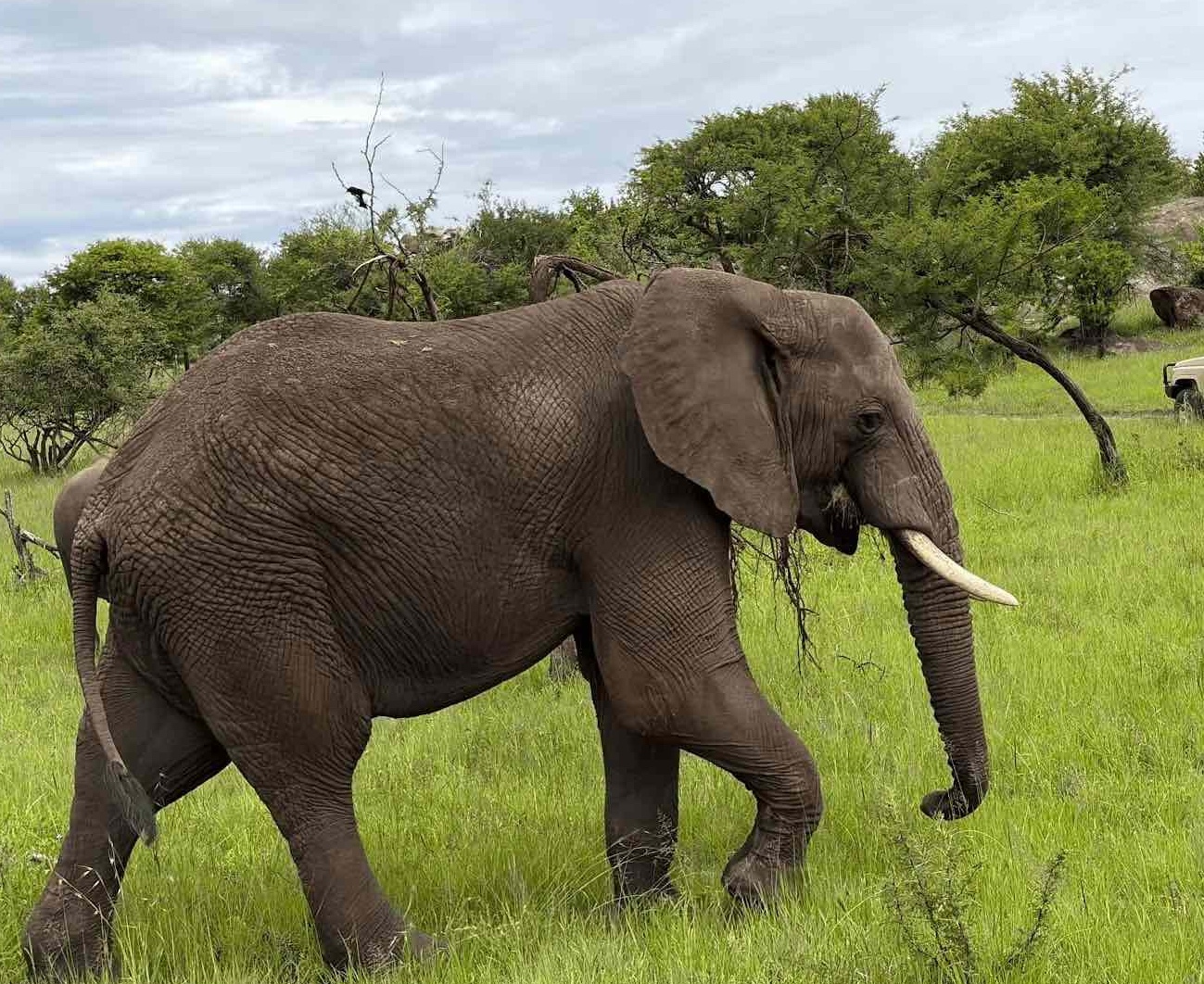
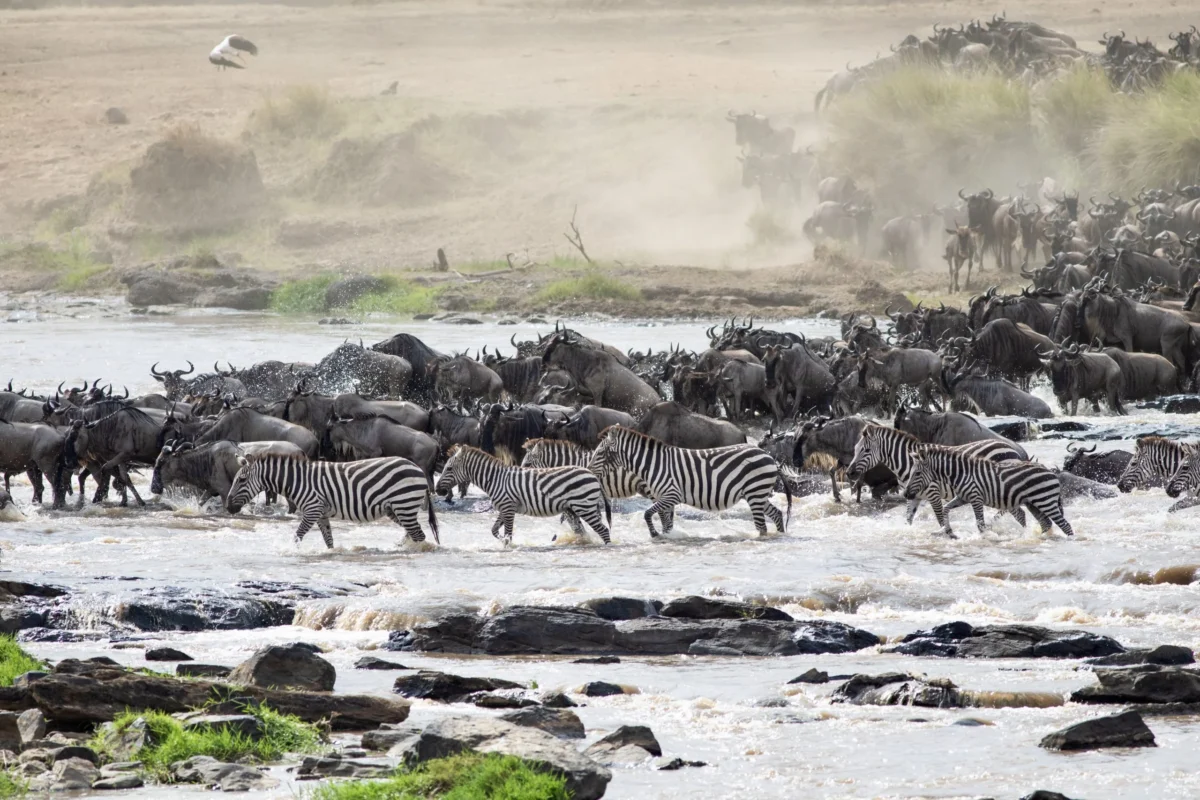
April can be an excellent time to combine a mountain expedition with a safari adventure.
After summiting Kilimanjaro, travelers can explore some of Tanzania’s most famous wildlife destinations, including:
- Serengeti National Park
- Ngorongoro Conservation Area
- Tarangire National Park
- Lake Manyara National Park
The landscapes throughout northern Tanzania remain lush, green, and incredibly photogenic, making April especially rewarding for photographers.
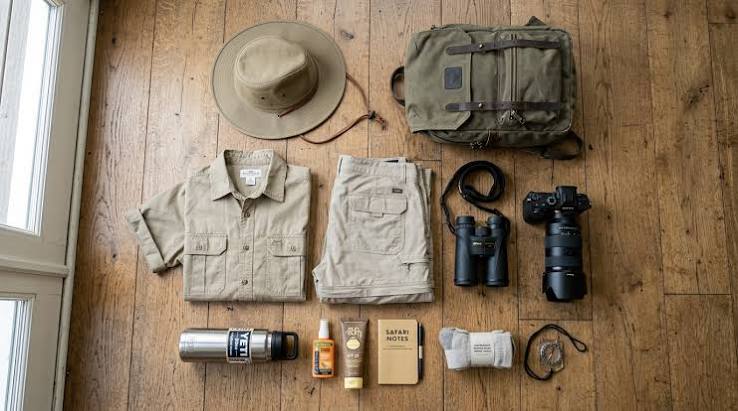
Essential Packing List for April Climbers
Because April conditions can be wet and variable, preparation is crucial.
Waterproof Equipment
- Waterproof jacket
- Waterproof trousers
- Backpack rain cover
- Dry bags
- Waterproof gaiters
Warm Clothing
- Thermal base layers
- Fleece jackets
- Down or insulated jacket
- Warm hat
- Neck gaiter
Trekking Equipment
- Waterproof hiking boots
- Trekking poles
- Multiple pairs of hiking socks
- Gloves
- Headlamp
Photography Protection
- Waterproof camera cover
- Dry storage bags
- Lens cloths
- Extra batteries
The right equipment can dramatically improve comfort, safety, and enjoyment throughout the climb.
Who Should Climb Kilimanjaro in April?
April is particularly well suited for:
Experienced Hikers
Those comfortable trekking in changing mountain weather.
Nature Enthusiasts
Travelers who appreciate ecosystems, biodiversity, and lush landscapes.
Photographers
Individuals seeking dramatic scenery, unique lighting, and atmospheric conditions.
Adventure Travelers
Those who prioritize authenticity and wilderness over convenience.
Repeat Kilimanjaro Climbers
Returning visitors often find April reveals an entirely different side of the mountain that many climbers never see.
Final Verdict: Is April a Good Time to Climb Kilimanjaro?
Yes—provided you are prepared for rain.
April may not offer the consistently clear skies of the dry season, but it rewards adventurous climbers with unparalleled natural beauty, vibrant ecosystems, fewer crowds, dramatic photography opportunities, and a profoundly immersive wilderness experience.
For travelers who value solitude, lush scenery, and a deeper connection with nature, April is not simply an alternative time to climb Kilimanjaro—it may be one of the mountain’s most extraordinary seasons of all.
Are you ready to start planning?
You can proceed with booking by filling out the form below. Let’s make your adventure unforgettable!