
Table of Contents
ToggleUltimate Guide to Tanzania’s Big Five Safari
Introduction: Why Tanzania Is the Ultimate Big Five Destination
Tanzania is one of Africa’s greatest safari destinations, and few wildlife experiences anywhere in the world compare with seeing the continent’s legendary Big Five in their natural environment. The term “Big Five” originally referred to the African lion, African leopard, African elephant, African buffalo, and rhinoceros—the five animals historically considered among the most challenging and dangerous to hunt on foot. Today, the phrase has a very different meaning: these magnificent animals are among the most sought-after wildlife sightings for modern safari travelers.
What makes Tanzania exceptional is not simply the number of species found here, but the extraordinary variety of landscapes in which they live. From the vast golden plains of the Serengeti and the wildlife-rich floor of the Ngorongoro Crater to the remote wilderness of Nyerere, Ruaha, and Tarangire, Tanzania offers a safari experience that can be tailored around different ecosystems, seasons, wildlife behaviors, budgets, and travel styles.
A Tanzanian Big Five safari can therefore be much more than a checklist. It can be a journey through ancient ecosystems where elephants move beneath enormous baobabs, lions rest beside safari tracks, buffalo gather in thousands, leopards disappear into acacia branches, and the rare black rhinoceros moves quietly through the misty landscapes of northern Tanzania.
The most important thing to understand is that seeing all five animals is never guaranteed. Wildlife is wild, and no ethical safari operator can promise exact sightings. However, Tanzania provides several outstanding environments where the probability of encountering these animals is exceptionally high, especially when the itinerary, season, guide, and conservation area are carefully chosen.
This guide explains everything you need to know—from where to go and when to travel, to how to maximize your chances of seeing each member of the Big Five, how long to stay, what safari style to choose, what to pack, how much a safari can cost, and how to experience Tanzania’s wildlife responsibly.
1. Understanding Tanzania’s Big Five
Before planning the safari, it helps to understand what makes each member of the Big Five special.
African Lion
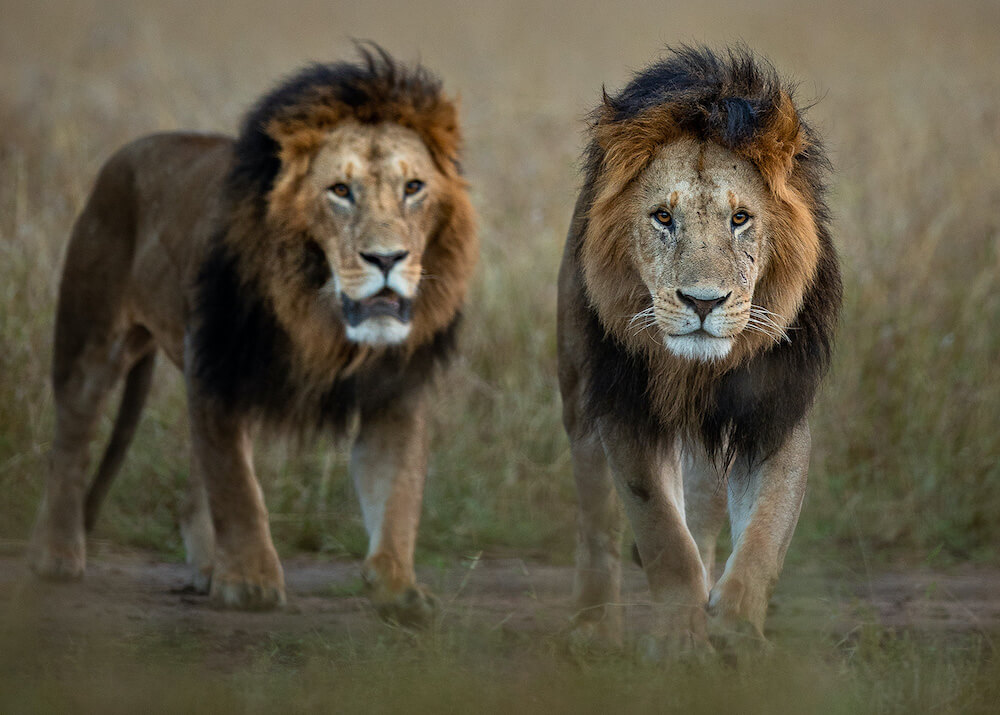
The African lion is arguably Tanzania’s most iconic predator. Tanzania supports one of Africa’s most important lion populations, particularly across the Serengeti ecosystem and other major protected areas.
Lions are highly social compared with most other large cats. They live in prides consisting of related females, their cubs, and one or more adult males. During the heat of the day, lions commonly rest beneath trees or in tall grass, becoming more active during the cooler hours of morning and late afternoon.
The Serengeti is particularly famous for its lions. The enormous prey base created by wildebeest, zebra, gazelle, and other herbivores allows lions to thrive. During the Great Migration, concentrations of prey can create spectacular predator activity.
What makes a lion sighting special?
Seeing a lion is not simply about spotting the animal. Watch its behavior. A lion may be grooming a cub, stalking prey, interacting with members of its pride, defending territory, or simply sleeping beneath an acacia tree.
For photographers, early morning and late afternoon often provide the most attractive light. A lion silhouetted against the Serengeti horizon can become one of the defining images of a Tanzanian safari.
2. African Leopard
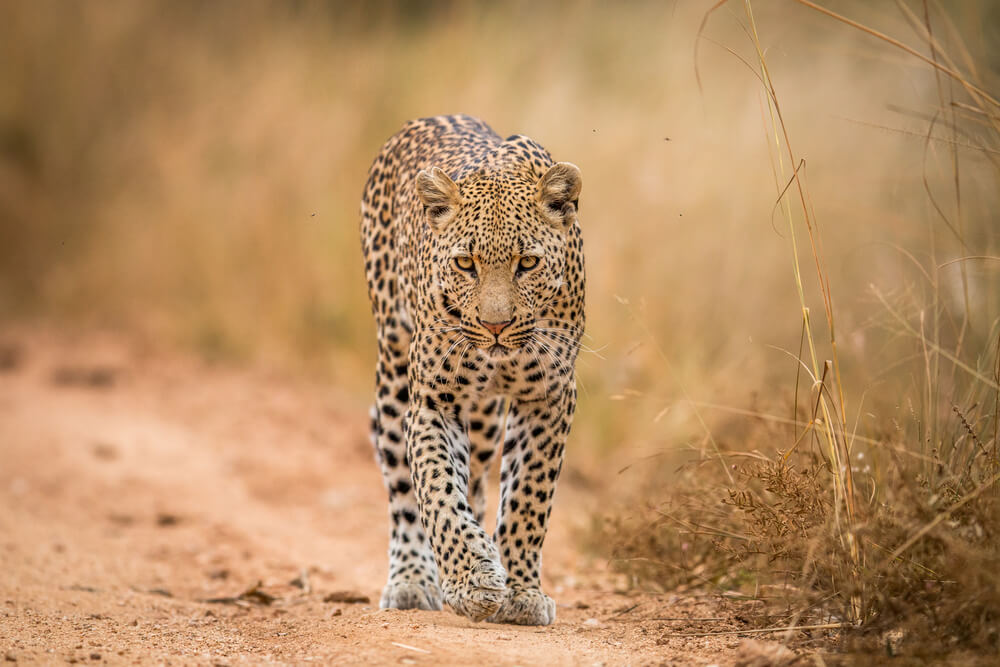
The leopard is often considered the most difficult of Tanzania’s Big Five to find.
Unlike lions, which frequently gather in visible prides, leopards are solitary, secretive, and masters of camouflage. Their spotted coats blend remarkably well with grass, rocks, bushes, and woodland.
Leopards are also famous for their habit of carrying prey into trees. A leopard resting on a branch with a carcass suspended above the ground is one of Africa’s classic safari scenes.
The Serengeti and surrounding ecosystems provide excellent leopard habitat, particularly along riverine areas and areas containing mature trees. Leopards can also be found in other Tanzanian parks, including Tarangire and Nyerere.
How to improve your chances of seeing a leopard
The key is to spend time with an experienced guide. Guides learn to recognize subtle clues: tracks, alarm calls from baboons or antelope, vultures circling overhead, unusual behavior among prey species, and known territorial areas.
Do not judge a safari solely by the number of animals you see. A patient search for a leopard can produce one of the most rewarding moments of the entire trip.
3. African Elephant
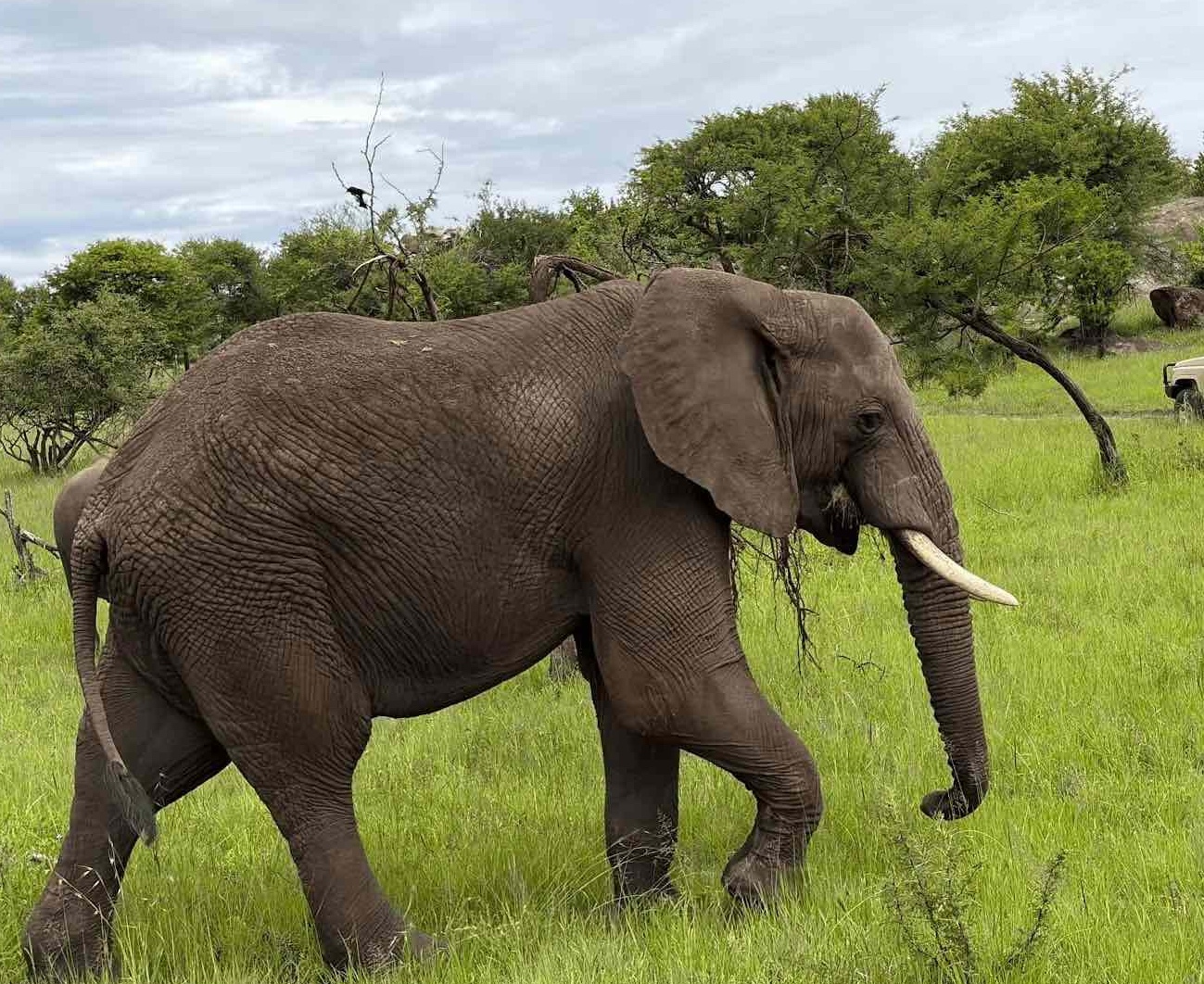
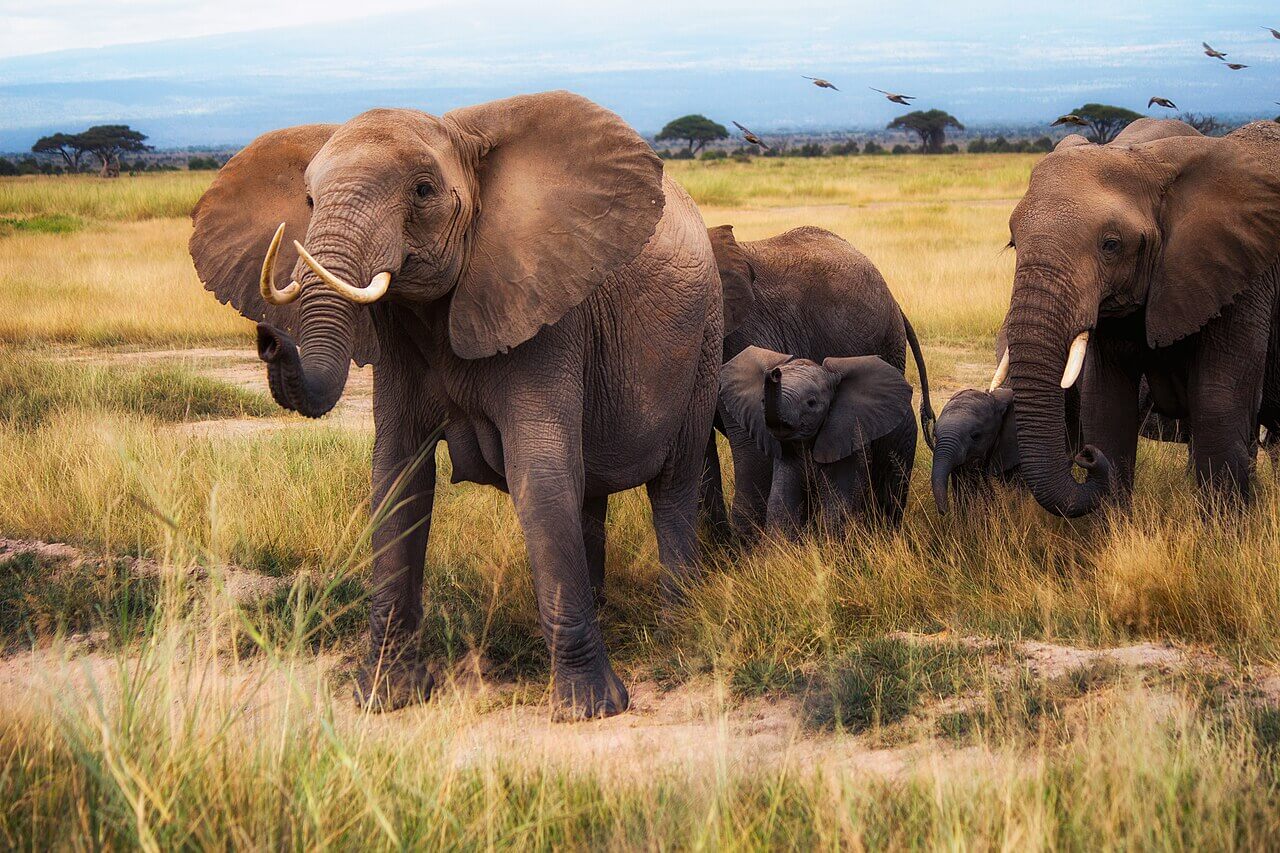
Elephants are among Tanzania’s most impressive wildlife encounters. Their size, intelligence, family bonds, and complex social behavior make them fascinating to watch even when they are doing something as simple as feeding.
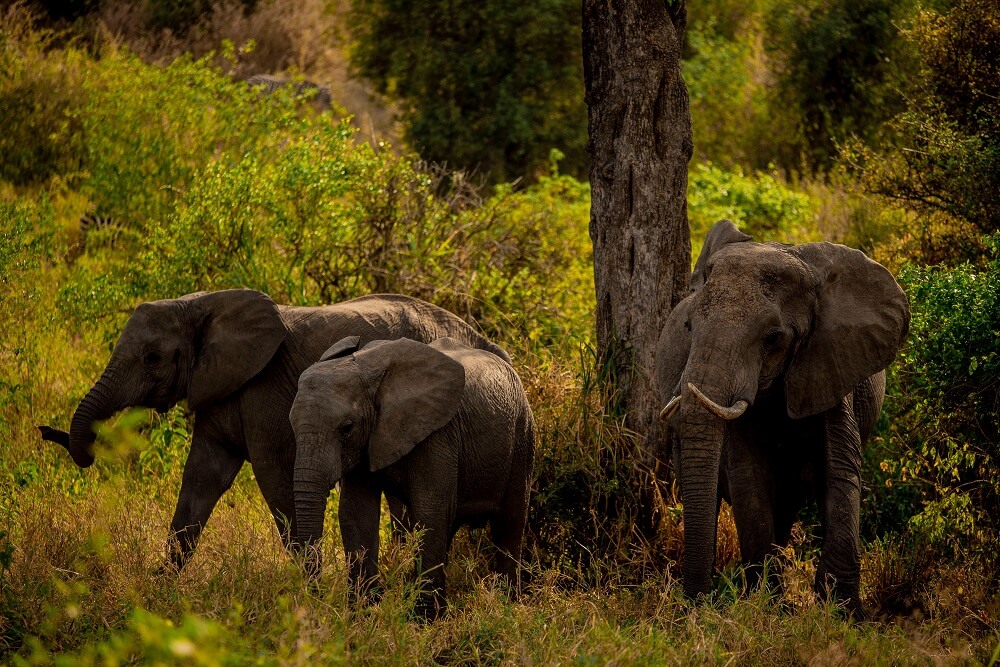
Tanzania contains several major elephant habitats. Tarangire National Park is particularly renowned for elephants, especially during the dry season when wildlife concentrates around remaining water sources.
The Serengeti also supports elephants, while southern Tanzania provides exceptional opportunities for visitors seeking a more remote experience.
What to observe
Look beyond size. Watch how elephants communicate through body language, touch, vocalizations, and movement.
A family group may contain several generations. Calves frequently remain close to adults, while older females often play critical roles in guiding the group.
A particularly memorable encounter is watching an elephant herd approach a water source, drink, bathe, spray water over itself, and disappear slowly into the woodland.
4. African Buffalo
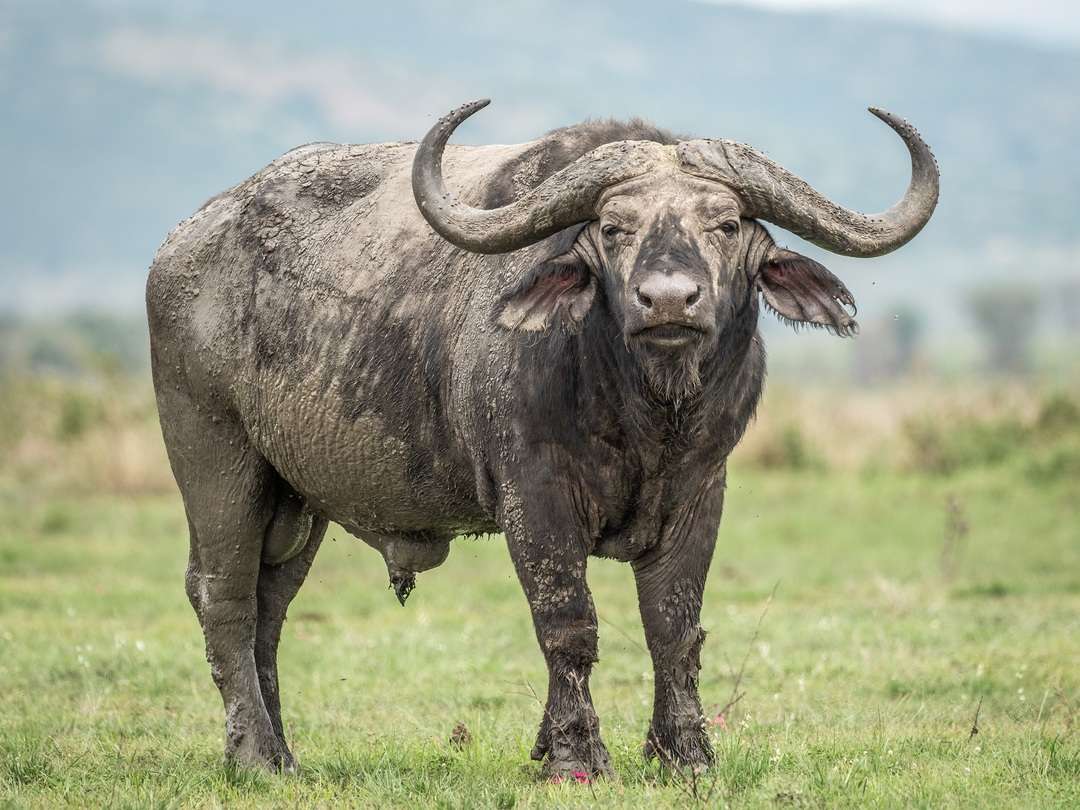
The African buffalo is sometimes overshadowed by lions and elephants, but it is one of the most fascinating members of the Big Five.
Buffalo are powerful, social, and unpredictable animals. Large herds can contain hundreds or even thousands of individuals, creating an extraordinary spectacle across open plains.
They are highly adaptable and can inhabit grasslands, woodlands, wetlands, and riverine environments.
Buffalo are also important prey for lions. Seeing a pride attempt to bring down a large buffalo can be dramatic, although such encounters should always be observed from a safe distance.
Why buffalo deserve more attention
A buffalo herd is a study in social behavior. Individuals communicate constantly, calves remain protected within the herd, and mature males can be particularly imposing.
During the dry season, buffalo frequently gather near water and productive grazing areas, making certain sightings easier to predict.
5. Black Rhinoceros
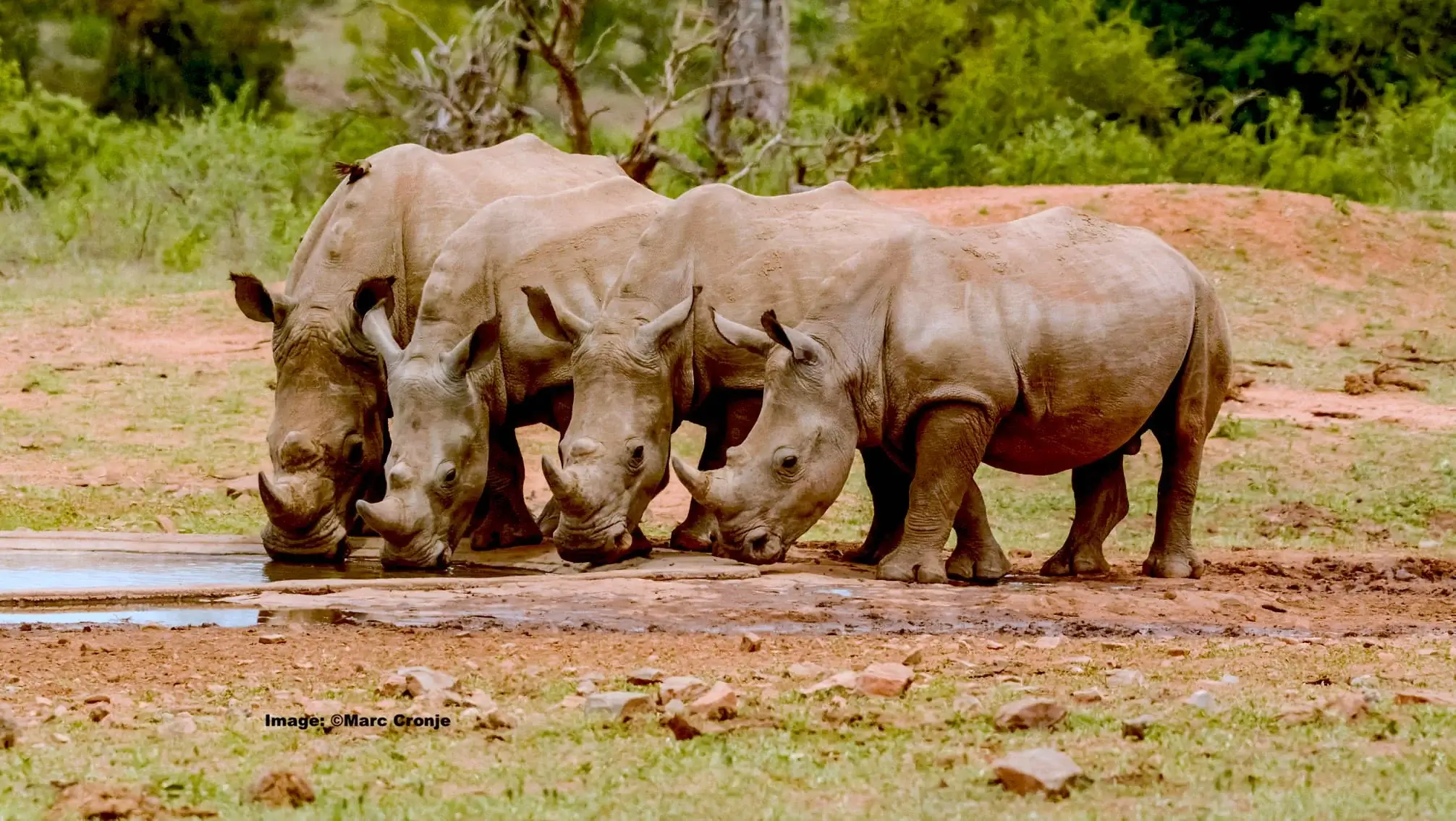
The rhinoceros is usually the most difficult and precious Big Five sighting in Tanzania.
Tanzania’s northern safari circuit is especially important for black rhinoceros conservation, with the Ngorongoro Crater being one of the country’s best-known locations for attempting to see these remarkable animals.
Black rhinos are generally solitary and can be difficult to spot because of their low numbers and tendency to move through dense vegetation.
A rhino sighting should therefore be treated as a privilege rather than a guaranteed component of an itinerary.
Why rhino conservation matters
Black rhinoceros populations have suffered enormously from historical poaching. Conservation efforts across Africa have helped stabilize and recover some populations, but the species remains threatened.
Seeing a rhino in Tanzania is therefore about more than completing a Big Five checklist. It is an opportunity to witness a species whose survival depends on continued protection, habitat conservation, responsible tourism, and effective anti-poaching programs.
6. The Best Places in Tanzania for a Big Five Safari
Tanzania does not have one single “best” Big Five destination. Different parks provide different strengths.
The most important destinations include:
- Serengeti National Park
- Ngorongoro Conservation Area and Ngorongoro Crater
- Tarangire National Park
- Lake Manyara National Park
- Nyerere National Park
- Ruaha National Park
- The wider northern safari ecosystem
Each destination offers a different experience.
7. Serengeti National Park: The Wildlife Capital
The Serengeti is the centerpiece of many Tanzanian safari itineraries and one of the world’s most famous wildlife ecosystems.
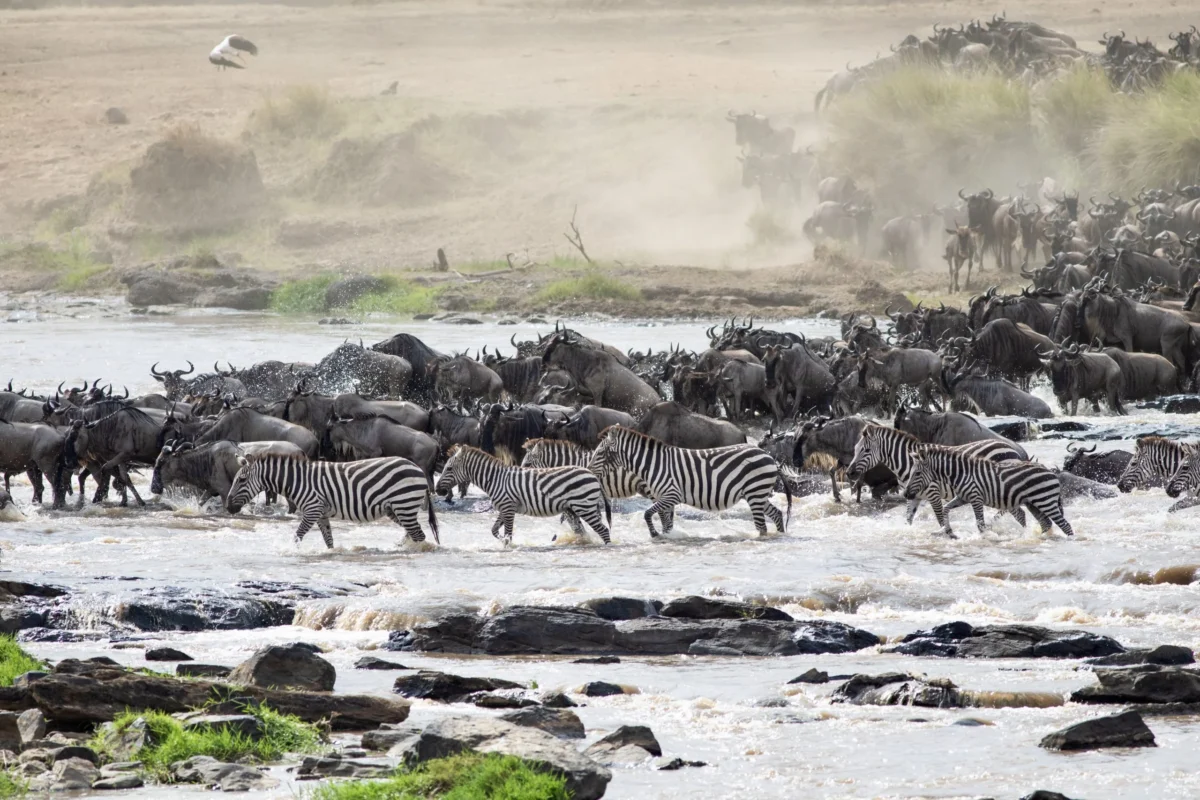
Its enormous grasslands support extraordinary numbers of herbivores and predators. The ecosystem is particularly famous for the annual movement of wildebeest, zebra, and gazelle known as the Great Migration.
For Big Five enthusiasts, however, the Serengeti offers much more than migration.
Big Five strengths
Lion: Excellent Leopard: Excellent Elephant: Excellent Buffalo: Excellent Rhino: Possible, but less predictable than lion, leopard, elephant, or buffalo
The Serengeti’s size means location matters. Central Serengeti, western areas, northern Serengeti, and southern plains can provide very different experiences depending on season.
Why stay several nights?
The Serengeti rewards time. One morning may produce lions and elephants; another may reveal a leopard; another may bring an extraordinary predator-prey interaction.
Rushing through the park for one night dramatically reduces the opportunity to experience its depth.
For a serious Big Five itinerary, three to five nights in the Serengeti is a strong starting point, with longer stays recommended for travelers who prioritize wildlife photography and behavioral encounters.
8. Ngorongoro Crater: Tanzania’s Big Five Concentration Zone
The Ngorongoro Crater is one of Tanzania’s most extraordinary wildlife landscapes.
This enormous volcanic caldera contains a remarkably dense concentration of wildlife. Its enclosed geography means that many species live within a relatively compact area, making it particularly attractive for travelers with limited time.
The crater is especially valuable for travelers hoping to see the Big Five, including the elusive black rhinoceros.
Big Five strengths
Lion: Excellent Leopard: Possible Elephant: Excellent Buffalo: Excellent Rhino: One of Tanzania’s strongest opportunities
The crater can be busy because of its popularity, but the quality of wildlife can be exceptional.
The best strategy
Treat the crater as a major component of your safari rather than assuming it can replace several days in the Serengeti.
A common approach is to combine:
Tarangire → Ngorongoro → Serengeti
This creates a powerful progression through different habitats.
9. Tarangire National Park: Elephant Country
Tarangire is sometimes underestimated because it receives less international attention than Serengeti and Ngorongoro.
That is a mistake.
Tarangire can be one of the most rewarding parks in northern Tanzania, particularly during the dry season.
The park is famous for huge elephant populations, ancient baobab trees, seasonal wetlands, and wildlife gathering around the Tarangire River.
Big Five strengths
Elephant: Outstanding Lion: Good Buffalo: Good Leopard: Possible Rhino: Not a primary destination
Tarangire is also excellent for travelers who appreciate landscapes and smaller wildlife rather than simply chasing the Big Five.
10. Nyerere National Park: Big Five Meets Wilderness
Nyerere National Park, formerly known as Selous Game Reserve in many historical references, offers a very different safari atmosphere from northern Tanzania.
The southern circuit generally feels more remote and less concentrated with tourists.
One of its greatest advantages is the diversity of safari activities. Depending on regulations, location, and operator arrangements, travelers can experience traditional game drives alongside water-based wildlife viewing.
Big Five strengths
Elephant: Excellent Lion: Good to excellent Buffalo: Excellent Leopard: Possible Rhino: Not the primary reason to visit
Nyerere is ideal for travelers who want wildlife combined with a feeling of wilderness and a slower pace.
11. Ruaha National Park: The Wild Southern Giant
Ruaha is one of Tanzania’s most compelling destinations for travelers who want fewer vehicles, dramatic landscapes, and serious wildlife viewing.
The park is famous for elephants, lions, wild landscapes, baobabs, and large buffalo herds.
It is particularly suited to experienced safari travelers who value wilderness atmosphere over ticking every conventional tourist box.
Ruaha can also be combined with Nyerere to create a southern Tanzania safari that feels substantially different from the classic northern circuit.
12. Northern Circuit vs Southern Circuit
The northern circuit is usually the better choice for a first-time traveler whose primary objective is maximizing Big Five opportunities.
Northern circuit advantages
- Excellent infrastructure
- Serengeti
- Ngorongoro
- Tarangire
- Strong predator viewing
- Excellent Big Five potential
- Easy to combine multiple ecosystems
- Strong choice for first-time safari travelers
Southern circuit advantages
- Greater sense of remoteness
- Fewer tourists in many areas
- Excellent elephants and buffalo
- Strong predator populations in suitable areas
- More wilderness-oriented atmosphere
- Excellent for repeat safari travelers
- Opportunities for different safari activities
Which is better?
If your number-one goal is “I want the highest-quality classic Big Five safari possible,” start with northern Tanzania.
If your goal is “I want wildlife, wilderness, fewer people, and a more adventurous atmosphere,” consider southern Tanzania.
For a long trip, combining both can create an exceptional Tanzania experience.
13. Best Time to See the Big Five in Tanzania
Tanzania offers wildlife year-round, but seasonal conditions affect animal behavior, landscapes, road conditions, visitor numbers, and photographic opportunities.
Dry Season
The dry season is generally one of the most popular periods for safari.
As water becomes scarcer, wildlife often concentrates around remaining water sources. Vegetation becomes less dense, which can improve visibility.
This can make animal spotting easier.
Advantages
- Excellent wildlife visibility
- Concentration around water
- Lower vegetation
- Strong predator viewing
- Excellent photography conditions
- Generally favorable road conditions
Disadvantages
- Higher demand
- Higher prices in many lodges and camps
- Popular areas can become busy
14. Wet Season
The rainy periods transform Tanzania.
The landscapes become greener, migratory animals move through different areas, newborn animals may appear, and birdlife becomes particularly impressive.
Rain should not automatically be interpreted as “bad safari weather.”
Short rain showers can dramatically improve the atmosphere of a landscape.
Advantages
- Green scenery
- Excellent photography
- Fewer tourists in some areas
- Potentially lower rates
- Excellent birding
- Predator-prey opportunities
- Newborn animals in certain periods
Disadvantages
- Some roads can become challenging
- Wildlife can be more dispersed
- Rain may interrupt activities
- Some seasonal camps close
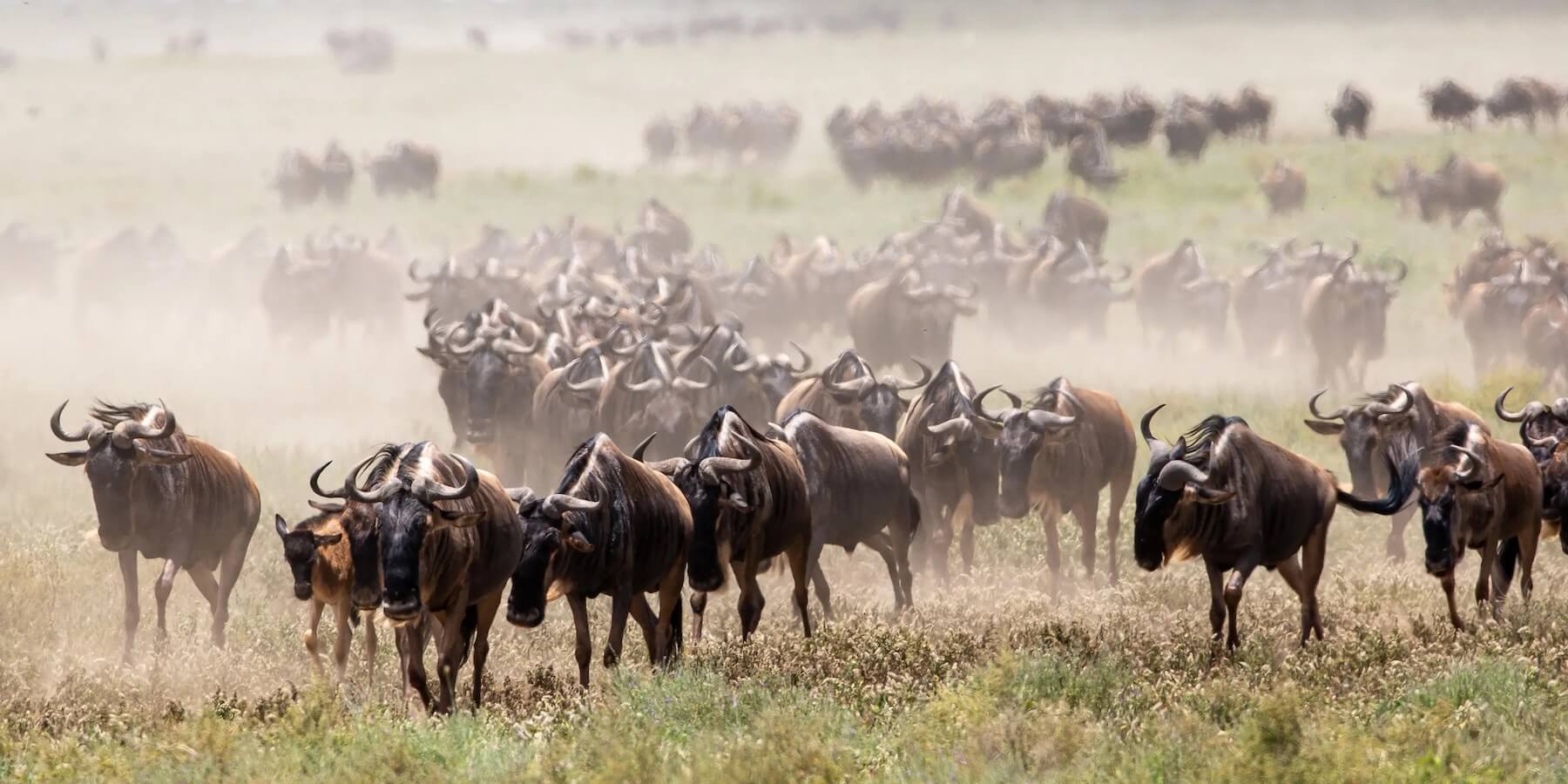
15. The Great Migration and the Big Five
The Great Migration is one of the world’s most spectacular wildlife events, involving enormous movements of wildebeest and other herbivores through the Serengeti ecosystem and into Kenya’s Maasai Mara.
Although many travelers associate the migration with wildebeest river crossings, its importance for Big Five viewing goes much further.
Large concentrations of herbivores create feeding opportunities for predators.
Lions, leopards, cheetahs, hyenas, and other predators respond to the abundance of prey.
Important distinction
The migration does not happen in exactly the same place on exactly the same date every year.
Weather patterns influence the timing and movement.
Therefore, a safari marketed around a guaranteed migration event should be treated cautiously.
A better strategy is to understand the seasonal pattern and select the region accordingly.
16. How Many Days Do You Need?
For a serious Big Five safari, duration matters.
3–4 days
Possible for a short introduction, but limited.
5–7 days
A strong first safari.
This gives enough time to combine multiple ecosystems without spending the entire trip driving.
8–10 days
Excellent for serious wildlife enthusiasts.
You can spend more time in the Serengeti and include additional parks.
10–14 days
Ideal for travelers who want a deep safari experience.
You can combine northern and southern destinations or build an itinerary around wildlife photography and slower exploration.
The golden rule
Spend more nights in fewer places rather than constantly changing camps.
A safari is not a race.
Longer stays increase the chance of seeing rare animals and allow you to appreciate behavior rather than simply collecting sightings.
17. The Ultimate Big Five Safari Itinerary
Option A: Classic 7-Day Northern Tanzania Safari
Day 1: Arusha → Tarangire
Begin with Tarangire’s elephants, baobabs, giraffes, zebra, antelope, lions, and abundant birdlife.
Day 2: Tarangire
Spend a full day exploring deeper sections of the park.
Day 3: Tarangire → Ngorongoro
Travel toward the Ngorongoro highlands and enjoy the changing scenery.
Day 4: Ngorongoro Crater
Descend into the crater for a full wildlife-focused day.
This is one of your strongest opportunities for rhino.
Day 5: Ngorongoro → Serengeti
Enter the Serengeti and begin exploring.
Day 6: Serengeti
Full-day wildlife viewing.
Focus on predator territories and areas with strong prey concentrations.
Day 7: Serengeti
Enjoy another game-drive day before departing or continuing your journey.
18. Ultimate 10-Day Big Five Itinerary
For travelers who want more depth:
Days 1–2: Tarangire Days 3–4: Ngorongoro Days 5–8: Serengeti Days 9–10: Serengeti or northern Serengeti, depending on season
This itinerary is substantially stronger for wildlife enthusiasts because it provides multiple opportunities to locate difficult species such as leopard.
19. Ultimate 14-Day Wilderness Itinerary
For an ambitious safari:
Days 1–2: Tarangire Days 3–4: Ngorongoro Days 5–8: Serengeti Days 9–10: Northern Serengeti or another strategic Serengeti region Days 11–14: Southern Tanzania, such as Nyerere or Ruaha, depending on logistics and season
This creates a safari that combines the classic northern wildlife experience with southern wilderness.
20. How to Maximize Your Chances of Seeing All Five
A Big Five safari is partly about luck—but you can improve the odds dramatically.
- Choose the right parks
Do not build an itinerary based solely on famous names.
Choose destinations according to the species you prioritize.
- Stay longer
More game-drive hours mean more opportunities.
- Hire an excellent guide
A knowledgeable guide can make an enormous difference.
- Start early
Many animals are most active during cooler morning hours.
- Avoid rushing
A leopard may be visible for only a few seconds before disappearing.
- Listen to your guide
Guides understand animal behavior and the landscape.
- Stay patient
A quiet hour can suddenly turn into an extraordinary wildlife encounter.
- Use multiple ecosystems
Do not depend entirely on one park.
- Consider the season
Seasonal animal distribution can dramatically influence sightings.
- Prioritize experience over checklists
The most memorable safari moments are often unexpected.
21. The Importance of Your Safari Guide
Your guide can be the difference between a good safari and an extraordinary one.
A great guide understands:
- Animal behavior
- Tracks and signs
- Bird calls
- Predator movements
- Seasonal water sources
- Park geography
- Conservation
- Photography positioning
- Safety
- Local ecology
- Cultural history
A skilled guide does not simply identify animals.
They tell you why the animal is there, what it is doing, what may happen next, and how it fits into the ecosystem.
When choosing a safari company, ask whether guides are professionally trained, experienced in the areas you will visit, and familiar with wildlife photography if that is important to you.
22. Photography on a Big Five Safari
Tanzania is a dream destination for wildlife photographers.
The key is not simply owning an expensive camera.
Understanding animal behavior is often more important.
Recommended equipment
- Camera body
- Telephoto lens
- Wide-angle lens
- Extra batteries
- Multiple memory cards
- Lens cloth
- Dust protection
- Beanbag or suitable vehicle support
- Portable storage or backup system
Photography principles
Shoot during good light whenever possible.
Use fast shutter speeds for moving animals.
Focus carefully on the eyes.
Leave space in front of moving animals.
Do not photograph every encounter through the camera.
Sometimes put the camera down and simply watch.
23. What to Pack for a Tanzania Big Five Safari
A practical safari packing strategy should prioritize comfort, versatility, and protection from sun and dust.
Clothing
- Lightweight shirts
- Lightweight trousers
- Warm layer for early mornings
- Fleece or jacket
- Comfortable walking shoes
- Hat
- Sunglasses
- Light rain jacket
- Neutral-colored clothing
Travel essentials
- Passport
- Travel documents
- Travel insurance information
- Phone
- Chargers
- Power adapters
- Reusable water bottle
- Personal medications
- Sunscreen
- Insect repellent
- Binoculars
Photography
- Camera
- Telephoto lens
- Spare batteries
- Memory cards
- Cleaning equipment
- Camera protection
What not to overpack
You generally do not need an enormous wardrobe.
Safari travel is casual, practical, and focused on comfort.
24. Safari Safety
Tanzania’s safari industry is well established, but wildlife should always be treated with respect.
Never leave a safari vehicle unless your guide tells you it is safe.
Never approach wild animals on foot without professional supervision.
Do not feed wildlife.
Do not make loud noises around animals.
Do not attempt to attract animals for photographs.
Do not pressure your guide to drive dangerously close to wildlife.
The best safari encounters happen when animals behave naturally.
25. Responsible and Ethical Safari Tourism
A truly great safari should benefit wildlife, communities, and conservation.
Responsible travelers should consider:
- Conservation credentials of operators
- Community partnerships
- Waste management
- Water use
- Energy use
- Wildlife interaction policies
- Ethical photography practices
- Local employment
- Local ownership
- Contributions to conservation programs
Avoid operators that encourage harassment of wildlife simply to obtain photographs.
A safari should leave the ecosystem stronger—not merely provide tourists with memories.
26. Cultural Experiences Beyond Wildlife
Tanzania is much more than its animals.
A safari can also introduce travelers to extraordinary cultures and landscapes.
The Maasai communities of northern Tanzania are particularly well known internationally, although Tanzania contains many diverse ethnic communities and cultural traditions.
Where cultural visits are included, choose experiences that are respectful and community-led.
Do not treat people as tourist attractions.
Learn, listen, and engage respectfully.
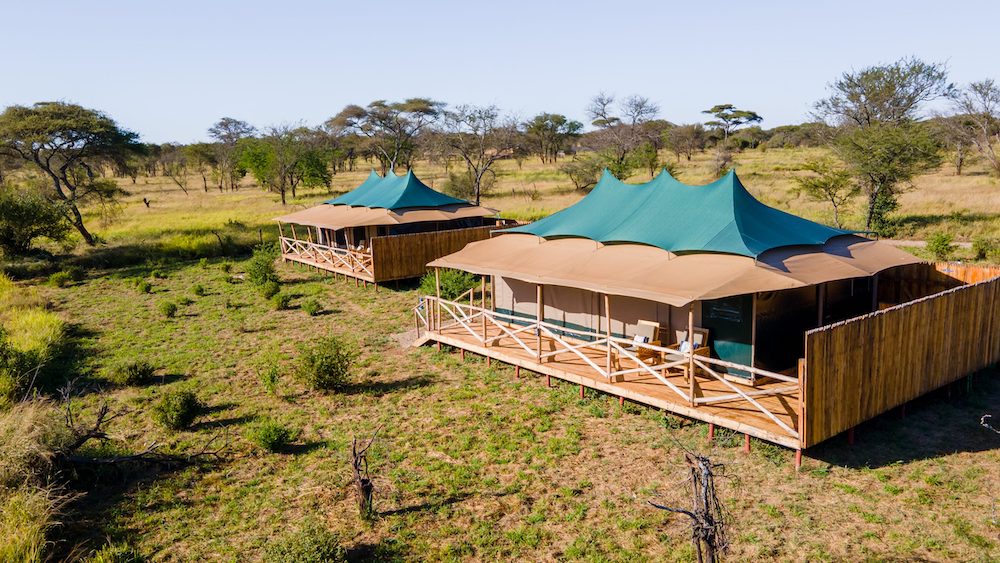
27. Safari Lodges vs Tented Camps
Your accommodation can dramatically influence the safari experience.
Luxury lodges
Best for:
- Maximum comfort
- Couples
- Honeymoons
- Travelers who prefer permanent facilities
Luxury tented camps
Best for:
- Immersive safari atmosphere
- Wildlife enthusiasts
- Romantic experiences
- Travelers who enjoy being close to nature
Mid-range camps
Best for:
- Value
- Comfortable accommodation
- Travelers who want to allocate more budget to game drives
Budget camping
Best for:
- Adventure travelers
- Travelers with flexible expectations
- Maximum time in the wilderness for a lower overall cost
The most expensive accommodation does not automatically produce the best safari.
Location, guide quality, itinerary, and time in the park matter enormously.
28. Private Safari vs Group Safari
Private safari
Advantages:
- Flexible schedule
- Flexible game-drive duration
- Personalized interests
- Better for photographers
- More control over stops
Disadvantages:
- More expensive
Shared safari
Advantages:
- Lower cost
- Social experience
- Good for solo travelers and budget-conscious visitors
Disadvantages:
- Less flexibility
- Different travelers may have different interests
- Less control over timing
For serious Big Five enthusiasts, a private safari is often worth considering.
29. Safari Costs
Tanzania safari prices vary enormously.
The biggest factors include:
- Season
- Number of days
- Park fees
- Accommodation level
- Private vs shared vehicle
- Number of travelers
- Internal flights
- Guide quality
- Camps and lodges
- Transfers
- Additional activities
Rather than choosing purely by price, compare what is included.
A cheaper safari can become expensive if park fees, transfers, meals, or internal flights are excluded.
Conversely, an apparently expensive safari may represent excellent value if it includes high-quality accommodation, experienced guides, private vehicles, transfers, and comprehensive park access.
30. Common Big Five Safari Mistakes
Mistake 1: Trying to see everything
Too many destinations create long travel days and reduce wildlife time.
Mistake 2: Staying only one night per park
This creates a rushed experience.
Mistake 3: Choosing accommodation before the itinerary
The location of the camp can be more important than the room.
Mistake 4: Focusing only on the Big Five
Tanzania’s wildlife includes hundreds of other fascinating species.
Mistake 5: Expecting guaranteed sightings
Wild animals do not follow schedules.
Mistake 6: Ignoring seasonality
Different seasons create different experiences.
Mistake 7: Choosing solely on price
The quality of the guide and vehicle matters enormously.
Mistake 8: Spending the entire safari behind a camera
Experience the moment.
31. Beyond the Big Five: Tanzania’s Other Wildlife
One of the biggest mistakes is thinking that the Big Five represent everything Tanzania has to offer.
You may also encounter:
- Cheetahs
- Giraffes
- Zebras
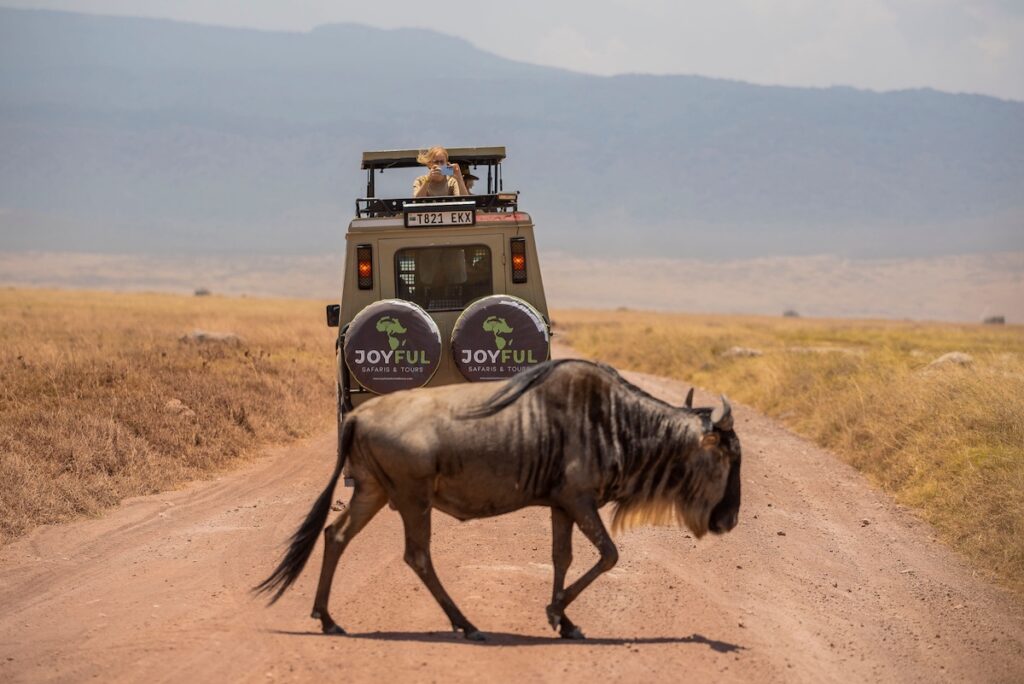
- Wildebeest
- Thomson’s gazelles
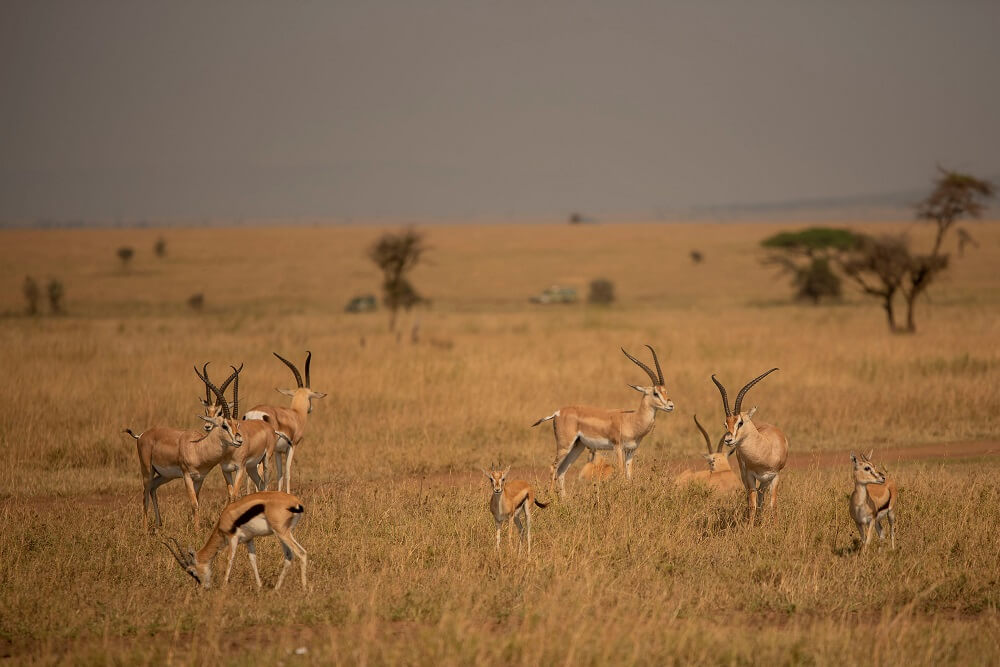
- Grant’s gazelles
- Hippos
- Crocodiles
- Hyenas
- Wild dogs in suitable areas
- Warthogs
- Baboons
- Monkeys
- Ostriches
- Secretary birds
- Flamingos
- Eagles
- Vultures
- Hundreds of other bird species
For many experienced safari travelers, these “secondary” species eventually become just as fascinating as the Big Five.
32. The Big Five as an Ecosystem Story
The most meaningful way to experience Tanzania’s Big Five is to stop seeing them as five isolated animals.
They form part of a complex ecological system.
Elephants influence vegetation.
Buffalo transform grasslands through grazing.
Lions regulate prey populations.
Leopards occupy a different predator niche.
Rhinoceroses interact with vegetation and other herbivores.
Scavengers recycle nutrients.
Birds respond to animal activity.
Insects pollinate plants and break down organic material.
Rainfall determines vegetation.
Vegetation determines herbivore distribution.
Herbivores influence predator distribution.
Everything is connected.
A great guide helps you understand this invisible network.
33. How to Choose a Safari Operator
Before booking, ask:
Is the operator licensed and established?
Look for a legitimate company with a transparent business presence.
Who will be your guide?
Ask about experience and training.
Is the vehicle appropriate?
Safari vehicles should be reliable and suitable for the terrain.
Is the itinerary realistic?
Beware of itineraries that promise too much in too little time.
What is included?
Confirm:
- Park fees
- Accommodation
- Meals
- Guide
- Vehicle
- Fuel
- Transfers
- Internal flights
- Airport transfers
- Taxes
- Additional activities
What happens if plans change?
Ask about weather, road conditions, flight delays, and other contingencies.
34. The Ideal Big Five Safari Mindset
The best safari travelers are curious rather than demanding.
Instead of asking:
“Have we seen all five?”
ask:
“What is happening in this ecosystem?”
Instead of:
“Why aren’t we seeing a leopard?”
ask:
“What signs should we look for?”
Instead of:
“Can we get closer?”
ask:
“How can we observe this animal without disturbing it?”
This mindset transforms the safari from a wildlife checklist into an educational adventure.
35. Final Big Five Safari Checklist
Before departure, make sure you have considered:
- Choose the right safari region
- Select the appropriate season
- Allow enough days
- Include Serengeti if possible
- Consider Ngorongoro for rhino opportunities
- Consider Tarangire for elephants
- Choose a reputable safari operator
- Confirm guide quality
- Decide between private and shared safari
- Confirm accommodation standards
- Review everything included in the price
- Arrange appropriate travel insurance
- Prepare suitable clothing
- Bring binoculars
- Prepare camera equipment
- Protect electronics from dust
- Respect wildlife rules
- Respect local communities
- Avoid guaranteed-sighting promises
- Leave room for unexpected experiences
36. Final Verdict: Why Tanzania Belongs at the Top of Your Safari List
Tanzania is not simply a destination where you can see the Big Five.
It is a place where you can understand why the Big Five matter.
You can watch lions resting after a hunt on the Serengeti plains, follow the tracks of a leopard beneath an acacia, sit quietly beside an elephant family in Tarangire, observe massive buffalo herds moving across open country, and experience the rare privilege of seeing a black rhinoceros in its protected habitat.
The combination of enormous landscapes, abundant wildlife, world-class protected areas, diverse ecosystems, exceptional guiding, and unforgettable seasonal changes makes Tanzania one of Africa’s premier safari destinations.
For first-time visitors, the classic northern circuit—Tarangire, Ngorongoro, and Serengeti—is one of the strongest ways to experience Tanzania’s Big Five.
For experienced safari travelers, the southern parks such as Nyerere and Ruaha offer a deeper wilderness experience.
But the ultimate lesson is simple:
Do not travel to Tanzania merely to collect five animal sightings. Travel to witness one of the world’s great living ecosystems.
The Big Five are the headline.
The Serengeti sunrise, the sound of distant lions, an elephant herd crossing the road, a leopard appearing from golden grass, thousands of wildebeest moving across the horizon, a rhino disappearing into the morning mist, and the silence of the African wilderness—that is the story.
And that is what makes a Tanzanian safari unforgettable.
Are you ready to start planning?
You can proceed with booking by filling out the form below. Let’s make your adventure unforgettable!