
Table of Contents
ToggleKilimanjaro Lemosho Route Climb
The Ultimate Scenic Expedition
The Kilimanjaro Lemosho Route is widely regarded as one of the most breathtaking, balanced, and rewarding ways to reach the summit of Africa’s highest peak, Mount Kilimanjaro. With Joyful Safaris and Tours, this route becomes more than just a trek—it transforms into a carefully guided mountain expedition through some of the most diverse ecological zones on Earth, blending rainforest beauty, volcanic landscapes, alpine deserts, and icy summit conditions into a single unforgettable journey.
Stretching approximately 70 to 71 kilometers (around 43 miles), the Lemosho Route begins on the remote western side of Mount Kilimanjaro at Lemosho Gate. This starting point is significantly less crowded than other routes, offering trekkers a peaceful and immersive introduction to the mountain. From the very first steps, climbers are surrounded by untouched wilderness, thick rainforest canopies, and the sounds of exotic wildlife, creating a sense of deep connection with nature that defines the entire expedition.
Unlike shorter and more direct routes, the Lemosho Route is designed for gradual ascent and superior acclimatization. This is one of the main reasons it has gained global recognition among climbers and trekking experts. Joyful Safaris and Tours emphasizes this route for its high summit success rate, scenic diversity, and reduced congestion compared to routes like Machame or Marangu. The journey is intentionally paced to allow the body to adapt to increasing altitude, significantly improving comfort and safety while increasing the chances of reaching Uhuru Peak successfully.
One of the defining characteristics of the Lemosho Route is its exceptional acclimatization profile. The itinerary is typically structured over seven or eight days, with the eight-day variation being the most recommended option. This extended version allows climbers to ascend slowly, rest adequately, and adapt naturally to the thinning air. Joyful Safaris and Tours strongly encourages the eight-day itinerary because it consistently delivers higher summit success rates and a more enjoyable trekking experience, especially for first-time climbers on high-altitude mountains.
While the six-day option technically exists, it is generally considered suitable only for highly experienced mountaineers with prior altitude exposure. The rapid ascent can significantly increase the risk of altitude-related challenges. For most trekkers, especially those seeking a safe, scenic, and well-supported journey, the longer itinerary provides the ideal balance between challenge and achievement.
As climbers move beyond the rainforest zone, the landscape begins to change dramatically. The dense greenery gradually gives way to moorlands filled with giant heathers, unique alpine flora, and sweeping views across the plains of Tanzania. This transition is one of the most visually striking aspects of the Lemosho Route and is often highlighted as a favorite section by trekkers guided by Joyful Safaris and Tours. The sense of elevation becomes more pronounced, and each step reveals a new perspective of the mountain’s vast ecosystem.
Further along the route, trekkers enter the Shira Plateau, one of the highest plateaus in the world. This wide-open expanse offers panoramic views of Mount Kilimanjaro’s glaciers and distant horizons, creating an almost surreal trekking environment. The plateau is a key highlight of the Lemosho Route because it introduces climbers to high-altitude terrain while still maintaining a relatively gentle walking pace, reinforcing the route’s reputation for excellent acclimatization.
From here, the trail gradually merges with the Machame Route, forming a shared path toward the upper mountain camps. Despite this convergence, the Lemosho Route maintains its advantage in terms of crowd levels, as it starts in a more isolated region and spreads climbers across different camps in the early days of the trek.
Throughout the journey, Joyful Safaris and Tours ensures that climbers experience not just the physical challenge of Kilimanjaro but also its cultural and ecological richness. The mountain is not simply a climbing destination; it is a living ecosystem shaped by volcanic history, indigenous cultures, and evolving climate zones. Every step taken on the Lemosho Route reveals another layer of this natural masterpiece.
The final stages of the climb lead trekkers into alpine desert conditions where temperatures drop, oxygen levels decrease, and the terrain becomes more rugged and demanding. Despite the difficulty, the sense of anticipation grows stronger with every step toward the summit. The final ascent to Uhuru Peak is typically undertaken at night, allowing climbers to reach the summit at sunrise, where the first light of day illuminates the glaciers and endless African plains below. This moment is often described as life-changing, representing both personal achievement and the raw beauty of nature.
Joyful Safaris and Tours prioritizes safety, professional guiding, and carefully structured pacing throughout the Lemosho Route climb. Experienced mountain guides monitor climbers for altitude adaptation, provide daily briefings, and ensure that every trekker has the support needed to reach the summit safely. Porters, cooks, and support teams work behind the scenes to maintain comfort and energy levels throughout the expedition, making the journey both achievable and enjoyable.
The Lemosho Route is not only known for its beauty but also for its strategic design. By approaching Kilimanjaro from the west, climbers experience a more gradual elevation gain compared to other routes. This natural advantage significantly increases the likelihood of summit success and reduces the physical strain often associated with high-altitude trekking.
Another major advantage of the Lemosho Route is its versatility. It is suitable for adventurous beginners, intermediate hikers, and experienced climbers seeking a scenic and less crowded alternative. The combination of wilderness immersion, diverse landscapes, and structured acclimatization makes it one of the most recommended Kilimanjaro routes in the world.
Joyful Safaris and Tours has refined its Lemosho Route expeditions to ensure that every detail—from pre-climb preparation to summit day execution—is handled with precision. Climbers receive guidance on training preparation, gear selection, altitude awareness, and mental readiness before even setting foot on the mountain. This preparation plays a crucial role in improving summit success rates and ensuring a smoother overall experience.
The journey does not end at the summit. Descending the mountain offers a new perspective on the terrain that was previously climbed in darkness or extreme altitude conditions. Many trekkers describe the descent as a time of reflection, where the achievement of reaching Uhuru Peak begins to fully sink in. The landscapes appear even more dramatic on the way down, reinforcing the magnitude of the climb.
Kilimanjaro Lemosho Route Trek – Full Day-by-Day Itinerary, Cost Guide, Success Rate & Expert Climbing Insights with Joyful Safaris and Tours
The Lemosho Route on Mount Kilimanjaro is best understood not just as a hiking path, but as a carefully structured high-altitude progression designed to maximize acclimatization, scenic immersion, and summit success. With Joyful Safaris and Tours, this route is refined into a professionally guided expedition where each day is intentionally paced to help climbers adapt naturally to altitude while experiencing the full ecological transformation of Africa’s highest mountain.
The journey typically unfolds over seven or eight days, with the eight-day itinerary standing as the most recommended option due to its superior acclimatization profile and consistently higher summit success rate. Each stage of the climb introduces a new environmental zone, from rainforest to alpine desert, ultimately culminating at the iconic Uhuru Peak.
Detailed Lemosho Route Day-by-Day Climbing Experience (7–8 Days)
The adventure begins at Lemosho Gate, located on the western side of Mount Kilimanjaro, where climbers enter a lush rainforest environment filled with ancient trees, dense vegetation, and a vibrant ecosystem of birds and wildlife. The air is humid, rich with oxygen, and the trail is soft underfoot as it winds through one of the most untouched sections of the mountain. This initial stage is not just a hike but an introduction to Kilimanjaro’s living biodiversity, setting the tone for the journey ahead with Joyful Safaris and Tours.
As the trek continues toward Mti Mkubwa Camp, the forest becomes quieter and more mystical. Moss-covered trees and thick vegetation create a natural tunnel effect, and the sounds of wildlife gradually fade as altitude begins to increase. Climbers often feel a noticeable shift in temperature and atmosphere as they gain elevation, marking the first physiological adaptation to the mountain.
On the second or third day, depending on itinerary variation, the route leads toward the Shira Plateau, one of Kilimanjaro’s most dramatic geological formations. This ancient volcanic plateau opens into vast, sweeping landscapes that contrast sharply with the dense forest below. The horizon expands, revealing distant views of Mount Meru and the surrounding Tanzanian plains. This section is often described as surreal due to its wide-open skies and lunar-like terrain.
The ascent continues toward Shira 1 and Shira 2 Camps, where climbers begin to feel the effects of altitude more significantly. The air becomes thinner, temperatures drop, and the terrain transitions into moorland dotted with giant lobelias and heathers. Joyful Safaris and Tours guides carefully monitor climbers’ pace during this phase, ensuring proper hydration, steady movement, and gradual adaptation to prevent altitude-related discomfort.
From Shira Plateau, the trail moves toward Lava Tower, a striking volcanic rock formation that serves as a critical acclimatization point. Climbers often ascend to higher altitude here before descending again for rest, a strategy known as “climb high, sleep low,” which significantly improves oxygen adaptation and summit readiness. The Lava Tower area feels harsh and exposed, with rocky terrain and reduced vegetation, offering a true taste of high-altitude conditions.
Descending from Lava Tower toward Barranco Valley introduces one of the most visually stunning sections of the entire Lemosho Route. The landscape transforms into a dramatic valley filled with giant groundsels and towering cliffs. Barranco Camp is nestled beneath the imposing Barranco Wall, a steep rock face that becomes a memorable and exciting challenge the following morning.
The climb up the Barranco Wall is one of the most talked-about moments on the Lemosho Route. Although it appears intimidating from below, it is a non-technical scramble that rewards climbers with breathtaking views once conquered. Joyful Safaris and Tours guides assist trekkers through this section, ensuring safety and confidence while maintaining a steady rhythm.
After crossing the Barranco Wall, the trail continues through Karanga Valley, a crucial acclimatization stop before the final ascent phase. The landscape here is dry and rugged, with minimal vegetation and increasing exposure to wind and cold temperatures. Climbers begin to feel the altitude more intensely, but the body continues adapting in preparation for summit night.
The next stage leads to Barafu Camp, the final base before the summit attempt. This camp is situated in an exposed alpine desert environment where temperatures drop significantly at night. Climbers typically rest here for several hours before beginning the final ascent toward Uhuru Peak. Preparation, mental focus, and rest are essential at this stage, and Joyful Safaris and Tours ensures that climbers are well-supported with warm meals, hydration, and detailed summit briefings.
Summit Night – The Final Ascent to Uhuru Peak
The summit attempt begins around midnight under a sky filled with stars. The trail is steep, cold, and physically demanding as climbers ascend through loose volcanic scree toward Stella Point on the crater rim. This section is often the most challenging part of the entire journey due to altitude, fatigue, and freezing temperatures.
Despite the difficulty, the sense of purpose becomes stronger with every step. Guided by headlamps and supported by experienced mountain guides from Joyful Safaris and Tours, climbers move slowly but steadily toward the crater rim. Reaching Stella Point marks a major milestone, where sunrise begins to illuminate the horizon.
From Stella Point, the final push to Uhuru Peak begins along a gradual ridge encircling the crater. As the sun rises over Africa, the glaciers of Kilimanjaro glow in golden light, creating one of the most unforgettable panoramic views in the world. Reaching Uhuru Peak, the highest point in Africa at 5,895 meters, represents the culmination of days of endurance, adaptation, and determination.
Kilimanjaro Lemosho Route Cost Guide
The cost of climbing the Lemosho Route with Joyful Safaris and Tours depends on several factors including itinerary length, group size, level of service, and inclusions such as camping equipment, guides, porters, park fees, and meals. The Lemosho Route is considered a premium Kilimanjaro experience due to its longer duration and higher success rate.
A standard 7 to 8-day expedition typically includes park entry fees, professional mountain guides, certified porters, full board meals on the mountain, camping equipment, rescue fees, and pre- and post-climb support. The pricing reflects the logistical complexity of operating on a high-altitude mountain and ensuring safety, comfort, and ethical porter treatment.
While cheaper options may exist in the market, Joyful Safaris and Tours focuses on quality, safety, and responsible trekking practices, ensuring that climbers receive proper acclimatization support, high-quality meals, and experienced guiding teams throughout the journey.
Lemosho Route Success Rate Explained
One of the strongest advantages of the Lemosho Route is its exceptionally high summit success rate compared to shorter routes on Mount Kilimanjaro. The extended itinerary allows climbers to adapt gradually to altitude, reducing the risk of acute mountain sickness and improving physical endurance.
The eight-day version consistently delivers the highest success rates because it includes additional acclimatization time at critical elevations. Climbers benefit from gradual elevation gain, strategic rest points, and guided pacing, all of which significantly increase the probability of reaching Uhuru Peak.
Joyful Safaris and Tours has observed that climbers who follow proper preparation guidelines and choose the longer itinerary experience a much smoother ascent and higher summit achievement compared to rushed itineraries.
Best Time to Climb the Lemosho Route
The best time to climb Mount Kilimanjaro via the Lemosho Route is during the dry seasons when weather conditions are more stable and visibility is clearer. These periods typically offer the most favorable trekking experience, with reduced rainfall, clearer skies, and safer trail conditions.
Climbers often prefer months when the mountain is less affected by heavy rain, allowing for more enjoyable rainforest trekking and safer summit attempts. However, Kilimanjaro can be climbed year-round, and Joyful Safaris and Tours carefully plans each expedition based on seasonal conditions to maximize safety and visibility.
Training, Preparation & Fitness for Lemosho Route
Preparing for the Lemosho Route requires a balanced approach to endurance training, altitude awareness, and mental readiness. While technical climbing skills are not required, climbers benefit greatly from cardiovascular conditioning, long-distance hiking practice, and strength training.
Joyful Safaris and Tours advises climbers to prepare their bodies for long walking days at varying altitudes, focusing on stamina rather than speed. The ability to maintain a steady pace, manage breathing, and stay hydrated plays a crucial role in summit success.
Mental preparation is equally important, as high-altitude trekking demands patience, resilience, and adaptability. Climbers who approach the journey with realistic expectations and steady determination often perform significantly better on summit night.
Camping Experience on the Lemosho Route
Camping on the Lemosho Route is an essential part of the Kilimanjaro experience. Camps are strategically located along the route to support acclimatization and provide rest at key altitude levels. Tents are set up by professional porters from Joyful Safaris and Tours, ensuring comfort and safety in high-altitude conditions.
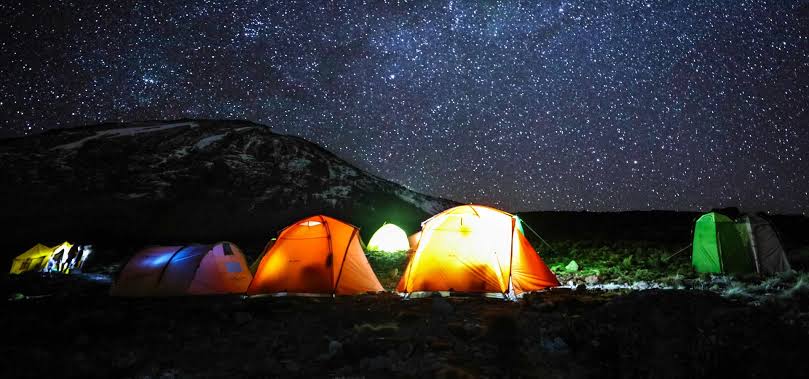
Evenings at camp are peaceful and reflective, with warm meals served inside dining tents while climbers share experiences from the day’s hike. Nights are cold and quiet, with clear skies often revealing thousands of stars above the mountain. This immersive wilderness experience is one of the most memorable aspects of the Lemosho Route.
Food, Guides & Support Team Experience
Throughout the climb, climbers are supported by a dedicated team including professional mountain guides, cooks, and porters. Meals are carefully prepared to provide energy, nutrition, and comfort at altitude. Fresh ingredients and warm meals play an important role in maintaining strength during the expedition.
Guides from Joyful Safaris and Tours monitor climbers daily for altitude adaptation, ensuring safety and providing encouragement throughout the journey. The support team is trained to manage logistics efficiently, allowing climbers to focus entirely on the trekking experience.
Why Lemosho Route is One of the Best Kilimanjaro Routes
The Lemosho Route stands out because it combines scenic diversity, low crowd density, and excellent acclimatization into a single trekking experience. It is widely considered one of the most balanced routes on Kilimanjaro, offering both adventure and safety in equal measure.
From rainforest trails to volcanic plateaus and alpine deserts, the route showcases the full ecological spectrum of Mount Kilimanjaro. With Joyful Safaris and Tours, this journey becomes a professionally guided expedition designed to maximize both enjoyment and summit success.
Kilimanjaro Lemosho Route Map Experience – Western Approach Through the Mountain’s Most Scenic Wilderness
The Lemosho Route follows one of the most remote and visually rewarding approaches to Mount Kilimanjaro, beginning on the western side of the mountain at Lemosho Gate and gradually ascending through multiple ecological zones before merging with the Machame Route near Lava Tower. With Joyful Safaris and Tours, this route is carefully structured to ensure that climbers experience the full geographic transformation of Kilimanjaro in a natural, progressive flow that supports acclimatization and enhances summit success.
The journey begins in low-altitude rainforest, where thick vegetation, humid air, and rich biodiversity define the landscape. As the route ascends, it transitions into moorland and then into the vast Shira Plateau, a volcanic formation that represents one of the earliest high-altitude highlights of the climb. From there, the route moves eastward across alpine desert terrain toward Lava Tower before descending into Barranco Valley, where dramatic cliffs and iconic landscapes dominate the horizon.
This western-to-southern progression is one of the reasons the Lemosho Route is considered superior for acclimatization. Unlike more direct routes, it allows climbers to experience gradual elevation gain while passing through multiple climate zones in a natural sequence. The journey then continues through Karanga Valley and up to Barafu Camp before the final summit push to Uhuru Peak, the highest point in Africa.
Joyful Safaris and Tours ensures that climbers not only follow the physical route but also understand the environmental transitions taking place at every stage. This deep awareness enhances appreciation of Kilimanjaro’s geological structure and makes the trek more meaningful beyond just reaching the summit.
Barranco Wall – The Most Exciting and Iconic Challenge on the Lemosho Route
One of the most unforgettable sections of the entire Lemosho Route is the Barranco Wall, a steep rock formation that rises dramatically above Barranco Camp. Despite its intimidating appearance, this section is not a technical climb but rather a hands-on scramble that requires balance, focus, and steady movement rather than climbing equipment.
Climbers often encounter the Barranco Wall early in the morning after leaving camp, when the air is crisp and the mountain is quiet. From below, the wall appears vertical and imposing, but as climbers begin ascending, the path reveals itself through a series of natural ledges and footholds carved into the rock over time.
With Joyful Safaris and Tours guiding support, climbers are assisted through the safest and most stable routes along the wall. Guides provide encouragement, pacing advice, and physical support where needed, ensuring that even first-time climbers feel confident throughout the ascent.
Once at the top of the Barranco Wall, climbers are rewarded with some of the most breathtaking panoramic views on Kilimanjaro. The surrounding valleys, glaciers, and ridgelines open up into vast landscapes that stretch across the mountain, creating a powerful sense of achievement early in the expedition.
The descent and continuation from the wall toward Karanga Valley is equally impressive, as the terrain shifts into rugged alpine desert with increasingly dramatic lighting and atmosphere. This section reinforces why the Lemosho Route is considered one of the most scenic trekking experiences in the world.
Altitude Sickness on Kilimanjaro – Understanding, Preventing, and Adapting Naturally
Altitude sickness is one of the most important considerations when climbing Mount Kilimanjaro, and the Lemosho Route is specifically designed to minimize its effects through gradual ascent and proper acclimatization scheduling. As climbers move above 2,500 meters, oxygen levels begin to decrease, requiring the body to adjust its breathing rate, circulation, and energy usage.
On the Lemosho Route, this adaptation process is supported through a carefully structured itinerary that allows climbers to ascend slowly while incorporating rest points at key elevations such as Shira Plateau, Lava Tower, and Karanga Valley. This progressive exposure helps the body build natural tolerance to altitude without rushing the ascent.
Joyful Safaris and Tours emphasizes a “slow and steady” trekking philosophy, where climbers are encouraged to maintain consistent walking speed, hydrate regularly, and listen to their bodies throughout the journey. Guides conduct daily health monitoring to observe adaptation levels and ensure that each climber is progressing safely.
Common altitude symptoms may include mild headache, fatigue, or shortness of breath, especially during the first days at higher elevations. However, the Lemosho Route’s extended duration significantly reduces the intensity of these symptoms compared to shorter routes.
The success of altitude adaptation on Kilimanjaro is not about speed but about patience. Climbers who respect the mountain’s pace and follow professional guidance from Joyful Safaris and Tours consistently experience smoother ascents and higher summit success rates.
Kilimanjaro Packing Guide – What to Bring for the Lemosho Route Expedition
Proper packing plays a critical role in the success of a Kilimanjaro climb, especially on a multi-day route like Lemosho where weather conditions vary dramatically from rainforest humidity to summit freezing temperatures. Every item carried must serve a functional purpose in supporting comfort, safety, and endurance.
Climbers are advised to prepare layered clothing systems that allow flexibility across changing temperatures. Lightweight base layers help manage sweat in lower zones, while insulated jackets become essential in alpine and summit environments where temperatures can drop significantly below freezing.
Waterproof protection is also essential due to unpredictable mountain weather, especially in rainforest and moorland zones where sudden rain or mist can occur. Durable hiking boots with strong ankle support are crucial for navigating rocky and uneven terrain throughout the route.
Sleeping equipment provided by Joyful Safaris and Tours is designed for high-altitude camping, but climbers are encouraged to bring personal items such as thermal gloves, warm hats, headlamps, and moisture-wicking clothing to enhance comfort during summit night.
Hydration systems are equally important, as maintaining fluid intake at altitude supports oxygen circulation and reduces fatigue. Energy-rich snacks can also help sustain performance during long trekking days.
Every item carried on the Lemosho Route contributes directly to safety and summit performance, making preparation a key factor in overall success.
Lemosho Route vs Machame Route vs Northern Circuit
The Lemosho Route is often compared with other popular Kilimanjaro trekking routes such as Machame and the Northern Circuit. Each route offers a different balance of scenery, duration, crowd levels, and acclimatization quality.
Compared to the Machame Route, the Lemosho Route is less crowded in the early stages and offers a more gradual ascent profile, making it ideal for climbers seeking a quieter and more immersive wilderness experience. While both routes eventually merge, Lemosho provides a more extended acclimatization period before joining the main trail.
When compared to the Northern Circuit Route, the Lemosho Route is slightly shorter but still highly effective in terms of summit success rate. The Northern Circuit is known for being the longest and most remote route on Kilimanjaro, while Lemosho offers a strong balance between duration and accessibility without compromising scenic diversity.
Joyful Safaris and Tours recommends the Lemosho Route for climbers who want a premium experience that combines high success rates, beautiful scenery, and a manageable trekking schedule without the extreme length of the Northern Circuit.
Summit Success Psychology – The Final Push to Uhuru Peak
The final stage of the Lemosho Route is as much a mental challenge as it is a physical one. As climbers approach Barafu Camp and prepare for the midnight summit attempt, the atmosphere becomes focused and reflective. Rest is brief, anticipation is high, and the reality of reaching Africa’s highest point begins to set in.
The ascent to Uhuru Peak is slow, deliberate, and physically demanding, but every step carries deep emotional weight. Climbers move through darkness, guided only by headlamps and the steady encouragement of professional guides from Joyful Safaris and Tours.
As dawn approaches, the sky gradually transforms, revealing the vast crater rim and glaciers of Kilimanjaro. Reaching the summit is not just a geographical achievement but a deeply personal milestone that represents endurance, preparation, and determination.
Standing at Uhuru Peak at 5,895 meters above sea level offers one of the most powerful panoramic views in the world, stretching across Tanzania and into Kenya. The sense of accomplishment at this moment is often described as life-changing.
Why Lemosho Route with Joyful Safaris and Tours Stands Out
The Lemosho Route remains one of the most recommended Kilimanjaro climbing experiences due to its combination of scenic beauty, structured acclimatization, and high summit success rate. With Joyful Safaris and Tours, this route becomes a fully guided expedition that prioritizes safety, comfort, and authentic mountain adventure.
From rainforest trails to glacier-covered peaks, every stage of the journey is designed to deliver a complete Kilimanjaro experience that appeals to both first-time climbers and experienced trekkers seeking a premium ascent.
Kilimanjaro Lemosho Route FAQ
Expert Answers for Climbers Planning a Summit with Joyful Safaris and Tours
The Lemosho Route continues to attract climbers from around the world who are searching for the most scenic, safest, and highest-success trekking experience on Mount Kilimanjaro. Because of its growing popularity in global travel searches such as “best Kilimanjaro route for beginners,” “Kilimanjaro summit success rate,” and “how long to climb Mount Kilimanjaro,” it is important to answer the most common questions in a clear, natural, and experience-based way.
One of the most frequently asked questions is how difficult the Lemosho Route actually is. While it is considered a challenging high-altitude trek due to its elevation gain and summit night conditions, it is also widely recognized as one of the most beginner-friendly routes because of its gradual ascent profile. With Joyful Safaris and Tours, climbers are guided at a steady pace that prioritizes acclimatization rather than speed, making the journey more manageable even for first-time trekkers.
Another common question is whether beginners can successfully climb Kilimanjaro via the Lemosho Route. The answer is yes, especially when the eight-day itinerary is chosen. The extended duration allows the body to adapt naturally to altitude changes, significantly reducing the risk of altitude-related discomfort. Many first-time climbers successfully reach Uhuru Peak each year using this route because of its structured progression and professional guiding support.
Travelers also frequently ask about what makes the Lemosho Route different from other Kilimanjaro routes. The main difference lies in its western approach, lower early-stage crowd levels, and superior acclimatization design. Unlike shorter routes that move quickly into high altitude, the Lemosho Route allows climbers to pass through multiple ecological zones in a gradual and natural sequence, which improves both comfort and summit success rates.
Another important question involves the weather conditions on Kilimanjaro. Weather varies significantly depending on altitude and time of year. Climbers may experience humid rainforest conditions at the base, cool and misty moorlands in mid-altitude zones, and freezing temperatures near the summit. Joyful Safaris and Tours ensures that climbers are properly prepared for all weather conditions through detailed pre-climb briefings and gear guidance.
Many climbers also want to know what the success rate of the Lemosho Route is. While success rates vary depending on itinerary length and physical preparation, the eight-day Lemosho Route consistently delivers one of the highest summit success rates on Kilimanjaro due to its gradual ascent and strong acclimatization profile.
Kilimanjaro Lemosho Route Cost Explained – What Determines the Price
Understanding the cost of climbing Kilimanjaro via the Lemosho Route is essential for planning a successful expedition. The total cost is influenced by several key factors including park fees, duration of the climb, number of crew members, camping logistics, food quality, safety equipment, and guiding expertise.
With Joyful Safaris and Tours, pricing reflects a fully supported mountain experience that includes professional mountain guides, experienced porters, daily meals prepared on the mountain, high-quality camping equipment, rescue coordination fees, and logistical support from start to finish. The Lemosho Route is generally priced higher than shorter routes due to its longer duration and more complex logistics, but it also provides significantly higher value in terms of acclimatization and summit success.
Another factor influencing cost is group size. Private climbs typically offer more flexibility and personalized attention, while group climbs provide a more social experience with shared logistics. Regardless of format, the focus remains on safety, ethical porter treatment, and professional guiding standards.
Climbers are often encouraged to view the cost not simply as a travel expense but as an investment in safety, experience quality, and summit success probability.
Best Time to Climb Kilimanjaro via Lemosho Route
Choosing the right time to climb Kilimanjaro plays a major role in the overall trekking experience. The Lemosho Route can be climbed year-round, but certain periods offer more favorable conditions in terms of weather stability, visibility, and trail comfort.
The most recommended climbing seasons are typically the dry periods when rainfall is minimal and skies are clearer. During these times, rainforest sections are lush but manageable, and summit conditions are more stable with better visibility at Uhuru Peak. These months are also preferred by most international climbers due to reduced weather-related disruptions.
There are also quieter climbing periods when fewer tourists are on the mountain, offering a more peaceful trekking experience. Joyful Safaris and Tours often recommends these windows for climbers who prefer solitude, enhanced wilderness immersion, and less crowded campsites along the route.
Weather on Kilimanjaro is highly dependent on altitude rather than just season, meaning climbers should always be prepared for rapid temperature changes regardless of timing. Proper gear selection and professional guidance remain essential at all times.
Final Kilimanjaro Summit Experience – The Emotional Peak of the Lemosho Route
Reaching Uhuru Peak through the Lemosho Route is not only a physical achievement but also a deeply emotional journey that represents endurance, discipline, and connection with nature. As climbers ascend through the final night push, the world becomes silent except for the sound of footsteps and wind across the mountain.
With Joyful Safaris and Tours guiding the final ascent, climbers move steadily toward the crater rim, where the first light of sunrise slowly reveals the vast ice fields and volcanic formations of Kilimanjaro. The transition from darkness to sunrise creates one of the most powerful moments in global trekking experiences.
Standing at the summit of Africa at 5,895 meters offers a panoramic view that stretches across continents, forests, and endless horizons. It is a moment that stays with climbers long after the descent, often becoming a defining memory of their lifetime.
The descent itself is equally meaningful, allowing climbers to reflect on the journey, retrace the landscapes they conquered, and fully appreciate the scale of what they have achieved. Every zone of the mountain becomes more recognizable, from alpine desert to rainforest, creating a full-circle experience of Kilimanjaro’s natural diversity.
Why Joyful Safaris and Tours is the Ideal Choice for Lemosho Route Climbs
Choosing the right guiding company is one of the most important decisions when planning a Kilimanjaro climb. Joyful Safaris and Tours focuses on delivering a safe, structured, and deeply rewarding Lemosho Route experience that balances adventure with professional support.
Every expedition is designed with careful attention to acclimatization pacing, safety monitoring, ethical porter treatment, and high-quality mountain logistics. The guiding team ensures that climbers are supported at every stage, from rainforest entry to summit success.
Beyond the physical climb, the experience is designed to be memorable, immersive, and emotionally rewarding. Climbers are not rushed but guided with patience and expertise, allowing them to fully absorb the beauty and challenge of Mount Kilimanjaro.
Lemosho Route Kilimanjaro Trekking Experience
The Lemosho Route remains one of the most powerful and highly recommended ways to climb Mount Kilimanjaro, combining scenic beauty, high summit success rates, and a carefully designed acclimatization profile. It is ideal for travelers searching for a once-in-a-lifetime trekking experience that balances challenge with safety and natural beauty.
With Joyful Safaris and Tours, the Lemosho Route becomes more than a climb—it becomes a structured expedition through one of the world’s most iconic mountains, offering rainforest exploration, alpine wilderness, volcanic landscapes, and a successful summit experience at Africa’s highest point.
Are you ready to start planning?
You can proceed with booking by filling out the form below. Let’s make your adventure unforgettable!