

Kitulo National Park
465 km²
Area park
Year-round
Best Time to visit
Wildflowers, waterfalls, and rare birds
What to see
78 km² from Dar es Saalam
Distance
Kitulo National Park: The Ultimate Complete Guide
Kitulo National Park is one of Tanzania’s most remarkable highland destinations, celebrated for its spectacular wildflowers, rolling grasslands, rare plants, mountain scenery, waterfalls, birds, and distinctive wildlife. Located in the Southern Highlands of Tanzania, Kitulo offers an experience that is dramatically different from the traditional wildlife-focused safari destinations for which the country is famous.
Instead of vast herds of animals dominating the landscape, Kitulo presents visitors with an extraordinary botanical world where enormous mountain meadows burst into color during the flowering season. The park is popularly known as “Bustani ya Mungu,” meaning “The Garden of God,” a name that perfectly captures its natural beauty. It is also widely described as the “Serengeti of Flowers” because of the extraordinary scale of its seasonal floral displays. For travelers searching for a peaceful, beautiful, unusual, and highly photogenic destination, Kitulo provides an experience that combines wilderness, science, adventure, scenery, and botanical discovery in one exceptional environment.
Where Kitulo National Park Is Located
Kitulo National Park is situated in Tanzania’s Southern Highlands, within the wider area associated with Mbeya and Njombe regions. The park occupies an elevated plateau surrounded by impressive mountain systems, including the Kipengere, Poroto, and Livingstone ranges. Its high-altitude position gives Kitulo a climate and landscape unlike the warm savannahs found in many of Tanzania’s famous safari parks.
The elevation reaches approximately 2,500 to 3,000 metres above sea level in different parts of the park, creating cool temperatures, fresh mountain air, misty mornings, green valleys, open grasslands, and dramatic cloud formations. Its geographical position also places it within a fascinating transition between montane forests, wetlands, alpine-like grasslands, rocky mountain slopes, and cultivated landscapes beyond the protected area. This combination of altitude, rainfall, volcanic soils, and geographical isolation is one of the main reasons Kitulo supports such an unusual concentration of plant species.
3. The Meaning of Bustani ya Mungu
The name Bustani ya Mungu, translated from Swahili as “The Garden of God,” is one of the most appropriate descriptions ever given to a natural landscape in Tanzania. When the flowering season arrives, sections of Kitulo’s open plateau can become covered with colorful wildflowers stretching across the mountain grasslands.
The effect is especially striking because the flowers are surrounded by enormous open spaces, distant mountain ridges, clear horizons, mist, and changing skies. Unlike a conventional botanical garden designed by people, Kitulo is a completely natural garden shaped by climate, altitude, geology, rainfall, ecological succession, and thousands of years of natural processes. The beauty is therefore not arranged into separate beds or planted according to human design; instead, flowers, grasses, wetlands, forests, streams, and rocky landscapes merge naturally into one immense highland ecosystem.
4. Why Kitulo Is Different From Other Tanzanian National Parks
Kitulo is unusual because its principal attraction is not the traditional Big Five safari experience. Visitors do not come primarily to spend hours driving through the bush searching for lions, leopards, elephants, or large buffalo herds. Instead, Kitulo attracts people interested in wildflowers, orchids, hiking, birds, landscape photography, botany, rare species, peaceful wilderness, and high-altitude scenery.
The park demonstrates that a national park can be spectacular without relying on large concentrations of mammals. Its greatest attraction is the ecosystem itself, particularly the relationship between plants, soil, rainfall, altitude, wetlands, birds, insects, and mountain forests. This makes Kitulo especially valuable for travelers who want to experience a quieter and more intellectually rewarding side of Tanzania rather than following only the conventional safari circuit.
5. The History of Kitulo National Park
Kitulo has a history that extends beyond its establishment as a national park. The area attracted explorers and later became associated with agricultural activities, including attempts to cultivate crops and establish livestock-related projects in the highlands. Some of these agricultural experiments were unsuccessful, demonstrating the environmental challenges of farming in such a high-altitude region.
Over time, conservationists increasingly recognized that the plateau contained an extraordinary collection of plant species and important highland habitats that required protection. Kitulo was officially gazetted as a national park in 2005, transforming the area from a landscape influenced by various human activities into a formally protected conservation area. The establishment of the park was especially significant because it placed botanical conservation at the center of national park management and highlighted the importance of protecting plant diversity alongside more familiar wildlife.
6. The Size and Elevation of the Park
Kitulo covers approximately 465 square kilometres and occupies one of the most elevated protected landscapes in Tanzania. Its high altitude is central to almost every aspect of the visitor experience. The elevation influences the temperature, vegetation, wildlife, cloud patterns, rainfall, and even the physical demands of hiking.
Visitors accustomed to Tanzania’s warm lowland safari environments can be surprised by how cool Kitulo feels, particularly during early mornings, evenings, periods of rain, and cloudy weather. The combination of high altitude and open terrain creates a strong sense of space, with large sections of the plateau appearing almost endless as hills roll toward distant mountain ranges. The elevation also helps explain why Kitulo contains plant communities that are rarely encountered in Tanzania’s lower national parks.
7. The Landscape of Kitulo
The landscape of Kitulo is dominated by broad highland grasslands, rolling hills, mountain valleys, wetlands, streams, rocky areas, and forested sections. Unlike the flat savannah plains associated with the Serengeti, Kitulo has a softer, more mountainous character, with slopes rising and falling across the horizon.
During the wet season, the grass becomes intensely green and the flowers begin to transform the open terrain into a colorful natural carpet. In other areas, wetlands and bogs create darker green patches surrounded by grassland. Mountain forests provide additional ecological contrast, while rocky ridges introduce dramatic textures into the scenery. The entire landscape changes with weather conditions, meaning that a sunny afternoon, misty morning, and rainy evening can make the same location appear like three completely different places.
8. The Famous Wildflowers of Kitulo
Wildflowers are the heart and soul of Kitulo National Park. The park contains an extraordinary variety of flowering plants, with hundreds of vascular plant species recorded and dozens of terrestrial orchid varieties contributing to its botanical importance. During the flowering period, the grasslands can become filled with colors ranging from purple and violet to yellow, white, red, orange, and pink.
Individual flowers may appear delicate and small, but when thousands grow across an open plateau, their combined effect becomes spectacular. The flowers also attract insects, butterflies, birds, and other organisms, creating a complex ecological relationship between plants and animals. For photographers, the flowers provide both enormous landscape subjects and tiny detailed compositions, while botanists can spend days studying species that ordinary visitors might overlook.
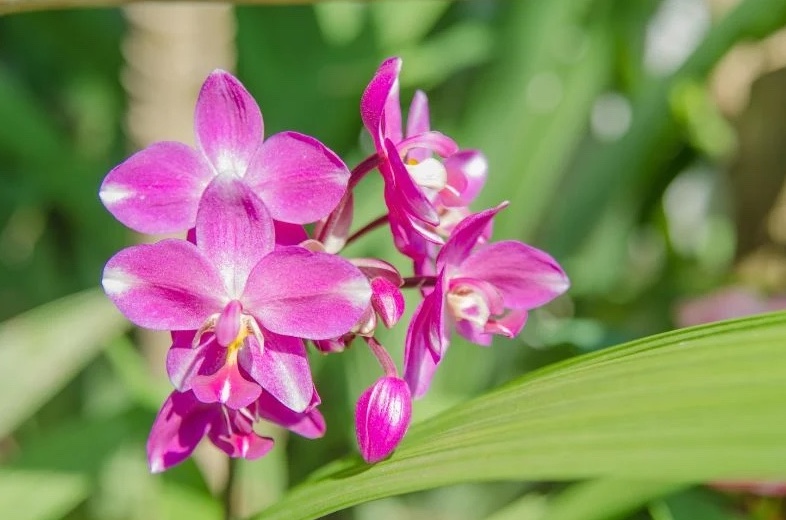
9. Orchids of Kitulo
The orchids of Kitulo are among the park’s most remarkable botanical treasures. The highland environment provides suitable conditions for numerous terrestrial orchid species, making the park particularly important for botanical research and conservation.
Unlike tropical orchids that many people imagine hanging from trees, many of Kitulo’s orchids grow directly in the ground and become part of the seasonal grassland vegetation. Their presence demonstrates how specialized plants can adapt to specific combinations of altitude, soil, moisture, temperature, and seasonal rainfall.
Visitors who are interested in orchids should avoid touching or collecting them because their survival depends on the integrity of the surrounding ecosystem. The real privilege is seeing these plants growing naturally in their original habitat rather than removing them from the environment.
10. The Best Flowering Season
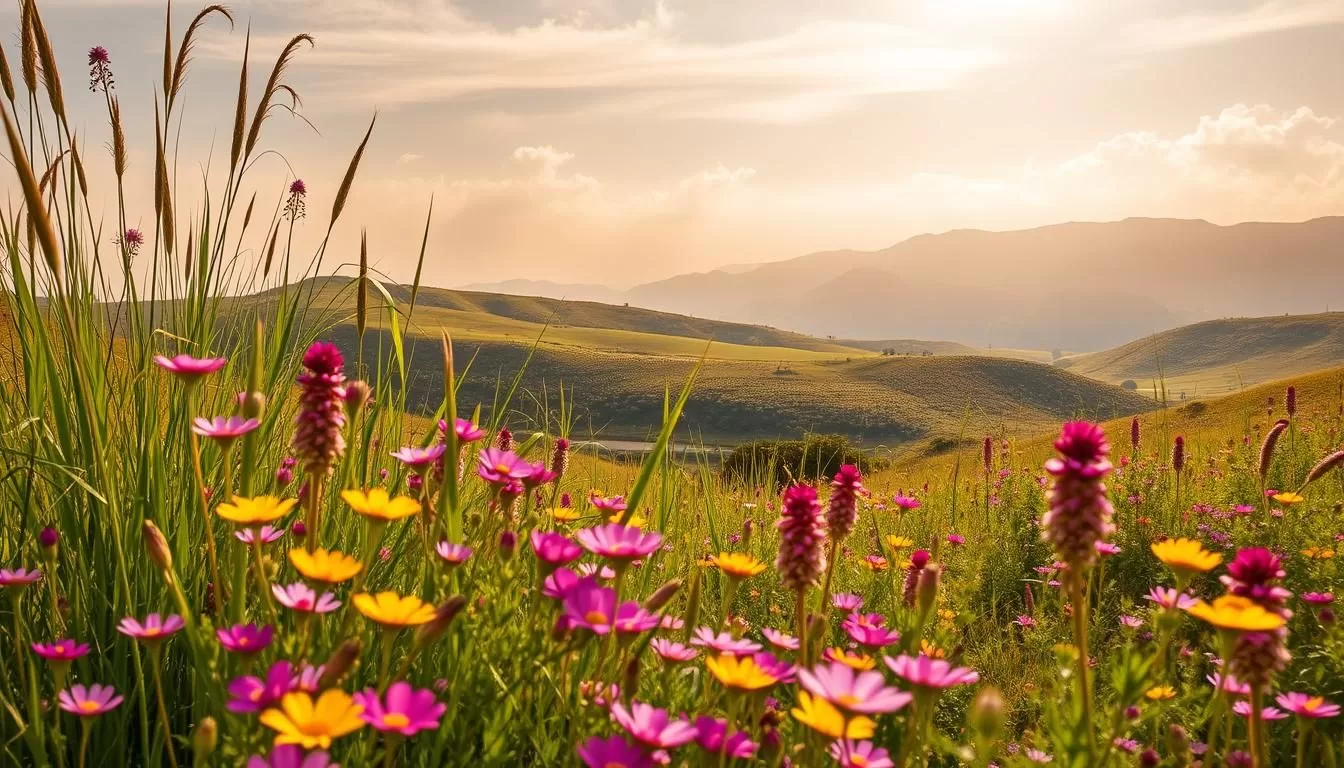
The most famous flowering period generally occurs during the wetter months, particularly from late November through April, although the exact timing and intensity can vary according to rainfall patterns and local conditions. During this period, the landscape becomes progressively greener and flowering plants become more visible across the plateau.
December can offer an attractive combination of fresh vegetation and developing floral displays, while January, February, March, and April can provide increasingly impressive scenes depending on rainfall. Travelers whose main objective is flower photography should plan around the wet-season flowering period rather than assuming that Kitulo looks identical throughout the year. Weather remains an important factor because rain, cloud, mist, and sunlight can dramatically influence both the appearance of the flowers and the quality of photographs.
11. Kitulo During the Dry Season
The dry months provide a completely different version of Kitulo. Instead of focusing exclusively on colorful flower carpets, visitors may appreciate the open mountain landscape, long views, grasslands, rocky formations, forests, and the quieter atmosphere of the plateau.
The vegetation can become less intensely green, but this does not make the park uninteresting. In fact, photographers may discover that the drier landscape creates strong textures and broad contrasts between grassland and mountains. Clearer skies can also provide excellent long-distance views when atmospheric conditions are favorable. The dry season is therefore better understood as a different photographic and ecological experience rather than simply an inferior version of the flowering season.
12. The Climate of Kitulo
Kitulo has a cool highland climate that requires visitors to prepare differently from travelers visiting Tanzania’s lowland safari parks. Temperatures can drop considerably, particularly in the early morning and evening, while rain can arrive suddenly during wetter periods. Mist and low clouds can also reduce visibility and transform the atmosphere of the plateau.
At the same time, high-altitude sunlight can be surprisingly strong when clouds disappear, creating a combination of cold air and intense ultraviolet exposure. Visitors should therefore prepare for both wet and dry conditions, carrying warm clothing, rain protection, sun protection, and appropriate hiking equipment. The unpredictable mountain weather is not simply an inconvenience; it is part of the character of Kitulo and contributes greatly to its dramatic scenery.
13. Wildlife of Kitulo National Park
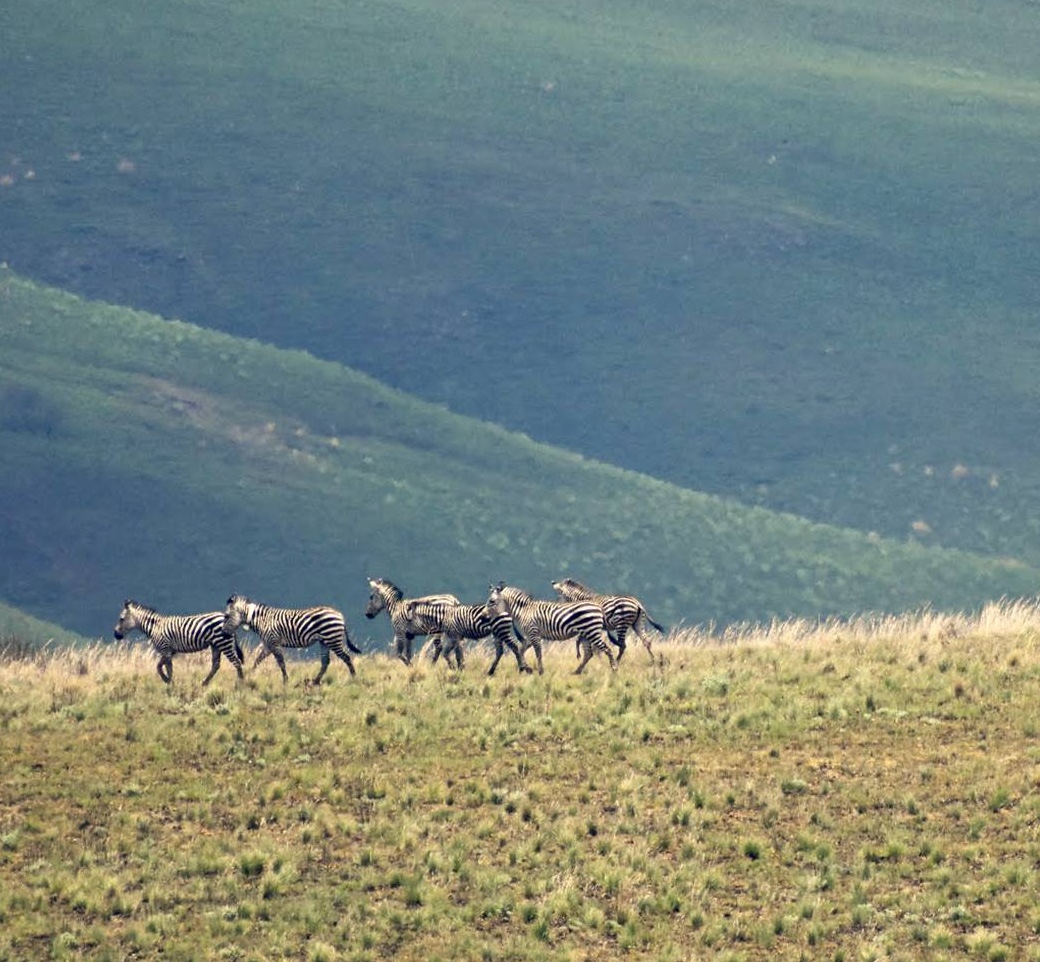
Although Kitulo is famous primarily for plants, it also protects a variety of mammals. Wildlife associated with the park includes species such as the Kipunji, Abbott’s duiker, Rungwe galago, bushbuck, Sharpe’s black-and-white colobus, zebra, and impala. These animals may not appear in the enormous numbers found in Tanzania’s major savannah parks, but their presence adds another layer to the park’s biodiversity.
The real value of Kitulo wildlife is often connected to rarity and habitat specialization rather than abundance. Visitors should therefore approach wildlife viewing with the mindset of a naturalist rather than a conventional safari enthusiast. A rare primate, unusual bird, or elusive antelope may become more meaningful than seeing dozens of common animals.
14. The Kipunji
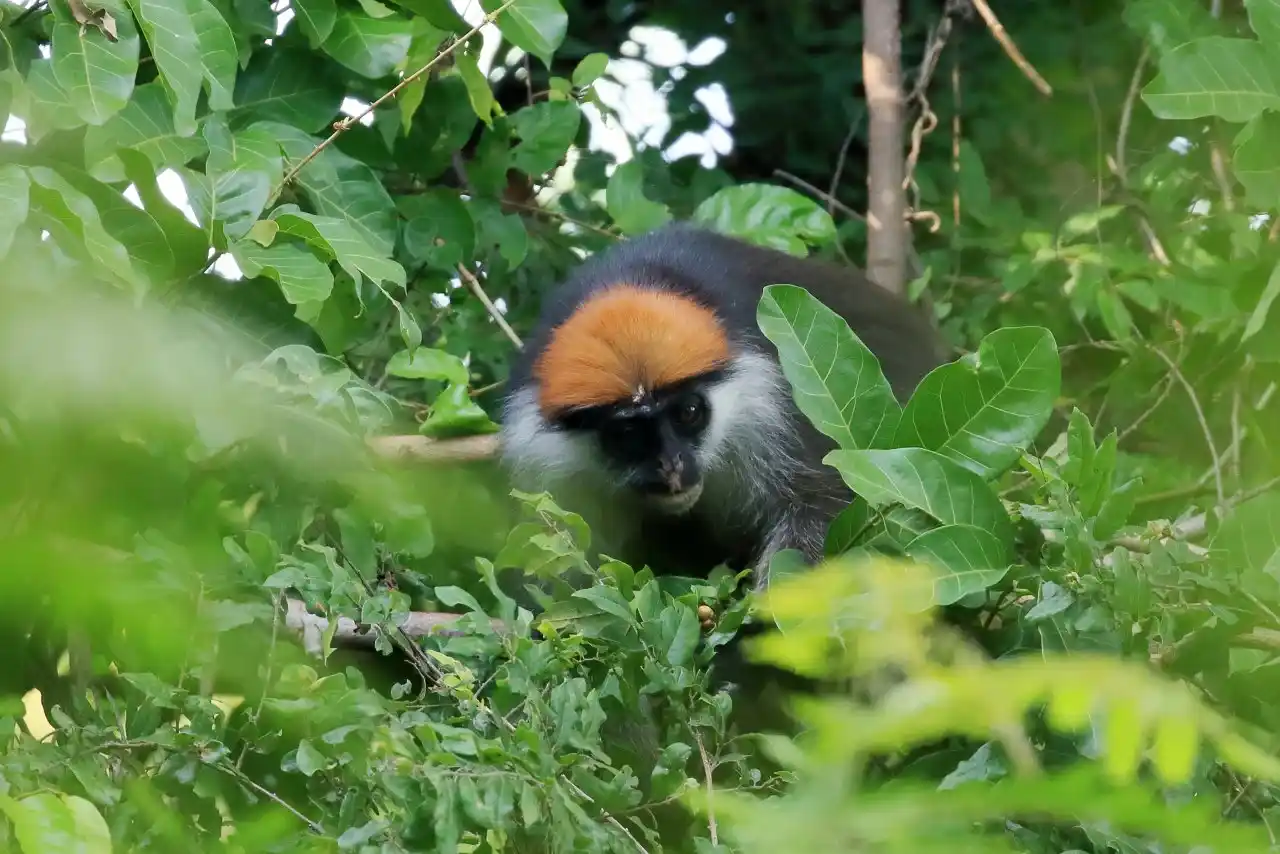
The Kipunji is one of the most fascinating animals associated with the Kitulo and Southern Highlands ecosystem. This rare highland monkey became particularly important to scientists and conservationists because of its restricted distribution and unusual ecological characteristics.
Its association with the forests of the region highlights the importance of protecting habitats that may appear less spectacular than traditional wildlife landscapes but contain species found nowhere else or in very few places.
The Kipunji also demonstrates why Kitulo should not be evaluated solely according to the number of animals visitors can see in a single day. Conservation value is often determined by uniqueness, rarity, ecological function, and genetic diversity rather than by the size of animal populations visible to tourists.
15. Birdwatching in Kitulo
Kitulo is an excellent destination for birdwatchers because its grasslands, wetlands, forest edges, and highland habitats support a distinctive collection of bird species. Visitors may encounter species such as Denham’s bustard, blue swallow, mountain marsh widow, Njombe cisticola, and Kipengere seedeater, among others. The open grasslands make certain birds easier to observe than in dense forests, while wetlands attract species that depend on moist environments. Migratory birds can also add seasonal interest to the birding experience. Serious birdwatchers should carry binoculars and spend time walking slowly rather than expecting to see everything from a vehicle. The quieter pace of Kitulo makes it possible to notice bird calls, flight patterns, feeding behavior, and interactions between birds and flowering plants.
16. Butterflies and Insects
The flowering environment of Kitulo naturally supports a fascinating variety of insects, especially during periods when plants are producing abundant nectar and pollen. Butterflies move between flowers, bees and other pollinators contribute to plant reproduction, and numerous smaller insects occupy different levels of the ecosystem. For macro photographers, these creatures can provide subjects that are as interesting as the flowers themselves. The presence of insects also illustrates an important ecological principle: Kitulo’s famous flower displays are not merely beautiful scenery but part of a functioning biological system in which plants, insects, birds, soil organisms, water, and larger animals depend on one another. Looking closely at the smaller creatures can therefore reveal a completely different side of the park.
17. Reptiles and Amphibians
Kitulo’s highland environment supports a variety of smaller reptiles and amphibians adapted to cool, wet conditions. These include lizards, chameleons, frogs, and other species associated with mountain ecosystems. Such animals are often overlooked because visitors naturally focus on flowers and larger wildlife, but they are important indicators of environmental health. Amphibians in particular can be sensitive to changes in water quality, temperature, habitat structure, and climate. Their presence contributes to the ecological complexity of Kitulo and demonstrates that the park’s importance extends from large landscape features down to tiny organisms living in streams, wetlands, vegetation, and forest environments.
18. Forests of Kitulo
Although the open grasslands are the most recognizable feature of the park, forest habitats are equally important. Forested areas provide shelter, food, breeding grounds, and ecological corridors for wildlife that cannot survive in open grasslands. They also help regulate water, protect soils, store carbon, and influence local climatic conditions. The contrast between open flowering meadows and dark green mountain forests makes the landscape visually impressive while simultaneously revealing how different habitats can exist within one protected area. Exploring the forest edges can be particularly rewarding for birdwatchers because species found in woodland environments may differ significantly from those found in the open plateau.
19. Wetlands and Bogs
Kitulo’s wetlands and bogs are among its most environmentally important habitats. These water-rich areas support specialized plants that are adapted to saturated soils and provide important ecological functions within the wider mountain landscape. Wetlands can retain water, regulate runoff, support biodiversity, and contribute to downstream water systems. For visitors, they create a distinctive landscape of lush vegetation, shallow water, dark soils, and unusual plant communities. However, wetlands can also be fragile, so visitors should remain on permitted routes and avoid trampling vegetation or disturbing sensitive areas. What may look like simple wet ground can actually be one of the most biologically significant parts of the park.
20. Waterfalls of Kitulo
Waterfalls add another dimension to Kitulo’s scenery and provide excellent destinations for hiking and photography. Water flowing from the highlands creates dramatic contrasts between moving water, rocks, vegetation, and mountain landscapes. During wetter periods, waterfalls can become particularly impressive because increased water flow gives them greater volume and energy. Reaching a waterfall on foot can also make the experience more rewarding because the journey itself becomes part of the adventure. Instead of simply arriving at a viewpoint by vehicle, visitors walk through different habitats, observe plants and birds along the route, and gradually encounter the sound and sight of falling water.
21. Hiking in Kitulo
Hiking is one of the best ways to experience Kitulo because walking allows visitors to move slowly through the ecosystem and notice details that would be missed from a vehicle. The plateau offers opportunities for relatively gentle walking across open grasslands as well as more demanding routes toward waterfalls, forests, valleys, and surrounding highland landscapes. Hikers should prepare for changing weather, wet ground, steep sections where applicable, and cool temperatures. A good pair of waterproof hiking boots can make a major difference. Walking also creates opportunities for quiet observation, allowing visitors to hear birds, examine flowers, photograph insects, and appreciate the immense scale of the plateau without the distraction of engine noise.
22. Photography in Kitulo
Kitulo is arguably one of Tanzania’s most rewarding destinations for landscape and nature photography. The combination of colorful flowers, enormous grasslands, mountain ridges, mist, waterfalls, forests, birds, insects, and dramatic skies creates an almost endless variety of photographic subjects. Wide-angle lenses are useful for capturing the scale of the plateau, telephoto lenses can isolate birds and distant wildlife, and macro lenses can reveal intricate details in flowers and insects. Photographers should not concentrate exclusively on sunny weather because mist, clouds, rain, and soft light can create some of the most atmospheric images. The strongest photographs often come from slowing down and waiting for the landscape to change rather than constantly moving from one viewpoint to another.
23. Sunrise Photography
Early morning can be one of the most beautiful periods in Kitulo. Low-angle sunlight can illuminate grasslands and flowers while mountains remain partially covered by shadows or mist. Dew on flowers can add texture and sparkle, while birds become active as the day begins. The cool morning atmosphere can also create a sense of solitude that disappears later in the day. Photographers should arrive prepared with warm clothing and equipment protection because mornings at high altitude can be cold and damp. A sunrise session followed by breakfast and a morning hike can create one of the most rewarding routines for photographers staying in or near the park.
24. Sunset in Kitulo
Sunset transforms Kitulo’s open terrain into an enormous natural canvas. As the sun descends, mountain ridges can become silhouettes while clouds change from bright white to darker shades and the grasslands gradually lose their daytime intensity. The open plateau provides broad horizons, making it possible to see the progression of evening light across large sections of the landscape. Photographers can use flowers or grass as foreground elements while framing distant mountains beneath the changing sky. Because temperatures fall quickly after sunset, visitors should carry warm clothing and return safely to their accommodation or designated camping area rather than remaining exposed unnecessarily.
25. Why Kitulo Is a Photographer’s Paradise
The strongest advantage of Kitulo for photography is variety. A single day can produce landscape images, botanical close-ups, wildlife portraits, bird photographs, macro images, waterfall compositions, weather photographs, and cultural or travel scenes. The park does not depend on one particular animal appearing at the perfect moment. Instead, the environment constantly provides new subjects. The flowers create color, the mountains provide scale, clouds supply atmosphere, forests add depth, and insects create intimate details. This makes Kitulo especially suitable for photographers who enjoy storytelling rather than simply collecting photographs of famous animals.
26. Kitulo for Botanical Tourism
Botanical tourism is one of the most promising ways to experience Kitulo. The park offers visitors the opportunity to learn how altitude, rainfall, soil, drainage, temperature, and geography influence plant communities. Instead of simply seeing flowers as decorative scenery, travelers can observe how different species occupy different habitats and how flowering periods respond to environmental conditions. Botanically interested visitors can keep field notes, photograph individual species, study plant forms, and learn about pollination and adaptation. This type of travel also encourages slower exploration and deeper appreciation because the goal is not to cover the entire park quickly but to understand the landscape more carefully.
27. Kitulo for Nature Lovers
Kitulo is especially rewarding for people who enjoy being surrounded by nature without needing constant entertainment. The sounds of wind through grass, birds calling from distant vegetation, water flowing through streams, insects moving between flowers, and clouds passing over mountains create an immersive wilderness experience. The park encourages visitors to disconnect from the speed of ordinary life and pay attention to details that are normally ignored. Someone who enjoys sitting quietly and watching a landscape change may appreciate Kitulo more than someone searching for nonstop action. Its greatest luxury is not necessarily comfort but space, silence, beauty, and freedom from urban noise.
28. Kitulo for Adventure Travelers
Adventure travelers can combine hiking, camping, photography, mountain exploration, birdwatching, and road travel into a single experience. The journey toward the park can itself become part of the adventure because the Southern Highlands contain dramatic landscapes, winding roads, agricultural communities, forests, mountains, and changing weather. Kitulo is therefore well suited to travelers who prefer destinations where reaching the attraction feels like part of the story. However, adventure should never mean ignoring safety. Weather, altitude, road conditions, terrain, and limited infrastructure require proper preparation and experienced local support.
29. Kitulo for Families
Families can enjoy Kitulo, particularly those with older children who appreciate nature, photography, hiking, flowers, and outdoor exploration. Children can learn about plant diversity, insects, birds, water systems, mountains, and conservation while experiencing a real wilderness environment rather than a traditional classroom. Parents should nevertheless consider the cool temperatures, walking distances, changing weather, and limited facilities before choosing the destination for very young children. A well-planned family visit should include comfortable accommodation, warm clothing, appropriate food, sufficient drinking water, and flexible activities that allow children to explore without becoming exhausted.
30. Kitulo for Honeymooners
Kitulo can provide a highly unusual honeymoon experience for couples who prefer privacy, scenery, adventure, and nature over traditional luxury beach resorts. The cool mountain atmosphere, dramatic landscapes, flower-covered meadows, quiet trails, waterfalls, and spectacular sunsets create opportunities for romantic experiences without large crowds. Couples can enjoy private walks, photography sessions, scenic picnics where permitted, and peaceful evenings surrounded by highland landscapes. The destination is particularly suitable for couples who want their honeymoon to feel adventurous and personal rather than conventional.
31. Kitulo for Birdwatchers
Dedicated birdwatchers should approach Kitulo with patience. Rather than attempting to see as many locations as possible, it is often more productive to spend extended periods around different habitats. Open grasslands can reveal species adapted to exposed highland environments, wetlands attract birds associated with water, and forest edges provide opportunities for woodland species. Early mornings are particularly valuable because bird activity is often higher and the cooler conditions can make walking more comfortable. A notebook, binoculars, field guide, camera, and weatherproof clothing can turn an ordinary visit into a detailed birding expedition.
32. Kitulo for Researchers and Students
The park provides an exceptional outdoor classroom for students and researchers interested in ecology, botany, zoology, conservation, geography, climate, hydrology, and environmental science. Its combination of high elevation, specialized plant communities, wetlands, forests, grasslands, and rare species creates opportunities to study ecological relationships in a relatively concentrated area. Students can investigate how altitude influences vegetation, how wetlands interact with surrounding landscapes, how flowering changes through the seasons, or how conservation protects specialized habitats. The park therefore has value not only as a tourism destination but also as a living scientific resource.
33. The Importance of Kitulo’s Plant Diversity
The extraordinary plant diversity of Kitulo is one of the strongest arguments for its protection. Plants form the foundation of terrestrial ecosystems, providing food, shelter, oxygen, soil stabilization, nectar, seeds, and habitat for countless organisms. When a landscape contains many specialized plant species, losing even small areas of habitat can have consequences for insects, birds, mammals, fungi, and microorganisms that depend on them. Kitulo therefore represents a conservation investment in an entire network of relationships rather than simply the preservation of attractive flowers. Protecting the plants also helps protect the ecological processes that support the broader Southern Highlands environment.
34. Conservation Challenges
Like many protected landscapes, Kitulo faces pressures that can affect its ecological integrity. Potential challenges include agricultural expansion around protected boundaries, uncontrolled burning, invasive species, climate change, unsustainable resource use, habitat disturbance, and changing rainfall patterns. High-altitude ecosystems can be particularly sensitive because species adapted to specific temperature ranges may have limited opportunities to move when climate conditions change. Conservation therefore requires continuous monitoring, responsible tourism, community engagement, effective law enforcement, scientific research, and careful management of visitor activities. Protecting Kitulo is not simply about keeping the landscape beautiful for tourists; it is about maintaining a functioning ecosystem for future generations.
35. Responsible Tourism in Kitulo
Responsible tourism is essential because the flowers and vegetation that attract visitors can also be fragile. Travelers should never pick flowers, remove orchids, collect plants, disturb nests, chase wildlife, leave litter, or walk carelessly through sensitive wetlands. Staying on approved routes helps reduce trampling and soil damage, while following ranger instructions protects both visitors and wildlife. Responsible travelers should also respect local communities, support legitimate tourism businesses, and avoid purchasing illegally collected natural materials. The goal should always be to leave the park looking as natural as it did before the visit, except for the photographs and memories carried home.
36. What Makes the Flowers So Important
The flowers of Kitulo are important not only because they are beautiful but because they represent an entire ecological system. Flowering plants provide nectar and pollen for insects, seeds for animals, and habitat for numerous organisms. Their distribution can reveal information about soil conditions, moisture levels, elevation, and seasonal changes. Some species are also highly specialized and may have restricted geographical ranges. When visitors see a field covered with flowers, they are therefore looking at the visible surface of a much larger ecological story involving soil organisms, fungi, pollinators, herbivores, water, climate, and plant reproduction.
37. The Mountain Ranges Around Kitulo
The mountain ranges surrounding Kitulo provide much of the visual drama that defines the park. The Kipengere, Poroto, and Livingstone mountain systems create an impressive backdrop for the plateau and contribute to the region’s complex geology and climate. Mountains influence rainfall by forcing moist air upward, creating conditions that can support forests, wetlands, and highland grasslands. They also create ecological isolation, allowing specialized species to evolve and survive in particular environments. For photographers, the mountains provide scale and perspective; for scientists, they help explain the remarkable ecological diversity of the Southern Highlands.
38. The Southern Highlands Experience
A journey to Kitulo should ideally be viewed as part of a broader Southern Highlands experience rather than as an isolated park visit. This region of Tanzania offers a combination of mountains, farms, forests, lakes, highland towns, cultural landscapes, tea-growing areas, waterfalls, wildlife reserves, and dramatic road scenery. The Southern Highlands are considerably less internationally famous than northern Tanzania, but that relative lack of attention can be an advantage for travelers seeking authentic exploration. Kitulo becomes even more impressive when experienced as one part of a journey through this diverse and geographically fascinating region.
39. Kitulo Compared With Serengeti
Kitulo and Serengeti represent two completely different concepts of Tanzanian wilderness. Serengeti is internationally famous for large mammals, predators, vast savannahs, and the Great Migration, while Kitulo is renowned for flowers, highland ecosystems, hiking, botanical diversity, and mountain scenery. A traveler choosing between them should therefore consider personal interests rather than asking which park is objectively better. Someone dreaming of lions and wildebeest should prioritize Serengeti, while someone fascinated by orchids, flowers, birds, mountains, and walking may find Kitulo far more rewarding. Ideally, travelers with enough time should experience both because together they reveal dramatically different sides of Tanzania.
40. Kitulo Compared With Ngorongoro
Ngorongoro offers dramatic volcanic scenery combined with extraordinary concentrations of wildlife within a famous crater environment. Kitulo provides a more open highland experience focused on botanical diversity, grasslands, flowers, forests, wetlands, and quiet exploration. Ngorongoro is generally associated with vehicle-based wildlife viewing, whereas Kitulo lends itself much more naturally to walking and landscape observation. The two destinations are therefore complementary rather than interchangeable. Travelers interested in geology and wildlife may favor Ngorongoro, while travelers fascinated by plants and highland scenery may prefer Kitulo.
41. Kitulo Compared With Ruaha
Ruaha National Park is known for elephants, predators, baobabs, rivers, and vast dry-season landscapes, whereas Kitulo is cooler, wetter, greener, and much more botanically focused. Ruaha represents the classic African savannah experience, while Kitulo represents Tanzania’s highland wilderness. Combining the two can create an exceptionally diverse itinerary because visitors move from warm savannah ecosystems into cool mountain grasslands. This contrast demonstrates the extraordinary ecological range of Tanzania and makes a Southern Circuit journey particularly rewarding for travelers who have enough time to explore multiple habitats.
42. How Long to Stay in Kitulo
A single day can introduce visitors to Kitulo, but two or three days provide a much richer experience. A one-day visit is suitable for travelers passing through the region who want to see the plateau, photograph flowers, and complete a short walk. Two days allow more time for hiking, birdwatching, photography, and exploring different habitats. Three days are particularly valuable for photographers, botanists, researchers, and travelers who want a slower pace. Additional time also provides flexibility when mountain weather interrupts plans, because mist or rain can temporarily hide views and change trail conditions.
43. One-Day Kitulo Experience
A one-day visit should focus on the park’s most accessible highlights rather than attempting to cover everything. Begin early, explore the main highland grasslands, spend time photographing flowers, observe birds and insects, and take a suitable walk through the landscape. If conditions permit, include a scenic viewpoint or waterfall excursion before beginning the journey onward. The most important principle is to avoid rushing. Kitulo is not a destination where seeing ten locations quickly is necessarily better than spending an hour carefully observing one flower-filled meadow. Quality of experience matters more than quantity of stops.
44. Two-Day Kitulo Experience
Two days provide an excellent balance between exploration and relaxation. The first day can concentrate on the central plateau, wildflowers, photography, and landscape observation, while the second day can focus on hiking, birdwatching, waterfalls, forest edges, or another section of the park. The additional night also allows visitors to experience the dramatic transition from daylight to highland darkness. Two days are particularly appropriate for first-time visitors who want more than a quick introduction but do not have enough time for a longer scientific or photography-focused expedition.
45. Three-Day Kitulo Experience
Three days allow travelers to slow down and explore the park according to weather and natural conditions rather than following a rigid schedule. One day can be dedicated to flowers and landscapes, another to hiking and waterfalls, and the final day to birds, forests, photography, and revisiting locations under different lighting conditions. For serious photographers, this flexibility is extremely valuable because the best image may depend on a particular combination of clouds, sunlight, flowers, and mountain visibility. Three days also make the journey feel less rushed and allow visitors to experience Kitulo as a wilderness destination rather than simply another stop on a long itinerary.
46. Accommodation Around Kitulo
Accommodation around Kitulo is more limited than in Tanzania’s major safari destinations, which means travelers should plan carefully before arrival. Depending on the itinerary and current availability, visitors may use campsites, guesthouses, lodges, or accommodation in nearby towns. Some travelers prefer camping because it provides a closer connection to the landscape, while others choose town-based accommodation for greater comfort. The important consideration is not simply the quality of the room but its location, access to transportation, distance from the park, and suitability for early starts. Because infrastructure is less developed than in famous safari regions, advance planning is strongly recommended.
47. Camping in Kitulo
Camping offers one of the most memorable ways to experience the highland environment. After sunset, the plateau becomes extremely quiet, and the absence of urban noise creates a powerful sense of wilderness. However, camping at high altitude requires serious preparation. Nights can be cold, rain can arrive unexpectedly, and wind can make conditions uncomfortable if equipment is inadequate. A warm sleeping bag, reliable waterproof tent, insulated sleeping mat, warm clothing, and appropriate cooking equipment are essential for independent campers. Visitors should use officially permitted camping areas and follow all regulations concerning fire, waste, wildlife, and environmental protection.
48. What to Pack for Kitulo
Packing for Kitulo should prioritize warmth, waterproofing, comfort, and practical outdoor equipment. A waterproof jacket, fleece, warm sweater, hiking trousers, waterproof trousers, sturdy hiking boots, warm socks, gloves, and a hat are highly recommended. Sun protection is equally important because high-altitude sunlight can be intense even when the air feels cold. Travelers should also carry a reusable water bottle, binoculars, camera equipment, spare batteries, power banks, personal medication, insect repellent, sunscreen, sunglasses, and waterproof bags. Visitors planning to camp require substantially more equipment, including appropriate sleeping gear and reliable protection against rain and cold.
49. Footwear for Kitulo
Good footwear can determine whether a Kitulo visit is enjoyable or exhausting. The combination of uneven ground, wet grass, mud, rocky sections, slopes, and long walking distances makes ordinary casual shoes unsuitable for serious exploration. Waterproof hiking boots with good ankle support and strong grip are generally preferable. During wetter periods, waterproofing becomes especially important because wet feet can quickly become uncomfortable and increase the risk of blisters. Visitors should also break in their boots before the trip rather than wearing completely new footwear for the first time during a long mountain hike.
50. Health and Physical Preparation
Kitulo’s elevation means visitors should respect the physical demands of the environment. People who are not accustomed to high-altitude conditions may notice that walking uphill feels harder than expected. The best approach is to maintain a comfortable pace, drink enough water, take breaks, and avoid unnecessary exertion during the first part of the visit. Travelers with existing medical concerns should seek appropriate professional advice before undertaking high-altitude activities. The purpose of visiting Kitulo is to enjoy the environment, not to prove physical endurance, so there is no advantage in rushing through challenging terrain.
51. Safety in Kitulo
Safety begins with preparation. Visitors should travel with appropriate transport, respect park regulations, listen to guides or rangers, avoid wandering into restricted areas, and remain aware of changing weather. Mountain conditions can change rapidly, so hikers should not assume that a clear morning guarantees a dry afternoon. It is also important to carry sufficient drinking water and basic emergency supplies. Because Kitulo is relatively remote compared with heavily developed tourist destinations, visitors should avoid depending on immediate access to urban services. Good planning is therefore one of the most important safety tools available.
52. Food During a Kitulo Trip
Food planning is important because visitors should not assume that restaurants and shops will be available wherever they go. Travelers staying in organized accommodation can often arrange meals in advance, while campers may need to bring suitable supplies or arrange catering through an operator. Warm meals are especially enjoyable in the cool highland environment. High-energy foods such as fruit, nuts, sandwiches, cereals, chocolate, and other practical snacks can be useful during long hikes. Drinking enough water is equally important, particularly when walking at altitude even if the cool temperature reduces the sensation of thirst.
53. Photography Equipment for Kitulo
A basic camera can produce excellent Kitulo photographs, but a more complete kit allows greater creative flexibility. A wide-angle lens is useful for landscapes, a telephoto lens works well for birds and distant animals, and a macro lens can capture flowers and insects in detail. A tripod can be helpful for low-light landscapes and carefully composed images, although it may add weight during long hikes. Extra batteries are particularly important because cold conditions can reduce battery performance. Waterproof covers, dry bags, lens cloths, and protective equipment should also be included because rain and moisture are common considerations in the highlands.
54. Birdwatching Equipment
Birdwatchers should carry binoculars, a field guide or identification application, a notebook, and appropriate clothing for long periods outdoors. A telephoto camera lens is optional but useful for documenting difficult species. The best birding strategy is to move quietly and stop frequently rather than walking continuously. Birds often reveal themselves through calls before they become visible, so learning their sounds can significantly improve the experience. Patience is particularly important in Kitulo because the park’s most interesting species may be uncommon or difficult to locate.
55. Why Walking Is Better Than Rushing
Walking transforms Kitulo from a scenic destination into an immersive ecological experience. A vehicle can take visitors across large distances, but walking allows them to notice tiny flowers, insects, bird calls, animal tracks, changing soil types, water movement, and subtle differences in vegetation. The slower pace also encourages people to observe relationships between species and habitats. In a place where botanical diversity is the primary attraction, this level of observation is particularly valuable. Kitulo rewards those who stop, look closely, and allow the landscape to reveal itself gradually.
56. The Sounds of Kitulo
One of the most underrated aspects of Kitulo is its soundscape. The plateau can feel remarkably quiet compared with cities and busy tourist destinations. Wind moves through grass, birds call from different directions, water flows through streams, insects move through vegetation, and distant sounds are often softened by the enormous open landscape. This creates a powerful sense of isolation. Visitors who spend a few minutes sitting silently may discover that the absence of mechanical noise is one of the most memorable parts of the experience. Kitulo is therefore not only a place to photograph but also a place to listen.
57. The Smell and Atmosphere of Kitulo
The atmosphere of Kitulo changes with weather and season. After rain, the grasslands can smell fresh and earthy, while flowering plants add subtle natural scents to the environment. Mist can make forests feel mysterious, while bright sunlight creates a completely different sense of openness. The cool air contrasts strongly with the warm atmosphere of many Tanzanian safari destinations. These sensory differences contribute to the park’s identity and make it feel like a completely separate world within Tanzania. The destination is therefore experienced through temperature, sound, smell, texture, color, and scenery rather than through wildlife sightings alone.
58. Cultural Connections Around Kitulo
The landscapes surrounding Kitulo are connected to communities whose lives have historically depended on agriculture, livestock, forests, water, and mountain environments. A responsible visit should recognize that national parks do not exist in isolation from human society. Travelers can contribute positively by using local guides where appropriate, purchasing legitimate local services, respecting community customs, and learning about the relationship between people and the Southern Highlands environment. Cultural interaction should be approached respectfully rather than as a staged performance. The most meaningful experiences often come from genuine conversations and an understanding of how local communities perceive the landscape.
59. The Role of Local Guides
A knowledgeable local guide can greatly improve a Kitulo experience. A guide may recognize flowers that visitors would otherwise overlook, identify bird calls, explain the landscape, interpret animal tracks, navigate trails, and provide practical information about weather and local conditions. This is particularly valuable because Kitulo’s greatest attractions are often subtle rather than obvious. A guide can turn a field of flowers into a lesson in ecology and transform a simple walk into a deeper understanding of the environment. Visitors should always use authorized guides and respect official park procedures.
60. Kitulo and Eco-Tourism
Kitulo has strong potential for eco-tourism because its appeal is based on natural features rather than artificial entertainment. Travelers who come to appreciate flowers, birds, landscapes, forests, wetlands, and wildlife can contribute to conservation when tourism is managed responsibly. Eco-tourism can also create economic opportunities for guides, accommodation providers, transport operators, communities, and other local businesses. The long-term success of tourism depends on maintaining the very ecosystem that attracts visitors. If the flowers disappear, wetlands are damaged, forests are degraded, or wildlife declines, the destination loses both ecological and economic value.
61. Why Kitulo Deserves More Attention
Kitulo deserves greater international recognition because it demonstrates that Tanzania’s natural heritage extends far beyond the famous safari parks. The country contains extraordinary ecological diversity, and Kitulo represents one of its most specialized highland environments. Its flowers, orchids, birds, rare primates, wetlands, forests, mountains, and grasslands provide a form of tourism that is educational and visually spectacular. Increasing awareness should not mean turning the park into an overcrowded destination. Instead, the goal should be carefully managed tourism that increases conservation support while maintaining the quiet character that makes Kitulo special.
62. Common Misconception About Kitulo
A common misconception is that a national park must contain large numbers of spectacular mammals to be worth visiting. Kitulo challenges this idea completely. Its value lies in the diversity of life forms that are sometimes too small or too specialized to attract immediate attention. A single rare orchid, endemic bird, unusual frog, or highland primate can be scientifically more significant than a large herd of common animals. The park teaches visitors to redefine what “wildlife” means. Wildlife is not only lions and elephants; it also includes flowers, insects, fungi, birds, amphibians, reptiles, and microscopic organisms that together make ecosystems function.
63. The Best Time for Photographers
Photographers looking for colorful landscapes should generally consider the flowering months from late November through April. However, the best photographic conditions are not determined by flowers alone. The interaction between rainfall, sunlight, clouds, mist, and flowering intensity can produce very different results. A cloudy morning may produce soft light for flowers, while a late-afternoon break in the clouds can illuminate distant mountains. Rain can create reflections and saturated colors, while mist can isolate individual trees and ridges. The ideal photographer therefore arrives prepared for changing conditions rather than expecting perfect blue skies every day.
64. The Best Time for Birdwatchers
Birdwatching can be rewarding throughout different seasons, but early mornings generally offer the most comfortable and productive conditions for active observation. The combination of fresh morning temperatures, bird activity, and relatively quiet surroundings creates an ideal environment for listening and searching. Wetlands, grasslands, forest edges, and transition zones should all be explored because bird communities differ according to habitat. Travelers visiting specifically for rare or specialized species should allow enough time for repeated searches rather than expecting to see everything on the first attempt.
65. The Best Time for Hiking
Hiking can be enjoyable throughout the year, but weather should strongly influence the decision. Drier periods can make trails easier and reduce mud, while wetter months provide greener landscapes and the spectacular flowering displays that make Kitulo famous. Travelers visiting during rainy periods should accept that trails may become slippery and that plans may need to change. The ideal hiking experience therefore depends on balancing landscape preferences with trail conditions. For flower enthusiasts, some mud may be a worthwhile trade-off for seeing Kitulo at its most colorful.
66. How to Respect the Flowers
The flowers are the reason many people visit Kitulo, which makes their protection especially important. Visitors should never pick flowers, dig up plants, step unnecessarily into flower beds, or remove orchids as souvenirs. Even a single footprint can damage fragile vegetation, while repeated visitor pressure can gradually change plant communities. Photography should therefore be done carefully, using existing trails or approved areas whenever possible. The best souvenir from Kitulo is a photograph and an understanding of the ecosystem, not a physical piece of the park.
67. Kitulo as a Slow-Travel Destination
Kitulo is particularly well suited to the modern concept of slow travel. Instead of measuring the value of a trip by the number of attractions visited, slow travel emphasizes deeper connection with one location. Visitors can spend hours exploring a meadow, watching clouds move across mountains, identifying flowers, listening to birds, photographing insects, or simply enjoying the silence. This approach reduces unnecessary movement and allows the landscape to become more meaningful. Kitulo rewards this philosophy because many of its best experiences are discovered through patience rather than speed.
68. Kitulo for Digital Detox
The remote and peaceful character of the park makes it a natural destination for people who want a break from constant digital stimulation. Rather than spending every moment checking messages or social media, visitors can focus on mountains, flowers, wildlife, walking, conversation, and photography. Even photographers can benefit from occasionally putting the camera down and experiencing the landscape without a screen. The combination of silence, fresh air, open space, and physical activity can make Kitulo feel restorative. The park offers something increasingly rare in modern life: the opportunity to simply be present.
69. The Scientific Value of Kitulo
Kitulo is scientifically valuable because it contains a combination of ecosystems and species that are highly specialized to high-altitude conditions. Researchers can study plant adaptation, ecological succession, climate sensitivity, water systems, pollination, animal distribution, and conservation management. The park also provides opportunities to investigate how human land use has historically interacted with highland environments. Scientific research can help managers understand which habitats require greater protection and how environmental changes may affect species in the future. In this sense, Kitulo functions not only as a tourism destination but as an important natural research environment.
70. Climate Change and Kitulo
Climate change may become an increasingly important conservation issue for high-altitude ecosystems such as Kitulo. Changes in temperature, rainfall patterns, seasonality, drought frequency, or extreme weather could alter flowering periods, water availability, vegetation composition, and animal distributions. Species adapted to narrow environmental conditions may have limited opportunities to respond to rapid changes. Monitoring these changes is therefore essential. Long-term ecological research can help determine whether flowering seasons are shifting, whether wetlands are changing, and whether certain species are becoming more or less common. Protecting large, connected habitats is one important component of helping ecosystems remain resilient.
71. Kitulo and Water Conservation
The wetlands, streams, forests, and highland soils of Kitulo contribute to the movement and storage of water through the landscape. Mountain ecosystems can act as natural water reservoirs by absorbing rainfall, slowing runoff, and gradually releasing water through streams and groundwater systems. Protecting these habitats therefore benefits not only plants and wildlife but also broader environmental systems. Damage to wetlands or forests can increase erosion, alter water flow, and reduce the ecological stability of surrounding areas. Kitulo’s conservation value consequently extends beyond its park boundaries.
72. Why the Southern Highlands Are Special
The Southern Highlands of Tanzania contain a remarkable mixture of mountains, forests, grasslands, wetlands, farms, lakes, valleys, and wildlife habitats. Their relative distance from the country’s most famous tourist routes has helped preserve a feeling of discovery. Kitulo is one of the clearest examples of the region’s ecological uniqueness. Travelers who explore the Southern Highlands often discover that the region offers experiences that cannot easily be reproduced elsewhere in Tanzania. The journey itself becomes an important part of the adventure, with landscapes changing dramatically as roads climb from lower elevations toward cool mountain environments.
73. Kitulo and Adventure Photography
Adventure photographers can combine the natural scenery with the journey itself to create a complete visual story. Images of mountain roads, local landscapes, hiking boots on wet trails, flowers against distant peaks, misty forests, waterfalls, birds, campsites, and evening skies can collectively communicate what Kitulo feels like rather than simply what it looks like. This storytelling approach is particularly powerful for travel content because it allows audiences to understand the emotional character of the destination. Kitulo is not just a collection of attractive viewpoints; it is a journey through a unique highland environment.
74. Kitulo as a Hidden Gem
Kitulo is often described as a hidden gem because it receives far less international attention than Tanzania’s most famous attractions. Its lower profile can be a major advantage for travelers who value tranquility and discovery. Visitors may find themselves walking across immense landscapes without encountering the crowds associated with heavily visited safari destinations. However, calling Kitulo a hidden gem should not imply that it lacks importance. Its ecological value is considerable, and its status as a protected national park demonstrates that the landscape is recognized as nationally significant. Its relative obscurity simply means that many travelers have not yet discovered it.
75. The Emotional Experience of Kitulo
The emotional impact of Kitulo comes from contrast. Visitors may arrive expecting a traditional African safari and instead encounter cool mountain air, flowers, mist, silence, and enormous green spaces. The unexpected nature of the experience can make it especially memorable. A traveler may remember not one specific animal but the feeling of walking through a field of flowers while clouds move across distant mountains. Another may remember the silence around a waterfall or the first sight of an unusual orchid. Kitulo creates memories through atmosphere as much as through attractions.
76. Why You Should Not Rush Kitulo
Rushing through Kitulo can undermine the very qualities that make the park special. The destination is not designed around a checklist of famous animals that can be photographed quickly from a vehicle. Its beauty becomes more obvious as visitors slow down and observe. A flower may reveal its structure only when examined closely, a bird may appear after several minutes of waiting, and mountain scenery may emerge from mist unexpectedly. Giving the landscape time to change is therefore an essential part of the experience. Patience is not merely useful in Kitulo; it is one of the park’s greatest lessons.
77. The Ideal Kitulo Traveler
The ideal Kitulo traveler is curious, patient, environmentally responsible, physically prepared, and willing to appreciate details. This person does not need constant luxury or entertainment and understands that remote destinations may involve inconvenience. They are interested in why the landscape looks the way it does, not merely in taking photographs of it. They respect plants, wildlife, guides, rangers, local communities, and park regulations. Most importantly, they arrive with an open mind and allow Kitulo to be different from what they expected. Such travelers are likely to leave with a much deeper appreciation of Tanzania’s natural diversity.
78. The Most Important Things to Remember
The most important thing to remember is that Kitulo is a highland botanical destination first and a conventional wildlife safari destination second. Its major attractions include flowers, orchids, landscapes, hiking, birds, rare species, forests, wetlands, waterfalls, and mountain scenery. The climate is cool and unpredictable, so warm and waterproof clothing is essential. The flowering season is generally associated with the wetter months, particularly from late November through April. Visitors should plan transportation and accommodation carefully because the destination is less developed than Tanzania’s major safari centers. Above all, travelers should protect the flowers and habitats that make the park special.
79. The Ultimate Kitulo Experience
The ultimate Kitulo experience begins before entering the park, with a journey through the Southern Highlands that gradually reveals changing landscapes. Upon arrival, visitors should take time to appreciate the altitude, temperature, mountain views, and silence. The day should involve walking rather than rushing, with opportunities to photograph flowers, identify plants, observe birds, search for insects, explore wetlands, and appreciate distant peaks. A waterfall hike can add adventure, while sunrise and sunset can provide exceptional photographic opportunities. The experience becomes even more memorable when visitors allow themselves time simply to sit in the landscape and absorb the atmosphere.
Booking Your Kitulo National Park Safari
Kitulo National Park is one of Tanzania’s most distinctive natural treasures because it offers something completely different from the conventional image of an African safari.
It is a place where mountains replace endless savannahs, flowers become the principal spectacle, orchids compete for attention with birds, wetlands support specialized vegetation, forests shelter rare wildlife, and weather constantly reshapes the landscape. Its nickname, “Bustani ya Mungu,” or “The Garden of God,” captures only part of what makes it special because Kitulo is simultaneously a botanical sanctuary, highland wilderness, birdwatching destination, hiking paradise, photographic masterpiece, scientific resource, and conservation landscape.
For travelers willing to journey beyond Tanzania’s most famous tourist routes, Kitulo offers an experience of extraordinary beauty and surprising depth. It is not simply a place to visit, photograph, and leave; it is a place to slow down, walk, observe, learn, and appreciate the remarkable complexity of nature. When the flowers are blooming across the highlands, clouds drift above the mountains, birds move through the grasslands, waterfalls carry water down the slopes, and the entire plateau appears alive with color, the meaning of “Garden of God” becomes unmistakable.
Kitulo is one of those rare destinations where the landscape itself is the attraction, and for anyone seeking an unforgettable, peaceful, adventurous, and genuinely different Tanzanian experience, it deserves a prominent place on the travel map