
Table of Contents
Toggle10 Must-Pack Items for Your Tanzania Safaris: The Ultimate Packing Guide for an Unforgettable African Adventure
A Tanzania safari is the kind of journey that rewards thoughtful preparation. Whether your adventure takes you across the vast plains of the Serengeti in search of the Great Migration, into the wildlife-rich Ngorongoro Conservation Area, through the elephant-filled landscapes of Tarangire, around the beautiful lakes of Manyara, or combines safari with a relaxing stay on Zanzibar, what you pack can make a significant difference to your comfort, convenience, safety, and overall experience.
Tanzania’s safari environments can involve long game drives, dusty roads, intense sunlight, cool early mornings, warm afternoons, sudden changes in weather, limited access to shops, and plenty of time outdoors, so the goal is not to bring everything you own but to bring the right things. The best safari packing strategy is to focus on lightweight, practical, versatile, durable items that can serve more than one purpose.
Below are the 10 must-pack items for your Tanzania safari, with detailed explanations of why each item matters, how to choose it, and how to use it effectively once you are in the bush.
1. Lightweight, Neutral-Colored Safari Clothing
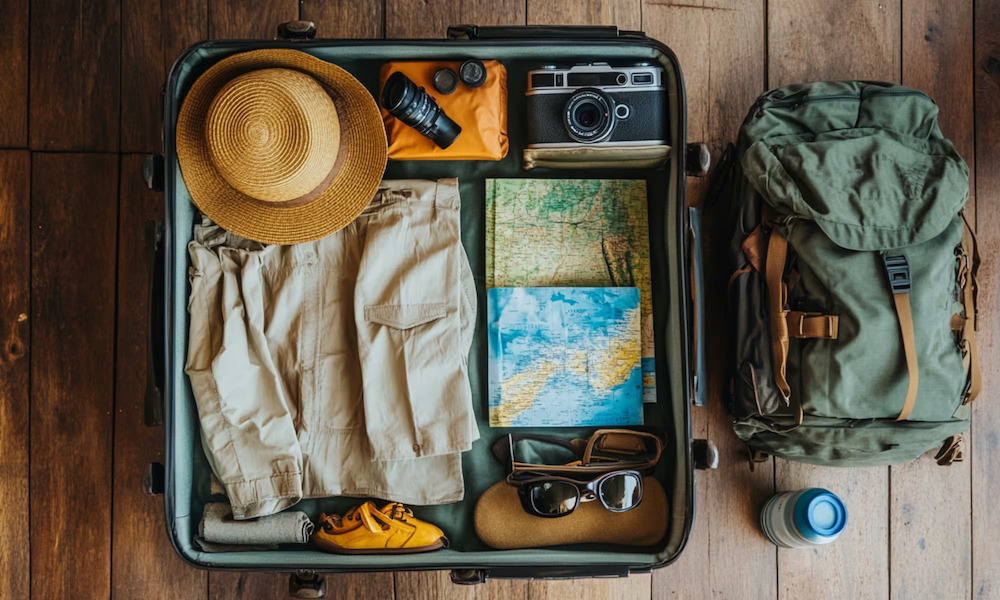
The first and arguably most important category on your Tanzania safari packing list is lightweight, breathable, neutral-colored clothing. Safari days often begin before sunrise, when temperatures can be surprisingly cool, and continue into the warmer afternoon hours, meaning you need clothing that allows you to adapt easily throughout the day. Choose lightweight cotton, linen, or moisture-wicking technical fabrics in colors such as khaki, beige, olive, brown, grey, or muted green. These colors are practical because they blend naturally with the environment and are less likely to show dust than bright white clothing.
Avoid relying heavily on black and very dark colors during hot daytime periods because they can absorb considerable heat, while extremely bright colors may feel conspicuous in the natural environment. A practical safari wardrobe might include several lightweight T-shirts, two or three long-sleeved shirts, comfortable trousers, lightweight hiking pants, shorts for warmer afternoons, underwear, socks, and one or two warmer layers. Long sleeves and trousers are particularly useful because they provide protection from sun exposure, dust, insects, and cool morning air.
The secret is versatility rather than quantity: choose pieces that can be layered, mixed, matched, washed easily, and worn repeatedly without taking up too much space. If your itinerary includes walking safaris or hiking, prioritize durable outdoor clothing and comfortable movement over fashionable outfits.
2. A Warm Fleece, Sweater, or Lightweight Jacket
Many first-time safari travelers imagine Tanzania as permanently hot, but this is one of the most common packing misconceptions. Early mornings and evenings can be surprisingly cold, particularly in elevated destinations such as the Ngorongoro Highlands, and open-sided safari vehicles can feel much colder when moving through the countryside before sunrise. A warm fleece, sweater, softshell jacket, or lightweight insulated jacket is therefore one of the most important items you can pack even if your trip is taking place during a warm season. The ideal layer should be warm without being excessively bulky, because you may start the morning wearing it and remove it as the temperature rises.
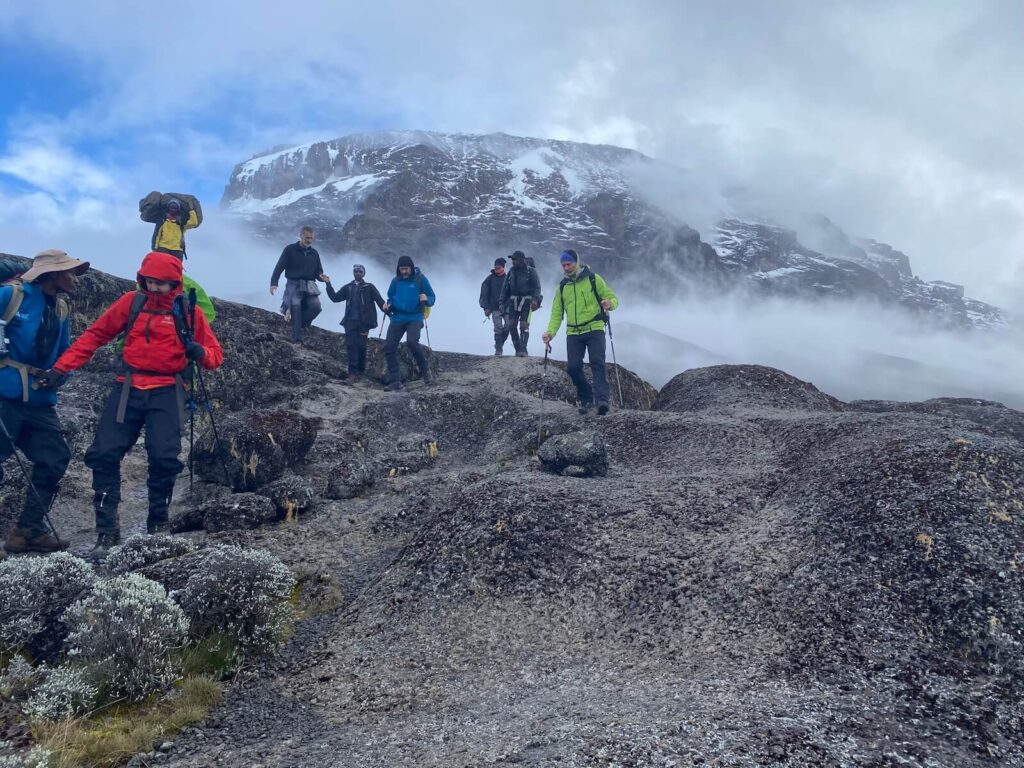
Layering is much more useful than bringing one extremely heavy coat: a T-shirt beneath a long-sleeved shirt beneath a fleece gives you several temperature options throughout the day. If you are traveling to higher elevations or combining your safari with Mount Kilimanjaro trekking, you will need substantially warmer and more specialized clothing than a standard safari itinerary requires. For an ordinary wildlife safari, however, a compact fleece or jacket is usually an excellent balance between warmth, weight, and practicality. Pack it somewhere easily accessible rather than burying it at the bottom of your luggage, because those first pre-dawn game drives can be chilly.
3. Comfortable, Closed-Toe Walking Shoes
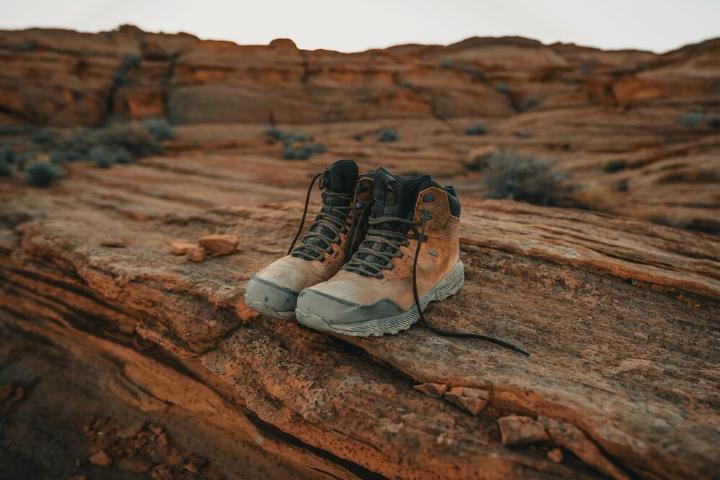
Your Tanzania safari may involve far more walking than you initially expect, particularly if you are staying at lodges, tented camps, walking around campgrounds, visiting cultural sites, or adding hiking activities to your itinerary. A pair of comfortable, closed-toe walking shoes or lightweight hiking shoes is therefore essential.
Your footwear should already be broken in before you leave home; a safari is absolutely not the place to discover that a new pair of boots causes blisters. For ordinary game-drive safaris, lightweight hiking shoes, trail shoes, sturdy trainers, or comfortable walking shoes are often sufficient. If your itinerary includes serious hiking, walking safaris, or Mount Kilimanjaro, footwear requirements become more specialized and should match the specific activity.
Consider bringing a second lightweight pair of shoes or sandals for use around the lodge or camp, allowing your main footwear to dry or air out after dusty or wet excursions. Avoid packing numerous pairs of shoes simply for fashion or appearance because luggage space can be limited, particularly on small aircraft or safari vehicles. A good safari shoe should prioritize comfort, grip, breathability, durability, and easy cleaning. Your feet will spend hours in and around a safari vehicle, on uneven ground, and potentially on dusty trails, so practical footwear is vastly more valuable than stylish but uncomfortable alternatives.
4. High-SPF Sunscreen, Sunglasses, and a Wide-Brimmed Hat
The African sun can be intense, and a significant portion of a safari involves spending several consecutive hours outdoors, often with little natural shade. A high-SPF, broad-spectrum sunscreen should therefore be considered a daily essential rather than an optional cosmetic product.
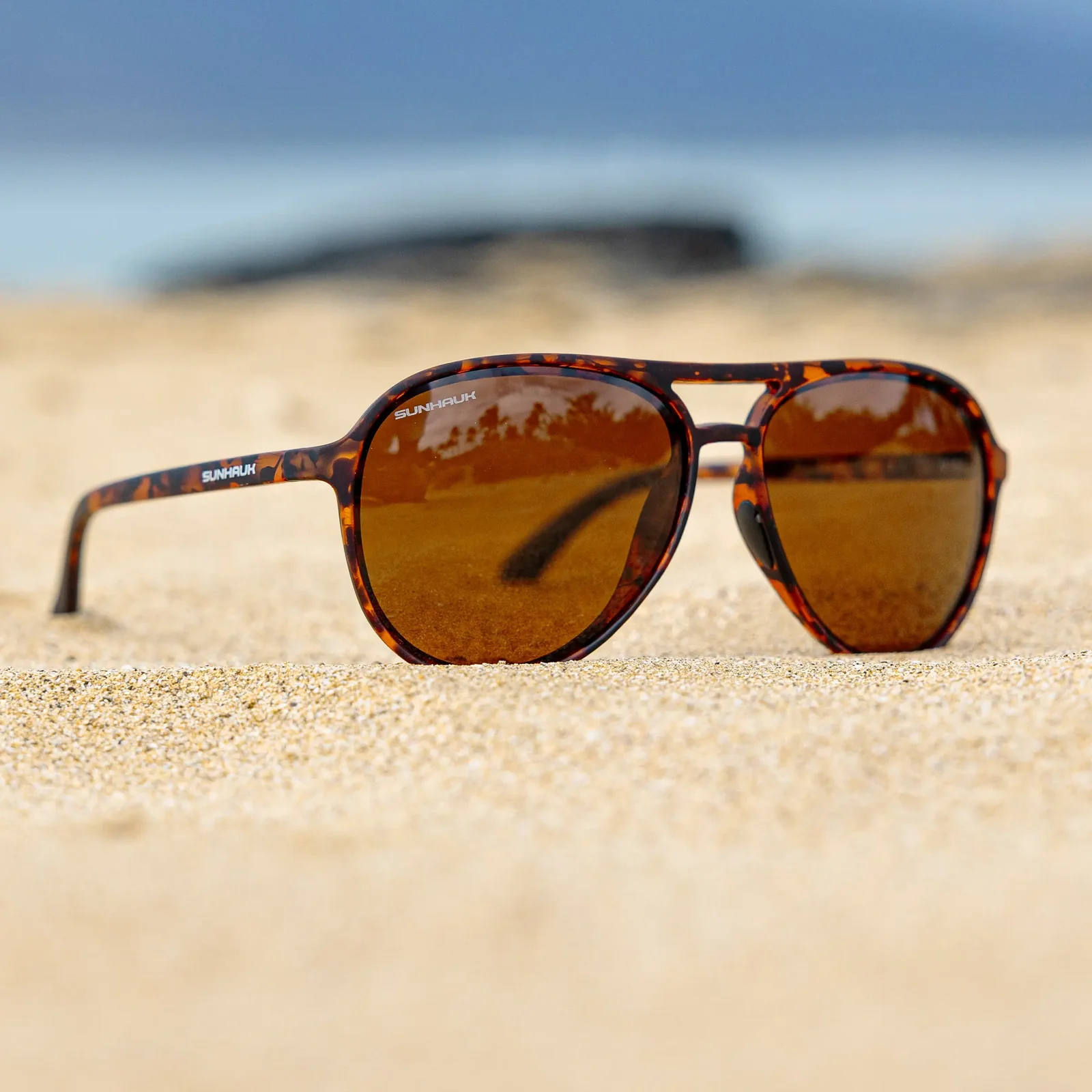
Apply it before leaving camp and reapply according to the product’s instructions, particularly after sweating or extended exposure. Bring a pair of good-quality sunglasses with reliable UV protection because glare from open landscapes, vehicle windows, and bright surfaces can become tiring over long game drives. A wide-brimmed hat or safari-style sun hat is equally valuable because it protects your face, ears, neck, and scalp while making long hours in the sun considerably more comfortable.
Choose a hat that fits securely enough to withstand wind generated by a moving safari vehicle but remains comfortable enough to wear for several hours. Sunscreen, sunglasses, and a hat work best together: sunscreen protects exposed skin, sunglasses protect your eyes and reduce glare, while a hat creates additional physical shade. These items become particularly important when you are photographing wildlife and may become so absorbed in the experience that you forget how much direct sunlight you are receiving.
5. Insect Repellent and Personal Protection Essentials
A Tanzania safari takes you into environments where insects are a natural part of the ecosystem, making effective insect repellent an important item to pack. Choose a proven repellent suitable for your personal needs and apply it as directed, especially during periods when mosquitoes and other insects are more active. Long-sleeved clothing and trousers provide an additional physical barrier and can be particularly useful around dawn, dusk, and after dark. It is also sensible to pack a small personal hygiene and first-aid kit containing items such as blister treatment, antiseptic wipes, basic pain relief, plasters, any personal medications you regularly use, and other familiar essentials.
Travelers should discuss Tanzania-specific health precautions with an appropriately qualified travel-health professional before departure because recommendations can depend on your itinerary, season, activities, and personal circumstances. Rather than relying on a single protective measure, think in terms of layers: appropriate clothing, insect repellent, accommodation precautions, and professional pre-travel advice all contribute to a more comfortable trip. Keeping these essentials in a small, accessible pouch is particularly useful because you can quickly reach them during a game drive or at camp without searching through your main luggage.
6. Binoculars: Your Secret Weapon for Better Wildlife Viewing
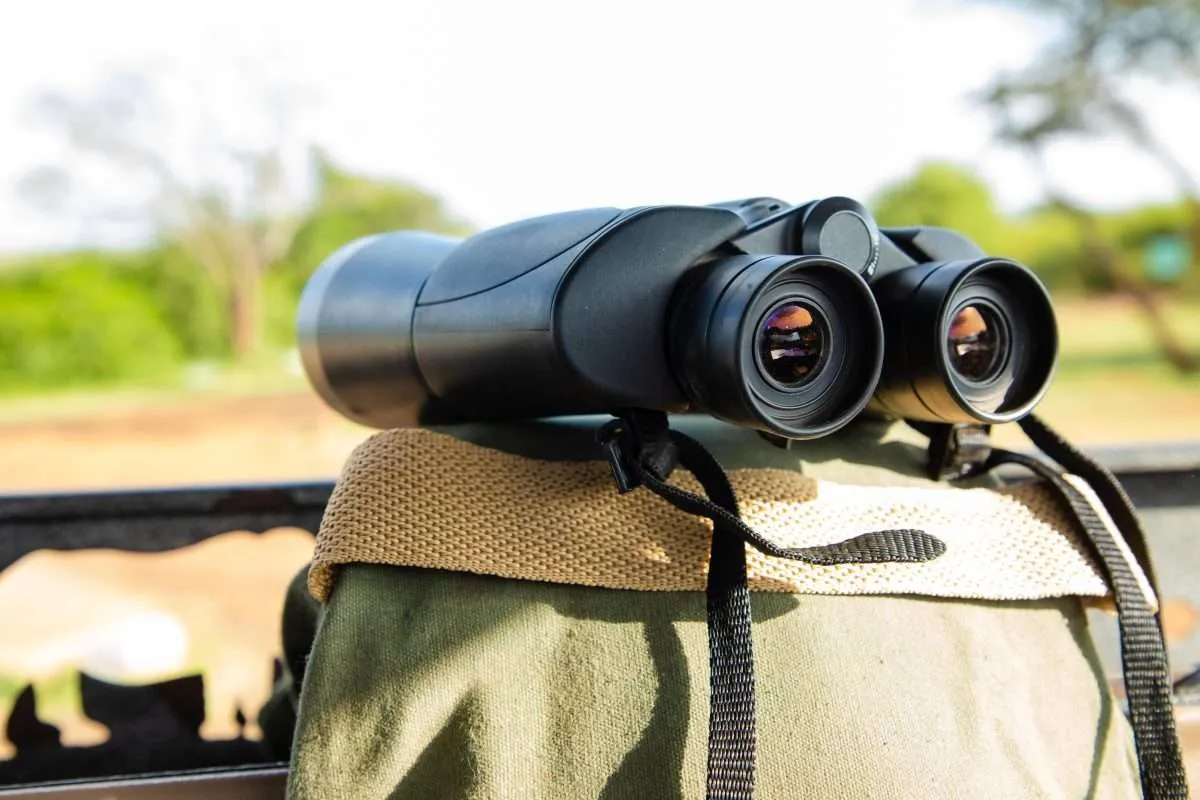
A safari vehicle can bring you remarkably close to wildlife, but some of the most memorable sightings happen at a distance, making a good pair of binoculars one of the most valuable items you can pack. Binoculars allow you to examine animals that are far across the plains, identify birds in trees, observe smaller creatures, and appreciate details that would otherwise be invisible to the naked eye.
They are especially useful when your guide spots something on a distant ridge, when predators are resting far from the road, or when you are exploring Tanzania’s extraordinary birdlife. A compact, good-quality pair is usually preferable to a very large model that becomes cumbersome during long drives. If you are traveling as a couple or family, having your own binoculars can also prevent the constant problem of passing a single pair back and forth just as everyone wants to look at something different.
Birdwatchers and serious wildlife enthusiasts may want to invest in higher-quality optics, but even an affordable compact pair can transform the safari experience. Think of binoculars not simply as an accessory but as an extension of your eyes, helping you notice behaviors, textures, distant animals, and subtle movements that make a safari much richer.
7. Camera, Extra Batteries, and Plenty of Memory
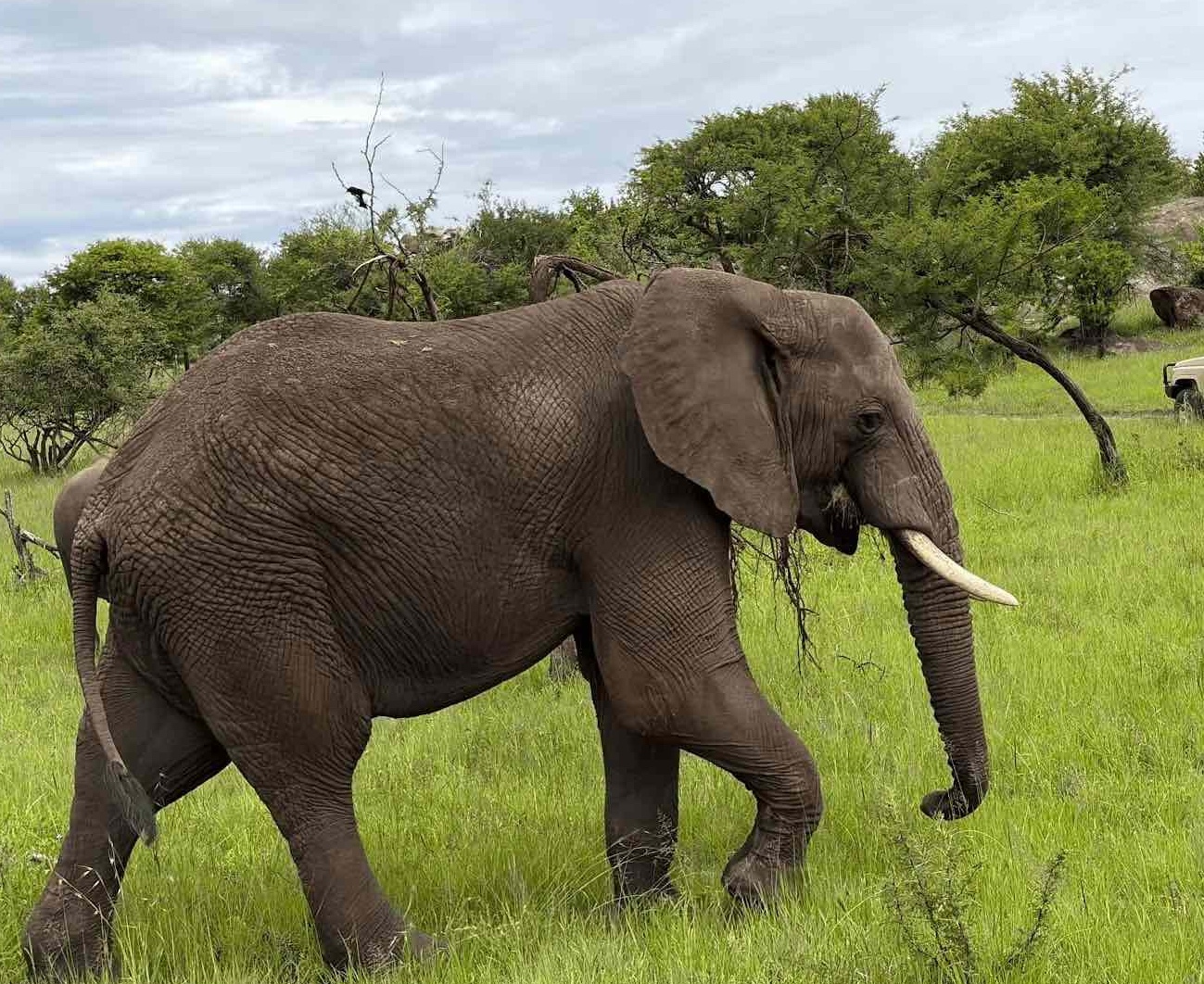
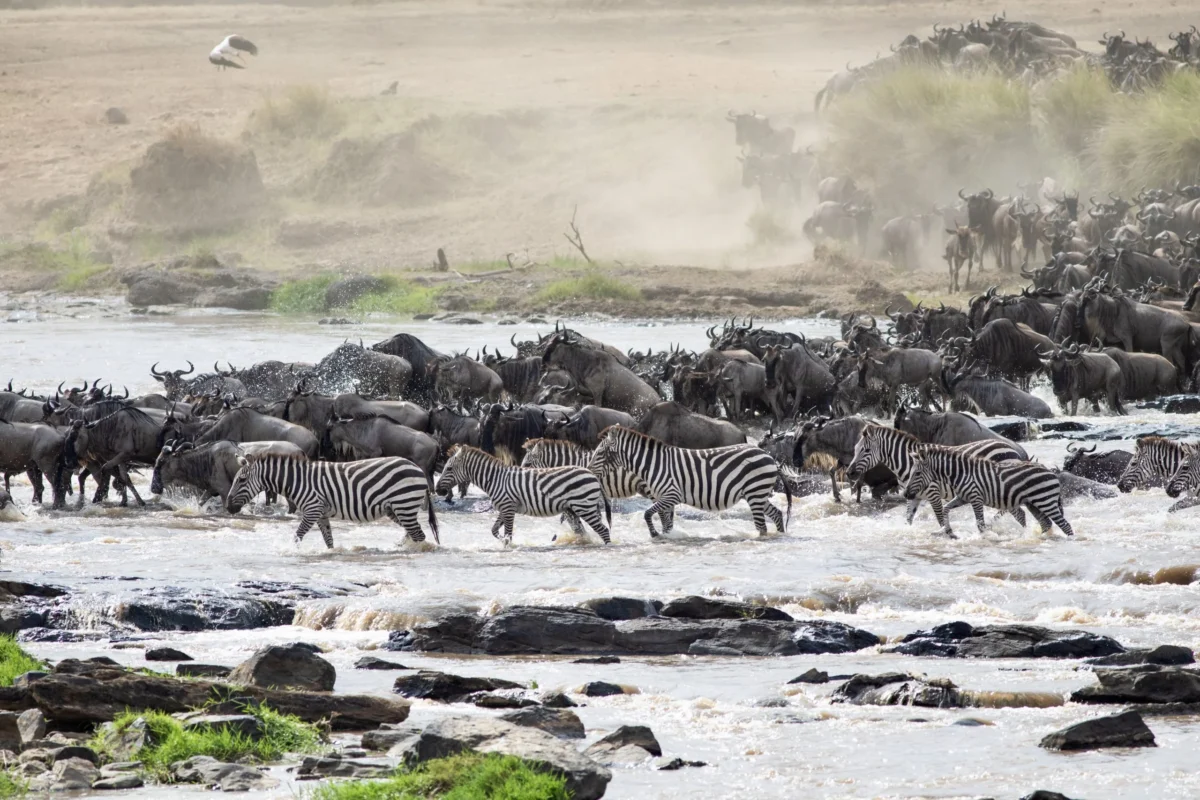
If there is one destination where you will almost certainly wish you had more photographs, it is Tanzania. A camera with sufficient storage, spare batteries, and the right lens for wildlife photography can help preserve moments that you will remember for decades. Wildlife is unpredictable, so you may have only seconds to capture a lion yawning, an elephant crossing the road, a leopard disappearing into tall grass, or a herd of wildebeest moving across the horizon. If you use a dedicated camera, a versatile telephoto or zoom lens can be extremely useful for distant animals, while a wider lens is valuable for landscapes, vehicles, camps, and dramatic environmental portraits of wildlife. Smartphone cameras can also produce excellent results, particularly in good light, but remember that digital zoom cannot always replace optical reach. Bring extra memory cards or ensure that your storage is sufficient, because safari photography can consume space rapidly when you are taking bursts of images. Spare batteries are equally important because charging opportunities can vary between camps and lodges, and some days involve long hours away from your accommodation. A compact power bank can provide an additional backup for phones and smaller devices. Most importantly, do not spend the entire safari staring at a screen: capture the moment, then put the camera down and experience the extraordinary scene unfolding in front of you.
8. Reusable Water Bottle and Personal Hydration Supplies
Staying properly hydrated is essential when you are spending long periods outdoors, particularly under the African sun. A durable reusable water bottle is one of the simplest and most useful things to carry throughout your Tanzania journey. Many safari lodges and camps provide drinking water, and your safari operator can advise you about how water is supplied and what is appropriate for your particular itinerary, so a refillable bottle can reduce unnecessary single-use plastic while ensuring that you always have water available when appropriate.
An insulated bottle can be especially pleasant because it helps keep water cool during warm game drives. Choose a bottle that seals securely and is easy to carry, because the last thing you want is water leaking into your camera bag. Hydration is particularly important because safari days can be deceptively demanding: you may be sitting in a vehicle rather than exercising heavily, but heat, sunlight, dry air, and excitement can make you forget to drink.
If your itinerary includes strenuous hiking or trekking, hydration requirements become even more significant and should be planned according to the activity and guidance of your operator. Make drinking water a routine part of your safari day rather than waiting until you feel thirsty.
9. Power Bank, Charging Accessories, and a Headlamp
One of the easiest ways to make a safari more comfortable is to prepare for limited or inconvenient access to electricity. Camps and lodges vary considerably in their power arrangements, so bringing a compact power bank can provide valuable backup for your phone, camera accessories, GPS device, or other small electronics. Pack the charging cables you actually need and consider carrying a universal travel adapter appropriate for your itinerary rather than assuming that every accommodation will have the same socket configuration. A small headlamp or flashlight is another surprisingly useful item, especially in tented camps and other properties where walking between your tent and common areas after dark may involve outdoor paths. A headlamp is preferable to relying solely on your phone’s flashlight because it leaves both hands free and preserves your phone battery. These items take up very little space but can prevent considerable inconvenience. Before your trip, charge your electronics fully, download important travel information for offline access, and keep your essential charging equipment together in one small pouch. Your safari is about wildlife rather than technology, but a little technological preparation ensures that your devices support the experience instead of becoming a source of frustration.
10. A Small Daypack or Safari Backpack
A small, comfortable daypack is the item that brings your entire safari packing system together. Your main luggage can remain at your lodge, camp, or designated luggage storage while your daypack contains everything you need during game drives and excursions. Choose a lightweight bag with comfortable straps, enough room for your water bottle, binoculars, camera, sunscreen, sunglasses, hat, light jacket, snacks if permitted, power bank, personal essentials, and other small items.
Avoid selecting a massive hiking backpack unless your specific activity requires one; on a safari vehicle, compact organization is often more convenient than carrying a large bag. Multiple compartments can help separate camera equipment from sunscreen and water, while a degree of dust resistance is a useful advantage because safari roads can be exceptionally dusty.
If you are traveling during a wetter period, a simple rain cover can add valuable protection. Your daypack should also be easy to access without becoming a nuisance to other passengers. The ideal safari bag is essentially a portable command center containing everything you might realistically need between leaving camp in the morning and returning later in the day.
Bonus Essentials You Should Seriously Consider Packing
Although the ten items above form the core of a practical Tanzania safari packing strategy, several smaller additions can make your trip even easier. Pack a lightweight rain jacket or waterproof shell, particularly if your itinerary falls during a wetter season or includes areas where weather can change quickly. A compact pair of travel-size toiletries can save luggage space, while biodegradable or environmentally responsible options are useful where appropriate.
A few resealable bags or waterproof pouches can protect electronics, documents, and small belongings from dust or unexpected rain. A small microfiber towel can be useful for various situations without adding much weight. If you wear prescription glasses, bring a spare pair if possible, and consider sunglasses that can accommodate your prescription needs. A small notebook can be enjoyable for recording animal sightings, locations, memorable moments, and wildlife observations.
If you are particularly sensitive to dust, a simple face covering or buff can make dusty drives more comfortable. Finally, keep your passport, travel documents, insurance information, and other important paperwork secure and accessible according to your travel arrangements rather than placing them casually inside checked luggage.
What Not to Overpack for a Tanzania Safari
One of the biggest safari packing mistakes is assuming that more luggage automatically means more preparedness. In reality, overpacking can make your journey less convenient, particularly when your itinerary includes small aircraft, tented camps, transfers, or multiple destinations. You generally do not need a different outfit for every day, multiple formal shoes, heavy winter coats for a conventional lowland safari, large quantities of cosmetics, or several bulky bags. Many safari lodges and camps offer laundry services or practical washing arrangements, making it possible to reuse lightweight clothing during a longer trip.
Instead of packing ten separate outfits, create a small capsule wardrobe in which nearly every shirt works with every pair of trousers or shorts. Avoid unnecessary hard-sided luggage if your safari operator or internal flights have specific baggage requirements; always check the exact luggage restrictions for your itinerary before departure because different operators and aircraft may have different rules. The best safari luggage is light, flexible, durable, and organized, allowing you to spend less time managing your belongings and more time watching wildlife.
How to Pack for Different Parts of a Tanzania Safari
Your ideal packing list can change depending on where your Tanzania itinerary takes you. The Serengeti generally calls for comfortable layered clothing, sun protection, dust-friendly footwear, camera equipment, and warm early-morning layers.
Ngorongoro deserves extra attention to warm clothing because the crater highlands can be noticeably cooler, especially in the early morning and evening. Tarangire can involve hot, dry conditions and dusty roads, making breathable clothing, hydration, sun protection, and dust-resistant organization particularly valuable. If your trip includes Lake Manyara, flexible clothing and protection from changing weather conditions are useful.
If you are combining a safari with Zanzibar, add lightweight beachwear, sandals, swimwear, and appropriate sun protection, while remembering that beach clothing and safari clothing serve different purposes. Travelers climbing Mount Kilimanjaro should not simply use their safari packing list for the mountain because high-altitude trekking requires specialized clothing, footwear, layering systems, and equipment. In other words, build your packing list around your actual itinerary rather than around a generic image of Africa.
The Ideal Tanzania Safari Packing Philosophy
The best way to approach Tanzania safari packing is to think in terms of function, layering, versatility, and accessibility. Every item you bring should ideally solve a practical problem: protecting you from the sun, keeping you warm, helping you see wildlife, preserving your photographs, keeping you hydrated, or making movement between camp and vehicle easier.
Pack clothing that can be worn in layers rather than relying on one heavy garment; pack shoes that are comfortable rather than numerous; pack technology that supports the experience rather than distracting from it; and keep your most important daily essentials in a small bag that remains close at hand. Remember that a safari is not a fashion competition.
You will encounter dust, sunlight, wildlife, uneven ground, changing temperatures, and long periods outdoors, so practical clothing and reliable equipment will almost always outperform delicate or complicated alternatives. The goal is to arrive prepared enough that you can forget about your luggage and concentrate completely on the landscapes, wildlife, people, and unforgettable moments around you.
Tanzania Safari Packing Checklist
Before leaving for Tanzania, use this quick checklist to make sure your core safari gear is covered:
- Lightweight neutral-colored T-shirts and shirts
- Long-sleeved shirts and lightweight trousers
- Shorts or lightweight warm-weather clothing
- Warm fleece, sweater, or lightweight jacket
- Comfortable closed-toe walking shoes
- Lightweight sandals or camp shoes
- High-SPF sunscreen
- UV-protective sunglasses
- Wide-brimmed hat
- Effective insect repellent
- Personal first-aid and regular medications
- Binoculars
- Camera and suitable wildlife lens
- Spare camera batteries
- Extra memory cards or sufficient storage
- Reusable water bottle
- Power bank
- Necessary charging cables
- Appropriate travel adapter
- Headlamp or compact flashlight
- Small daypack
- Lightweight rain jacket
- Waterproof or resealable storage pouches
- Passport and essential travel documents
- Appropriate travel/medical insurance documentation
- Personal toiletries
- Any itinerary-specific hiking or beach equipment
Final Thoughts: Pack Smart, Travel Light, Experience More
Packing for a Tanzania safari is ultimately about preparing for the realities of the African wilderness without allowing your luggage to become a burden. The 10 must-pack items—versatile safari clothing, a warm layer, comfortable footwear, sun protection, insect repellent and personal essentials, binoculars, camera equipment, a reusable water bottle, power and lighting accessories, and a practical daypack—form the foundation of a highly functional safari kit.
From the first chilly morning game drive to the final sunset over the savannah, each of these items can contribute directly to your comfort and enjoyment. The most important principle is to pack for the experience you are actually going to have: long days outdoors, changing temperatures, spectacular wildlife, dusty roads, beautiful landscapes, and moments when you will want to be fully present rather than worrying about what you forgot.
Bring less, choose carefully, organize intelligently, and make sure the essentials are accessible. Once your bags are packed and the vehicle rolls into the Tanzanian wilderness, the real priority becomes simple: put down the luggage, look toward the horizon, and enjoy one of the world’s most extraordinary safari destinations.
Are you ready to start planning?
You can proceed with booking by filling out the form below. Let’s make your adventure unforgettable!