Table of Contents
ToggleBudget Safari Tanzania: The Ultimate Guide To An Unforgettable African Safari Without The Luxury Price Tag
Experience the Wild. Discover Tanzania. Travel Smarter
There is a particular moment on an African safari that is almost impossible to describe until you have lived it yourself. The vehicle becomes quiet as everyone looks toward the horizon. The golden grass moves gently in the morning breeze. A herd of zebra appears in the distance, followed by wildebeest, giraffes, elephants, or perhaps a pride of lions resting beneath an acacia tree. Your guide slows the vehicle, switches off the engine, and suddenly the only sounds are the wind, birdsong, and the distant calls of wildlife. This is the Tanzania safari experience—and contrary to what many travelers believe, you do not need to spend thousands of dollars on luxury lodges to experience it.
A budget safari in Tanzania is the smart traveler’s way of getting closer to the country’s extraordinary wildlife, landscapes, cultures, and wilderness while keeping accommodation and other costs under control. Budget does not mean boring, unsafe, poorly organized, or inferior. It means making thoughtful choices about where you stay, how you travel, how many people share your safari vehicle, which parks you visit, how many days you spend in the wilderness, and which experiences matter most to you. Instead of spending your entire travel budget on luxury accommodation, you can put your money where it matters most: more time on game drives, more destinations, experienced safari guides, unforgettable wildlife encounters, and authentic experiences in Tanzania.
If you have been dreaming about seeing lions in the Serengeti, watching elephants beneath towering baobab trees in Tarangire, descending into the magnificent Ngorongoro Crater, witnessing the Great Wildebeest Migration, photographing giraffes against an African sunset, or simply waking up surrounded by the sounds of the bush, a carefully designed budget safari can make that dream far more accessible. Whether you are a solo backpacker, a couple, a family, a group of friends, a student, a honeymooner working with a limited budget, a first-time safari traveler, or an experienced adventurer looking for exceptional value, Tanzania offers possibilities for building a safari around your priorities.
What exactly is a budget safari?
The phrase “budget safari” sometimes creates the wrong impression. Some travelers hear it and imagine uncomfortable camping, basic meals, rushed game drives, old vehicles, inexperienced guides, or an experience that feels significantly different from a luxury safari. In reality, the biggest difference between budget, mid-range, and luxury safaris is often how your money is allocated, rather than whether you are able to experience Tanzania’s wildlife.
A budget safari generally uses cost-conscious accommodation such as public or private campsites, budget lodges, simple tented camps, or other carefully selected accommodation rather than high-end luxury lodges and permanent luxury tented camps. It may also involve joining other travelers in a shared safari vehicle, which spreads the cost of the vehicle, driver-guide, fuel, and other operational expenses among several guests. For travelers who are comfortable sharing the adventure, this can dramatically improve the overall value of the trip without changing the fundamental safari experience: you are still entering national parks, looking for wildlife, learning from a professional guide, photographing incredible landscapes, and spending your days exploring the African wilderness.
The smartest way to think about a budget safari is therefore not “How can I get the cheapest possible safari?” but rather “How can I get the greatest possible safari experience for my available budget?” Those are two very different questions. Chasing the absolute lowest price can sometimes lead to compromises that are not worth making, while choosing a professionally organized value-focused safari can give you a much better balance between price, comfort, safety, wildlife, itinerary quality, and service.
That is exactly where a well-designed budget safari package becomes valuable. Instead of forcing you to figure out every park, transfer, campsite, meal, guide, vehicle, permit, and daily activity yourself, the safari operator brings those pieces together into one coordinated experience. Your responsibility becomes much simpler: choose your dates, tell us how many people are traveling, explain what you want to see, and let the safari planning begin.
Why Tanzania Is One Of Africa’s Great Safari Destinations
Tanzania is an extraordinary safari destination because of the sheer diversity and scale of its natural landscapes. The country is home to some of Africa’s most famous wildlife areas, including the Serengeti, Ngorongoro Conservation Area, Tarangire National Park, Lake Manyara National Park, and many other protected areas and wilderness destinations. Each location has its own personality, landscape, wildlife patterns, and reasons for visiting.
The Serengeti is synonymous with the classic African safari. Its enormous grasslands create the kind of horizon that travelers imagine when they picture Africa: open plains stretching toward distant kopjes, acacia trees standing against the sky, herds moving across the landscape, and predators following the rhythms of their prey. The Serengeti is also associated with the spectacular Great Wildebeest Migration, when enormous numbers of wildebeest and other herbivores move through the ecosystem in search of fresh grazing and water.
Ngorongoro offers an entirely different experience. The dramatic crater landscape creates an extraordinary setting where wildlife can often be viewed within a relatively concentrated area. Descending into the crater can feel like entering a natural amphitheater, with steep walls surrounding a diverse ecosystem below. The landscape, wildlife, and geological scale make it one of the most memorable components of a Northern Tanzania safari.
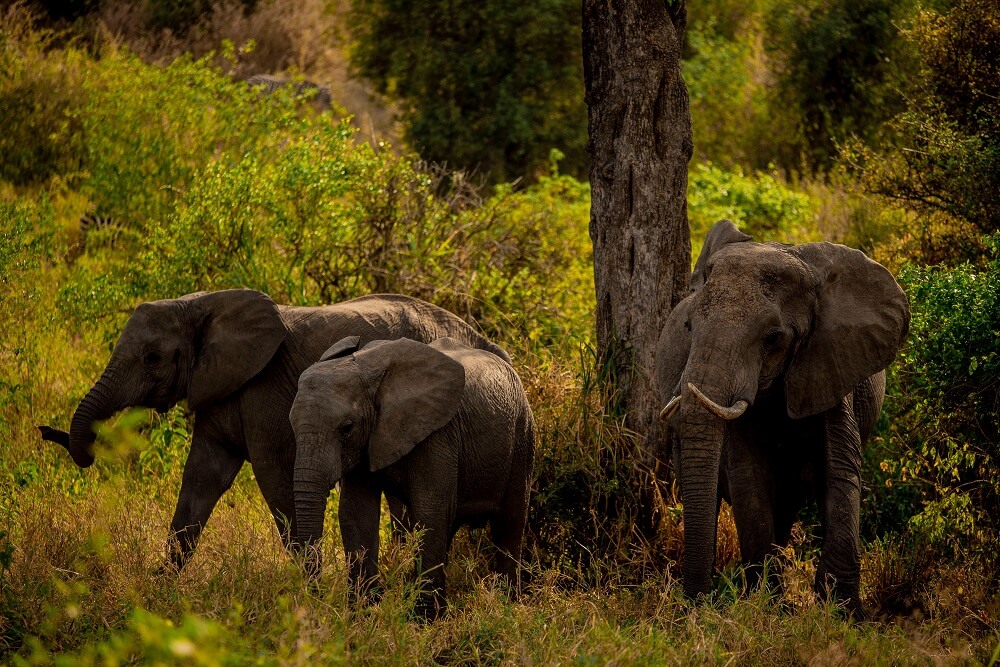
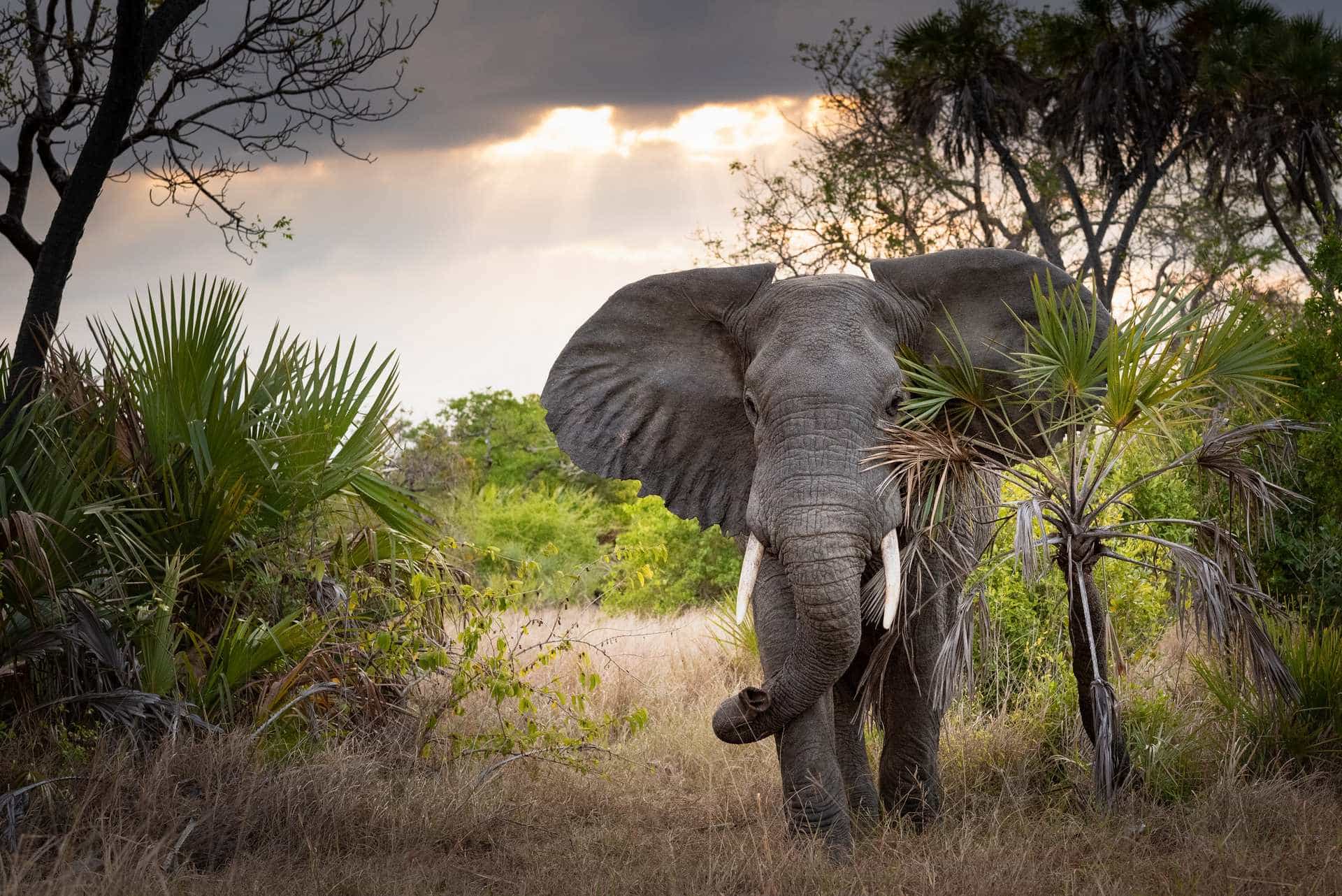
Tarangire National Park is another outstanding choice, particularly for travelers who appreciate elephants, enormous baobab trees, dramatic scenery, and excellent wildlife viewing. The park can be especially attractive for shorter safaris because it can fit naturally into itineraries departing from the Arusha area. A game drive through Tarangire can produce encounters with elephants, giraffes, zebras, wildebeest, buffalo, predators, and a wide variety of birds, all surrounded by distinctive landscapes.
Lake Manyara provides yet another perspective. Its combination of lake, woodland, open areas, and escarpment scenery creates a varied safari environment, making it useful as part of a broader Northern Circuit itinerary. For travelers who want to experience several ecosystems without spending an excessive number of days on safari, combining different parks can create an itinerary that feels much richer than simply staying in one location.
Budget safari does not mean less adventure
One of the greatest misconceptions about budget travel is that reducing your accommodation costs automatically reduces the quality of your adventure.
It doesn’t.
A safari is fundamentally about what happens outside your accommodation.
Your most important memories are likely to come from the game drive when your guide spots something before anyone else notices it, the moment a herd of elephants crosses the road, the sudden appearance of a leopard in a tree, the silence that falls when lions begin moving through the grass, the golden light of sunset over the plains, the first time you hear wildlife around your campsite at night, or the morning when you realize that you are surrounded by one of the world’s most remarkable natural environments.
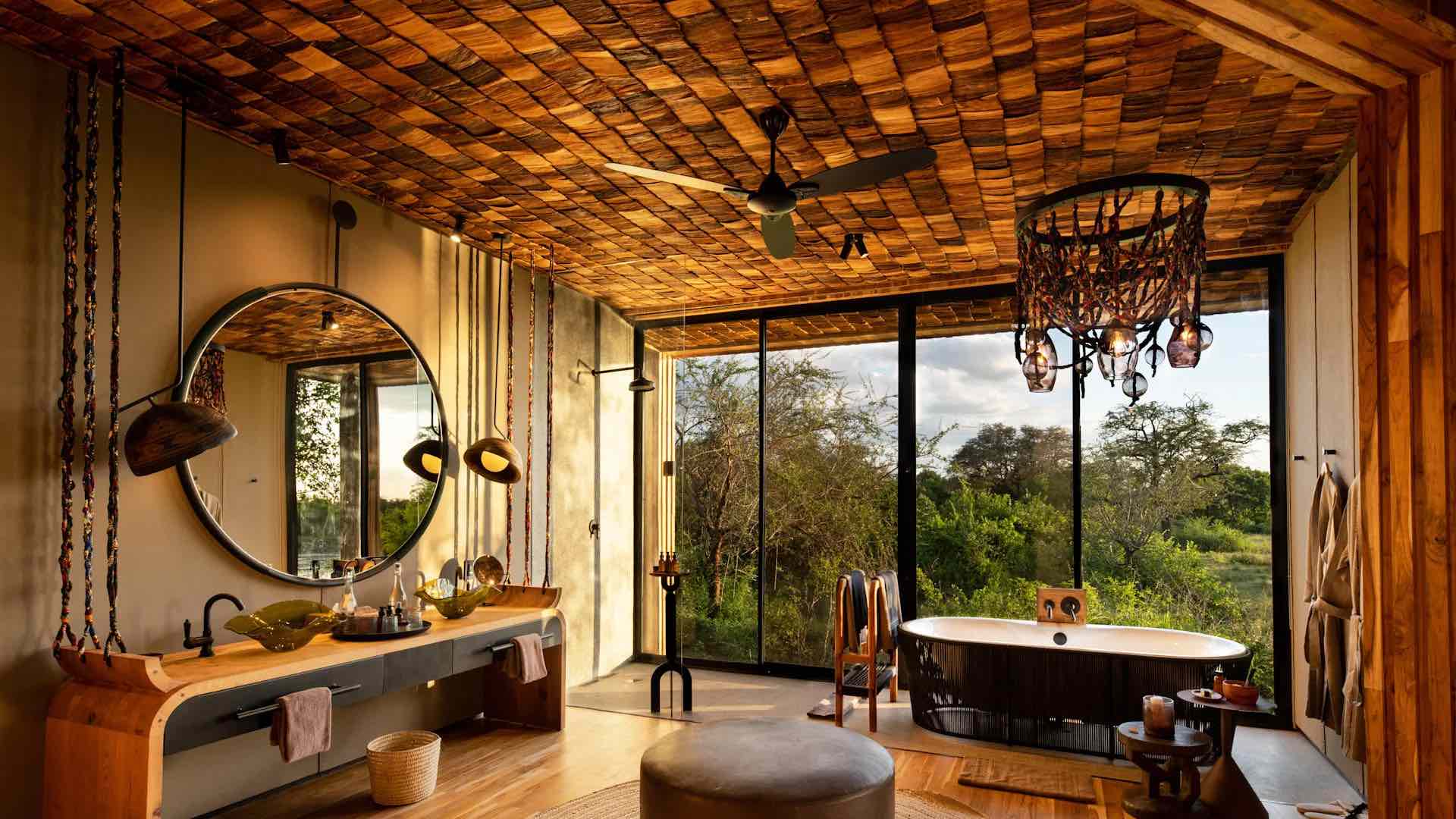
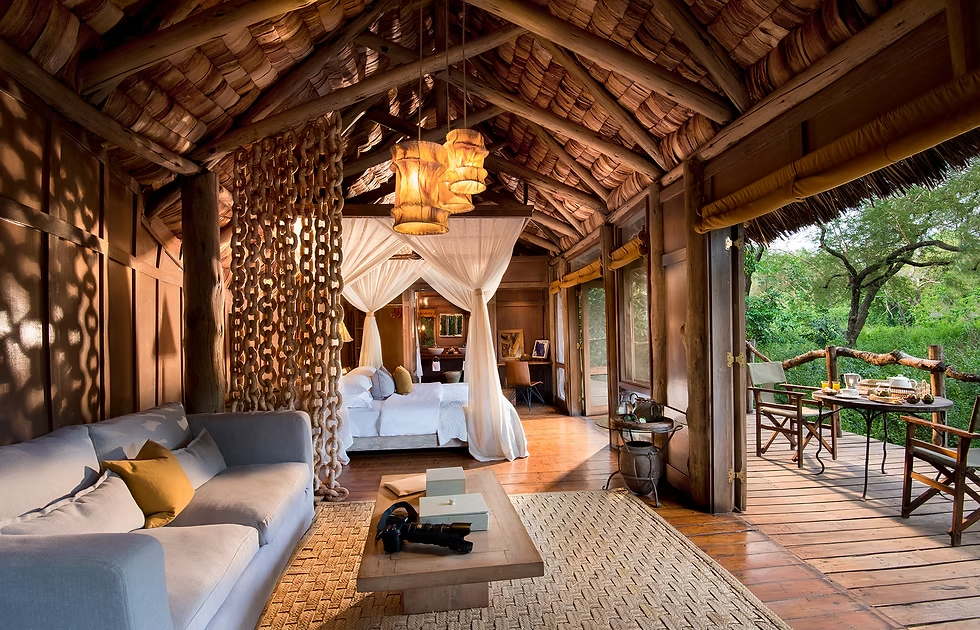
A luxury lodge can provide a beautiful room, a private swimming pool, fine dining, premium furnishings, and exceptional service. Those things can be wonderful, and luxury safari travelers certainly have their own reasons for choosing them. But if your priority is wildlife and adventure, you can choose to put more of your budget toward the safari itself rather than the room in which you spend a relatively small portion of your trip.
That is the philosophy behind a great budget safari.
Spend intelligently. Experience deeply.
Who is a budget safari for?
Solo Travelers
Traveling alone does not mean you have to pay the full cost of a private safari vehicle. Joining a shared safari can make Tanzania significantly more accessible to solo travelers, while also creating an unexpected social advantage: you may begin the journey as strangers and finish it with friendships that continue long after everyone has returned home.
Solo travelers often appreciate the flexibility and social atmosphere of group safaris. Around the campsite or lodge, conversations naturally begin. Travelers compare wildlife sightings, photographs, home countries, travel plans, and the day’s funniest moments. One day you may be sharing a vehicle with someone from Europe, another traveler from Asia, another from North America, and another from Africa. The safari becomes not only a wildlife journey but also a meeting point for people who share a curiosity about the world.
Couples
For couples, a budget safari can be an incredibly romantic experience without requiring a luxury honeymoon package. Imagine watching the sunrise together over the savannah, sitting quietly while elephants move through the landscape, enjoying dinner after a long day of wildlife viewing, and watching the African sky become filled with stars.
Couples can choose shared safari packages to reduce costs or upgrade selected elements of the trip when they want more privacy. This makes it possible to create a flexible safari that balances romance, adventure, comfort, and budget.
Families
A safari can also be an extraordinary family adventure. Children who have grown up seeing wildlife in books, documentaries, and videos suddenly have the opportunity to see those animals in their natural environment. A lion is no longer simply a picture on a screen. An elephant is no longer a character in a story. The African wilderness becomes real.
Family safari planning requires special attention to ages, accommodation, vehicle arrangements, meal preferences, driving distances, and activity suitability. A well-designed itinerary can reduce unnecessary fatigue and give everyone enough time to enjoy the experience.
Friends and groups
Groups of friends can benefit significantly from budget safari packages because costs can be shared while the social atmosphere makes the journey even more enjoyable. A group can spend the morning searching for wildlife, stop for lunch surrounded by nature, compare photographs throughout the afternoon, and end the day exchanging stories around camp.
Backpackers and students
For backpackers and students, the central attraction of a budget safari is value. You may have a limited overall travel budget, but that does not mean you should leave Tanzania without experiencing its wildlife. Shared safaris, camping, shorter itineraries, and careful destination selection can make a safari fit into a wider East African travel adventure.
First-Time Safari Travelers
If this is your first safari, you may not know which parks to choose, how many days you need, what accommodation style is best, when to travel, or how much you should budget. That is normal.
A good safari operator should make the process easier, not more confusing.
You should be able to explain what you want—Big Five, migration, elephants, photography, camping, culture, adventure, romance, family travel, or simply an affordable introduction to Africa—and receive guidance on how to turn those priorities into a realistic itinerary.
Experienced Travelers
Even experienced safari travelers may choose budget packages because they already know what matters most to them. If you have traveled extensively, you may not need an expensive room or elaborate dining experience. You may simply want excellent wildlife viewing, a knowledgeable guide, good logistics, and a well-planned route.
A budget safari can therefore appeal to both the first-time visitor and the seasoned traveler.
How much does a budget safari in Tanzania cost?
There is no single price for a Tanzania budget safari because the final cost depends on several variables.
These include:
- Number of safari days
- Number of travelers
- Shared or private safari
- Parks included
- Accommodation type
- Camping versus budget lodge
- Travel season
- Vehicle arrangements
- Airport transfers
- Meal arrangements
- Park and conservation fees
- Special activities
- Internal flights, if applicable
- Additional cultural or adventure activities
The number of travelers can make a particularly significant difference. A solo traveler joining a group may pay a very different per-person rate from a private couple traveling alone, while a larger group can sometimes achieve better per-person value by sharing operational costs.
This is why we do not believe in presenting every traveler with a generic “one-price-fits-all” safari.
Your safari should be built around your trip.
Tell us when you want to travel, how many people are coming, how many days you have, what you want to see, your preferred accommodation style, and your approximate budget. We can then help you determine which combination of destinations and services gives you the strongest experience for your money.
What makes a budget safari truly affordable?
TARANGIRE + NGORONGORO
A two-day safari can be ideal for travelers who have limited time in Tanzania but still want a genuine wildlife experience.
DAY 1 — ARUSHA TO TARANGIRE
Your adventure begins in Arusha as you meet your safari guide and depart toward Tarangire National Park. As the urban landscape gradually disappears, Tanzania’s scenery begins to change. The road opens into rural landscapes, villages, farms, and eventually the wildlife environment surrounding the park.
Once inside Tarangire, the game drive begins.
This is where the journey transforms from a road trip into a safari.
You may encounter elephants, giraffes, zebras, wildebeest, buffalo, antelope, monkeys, birds, and predators depending on conditions and wildlife movements. Your guide reads the landscape, watches animal behavior, follows tracks, and communicates with other guides when appropriate.
After a full day of exploration, you continue to your overnight accommodation.
DAY 2 — NGORONGORO CRATER
After breakfast, you head toward the Ngorongoro Conservation Area and prepare for one of the most dramatic wildlife experiences of the trip: descending into the crater.
The scenery changes as you move through the highlands. Once you reach the crater rim, the landscape opens dramatically below you.
The descent begins.
Inside the crater, you spend time searching for wildlife while surrounded by enormous natural walls.
After your crater experience, you begin the journey back toward Arusha.
Two days.
Two extraordinary destinations.
One unforgettable introduction to Tanzania.
Sample 2-day Budget safari
TARANGIRE + NGORONGORO
A two-day safari can be ideal for travelers who have limited time in Tanzania but still want a genuine wildlife experience.
DAY 1 — ARUSHA TO TARANGIRE
Your adventure begins in Arusha as you meet your safari guide and depart toward Tarangire National Park. As the urban landscape gradually disappears, Tanzania’s scenery begins to change. The road opens into rural landscapes, villages, farms, and eventually the wildlife environment surrounding the park.
Once inside Tarangire, the game drive begins.
This is where the journey transforms from a road trip into a safari.
You may encounter elephants, giraffes, zebras, wildebeest, buffalo, antelope, monkeys, birds, and predators depending on conditions and wildlife movements. Your guide reads the landscape, watches animal behavior, follows tracks, and communicates with other guides when appropriate.
After a full day of exploration, you continue to your overnight accommodation.
DAY 2 — NGORONGORO CRATER
After breakfast, you head toward the Ngorongoro Conservation Area and prepare for one of the most dramatic wildlife experiences of the trip: descending into the crater.
The scenery changes as you move through the highlands. Once you reach the crater rim, the landscape opens dramatically below you.
The descent begins.
Inside the crater, you spend time searching for wildlife while surrounded by enormous natural walls.
After your crater experience, you begin the journey back toward Arusha.
Two days.
Two extraordinary destinations.
One unforgettable introduction to Tanzania.
Sample 3-day Budget safari
TARANGIRE — NGORONGORO — LAKE MANYARA
For travelers who want more variety while still maintaining a relatively short itinerary, this three-day route offers a strong combination of wildlife and landscapes.
DAY 1 — TARANGIRE
Spend the day exploring Tarangire, with particular attention to elephants, large herbivore herds, birds, and the park’s distinctive baobab scenery.
DAY 2 — NGORONGORO
Enter the Ngorongoro landscape and descend into the crater for an extensive game drive.
DAY 3 — LAKE MANYARA
Explore Lake Manyara and its varied habitats before returning toward Arusha.
This itinerary works particularly well for travelers who want a compact safari without spending too many days away from their wider Tanzania itinerary.
Sample 3-day Budget safari
TARANGIRE — SERENGETI — NGORONGORO
For many first-time visitors, this is where the safari begins to feel truly expansive.
DAY 1 — TARANGIRE
Begin with a full wildlife day in Tarangire.
DAY 2 — SERENGETI
Travel toward the Serengeti, watching the scenery gradually transform into the immense plains associated with classic East African safari.
The journey itself becomes part of the experience.
DAY 3 — SERENGETI GAME DRIVE
Spend a full day exploring the Serengeti.
This is where patience becomes important.
Wildlife viewing is not a zoo experience. Animals move according to their own rhythms. Your guide may spend time tracking movement, watching a distant group, or waiting for something to happen.
Sometimes nothing happens for twenty minutes.
Then everything happens in thirty seconds.
A lion emerges.
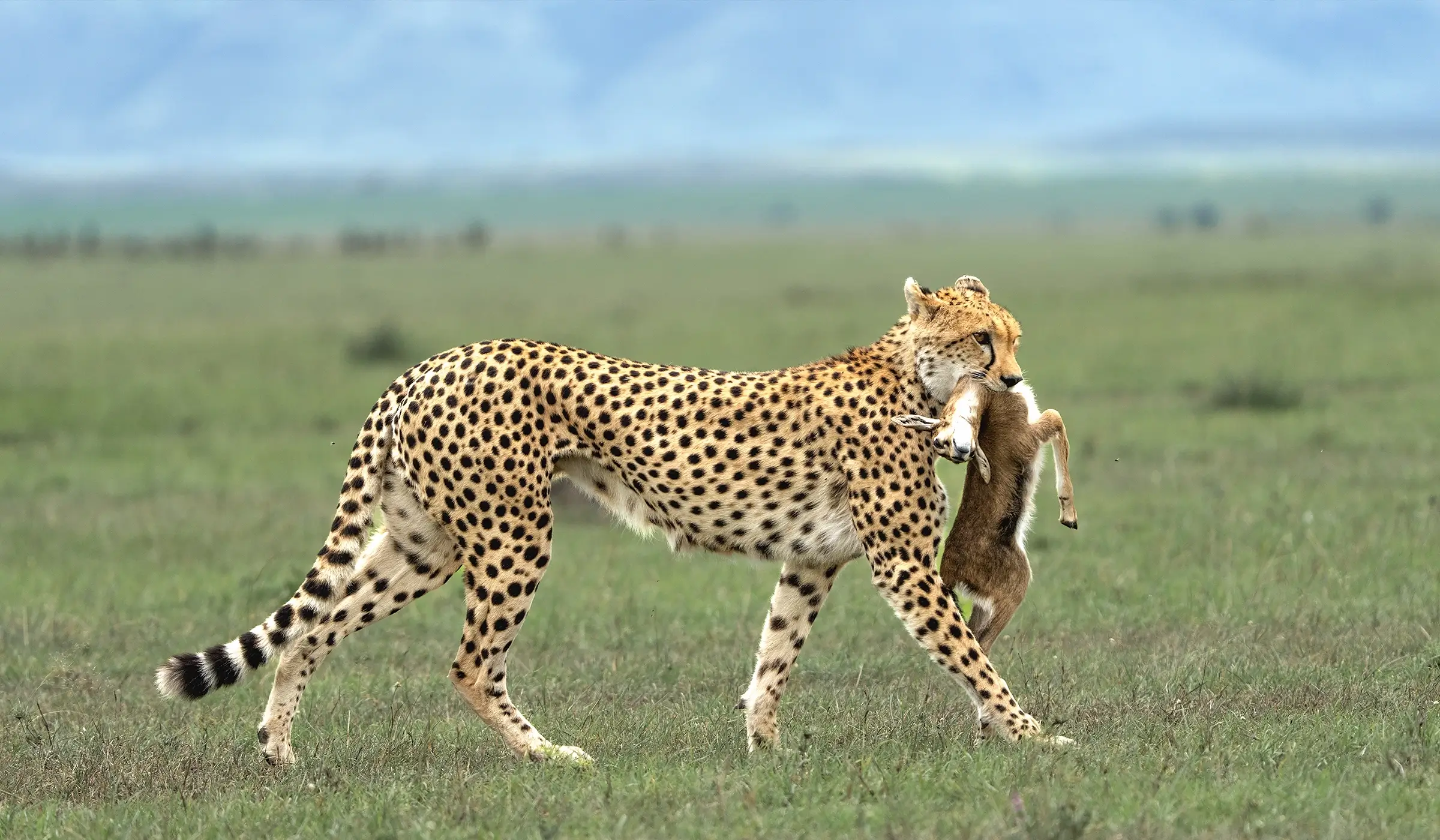
A cheetah begins moving.
A herd suddenly crosses the road.
An elephant approaches.
A leopard appears.
And suddenly you understand why people return to safari again and again.
DAY 4 — NGORONGORO AND RETURN
Continue toward Ngorongoro, experience the crater, and then return toward your final destination.
The great wildebeest migration
For many travelers, the Great Wildebeest Migration is the ultimate Tanzania safari dream.
But the migration is not a single event that happens on one specific day in one specific place.
It is a massive, constantly moving ecological cycle involving enormous numbers of wildebeest and other animals moving through the Serengeti ecosystem in response to rainfall, grazing conditions, water availability, and seasonal patterns.
This means migration planning requires flexibility.
If seeing the migration is your priority, tell us before booking.
We can help you understand which areas may make the most sense for your travel dates and what kind of itinerary gives you the strongest opportunity to experience the migration.
And remember:
Wildlife is wild.
No ethical safari company can guarantee that you will see a specific animal at a specific moment.
What we can do is use experienced guides, strong route planning, seasonal knowledge, and good timing to maximize your opportunities.
The big five
Many first-time safari travelers arrive with one goal:
See the Big Five.
Lion.
Leopard.
Elephant.
Buffalo.
Rhinoceros.
These animals have become iconic symbols of African wildlife.
But a safari should never be reduced to a checklist.
A safari is about the entire ecosystem.
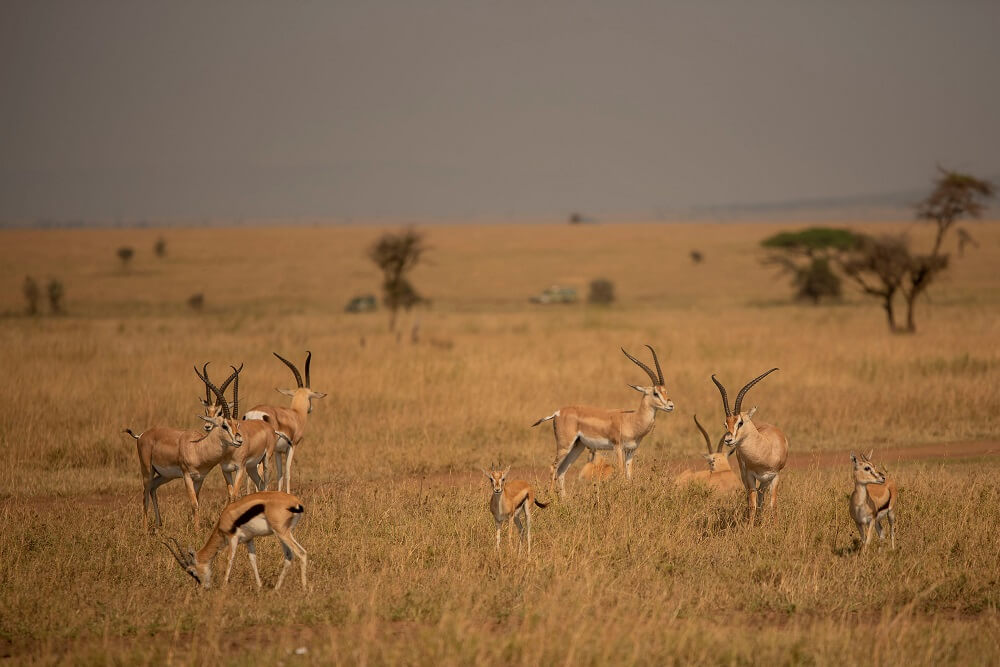
It is the giraffe standing silently against the horizon.
It is the zebra herd moving across the road.
It is a family of elephants interacting.
It is a tiny bird you almost missed.
It is a hyena calling after dark.
It is a hippo emerging from water.
It is a golden jackal crossing the road.
It is the landscape itself.
The Big Five are extraordinary—but they are only part of the story.
What does a day on a budget safari look like?
A safari day usually begins early.
Very early.
There is something magical about leaving camp while the air is still cool and the landscape is waking up. The first light begins to spread across the horizon, birds become active, and wildlife can often be particularly interesting during the cooler hours.
After the morning game drive, you may return for breakfast or lunch depending on the itinerary and park arrangements.
Then comes another game drive or a period of relaxation.
In the afternoon, the safari continues.
The light changes.
The temperature drops.
Animals become active again.
And eventually the sun begins to disappear.
The vehicle turns back toward camp.
Dinner follows.
Then the African night arrives.
There are no city lights.
The sky becomes enormous.
And you realize that your day has been spent almost entirely outside, surrounded by nature.
That is safari.
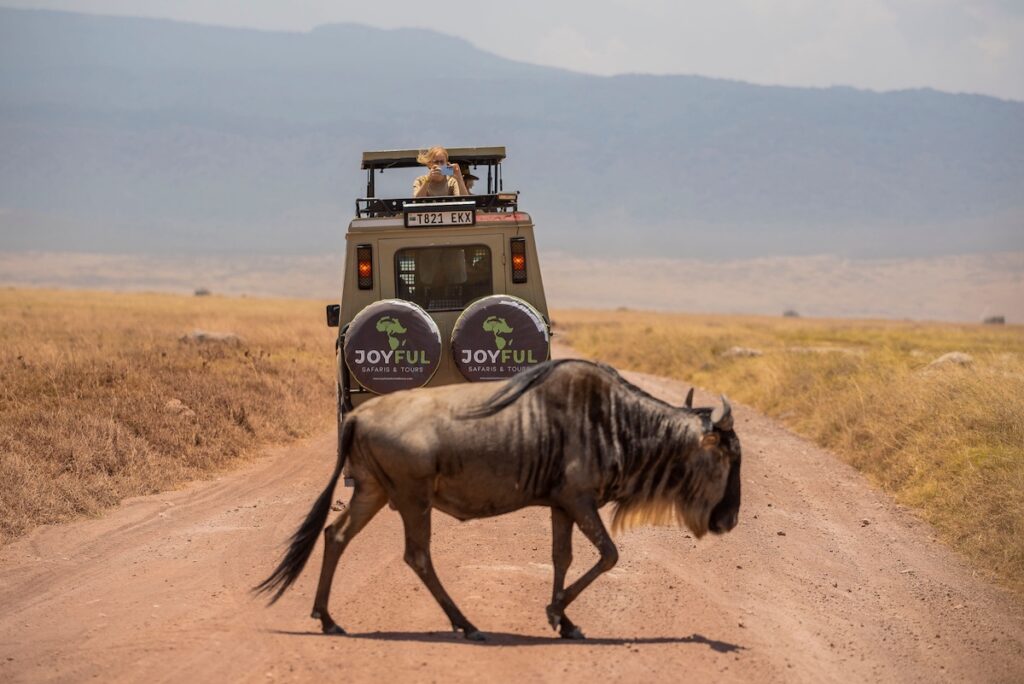
Safari Vehicles
The safari vehicle is effectively your mobile observation platform.
A good safari vehicle should provide appropriate visibility, comfortable seating, adequate space for passengers and luggage, and an elevated viewing position that allows travelers to observe wildlife safely.
The pop-up roof is particularly useful because it allows passengers to stand or sit upright while viewing animals and taking photographs.
For budget safaris, shared vehicles are often the preferred option because they allow the cost to be divided among several travelers.
However, private safari vehicles can also be arranged for travelers who want maximum flexibility, privacy, or control over their schedule.
Why your guide matters
A safari guide is much more than a driver.
A great guide helps interpret the environment.
They understand animal behavior.
They know how to read tracks.
They understand seasonal changes.
They recognize bird calls.
They know where animals are frequently encountered.
They know when to wait.
They know when to move.
And perhaps most importantly, they know that a safari is about giving guests an experience—not simply driving from one attraction to another.
A good guide can turn an ordinary landscape into a story.
A line in the dirt becomes an animal track.
A distant movement becomes a herd.
A bird call becomes a clue.
A patch of grass becomes evidence that something passed through recently.
Suddenly, you are not simply looking at Tanzania.
You are learning how Tanzania works.
Budget safari food
Budget does not mean you should expect to survive on snacks.
Meals can be organized according to the accommodation and safari style you choose, with options ranging from packed lunches during game drives to prepared breakfasts and dinners at camps or lodges.
For travelers with dietary requirements, it is important to communicate those requirements before departure so the safari team can plan accordingly.
Food is also part of the travel experience.
After spending hours outside, a simple meal can taste surprisingly good.
There is something special about eating breakfast in the morning air, enjoying lunch after a game drive, or sitting around camp discussing the day’s wildlife encounters.
Camping on safari
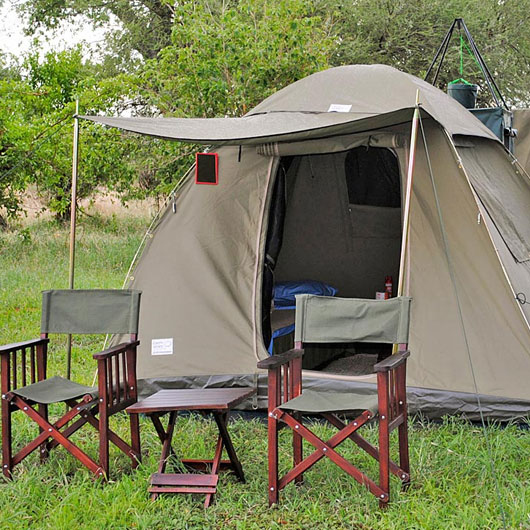
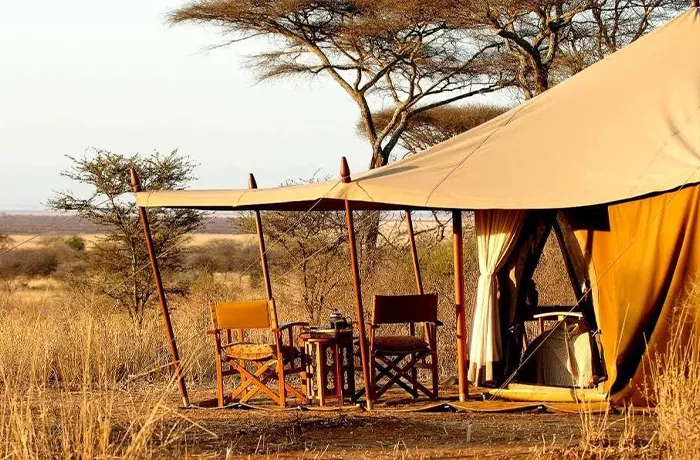
Camping is one of the most authentic ways to experience a budget safari.
But camping on safari is not necessarily the same as backpacking in an ordinary campsite.
Depending on the package, camping arrangements can include tents, sleeping equipment, camp facilities, meals, and support from the safari team.
For travelers who are nervous about camping, the first night is often the biggest psychological hurdle.
Then something changes.
You wake up.
You unzip the tent.
The landscape is outside.
The sun is rising.
Birds are calling.
And you realize:
This is why you came to Africa.
Is a budget safari safe?
Safety should always be one of the first considerations when choosing a safari operator.
Wild animals are wild animals, and safari environments require travelers to follow guide instructions and park regulations.
You should never approach wildlife independently, leave a designated vehicle without permission, feed animals, or attempt to get dangerously close for a photograph.
Your safari guide is there to help you understand these boundaries.
The goal is not to remove the wildness from the experience.
The goal is to experience that wildness responsibly.
Budget does not mean cutting corners on safety
There is an important difference between saving money intelligently and cutting essential costs.
A reputable budget safari should never compromise on fundamental safety standards, professional guiding, appropriate vehicle operation, legal park access, or responsible travel practices simply to advertise a lower price.
When comparing safari companies, do not look only at the headline price.
Ask:
What is included?
Which parks are included?
What accommodation is provided?
Is the vehicle shared or private?
How many travelers will be in the vehicle?
Are park fees included?
Are meals included?
Who will be my guide?
What happens if the itinerary changes?
What is excluded?
What additional costs should I expect?
The cheapest quote is not automatically the best deal.
The best value is the safari that delivers what you actually need at a fair and transparent price.
What to pack for a tanzania budget safari
Packing for safari does not need to be complicated.
Choose lightweight, comfortable clothing that works well in warm conditions, along with a warmer layer for cool mornings and evenings depending on the season and itinerary.
Useful items include:
- Comfortable trousers
- Lightweight shirts
- Fleece or warm jacket
- Comfortable shoes
- Hat
- Sunglasses
- Sunscreen
- Insect repellent
- Camera
- Spare batteries or power bank
- Binoculars
- Reusable water bottle
- Personal medication
- Toiletries
- Small day bag
- Passport
- Required travel documents
Avoid bringing enormous amounts of luggage.
Safari vehicles have limited space.
Pack light. Travel freely.
The best clothing colors for safari
Neutral and natural colors are generally practical for safari because they blend well into the environment and are less visually distracting than very bright colors.
Think:
Khaki.
Beige.
Brown.
Olive.
Grey.
Light neutral shades.
Comfort matters more than fashion.
You will be sitting in a safari vehicle for long periods, getting in and out, walking around camps, dealing with dust, and spending long hours outdoors.
Your safari wardrobe should therefore be functional.
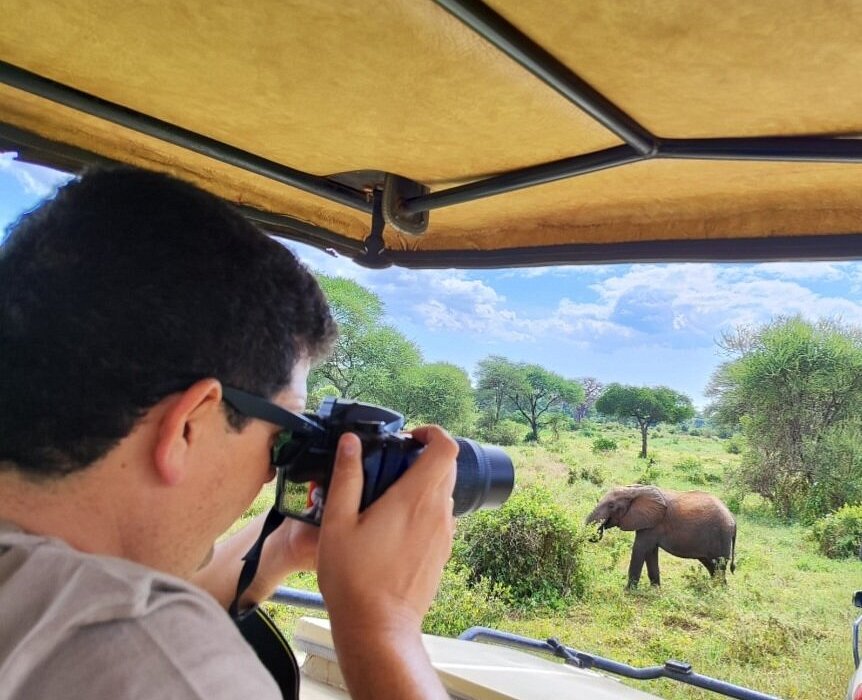
Photography on a budget safari
You do not need a professional camera to take memorable safari photographs.
A modern smartphone can produce excellent images, particularly when combined with good lighting and patience.
If you have a dedicated camera, a telephoto lens can be extremely useful for wildlife photography because animals may be too far away for standard lenses.
But remember:
The best safari photograph is not always the closest photograph.
A distant elephant silhouetted against a sunset can tell a more powerful story than a close-up image.
A herd of zebra crossing the landscape can communicate the scale of the environment.
A lion surrounded by golden grass can capture the feeling of the Serengeti.
Photograph the moment.
Not just the animal.
Budget safari + zanzibar
Many travelers dream of combining safari with the beach.
Tanzania makes this combination particularly attractive.
You can begin with several days exploring the wilderness, then continue to Zanzibar for white-sand beaches, warm Indian Ocean waters, coastal culture, and relaxation.
This creates a remarkable contrast.
One day you are watching elephants in the savannah.
A few days later you are sitting beside the ocean.
Wildlife in the morning.
Ocean sunsets in the evening.
A safari-and-Zanzibar combination can therefore create a complete Tanzania holiday rather than a safari-only trip.
Safari and cultural experiences
Tanzania is not only about wildlife.
It is also about people, communities, traditions, food, history, and landscapes shaped by generations of human activity.
Depending on the itinerary, travelers may have opportunities to incorporate cultural experiences into their journey.
This can add depth to the safari because it allows visitors to see Tanzania not simply as a wildlife destination but as a country with diverse communities and cultures.
Responsible cultural tourism should always prioritize respect, consent, fair treatment, and genuine interaction rather than treating communities as tourist attractions.
Responsible budget safari
A safari should leave you with wonderful memories—but it should also contribute positively to the places you visit.
Responsible safari travel means respecting wildlife, following park rules, minimizing unnecessary waste, avoiding harmful interactions with animals, respecting local communities, and supporting tourism practices that provide genuine benefits to conservation and people.
Do not feed wildlife.
Do not litter.
Do not encourage guides to violate park rules for photographs.
Do not pressure your driver to approach animals irresponsibly.
Do not remove natural objects from protected areas.
And remember that you are entering an environment that existed long before your arrival.
The privilege of safari comes with responsibility.
How to choose the right budget safari package
Choosing a safari package can feel overwhelming because dozens of itineraries may appear similar on paper.
- Look beyond the number of parks.
- Ask what you actually want.
- If elephants are your priority, your itinerary should reflect that.
- If the Serengeti is your dream, make sure you spend enough time there.
- If the migration is your priority, timing should drive the itinerary.
- If you are traveling on an extremely limited budget, shared camping may be appropriate.
- If you want comfort but still need to control costs, budget lodges may be better.
- If you are a family, your itinerary should be designed around family needs.
- If you are a photographer, you may want longer game drives and more flexible scheduling.
- If you are a couple, privacy may be more important.
- There is no single perfect safari package.
- There is a perfect safari package for you.
How to choose the right budget safari package
Choosing a safari package can feel overwhelming because dozens of itineraries may appear similar on paper.
- Look beyond the number of parks.
- Ask what you actually want.
- If elephants are your priority, your itinerary should reflect that.
- If the Serengeti is your dream, make sure you spend enough time there.
- If the migration is your priority, timing should drive the itinerary.
- If you are traveling on an extremely limited budget, shared camping may be appropriate.
- If you want comfort but still need to control costs, budget lodges may be better.
- If you are a family, your itinerary should be designed around family needs.
- If you are a photographer, you may want longer game drives and more flexible scheduling.
- If you are a couple, privacy may be more important.
- There is no single perfect safari package.
- There is a perfect safari package for you.
Are you ready to start planning?
You can proceed with booking by filling out the form below. Let’s make your adventure unforgettable!