Table of Contents
ToggleThe Soul of Tanzania With Joyful Safaris and Tours
A Deep Journey Through the Wild Heart, Living Culture, Ancient Landscapes and Timeless Beauty of Tanzania
Tanzania is not simply a country waiting to be visited. Tanzania is a country waiting to be felt.
It is felt in the first cool breath of dawn as the sun slowly rises above the Serengeti and turns the grasslands into a sea of gold. It is felt in the deep silence of the African wilderness before the day becomes alive with birdsong, distant calls, moving herds and the gentle sounds of nature awakening. It is felt in the warmth of a Tanzanian welcome, in the rhythm of Swahili conversations, in the laughter of communities, in the aroma of spices drifting through the streets of Zanzibar, in the ancient presence of Mount Kilimanjaro, and in the extraordinary spectacle of wildlife moving freely across landscapes that have remained powerful and beautiful for generations.
This is the Tanzania that deserves to be explored with curiosity rather than simply photographed.
And this is the Tanzania that Joyful Safaris and Tours can introduce to travelers seeking more than an ordinary holiday.
With Joyful Safaris and Tours, the journey into Tanzania can become a personal story of discovery. It can begin with a dream of seeing lions in the Serengeti and become a much larger experience involving wildlife, conservation, culture, landscapes, local communities, food, history, adventure, relaxation and the extraordinary emotional experience of being surrounded by nature on a scale that is difficult to describe until you have stood within it yourself.
The soul of Tanzania is not found in one park, one mountain, one beach or one photograph.
It is found in the connection between all of them.
It is found in the way the savannah meets the horizon, in the way communities live alongside wildlife, in the way Swahili culture carries memories of centuries of Indian Ocean exchange, in the way Kilimanjaro dominates the landscape, in the way elephants move through ancient ecosystems, and in the way a simple sunset can suddenly make a traveler stop speaking because there are moments when words are simply not enough.
Joyful Safaris and Tours is an invitation to enter that world.
Tanzania: A Country That Feels Like A Living Story
There are destinations that impress the eyes, destinations that entertain the mind, and destinations that remain somewhere deeper in the memory long after the traveler has returned home.
Tanzania belongs to the third category.
Its power comes from extraordinary contrasts. The country can take you from vast inland savannahs to tropical islands, from high mountain environments to lowland plains, from remote wilderness to vibrant cities, from ancient geological formations to living cultural traditions, and from the stillness of a sunrise safari to the energy of a coastal market.
That diversity creates a travel experience that can never be reduced to one definition.
Tanzania is safari country, but it is not only safari country.
It is mountain country, but it is not only mountain country.
It is beach country, but its beaches are only one part of a much larger cultural and natural story.
It is a country of wildlife, but behind the wildlife are ecosystems, communities, conservation efforts, traditions and landscapes that make those animals possible.
It is a country of adventure, but some of its most powerful experiences can come from simply sitting quietly and watching the world move around you.
This is why traveling through Tanzania can feel transformative.
The country encourages travelers to slow down.
To observe.
To listen.
To become aware of details that are easily missed in everyday life.
A small movement in tall grass may reveal a predator. A line of birds may reveal the presence of water. A distant cloud may signal changing weather over the plains. Tracks in the soil may tell a story of animals that passed through hours earlier. A local guide may point toward a seemingly empty landscape and reveal that it is full of life.
Suddenly, the wilderness becomes a language.
And the traveler begins to learn how to read it.
The Serengeti: The Great African Wilderness
The name Serengeti carries a special power.
For many people around the world, it represents the very idea of African wilderness. Yet no photograph, documentary or story can completely prepare a traveler for the physical experience of standing in the Serengeti.
The horizon seems to continue forever.
The sky appears enormous.
The grasslands stretch outward in every direction.
Acacia trees stand against the morning light.
A distant herd becomes a moving line across the landscape.
Then, without warning, the stillness changes.
A lion appears.
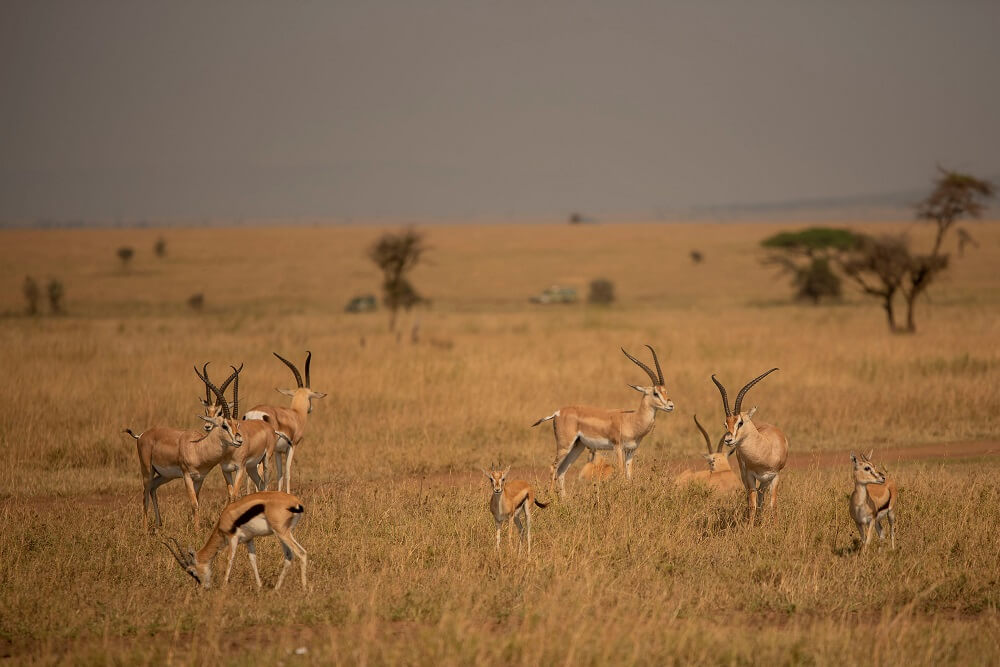
A group of zebra crosses the plains.
A giraffe rises above the grass.
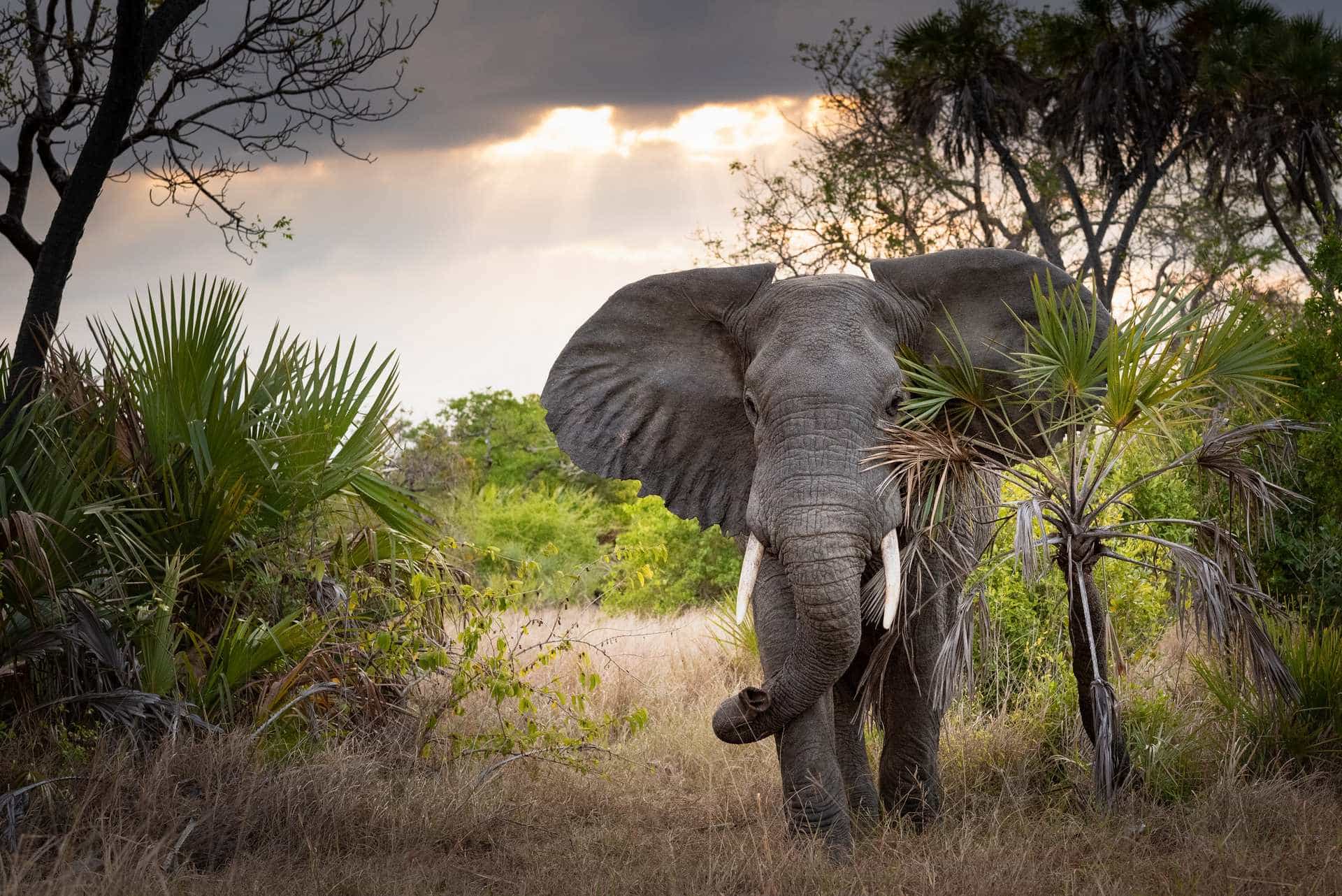
An elephant moves slowly through the woodland.
A bird of prey circles overhead.
The Serengeti is powerful because nothing feels staged. Wildlife follows its own rhythm, and the traveler is privileged to enter that world for a short period.
The experience is not about controlling nature.
It is about witnessing it.
A knowledgeable safari guide can make this experience dramatically richer. Instead of merely identifying animals, a skilled guide can help travelers understand behavior, habitat, tracks, feeding patterns, predator-prey relationships, seasonal changes and the subtle signs that reveal what is happening beyond the obvious.
A lion lying beneath a tree is not simply a lion lying beneath a tree.
Perhaps it has recently hunted.
Perhaps it is protecting a territory.
Perhaps nearby cubs are hidden in the grass.
Perhaps the pride is preparing to move.
Perhaps another predator is influencing its behavior.
The deeper a traveler looks, the more complicated and fascinating the wilderness becomes.
This is why a Tanzanian safari should never be treated simply as an animal-viewing exercise.
It is an education in life itself.
The Great Migration: The Continuous Movement Of Life
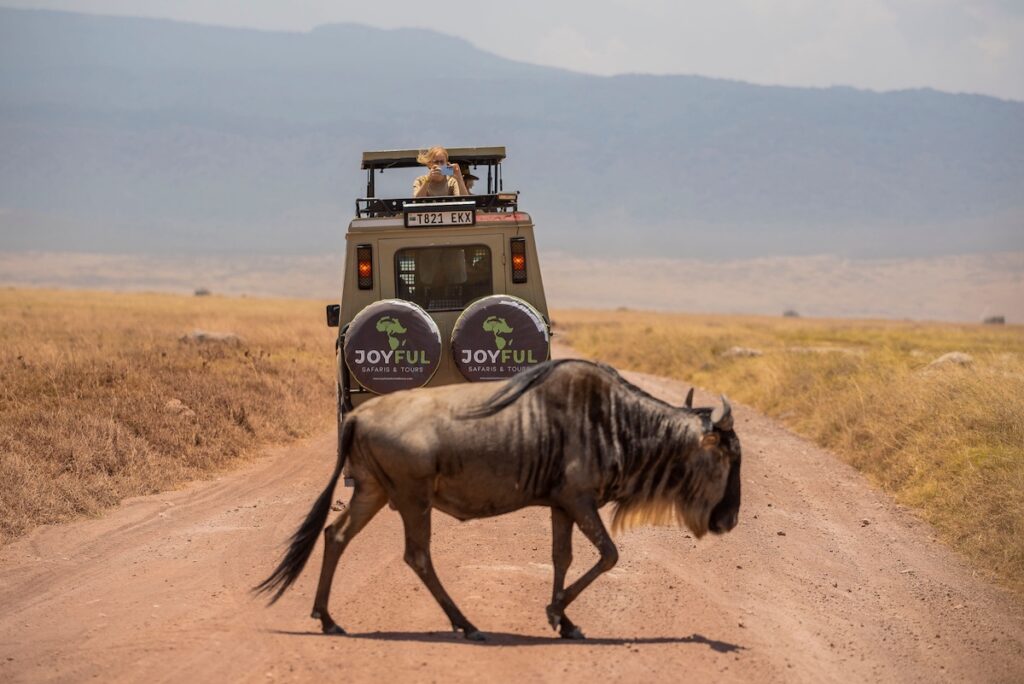
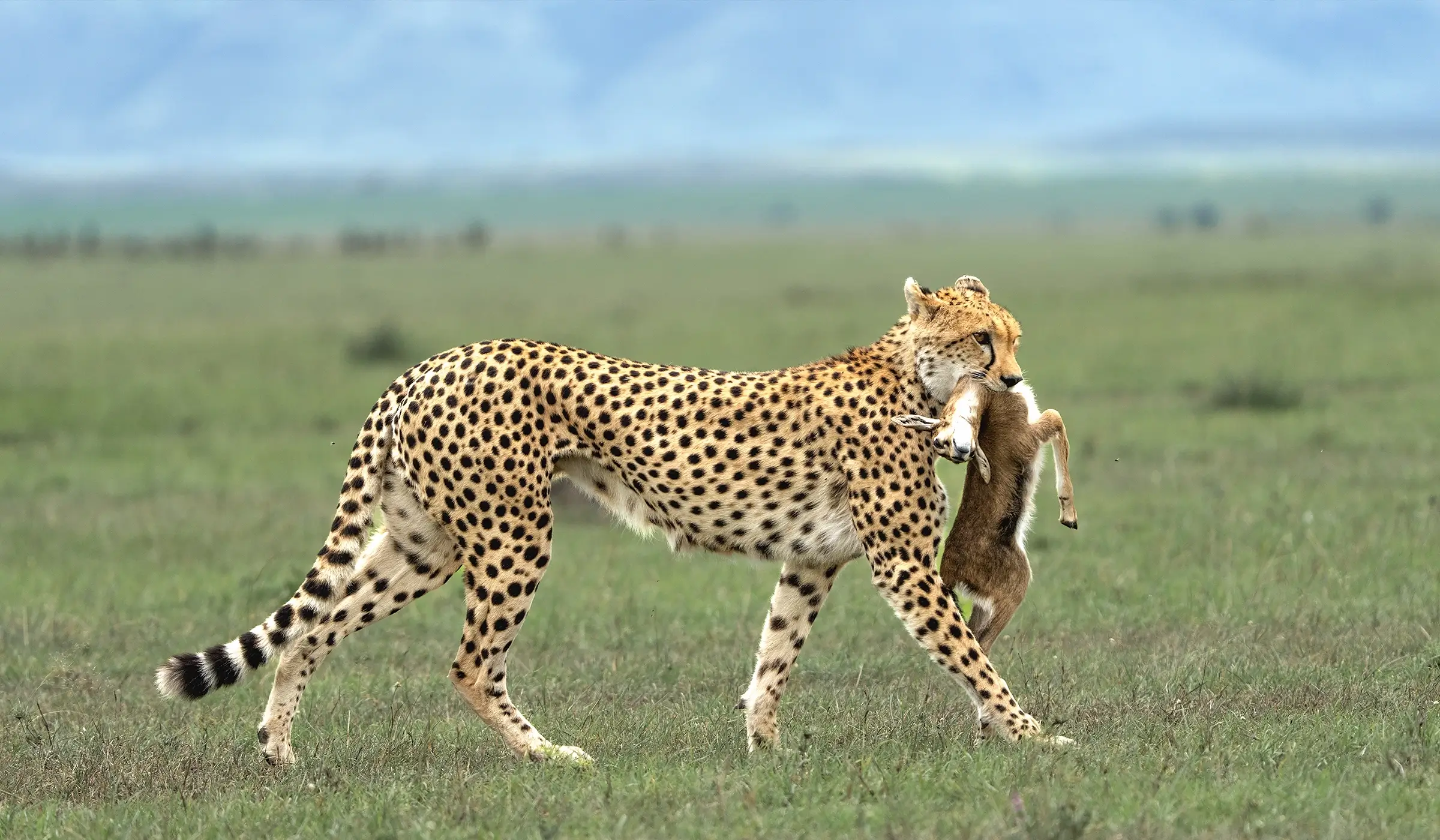
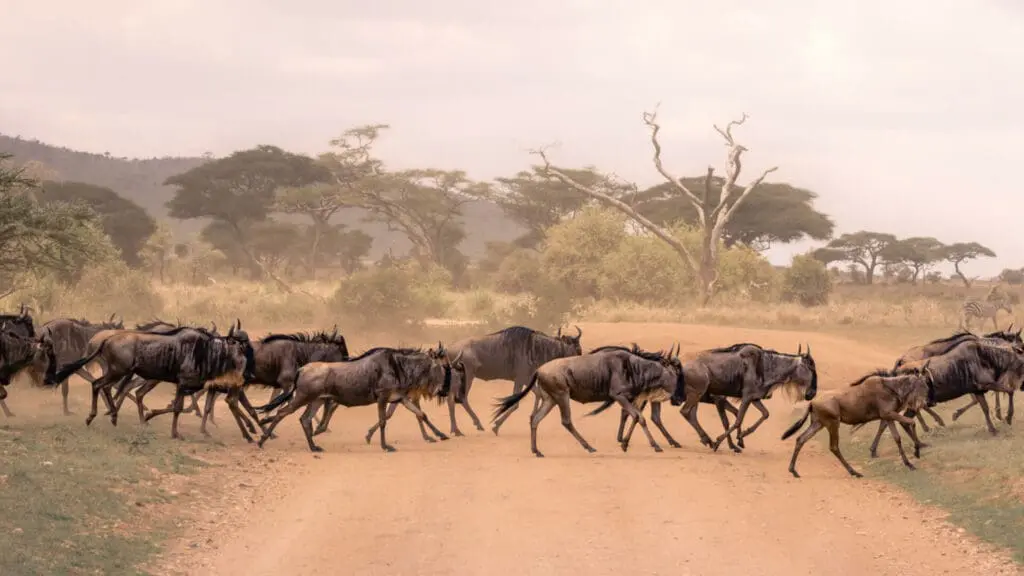
Among Tanzania’s most extraordinary natural spectacles is the Great Migration, the enormous seasonal movement of wildebeest and other herbivores through the Serengeti ecosystem and the wider East African landscape.
It is tempting to describe the migration simply as millions of animals moving across the plains, but that description cannot communicate its true complexity.
The migration is a living system shaped by rainfall, grass growth, water availability, reproduction, predators, geography and instinct.
Animals move because they must.
They search for nourishment.
They follow environmental conditions.
They reproduce.
They survive.
And throughout the journey, predators follow the herds, creating one of nature’s most dramatic relationships between movement and survival.
For travelers, witnessing the migration can be emotionally overwhelming.
There may be moments when the landscape appears to move.
Thousands of animals can fill the horizon.
The ground seems alive.
Dust rises into the air.
The sound of hooves becomes part of the atmosphere.
Predators watch from nearby.
Birds gather where opportunities arise.
Every scene is temporary.
Every moment is changing.
This is precisely what makes the migration so powerful.
It cannot be fully controlled.
It cannot be guaranteed to unfold according to a traveler’s schedule.
It is nature operating according to its own rules.
That unpredictability is part of the beauty.
Joyful Safaris and Tours can build safari planning around seasonal wildlife patterns while helping travelers understand that the migration is a natural process rather than a single event occurring at one fixed location on one fixed date.
The goal is not simply to chase the migration.
The goal is to understand the ecosystem that creates it.
Ngorongoro: Where Geology And Wildlife Meet
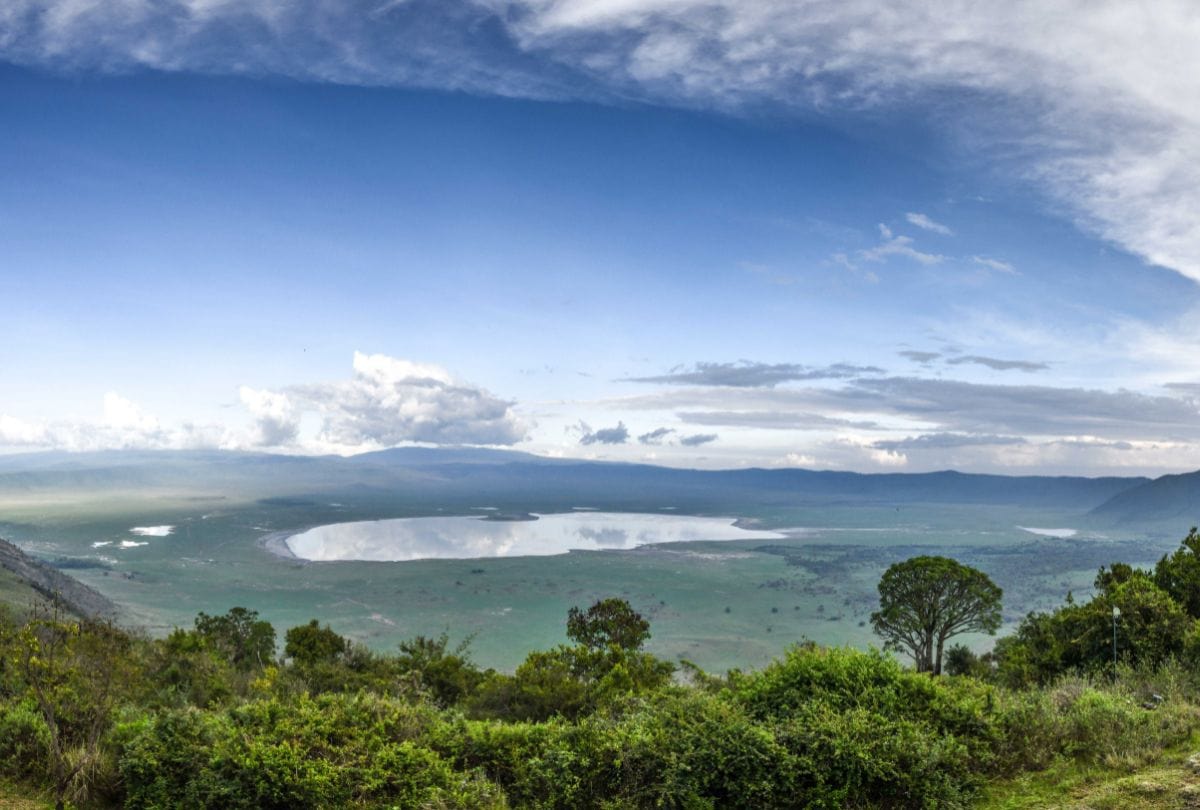
Few landscapes in Tanzania create such an immediate sense of wonder as the Ngorongoro Crater.
The descent into the crater feels almost cinematic. The enormous caldera opens below, revealing a complex ecosystem surrounded by dramatic walls.
Inside this natural amphitheater are grasslands, wetlands, forested areas and water sources that support a remarkable diversity of life.
Yet the true significance of Ngorongoro goes beyond its wildlife.
It is a place where geology, ecology, conservation, archaeology and human history intersect.
The volcanic origins of the landscape remind travelers that Tanzania’s scenery was shaped by forces far older than human civilization.
The wildlife demonstrates how ecosystems adapt to particular environments.
The surrounding cultural landscape reveals the long relationship between people, livestock, land and conservation.
Nearby archaeological discoveries provide important evidence about human evolution and early human history in East Africa.
A visit to Ngorongoro can therefore become an experience of enormous depth.
It is possible to look across the crater and see wildlife while simultaneously thinking about geological time, ecological balance and human history.
That is the extraordinary thing about Tanzania.
A single landscape can tell several stories at once.
Nyerere vs Ruaha: Which Should You Choose?
This is one of the most important decisions when planning Southern Circuit safaris.
The answer depends on your priorities.
Choose Nyerere if you want:
- Boat safaris
- River landscapes
- Hippos and crocodiles
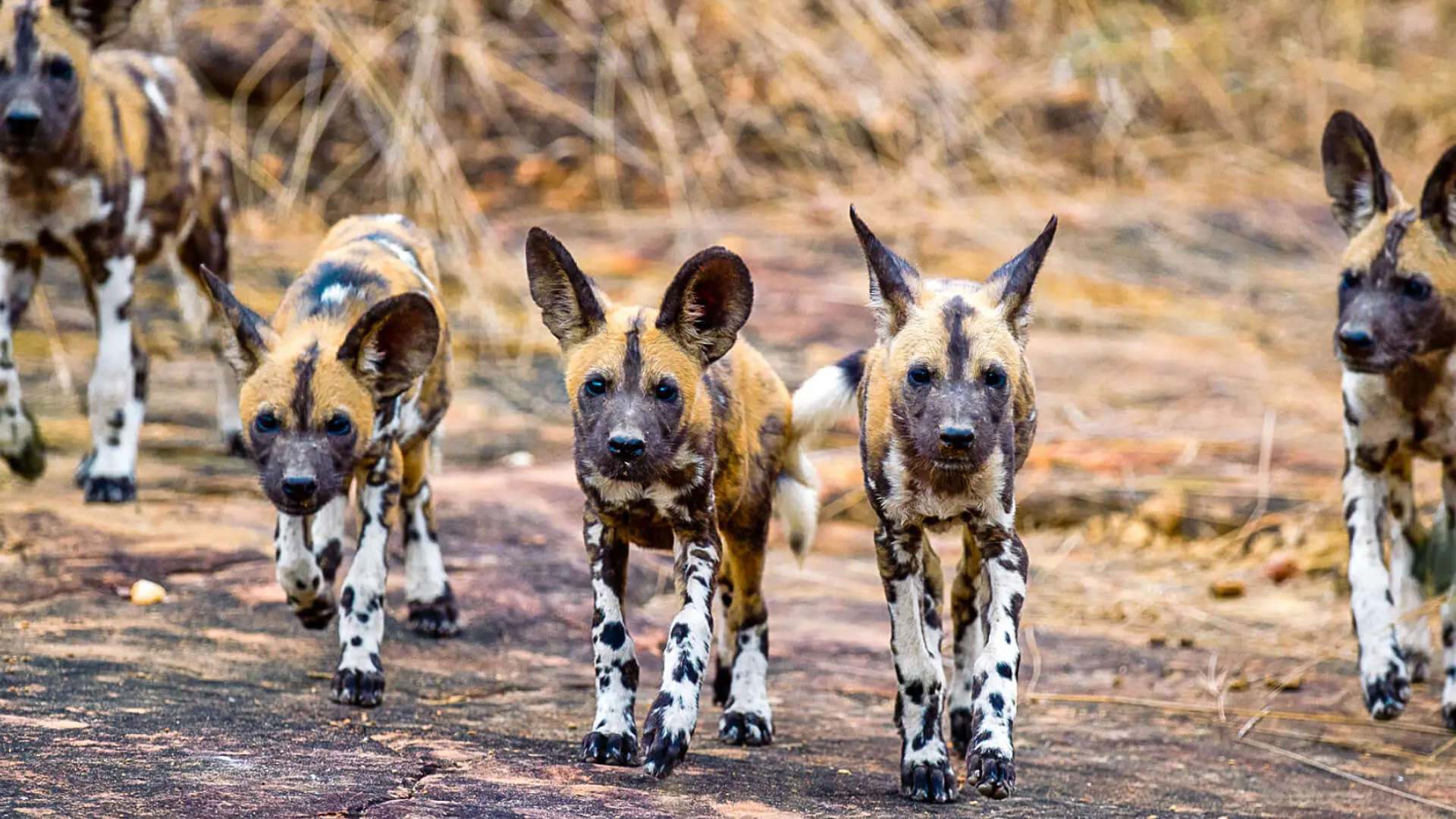
- African wild dogs
- Wetland ecosystems
- A strong variety of safari activities
- Easy combination with Dar es Salaam
Choose Ruaha if you want:
- Vast wilderness
- Exceptional elephant encounters
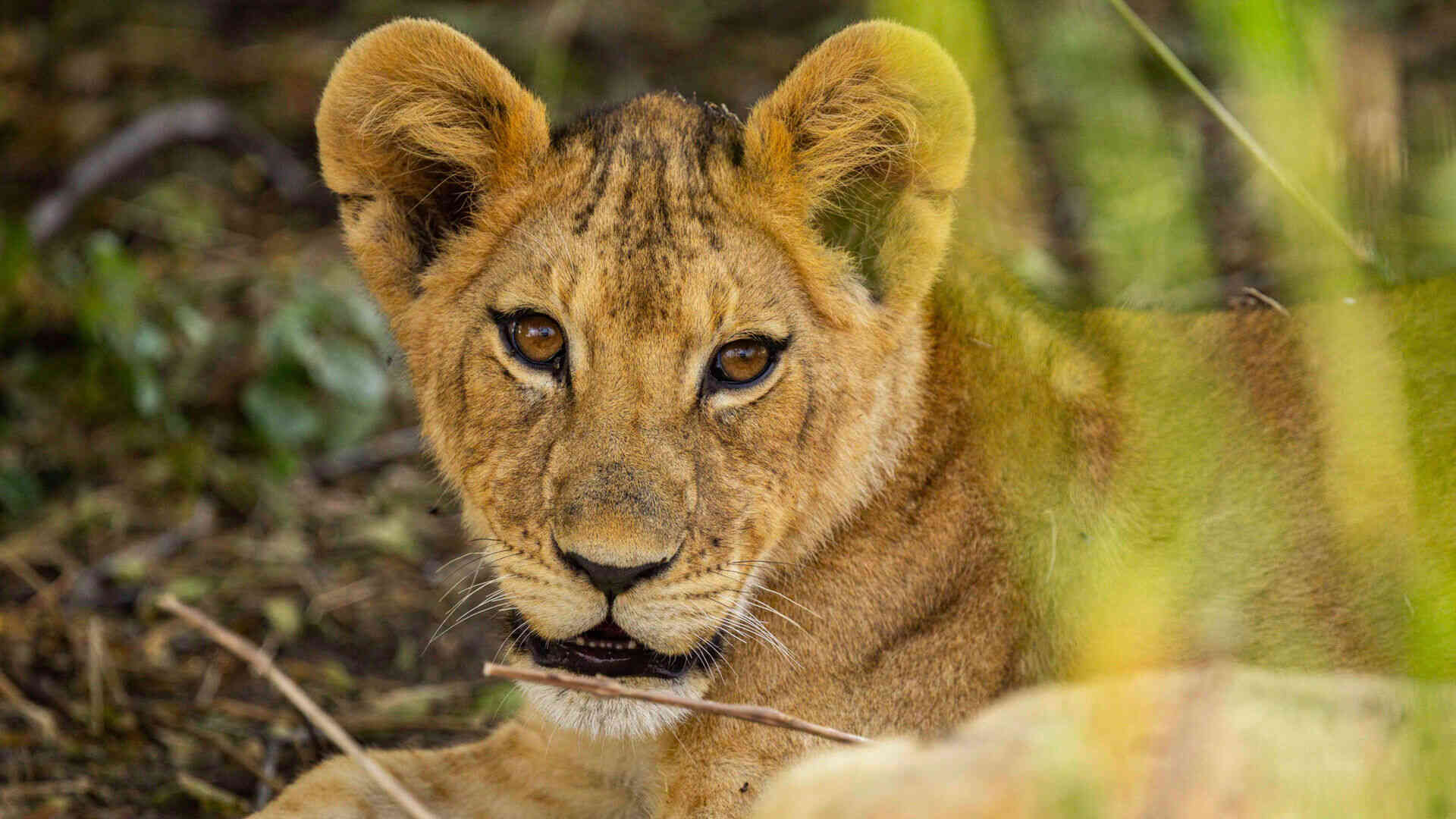
- Lions and predators
- Dramatic landscapes
- Baobabs
- Greater kudu
- A more remote safari atmosphere
Choose both if:
You have approximately a week or more dedicated to Southern Tanzania and want a comprehensive experience.
The combination is powerful because the two parks are fundamentally different.
Nyerere gives you water and river wilderness.
Ruaha gives you dry-country wilderness and dramatic landscapes.
Together, they create a much richer understanding of Southern Tanzania.
Mount Kilimanjaro: The Mountain That Calls People Higher
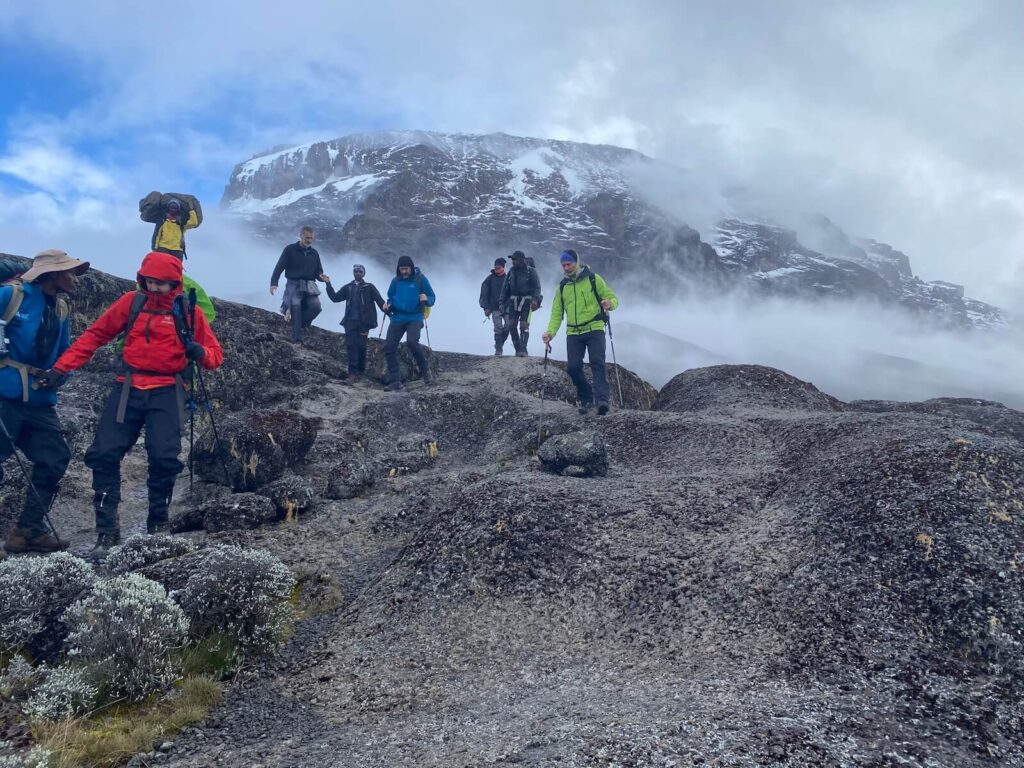
Mount Kilimanjaro is one of Tanzania’s defining symbols.
It rises dramatically above the surrounding landscape and has become an enduring symbol of ambition, adventure and endurance.
For climbers, Kilimanjaro represents a personal challenge.
For photographers, it represents an extraordinary landscape.
For cultural travelers, it represents a mountain surrounded by communities, agricultural traditions and histories that extend far beyond tourism.
For many people, simply seeing Kilimanjaro can be deeply moving.
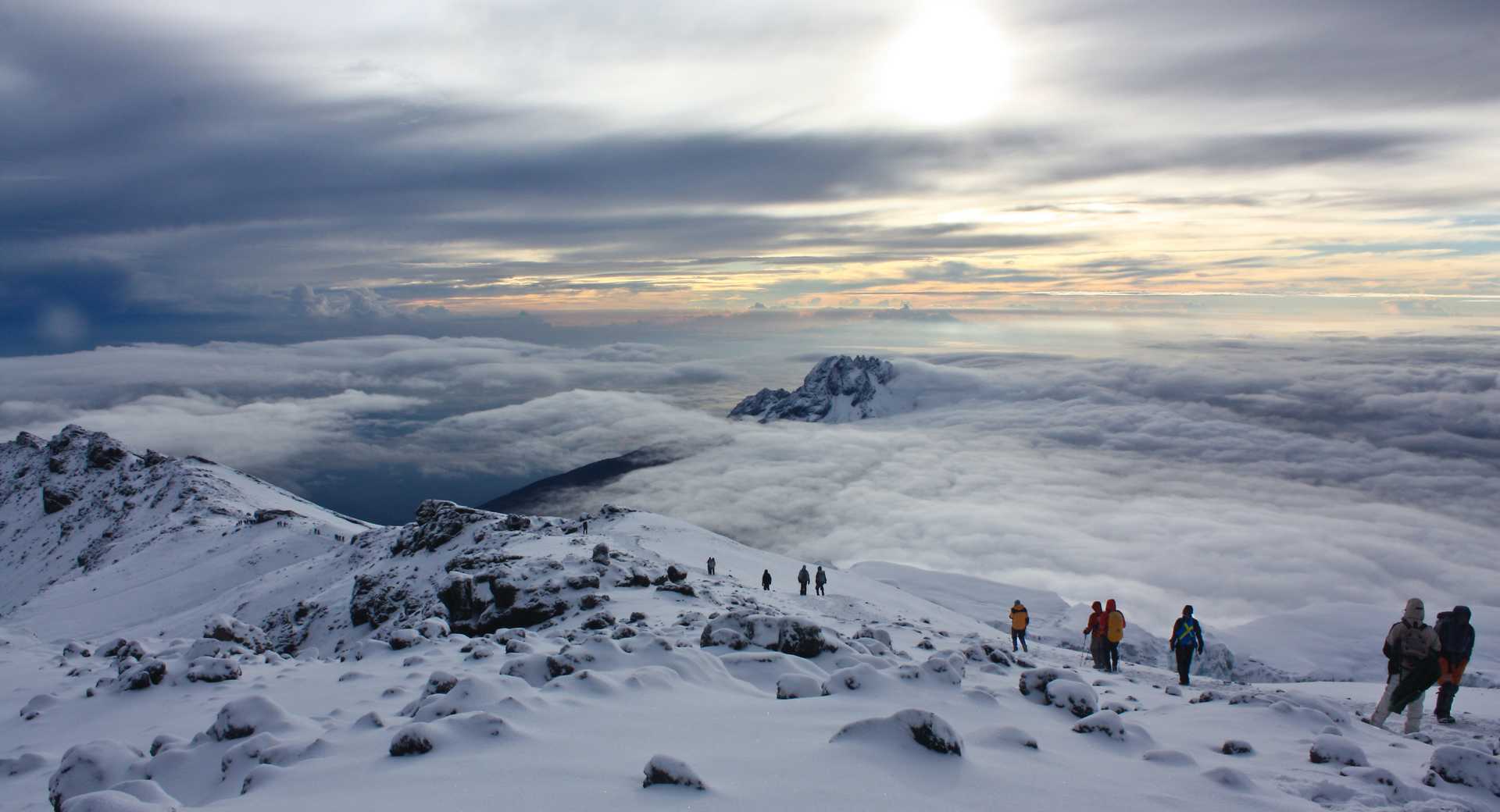
The mountain’s environments change as altitude increases. A journey toward the summit passes through distinct ecological zones, each offering a different atmosphere and visual character.
The lower slopes are greener and more densely vegetated. Higher elevations become increasingly dramatic, open and rugged. Near the summit, the environment becomes stark and extreme.
The physical challenge of climbing Kilimanjaro is real, and successful trekking requires preparation, acclimatization, responsible pacing and competent mountain support.
But the mountain’s importance goes beyond reaching the summit.
The journey itself teaches patience.
It teaches travelers to respect altitude.
It teaches the value of taking one step at a time.
It demonstrates that extraordinary achievements are often built through many small efforts.
For travelers who do not wish to climb, the Kilimanjaro region still offers opportunities to experience the mountain through cultural encounters, coffee experiences, nature excursions, waterfalls and landscapes around its foothills.
Kilimanjaro therefore speaks to both the adventurer and the observer.
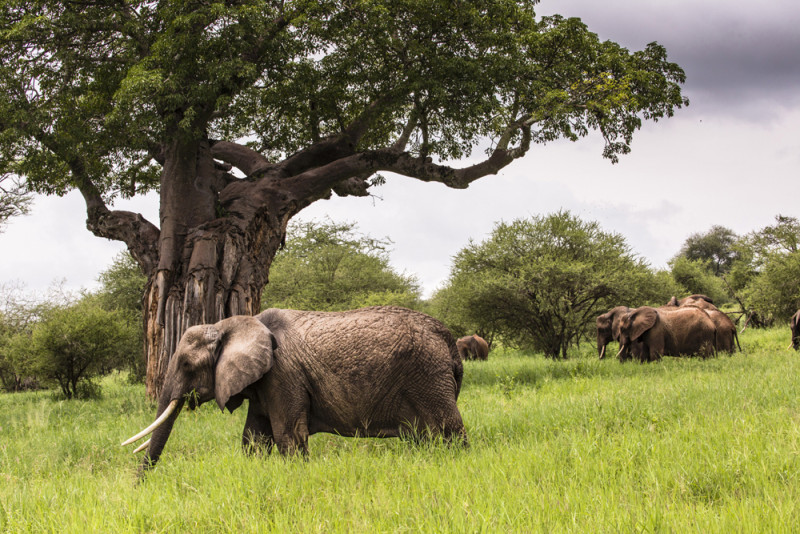
Tarangire: The Kingdom of Elephants And Baobabs
Tarangire National Park possesses an identity of its own.
Its landscapes are marked by ancient baobabs, dry woodland, open grasslands and seasonal water sources that attract wildlife.
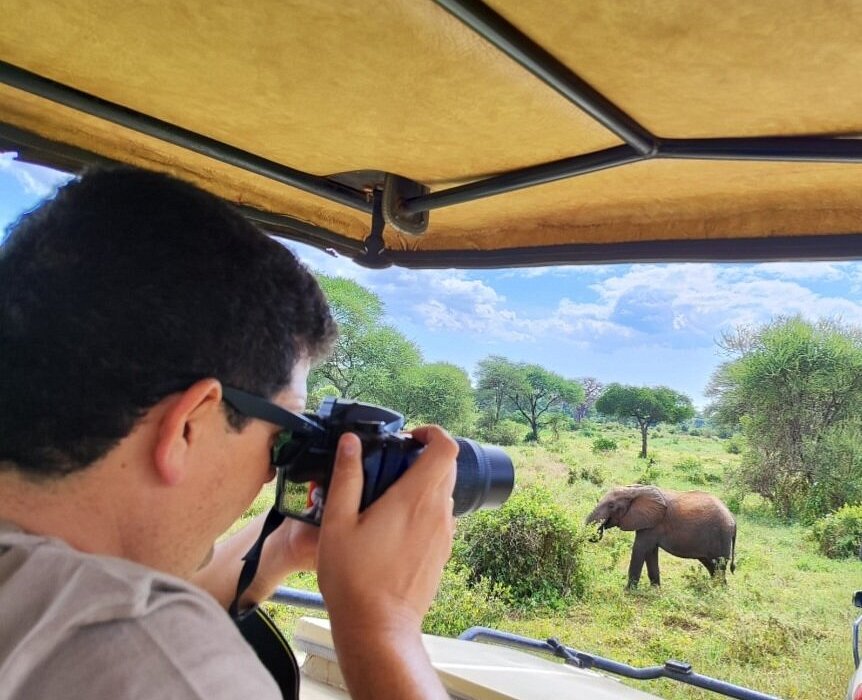
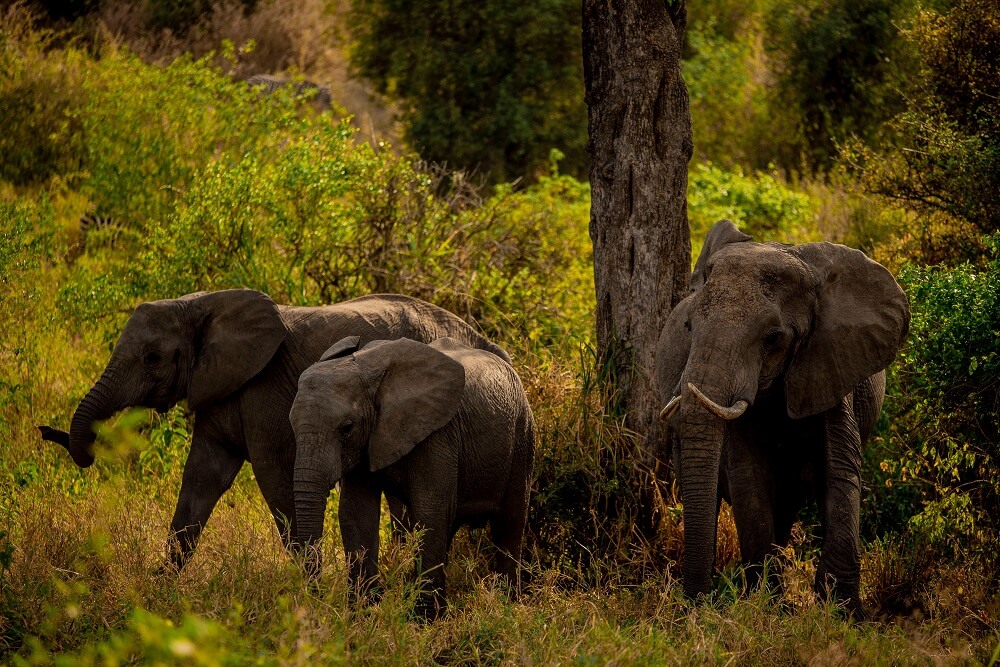
The park is especially celebrated for elephants, and encounters with elephant families can become some of the most memorable moments of a Tanzanian safari.
Watching elephants is an exercise in patience.
They communicate through subtle sounds and movements.
They protect younger members of the group.
They demonstrate remarkable social relationships.
They interact with their environment constantly.
A mature elephant standing beneath a giant baobab can create an image that seems to connect different ages of Africa at once.
Tarangire also provides opportunities to appreciate birds and other wildlife in a setting that can feel less dominated by the sheer scale of the Serengeti.
Its beauty is intimate.
Its atmosphere can be peaceful.
Its landscapes are distinctive.
And for many travelers, it becomes one of those destinations that quietly exceeds expectations.
Lake Manyara: Diversity In A Compact Landscape
Lake Manyara demonstrates another important characteristic of Tanzania: extraordinary ecological diversity.
The park’s landscape changes quickly, moving through forest environments, open areas, wetlands and the lake itself.
This diversity creates habitat for a wide range of wildlife and birdlife.
Travelers may encounter elephants, giraffes, buffalo, zebras, primates, hippos and numerous bird species.
The experience here can be especially rewarding because the scenery changes continuously.
One moment the road passes through dense vegetation.
The next, the landscape opens.
Then the lake appears.
Birds move across the water.
Animals gather near wetland areas.
The environment becomes a constantly changing composition.
Lake Manyara reminds travelers that the value of a safari is not measured only by the number of large animals seen.
Sometimes the most beautiful experience is the feeling of moving through several ecosystems within a relatively short journey.
Ruaha: The Untamed Side of Tanzania
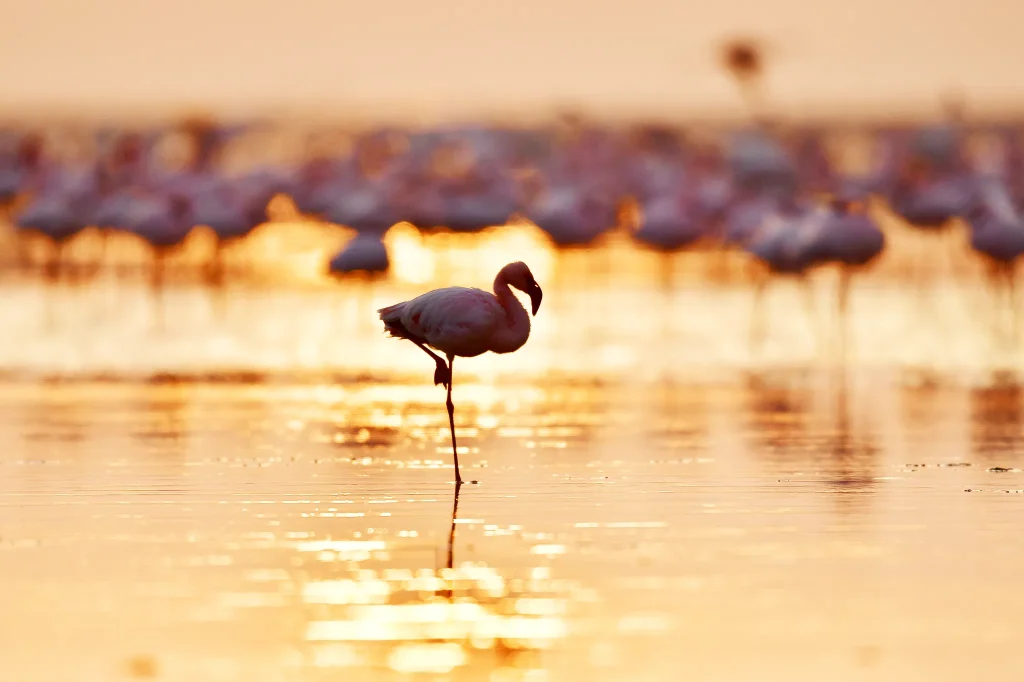
Ruaha represents the raw, expansive character of southern Tanzania.
Its landscapes are vast and atmospheric, with rugged terrain, woodland, open country and river systems that sustain wildlife.
The park is especially known for elephants and predators, but its deeper attraction lies in its sense of wilderness.
Ruaha can feel distant from the hurried pace of modern life.
There is room to observe.
Room to wait.
Room to listen.
Room to appreciate the environment without constantly feeling surrounded by other travelers.
A safari in Ruaha can become an immersive experience in which the landscape itself becomes part of the story.
A track in the sand may lead toward an unseen animal.
A distant call may change the direction of the game drive.
The light may transform the same landscape several times during one afternoon.
This is the Tanzania that rewards patience.
Nyerere: The Wilderness Of Rivers And Wetlands
Nyerere National Park offers a different interpretation of the Tanzanian safari.
Here, waterways become central to the experience.
The Rufiji River and associated wetlands create an environment where wildlife can be observed from both land and water.
Boat-based exploration offers a perspective that traditional game drives cannot provide.
Hippos can be observed in their aquatic environment.
Crocodiles may lie quietly along riverbanks.
Birds gather around wetlands.
Elephants may approach water.
The landscape changes with the movement of the river.
This combination of land and water creates a safari experience with a different rhythm.
It encourages travelers to slow down and observe.
The water becomes a pathway through the ecosystem.
The river becomes part of the safari.
And the wilderness takes on an entirely different character.
The Wild South: A Different Kind of African Adventure
Northern Tanzania is famous for iconic safari destinations, but southern Tanzania offers travelers the opportunity to discover a less frequently traveled side of the country.
The southern circuit can provide a greater feeling of remoteness and wilderness.
It is especially appealing to travelers who want to move beyond the most famous safari routes and explore landscapes where the experience can feel more intimate and expedition-like.
The southern wilderness is a reminder that Tanzania’s natural heritage is enormous.
There is no single Tanzania.
There are many Tanzanias.
There is the famous Tanzania of the Serengeti.
There is the geological Tanzania of Ngorongoro.
There is the mountainous Tanzania of Kilimanjaro.
There is the riverine Tanzania of Nyerere.
There is the remote Tanzania of Ruaha.
There is the coastal Tanzania of Zanzibar.
And there is the cultural Tanzania that connects all of them.
Zanzibar: The Island Soul of Tanzania
After the dust, grasslands and wildlife of safari country, Zanzibar can feel like entering another world.
The Indian Ocean stretches toward the horizon.
Palm trees move in the breeze.
The water shifts between shades of blue and turquoise.
Traditional boats move across the coastline.
Spices fill the air.
Historic buildings tell stories of centuries of trade.
The island’s beauty is immediate, but its cultural depth is even more fascinating.
Zanzibar is the product of long interaction across the Indian Ocean.
African, Arab, Persian, Indian and other influences contributed to the island’s history, architecture, cuisine, commerce and cultural identity.
The result is a place that feels unmistakably East African while also carrying a strong Indian Ocean character.
This makes Zanzibar more than a post-safari beach escape.
It is a cultural destination in its own right.
A traveler can spend a morning exploring historic streets, an afternoon learning about spices, an evening watching the sun descend into the ocean and another day exploring the underwater world.
The island provides space to breathe after the intensity of safari.

Stone Town: History in Stone, Wood and Swahili
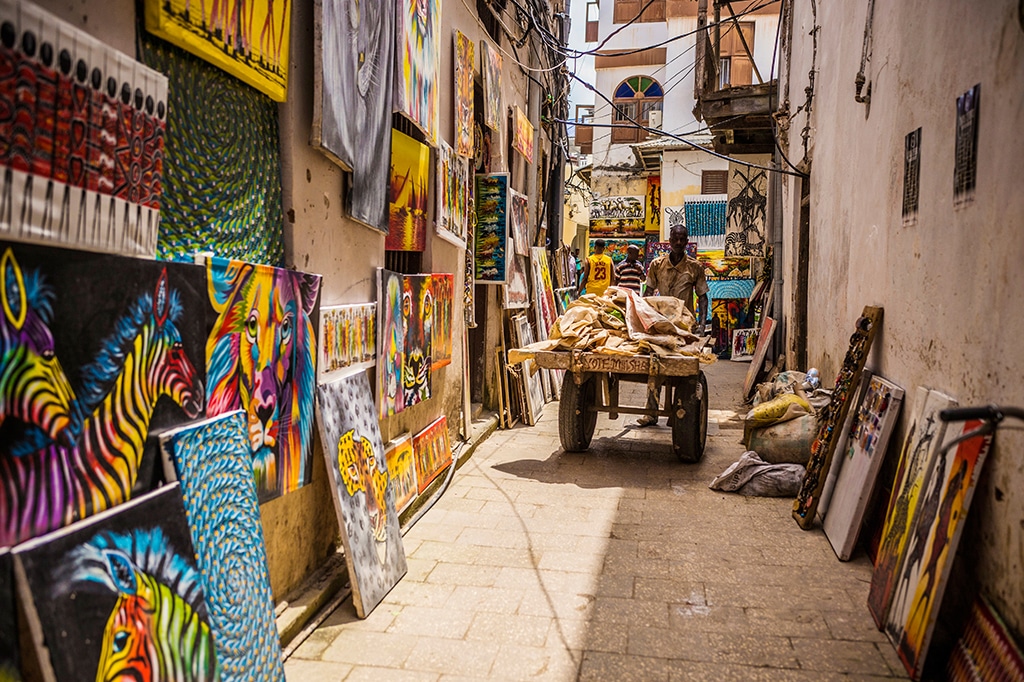
Stone Town is one of the cultural treasures of Zanzibar.
Its narrow streets, historic structures, carved doors, markets and coastal setting reveal a complex history of commerce, migration, cultural exchange and social change.
Walking through Stone Town is not simply sightseeing.
It is an encounter with layers of history.
The architecture carries clues.
The markets carry smells and sounds.
The doors tell stories through their craftsmanship.
The streets reveal how communities adapted to an urban environment shaped by the Indian Ocean.
The best way to experience Stone Town is to move slowly.
Look closely.
Listen.
Taste.
Talk to people.
Notice the details.
A traveler who rushes through the city may see buildings.
A traveler who slows down may begin to understand a culture.
The Swahili Coast: Where Continents Meet
The Tanzanian coast represents one of Africa’s most fascinating cultural environments.
For centuries, the Indian Ocean connected East Africa with Arabia, Persia, India and other regions.
Trade routes moved goods, ideas, languages, technologies, religions and cultural traditions across the ocean.
Swahili civilization developed within this complex world.
Its heritage remains visible in architecture, food, language, music, clothing and coastal life.
To explore the coast is therefore to explore a history of connection.
It is to understand that Tanzania has never existed in isolation.
Its identity has been shaped by movement.
People moved.
Ideas moved.
Ships moved.
Languages evolved.
Cultures interacted.
And those interactions created a unique cultural landscape that remains visible today.
The People of Tanzania: The Heart Behind The Landscape
No description of Tanzania is complete without the people.
Wildlife may attract travelers.
Mountains may inspire them.
Beaches may relax them.
But people often become the emotional heart of the journey.
The greeting from a local person.
The conversation with a guide.
The laughter during a cultural encounter.
The story shared over a meal.
The craftsmanship of an artisan.
The hospitality of a lodge team.
These experiences create memories that photographs cannot reproduce.
Tanzania’s population is culturally diverse, and the country’s communities possess different histories, languages, traditions and ways of life.
Travelers should approach cultural experiences with humility.
A community is not an attraction.
People are not props for photographs.
Culture is not a costume.
Meaningful cultural tourism should involve respect, consent, genuine interaction and recognition of communities as living societies with contemporary realities.
When approached correctly, cultural travel becomes a two-way exchange.
The traveler learns.
The host shares.
Understanding grows.
And tourism becomes more meaningful.
The Maasai and The Living Cultural Landscape
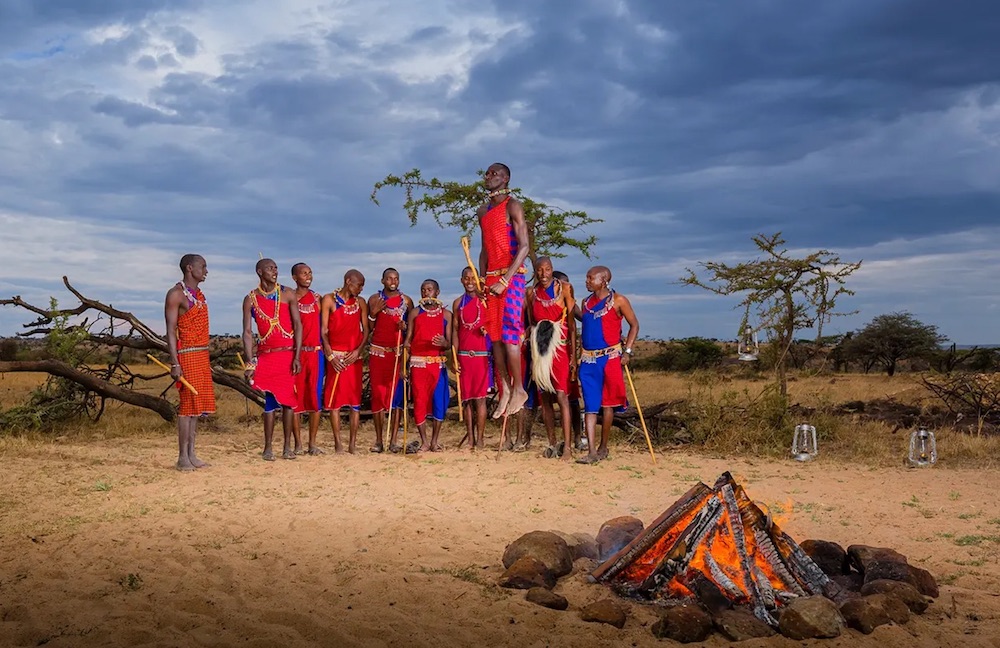
The Maasai are among Tanzania’s most internationally recognized cultural communities, but meaningful engagement requires travelers to see beyond the familiar images.
The Maasai are not frozen in the past.
They are living communities navigating contemporary life while maintaining important elements of cultural identity and tradition.
A respectful encounter can introduce travelers to traditional knowledge, pastoral practices, community structures, craftsmanship, stories, ceremonies and relationships with the environment.
What makes such encounters powerful is not the opportunity to take a photograph.
It is the opportunity to listen.
To understand.
To recognize that different societies can possess different relationships with land, livestock, family, community and nature.
A responsible safari company should help create cultural experiences in which local people have dignity, agency and meaningful participation.
This is one of the foundations of travel with purpose.
Tanzania’s Swahili Language and The Culture of Welcome
One of the most beautiful aspects of traveling through Tanzania is the experience of Swahili.
Words such as “Karibu,” meaning welcome, and “Asante,” meaning thank you, quickly become familiar to visitors.
But Swahili is much more than a collection of useful travel expressions.
It is a major part of Tanzania’s national identity and cultural connection.
Language creates bridges.
A simple greeting can open a conversation.
An attempt to speak a few Swahili words can create a smile.
A conversation can transform a stranger into a human connection.
Travel becomes richer when visitors do not simply pass through a country but make an effort to engage with its language and culture.
Tanzanian Food: Experience The Country Through Taste
Cuisine is one of the most intimate ways to understand a destination.
Tanzania’s food culture reflects geography, agriculture, history and cultural exchange.
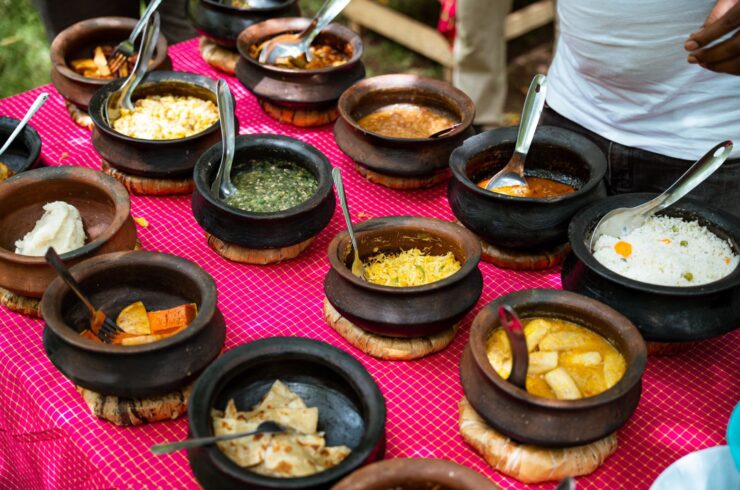
Meals may feature grains, vegetables, fruits, meats, seafood, spices and locally produced ingredients.
Different regions have different culinary traditions.
On the mainland, travelers can experience familiar East African staples alongside regional specialties.
Along the coast, Indian Ocean influences become more visible.
In Zanzibar, spices are central to the culinary experience.
Cloves, cardamom, cinnamon, ginger and other aromatic ingredients have played important roles in the island’s history and economy.
Rice dishes, grilled seafood, coconut-based preparations, chapati, pilau and many other foods contribute to the rich culinary identity of the region.
Food is not simply something to consume between activities.
It is part of the destination.
A meal can tell a story about geography.
A spice can tell a story about trade.
A recipe can tell a story about migration.
A market can tell a story about community.
Eating becomes another form of exploration.
Tanzania Through The Eyes Of A Photographer
Tanzania seems almost designed for visual storytelling.
The landscapes are enormous.
The light is dramatic.
The wildlife is extraordinary.
The people are expressive.
The culture is richly detailed.
The coastline is spectacular.
Yet meaningful photography requires more than a powerful camera.
It requires patience.
Respect.
Observation.
Timing.
Understanding.
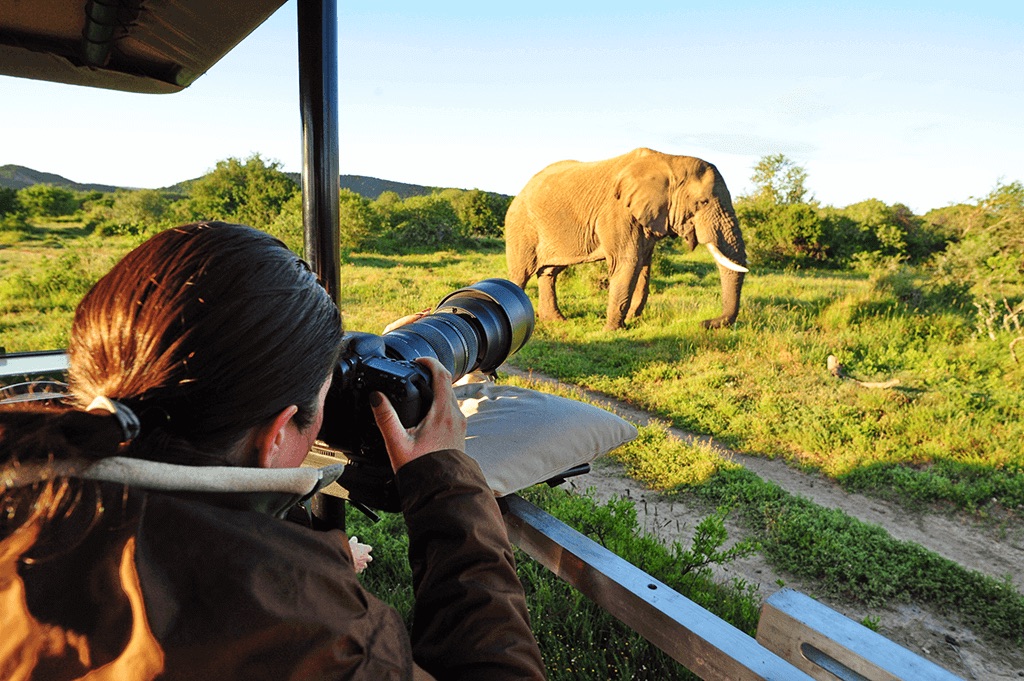
The strongest safari images often happen when travelers stop searching for “the perfect photograph” and begin watching what is actually happening.
A mother elephant protecting a calf can become more powerful than a technically perfect landscape.
A guide’s silhouette against sunrise can tell a story about work, knowledge and place.
A fishing boat returning at sunset can capture the relationship between people and the ocean.
A doorway in Stone Town can reveal history without showing a single person.
Photography becomes storytelling when it captures not just what Tanzania looks like, but what Tanzania feels like.
The Sounds of Tanzania
Travelers often remember what they saw.
But they should also remember what they heard.
The sound of birds at sunrise.
The distant roar of a lion.
The movement of elephants through vegetation.
The wind crossing the grasslands.
The call of insects at night.
The sound of waves along Zanzibar’s coast.
The rhythm of music.
The voices of people speaking Swahili.
The quiet of the bush after sunset.
These sounds form an invisible layer of the journey.
In modern life, people are surrounded by mechanical noise, notifications and constant activity.
Tanzania can offer something different.
Silence.
Not absolute silence, but natural silence.
A silence filled with life.
That silence can become one of the most valuable luxuries of the journey.
The African Sunrise
Few moments are as meaningful on safari as sunrise.
The darkness begins to fade.
The horizon becomes lighter.
The first colors appear.
The temperature is cool.
Wildlife is active.
Birds begin calling.
The landscape slowly becomes visible.
Then the sun rises.
Everything changes.
The grass glows.
Trees become silhouettes.
Animals become visible against the morning light.
The world appears new.
A sunrise safari is therefore not simply an early game drive.
It is an encounter with a landscape at the beginning of another day.
It is a reminder that the wilderness operates according to rhythms much older than modern schedules.
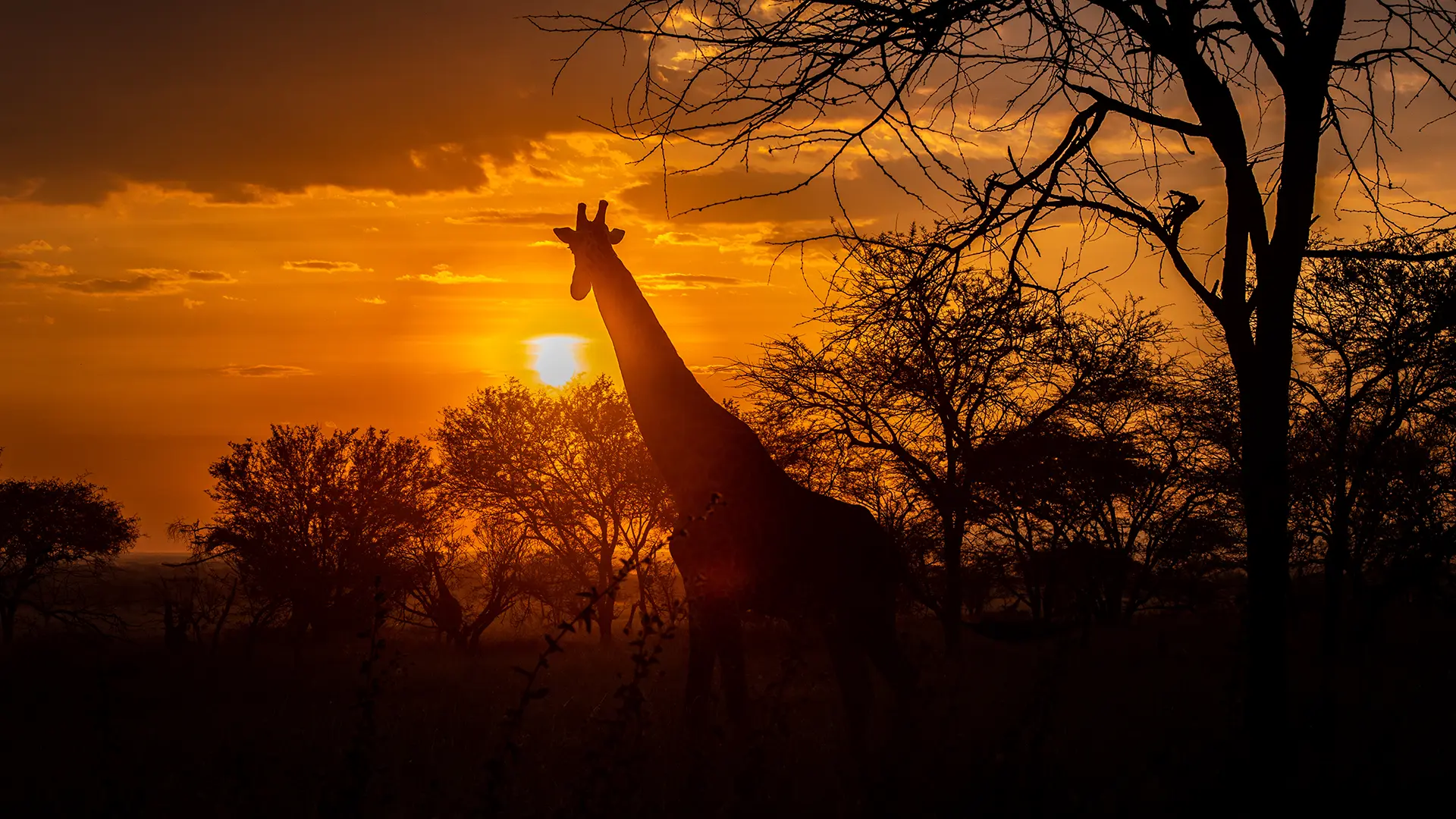
The African Sunset
Sunset tells a different story.
The day begins to slow.
Wildlife movements change.
The light becomes softer.
Shadows stretch across the plains.
The sky begins to transform.
For travelers, sunset often creates a moment of reflection.
The excitement of the day’s wildlife encounters begins to settle.
There is time to remember what was seen.
There is time to appreciate where you are.
There is time to simply watch.
A Tanzanian sunset can become one of the quietest and most powerful moments of the entire journey.
Nights Beneath The Tanzanian Sky
When the sun disappears, Tanzania does not become empty.
The wilderness changes character.
Different animals become active.
Different sounds emerge.
The temperature changes.
The sky becomes extraordinarily important.
Far from the lights of major cities, the stars can appear in astonishing numbers.
The Milky Way stretches across the darkness.
A campfire becomes a gathering point.
Travelers share stories about the day’s experiences.
Guides explain the sounds around the camp.
The night becomes part of the safari.
This is a side of Tanzania that cannot be experienced from a screen.
It must be lived.
Safari is About Patience
Modern tourism sometimes creates an expectation that everything should happen immediately.
Tanzania teaches a different lesson.
Wildlife does not operate on demand.
A lion does not perform.
An elephant does not pose.
A leopard does not appear because a traveler has a schedule.
Nature requires patience.
Sometimes a game drive may involve long periods of observation before something extraordinary happens.
And then, suddenly, everything changes.
A predator appears.
A herd moves.
A rare bird lands nearby.
A family of elephants crosses the road.
The experience becomes unforgettable.
This is why patience is one of the greatest safari skills.
A great guide understands this.
A great traveler learns to embrace it.
The Guide: The Person Who Opens The Landscape
A safari guide can fundamentally change the quality of a Tanzanian journey.
Without interpretation, travelers may see wildlife.
With interpretation, they can begin to understand wildlife.
A guide can explain tracks, behavior, habitats, vegetation, geology, weather, local history and cultural context.
They can help travelers recognize subtle changes in the environment.
They can explain why an animal is behaving differently.
They can identify birds.
They can describe seasonal patterns.
They can connect the landscape to broader conservation stories.
A great guide is therefore not simply a driver.
A great guide is an educator, storyteller, naturalist, cultural interpreter, problem-solver and companion.
The relationship between traveler and guide often becomes one of the most important relationships of the entire safari.
Responsible Wildlife Viewing
The privilege of seeing wild animals comes with responsibility.
Wildlife should be observed without unnecessary disturbance.
Vehicles should respect regulations and appropriate distances.
Animals should never be treated as entertainment.
Travelers should avoid encouraging behaviors that cause stress or alter natural patterns.
Responsible tourism recognizes that the wilderness belongs to the ecosystem first.
The traveler is a temporary visitor.
That mindset changes the experience.
Instead of asking, “How close can we get?”
The better question becomes, “How can we observe without interfering?”
That shift reflects a deeper respect for nature.
Conservation: Protecting What Makes Tanzania Special
Tanzania’s tourism industry depends upon healthy ecosystems.
Healthy ecosystems depend upon conservation.
Conservation depends upon many interconnected factors, including protected areas, scientific knowledge, wildlife management, community participation, responsible tourism, government institutions, conservation organizations and local livelihoods.
Tourism can contribute to this system when it is designed responsibly.
Visitors generate economic activity.
Guides and hospitality workers gain livelihoods.
Local businesses benefit.
Communities can gain incentives to support conservation.
Protected areas gain greater economic significance.
The relationship is complex, but the central principle is simple:
People are more likely to protect what they value, and responsible tourism can help create that value.
A journey with Joyful Safaris and Tours should therefore be presented not only as an opportunity to see Tanzania, but as an opportunity to appreciate why Tanzania’s natural heritage deserves protection.
Community Connections and Meaningful Tourism
The strongest travel experiences often happen when travelers move beyond conventional sightseeing.
A village visit can become meaningful when it is designed around genuine interaction.
A local meal can become memorable when travelers understand where the ingredients came from.
A craft experience can become significant when travelers meet the people who created the work.
A cultural conversation can change the way a traveler understands Tanzania.
Community tourism should create dignity rather than dependency.
It should recognize local knowledge.
It should respect cultural boundaries.
It should provide meaningful benefits where possible.
And it should allow communities to participate in shaping how their stories are shared.
This is the kind of travel that creates deeper connections between visitor and destination.
Family Safaris: Introducing The Next Generation to Africa
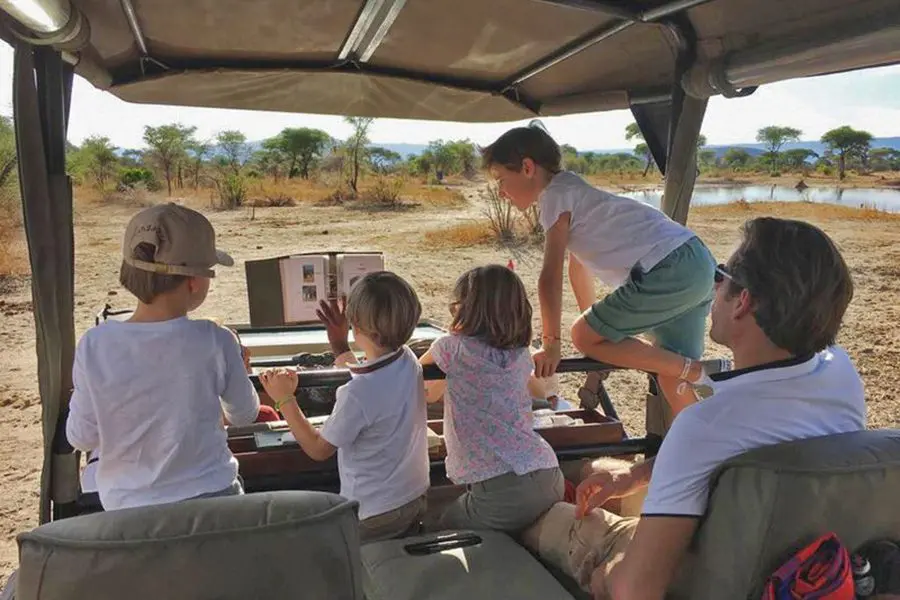
A family safari can become one of the most meaningful journeys parents and children experience together.
Children who encounter wildlife in its natural environment can develop a deeper appreciation for conservation.
They can learn that elephants are not simply animals in a textbook.
They are social beings with complex relationships.
They can learn that ecosystems are interconnected.
They can discover how water influences wildlife.
They can see how communities interact with the environment.
They can understand geography through experience rather than memorization.
And perhaps most importantly, families experience these discoveries together.
A child may remember the first elephant sighting for decades.
Parents may remember the expression on their child’s face.
Those moments become family history.
Romance in the Wild
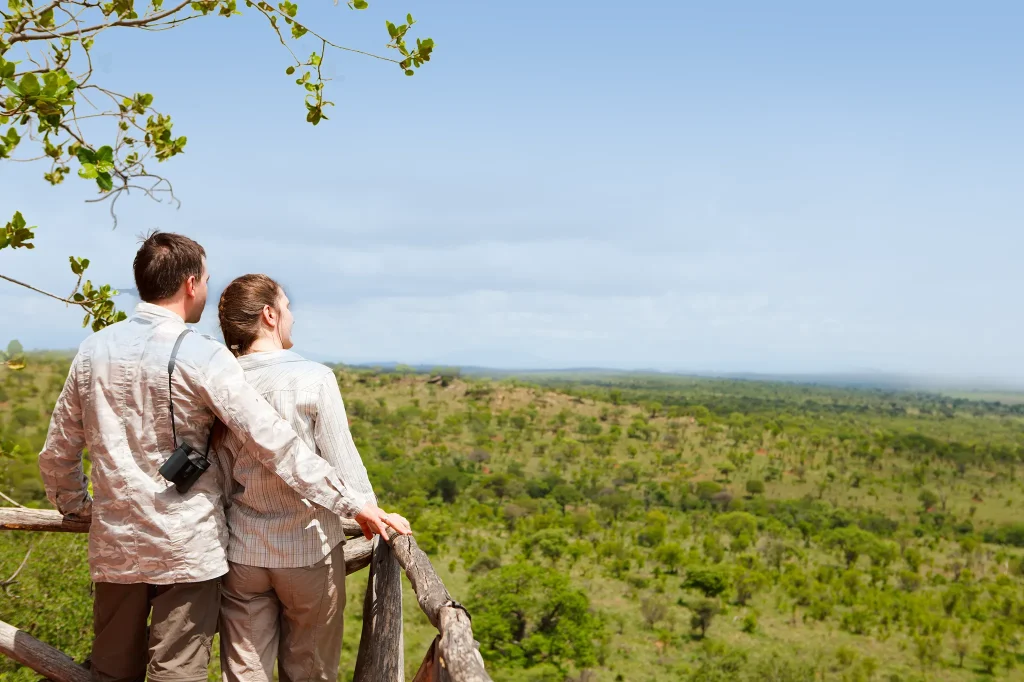
Tanzania has an extraordinary ability to combine adventure and intimacy.
A couple can begin the morning watching wildlife in the Serengeti and end the day beneath an enormous African sky.
They can explore the Ngorongoro landscape together.
They can watch Kilimanjaro change color in the distance.
They can walk along a Zanzibar beach.
They can explore Stone Town hand in hand.
They can share a quiet dinner surrounded by wilderness.
The romance of Tanzania is not manufactured.
It comes naturally from the environment.
Space.
Silence.
Beauty.
Adventure.
And the rare opportunity to experience something extraordinary together.
Honeymoons With A Difference
A honeymoon in Tanzania can combine some of the world’s most exciting travel experiences with some of its most peaceful.
Few journeys offer the possibility of moving from a thrilling wildlife safari to a tropical Indian Ocean escape within the same trip.
One chapter can be filled with lions, elephants, giraffes and endless savannah.
The next can be filled with turquoise water, palm trees, seafood, spices and historic coastal culture.
The contrast creates a honeymoon that feels like several journeys in one.
It is adventurous without being entirely exhausting.
Romantic without being predictable.
Luxurious without needing to be disconnected from nature.
The Luxury of Space
Luxury travel is often associated with material comfort.
Tanzania offers another form of luxury.
Space.
Space to breathe.
Space to think.
Space to watch.
Space to disconnect.
Space between yourself and the nearest city.
Space beneath an enormous sky.
Space where a single elephant can appear to occupy an entire landscape.
This is luxury that cannot be manufactured.
It comes from geography.
It comes from wilderness.
It comes from silence.
And it can be more valuable than anything money can purchase.
The Magic of Camp Life
There is something uniquely powerful about staying in the wilderness.
The experience changes when travelers are not simply visiting a park during the day and returning to an urban environment at night.
In a well-managed safari camp or lodge, the landscape remains part of the experience.
Morning begins with the wilderness.
The afternoon remains connected to the environment.
Evening brings changing light.
Night introduces new sounds.
The boundaries between accommodation and nature become softer.
This creates immersion.
And immersion is one of the defining qualities of a great safari.
Tanzania For the Curious Traveler
The most rewarding travelers are not necessarily those who have the longest itineraries.
They are often the travelers who remain curious.
Why do zebras have stripes?
How do elephants communicate?
Why do animals gather in one area during a particular season?
How did the Ngorongoro landscape form?
How did Swahili culture develop?
Why are certain spices so important to Zanzibar?
How do local communities interact with wildlife?
What happens to ecosystems during drought?
What role does tourism play in conservation?
Every question creates another doorway into Tanzania.
Joyful Safaris and Tours can turn travel into an educational experience by encouraging curiosity rather than simply moving travelers from attraction to attraction.
Tanzania For the First-Time Africa Traveler
For someone visiting Africa for the first time, Tanzania can be overwhelming in the best possible way.
There is so much to see.
So much to learn.
So many landscapes.
So many possible routes.
The challenge is not finding things to do.
The challenge is choosing what matters most.
A thoughtfully designed journey should avoid trying to fit everything into one rushed itinerary.
Instead, it should create a rhythm.
Wildlife.
Rest.
Culture.
Landscape.
Adventure.
Reflection.
That rhythm allows the traveler to experience Tanzania rather than simply collect destinations.
Tanzania For the Experienced Traveler
For travelers who have already experienced African safaris, Tanzania still has enormous depth.
Returning visitors can explore lesser-visited parks, focus on photography, specialize in birds, explore cultural experiences, spend more time in one ecosystem, seek particular wildlife behavior or explore southern Tanzania.
Experience changes the way people travel.
The first safari may be about seeing animals.
The second may be about understanding behavior.
The third may be about photography.
The fourth may be about conservation.
The fifth may simply be about returning to a place that has become meaningful.
Tanzania has enough diversity to continue revealing new layers.
The Journey Between Destinations
One of the most overlooked parts of African travel is the journey itself.
Roads connect ecosystems.
Villages reveal everyday life.
Agricultural landscapes demonstrate how people use the land.
Mountains appear unexpectedly in the distance.
Markets provide glimpses into local commerce.
Children walk to school.
Farmers work in fields.
Motorcycles move along roads.
Livestock graze.
The country unfolds between the famous destinations.
A traveler who pays attention to these transitions begins to understand that Tanzania is not simply a collection of national parks.
It is a living country.
The Spirit of Adventure
Adventure does not always mean extreme physical activity.
Sometimes adventure means waking before sunrise.
Sometimes it means traveling beyond familiar environments.
Sometimes it means trying unfamiliar food.
Sometimes it means climbing a mountain.
Sometimes it means sitting quietly in a vehicle while waiting for wildlife.
Sometimes it means walking through a historic city.
Sometimes it means getting on a boat and exploring a river.
Sometimes it means allowing yourself to be surprised.
Tanzania is an adventure because it continuously challenges travelers to experience something beyond their normal routines.
When The Journey Becomes Personal
At some point during a Tanzanian journey, something changes.
The traveler stops thinking only about destinations.
The Serengeti becomes a memory rather than a name.
The guide becomes a person rather than a service provider.
The animals become individual beings rather than species.
The landscape becomes familiar.
The sunrise becomes something anticipated.
Swahili greetings become natural.
The road becomes part of the adventure.
And Tanzania begins to feel less like somewhere you are visiting and more like somewhere you have experienced.
That is when travel becomes personal.
Why Joyful Safaris and Tours
The name “Joyful” expresses something important about the spirit of travel.
A safari should be exciting, but it should also be joyful.
It should create anticipation before departure.
It should create wonder during the journey.
It should create laughter, curiosity and discovery.
It should create moments travelers remember years later.
Joy does not mean ignoring the seriousness of conservation or culture.
Quite the opposite.
Joy becomes deeper when it is connected to respect.
Seeing an elephant is more meaningful when you understand its ecosystem.
Meeting a community is more meaningful when you respect its culture.
Visiting a national park is more meaningful when you understand why it is protected.
Exploring Zanzibar is more meaningful when you understand its history.
Climbing Kilimanjaro is more meaningful when you appreciate the environment through which you are moving.
Joyful Safaris and Tours can therefore represent a philosophy of travel built around discovery, connection, care and memorable experiences.
Your Journey Should Feel Like Your Journey
There is no single perfect Tanzania itinerary.
The best journey is the one that reflects the traveler.
Someone may dream of spending long days in the Serengeti.
Another traveler may care most about photography.
Someone else may want a cultural experience.
Another may want a mountain adventure.
A couple may want romance and privacy.
A family may want comfort and flexibility.
A returning traveler may want remote wilderness.
A first-time visitor may want the classic highlights.
The strength of personalized safari planning is that it allows Tanzania to be shaped around the traveler rather than forcing every traveler into the same experience.
That is where thoughtful planning matters.
The journey should have a logical rhythm.
Travel time should be considered.
Seasonality should be understood.
Accommodation should match expectations.
Activities should match interests.
The pace should allow travelers to enjoy rather than simply endure the itinerary.
And space should remain for the unexpected.
The Unexpected Moments are Often the Best Ones
Some of the most memorable Tanzanian experiences cannot be planned.
A herd of elephants may appear unexpectedly.
A giraffe may cross the road just as the light becomes perfect.
A bird may land beside the vehicle.
A storm may transform the sky.
A local conversation may last much longer than expected.
A sunset may become extraordinary.
A child may teach you a Swahili word.
A guide may tell a story that changes how you see the landscape.
A simple breakfast may become memorable because of where you are eating it.
Travel is partly about planning.
But it is also about leaving space for surprise.
The Soul of Tanzania is in the Connections
The soul of Tanzania does not exist in isolation.
Wildlife is connected to land.
Land is connected to water.
Water is connected to communities.
Communities are connected to culture.
Culture is connected to history.
History is connected to migration.
Migration is connected to ecosystems.
Tourism is connected to conservation.
Conservation is connected to the future.
Once these connections become visible, Tanzania becomes much more than a beautiful destination.
It becomes a living system.
And travelers become participants in that story, even if only temporarily.
A Journey That Changes the Way You See the World
The deepest value of travel is not the number of places visited.
It is the way travel changes perception.
Tanzania can change the way a traveler sees wildlife.
It can change the way they understand ecosystems.
It can change the way they think about time.
It can change the way they experience silence.
It can change the way they understand cultural difference.
It can change the way they appreciate simple things.
A sunrise becomes more meaningful.
A quiet landscape becomes valuable.
A conversation becomes memorable.
A meal becomes a cultural experience.
A photograph becomes a story.
A journey becomes a lesson.
And a holiday becomes part of a person’s life story.
From The Serengeti to Zanzibar: The Complete Tanzanian Experience
One of Tanzania’s greatest strengths is the ability to combine completely different experiences into one journey.
A traveler can begin among the immense plains of the Serengeti, where wildlife dominates the horizon.
They can continue toward Ngorongoro, where volcanic geology and wildlife create an extraordinary natural amphitheater.
They can explore Tarangire, where elephants and baobabs define the landscape.
They can experience the cultural environment around Kilimanjaro.
They can venture south toward the waterways and wilderness of Nyerere or the remote landscapes of Ruaha.
Then they can continue to the Indian Ocean.
Suddenly the safari dust is replaced by sea air.
The sound of wildlife becomes the sound of waves.
The savannah becomes the beach.
The wildlife story becomes a cultural story.
The journey becomes complete not because everything has been seen, but because several dimensions of Tanzania have been experienced.
Are you ready to start planning?
You can proceed with booking by filling out the form below. Let’s make your adventure unforgettable!