Table of Contents
ToggleKilimanjaro Difficulty Guide: How Hard Is It to Climb Mount Kilimanjaro?
Is Mount Kilimanjaro Difficult to Climb?
One of the most common questions asked by travelers planning an African adventure is: “How difficult is it to climb Mount Kilimanjaro?”
The good news is that climbing Mount Kilimanjaro does not require any technical mountaineering skills, rock climbing experience, ropes, or specialized climbing equipment. Unlike many of the world’s highest peaks, Kilimanjaro is primarily a trekking mountain, making it accessible to adventurous travelers from all walks of life.
Every year, thousands of people successfully reach the summit of Africa’s highest mountain. Climbers include first-time hikers, retirees, students, families, charity groups, and seasoned trekkers. With proper preparation, the right route selection, adequate acclimatization, and determination, reaching the summit is an achievable goal for most healthy individuals.
At Joyful Safaris and Tours, we have guided travelers from around the world to the Roof of Africa. Through our experienced mountain crews, professional guides, carefully designed itineraries, and commitment to safety, we help maximize every climber’s chances of standing proudly at Uhuru Peak (5,895m / 19,341ft).
While Kilimanjaro is not technically challenging, it is still a serious mountain. Understanding the factors that contribute to its difficulty will help you prepare properly and greatly increase your chances of summit success.
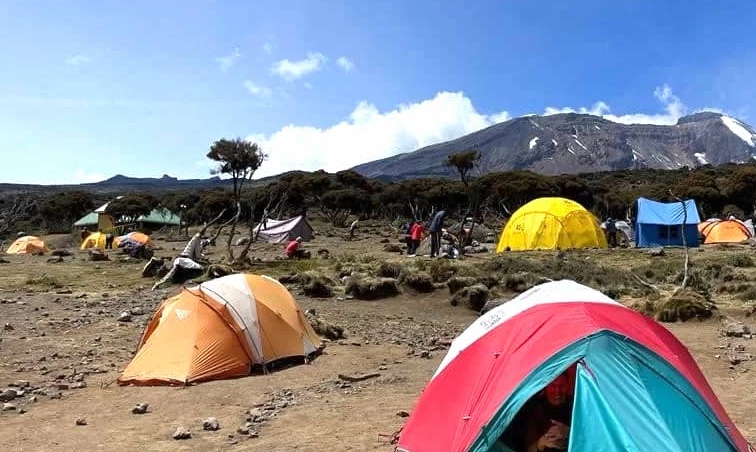
What Makes Kilimanjaro Challenging?
Several factors determine how difficult your Kilimanjaro climb will be:
- Trek duration
- Altitude and acclimatization
- Physical fitness
- Mental determination
- Weather conditions
- Route selection
- Summit night challenges
Let’s explore each factor in detail.
1. Trek Duration and Distance
One of the biggest challenges of climbing Kilimanjaro is simply the amount of time spent hiking.
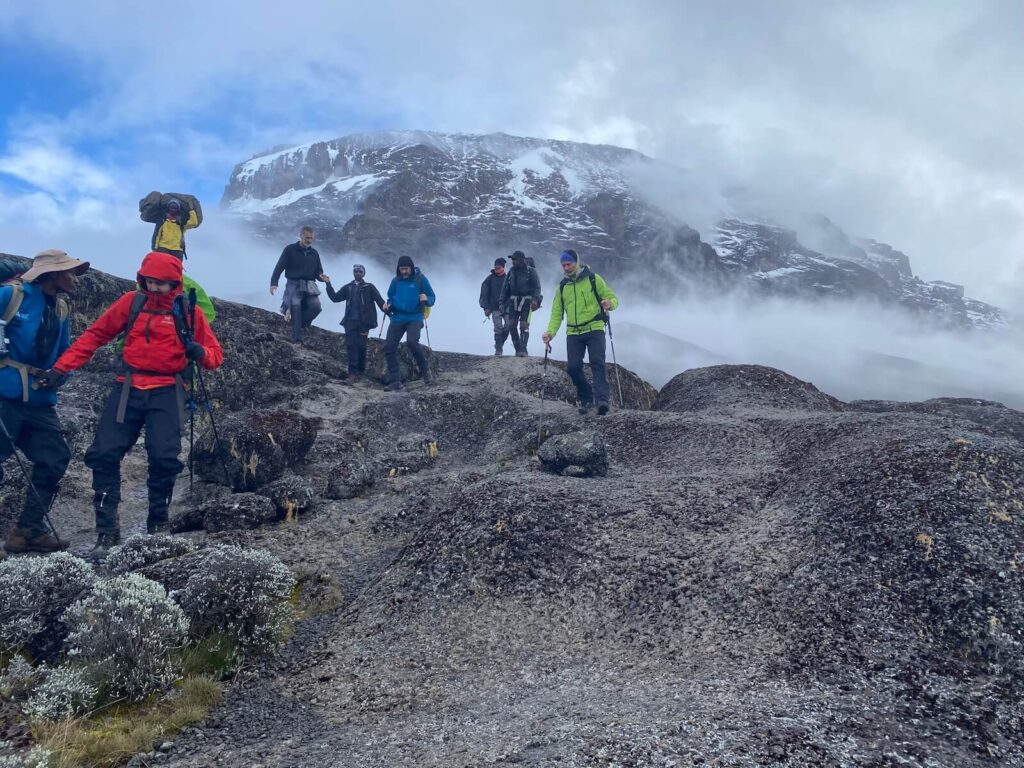
Depending on the route chosen, climbers typically cover between 60 and 80 kilometers (37–50 miles) during the expedition. Although this distance may not seem overwhelming when spread across several days, the combination of high altitude, changing terrain, and long trekking hours makes the journey demanding.
Most climbers spend:
- 5 to 9 days on the mountain
- 4 to 8 hours hiking on most days
- 12 to 16 hours trekking on summit day
Unlike a normal hike, you will be gaining elevation every day while carrying a daypack and dealing with decreasing oxygen levels.
Daily Trekking Routine
A typical day on Kilimanjaro involves:
- Early morning wake-up
- Breakfast at camp
- Several hours of trekking
- Lunch break along the route
- Afternoon hiking
- Arrival at camp
- Dinner and rest
The pace is intentionally slow. Guides often use the Swahili phrase “Pole Pole,” meaning “slowly, slowly,” to help climbers conserve energy and acclimatize effectively.
Why Longer Routes Are Easier
Many people assume shorter routes are easier because they require fewer days. In reality, the opposite is true.
The summit remains the same height regardless of which route you choose. Shorter itineraries force your body to gain altitude more rapidly, increasing fatigue and reducing acclimatization time.
Longer routes offer:
- Better acclimatization
- More rest periods
- Higher summit success rates
- Reduced risk of altitude sickness
- A more enjoyable climbing experience
At Joyful Safaris and Tours, we highly recommend routes lasting 7 to 8 days, especially for first-time climbers.
Popular options include:
Machame Route
Often called the “Whiskey Route,” Machame offers excellent scenery, diverse landscapes, and strong acclimatization opportunities.
Lemosho Route
Widely considered one of the best routes on Kilimanjaro, Lemosho provides spectacular views, fewer crowds, and one of the highest summit success rates.
Northern Circuit Route
The longest route available, offering exceptional acclimatization and some of the highest success rates on the mountain.
2.Altitude: The Biggest Challenge on Kilimanjaro
If there is one factor that determines whether climbers reach the summit, it is altitude.
At 5,895 meters (19,341 feet), Mount Kilimanjaro rises high above the surrounding plains of Tanzania. At this elevation, oxygen levels are significantly lower than at sea level.
In fact:
- At the summit, oxygen levels are approximately 50% lower than at sea level.
- Every climber experiences some effects of reduced oxygen.
- Altitude affects people regardless of age, fitness, or experience.
This means even elite athletes can struggle with altitude sickness, while first-time hikers sometimes reach the summit with ease.
Common Symptoms of Altitude Sickness
Many climbers begin noticing symptoms above 2,500 meters.
These may include:
- Headaches
- Fatigue
- Nausea
- Loss of appetite
- Dizziness
- Difficulty sleeping
- Shortness of breath
Mild symptoms are common and manageable. However, severe altitude sickness can become dangerous if ignored.
For this reason, professional guides continuously monitor climbers throughout the expedition.
How to Improve Acclimatization
Several strategies help your body adapt to altitude:
Choose a Longer Route
The more days spent on the mountain, the more time your body has to adjust.
Stay Hydrated
Proper hydration supports acclimatization and overall performance.
Walk Slowly
Maintaining a steady pace conserves energy and reduces physical stress.
Follow the “Climb High, Sleep Low” Principle
Many Kilimanjaro routes are designed so climbers gain altitude during the day and descend slightly to sleep at lower elevations. This technique significantly improves acclimatization.
Consider Preventative Medication
Some climbers consult their doctors about medications such as Acetazolamide (Diamox), which may help reduce altitude sickness symptoms.
Always seek medical advice before taking any medication.
3.Physical Fitness Requirements
A common misconception is that only highly trained athletes can climb Kilimanjaro.
In reality, the mountain rewards endurance rather than athleticism.
You do not need to:
- Run marathons
- Climb mountains professionally
- Be exceptionally strong
- Have previous expedition experience
However, being physically prepared will make the journey safer, easier, and more enjoyable.
Recommended Fitness Level
Before attempting Kilimanjaro, you should be comfortable:
- Walking for 6–8 hours per day
- Hiking consecutive days without excessive fatigue
- Carrying a light daypack
- Walking uphill for extended periods
If you can comfortably complete long weekend hikes, you already possess a strong foundation for Kilimanjaro training.
How to Train for Kilimanjaro
We recommend beginning your training at least 3 to 6 months before departure.
An effective training program should include:
Cardiovascular Training
Activities such as:
- Hiking
- Running
- Cycling
- Swimming
- Stair climbing
These improve endurance and lung capacity.
Strength Training
Focus particularly on:
- Legs
- Core muscles
- Back muscles
Strong muscles reduce fatigue and improve stability on uneven terrain.
Practice Hikes
Regular hiking is one of the best forms of preparation.
Train while carrying a backpack and gradually increase distance and elevation gain.
Altitude Exposure
If possible, spend time hiking at higher elevations before your trip. While not essential, it can help familiarize your body with thinner air.
4.Mental Strength: The Hidden Key to Success
Many experienced guides agree that Kilimanjaro is more of a mental challenge than a physical one.
The climb requires:
- Patience
- Determination
- Resilience
- Positive thinking
There will be moments when you feel tired, cold, or uncomfortable. Climbers who remain focused and maintain a positive attitude are often the ones who reach the summit.
Mental preparation is just as important as physical training.
Remember that every step takes you closer to one of the world’s most extraordinary achievements.
Summit Night: The Toughest Part of the Climb
Nearly every climber agrees that summit night is the most demanding section of the entire expedition.
The summit attempt usually begins around midnight.
During this stage, climbers face:
- Freezing temperatures
- Strong winds
- Darkness
- High altitude
- Steep trails
- Physical exhaustion
Most climbers trek continuously for 6 to 8 hours in darkness before reaching the crater rim and continuing toward Uhuru Peak.
By sunrise, you are rewarded with breathtaking views across glaciers, volcanic landscapes, and the vast plains of Tanzania.
For many climbers, witnessing the sunrise above Africa becomes one of the most memorable moments of their lives.
Weather Conditions on Kilimanjaro
Kilimanjaro contains several climate zones.
During your climb, you may pass through:
1. Rainforest Zone
Warm and humid conditions.
2.Heath and Moorland Zone
Cool temperatures and open landscapes.
3.Alpine Desert Zone
Dry conditions with dramatic temperature fluctuations.
4.Arctic Summit Zone
Cold temperatures, strong winds, and occasional snow.
It is possible to experience sunshine, rain, wind, frost, and snow all within a single expedition.
Proper clothing and equipment are therefore essential.
Who Can Climb Kilimanjaro?
People from all backgrounds successfully climb Kilimanjaro every year.
Successful climbers have included:
- Teenagers
- Senior citizens
- First-time hikers
- Charity groups
- Adventure travelers
- Families
- Individuals with physical disabilities
Success depends far more on preparation, acclimatization, and determination than on age or athletic ability.
Is Kilimanjaro Worth the Challenge?
Absolutely.
Standing at Uhuru Peak is about much more than reaching a summit. It is about pushing personal limits, experiencing Tanzania’s incredible natural beauty, and accomplishing something truly extraordinary.
The journey takes you through ancient rainforests, giant heather landscapes, alpine deserts, and glaciers before arriving at the highest point in Africa.
For many travelers, climbing Kilimanjaro becomes a life-changing experience and one of their greatest achievements.
Final Verdict: How Hard Is Kilimanjaro?
Mount Kilimanjaro is challenging, but it is far from impossible.
The mountain does not require technical climbing skills, making it one of the most accessible of the world’s great peaks. The primary difficulties come from altitude, long trekking days, and the physical and mental demands of summit night.
With proper preparation, a well-planned itinerary, quality equipment, and experienced guides, the vast majority of climbers have an excellent chance of reaching the summit.
At Joyful Safaris and Tours, we are committed to helping every climber achieve their dream of standing on the Roof of Africa. Our experienced mountain team provides expert guidance, safety-focused support, and personalized service throughout your Kilimanjaro adventure.
Whether you choose the scenic Lemosho Route, the popular Machame Route, or the highly successful Northern Circuit, we will be with you every step of the journey.
Ready to Conquer Kilimanjaro?
Join Joyful Safaris and Tours for an unforgettable Mount Kilimanjaro adventure and experience the thrill of standing at Africa’s highest point while creating memories that will last a lifetime.
Are you ready to start planning?
You can proceed with booking by filling out the form below. Let’s make your adventure unforgettable!