
Table of Contents
ToggleKilimanjaro Training Plan: How to Prepare for the Summit
Climbing Mount Kilimanjaro is one of the most rewarding trekking experiences in the world. At Joyful Safaris and Tours, we are often asked what level of fitness is required to reach the summit of Africa’s highest mountain. The truth is simple: you do not need to be an elite athlete—but you do need preparation, consistency, and the right mindset.
A well-structured Kilimanjaro training plan will not only increase your chances of reaching Uhuru Peak, but will also make your journey far more enjoyable, safe, and memorable.
Understanding the Challenge of Kilimanjaro
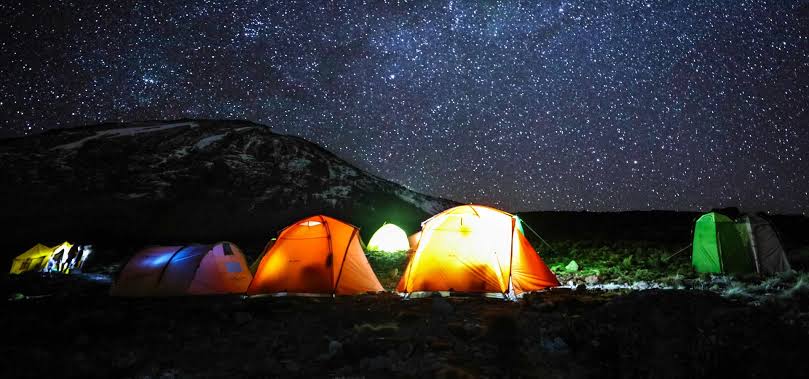
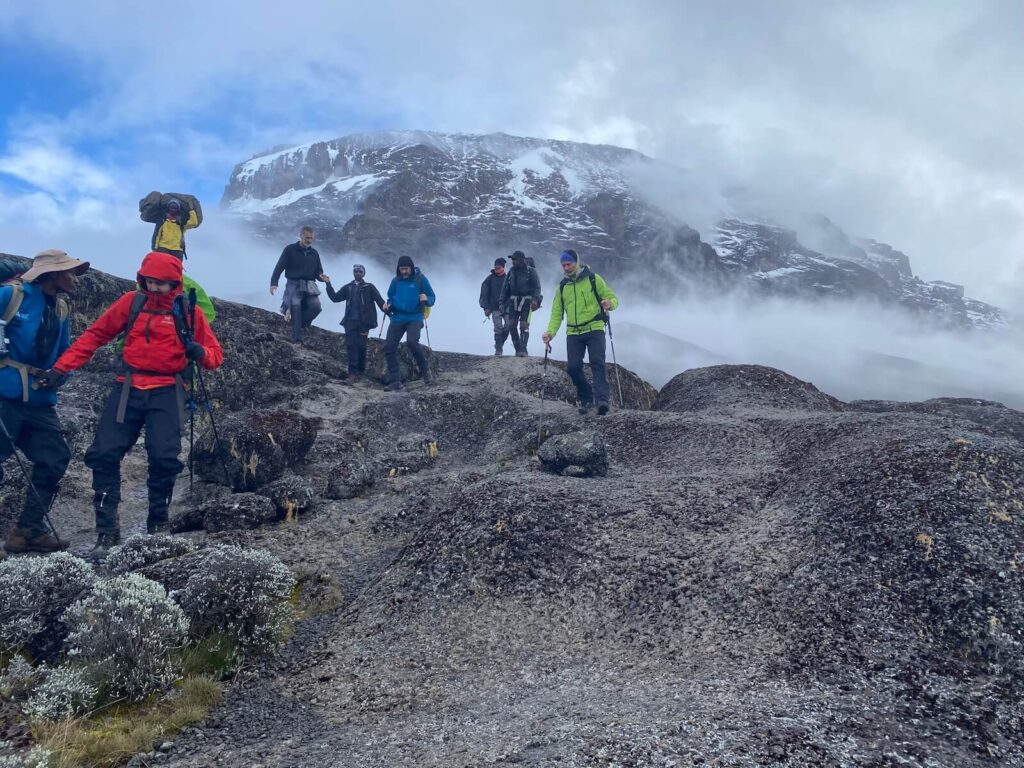
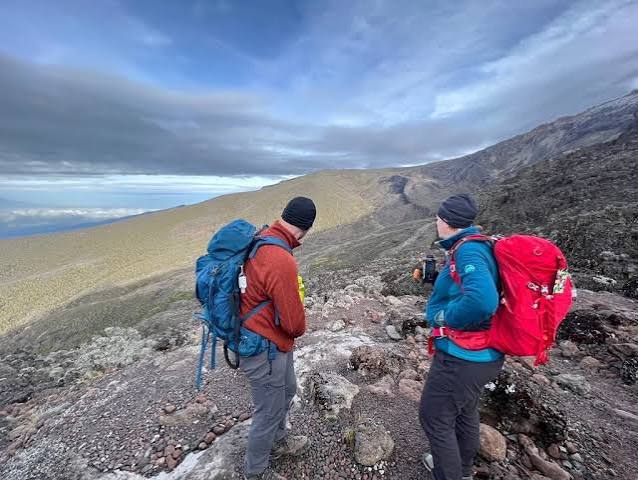
Kilimanjaro is not a technical climb, but it is a long, high-altitude trek. On average, trekkers:
- Walk 5 to 7 hours per day (sometimes more on summit day)
- Gain significant altitude each day, often around 800–1,200 meters
- Spend multiple days trekking through different climate zones—from rainforest to alpine desert
- Face reduced oxygen levels as altitude increases
This means the climb is more about endurance and adaptation than speed or technical skill.
A good benchmark: if you can comfortably complete a 1-hour cardio workout or a 4–6 hour hike, you already have a solid foundation to build on.
Recommended Training Duration
At Joyful Safaris and Tours, we recommend preparing for 12 to 24 weeks (3 to 6 months) before your climb, depending on your current fitness level.
A balanced training plan should include:
- Hiking practice
- Cardiovascular training
- Strength conditioning
- Mental preparation
- Recovery and flexibility work
1.Hiking Practice: The Most Important Training Element
Nothing prepares you for Kilimanjaro better than actual hiking.
Why it matters:
- Builds endurance in real terrain conditions
- Strengthens joints, ankles, knees, and feet
- Helps you break in hiking boots
- Teaches pacing and energy management
How to train:
Start small and gradually increase difficulty:
- Begin with 2–3 hour hikes
- Progress to 4–6 hour hikes
- Eventually aim for back-to-back weekend hikes
- Practice carrying a backpack (5–8 kg)
Whenever possible, train on hills or uneven terrain. Stair climbing is also a good alternative if you live in flat areas.
2.Cardiovascular (Aerobic) Training: Building Endurance
Kilimanjaro is a long, steady endurance challenge. Your heart and lungs must be strong enough to perform over many hours at altitude.
Best aerobic exercises include:
- Brisk walking or power walking
- Jogging or light running
- Cycling
- Swimming
- Hiking on inclines or treadmill training
Training recommendations:
- 3–5 sessions per week
- 30–60 minutes per session
- Maintain a steady, sustainable pace (you should still be able to talk while exercising)
- Include at least one longer endurance session weekly
Cardio training helps your body use oxygen more efficiently, which becomes critical as oxygen levels decrease on the mountain.
3.Strength Training: Supporting Your Body for Long Trekking Days
While Kilimanjaro is not a strength-based climb, muscular endurance plays a key role in preventing fatigue and injury.
Focus areas:
Lower body (most important)
- Squats
- Lunges (forward and reverse)
- Step-ups (using a bench or stairs)
- Leg curls and extensions
Core strength
- Planks
- Sit-ups or crunches
- Russian twists
Upper body (for carrying gear)
- Shoulder presses
- Rows (dumbbell or kettlebell)
- Light weight lifting for posture support
Training frequency:
- 2–3 strength sessions per week
- Moderate weights with higher repetitions (endurance focus, not bulk)
Always prioritize proper form over heavy weights to prevent injury.
4.Flexibility and Recovery Training
Recovery is often overlooked but extremely important.
Include:
- Stretching after every workout
- Yoga or mobility sessions once or twice a week
- Foam rolling (if available)
This helps reduce soreness, improves circulation, and keeps your muscles flexible during long trekking days.
5.Mental Preparation: The Hidden Key to Success
Reaching the summit of Kilimanjaro is as much a mental challenge as it is physical.
Many climbers experience fatigue, cold conditions, and low oxygen levels—especially during summit night. At this stage, determination matters more than fitness.
How to build mental resilience:
- Practice long hikes when tired
- Train in less-than-perfect weather conditions when possible
- Set personal endurance challenges (e.g., long weekend hikes)
- Break goals into small steps rather than focusing on the summit distance
Most importantly, learn to embrace the pace: “Pole Pole” (slowly, slowly) is the guiding principle on Kilimanjaro.
6.Sample Weekly Training Structure
Here is a simple example of a balanced weekly routine:
- Monday: Rest or light stretching
- Tuesday: Cardio (running, cycling, or swimming – 45 minutes)
- Wednesday: Strength training (legs + core)
- Thursday: Cardio + incline walking
- Friday: Rest or yoga
- Saturday: Long hike (3–6 hours)
- Sunday: Moderate hike or recovery walk
As fitness improves, gradually increase intensity and hiking duration.
7.Additional Preparation Tips
Practice with your gear
Train in your hiking boots, backpack, and clothing to avoid discomfort on the mountain.
Learn pacing
Slow and steady wins on Kilimanjaro. Conserving energy is more important than speed.
Hydration and nutrition
During training and on the climb, proper hydration and balanced meals significantly improve performance.
Altitude awareness
No matter how fit you are, altitude affects everyone differently. Proper acclimatization is essential for success.
Final Thoughts from Joyful Safaris and Tours
Climbing Mount Kilimanjaro is an achievable dream for most people with the right preparation. You do not need extreme athletic ability—what you need is consistency, determination, and a structured training plan.
With proper preparation, you will not only increase your chances of reaching the summit, but you will also enjoy every stage of the journey through Tanzania’s breathtaking landscapes.
At Joyful Safaris and Tours, we are here to guide you from training all the way to the top of Africa.
If you are planning your Kilimanjaro adventure and need advice or support, we are always ready to help you
Are you ready to start planning?
You can proceed with booking by filling out the form below. Let’s make your adventure unforgettable!