Table of Contents
ToggleLuxury vs Budget Safaris: Which One Is Right for You?
A safari is far more than a holiday spent looking at wild animals from the back of a vehicle. It is an immersive journey into some of the most extraordinary landscapes on Earth, where every sunrise, distant animal call, dusty road, riverbank, and evening beneath the African sky becomes part of the experience. Yet before planning such a journey, one of the most important decisions a traveler must make is whether to choose a luxury safari or a budget safari.
This decision can have a significant influence on almost every aspect of the trip, from the quality and location of accommodation to the style of game drives, the level of privacy, the amount of time spent in the wilderness, the quality of guiding, the convenience of transportation, and the overall atmosphere of the journey. What makes this decision difficult is that luxury and budget are not simply two different price categories. They represent two different approaches to experiencing Africa.
A budget safari generally prioritizes access to wildlife and adventure while reducing unnecessary accommodation and service costs, whereas a luxury safari places greater emphasis on exclusivity, comfort, convenience, personalization, and premium experiences. Neither approach is inherently superior. The right choice depends entirely on the kind of traveler you are, what you value most, how much time you have, how flexible your budget is, and what you want to remember when the journey is over.
Luxury vs Budget Safaris
Understanding What You Are Really Paying For on Safari
When travelers compare safari prices, it is easy to assume that the difference between an inexpensive safari and an expensive safari is simply the quality of the bed, the size of the room, or the appearance of the lodge. In reality, safari pricing is considerably more complicated. You are often paying for the location of the camp, the quality of the surrounding wildlife habitat, the exclusivity of the area, the number of guests sharing the vehicle, the experience of the guide, the quality of transportation, the remoteness of the camp, conservation and park fees, meals, drinks, internal flights, staff-to-guest ratios, and the level of personalization provided throughout the journey.
A remote luxury lodge may cost substantially more because operating an elegant property deep inside the wilderness requires considerable logistical infrastructure. Food, fuel, water, equipment, staff, building materials, maintenance supplies, and other necessities must often be transported long distances into areas with limited infrastructure.
At the same time, a budget safari may remove some of these expenses by using simpler accommodation, shared vehicles, road transportation, and more standardized itineraries. Understanding this is important because the price difference does not necessarily mean that one traveler will see more animals than another. Both travelers might encounter the same elephant herd, lion pride, leopard, or buffalo. The difference is often in how much comfort, privacy, flexibility, convenience, and personalization surrounds that encounter.
What a Budget Safari Really Means
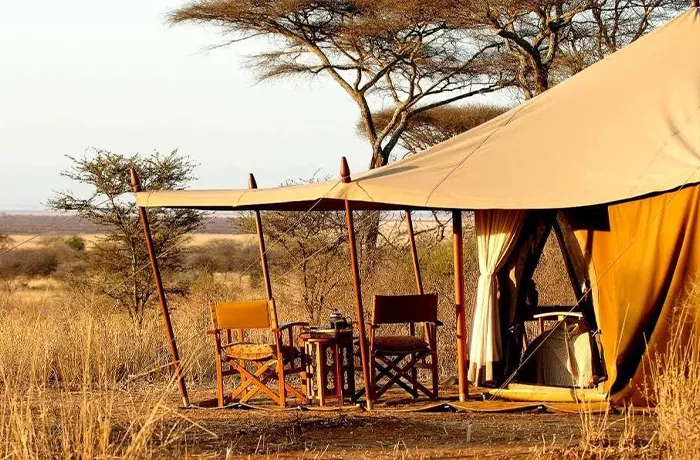
A budget safari is best understood as a safari designed to maximize access to wildlife and wilderness while keeping unnecessary expenses under control. It does not automatically mean poor accommodation, unsafe transportation, bad food, inexperienced guides, or an inferior wildlife experience.
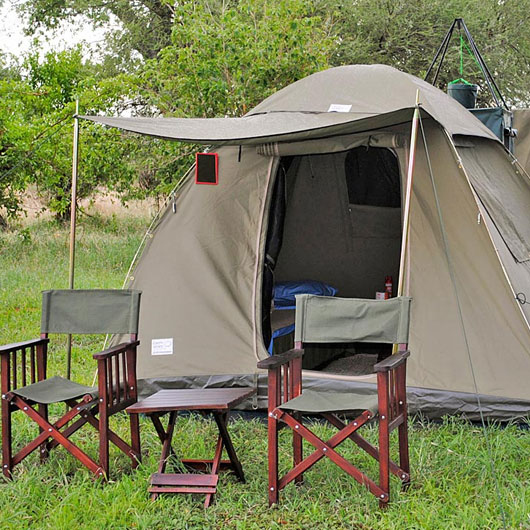
A professionally operated budget safari can be exceptionally rewarding, particularly when it is based in a strong wildlife destination and managed by an experienced operator. The main difference is that the safari tends to focus on the essentials rather than premium extras. Accommodation may be simpler, transportation may involve shared vehicles, schedules may be more structured, and the camp may offer fewer luxury facilities. Instead of paying for a private villa with a swimming pool, a traveler may sleep in a comfortable safari tent with basic but clean furnishings and an en-suite bathroom.
Instead of having a dedicated vehicle available throughout the day, the traveler may share a vehicle with other guests. Instead of gourmet meals prepared according to individual preferences, meals may be served communally or according to a standard menu. For travelers who spend most of their waking hours outside searching for wildlife, these compromises can be perfectly acceptable. In fact, many adventurous travelers prefer this style because it keeps the focus on the wilderness rather than on the accommodation.
What a Luxury Safari Really Means
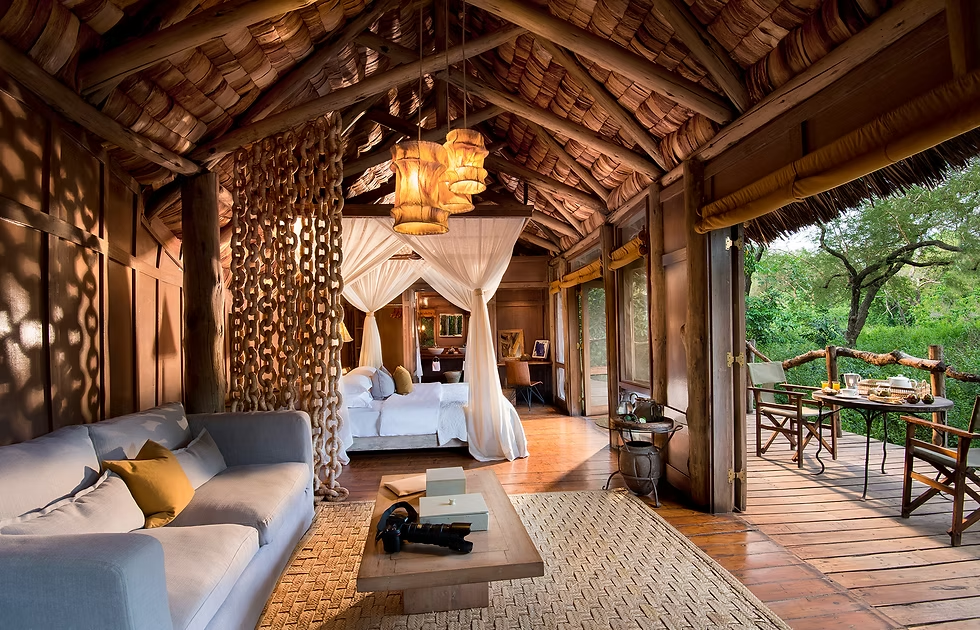
A luxury safari is not simply a budget safari with a more expensive bedroom. At its best, luxury safari is an experience built around comfort, privacy, personalization, exclusivity, and seamless logistics. Luxury camps and lodges may provide spacious canvas suites, beautifully designed interiors, private decks, exceptional views, sophisticated dining, highly personalized service, private vehicles, expert guides, scenic flights, private dining experiences, swimming pools, wellness treatments, and carefully designed activities.
However, the most meaningful luxury is often invisible. It is the convenience of having someone organize complicated logistics for you, the ability to change your daily schedule according to your interests, the privacy of traveling without strangers, the opportunity to spend more time at a wildlife sighting, and the reassurance that experienced staff are managing the details.
True luxury in the African wilderness is often about having more freedom and less friction. It allows the traveler to concentrate on the experience rather than worrying about transportation, meals, schedules, luggage, or logistics. That is why a genuinely exceptional luxury safari can feel completely different from a standard safari, even when both operate in the same ecosystem.
Accommodation: Where You Sleep Can Change the Character of the Journey
Accommodation is one of the most visible differences between budget and luxury safaris, but it is also one of the areas where travelers sometimes spend more money than necessary. Budget safari accommodation can range from campsites and simple dome tents to comfortable permanent tented camps and modest lodges.
The standard varies considerably depending on the destination and operator, but good budget accommodation should still be clean, secure, appropriately located, and suitable for a traveler who wants to spend most of the day exploring. You may not have a private swimming pool, large bathtub, personal lounge, air conditioning, room service, or extensive luxury amenities, but you may still have a comfortable bed, an en-suite bathroom, good meals, and a spectacular wilderness setting. For many travelers, that is enough because the room is primarily a place to sleep, shower, and recover between game drives.
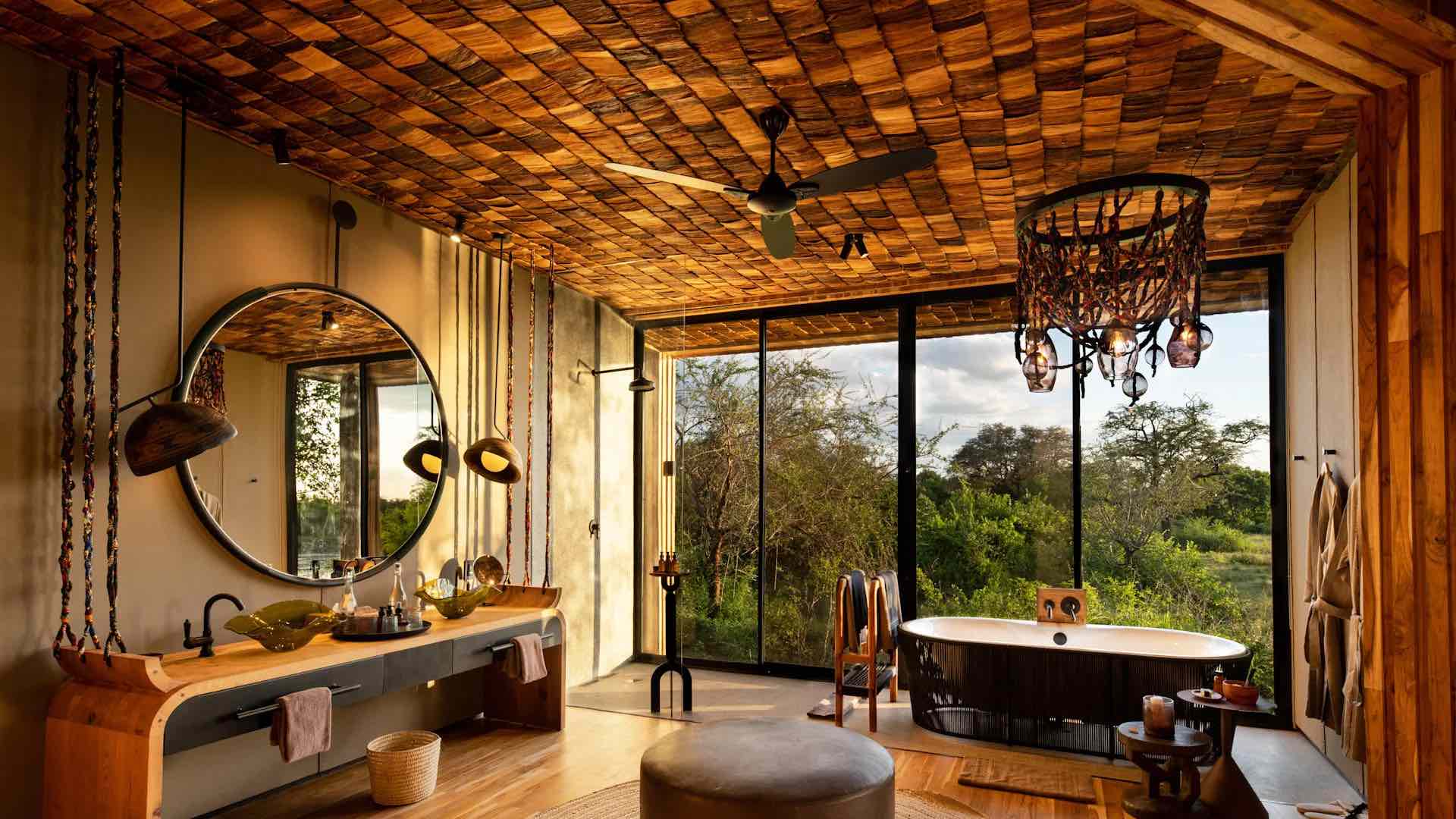
Luxury accommodation changes the relationship between the traveler and the camp. Instead of simply being a place to sleep, the lodge or tented suite becomes part of the destination itself. You may have a private deck overlooking a river, a plunge pool surrounded by wilderness, an outdoor shower, beautifully prepared meals, premium bedding, personalized service, and a quiet space where you can spend the afternoon watching animals or reading while the landscape changes around you.
The experience becomes less about escaping the accommodation to go somewhere interesting and more about recognizing that the accommodation itself is one of the interesting places. This distinction is particularly important for travelers who enjoy slow travel, relaxation, romance, photography, or spending meaningful periods of time at camp.
If you are the kind of traveler who returns from every game drive, takes a shower, eats quickly, and immediately goes back outside, you may gain relatively little from spending an enormous amount on the room. If you want to spend afternoons beside a pool, enjoy private dinners, relax on your deck, or experience the landscape from your own tent, the additional investment can be much more meaningful.
Game Drives and Why Vehicle Choice Matters So Much
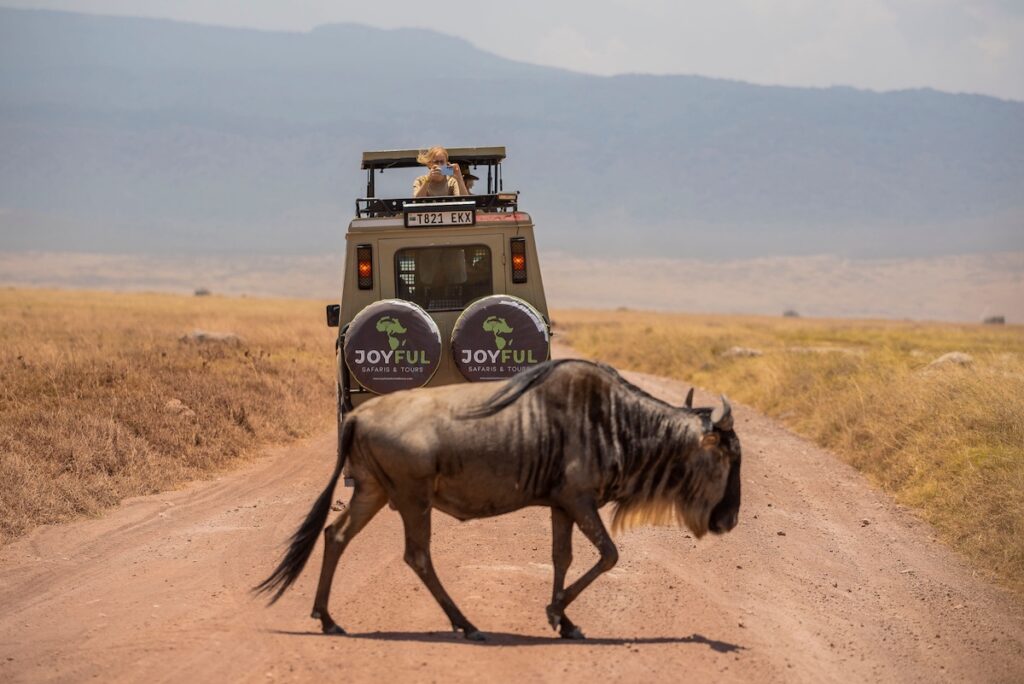
Game drives are the central activity on most safaris, and this is one area where the difference between budget and luxury can become especially noticeable. A budget safari commonly uses shared vehicles because dividing transportation costs among several travelers makes the overall journey considerably more affordable. Sharing a vehicle can actually be enjoyable because it creates opportunities to meet people from different countries, exchange stories, and experience wildlife together.
However, it also means that your day is influenced by the interests and preferences of other people. One traveler may want to spend an hour watching a leopard while another may be ready to return to camp. Someone may be passionate about birds while another traveler wants to find lions. A family may want to return early because children are tired, while a photographer may want to stay until the evening light becomes perfect.
Shared vehicles require compromise, and that compromise is one of the main reasons they cost less.
A private vehicle changes this dynamic dramatically. When you have a dedicated vehicle and guide, the safari becomes much more responsive to your personal interests. You can potentially leave earlier, stay out later, spend longer at interesting sightings, change direction when something unexpected happens, focus heavily on photography, devote more time to birds or tracking, or return to camp when you have had enough.
This flexibility can be particularly valuable for couples, families, photographers, wildlife enthusiasts, and travelers who have limited time. A private vehicle may therefore be a more valuable luxury upgrade than a more expensive bedroom. If you have a fixed budget and must choose between upgrading your room and having greater freedom during game drives, many wildlife-focused travelers would benefit more from the private vehicle because it directly influences how they spend their most important hours of the day.
Why the Quality of Your Guide Can Matter More Than the Luxury of Your Lodge
One of the most overlooked elements of safari planning is the quality of the guide. Travelers frequently spend hours comparing photographs of lodges while giving relatively little attention to the person who will actually interpret the wilderness for them. Yet a knowledgeable, passionate, observant guide can transform an ordinary game drive into an extraordinary learning experience. An excellent guide does not simply drive toward animals.
They understand tracks, animal behavior, seasonal movements, weather patterns, bird calls, vegetation, ecology, conservation, and the subtle signs that reveal what happened in the landscape before you arrived. They know how to position the vehicle without unnecessarily disturbing animals, how to interpret what an animal is doing, and how to explain the larger ecological story behind what you are seeing.
A beautiful lodge cannot compensate for poor guiding.
Conversely, a relatively simple camp can produce an unforgettable safari when the guide is exceptional. This is one reason experienced travelers often prioritize reputable safari operators and strong guiding above decorative luxury. A knowledgeable guide can help you understand why elephants behave differently in different environments, how predators interact with prey, why certain landscapes attract particular species, and how local communities and conservation initiatives influence the survival of wildlife.
The guide becomes not merely a driver but a teacher, naturalist, storyteller, interpreter, and companion. When evaluating safari options, therefore, travelers should look beyond photographs of rooms and ask serious questions about the guiding operation.
Food: Necessity on a Budget and an Experience in Luxury
Food is another area where safari categories can differ significantly. On a budget safari, meals are generally designed to be nutritious, reliable, filling, and practical for long days in the field. Breakfast may be relatively simple, lunch might be packed for a full-day game drive, and dinner may be served in a communal dining area. This does not mean the food has to be poor. Many budget safari operators provide excellent meals using fresh local ingredients, and travelers who are primarily focused on wildlife often have little interest in elaborate dining.
After spending hours outdoors, a satisfying meal can be more than enough.
Luxury safari takes dining much further by turning meals into part of the overall experience. Guests may enjoy beautifully presented dishes, locally sourced ingredients, customized menus, carefully selected beverages, private breakfasts in scenic locations, dinners under the stars, and surprise dining experiences in the bush. Food can become another way of experiencing the destination, particularly when chefs incorporate local ingredients and culinary traditions.
Nevertheless, travelers should consider whether this is important to them. If you are deeply passionate about food and view every meal as part of your travel experience, luxury dining can justify a premium. If your main goal is wildlife and adventure, paying a large additional amount for elaborate meals may not provide the same value as investing that money in more safari time, better guiding, or a private vehicle.
Privacy Is One of the Most Significant Luxury Upgrades
Privacy is often a much more meaningful luxury than people initially realize. A shared safari means that you are constantly coordinating your experience with other travelers. You share the vehicle, you may share dining spaces, and you may have to accommodate different preferences regarding departure times, wildlife sightings, photography, and rest periods. For some travelers, this social element is enjoyable and forms part of the adventure. For others, particularly honeymooners, families, couples celebrating anniversaries, and photographers, privacy can dramatically improve the experience.
A private safari allows the journey to revolve around you rather than around the preferences of a group. You can decide how you want to spend your mornings, how long you want to remain at an interesting sighting, and how much time you want to devote to photography, birds, landscapes, or specific animal species. Privacy also changes the emotional atmosphere of the journey.
Sitting quietly with your partner in a vehicle overlooking the savanna is a different experience from sharing the same moment with six strangers. Neither is necessarily better, but they satisfy different travel personalities. If solitude, intimacy, and personal freedom are high priorities, luxury or at least a private safari arrangement can be worth the additional expense.
Location Can Be More Important Than Luxury
One of the most important principles in safari planning is that a magnificent lodge cannot compensate for a poor wildlife location. Travelers sometimes become fascinated by beautiful accommodation photographs and choose a property because the rooms, pool, architecture, or views look spectacular. Yet safari is fundamentally about being in the right environment at the right time.
A simple camp situated in a highly productive wildlife area can provide a far more memorable safari than an extravagant lodge located in a less productive or less strategically positioned area.
The location of your accommodation can influence how much time you spend reaching wildlife areas, how many vehicles you encounter, what activities are possible, and how quickly you can respond to animal movements. Being positioned close to important wildlife habitats can reduce unnecessary driving and give you more time actually observing animals.
This is why travelers should consider location before decorative luxury. Ask where the camp is situated, how far it is from major wildlife areas, whether it is inside or outside a protected area, what wildlife is typically present during the season of your visit, and what activities are permitted. The best luxury safari is not necessarily the one with the most impressive room. It is often the one that combines excellent accommodation with an exceptional location.
National Parks and Private Wildlife Areas Offer Different Experiences
Another major factor in the luxury-versus-budget decision is whether you are traveling primarily through public national parks or private conservancies and wildlife areas. National parks can offer extraordinary wildlife and landscapes, often at a comparatively accessible price. However, because they are public spaces, there may be more vehicles and more visitors, and certain activities may be subject to stricter regulations. This does not make the experience inferior. Some of the world’s most spectacular safari encounters happen in national parks, and the presence of other visitors is often a relatively small price to pay for access to extraordinary ecosystems.
Private conservancies can provide a different atmosphere because access is generally more controlled. Depending on the destination and local regulations, travelers may have opportunities for activities such as night drives, walking safaris, off-road viewing, or other specialized experiences that are not always available in public parks. The number of vehicles at particular sightings may also be more limited. This can create a greater sense of exclusivity. However, private does not automatically mean better.
It simply provides a different set of possibilities. Travelers who want exclusivity, specialized activities, and a quieter atmosphere may find the additional cost worthwhile, while travelers primarily interested in wildlife may be perfectly satisfied with a well-planned national park safari.
A Budget Safari Can Still Deliver an Extraordinary Wildlife Experience
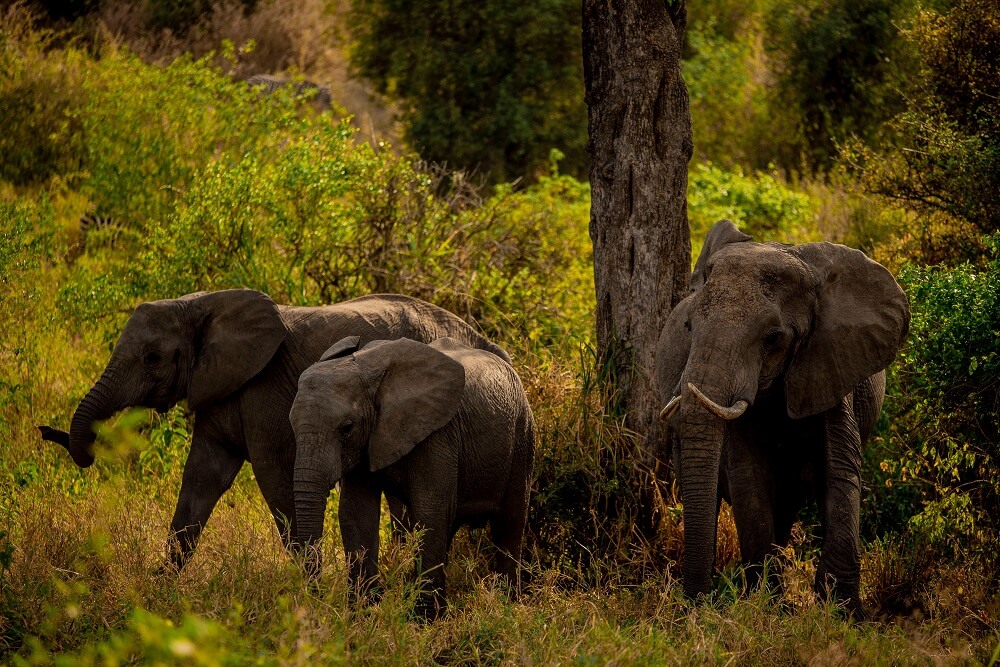
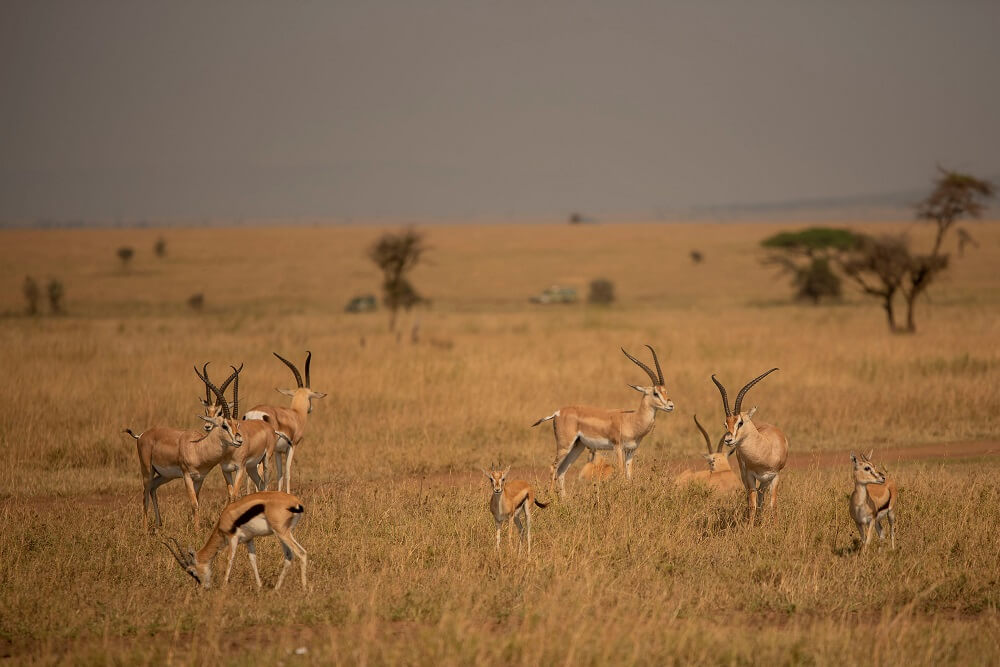
One of the most damaging misconceptions about safari travel is that a budget safari is somehow an inferior version of the real experience. Wildlife does not care how much you paid for your room. A lion does not know whether you are staying in a basic tent or an ultra-luxury suite. An elephant herd crossing a dusty road does not become more magnificent because you are staying in a five-star camp. The African sunrise remains beautiful regardless of the price of your accommodation.
What determines the quality of the wildlife experience is much more complicated. It involves location, timing, guide expertise, habitat, animal movements, time spent in the field, weather, conservation management, and sometimes simple luck. A budget traveler can witness an extraordinary predator encounter, a massive elephant gathering, or an unforgettable sunset just as easily as a luxury traveler. The difference is primarily in the comfort and flexibility surrounding the encounter. This is why budget travelers should not feel that they are receiving a second-rate safari. If the itinerary is well designed, the operator is reputable, the guides are knowledgeable, and the wildlife area is excellent, a budget safari can become one of the most memorable journeys of a lifetime.
Why Luxury Safaris Cost So Much
The high price of luxury safaris can be difficult to understand until you consider the complexity of operating premium hospitality in remote wilderness. A luxury camp located far from a major city may need to transport food, beverages, fuel, building materials, staff, equipment, water systems, maintenance supplies, and other essentials across considerable distances. It may employ a relatively large number of staff to provide personalized service to a small number of guests. It may maintain aircraft operations, private vehicles, sophisticated solar infrastructure, waste-management systems, communications equipment, and conservation programs. In some areas, substantial financial contributions also support wildlife management and community development.
The traveler is therefore paying for much more than a luxurious tent. They are paying for a complete logistical system that allows exceptional hospitality to operate in an environment where ordinary hotel infrastructure does not exist. When a guest arrives at a remote camp and everything works seamlessly, that convenience is the result of considerable planning and expense behind the scenes. This does not mean every luxury safari is worth its price, but it explains why high-end safari experiences can be considerably more expensive than conventional accommodation.
What Budget Travel Can Give You That Luxury Sometimes Cannot
Budget safari travel has its own strengths, and one of the most important is a stronger sense of adventure. When the accommodation is simpler, transportation is more basic, and the schedule is less focused on pampering, the traveler may feel more directly connected to the practical realities of exploring wilderness. There can be something deeply satisfying about sleeping under canvas, traveling long distances by road, sharing stories with fellow travelers, eating outdoors, and spending nearly every waking moment focused on the landscape.
Budget safaris can also create social experiences that luxury travel sometimes lacks. Shared vehicles and communal camps bring together people with different backgrounds, nationalities, ages, and interests. Conversations around a campfire can become as memorable as the wildlife itself. Travelers may meet people they would never have encountered on a private luxury itinerary. For adventurous people who value discovery, spontaneity, and human connection, the social atmosphere of a budget safari may actually be preferable to complete privacy.
What Luxury Can Give You That Budget Often Cannot
Luxury becomes particularly valuable when comfort, time, privacy, and personalization matter strongly. A premium safari can reduce the friction that comes with long-distance travel and allow you to focus almost entirely on the experience. You may move between destinations by air instead of spending many hours on the road. You may have a private guide who knows your interests. You may return from a long game drive to a comfortable suite, take a shower overlooking the wilderness, enjoy a carefully prepared meal, and relax without having to worry about logistics.
Luxury also allows travelers to customize their experience to a greater degree. A photographer may want to spend hours with one animal. A couple may want a private dinner at sunset. A family may need a more flexible schedule. A bird enthusiast may want to spend an entire morning exploring habitats that other travelers would ignore. A luxury safari can often accommodate these preferences more easily. The value therefore lies not only in physical comfort but in the ability to shape the experience around your individual priorities.
The Mid-Range Safari: The Option Many Travelers Should Consider
Between basic budget safaris and ultra-luxury journeys lies a broad and often excellent middle ground. Mid-range safaris can provide comfortable accommodation, private bathrooms, good meals, experienced guides, strong wildlife access, and attractive camps without the very high prices associated with the most exclusive properties. This category is particularly appealing to travelers who want comfort but do not need every possible luxury feature.
A mid-range safari can allow you to spend money on the parts of the journey that actually matter. Instead of paying for a private plunge pool that you may never use, you can invest in an additional day in the wildlife area. Instead of paying for an elaborate room, you can allocate money toward better transportation or a private game drive. This is why mid-range safaris can offer exceptional value. They provide enough comfort to make the journey enjoyable while keeping the focus on wildlife and exploration.
The Hybrid Safari Can Be the Smartest Choice
Travelers do not have to choose between luxury and budget for the entire journey. One of the most intelligent approaches is to combine different levels of accommodation and service within the same itinerary. You might begin with a comfortable but reasonably priced lodge, spend several nights in a high-quality safari camp located in an excellent wildlife area, and then finish the trip with two nights at an exceptional luxury property. This creates contrast and allows you to experience both adventure and indulgence without paying luxury prices for every single night.
A hybrid itinerary can also allocate money according to what matters most. You could use shared vehicles on some days and reserve a private vehicle for days when photography or wildlife observation is especially important. You could use road transportation for shorter distances and flights for long transfers where saving time is valuable. You could choose comfortable mid-range accommodation for most of the safari and reserve a luxury lodge for a honeymoon celebration or final night. Strategic luxury often creates a better overall experience than attempting to make every part of the journey expensive.
Families Need to Think About Safari Differently
Families should consider flexibility, safety, comfort, and the ages and personalities of their children when choosing between budget and luxury. A budget safari can be an excellent family experience, particularly when children are old enough to enjoy long game drives and the family is comfortable with shared transportation and simpler accommodation.
The social nature of group safaris can also be enjoyable for children because they have opportunities to meet other travelers and experience the journey together.
Luxury can become especially valuable when traveling with younger children or when family members have different energy levels. A private vehicle allows the family to control the schedule rather than adapting to strangers. If children become tired, the group can potentially return to camp.
If everyone becomes fascinated by an elephant herd, they can remain longer. Comfortable family accommodation can also make a significant difference after long days outdoors. For families, therefore, the value of luxury often comes from flexibility rather than simply from nicer rooms.
Honeymooners Often Benefit From Strategic Luxury
A honeymoon safari does not have to be extravagant, but privacy and atmosphere can make luxury particularly valuable for couples. The emotional character of the trip matters because this is often not simply a wildlife holiday but a celebration of a major life event. A private tent overlooking the wilderness, an intimate dinner beneath the stars, a personalized game drive, and a quiet sunset together can create memories that feel completely different from a standard group itinerary.
However, honeymooners do not necessarily need luxury for every night. A strategically designed itinerary can combine adventurous safari camps with several nights of high-end accommodation. This approach can provide the excitement of exploration while reserving the most romantic experiences for the moments when they matter most. The result can be more memorable and financially sensible than spending the entire journey at the highest possible price point.
Solo Travelers Can Benefit From Both Styles
Solo travelers may find budget safaris especially attractive because shared vehicles create natural opportunities for social interaction. Traveling alone does not necessarily mean being alone throughout the trip. Group game drives, communal meals, and shared campfire experiences can make the safari socially engaging and can reduce the financial burden of transportation and guiding.
Luxury can also be excellent for solo travelers who value independence, photography, comfort, or highly personalized experiences. The main consideration is pricing because some luxury properties price accommodation based on double occupancy or apply single supplements. A solo traveler should therefore examine the full cost carefully rather than assuming that the per-person price advertised for a couple will apply in exactly the same way to one person.
Photographers Should Prioritize Access Over Decoration
Wildlife photographers should approach the luxury-versus-budget decision differently from travelers who are primarily interested in relaxation. The quality of the photographic opportunity depends heavily on access, positioning, timing, and flexibility. A private vehicle can be enormously valuable because photographers often need to wait for the right light, remain with an animal for long periods, or reposition repeatedly to achieve the desired composition. Shared vehicles can make this difficult because other guests may have different priorities.
For a photographer, money is often better spent on a strong wildlife location, an experienced guide, a private vehicle, longer stays, and a season that offers suitable conditions than on an exceptionally decorated room. The photograph will be created in the vehicle, not in the bathroom. This does not mean photographers should ignore accommodation completely, but it does mean that the priorities should be arranged around the activity that brought them to Africa in the first place.
Drinks on Safari
Safari lodges and camps usually provide a range of alcoholic and non-alcoholic drinks, although the selection and inclusions vary. Guests may find local beers, wine, sparkling wine, spirits, cocktails, soft drinks, mineral water, sparkling water, fresh juices, tea, and coffee.
When comparing safari packages, travelers should check exactly what is included. Some properties include meals, selected soft drinks, tea, coffee, and certain alcoholic beverages, while premium wines, spirits, cocktails, or specialty drinks may be charged separately.
First-Time Safari Travelers Have a Unique Opportunity
First-time safari travelers sometimes feel pressure to book the most luxurious option because they believe this will guarantee the best experience. It does not. A first safari can be extraordinary at many different price levels. What matters most is choosing a reputable operator, a strong wildlife destination, a sensible itinerary, knowledgeable guides, and enough time in the wilderness.
Travelers who are unsure whether safari travel suits them may prefer a well-designed budget or mid-range trip. This allows them to experience the essential elements without making an enormous financial commitment. Travelers who have dreamed about safari for years and want to celebrate a once-in-a-lifetime occasion may reasonably choose luxury. The important point is that first-time travelers should not confuse price with quality. Good planning matters more than simply choosing the most expensive package.
Budget Does Not Mean Choosing the Cheapest Available Option
There is an important distinction between budget travel and cheap travel. A budget safari intentionally controls costs while preserving the essential quality of the experience. A cheap safari may cut corners in ways that affect safety, reliability, guiding, accommodation standards, or wildlife access. Travelers should therefore avoid choosing purely on the basis of the lowest advertised price.
A responsible budget safari should still provide reliable transportation, appropriate accommodation, competent guides, clear communication, transparent pricing, proper food, and responsible wildlife practices. Saving money should never mean compromising safety or ethical standards. The objective is to eliminate unnecessary luxury rather than to eliminate essential quality.
Luxury Does Not Automatically Mean Better Wildlife
Perhaps the most important truth in the entire luxury-versus-budget debate is that money cannot guarantee wildlife sightings. A luxury traveler may spend hours searching for a leopard and never see one, while a budget traveler may encounter a leopard within the first hour of the morning. Wildlife is unpredictable, and that unpredictability is part of what makes safari so compelling.
Luxury improves the circumstances in which you experience wildlife, but it does not control wildlife itself. Better guiding, private vehicles, strong locations, longer stays, and flexible schedules can increase the quality of opportunities, but no ethical operator can guarantee that a particular animal will appear. The most expensive room in Africa cannot summon a lion. The wilderness remains wild, and that is precisely why every sighting feels so valuable.
The Importance of Safari Season
The timing of your trip can influence your experience considerably, sometimes more than the difference between budget and luxury accommodation. Wildlife behavior changes throughout the year, vegetation changes, water availability changes, weather conditions change, and animal movements can shift dramatically depending on the ecosystem. Some periods may offer particularly strong wildlife concentrations, while others may provide fewer visitors, different landscapes, or different photographic conditions.
This means that travelers should not automatically assume that upgrading from budget to luxury is the best way to improve a safari. In some circumstances, choosing a more suitable travel period can have a much greater impact. A traveler who chooses an excellent wildlife destination during an appropriate season and stays in a comfortable mid-range camp may have a more rewarding experience than someone who spends substantially more on luxury accommodation during a less favorable period. Timing is therefore one of the most powerful tools available to travelers who want to maximize value.
How to Compare Safari Packages Properly
When comparing safari packages, travelers should never compare headline prices alone. The true value of a safari becomes visible only when you understand what the price includes and what you will have to pay separately. One operator may include park or conservation fees, meals, airport transfers, drinks, transportation, and activities, while another may advertise a lower price but charge for several of these elements separately.
The best approach is to request a complete quotation and examine the inclusions carefully.
Consider the accommodation, transportation, game drives, guide arrangements, park fees, meals, drinks, transfers, flights, activities, taxes, and other mandatory charges. Then consider the likely extras. A safari advertised at a low price may become considerably more expensive once essential costs are added, while a seemingly expensive package may provide excellent value if it includes almost everything. The correct comparison is therefore not price against price but total cost against total experience.
What You Should Spend More Money On
If your budget is limited, the smartest strategy is to spend money on the elements that directly influence your experience. A better wildlife location can improve your opportunities. An excellent guide can deepen your understanding of the environment. An additional safari day gives you more time in the wilderness. A private vehicle provides greater flexibility. Efficient flights can save valuable hours that would otherwise be spent traveling by road.
These investments are often more meaningful than paying for decorative luxury. A traveler may forget the exact design of the room within a few years, but they are unlikely to forget an extraordinary wildlife encounter made possible by a skilled guide and an excellent location. This is why experienced travelers often focus on the underlying safari infrastructure before adding decorative upgrades.
Where You Can Comfortably Save Money
There are several areas where travelers can reduce costs without significantly damaging the core safari experience. Choosing a simpler room can make sense if you will spend most of the day on game drives. Sharing a vehicle can be worthwhile if you enjoy social travel and are comfortable with a less flexible schedule. Road transfers may be acceptable when distances are manageable and the journey itself is interesting.
Comfortable mid-range accommodation can replace expensive luxury properties without removing the essential wildlife experience.
The important principle is to distinguish between things that improve the actual safari and things that simply make the safari more luxurious. If an upgrade gives you better wildlife access, more time, better guiding, or greater flexibility, it may be worth considering. If it simply gives you a larger bathroom that you will barely use, the money may be better spent elsewhere.
The Most Effective Way to Build a Safari Budget
A strong safari budget should begin with the core experience rather than the luxury features. First determine how many days you want to spend in the wilderness, which wildlife areas you want to visit, how much transportation is required, and what type of guiding arrangement you want. Once those elements are established, you can determine how much remains for accommodation upgrades, private experiences, premium dining, special activities, and other comforts.
This approach prevents travelers from making the common mistake of choosing an expensive lodge first and then discovering that they cannot afford enough time in the wildlife area. More safari days can often provide greater experiential value than upgrading every night. Similarly, spending a little more on a private vehicle for several key game drives may produce more memorable experiences than upgrading the room for the entire journey. Build the foundation first, then add luxury where it creates the greatest emotional and practical value.
The Seven Questions That Can Reveal Your Ideal Safari
The simplest way to determine whether luxury or budget is right for you is to think honestly about your priorities. Ask yourself whether wildlife is more important to you than accommodation, whether you need privacy, how much comfort affects your enjoyment, how flexible your budget is, whether you are celebrating a special occasion, how much time you have, and whether you would rather spend your money on a better room or more time in the wilderness. Your answers will usually make the decision much clearer.
A traveler who says that wildlife is the absolute priority, who does not mind sharing transportation, and who wants to maximize the number of safari days will probably be happiest with a strong budget or mid-range safari. A traveler who values privacy, comfort, personalized service, and flexibility will probably prefer luxury. Someone who wants both can create a hybrid itinerary. There is no correct answer because travelers are not paying for the same thing. One person may consider a private pool essential to relaxation, while another would happily sleep in a simple tent if it means spending another morning watching elephants.
The Real Difference Between Luxury and Budget
Ultimately, the distinction between luxury and budget safari is not simply the difference between an expensive room and a basic room. It is the difference between how much you prioritize comfort, privacy, convenience, personalization, and exclusivity compared with simplicity, adventure, social interaction, and value. Budget safari tends to strip the experience down to its essential components so that more travelers can access the wilderness without paying for unnecessary extras. Luxury safari builds a more complete hospitality experience around the wilderness, allowing travelers to enjoy greater comfort and flexibility while reducing many of the inconveniences associated with remote travel.
Both approaches can produce extraordinary memories. A budget traveler can wake before sunrise, drive through golden grasslands, encounter a pride of lions, watch elephants crossing a river, and sit beside a campfire beneath an enormous African sky. A luxury traveler can experience those same wonders from a private vehicle with an expert guide, return to an elegant tent overlooking the wilderness, enjoy a beautifully prepared meal, and spend the evening in complete privacy. The wildlife experience may overlap, but the surrounding journey is different.
The Best Safari Is Not Necessarily the Most Expensive Safari
The most expensive safari is not automatically the best safari, just as the cheapest safari is not automatically the best value. The best safari is the one that allocates your resources intelligently according to what you actually care about. If you care most about wildlife, invest in location, guiding, time, and access. If you care most about romance, invest in privacy and atmosphere. If you care about photography, invest in vehicles, guides, positioning, and flexibility. If you are traveling with children, invest in comfort and schedule flexibility. If you want adventure, embrace simpler accommodation and spend more time exploring.
This is the central principle that should guide every safari decision: do not spend money simply because something is marketed as luxury; spend money because it improves something that matters to you. A thoughtful traveler can have an extraordinary safari without an enormous budget, while a luxury traveler can create an exceptional journey when the additional expenditure is directed toward meaningful experiences rather than superficial upgrades.
Final Verdict: Which Safari Is Right for You?
If your dream is to spend as much time as possible in the wilderness, see extraordinary wildlife, meet other travelers, embrace adventure, and keep your overall costs under control, a well-planned budget safari can be an outstanding choice. You may sacrifice some privacy and comfort, but you do not have to sacrifice the essence of the safari. With the right destination, reputable operator, knowledgeable guide, and sensible itinerary, budget travel can deliver an experience that stays with you for decades.
If your dream is to experience Africa with exceptional comfort, privacy, personalized service, flexible game drives, beautiful accommodation, sophisticated dining, and seamless transportation, a luxury safari can be an extraordinary investment. The value lies not merely in the room but in the freedom to experience the wilderness according to your own rhythm. For honeymooners, families, photographers, couples celebrating milestones, and travelers with limited time, this additional flexibility can be particularly meaningful.
For travelers who want the strongest balance between cost and comfort, a high-quality mid-range safari may be the ideal solution. It can provide comfortable accommodation, excellent guiding, strong wildlife access, and satisfying meals without requiring the substantial expenditure associated with the highest-end camps. For many travelers, this is where the greatest value can be found.
And for travelers who refuse to choose between adventure and indulgence, the hybrid safari may be the ultimate answer. Spend some nights in excellent-value accommodation, invest in a private vehicle or premium experience when it matters, choose an exceptional wildlife location, and finish the journey with a few nights of genuine luxury. This approach allows you to experience the wilderness without constantly paying luxury prices while still creating moments of exceptional comfort and exclusivity.
The Final Question You Should Ask Yourself
Before booking your safari, do not ask only, “How much can I afford to spend?” Ask instead, “What do I want to remember?” If you want to remember the animals, prioritize wildlife areas, guiding, time, and access. If you want to remember intimate moments with your partner, prioritize privacy and atmosphere. If you want to remember extraordinary photographs, prioritize vehicles, guides, and flexibility. If you want to remember complete relaxation, prioritize the quality and location of your accommodation. If you want to remember adventure and human connection, a simpler shared safari may actually provide the experience you are looking for.
Years from now, you may not remember the exact size of your tent, the brand of your bathroom fixtures, or whether your lodge had a larger swimming pool. You will remember the first time you saw a wild elephant walking through the morning mist. You will remember the sound of lions calling across the darkness. You will remember the moment a leopard emerged from tall grass. You will remember the sunrise that painted the savanna gold. You will remember sitting quietly in a safari vehicle while the wilderness continued around you as though humans did not exist.
You will remember the guide who taught you to see things you would otherwise have missed. You will remember the people you met, the stories you shared, the silence, the anticipation, the excitement, and the feeling of being completely surrounded by nature.
That is why the best safari is not defined by the number of stars attached to your accommodation. It is defined by how thoughtfully the journey has been designed around what you value. Luxury is not about spending the most money, and budget is not about spending the least. Luxury is about choosing comfort, privacy, convenience, and personalization when those things genuinely matter to you. Budget is about removing unnecessary expenses while preserving the essential experience. The perfect safari is the one that puts your money into the moments that will stay with you long after you have returned home.
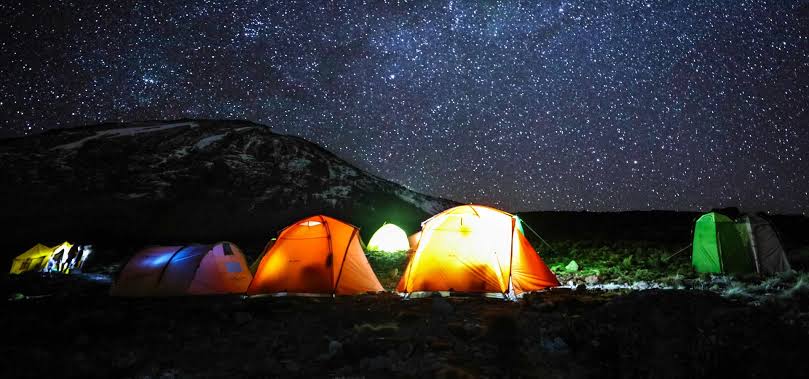
In the end, the question is not really “Luxury versus budget: which one is better?” The real question is “Which version of Africa do I want to experience?” Once you answer that honestly, the choice becomes much easier. Whether you are sleeping in a simple tent beneath the stars or relaxing in an elegant private suite overlooking the savanna, the magic remains the same: you are entering a world where nature sets the schedule, wildlife writes the story, and every day has the possibility of becoming a memory you will carry for the rest of your life.
Are you ready to start planning?
You can proceed with booking by filling out the form below. Let’s make your adventure unforgettable!