
Table of Contents
ToggleSafari Dining in Tanzania: The Ultimate Guide to Exceptional Food in the African Wilderness
Safari dining in Tanzania is far more than simply having breakfast, lunch, or dinner between game drives. It is an integral part of the safari experience, bringing together extraordinary landscapes, Tanzanian culinary traditions, warm hospitality, carefully prepared food, and the unforgettable atmosphere of the African wilderness.
Imagine beginning your morning with freshly brewed Tanzanian coffee as the first sunlight spreads across the Serengeti, enjoying a freshly prepared lunch beneath the shade of an acacia tree, pausing for sundowners while the sky turns golden, and ending the day with a candlelit dinner beneath a vast African sky.
These moments demonstrate why food can become one of the most memorable aspects of a Tanzania safari.
Tanzania is one of Africa’s most celebrated safari destinations, with iconic areas such as the Serengeti, Ngorongoro Conservation Area, Tarangire National Park, and Lake Manyara offering dramatically different landscapes and wildlife experiences.
The country’s safari camps and lodges have developed dining traditions that complement these environments rather than compete with them. Depending on the style of safari you choose, meals can range from relaxed camp-style cooking around a communal table to sophisticated multi-course dining prepared by professional chefs. What makes the experience particularly special is that the meal is often connected to the landscape, the day’s wildlife activities, and the culture of Tanzania.
Safari Dining in Tanzania
What Is Safari Dining in Tanzania?
Safari dining in Tanzania describes the complete culinary experience travelers enjoy while staying at safari lodges, tented camps, mobile camps, luxury camps, and other accommodations located in or near Tanzania’s wildlife areas. Unlike conventional hotel dining, safari meals follow the rhythm of the wilderness. Breakfast may be served shortly after sunrise because guests are leaving for an early game drive, lunch may be enjoyed at camp or as a picnic in the national park, afternoon tea may be served before an evening activity, and dinner may take place after sunset in a beautifully prepared dining area surrounded by the sounds of nature.
The experience can be extremely sophisticated without losing its connection to the wilderness. Luxury safari properties may offer carefully designed menus, locally sourced ingredients, premium wines, freshly baked bread, elegant desserts, personalized meals, and private dining experiences.
At smaller or more traditional camps, the emphasis may be on fresh, hearty, home-style cooking served in an intimate and communal environment. Both approaches can be equally memorable because the true character of safari dining comes from the combination of food, setting, service, atmosphere, and the extraordinary sense of place.
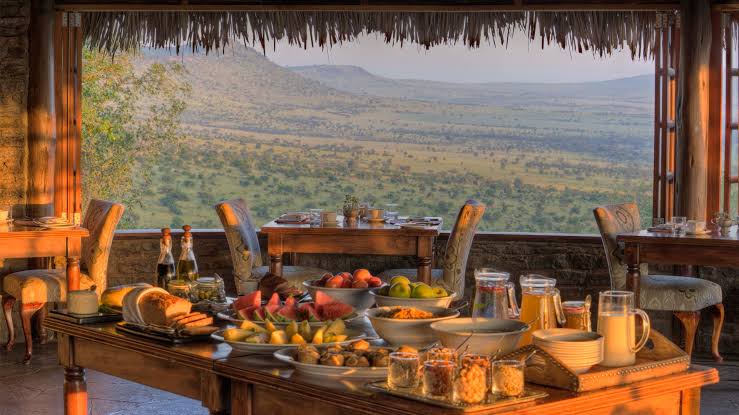
Why Dining Is an Important Part of a Tanzania Safari
A safari day often begins early and can involve several hours of driving, walking, wildlife viewing, photography, and exploration.
Good food therefore plays a practical role in keeping travelers comfortable and energized throughout the day. Breakfast provides the fuel for an early game drive, lunch offers a chance to recover after a morning in the bush, afternoon tea provides a light refreshment before the next activity, and dinner becomes a relaxing conclusion to a day filled with wildlife encounters.
There is also an emotional element to safari dining. After spending hours watching elephants, lions, giraffes, zebras, wildebeest, cheetahs, or other wildlife, sitting down to a meal in the middle of the wilderness allows travelers to slow down and appreciate the environment.
Conversations naturally turn toward the day’s sightings, memorable photographs, unexpected encounters, and plans for the following morning. Food becomes part of the story of the safari rather than something separate from it.
What Food Can You Expect on Safari in Tanzania?
The food served on a Tanzania safari generally combines international cuisine with African and Tanzanian influences. Most established lodges and camps offer a variety of fresh vegetables, fruits, grains, bread, meat, fish, poultry, salads, soups, rice, potatoes, pasta, desserts, and snacks. Breakfast may include eggs prepared to order, fresh fruit, yogurt, cereals, granola, pastries, bread, pancakes, porridge, juices, tea, and coffee.
Lunch and dinner can include grilled meats, chicken, fish, vegetable dishes, curries, rice, salads, pasta, stews, soups, and locally inspired recipes.
The quality and style of food naturally depend on the accommodation. Luxury safari camps often employ experienced chefs who create menus that combine international techniques with local ingredients and flavors. Smaller camps may provide simpler meals, but these can still be exceptionally satisfying because they are freshly prepared and served in a relaxed environment.
Travelers should not assume that remote safari dining means basic food. Many camps have surprisingly capable kitchens and take considerable pride in their culinary offerings.
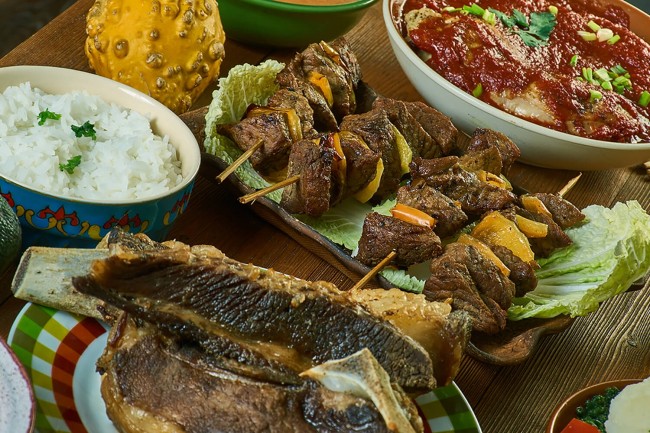
Traditional Tanzanian Cuisine on Safari
One of the most rewarding ways to experience Tanzania is through its food. Tanzanian cuisine reflects the country’s diverse cultural history, including traditional East African foodways and influences from the Swahili coast and Indian Ocean trading communities. Rice dishes, flatbreads, grilled meats, vegetables, legumes, spices, and tropical fruits are important parts of the culinary landscape.
Ugali is one of Tanzania’s best-known staple foods. Made primarily from maize flour and water, it has a firm consistency and is commonly served alongside vegetables, meat, fish, beans, or sauces. It is simple, filling, and deeply connected to everyday East African food culture. Travelers who have never tried it may find it an interesting and authentic introduction to Tanzanian cuisine.
Nyama choma, meaning roasted or grilled meat, is another popular East African food experience. Depending on the setting, the meat may be served with vegetables, salads, sauces, or other accompaniments. After a long day exploring the bush, a well-prepared grilled meat dish can be particularly satisfying.
Pilau is another dish worth seeking out. Tanzanian pilau is a fragrant rice preparation that reflects the culinary influence of the Indian Ocean and Swahili coast. Aromatic spices give the dish its distinctive character, and it is often served with meat or vegetables. Chapati, a soft flatbread commonly enjoyed throughout East Africa, can also appear at breakfast or alongside savory dishes.
Fresh fruit is another important part of Tanzanian dining. Depending on the season and location, travelers may enjoy mangoes, bananas, pineapples, papaya, watermelon, passion fruit, avocado, and other locally available produce. Fresh fruit served at breakfast or as part of a picnic can be one of the simplest and most enjoyable culinary experiences on safari.
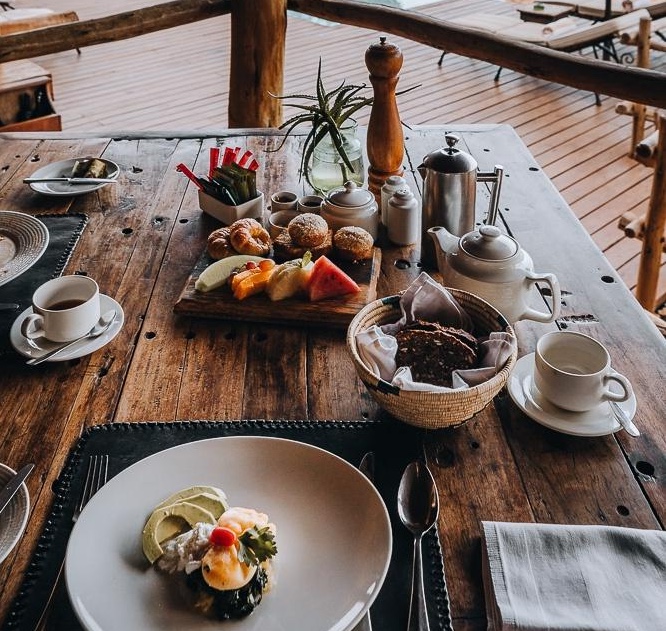
Breakfast on Safari
Breakfast is one of the most important meals of a safari day because many game drives begin shortly after sunrise. Depending on the itinerary, guests may have a quick early breakfast before leaving camp, a packed breakfast, or a full breakfast after returning from the morning game drive. A traditional lodge breakfast may include eggs, sausages, bacon, bread, pastries, fresh fruit, yogurt, cereals, pancakes, porridge, fresh juice, tea, and coffee.
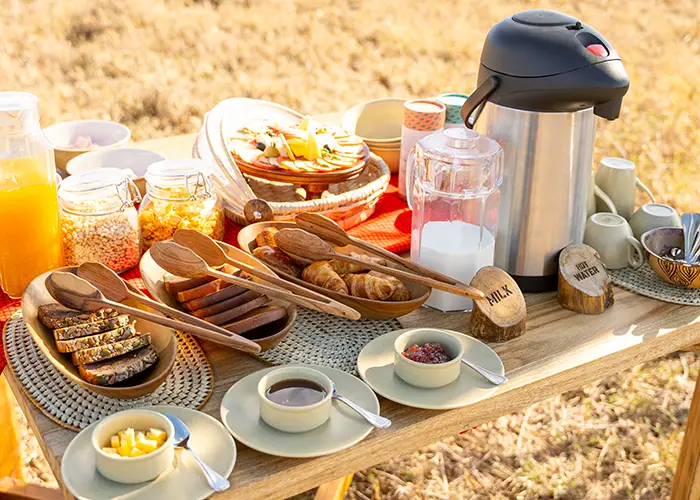
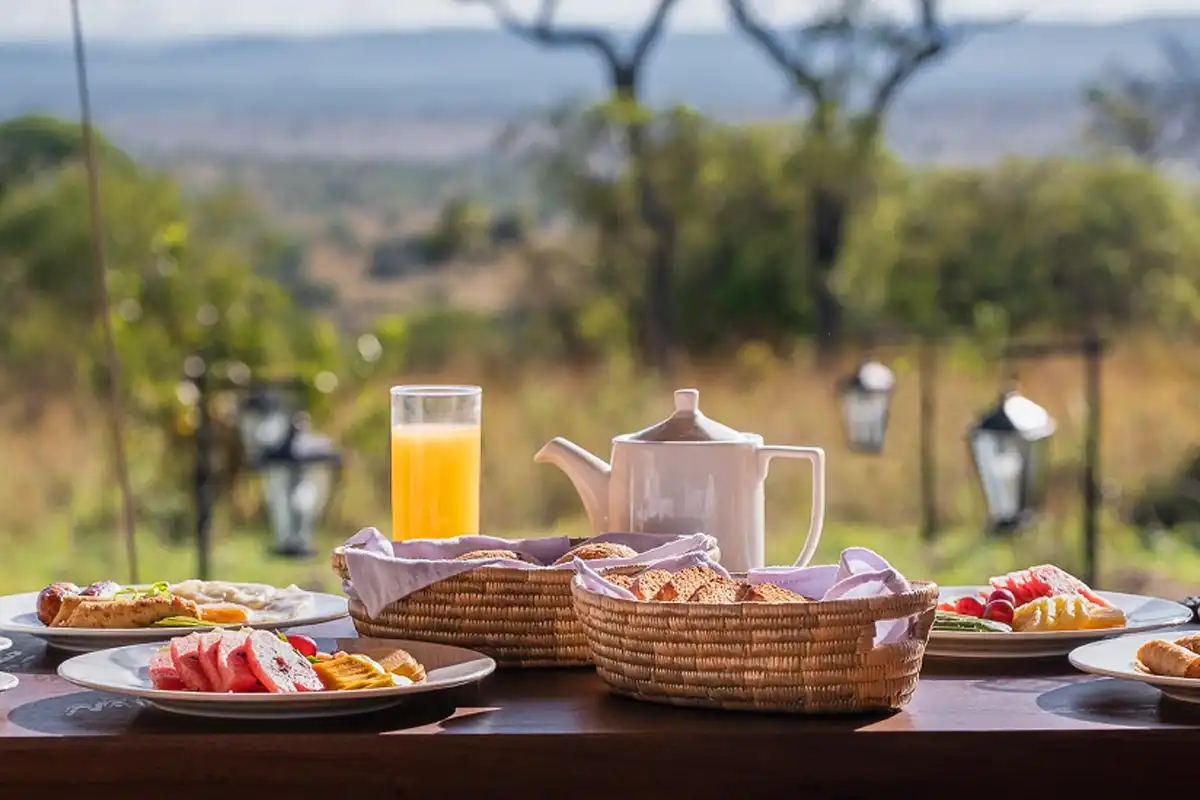
The most memorable breakfast, however, may be a bush breakfast. Rather than returning immediately to camp, guests can stop at a carefully selected location within the wilderness where the safari team prepares breakfast in an outdoor setting. A table may be arranged beneath a tree or overlooking a scenic landscape, with coffee, tea, fresh fruit, pastries, eggs, and other breakfast items prepared for the guests. The experience combines the comfort of a proper meal with the excitement of being surrounded by the African landscape.
Bush Breakfast in Tanzania
A bush breakfast can become one of the defining memories of a Tanzania safari because the surroundings are as important as the food. The first light of morning can transform the savanna into a spectacular landscape, and the experience of drinking freshly brewed coffee while listening to the sounds of nature creates a sense of connection with the environment that a conventional hotel breakfast cannot reproduce.
Bush breakfasts vary considerably from one property to another. Some are informal picnic-style meals, while others are carefully arranged with tables, chairs, linen, crockery, fresh food, and attentive service. The best experiences feel natural rather than overly staged. The objective is not simply to create an impressive photograph but to allow travelers to enjoy a genuine meal in an extraordinary setting.
Lunch on a Tanzania Safari
Lunch usually takes place after the morning game drive, although the exact timing depends on the safari itinerary. Guests may return to camp for a relaxed meal, enjoy a packed picnic lunch while continuing their game drive, or experience a more elaborate outdoor lunch in a scenic location. At a lodge or camp, lunch may consist of several courses, including salads, soups, fresh vegetables, meat, fish, rice, pasta, or vegetarian dishes, followed by dessert and fresh fruit.
Picnic lunches are particularly practical when travelers want to spend a full day exploring the park without returning to camp. A good safari picnic can be much more appealing than a simple packed sandwich. Depending on the property, it may include fresh salads, sandwiches, wraps, fruit, pastries, snacks, juices, and bottled or treated drinking water.
Some camps also create outdoor lunches that feel closer to restaurant dining than conventional picnicking. A table may be prepared in a scenic location with proper plates, glasses, chairs, and freshly prepared food. This style of dining offers an excellent balance between comfort and wilderness.
Afternoon Tea on Safari
Afternoon tea is a traditional part of the safari rhythm at many lodges and camps. Usually served during the quieter part of the afternoon, it provides a chance to relax before the next game drive or activity. Tea, coffee, fresh juice, biscuits, cakes, pastries, sandwiches, fruit, and other light snacks may be offered.
Although afternoon tea may seem like a small detail, it contributes significantly to the rhythm of safari life. Guests return from the heat and activity of the day, relax for a while, enjoy something light to eat and drink, and then prepare for the afternoon or evening adventure. Over several days, this simple ritual can become one of the most enjoyable aspects of staying at a safari camp.
Sundowners and Safari Drinks
Few safari traditions are as iconic as the sundowner. In the late afternoon, guests may stop at a scenic location to watch the sun descend over the landscape while enjoying drinks and light snacks. The experience is not necessarily about alcohol. Sparkling water, fresh juice, mocktails, soft drinks, tea, and coffee can provide equally enjoyable alternatives.
At some properties, sundowners may include wine, sparkling wine, beer, cocktails, spirits, nuts, crackers, fresh fruit, or small canapés. The most important ingredient is the location. Watching the landscape change color as the sun disappears beyond the horizon creates a moment that is difficult to reproduce anywhere else.
A sundowner also provides a natural pause between the active part of the safari day and the evening. Guests can talk about what they have seen, take photographs, enjoy the changing light, and simply appreciate the extraordinary surroundings.
Dinner in the African Wilderness
Dinner is often the most elaborate meal of the safari day. After returning from the afternoon game drive or evening activity, guests usually have time to freshen up before sitting down for dinner. Depending on the camp, this may be a multi-course meal with a starter, soup or salad, main course, vegetables, dessert, and tea or coffee.
Luxury safari properties may offer beautifully presented dishes, carefully selected wines, fresh bread, gourmet desserts, premium meats, fish, and sophisticated vegetarian options. Other camps may emphasize hearty home-style cooking that feels more appropriate to the remote setting. The best dinner is not necessarily the most complicated one. Fresh ingredients, good preparation, appropriate portions, and excellent service matter more than excessive culinary complexity.
Bush Dinner Under the African Sky
A bush dinner is one of the most atmospheric dining experiences available on safari. Instead of eating inside a lodge or dining tent, guests are taken to a carefully selected outdoor location where a dining area has been prepared. Lanterns, candles, a campfire, or other forms of controlled lighting may create a warm atmosphere while the surrounding wilderness becomes part of the experience.
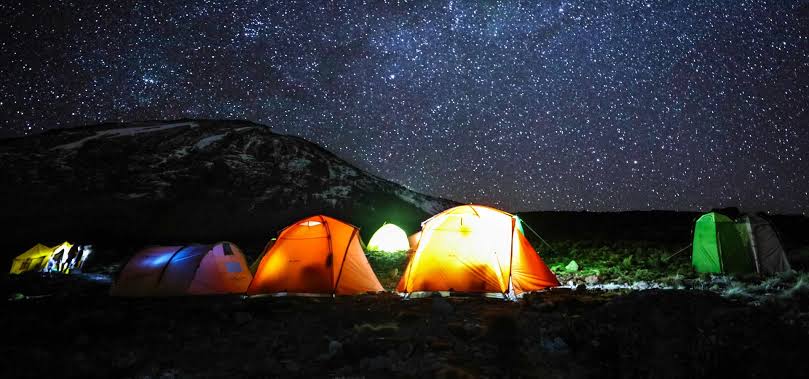
The sounds of the night can become part of dinner. Birds, insects, distant wildlife, and the crackle of a campfire can create an atmosphere that no conventional restaurant can replicate. On clear nights, the African sky can appear exceptionally bright because there is little artificial light in remote wilderness areas.
The meal itself can be simple or elaborate, but the setting gives it a significance that goes beyond the food. A memorable bush dinner is ultimately about experiencing Tanzania at night in a safe, carefully managed, and deeply atmospheric way.
Private Safari Dining
Travelers celebrating a honeymoon, anniversary, birthday, proposal, or other special occasion may have the opportunity to arrange private dining. Depending on the property, dinner can be prepared on a private terrace, veranda, scenic viewpoint, bush location, or another secluded setting.
Private dining allows couples and families to enjoy a more intimate experience without the social atmosphere of a communal dining table. Special menus, cakes, drinks, table decorations, and personalized service may also be arranged. Travelers should notify the safari operator in advance because remote camps need time to organize ingredients, staff, transportation, and other details.
Romantic Dining for Honeymooners
Tanzania is particularly well suited to romantic travel because its landscapes naturally create intimate settings. Couples can enjoy private breakfasts, sunset drinks, candlelit dinners, bush dinners, special cakes, and meals overlooking extraordinary landscapes.
For honeymooners, the most important consideration is not necessarily choosing the most elaborate dining arrangement. A quiet breakfast overlooking the savanna, sharing coffee while watching the sunrise, or enjoying a simple dinner after an extraordinary game drive can be more meaningful than an extravagant setup.
The strongest romantic safari experiences combine privacy with a sense of place. The wilderness itself provides much of the atmosphere.
Luxury Safari Dining
Luxury safari dining in Tanzania can be remarkably sophisticated. High-end camps may combine professional culinary expertise with local ingredients, seasonal produce, African flavors, international cuisine, premium beverages, and personalized service. Guests may enjoy freshly baked bread, handmade desserts, fresh salads, carefully prepared meats, fish, vegetarian dishes, specialty coffees, and carefully selected wines.
Some properties emphasize farm-to-table cooking and local sourcing, while others focus on contemporary international cuisine with African influences. The strongest kitchens understand that luxury does not necessarily mean complexity. Travelers spend much of their day outdoors, so food should remain fresh, nourishing, satisfying, and appropriate to the environment.
Vegetarian Dining on Safari
Vegetarian travelers can generally enjoy excellent food on safari, particularly when dietary preferences are communicated in advance. Vegetable curries, rice dishes, salads, soups, beans, lentils, grilled vegetables, potatoes, chapati, pasta, fresh fruit, and vegetable stews can all form part of a varied vegetarian menu.
Travelers should not hesitate to tell their safari operator that they are vegetarian before the trip. Advance notice allows the kitchen to plan balanced meals rather than simply removing meat from existing dishes. A well-planned vegetarian safari menu should provide variety, adequate nutrition, and genuine culinary interest.
Vegan Safari Dining
Vegan travelers can also enjoy safari dining, although advance planning is particularly important. A vegan requirement should be explained clearly so that the kitchen understands that meat, fish, eggs, dairy products, butter, cream, cheese, and other animal-derived ingredients should be avoided.
Because some camps are located in remote areas and may have limited access to specialized products, early communication is essential. A professional kitchen can often create excellent vegan meals using rice, vegetables, legumes, fruits, grains, potatoes, salads, sauces, and locally available ingredients.
Gluten-Free Safari Dining
Travelers who require gluten-free meals should inform the safari operator before arrival. Rice, potatoes, vegetables, fruits, meat, fish, eggs, beans, and some soups may naturally fit a gluten-free diet, but preparation methods and cross-contact need to be considered.
Travelers with medically necessary gluten restrictions should communicate the requirement clearly and ask the accommodation how the kitchen handles cross-contamination. Remote camps may not have the same selection of specialized gluten-free products available in major urban centers, making advance planning even more important.
Food Allergies on Safari
Food allergies require careful preparation. Travelers should provide the safari company and accommodation with precise information about the allergen, the severity of the reaction, foods that must be avoided, and whether cross-contact presents a serious risk.
This information should be communicated before arrival rather than only at the dining table. If an allergy is severe, travelers should also communicate their requirements to each individual camp or lodge in a multi-property itinerary. Good communication gives kitchen teams the opportunity to plan menus and sourcing appropriately.
Safari Dining for Families and Children
Family safari dining is generally flexible, particularly at properties accustomed to hosting children. Familiar foods such as eggs, pancakes, pasta, rice, chicken, potatoes, sandwiches, bread, yogurt, fruit, and desserts are often available, while children’s meals can usually be adapted according to individual preferences.
Families should communicate children’s dietary preferences before arrival, especially when traveling with picky eaters. The larger consideration is often the safari schedule rather than the food itself. Young children may benefit from earlier meals, shorter activities, and accommodations that are specifically designed for family travel.
Tanzanian Coffee and Tea
Coffee and tea are important parts of everyday life in Tanzania and naturally feature in safari dining. Tanzania is a respected coffee-producing country, with coffee grown in several highland areas. A freshly brewed cup of Tanzanian coffee in the morning can be an excellent way to begin a day of wildlife exploration.
Tea is equally popular and may be served as black tea, milk tea, herbal tea, or other varieties. Coffee and tea commonly appear at breakfast, bush breakfasts, afternoon tea, sundowners, and after dinner. Travelers who enjoy coffee should ask whether their camp serves locally produced Tanzanian coffee.
Drinks on Safari
Safari lodges and camps usually provide a range of alcoholic and non-alcoholic drinks, although the selection and inclusions vary. Guests may find local beers, wine, sparkling wine, spirits, cocktails, soft drinks, mineral water, sparkling water, fresh juices, tea, and coffee.
When comparing safari packages, travelers should check exactly what is included. Some properties include meals, selected soft drinks, tea, coffee, and certain alcoholic beverages, while premium wines, spirits, cocktails, or specialty drinks may be charged separately.
Alcohol During Safari
Alcohol is commonly available at many safari properties and is particularly associated with sundowners and evening dining. However, responsible consumption is important because safari days can begin very early and often involve long hours outdoors in warm conditions.
Guests should remain hydrated and avoid excessive alcohol before activities. The purpose of the safari experience is to enjoy the landscape, wildlife, food, and hospitality rather than allow drinking to interfere with the activities that make the journey special.
Food Safety on Safari
Established safari camps and lodges generally maintain food preparation and storage systems appropriate to their remote environments. Kitchens need to manage refrigeration, food storage, transportation, water, hygiene, waste, and supply chains carefully.
Travelers should follow the accommodation’s guidance regarding drinking water and food. Hand hygiene is important, and guests should avoid taking unnecessary risks with food that appears poorly stored or prepared. Choosing a reputable safari operator and established accommodation is one of the simplest ways to support a safe and enjoyable dining experience.
Dinning Experience
Dining in the Serengeti
Dining in the Serengeti can be particularly spectacular because of the area’s immense horizons and dramatic wildlife landscapes. Depending on the camp, travelers may experience bush breakfasts, picnic lunches, lodge meals, sundowners, bush dinners, campfire dining, and private meals.
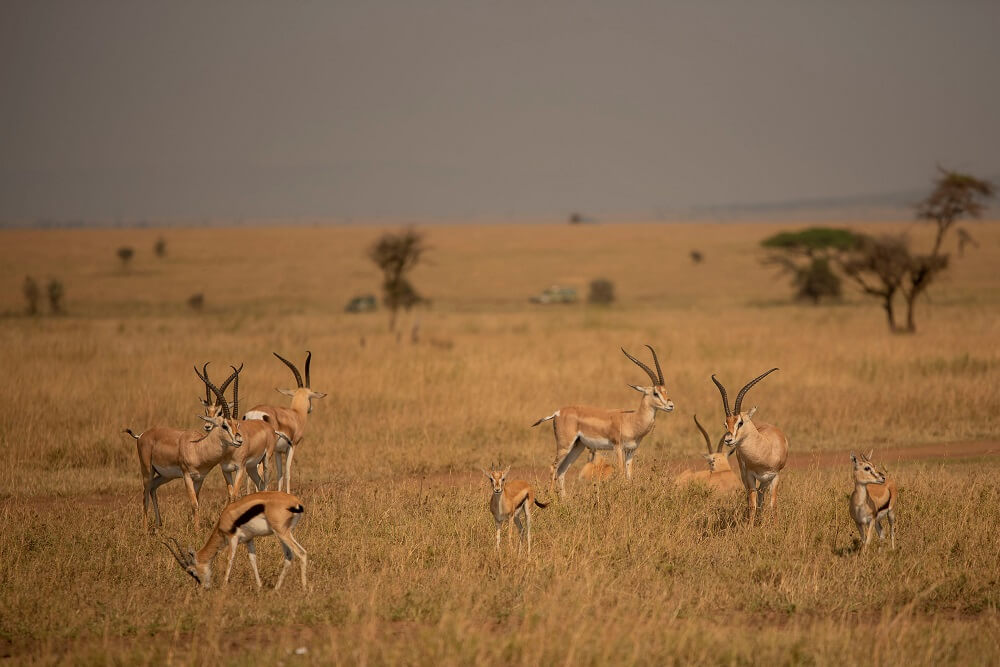
The open plains provide a natural backdrop for outdoor dining. Watching the changing light across the grasslands while eating or enjoying a drink can create an extraordinary sense of place. In the Serengeti, the landscape often becomes as important to the meal as the food itself.
Dining in the Ngorongoro Area
The Ngorongoro highlands offer a different dining atmosphere. The area’s elevation means temperatures can be considerably cooler than in the lower-lying savanna regions, particularly in the early morning and evening. Warm coffee, tea, soups, freshly baked bread, and hearty meals can therefore be especially appealing.
Some accommodations in the area also benefit from access to agricultural communities and highland produce. Dining while overlooking the dramatic landscapes around the Ngorongoro region can provide a distinctive experience that complements a visit to the crater.
Dining in Tarangire National Park
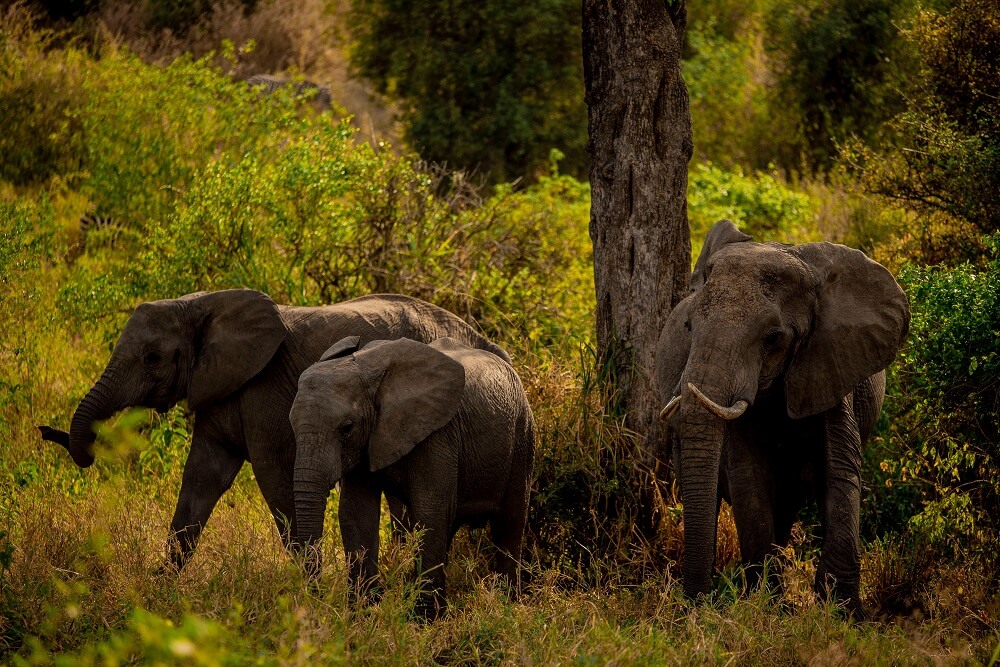
Tarangire is famous for its elephants, ancient baobabs, seasonal wildlife concentrations, and distinctive landscapes. The scenery provides excellent opportunities for outdoor dining and sunset experiences.
A bush breakfast or picnic lunch surrounded by Tarangire’s characteristic landscape can feel very different from dining in the open plains of the Serengeti. The combination of giant baobabs, wildlife, and warm African light makes the setting particularly memorable.
Dining Around Lake Manyara
The Lake Manyara region offers a different combination of forest, lake, escarpment, and agricultural landscapes. Dining here can therefore provide another variation of the Tanzanian safari experience.
Depending on the accommodation, travelers may enjoy locally inspired dishes, fresh produce, picnic lunches, outdoor meals, and relaxed lodge dining. The area’s proximity to agricultural communities can also contribute to access to fresh ingredients.
Dining in Arusha Before or After Safari
Arusha is an important gateway for northern Tanzania safaris and is often the first or last major stop on a safari itinerary. Dining in Arusha offers travelers an opportunity to experience a broader selection of Tanzanian cuisine before entering the more remote wilderness areas.
Restaurants and hotels in the city can provide Tanzanian dishes, Indian-influenced cuisine, international food, coffee, pastries, contemporary African dishes, and vegetarian options. Spending time in Arusha can therefore complement the dining experiences found in remote safari camps.
Dining on a Mobile Safari
Mobile safaris offer one of the most intimate forms of safari dining. Because the camp moves between locations, the kitchen must operate efficiently with relatively limited infrastructure. Meals may be prepared using camp cooking equipment and, depending on the operation, traditional fire-based methods.
The food may be less elaborate than that of a high-end permanent lodge, but the experience can be remarkably authentic. Guests often eat together around a communal table while surrounded by wilderness. The simplicity of the setting can actually make the meal feel more connected to the safari.
Communal Safari Dining
Communal dining is common in many safari camps and can be one of the most enjoyable social aspects of the journey. Guests from different countries gather around the same table and naturally begin talking about their experiences.
Wildlife becomes the universal conversation starter. Guests may compare sightings, discuss photographs, recommend locations, and share stories from their game drives. For solo travelers, communal dining can be especially valuable because it creates opportunities to meet other travelers.
Couples seeking privacy can often request private dining, while travelers who enjoy social interaction may find communal meals one of the highlights of camp life.
Safari Dining Etiquette
Safari dining is generally relaxed, but courtesy remains important. Guests should communicate dietary restrictions clearly, arrive at meal times when possible, and be considerate when sharing communal tables.
At luxury properties, dinner may be slightly more refined, but formal clothing is rarely necessary. Smart-casual safari clothing is generally sufficient unless the property specifically states otherwise.
One of the best ways to enjoy safari dining is to ask questions. Chefs and hospitality teams are often proud of their menus and happy to explain local ingredients, traditional dishes, cooking techniques, and the inspiration behind particular meals.
What Should You Wear to Dinner on Safari?
Safari dining rarely requires formal evening wear. Lightweight trousers, long-sleeved shirts, dresses, skirts, comfortable shoes, and smart-casual clothing are generally appropriate.
Cooler destinations, particularly the Ngorongoro highlands, can become chilly at night, so a warm layer is useful. Long sleeves and trousers can also be practical in the evening because insects may become more active after sunset.
The emphasis should remain on comfort and practicality rather than fashion formality.
How Safari Meal Times Fit Into the Day
A typical safari day can begin before sunrise. Guests may wake around dawn, have tea or coffee, and leave for a morning game drive. Depending on the itinerary, breakfast may be served in the bush or back at camp.
The middle of the day may include lunch followed by a period of relaxation, while the afternoon brings another game drive. Sundowners may take place around sunset, followed by dinner after returning to camp.
The exact schedule varies according to the park, season, wildlife conditions, accommodation, and type of safari. Safari dining is deliberately flexible because the wilderness does not operate according to a rigid restaurant timetable.
Can You Request Specific Meals on Safari?
Most reputable safari operators are willing to accommodate reasonable dietary preferences when they receive sufficient notice. Travelers can often request vegetarian, vegan, gluten-free, child-friendly, low-spice, allergy-conscious, or other meals.
Special occasions can also be accommodated. Birthday cakes, anniversary dinners, honeymoon arrangements, private breakfasts, bush dinners, and other personalized experiences may be possible depending on the property.
The key is communication. Remote camps need to plan their supplies carefully, so requests made well in advance are much easier to accommodate.
How Much Does Safari Dining Cost?
In many Tanzania safari packages, meals are included in the accommodation rate. Full-board packages may include breakfast, lunch, dinner, tea, coffee, and selected snacks or drinks. Some all-inclusive properties include a wider range of beverages.
However, inclusions vary significantly. Premium wines, imported spirits, specialty cocktails, private dining, special celebration arrangements, and certain experiences may cost extra.
When comparing safari accommodations, travelers should look beyond the nightly room price and examine the complete meal and beverage package. A slightly more expensive property may provide a much more comprehensive dining experience.
How to Choose a Safari Camp Based on Food
Travelers who consider food an important part of their trip should research the culinary philosophy of a camp before booking. Instead of simply asking whether the food is good, ask what type of meals are served, whether local Tanzanian dishes appear on the menu, whether food is buffet-style or à la carte, whether dietary restrictions can be accommodated, and whether bush breakfasts, sundowners, private dining, and bush dinners are available.
It is also useful to ask what drinks are included, whether wine is provided, whether children’s meals are available, and how the property handles serious food allergies. These questions provide a much clearer picture of the actual dining experience.
Sustainable Safari Dining
Sustainable dining is becoming increasingly important within Tanzania’s safari industry. Responsible camps may focus on local sourcing, seasonal ingredients, waste reduction, responsible water use, reusable bottles, community partnerships, local employment, and environmentally conscious food systems.
Local sourcing can benefit both the environment and the culinary experience. Fresh produce obtained from nearby communities can support local economies while giving travelers an opportunity to taste ingredients connected to the destination.
Travelers interested in responsible tourism should ask safari operators about their sourcing practices and wider conservation and community initiatives.
Farm-to-Table Safari Experiences
Some safari properties place particular emphasis on farm-to-table dining. Fresh vegetables, herbs, fruits, eggs, dairy products, and other ingredients may come from nearby farms or gardens.
This approach can reduce transportation requirements while supporting local producers. It can also result in fresher ingredients and menus that change according to the season.
For travelers who enjoy food tourism, a safari property with a strong local sourcing philosophy can provide an especially rewarding culinary experience.
The People Behind Safari Dining
One of the most overlooked aspects of safari dining is the work of the kitchen and hospitality teams. Preparing three meals a day in a remote wilderness environment requires significant logistical planning.
Chefs and kitchen teams must manage ingredients, refrigeration, storage, transportation, dietary requirements, menu design, hygiene, waste, and changing guest preferences. In remote camps, obtaining supplies can be considerably more difficult than in a city restaurant.
Every well-prepared meal is therefore evidence of considerable behind-the-scenes work. Taking the time to appreciate and thank the people responsible for the dining experience is an important part of responsible safari travel.
Food as a Cultural Experience in Tanzania
Tanzanian food tells a story about the country’s people and history. Mainland African culinary traditions intersect with the influences of the Swahili coast, Indian Ocean commerce, Arab traders, Indian communities, and other cultural groups.
This history can be tasted through spices, rice dishes, curries, flatbreads, grilled foods, legumes, vegetables, and other ingredients. Travelers who make an effort to try local dishes can therefore experience Tanzania on another level.
A safari should not only show visitors the country’s wildlife. It should also give them opportunities to understand its people, cultures, landscapes, and traditions.
Safari Dining for Honeymooners and Special Occasions
A honeymoon or anniversary safari offers countless opportunities for memorable dining. Couples can request private breakfasts, sunset drinks, bush dinners, special cakes, private terrace meals, or romantic dinners beneath the stars.
Special occasions should be communicated before arrival. Safari camps can often create memorable experiences when they have enough time to prepare.
The most meaningful celebration, however, may be something simple. A private breakfast after a sunrise game drive, a quiet drink overlooking the savanna, or a dinner shared after seeing an unforgettable wildlife encounter can become a lifelong memory.
What Makes the Best Safari Dining Experience?
The finest safari dining is not necessarily defined by the most expensive ingredients or the largest menu. It is defined by the relationship between the food and the environment.
The best experiences combine fresh ingredients, thoughtful preparation, Tanzanian influences, dietary flexibility, warm hospitality, beautiful surroundings, appropriate timing, and a genuine connection to the landscape.
A simple meal can become extraordinary when it is served at sunrise. A cup of coffee can become unforgettable when enjoyed after watching elephants cross the plains. A glass of wine can taste different when accompanied by an African sunset. Dinner can become a story when it is served beneath a sky filled with stars.
Practical Tips for Safari Dining in Tanzania
Travelers should communicate dietary restrictions well before departure, especially when dealing with allergies, vegan diets, gluten avoidance, or other medically important requirements. It is also wise to confirm exactly what the safari package includes, particularly regarding beverages, alcohol, premium wines, snacks, and private dining.
Travelers should make an effort to try local Tanzanian dishes rather than relying exclusively on familiar international food. They should also take advantage of outdoor dining experiences when offered because bush breakfasts, sundowners, scenic lunches, and bush dinners are often among the most memorable parts of a safari.
Hydration is equally important. Tanzania’s safari environments can be warm, and long game drives can increase fluid requirements. Guests should follow their accommodation’s recommendations regarding drinking water and make a habit of drinking regularly throughout the day.
Finally, travelers should slow down and enjoy their meals. Safari is not a race. Some of the most beautiful moments happen when the vehicle stops, the conversation becomes quiet, the food arrives, and everyone simply takes in the landscape.
Frequently Asked Questions About Safari Dining in Tanzania
Is food included in a Tanzania safari?
Food is commonly included in safari accommodation packages, particularly those offering full board or all-inclusive arrangements. However, travelers should confirm exactly what is included because meals, drinks, alcoholic beverages, premium wines, and special dining experiences can vary from one property to another.
Is Tanzanian safari food spicy?
Tanzanian cuisine uses a variety of spices, particularly dishes influenced by Swahili and Indian Ocean culinary traditions, but safari food is not necessarily spicy. Most camps can adjust the level of spice according to guest preferences.
Can vegetarians eat well on a Tanzania safari?
Yes. Most established camps can provide a variety of vegetarian meals, particularly when travelers communicate their requirements in advance. Vegetarian travelers should expect more than simply vegetables on the side; good safari kitchens can prepare complete and varied vegetarian dishes.
Can vegans eat on safari?
Yes, although advance communication is important. Vegan travelers should clearly explain their dietary requirements before arrival so the kitchen can plan appropriate meals and ingredients.
Can travelers with food allergies go on safari?
Yes, but serious allergies require careful planning. Travelers should communicate their allergies to their safari operator and every accommodation they will visit. The kitchen should understand not only which ingredient must be avoided but also whether cross-contact presents a serious risk.
Do safari camps serve traditional Tanzanian food?
Many camps serve Tanzanian or Tanzanian-inspired dishes, although the proportion of local cuisine varies. Travelers who want to experience traditional food should specifically ask their camp to include local dishes during their stay.
What is a bush breakfast?
A bush breakfast is a meal served outdoors in a wilderness setting, usually during or after a morning game drive. It can range from a simple picnic to a fully arranged breakfast with tables, chairs, hot drinks, fresh food, and attentive service.
What is a sundowner?
A sundowner is an afternoon or early-evening drink enjoyed in a scenic outdoor location while watching the sunset. It is one of the most famous traditions of African safari.
What is a bush dinner?
A bush dinner is an evening meal arranged outdoors in a safe and carefully selected wilderness location. It may involve lanterns, a campfire, candles, table service, and a multi-course meal.
Is safari dining formal?
Generally, no. Most safari dining is relaxed or smart-casual. Even luxury camps typically focus on elegance without requiring formal evening clothing.
Can children eat safari food?
Yes. Family-friendly safari properties can often adapt meals for children and provide familiar foods. Families should communicate children’s preferences before arrival.
Can I arrange a special honeymoon or anniversary dinner?
Usually, yes. Private dining, bush dinners, special cakes, decorated tables, sunset drinks, and other arrangements may be possible. Advance notice is strongly recommended.
Final Thoughts on Safari Dining in Tanzania
When people imagine a Tanzania safari, they often picture lions resting beneath acacia trees, elephants crossing the plains, giraffes moving through golden grass, wildebeest stretching across the Serengeti, or the sun disappearing behind the horizon. Yet some of the most powerful memories can happen when the game drive ends and guests sit down to eat.
Safari dining transforms ordinary meals into experiences.
A cup of Tanzanian coffee becomes special when enjoyed at sunrise. Lunch becomes memorable when served beneath an acacia tree in the middle of the wilderness. A sundowner becomes an unforgettable ritual when the African sky turns orange, gold, pink, and purple. Dinner becomes something extraordinary when it is served beside a campfire beneath millions of stars.
The beauty of safari dining in Tanzania lies in this connection between food and place. The meal does not exist separately from the journey. It is part of the landscape, part of the rhythm of the safari, part of the hospitality, and part of the cultural experience.
From traditional Tanzanian dishes and fresh tropical fruit to gourmet cuisine, bush breakfasts, scenic lunches, sundowners, private dinners, and romantic meals beneath the stars, Tanzania offers a remarkable range of culinary experiences for travelers of every style.
Ultimately, the best safari dining is not simply about eating well. It is about eating somewhere extraordinary, with extraordinary people, at an extraordinary moment.
That is what makes safari dining in Tanzania an essential part of the African safari experience—and why a truly unforgettable Tanzania safari should be remembered not only for the animals you saw, but also for the meals, conversations, sunsets, flavors, and magical moments you experienced along the way.
Are you ready to start planning?
You can proceed with booking by filling out the form below. Let’s make your adventure unforgettable!