

Gombe Stream National Park
35 km²
Area park
Year-round
Best Time to visit
Chimpanzees, olive baboons
What to see
16 km from Kigoma
Distance
Gombe Stream National Park: The Ultimate Comprehensive Guide to Tanzania’s Chimpanzee Wilderness
Gombe Stream National Park is one of the most remarkable and distinctive protected areas in Tanzania. Tucked into the rugged western edge of the country beside the enormous waters of Lake Tanganyika, this compact national park protects a landscape of forest-covered mountains, steep valleys, streams, waterfalls and rich tropical vegetation. Yet Gombe’s importance extends far beyond its scenery. The park is internationally recognised for its wild chimpanzees and for the extraordinary scientific history that began here when Jane Goodall arrived in 1960 to study chimpanzee behaviour. Her observations transformed scientific thinking about primates and helped establish Gombe as one of the world’s most important long-term sites for studying wild chimpanzees.
Unlike the vast savannah landscapes of the Serengeti or the wildlife-filled crater of Ngorongoro, Gombe offers a much more intimate form of safari. There are no endless plains where animals can be spotted from a vehicle kilometres away. Instead, visitors walk into the forest accompanied by trained guides and rangers, following trails through hills, valleys and dense vegetation in search of chimpanzee communities. The experience is physical, unpredictable and deeply immersive. You may hear chimpanzees calling somewhere beyond the trees, follow signs of their movement, and eventually find yourself standing quietly beneath the canopy while a wild chimpanzee feeds, grooms, plays or watches the visitors below.
Gombe is therefore more than a place to see animals. It is a destination where wildlife, scientific discovery, conservation, adventure and human curiosity intersect. For travellers willing to make the journey to western Tanzania, it offers one of the most unusual and meaningful wildlife experiences on the African continent.
1. Where Is Gombe Stream National Park?
Gombe Stream National Park is located in Kigoma Region in western Tanzania, on the eastern shore of Lake Tanganyika. Its position makes it geographically very different from Tanzania’s famous northern safari circuit. Rather than being surrounded by open grasslands, Gombe is characterised by forested mountains and narrow valleys that descend toward one of the world’s great freshwater lakes. The nearest major town and principal gateway is Kigoma, which provides the logistical starting point for most journeys to the park.
The park’s location is one of the reasons it has retained such a strong sense of remoteness. Travelling to Gombe is not simply a matter of driving through a busy tourist corridor and entering a conventional safari park. Visitors generally have to make a dedicated journey to the western side of Tanzania before continuing toward the park, often by boat across Lake Tanganyika. This approach gives the journey a sense of adventure even before the chimpanzee trekking begins.
Gombe’s position along the lake also creates a spectacular visual contrast. The dense green vegetation and steep hills meet the deep blue waters of Lake Tanganyika, producing scenery that can feel more like a tropical mountain destination than the Tanzania many international visitors imagine. The combination of forest and lake is one of the defining characteristics of Gombe and one of the reasons it has such a distinct identity among Tanzania’s protected areas.
2. How Large Is Gombe Stream National Park?
Gombe covers approximately 52 square kilometres, making it one of Tanzania’s smallest national parks. On a map, its area can appear surprisingly modest when compared with enormous protected landscapes such as the Serengeti. Yet its small size should never be confused with limited importance. Gombe contains a remarkable concentration of ecological, scientific and historical value within a relatively compact landscape.
The park’s terrain is varied. Forest-covered slopes rise above valleys carved by streams, while the lower areas approach the shores of Lake Tanganyika. This topographic variation creates different microhabitats and allows a diversity of plant and animal species to exist within a relatively small area. The combination of forest, woodland, grassland, streams and lakeshore environments provides the ecological foundation for Gombe’s rich primate communities.
Its size also contributes to the intimacy of the visitor experience. In many large African parks, wildlife viewing involves long drives across enormous landscapes. In Gombe, the focus is much more concentrated. Visitors enter the forest itself and explore it on foot, making the landscape feel immediate and personal. The park’s small geographical footprint therefore contributes to, rather than diminishes, its unique tourism experience.
3. Why Is Gombe Famous Around the World?
Gombe is famous primarily because of its wild chimpanzees and the pioneering research of Jane Goodall. Few wildlife destinations anywhere in the world have such a close association with a single species and a major scientific breakthrough. For more than six decades, researchers have studied chimpanzees in and around Gombe, creating one of the longest continuous records of wild chimpanzee behaviour ever assembled.
The significance of this research cannot be overstated. Before Goodall’s work, scientific knowledge of wild chimpanzees was relatively limited. By patiently observing individuals over long periods, she documented behaviours that revealed a far more sophisticated social and intellectual world than many scientists had previously appreciated. Her discoveries helped change scientific ideas about the relationship between humans and other animals.
Today, Gombe’s reputation rests on three interconnected foundations: chimpanzee conservation, scientific research and wildlife tourism. Visitors come to experience wild chimpanzees, but they are also entering a landscape that has played an extraordinary role in humanity’s attempt to understand our closest living relatives.
4. The Jane Goodall Story
The story of Gombe cannot be separated from the story of Jane Goodall. In 1960, Goodall arrived in what was then Gombe Stream Game Reserve with the goal of observing wild chimpanzees. She began a field study that would eventually become one of the longest-running wildlife research projects in the world.
Her approach was different from many conventional scientific methods of the period. Rather than attempting to study chimpanzees only through brief observations or controlled environments, she spent extensive periods following them through their natural habitat. She gradually learned to recognise individual animals and began documenting their relationships, behaviour and personalities.
Among her most important discoveries was evidence that chimpanzees make and use tools. Observations of chimpanzees using pieces of vegetation to extract termites from termite mounds challenged the traditional idea that humans were uniquely capable of making and using tools. This discovery contributed to a broader reconsideration of the boundary between human and animal behaviour.
Goodall’s research also revealed that chimpanzees possess complex social structures. They form relationships, compete, cooperate, groom one another, raise young, establish alliances and communicate using a wide range of behaviours and vocalisations. These observations helped demonstrate that chimpanzee society is not a simple collection of animals living together; it is a sophisticated social system.
5. Why Jane Goodall’s Research Changed Science
The importance of Goodall’s work extends far beyond one species. By demonstrating complex behaviour in wild chimpanzees, her research contributed to a broader understanding of intelligence, social learning and animal culture.
Chimpanzees can learn behaviours from other members of their communities. Young individuals observe adults and gradually develop the skills needed to feed, travel, communicate and interact socially. This means that some knowledge is not simply instinctive—it can be learned and transmitted socially.
The implications are profound. If another species can demonstrate social learning, tool use, cooperation and complex relationships, then human uniqueness must be understood more carefully. Gombe therefore became important not only to primatology but also to fields concerned with human evolution and behaviour.
For visitors, this scientific background adds another dimension to the experience. Watching a chimpanzee in Gombe is not simply watching a wild animal. You are observing an animal whose behaviour has helped scientists rethink fundamental assumptions about intelligence, culture and what separates humans from other species.
6. The Chimpanzees of Gombe
Chimpanzees are the heart of Gombe’s tourism experience. These great apes live in complex communities and spend their days feeding, travelling, resting, grooming, communicating and caring for their young.
A chimpanzee encounter is fundamentally different from seeing animals in captivity. Wild chimpanzees decide where they go, what they eat and how they interact. They may remain high in the canopy, move rapidly through dense vegetation or disappear into another section of forest. Visitors must therefore adapt to the animals rather than expecting the animals to perform for them.
One of the most fascinating aspects of chimpanzee observation is individuality. Researchers have documented animals with distinctive personalities and long-term relationships. Some individuals may be confident and curious, while others are more cautious. Mothers develop strong relationships with their offspring, and social bonds can persist for many years.
Watching these interactions creates a sense that visitors are observing an entire society rather than a collection of individual animals.
7. What Is Chimpanzee Trekking?
Chimpanzee trekking is the signature activity in Gombe. Unlike a conventional game drive, trekking takes place on foot. Visitors enter the forest with trained guides and rangers who help locate chimpanzee groups and interpret what is happening around them.
The trek can involve considerable walking. Gombe is mountainous, and trails may climb steep slopes, cross uneven ground and pass through dense vegetation. The difficulty depends partly on where the chimpanzees have travelled on a particular day. If a community has moved a considerable distance, visitors may have to walk farther to find it.
The uncertainty is part of the experience. There is no guarantee that chimpanzees will be waiting in a convenient location. You may spend time walking quietly through the forest, listening for calls and watching the canopy. When the animals are finally located, the effort suddenly makes sense.
Chimpanzee trekking rewards patience. The forest itself becomes part of the safari, and even periods without a sighting can be fascinating because you are surrounded by the habitat in which these animals live.
8. What Happens During a Chimpanzee Encounter?
When chimpanzees are located, visitors are expected to follow the instructions of their guides and rangers. The goal is to observe the animals without disturbing their natural behaviour.
The chimpanzees may be feeding, resting, grooming, travelling or interacting socially.
Sometimes they remain in the trees; at other times they descend to the forest floor. Their behaviour changes constantly, so no two encounters are identical.
A particularly memorable moment may occur when a chimpanzee pauses and looks directly toward the group of visitors. Because chimpanzees resemble humans in many physical and behavioural ways, such encounters can feel unusually personal.
Yet it is important to remember that the apparent familiarity should never lead visitors to treat chimpanzees like domesticated animals. They are wild great apes and must be given space and respect at all times.
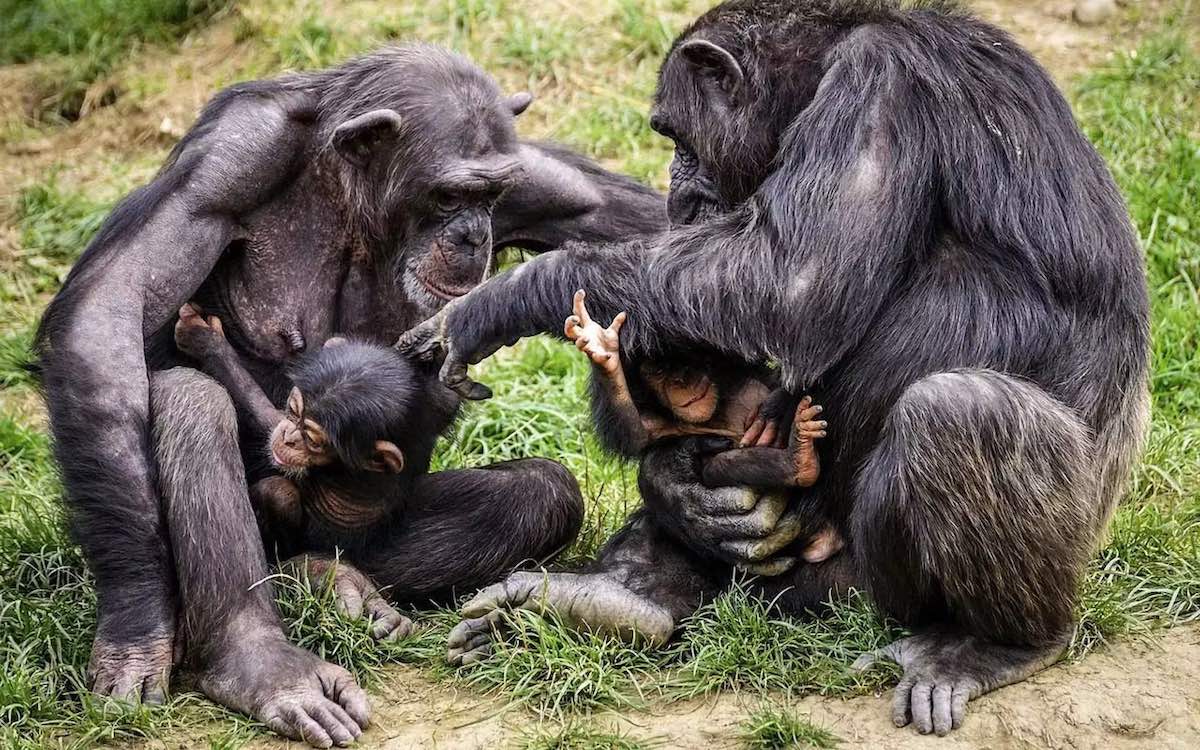
9. Other Primates in Gombe
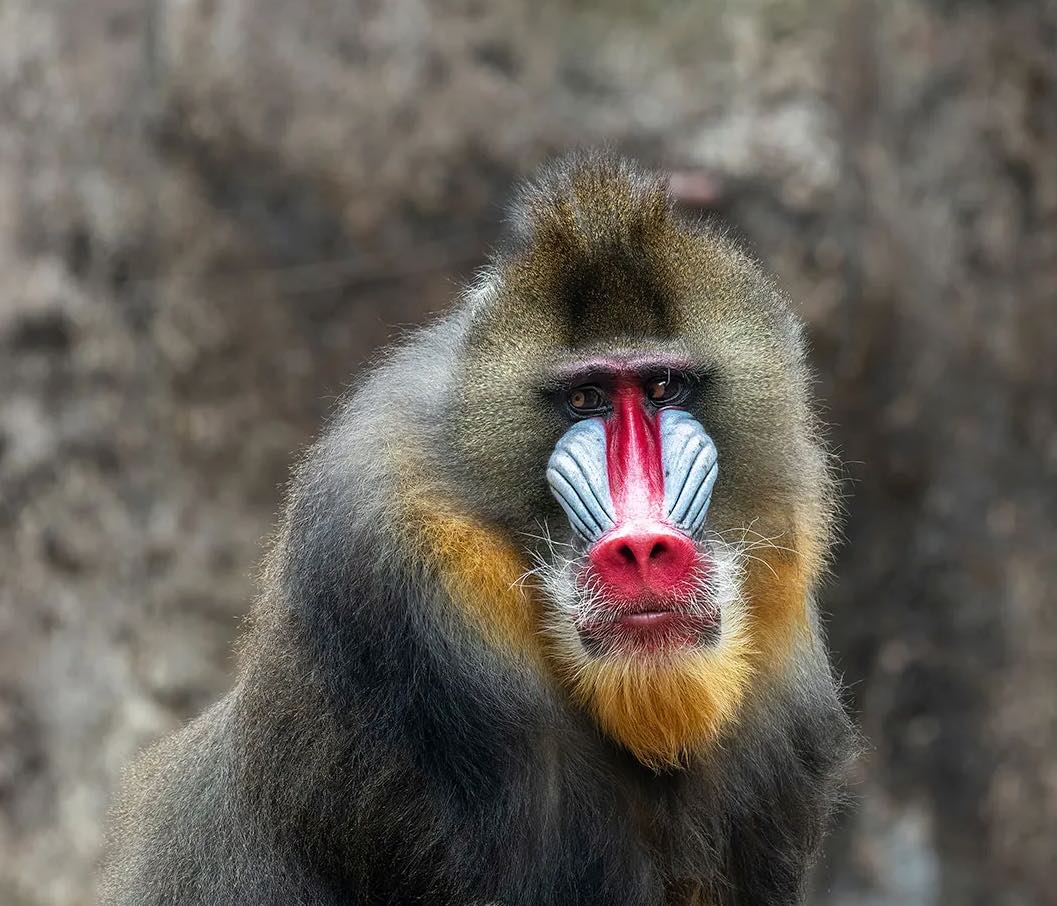
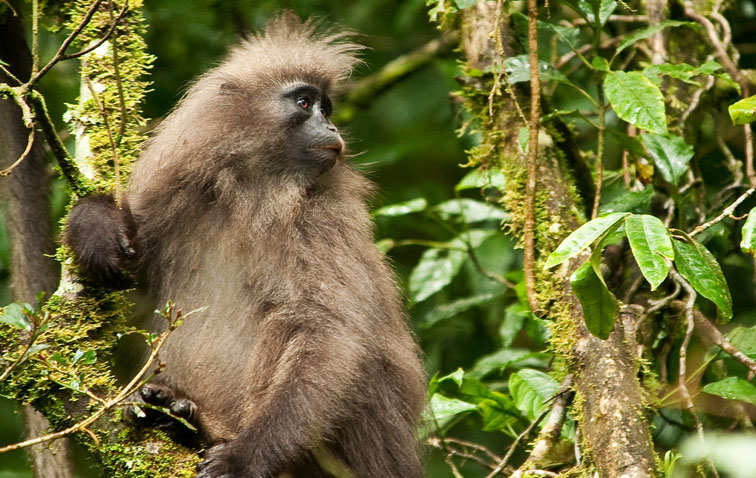
Chimpanzees may be the main attraction, but Gombe supports a remarkable collection of other primates. Depending on the area explored and the conditions during a visit, travellers may encounter red colobus monkeys, red-tailed monkeys, blue monkeys, vervet monkeys and olive baboons.
Each species occupies its own ecological niche and displays different behaviours. Some are highly active in the canopy, while others spend more time moving between trees and the forest floor. Observing several primate species during a single forest walk provides a fascinating introduction to the complexity of tropical forest ecosystems.
For photographers, these animals also offer excellent opportunities. Their movement, expressions and interactions can produce compelling images, particularly when sunlight filters through the canopy.
10. Gombe’s Tropical Forest
The forest is the true foundation of Gombe’s ecosystem. Without healthy forest habitat, the chimpanzees and other wildlife that depend on it could not survive.
Gombe’s vegetation provides food, shelter, nesting locations and movement routes for wildlife. Different trees and plants produce fruits, leaves, seeds and other resources at different times of year, creating a constantly changing food landscape.
Walking through the forest therefore means entering a complex ecological system rather than simply passing through scenery. Every tree, stream, vine, insect and bird contributes to the functioning of the environment.
The forest also creates a special sensory experience. The air can feel humid and cool beneath the canopy, sunlight appears in fragments between leaves, insects provide a constant background sound and streams create pockets of tranquillity. It is an environment that encourages visitors to slow down and observe carefully.
11. Gombe’s Mountains and Valleys
Gombe’s mountainous terrain is one of the features that distinguishes it from Tanzania’s savannah parks. The hills rise above narrow valleys, producing dramatic changes in elevation over relatively short distances.
This terrain can make trekking physically demanding, but it also creates spectacular viewpoints. As visitors climb through the forest, gaps in the vegetation may reveal Lake Tanganyika far below.
The valleys are equally important. Streams flow through some of them, creating moisture-rich environments that support vegetation and wildlife.
The landscape therefore influences both the physical experience of visiting Gombe and the ecology of the park itself.
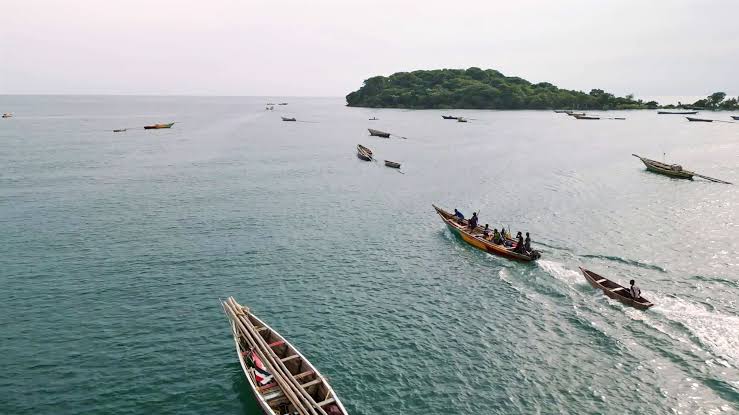
12. Lake Tanganyika
Lake Tanganyika is one of the world’s most remarkable freshwater environments and one of the defining features of Gombe.
Its enormous size creates the visual impression of an inland sea. The water stretches toward distant horizons while forested hills rise along sections of the shoreline.
The lake is ecologically important as well as visually spectacular. Its waters support a remarkable diversity of aquatic life, including numerous fish species. The surrounding landscape creates a transition between terrestrial and aquatic ecosystems.
For travellers, the lake adds an entirely different dimension to a chimpanzee safari. After spending hours beneath a forest canopy, you can return to the lakeshore and encounter an open landscape dominated by water and sky.
Few wildlife experiences offer such a dramatic contrast within a single destination.
13. Wildlife Beyond Primates
Although Gombe is primarily associated with chimpanzees and other primates, its biodiversity is much broader.
The park’s forests provide habitat for birds, reptiles, amphibians, insects and other forest-dependent species. Some wildlife is easy to see, while other species require patience and careful observation.
Gombe should therefore not be approached with the same expectations as a large savannah park. Visitors are unlikely to encounter the enormous concentrations of large mammals that characterise places such as the Serengeti.
Instead, Gombe rewards people who appreciate ecological diversity on a smaller scale. A forest walk can reveal several layers of life, from insects and plants to birds and monkeys moving through the canopy.
14. Birdwatching in Gombe
Birdwatching is an excellent complementary activity in Gombe. The combination of forest, woodland, streams and lakeshore provides habitat for a diverse range of birdlife.
Birdwatchers should carry binoculars and remain attentive to movement and sound. Tropical forests can hide birds extremely well, so learning to identify calls can be just as useful as searching visually.
For visitors who are patient, birdwatching transforms an ordinary forest walk into a detailed exploration of the ecosystem. Instead of focusing exclusively on finding chimpanzees, you begin noticing the smaller species that contribute to the life of the forest.
15. Hiking in Gombe
Hiking is an integral part of the Gombe experience because many parts of the park are accessible only on foot.
The trails move through forested slopes and valleys, offering opportunities to encounter wildlife while also enjoying the landscape itself. Some routes lead toward scenic areas, waterfalls and historical sites associated with research and conservation.
The physical nature of hiking should not be underestimated. The combination of steep slopes, heat, humidity and uneven terrain can make a relatively short distance feel challenging.
However, this physical effort is precisely what makes Gombe feel wild. You are not simply being transported through an ecosystem. You are physically moving through it.
16. Waterfalls and Streams
Gombe’s name and landscape are closely connected with its streams. Water moving through the mountains creates valleys, vegetation corridors and waterfalls that add considerable beauty to the park.
Waterfalls provide natural resting points during some hikes and can become especially impressive during wetter periods.
They also illustrate how closely the park’s geography and ecology are connected. Streams transport water through the landscape, sustain vegetation and provide essential resources for wildlife.
For visitors, these areas offer opportunities to slow down, listen to the water and appreciate the forest without the pressure of searching for animals.
17. Lake Activities and Snorkelling
Gombe’s location beside Lake Tanganyika makes it possible to complement terrestrial wildlife experiences with activities on the water. Depending on current park arrangements, visitors may participate in lake excursions and snorkelling.
This provides an unusual combination: a morning spent searching for chimpanzees in tropical forest followed by time beside or on a great African lake.
The contrast between the two environments is one of Gombe’s strongest attractions. The forest is enclosed, shaded and vertically layered, while the lake is open, expansive and dominated by distant horizons.
Together they create a remarkably varied travel experience.
18. Gombe Compared With the Serengeti
The Serengeti and Gombe represent two completely different versions of Tanzanian wildlife tourism.
The Serengeti is famous for immense open landscapes, large herds, predators and dramatic ecological events such as the Great Migration. Wildlife is often viewed from safari vehicles across broad plains.
Gombe offers a more intimate experience. The dominant environment is forest rather than grassland, and the main wildlife attraction is chimpanzees rather than large herds of ungulates.
A traveller who wants lions, cheetahs, elephants and wildebeest should prioritise Tanzania’s savannah parks. A traveller fascinated by primates, forests, scientific history and walking safaris should seriously consider Gombe.
For travellers with enough time, combining both provides a fascinating contrast between two very different African ecosystems.
19. Gombe Compared With Mahale Mountains National Park
Gombe and Mahale are often compared because both are western Tanzanian destinations known for chimpanzee trekking and both lie along Lake Tanganyika.
Gombe has an extraordinary historical identity because of Jane Goodall’s research and the long-term scientific work conducted there. It is especially compelling for travellers interested in primatology and conservation history.
Mahale, meanwhile, is celebrated for its dramatic mountain landscape, lakeshore setting and chimpanzee experiences in a more remote wilderness environment.
Choosing between them depends on priorities. Those fascinated by the history of chimpanzee research may find Gombe irresistible. Those seeking an intensely remote mountain-and-lake wilderness may prefer Mahale.
For the ultimate western Tanzania primate adventure, visiting both can be an exceptional option.
20. Best Time to Visit Gombe
Gombe can be visited at different times of the year, but weather can significantly influence the trekking experience.
Drier conditions can make trails easier to navigate, particularly because Gombe’s steep terrain can become slippery after heavy rainfall. However, wetter periods can make the forest exceptionally lush and vibrant.
The ideal time therefore depends on what matters most to the traveller.
Those prioritising easier hiking may prefer drier conditions. Those who enjoy dramatic green landscapes and do not mind wet trails may appreciate the wetter periods.
Chimpanzee sightings remain subject to natural behaviour regardless of season. Wild animals do not follow tourist schedules, so flexibility and patience are essential.
21. How Long Should You Stay?
A single night can provide a taste of Gombe, but two or three nights usually allow a much more satisfying experience.
A longer stay provides more opportunities to trek for chimpanzees, explore different parts of the forest and enjoy the lake environment without constantly watching the clock.
Additional time is especially useful because wildlife sightings are unpredictable. If chimpanzees are difficult to locate on one day, another trekking opportunity can dramatically improve the experience.
Three to five days can therefore be ideal for travellers who want to immerse themselves rather than simply tick Gombe off a list.
22. How to Reach Gombe
The journey to Gombe generally begins with reaching Kigoma, the main regional gateway.
From Kigoma, visitors commonly continue toward Gombe by boat across Lake Tanganyika. The journey itself becomes part of the adventure because it provides an introduction to the scale and beauty of the lake before arriving at the forested park.
Travel arrangements can vary according to weather, season, operator and current regulations, so visitors should confirm all transport arrangements before travelling.
Because Gombe is remote, logistical planning is more important here than at many of Tanzania’s better-connected safari destinations.
23. Travelling From Other Parts of Tanzania
Visitors coming from Arusha, Dar es Salaam, Zanzibar or northern safari destinations should regard Gombe as a dedicated western Tanzania excursion.
It is possible to incorporate Gombe into a larger Tanzania itinerary, but doing so requires careful coordination of flights, transfers and accommodation.
For travellers with sufficient time, however, this can create an extraordinary itinerary.
Imagine beginning in the Serengeti among lions and wildebeest, continuing to Gombe to track chimpanzees through tropical forest, and then travelling to Zanzibar for beaches and Indian Ocean culture.
Such a journey would reveal several completely different sides of Tanzania.
24. Accommodation in Gombe
Accommodation around Gombe is more limited than in major safari destinations such as Serengeti and Ngorongoro.
This means travellers should plan and book early, especially during periods of high demand.
The most important considerations are not simply luxury and room size but proximity to the park, reliability of transport, meals, access arrangements and the ability to organise trekking efficiently.
For many visitors, being close to the forest and having an early start for chimpanzee trekking is more valuable than having a large selection of resort facilities.
The setting itself is the attraction.
25. What to Pack for Gombe
Packing for Gombe requires thinking like a hiker as well as a safari traveller.
Comfortable, durable footwear is essential because the terrain can be steep and uneven. Lightweight clothing is useful in warm conditions, while long trousers and long-sleeved shirts can provide protection from vegetation and insects.
A lightweight rain jacket is strongly recommended because weather can change and forest conditions can be wet.
Travellers should also bring binoculars, sunscreen, insect repellent, a reusable water bottle, personal medication, a small backpack, camera equipment and spare batteries or a power bank.
The key principle is simple: pack for walking, weather and wildlife observation.
26. Fitness and Trekking Difficulty
Gombe is not a destination where physical fitness should be ignored.
The chimpanzees may be anywhere within their range, and reaching them can involve climbing steep slopes or walking for several hours.
The difficulty can vary from one day to another.
Visitors who regularly hike, walk long distances or exercise aerobically will generally find the experience more manageable.
Preparing several weeks before the trip can make a significant difference. Walking on hills, improving cardiovascular fitness and becoming comfortable with uneven terrain can help transform a difficult trek into an enjoyable adventure.
27. Photography in Gombe
Photography in Gombe presents both extraordinary opportunities and genuine technical challenges.
The forest canopy creates complex lighting conditions, with bright patches of sunlight surrounded by deep shadows. Chimpanzees may also be high above the ground, partially obscured by branches.
A versatile telephoto lens can be extremely useful, but photographers should avoid carrying unnecessarily heavy equipment because trekking itself can be demanding.
The most important rule is that photography must never take priority over animal welfare.
Do not move closer simply to obtain a better image. Do not use sounds to attract chimpanzees. Follow the guide’s instructions and respect viewing distances.
The best photograph is one captured without disturbing the animal.
28. Responsible Chimpanzee Tourism
Responsible tourism is especially important in Gombe because chimpanzees are susceptible to diseases that humans can carry.
Visitors must follow all health, distance and behavioural rules established by park authorities.
This means avoiding unnecessary physical contact, maintaining appropriate distances, not feeding animals and following instructions from guides and rangers.
Visitors should also be conscious of their own health before trekking. If you are unwell, especially with symptoms of an infectious illness, consult your operator and follow the applicable park guidance.
Responsible tourism protects chimpanzees while ensuring that future generations can experience the same remarkable wildlife.
29. Conservation Challenges
Protecting Gombe’s chimpanzees requires more than simply protecting the park’s boundaries.
Chimpanzees depend on forests, and forests are influenced by activities taking place beyond protected areas. Habitat fragmentation, resource pressure, agricultural expansion, hunting, climate change and disease can all create challenges for wildlife conservation.
The small size of Gombe makes the surrounding landscape particularly important.
Conservation efforts therefore need to connect protected forests with broader landscape management and community initiatives.
This is why Gombe’s conservation story is not only about animals. It is also about people, land use, livelihoods and the long-term relationship between communities and protected ecosystems.
30. Local Communities and Conservation
No protected area can survive indefinitely without considering the people who live around it.
Communities surrounding Gombe depend on the wider landscape for livelihoods and natural resources. Conservation programmes must therefore recognise human needs while protecting habitats that are globally important.
Tourism can contribute positively by creating employment and supporting local economic activity. Guides, boat operators, accommodation staff, suppliers and other service providers can benefit from visitors.
When communities see tangible benefits from conservation, protecting wildlife can become a shared economic and social interest rather than an external restriction.
31. Gombe as a Living Scientific Laboratory
Gombe’s scientific value is extraordinary because researchers have been able to observe chimpanzees over multiple generations.
Long-term observation makes it possible to study changes that short-term research cannot capture.
Researchers can examine how individuals develop, how relationships change, how young chimpanzees learn, how communities respond to environmental pressures and how behaviours are transmitted.
This continuity is one of Gombe’s greatest scientific assets.
Few places provide such a detailed long-term window into the lives of wild great apes.
32. What Gombe Teaches Us About Ourselves
Perhaps the deepest significance of Gombe is the way it forces visitors to think about humanity.
Chimpanzees are not human, but their social lives contain behaviours that feel strikingly familiar.
They form friendships and alliances.
They care for their young.
They compete.
They cooperate.
They communicate.
They learn from one another.
They use tools.
They experience conflict and reconciliation.
Watching these behaviours in the wild can make the evolutionary relationship between humans and chimpanzees feel less abstract.
Gombe therefore becomes not only a wildlife destination but also a place for reflection on what it means to be human.
33. Is Gombe Suitable for Families?
Gombe can be a wonderful family destination, particularly for families with older children who enjoy wildlife, science and outdoor activities.
The experience can be educational in ways that a conventional safari cannot. Children can learn about primates, ecosystems, conservation and scientific discovery while experiencing them directly.
However, parents should consider the physical demands of trekking. Long walks, steep slopes and warm conditions may be challenging for younger children.
Families should confirm current park rules regarding age limits and chimpanzee trekking before making reservations.
34. Gombe for Solo Travellers
Solo travellers who enjoy adventure and nature can have an exceptional experience in Gombe.
The destination’s remote character can be particularly appealing to people who want to escape conventional tourist routes.
However, logistics should be organised carefully because transport options and accommodation are more limited than in major tourism centres.
Travelling with a reputable operator can simplify transfers, park arrangements and guiding.
Once inside the park, the focus becomes wonderfully simple: forest, wildlife, lake and exploration.
35. Gombe for Couples
For couples, Gombe offers a different kind of romantic experience.
Instead of traditional beach luxury or a classic savannah lodge, the attraction is shared adventure.
A couple can trek together through the forest, encounter chimpanzees, explore the lakeshore and watch the sun disappear over Lake Tanganyika.
The remoteness can also create a sense of privacy that is difficult to find in heavily visited destinations.
For couples who value nature and adventure, Gombe can become one of the most memorable parts of a Tanzania journey.
36. Gombe for Conservation Travellers
Travellers who care deeply about conservation will find Gombe especially meaningful.
Few destinations allow visitors to experience a place so directly connected with decades of scientific research and global conservation awareness.
The park demonstrates how research can lead to greater understanding, how understanding can influence public awareness, and how awareness can contribute to conservation.
Visitors therefore have an opportunity to support a landscape that represents far more than tourism.
They are visiting a place of international scientific and ecological significance.
37. Suggested Three-Day Itinerary
Day 1 — Kigoma to Gombe
Begin your journey in Kigoma before travelling toward Gombe.
The boat journey across Lake Tanganyika introduces you to the scale of the lake and the dramatic landscape surrounding the park.
After arriving, settle into your accommodation and enjoy the lakeside environment.
If time permits, take a gentle walk and prepare for the following day’s chimpanzee trek.
Day 2 — Chimpanzee Trekking
Start early.
Meet your guide and ranger and enter the forest.
Follow trails through the hills while listening for chimpanzee calls and watching for signs of their movement.
Once the chimpanzees are located, observe their behaviour according to park regulations.
Return to your accommodation to rest before enjoying a quieter afternoon activity.
Day 3 — Forest and Lake
Use the morning for another permitted forest activity, birdwatching or additional chimpanzee trekking.
Spend the remaining time enjoying the lake before returning toward Kigoma.
This itinerary is suitable for travellers with limited time, but additional nights are preferable for a deeper experience.
38. Suggested Five-Day Itinerary
A five-day trip allows Gombe to be experienced at a much more relaxed pace.
Day 1: Arrive in Kigoma and prepare for the park.
Day 2: Transfer to Gombe and settle into the lakeside environment.
Day 3: Full chimpanzee trekking experience.
Day 4: Second forest experience combined with hiking, birdwatching or another permitted activity.
Day 5: Morning lake or forest experience followed by return travel.
The advantage of this itinerary is flexibility. If weather or chimpanzee movements make one trek less productive, you have additional opportunities.
39. Combining Gombe With Serengeti
Combining Gombe and Serengeti produces one of the most diverse wildlife itineraries possible in Tanzania.
The Serengeti introduces travellers to open ecosystems, large predators and enormous herds.
Gombe introduces them to tropical forest, chimpanzees and intimate walking experiences.
The contrast is extraordinary.
One destination demonstrates the scale of African savannah ecosystems.
The other demonstrates the complexity of tropical forest ecosystems.
Together they show why Tanzania is one of the world’s greatest wildlife countries.
40. Combining Gombe With Zanzibar
Another popular concept is combining western Tanzania with Zanzibar.
The itinerary begins with chimpanzee trekking and forest exploration, continues through Lake Tanganyika and Tanzania’s mainland transport network, and eventually reaches the Indian Ocean.
The ecological contrast is remarkable:
Mountain forest → freshwater lake → tropical coast → Indian Ocean.
After several days of hiking and wildlife observation, Zanzibar provides an opportunity to slow down and enjoy beaches, culture, history and coastal landscapes.
41. Is Gombe Worth the Journey?
For the right traveller, Gombe is absolutely worth the effort required to reach it.
Its remote location is not a disadvantage once you understand what makes the park special.
You are not travelling there for convenience.
You are travelling there because it offers something that few destinations can reproduce.
You can walk through the same landscape that has been central to chimpanzee research for generations. You can see wild great apes in their natural environment. You can experience a tropical forest and Lake Tanganyika in the same destination.
The journey is part of the experience.
42. The Most Important Thing to Understand About Gombe
Gombe should not be treated as a checklist destination.
You should not arrive expecting:
“See chimpanzees. Take photographs. Leave.”
The real value comes from slowing down.
Listen to the forest.
Watch how monkeys move through the trees.
Notice the relationship between vegetation and wildlife.
Look at the lake.
Think about the history of the researchers who spent decades here.
Observe the chimpanzees not simply as photographic subjects but as intelligent social animals living within a complex community.
The more time you give Gombe, the more it gives back.
43. Frequently Asked Questions
What is Gombe Stream National Park famous for?
Gombe is internationally famous for its wild chimpanzees and for Jane Goodall’s pioneering research, which began there in 1960. The park is one of the world’s most important destinations for chimpanzee observation and long-term primate research.
Where is Gombe located?
Gombe is located in western Tanzania in Kigoma Region along the eastern shore of Lake Tanganyika.
How big is Gombe?
The park covers approximately 52 square kilometres.
Can visitors trek chimpanzees?
Yes. Chimpanzee trekking is one of Gombe’s principal visitor experiences, conducted according to park regulations and with guides and rangers.
Are chimpanzee sightings guaranteed?
No. Chimpanzees are wild animals and their movements are unpredictable. Experienced guides improve the chances of finding them, but sightings cannot be guaranteed.
How difficult is chimpanzee trekking?
Difficulty varies. Gombe is mountainous and trekking can involve steep, uneven and sometimes slippery terrain. Visitors should be reasonably fit and prepared for walking.
How do you reach Gombe?
Kigoma is the main gateway, with onward travel commonly involving boat transportation toward the park.
How many days should I spend there?
Two or three nights is a strong minimum for most visitors. Travellers with more time should consider three to five nights.
Is Gombe suitable for photographers?
Yes. The park offers excellent opportunities for wildlife, landscape, primate and environmental photography, although forest lighting can be technically challenging.
Can Gombe be combined with Serengeti?
Yes, although careful logistical planning is required because the destinations are geographically separated.
Can Gombe be combined with Zanzibar?
Yes. This can create an excellent itinerary combining chimpanzee trekking, Lake Tanganyika and Indian Ocean beaches.
44. Gombe Stream National Park Travel Checklist
Before departure, confirm:
- Current park entry fees
- Current chimpanzee trekking rules
- Accommodation
- Boat transfers
- Domestic flights or other transport
- Guide arrangements
- Age restrictions
- Weather conditions
- Recommended travel-health precautions
- Photography regulations
- Packing requirements
- Any seasonal restrictions
Because fees, transport arrangements and park regulations can change, current information should always be confirmed with the relevant authorities or a reputable licensed operator before travel.
45. Final Thoughts: The Soul of Gombe
Gombe Stream National Park may be small compared with some of Tanzania’s enormous protected areas, but its importance is immense.
It is a place where the history of modern primate research is written into the landscape.
It is where Jane Goodall’s observations helped transform humanity’s understanding of chimpanzees.
It is a forest where generations of wild chimpanzees have lived, learned, raised their young and formed complex social relationships.
It is a landscape of mountains, streams, waterfalls and tropical vegetation.
It is a place where the forest meets the immense blue waters of Lake Tanganyika.
And it is a destination where visitors are invited to experience wildlife not from the comfort of a safari vehicle, but from within the landscape itself.
The journey may require more planning than a conventional Tanzania safari.
The trekking may challenge your legs.
The chimpanzees may make you wait.
The forest may hide more than it reveals.
But that is exactly why Gombe is special.
When a wild chimpanzee finally appears among the branches, the experience carries more meaning because you have entered its world rather than simply waiting for it to cross your path.
For a few extraordinary moments, the distance between observer and observed seems to disappear.
You are standing in an ancient forest beside one of Africa’s great lakes, watching one of humanity’s closest living relatives living freely.
And suddenly, Gombe makes sense.
This is not simply a place to see chimpanzees.
It is a place to understand them.
And, perhaps, to understand ourselves a little better.
Gombe Stream National Park at a Glance
Category | Information |
Country | Tanzania |
Region | Kigoma Region |
Location | Western Tanzania, eastern shore of Lake Tanganyika |
Approximate size | 52 km² |
Primary attraction | Wild chimpanzees |
Historical significance | Jane Goodall’s pioneering chimpanzee research |
Main activities | Chimpanzee trekking, hiking, birdwatching and lake activities |
Landscape | Tropical forest, mountains, valleys, streams, waterfalls and lakeshore |
Main gateway | Kigoma |
Main travel style | Walking and forest-based wildlife experience |
Ideal visitors | Wildlife enthusiasts, primate lovers, photographers, hikers, researchers and conservation-minded travellers |
Major nearby feature | Lake Tanganyika |
Related western Tanzania destination | Mahale Mountains National Park |
Main appeal | Intimate encounters with wild chimpanzees in a globally significant research and conservation landscape |
The Gombe Experience
- Wake beside Lake Tanganyika.
- Enter the forest.
- Listen for chimpanzee calls.
- Follow the trails into the hills.
Watch wild chimpanzees living according to their own rules. - Stand beneath the same canopy that has fascinated scientists for generations.
- Return to the lake as the afternoon light changes the colour of the water.
- And understand why one of Tanzania’s smallest national parks has earned a place among the world’s most important wildlife destinations.
- Gombe Stream National Park is not merely a destination on a map. It is a living story of wildlife, science, conservation and discovery.