

Lake Manyara National Park Safari Guide
648 Km
Area park
Year-round
Best Time to visit
Tree Lions + Flamingos
What to see
126km from Arusha
Distance
Ultimate Tanzania Wildlife & Birding Experience with Joyful Safaris and Tours
Lake Manyara National Park stands as one of Tanzania’s most breathtaking safari destinations, where dramatic landscapes, rich wildlife diversity, and unforgettable scenery blend into a truly iconic African experience. With Joyful Safaris and Tours, this park becomes more than just a stop on a safari circuit,it transforms into a deeply immersive journey into the heart of the Great Rift Valley.
Nestled at the base of the towering Rift Valley escarpment near Arusha, Lake Manyara National Park is globally recognized for its compact yet incredibly diverse ecosystem. Despite its relatively small size compared to giants like Serengeti, the park delivers one of the highest concentrations of biodiversity in Tanzania, making it a must-visit destination for wildlife lovers, photographers, and safari explorers.
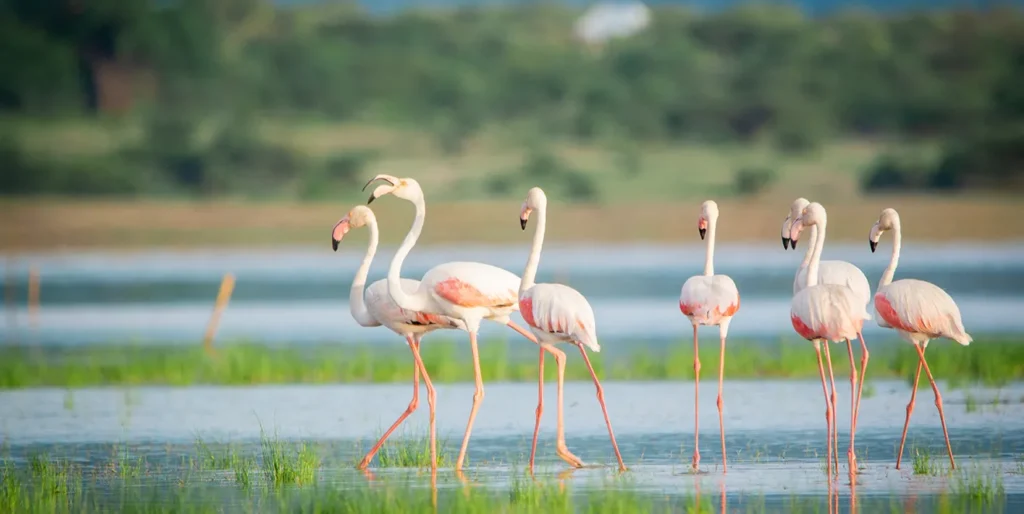
The park is especially famous for its shimmering alkaline Lake Manyara, which attracts thousands of flamingos and migratory birds during the wet season. The surrounding habitats include lush groundwater forests, acacia woodlands, open savannah plains, and dramatic marshlands, each supporting a unique set of wildlife species.
Travelers booking with Joyful Safaris and Tours often describe Lake Manyara as a “hidden gem safari destination” because of its ability to combine scenic beauty, rich wildlife encounters, and peaceful safari experiences in a single park.
From tree-climbing lions resting on acacia branches to massive elephant herds moving gracefully across the plains, Lake Manyara delivers an authentic African safari atmosphere that feels both intimate and wild at the same time.
Why Lake Manyara National Park Is Famous
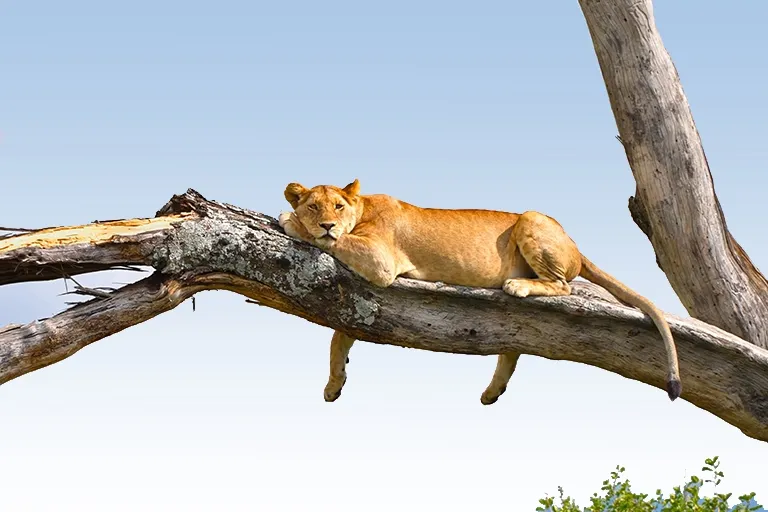
Lake Manyara National Park is world-famous for its rare and unusual wildlife behavior, particularly the legendary tree-climbing lions, a phenomenon rarely seen anywhere else in Africa. Visitors traveling with Joyful Safaris and Tours are often fascinated by the sight of lions resting high on acacia tree branches, a behavior believed to help them escape insects, gain a better vantage point, and avoid ground heat.
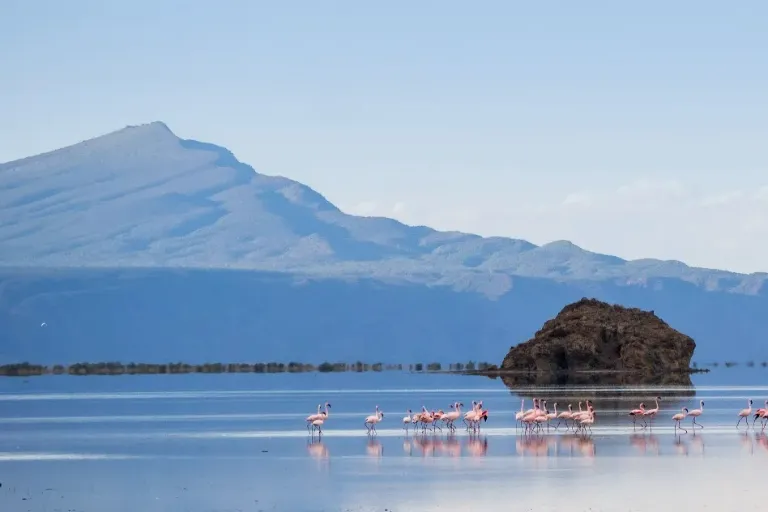
Another major highlight is the enormous population of flamingos that gather along the alkaline shores of Lake Manyara. During peak seasons, the lake turns into a shimmering pink spectacle as thousands of flamingos feed on algae-rich waters. This makes the park one of the best birdwatching destinations in East Africa.
The park is also home to large herds of elephants, often seen moving in family groups across the forest and savannah zones. Combined with baboons, giraffes, hippos, zebras, buffaloes, and over 400 bird species, Lake Manyara delivers a rich safari experience that feels compact yet incredibly diverse. Its location along the Northern Tanzania Safari Circuit also makes it a perfect introduction or extension to longer safaris covering Serengeti National Park and Ngorongoro Conservation Area.
Geography & location of lake manyara national park
Lake Manyara National Park is located in northern Tanzania within the Arusha and Manyara regions, sitting directly along the Great Rift Valley floor. The park stretches along the base of steep escarpments that rise dramatically above the landscape, creating one of the most visually striking safari backdrops in Africa.
The park is centered around Lake Manyara, a shallow alkaline lake with no outlet, fed by seasonal rivers flowing from the surrounding highlands. This unique hydrological system creates constantly changing water levels that influence wildlife movement and vegetation growth throughout the year.
Visitors traveling with Joyful Safaris and Tours experience a variety of ecosystems within a short driving distance, including dense evergreen forests filled with mahogany and fig trees, open grasslands teeming with grazing animals, and marshlands rich in birdlife. This ecological diversity is what makes Lake Manyara one of the most scientifically and visually fascinating parks in Tanzania.
How to reach lake manyara national park
Reaching Lake Manyara National Park is convenient and well-suited for both short and extended safari itineraries organized by Joyful Safaris and Tours.
The most common gateway is Arusha, the main safari hub of northern Tanzania. From Arusha, travelers can reach the park by road in approximately 1.5 to 2 hours via a well-maintained highway that passes through scenic landscapes and local villages.
For international travelers, the closest airport is Kilimanjaro International Airport, which connects major global destinations to Tanzania’s northern safari circuit. From there, travelers can either drive to Arusha or take domestic flights to nearby airstrips.
Charter flights are also available from Dar es Salaam and Serengeti, landing at nearby airstrips for faster safari access.
Road travel remains the most popular option, especially for travelers who want to experience Tanzania’s countryside, culture, and landscapes before entering the park.
Climate and best time to visit lake manyara
Lake Manyara National Park enjoys a mild tropical climate that makes it suitable for year-round safaris. However, the wildlife experience changes dramatically depending on the season, which is why Joyful Safaris and Tours helps travelers choose the perfect timing based on safari goals.
The dry season
The dry season, from June to October, is widely considered the best time for game viewing. During this period, vegetation becomes thinner and wildlife gathers around water sources, making animals easier to spot. This is also the ideal time for photography, as clear skies and golden lighting enhance safari experiences.
The wet season
The wet season, from November to May, transforms the park into a lush green paradise. While wildlife becomes more spread out, this is the best time for birdwatching, especially when migratory birds arrive in large numbers. The lake fills with water, attracting flamingos and creating breathtaking photographic scenes.
Wildlife experience in lake manyara
Lake Manyara National Park is a wildlife-rich ecosystem where travelers can witness an impressive variety of African animals in their natural habitat. With Joyful Safaris and Tours, visitors often encounter elephants roaming through forests, giraffes feeding on acacia trees, and large troops of baboons dominating the woodland areas.
Predators such as lions and leopards are present, although they are more elusive compared to other parks. However, the famous tree-climbing lions of Lake Manyara remain one of the most sought-after safari highlights in Tanzania.
Other commonly seen species include buffaloes, zebras, wildebeests, hippos, warthogs, and numerous antelope species. The park’s compact size allows for high chances of spotting multiple species within a single game drive, making it ideal for short safaris or first-time visitors.
Birdwatching Paradise & Flamingo Spectacle In Lake Manyara National Park
Lake Manyara National Park is internationally recognized as one of the most rewarding birdwatching destinations in Africa, making it a dream location for ornithologists, photographers, and safari lovers traveling with Joyful Safaris and Tours. The park’s unique combination of wetlands, alkaline lake shores, forested zones, and open savannah creates an unmatched habitat that supports over 400 recorded bird species throughout the year.
One of the most iconic birding experiences in the park is the seasonal presence of thousands of flamingos that gather along the shores of the alkaline lake. These elegant birds feed on blue-green algae thriving in the mineral-rich waters, creating a stunning natural phenomenon where the lake surface appears painted in shades of pink. Depending on water levels and season, visitors may witness massive flocks of both greater and lesser flamingos moving in synchronized formations, creating one of the most breathtaking wildlife spectacles in East Africa.
Beyond flamingos, Lake Manyara is home to a rich diversity of resident and migratory bird species. Travelers often encounter pelicans gliding across the water, African fish eagles calling from tall trees, herons stalking the wetlands, and brightly colored kingfishers perched near riverbanks. The park also hosts saddle-billed storks, yellow-billed storks, sacred ibises, hornbills, and secretary birds roaming the grasslands.
During the wet season, migratory birds arrive from Europe and Asia, significantly increasing bird density and activity across the park. This makes Lake Manyara National Park a year-round birding hotspot, with peak experiences often occurring between November and April when vegetation is lush and food sources are abundant.
For travelers with Joyful Safaris and Tours, birdwatching in Lake Manyara is not just an activity,it is a fully immersive sensory experience, combining sound, color, motion, and landscape into a living natural symphony.
Wildlife Experience & Iconic Animal Encounters
Lake Manyara National Park offers one of the most concentrated wildlife viewing experiences in Tanzania due to its compact ecosystem and diverse habitats. With Joyful Safaris and Tours, visitors often enjoy high-density wildlife encounters within short driving distances, making the park ideal for both first-time safari travelers and experienced explorers.
The park is famously home to large herds of African elephants, often seen moving through forest corridors and open plains in family groups. These elephants are known for their impressive tusks and calm behavior, especially when observed near water sources during the dry season.
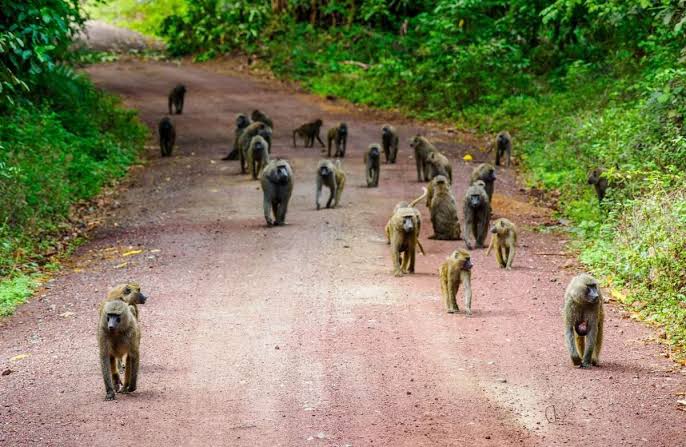
Another major highlight is the abundant population of olive baboons, considered one of the largest baboon troops in Africa. These primates are highly social and frequently observed interacting along the roadside, offering excellent photography opportunities.
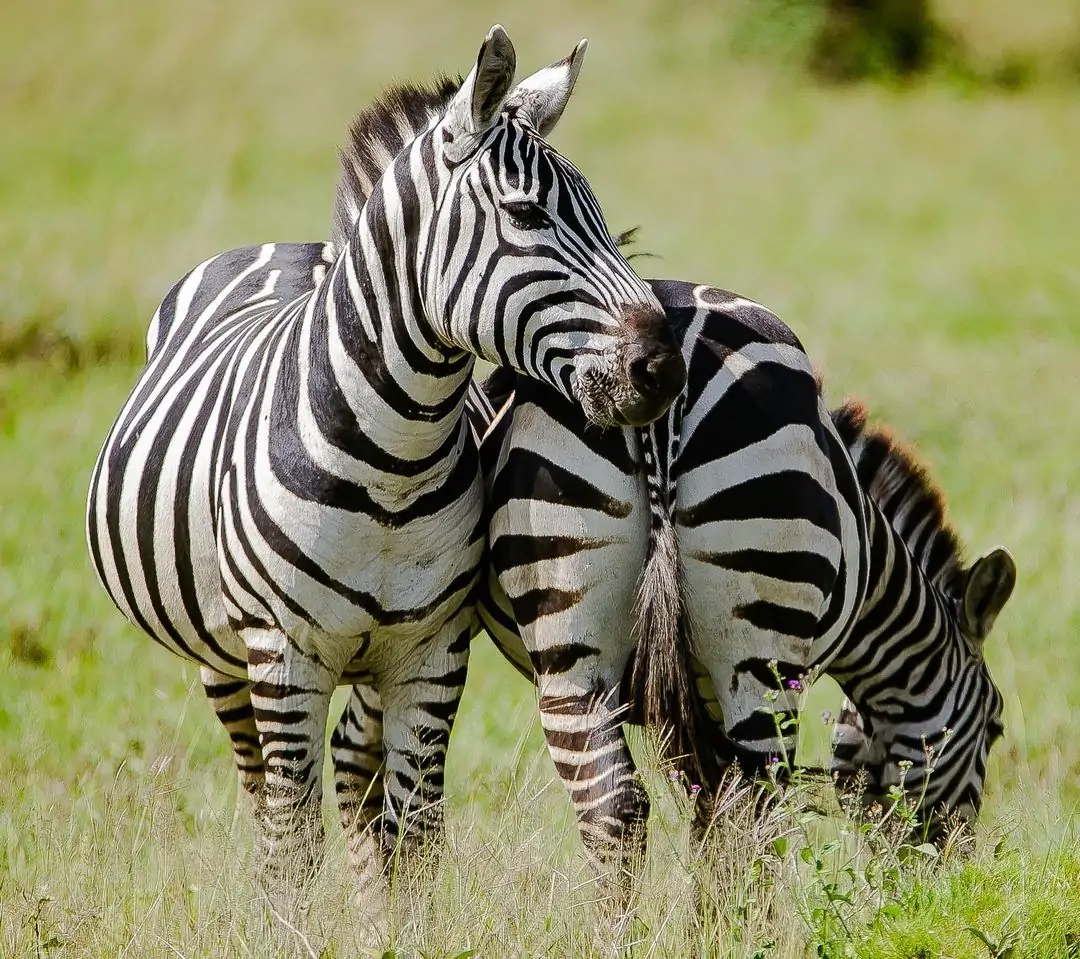
Giraffes gracefully move through acacia woodlands, while buffaloes and zebras dominate the grassland plains. Hippos are commonly found in wetland pools and shallow waters of Lake Manyara, especially during the day when they rest before emerging to feed at night.
Predators such as lions, leopards, and hyenas are present within the ecosystem, although they are more elusive. The park’s most famous predator behavior remains the tree-climbing lions, a rare adaptation that continues to attract global safari enthusiasts.
Occasional sightings of cheetahs and African wild dogs add excitement and unpredictability to game drives, making every safari experience unique and memorable.
Top safari activities in lake manyara national park
Lake Manyara National Park offers a wide range of safari activities designed to immerse travelers in its diverse ecosystems and natural beauty. With Joyful Safaris and Tours, each activity is carefully planned to maximize wildlife encounters and scenic exploration.
- Game drives remain the primary activity in the park, offering travelers the opportunity to explore forests, savannahs, and lakeshores in a single journey. The park’s compact size allows for rich wildlife viewing in a relatively short time, making it ideal for day trips or stopover safaris.
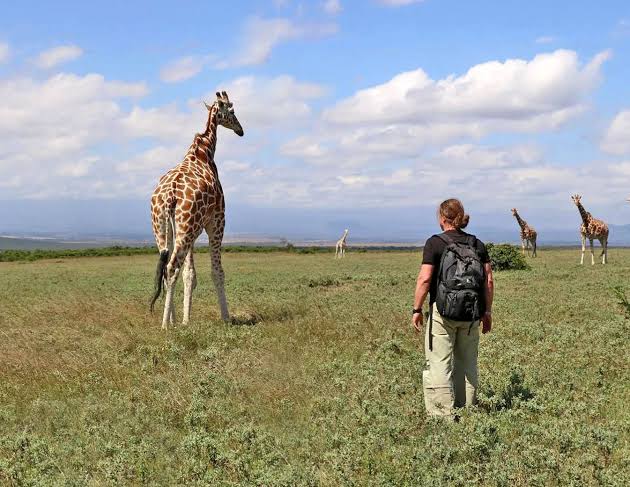
- Walking safaris provide a more intimate experience, allowing visitors to explore the park on foot under the guidance of experienced rangers. This activity offers a closer connection to nature, where tracks, plants, insects, and smaller wildlife become part of the safari experience.
- Canoeing experiences are available during periods of higher water levels, offering a peaceful way to observe hippos, aquatic birds, and shoreline wildlife from the water. This rare activity adds a unique dimension to Lake Manyara safaris compared to many other parks in Tanzania.
- Night game drives, available in selected areas, reveal a completely different side of the park. Nocturnal animals such as leopards, civets, porcupines, and bush babies become active after sunset, offering thrilling encounters under the African night sky.
- The treetop canopy walkway near the forest edge provides an elevated perspective of the park’s biodiversity. Walking above the forest floor, visitors can observe monkeys, birds, and forest life from a unique aerial viewpoint.
Detailed seasonal guide for lake manyara safaris
Lake Manyara National Park offers distinct seasonal safari experiences that significantly influence wildlife behavior, scenery, and photography opportunities. During the dry season from June to October, wildlife becomes concentrated around water sources, making animal sightings more predictable and frequent. Vegetation is thinner, improving visibility across the savannah and woodlands. This is considered the best time for classic game drives and predator sightings.
The short dry season in January and February also offers excellent wildlife viewing conditions, with warm temperatures and fewer rainfall interruptions.
The wet season from March to May and November to December transforms the park into a lush green paradise. While wildlife disperses due to abundant water sources, the landscape becomes incredibly scenic and vibrant. This is the best period for photography, birdwatching, and witnessing migratory species.
Each season offers a different safari personality, ensuring that Lake Manyara remains a rewarding destination throughout the year for travelers booking with Joyful Safaris and Tours.
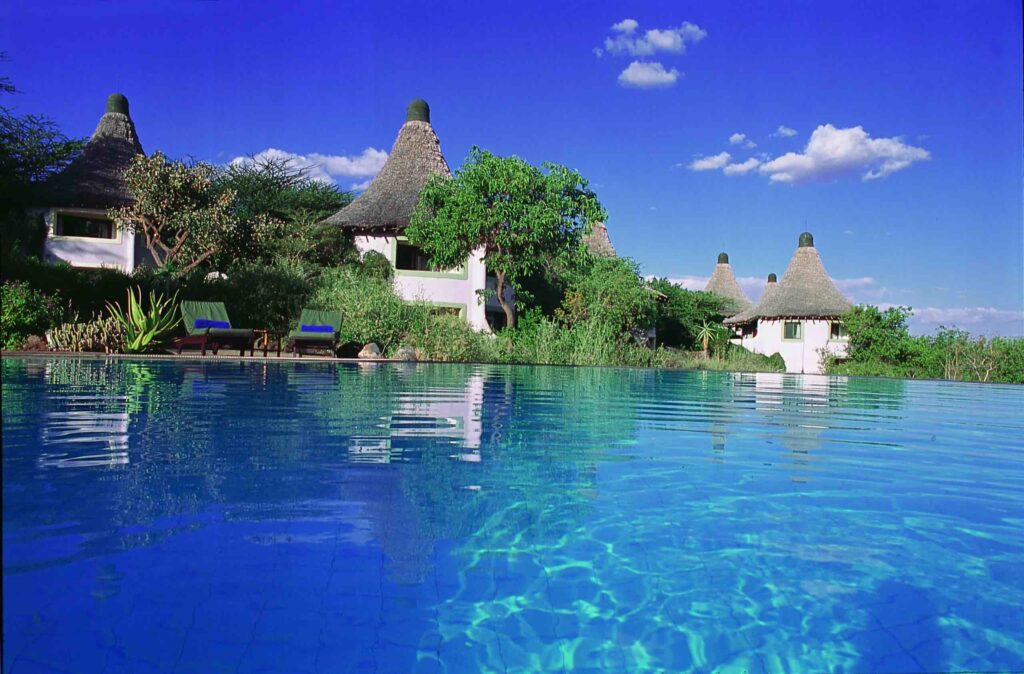
Accommodation options around lake manyara national park
Lake Manyara National Park offers a wide range of accommodation options suitable for all types of safari travelers, from budget explorers to luxury safari seekers.
Budget accommodations
Budget accommodations are often located near Mto wa Mbu village and Karatu, offering comfortable stays with easy access to the park. These lodges provide essential amenities and a warm local atmosphere ideal for travelers seeking affordable safari experiences.
Mid-range lodges
Mid-range lodges provide a balance of comfort and value, often featuring spacious rooms, scenic views of the Rift Valley, and well-designed safari-style architecture. These accommodations are ideal for families and couples seeking comfort without luxury pricing.
Luxury lodges
Joyful Safaris and Tours carefully selects accommodations based on guest preferences, ensuring seamless safari experiences that match comfort levels and travel expectations
Frequently Asked Questions About Lake Manyara National Park
Arusha National Park is one of Tanzania’s most unique safari destinations, and travelers often have important questions before planning their visit. Below are the most frequently asked questions designed to help visitors understand the park, safari experiences, and travel logistics when booking with Joyful Safaris and Tours.
What makes Arusha National Park different from other safari parks in Tanzania?
Arusha National Park is unique because it combines multiple ecosystems within a small geographical area. Unlike larger parks such as Serengeti or Tarangire, this park offers walking safaris, canoe safaris at Momella Lakes, volcanic crater exploration, rainforest trekking, and Mount Meru views all in one destination.
This diversity allows travelers to experience a wide variety of landscapes and wildlife in a single day, making it one of the most efficient and diverse safari destinations in northern Tanzania.
Can I do a walking safari in Arusha National Park?
Yes, Arusha National Park is one of the few parks in Tanzania where guided walking safaris are allowed. These safaris are conducted with armed rangers and professional guides from Joyful Safaris and Tours to ensure safety and provide educational wildlife interpretation.
Walking safaris allow visitors to experience wildlife at ground level, observe animal tracks, learn about plants and ecosystems, and enjoy close encounters with giraffes, zebras, and antelopes in their natural environment.
Is Arusha National Park good for a one-day safari?
Yes, Arusha National Park is one of the best destinations for a full-day safari from Arusha city. Its proximity to the city allows travelers to explore wildlife, forests, lakes, and volcanic landscapes within a single day.
With Joyful Safaris and Tours, a one-day itinerary can include game drives, walking safaris, crater viewpoints, and optional canoeing experiences at Momella Lakes.
What animals can I see in Arusha National Park?
Arusha National Park is home to a wide variety of wildlife species including giraffes, zebras, buffaloes, warthogs, bushbucks, waterbucks, colobus monkeys, and various antelope species.
The park is also rich in birdlife, with hundreds of species recorded, making it one of the best birdwatching destinations in Tanzania. While predators such as leopards are rarely seen, they do inhabit the forested areas of Mount Meru.
What is the best time to visit Arusha National Park?
The best time to visit Arusha National Park is during the dry season when wildlife is easier to spot and walking safari conditions are more comfortable. However, the wet season also offers lush green landscapes, excellent birdwatching, and dramatic scenery.
Each season provides a different safari experience, and Joyful Safaris and Tours designs itineraries that maximize wildlife viewing depending on the time of year.
Cultural Experiences, Itineraries & Local Life Around Lake Manyara
Lake Manyara National Park is not only a wildlife destination but also a cultural gateway into the vibrant traditions of northern Tanzania. When traveling with Joyful Safaris and Tours, visitors are encouraged to combine wildlife exploration with authentic cultural experiences around the Lake Manyara region, especially in the famous Mto wa Mbu area, which lies just outside the park boundary.
Mto wa Mbu is one of the most culturally diverse villages in Tanzania, home to more than 120 different ethnic groups living together in harmony. This diversity creates a unique cultural environment where visitors can experience traditional farming, banana plantations, local food tasting, and artisan crafts all in one location. Walking or cycling tours in this area reveal everyday life in rural Tanzania, offering a deeper understanding of the communities that live alongside the safari parks.
Local markets are another highlight, filled with fresh produce, handmade crafts, wood carvings, and colorful fabrics. These markets are not only places for trade but also social hubs where travelers can interact with local people and learn about traditional lifestyles, food preparation methods, and cultural practices that have been passed down for generations.
Joyful Safaris and Tours often integrates these cultural experiences into safari itineraries, ensuring that travelers gain a complete understanding of Tanzania beyond wildlife alone.
Best Safari Itineraries Including Lake Manyara
Lake Manyara National Park is strategically positioned within Tanzania’s Northern Safari Circuit, making it an essential stop in many classic safari routes. With Joyful Safaris and Tours, travelers can experience expertly designed itineraries that combine Lake Manyara with other world-famous destinations.
A popular short safari itinerary includes a 2 to 3-day experience that combines Lake Manyara National Park with Tarangire National Park. This route is ideal for travelers with limited time who still want to experience elephants, tree-climbing lions, and rich birdlife within a short safari window.
A more extended safari option includes Lake Manyara, Ngorongoro Crater, and Serengeti National Park. This combination is considered one of the most complete safari experiences in Africa, offering a transition from forest and lake ecosystems to vast savannah plains and the world-famous Great Migration.
For family travelers, customized itineraries often include shorter game drives, cultural visits, and comfortable lodge stays, ensuring a balanced experience suitable for all age groups. Honeymoon safaris often combine Lake Manyara’s romantic scenery with luxury lodges overlooking the Rift Valley escarpment.
Every itinerary designed by Joyful Safaris and Tours focuses on flexibility, comfort, and maximum wildlife exposure, ensuring that each traveler experiences Tanzania in a deeply personal and memorable way.
Lake Manyara Vs Other Tanzania Safari Destinations
Lake Manyara National Park offers a completely different safari experience compared to larger parks like Serengeti National Park or Ngorongoro Conservation Area.
Unlike the vast open plains of Serengeti, Lake Manyara is compact and ecologically dense, allowing visitors to see multiple habitats within a short period of time. This makes it ideal for travelers who want a rich safari experience without long driving distances.
Compared to Ngorongoro Crater, which is known for its high concentration of wildlife in a collapsed volcanic caldera, Lake Manyara stands out for its scenic diversity, birdlife abundance, and unique tree-climbing lions.
When compared to Tarangire National Park, which is famous for large elephant herds and ancient baobab trees, Lake Manyara offers a more forested and lake-centered ecosystem with stronger emphasis on birdlife and aquatic environments.
For travelers booking with Joyful Safaris and Tours, Lake Manyara is often recommended as the perfect introduction to Tanzania safaris or as a refreshing stop between larger and more intense safari destinations.
Booking Your Lake Manyara National Park

Chat with Our Expert
Expert Safari Tips For Lake Manyara National Park
Traveling to Lake Manyara National Park becomes significantly more rewarding when guided by expert safari planning. One of the most important tips is to schedule game drives early in the morning or late in the afternoon, when animals are most active and lighting conditions are ideal for photography.
Visitors are also advised to carry lightweight clothing, a good pair of binoculars, and a camera with zoom capability, as wildlife sightings can vary in distance depending on terrain and vegetation density.
During the wet season, waterproof gear and protective covers for electronics are essential due to occasional afternoon showers. In contrast, the dry season requires dust protection and sun protection due to higher exposure levels.
Another important tip is to remain patient during game drives. Lake Manyara’s ecosystem is highly dynamic, and wildlife sightings often occur unexpectedly, especially around water sources, forest edges, and open clearings.
Joyful Safaris and Tours ensures that each safari is guided by experienced professionals who understand animal behavior, seasonal movements, and the best viewing locations within the park.
Why us for Lake Manyara Safaris
Choosing Joyful Safaris and Tours for your Lake Manyara experience means selecting a safari operator focused on authenticity, comfort, and immersive wildlife encounters. Every itinerary is carefully designed to maximize safari value while ensuring travelers experience Tanzania in its most natural and unforgettable form.
The company emphasizes personalized safari planning, meaning each journey is tailored based on traveler interests, whether it is wildlife photography, birdwatching, cultural immersion, luxury travel, or family adventures.
Professional guides bring deep knowledge of the ecosystem, ensuring that guests understand animal behavior, bird species, and landscape formations throughout the journey. This transforms every game drive into an educational and enriching experience.
From seamless airport transfers to handpicked lodges and expertly planned safari routes, Joyful Safaris and Tours ensures a stress-free travel experience from arrival to departure.
Final conclusion: Lake Manyara National Park experience
Lake Manyara National Park remains one of Tanzania’s most enchanting safari destinations, offering a rare combination of biodiversity, scenic beauty, and cultural richness. Its compact size, diverse habitats, and abundant wildlife make it an essential stop on any northern Tanzania safari itinerary.
From the shimmering pink horizons of flamingo-covered waters to the quiet presence of tree-climbing lions resting in acacia trees, the park delivers unforgettable moments at every turn. Its forests, lakes, and open plains create a dynamic ecosystem that changes beautifully with each season.
For travelers seeking a safari that combines wildlife, landscapes, birdwatching, and cultural discovery, Lake Manyara delivers a complete and deeply rewarding African experience.
With Joyful Safaris and Tours, every journey to Lake Manyara becomes more than a visit—it becomes a story of nature, adventure, and connection to one of Africa’s most remarkable ecosystems.