

Serengeti National Park Ultimate Safari Guide
14,763 km
Area park
June - October
Best Time to visit
Big Five + Migration
What to see
325km from Arusha
Distance
The Endless Plains of Serengeti – A Legendary African Safari Experience
When travelers dream of the ultimate African safari adventure, one destination consistently rises above all others—the legendary Serengeti National Park in Tanzania. Known across the world as the stage for the Great Wildebeest Migration and one of the richest wildlife ecosystems on Earth, Serengeti represents the purest form of untamed wilderness.
At Joyful Safaris and Tours, we describe Serengeti not just as a national park, but as a living masterpiece of nature—where golden savannahs stretch endlessly into the horizon, where predators and prey follow ancient survival rhythms, and where every sunrise feels like the beginning of a cinematic wildlife story.
This is one of the few remaining places on Earth where nature still operates on its original design, untouched and beautifully wild.
Serengeti National Park Overview – Africa’s Safari Jewel
The Serengeti ecosystem is one of the oldest and most scientifically important wildlife regions in the world. It covers an enormous landscape of open plains, river systems, volcanic hills, and acacia-dotted savannahs that create a perfect habitat for millions of animals.
The park is internationally recognized as a UNESCO World Heritage Site due to its unmatched biodiversity and ecological importance. It is also one of the most visited safari destinations in Africa, attracting travelers seeking authentic wildlife encounters, luxury safari experiences, and photographic adventures.
Serengeti’s name itself comes from the Maasai word meaning “endless plains,” a perfect description of the vast golden landscapes that seem to stretch forever without boundaries.
Location – Where Serengeti Sits in East Africa
The Serengeti lies in northern Tanzania, forming part of a much larger transboundary ecosystem that extends into southern Kenya. The Tanzanian portion alone covers nearly fifteen thousand square kilometers of protected wilderness.
Its geography connects several key conservation regions including the Mara ecosystem to the north and the Ngorongoro highlands to the southeast. This positioning makes Serengeti a central corridor for wildlife movement, especially during seasonal migrations.
The park’s terrain is a dramatic blend of open grasslands, rocky outcrops known as kopjes, river valleys, and woodland zones. These variations are what allow such a wide diversity of animals to thrive throughout the year.
Volcanic activity millions of years ago helped shape the Serengeti landscape, leaving behind fertile soils, dramatic rock formations, and natural water systems that continue to support life today.
Climate & Weather Patterns in Serengeti
Serengeti experiences a classic East African safari climate, characterized by alternating dry and wet seasons that strongly influence wildlife movement and safari experiences.
The dry season is generally warm and clear, offering excellent visibility for game viewing as animals gather around remaining water sources. This is considered one of the best times for a Tanzania safari with Joyful Safaris and Tours, especially for spotting big cats and large herbivore herds.
The wet season transforms the landscape into a lush green paradise. Rainfall is usually seasonal rather than constant, and the rains bring dramatic changes to the ecosystem. This is the time when newborn animals appear across the plains, making it a highly emotional and visually rich safari experience.
Temperatures remain generally comfortable throughout the year, with cooler mornings and evenings and warmer midday conditions. This balance makes Serengeti a year-round safari destination suitable for both luxury travelers and adventure seekers.
Serengeti Ecosystem – A Living Safari World
What makes Serengeti truly special is not just its size, but its deeply interconnected ecosystem. Every element of the park supports another, creating a natural cycle that has existed for thousands of years.
Grasslands support grazing animals such as zebras, wildebeests, and antelopes. These herbivores, in turn, attract predators such as lions, cheetahs, and hyenas. River systems like the Mara River sustain crocodiles and hippos, while woodlands provide shelter for elephants, giraffes, and leopards.
Even the smallest elements, including insects and birds, play a vital role in maintaining ecological balance. This creates one of the most complete and functioning ecosystems on Earth, making Serengeti a key destination for wildlife research and eco-tourism.
Landscape Diversity – The Beauty of Endless Safari Scenery
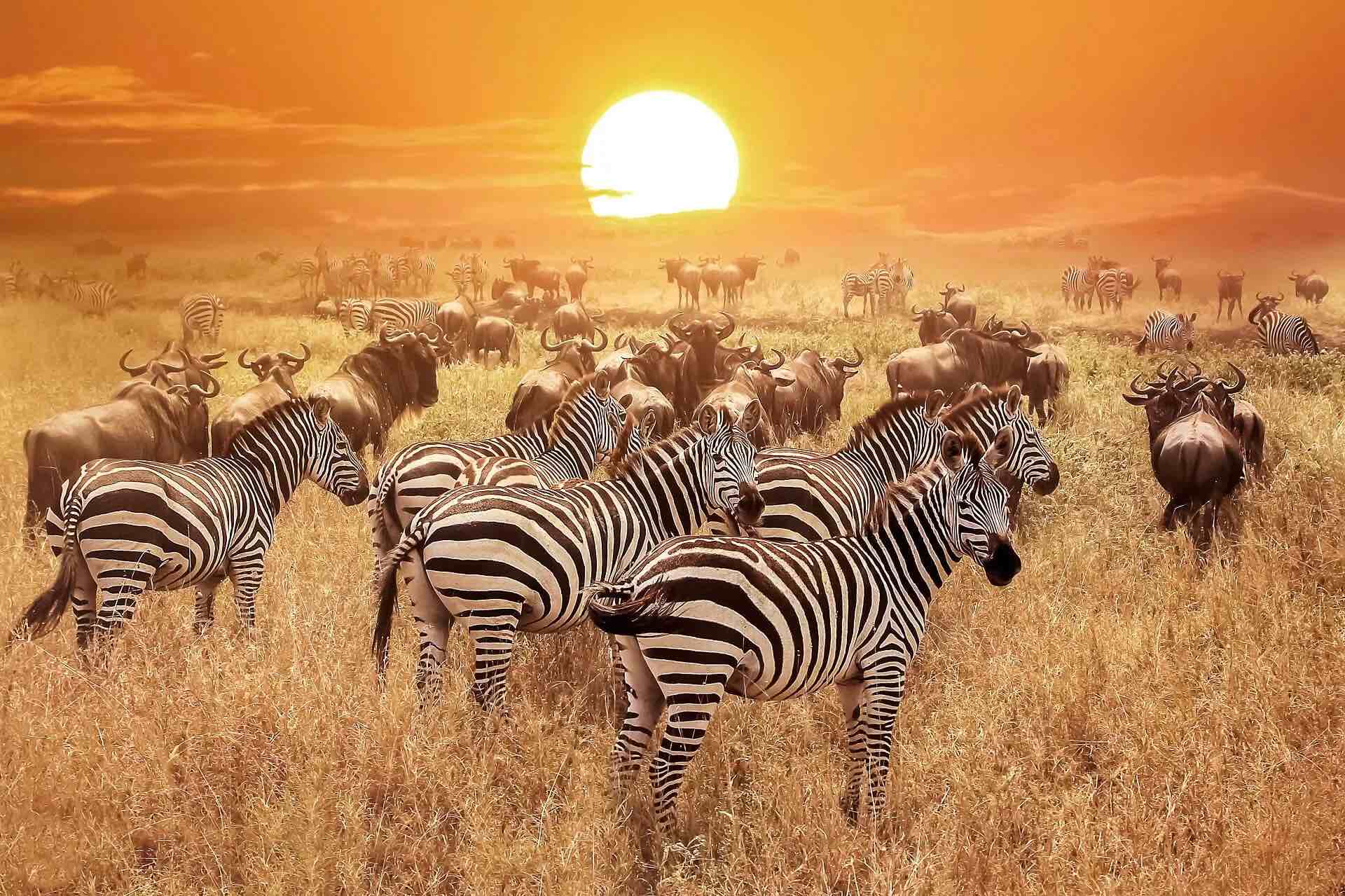
One of the defining features of Serengeti is its breathtaking landscape variety. Travelers on safari with Joyful Safaris and Tours often describe the park as visually endless, with scenery that changes dramatically from one region to another.
The southern plains are wide and open, perfect for migration calving seasons and predator activity. The central regions are rich with wildlife density, especially around river systems where animals gather throughout the year. The western corridor features rolling landscapes and river crossings that form part of the Great Migration journey. The northern areas are more rugged and elevated, offering quieter and more exclusive safari experiences.
This diversity ensures that no two safari experiences in Serengeti are ever the same.
Serengeti as a Premier Safari Destination
Serengeti is not just famous—it is globally iconic. It is the heart of Tanzania safari tourism and one of the most important wildlife destinations in Africa. Travelers from around the world visit Serengeti to experience luxury safari lodges, guided game drives, hot air balloon safaris, and unforgettable wildlife encounters.
For many visitors, a Serengeti safari represents a once-in-a-lifetime journey. For others, it becomes a lifelong passion that draws them back again and again.
At Joyful Safaris and Tours, Serengeti experiences are designed to combine comfort, adventure, and authentic wilderness exploration, ensuring every traveler witnesses the best of African safari magic.
Why Serengeti Is a Global Safari Icon
The fame of Serengeti comes from its unmatched wildlife density and the world-renowned Great Wildebeest Migration, one of the most spectacular natural events on the planet.
Millions of animals move across the plains in search of fresh grazing land, creating dramatic scenes of survival, movement, and predator interaction. This natural cycle attracts wildlife photographers, documentary filmmakers, and safari enthusiasts from every continent.
Serengeti is also one of the best places in Africa to see the Big Five in their natural habitat, making it a top choice for classic Tanzania safari itineraries.
The Beginning of an Epic Safari Journey
Serengeti National Park is more than a travel destination—it is a living wilderness story that continues every day without interruption. Its landscapes, wildlife, and natural rhythms create one of the most powerful safari experiences in the world.
For travelers booking with Joyful Safaris and Tours, Serengeti is only the beginning. The deeper you go into this ecosystem, the more nature reveals its raw beauty, emotional intensity, and unforgettable safari moments.
The Big Five Experience in Serengeti National Park
One of the strongest attractions for Tanzania safari travelers is the opportunity to witness the legendary “Big Five.” These animals—lion, elephant, leopard, buffalo, and rhinoceros—were historically named by hunters, not because of their size, but because they were the most challenging and respected animals to track on foot.
Today, in modern conservation-based safaris, seeing the Big Five in the wild has become one of the most meaningful wildlife experiences in Africa.
The lion is the most dominant predator in Serengeti and is frequently seen across the open plains, often resting in shaded grasslands or moving in coordinated prides. Serengeti is home to one of the highest lion populations in Africa, making sightings highly reliable during safari game drives.
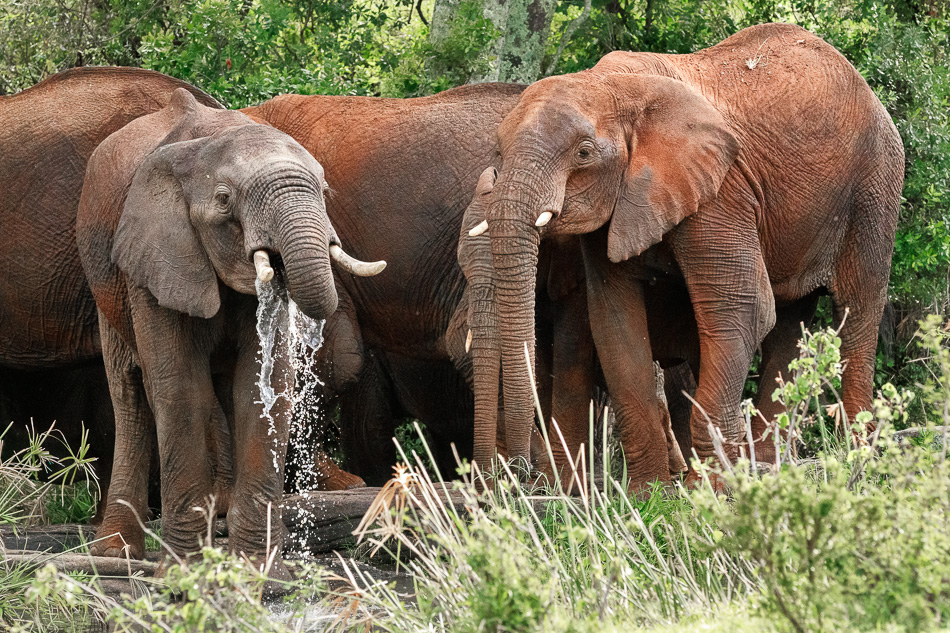
The African elephant is another iconic presence in the park, often seen moving slowly across savannahs or gathering near water sources. These gentle giants play a crucial role in shaping the ecosystem by modifying vegetation and creating pathways for smaller species.
Leopards are more elusive, often found resting in acacia trees or hidden within riverine forests. Their camouflage and solitary nature make them one of the most sought-after sightings on a Serengeti safari.
Cape buffaloes are commonly found in large herds, particularly near wetlands and grazing zones. Their strong group behavior makes them one of the most powerful and unpredictable animals in the ecosystem.
The black rhinoceros is the rarest of the Big Five in Serengeti, with conservation efforts actively protecting their limited population. Spotting one is considered a truly special safari moment and often requires expert guiding and patience.
The Great Wildebeest Migration – Nature’s Greatest Movement
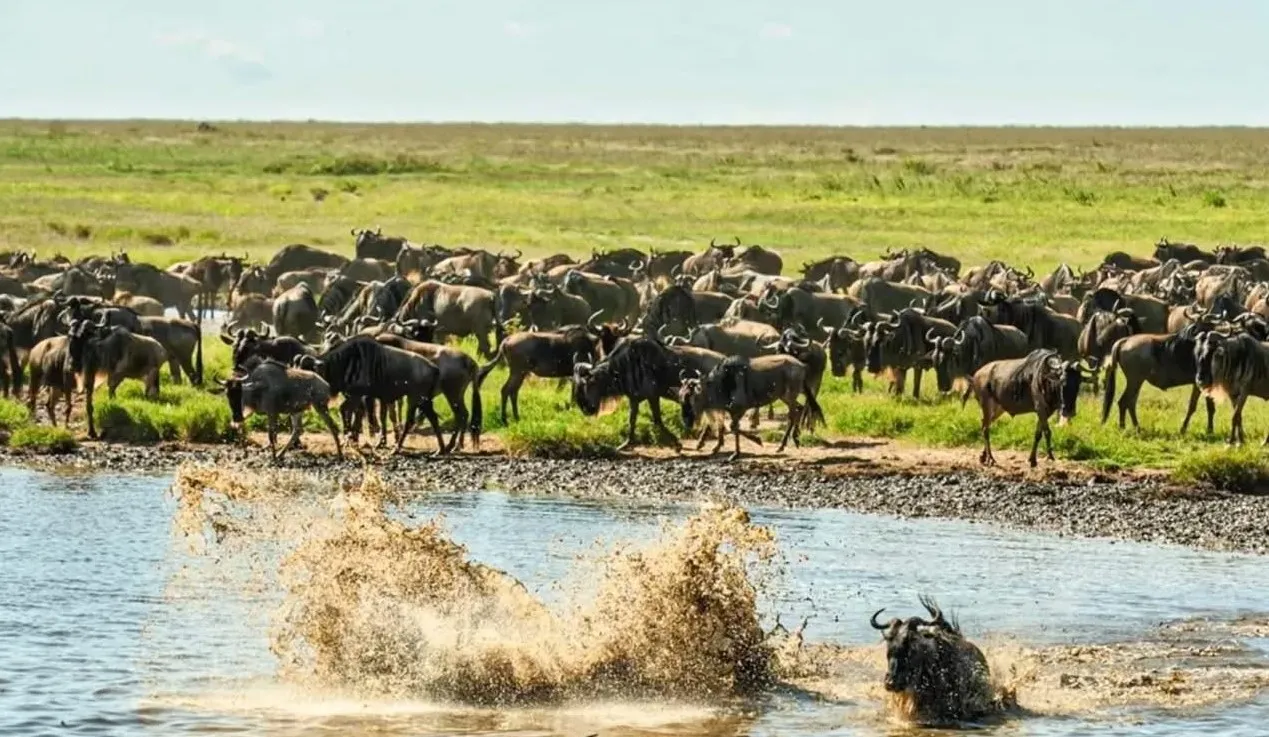
The Great Wildebeest Migration is the defining natural event of the Serengeti ecosystem and one of the most famous wildlife spectacles in the world. Over two million wildebeests, accompanied by hundreds of thousands of zebras and gazelles, move in a continuous circular journey across Tanzania and Kenya in search of fresh grazing land.
This migration is not random. It follows ancient rainfall patterns that dictate where grass is greenest and water is most available. It is a survival-driven movement that has existed for thousands of years, making it one of the last remaining intact large mammal migrations on Earth.
During calving season in the southern Serengeti plains, the landscape becomes a nursery of life. Thousands of newborn wildebeests are born within a short period, creating an intense survival environment where predators such as lions, hyenas, and cheetahs are highly active.
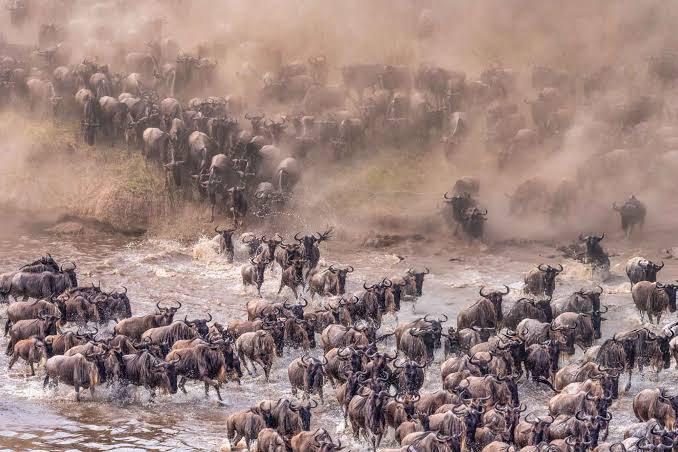
As the dry season approaches, the herds begin moving northwards through the central and western regions of Serengeti. This journey includes dramatic river crossings, especially at the Grumeti and Mara River systems, where crocodiles wait in deep waters and survival becomes a daily challenge.
For travelers with Joyful Safaris and Tours, witnessing the migration is not just a safari highlight—it is one of the most emotional wildlife experiences on the planet.
Predator Dynamics – The Real Drama of the Savannah
Serengeti is often described as a living theatre of predator and prey interaction. The open plains provide ideal visibility for both hunters and herds, creating a natural balance of survival.
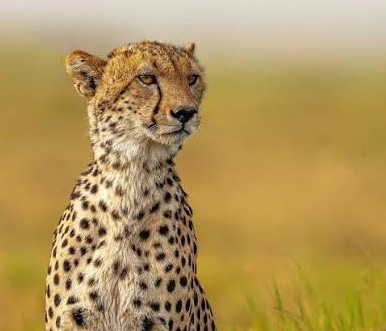
Lions are the dominant hunters and operate in coordinated prides, using teamwork to bring down large herbivores. Cheetahs, on the other hand, rely on speed and precision, often hunting in the open grasslands where they can reach peak acceleration.
Hyenas are highly intelligent scavengers and hunters, often competing directly with lions for food resources. Their complex social structure and vocal communication make them one of the most fascinating species in the ecosystem.
Leopards prefer solitude and stealth, often hunting at night or resting in elevated trees during the day. Their elusive behavior makes every sighting a rare and unforgettable safari moment.
This predator-prey balance is what keeps Serengeti ecologically stable and endlessly dynamic.
Serengeti Ecosystem – A Perfect Natural Balance
The Serengeti ecosystem is not defined by animals alone but by the deep interconnection between land, water, vegetation, and wildlife behavior. Grasslands provide grazing opportunities for herbivores, which in turn support predators. River systems create survival corridors, while seasonal rains regulate movement patterns across the plains.
The presence of kopjes—ancient granite rock formations—adds another layer of ecological importance. These rocky outcrops serve as shelters, hunting vantage points, and resting zones for lions, leopards, and smaller mammals.
Woodlands and riverine forests introduce biodiversity hotspots within the ecosystem, supporting species that cannot survive in open savannah environments. This combination of habitats ensures Serengeti remains one of the most complete wildlife ecosystems in the world.
Birdlife of Serengeti – A Hidden Safari Treasure
While most visitors associate Serengeti with large mammals, the park is also a paradise for birdwatching enthusiasts. With hundreds of recorded species, Serengeti offers one of the richest birding experiences in East Africa.
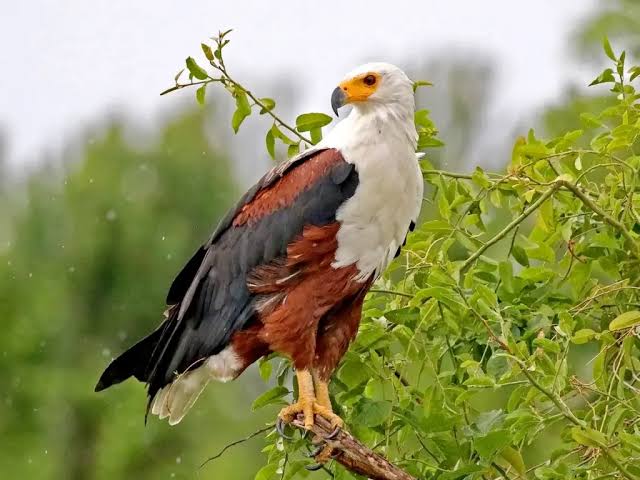
Large birds such as ostriches dominate the open plains, while raptors like eagles and vultures circle above in search of food. Secretary birds are often seen walking through grasslands hunting snakes, creating one of the most unique bird behaviors in Africa.
Colorful species such as lovebirds and bee-eaters add vibrant contrast to the savannah landscape, especially during the wet season when bird activity peaks.
For travelers interested in nature photography or birdwatching safaris, Serengeti provides endless opportunities to capture rare and spectacular species in their natural environment.
Habitat Diversity – Why Serengeti Supports So Much Life
One of the key reasons Serengeti supports such a massive concentration of wildlife is its extraordinary habitat diversity. The park contains multiple ecological zones, each supporting different animal communities.
Open plains dominate the southern and central regions, providing ideal grazing conditions for large herbivores. River valleys create permanent water access points that attract both predators and prey throughout the year. Woodland regions offer shelter and nesting areas for birds and smaller mammals.
This ecological variation ensures that wildlife is not concentrated in a single area but spread across the entire ecosystem, making every safari drive a new and unpredictable experience.
Why Serengeti Wildlife Safaris Feel So Unique
A safari in Serengeti with Joyful Safaris and Tours is not just about seeing animals—it is about experiencing natural behavior in its purest form. Unlike zoos or controlled reserves, Serengeti offers real wildlife interactions shaped only by survival, instinct, and natural cycles.
Every game drive presents something different. One moment you may witness a quiet herd grazing under golden light, and the next moment you may observe a high-speed predator chase unfolding across the plains. This unpredictability is what makes Serengeti one of the most exciting safari destinations in Africa.
The Living Heart of African Wildlife
The wildlife of Serengeti National Park represents one of the last great natural systems on Earth. From the Big Five to the Great Migration, from predators to birdlife, every part of the ecosystem is interconnected in a continuous cycle of survival and renewal.
For travelers with Joyful Safaris and Tours, Serengeti is not just a destination—it is a front-row seat to nature’s greatest performance.
Immersive Tanzania Safari Adventures
A safari in the Serengeti is not simply about observing wildlife—it is about stepping into one of the most immersive natural experiences on Earth. For travelers with Joyful Safaris and Tours, every activity in Serengeti is designed to reveal a different layer of this vast ecosystem, from close-up predator encounters to breathtaking aerial views over endless golden plains.
This is where adventure, photography, nature, and emotion come together in one unforgettable journey.
Game Drives in Serengeti – The Heart of Every Safari Experience
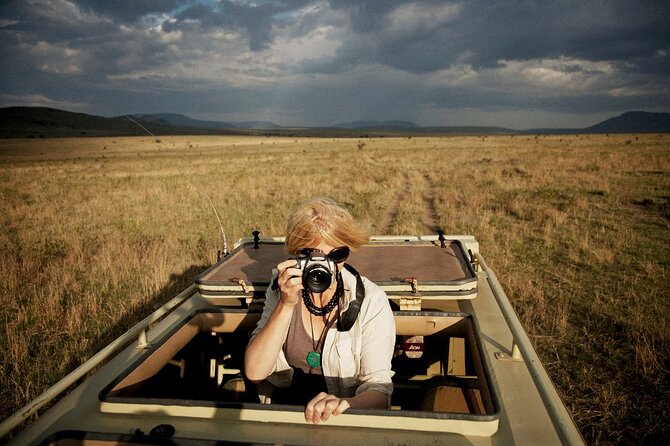
Game drives are the foundation of every Serengeti safari and remain the most powerful way to experience wildlife in its natural environment. These guided journeys take travelers deep into the plains, river valleys, and kopje landscapes where animals move freely without restriction.
Each game drive is unique because Serengeti never repeats itself. One morning may begin with lions resting after a night hunt, while the afternoon may reveal massive herds of wildebeest moving across the horizon. The unpredictability of wildlife behavior is what makes every safari drive feel like a live documentary unfolding in real time.
Early morning and late afternoon game drives are particularly rewarding, as animals are most active during cooler hours. These moments also provide the best lighting conditions for photography, especially when the golden African sun casts long shadows across the savannah.
With Joyful Safaris and Tours, game drives are carefully planned to maximize wildlife sightings while ensuring a comfortable and authentic safari experience.
Hot Air Balloon Safaris – A Sky-High Serengeti Adventure
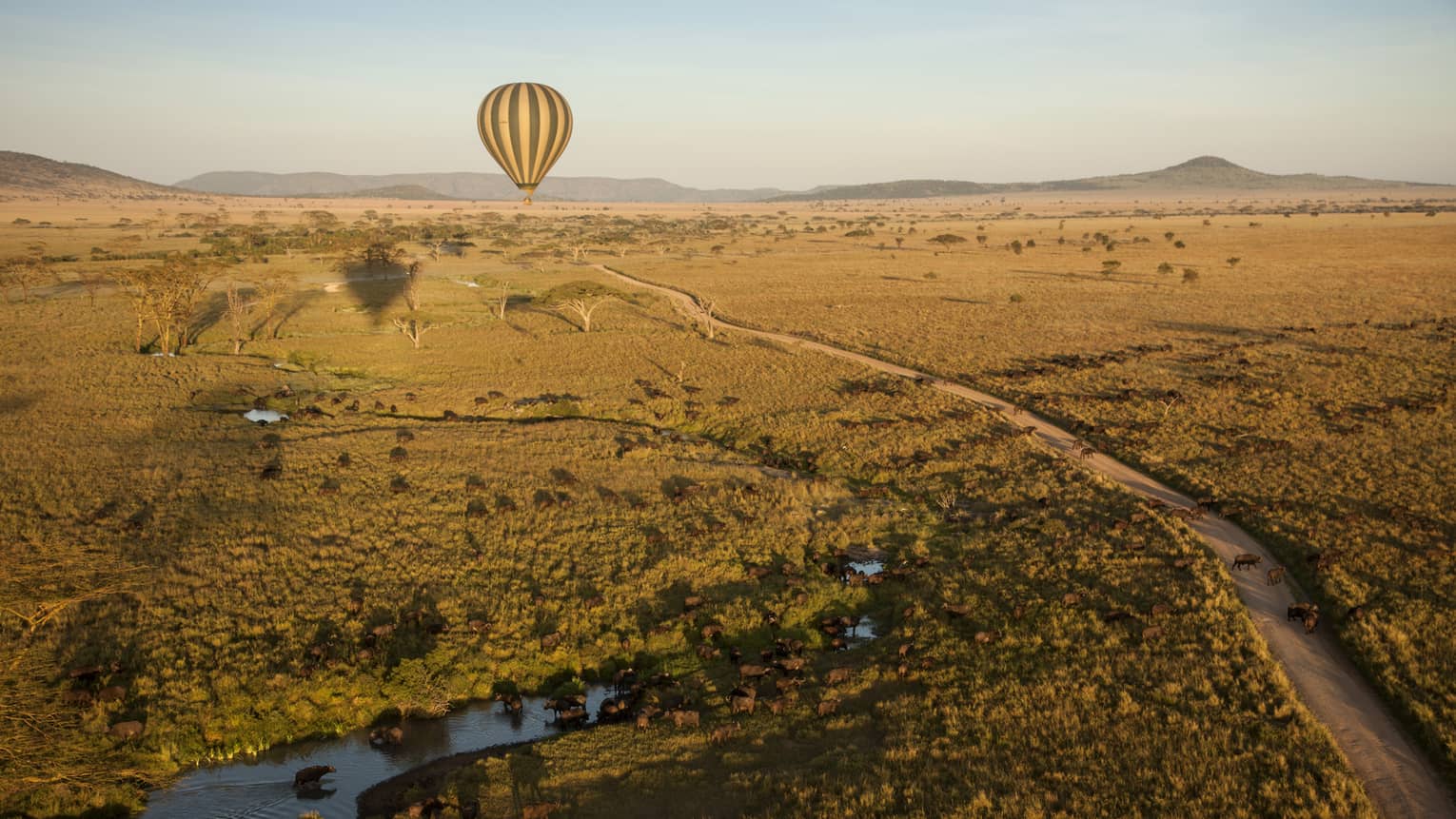
One of the most iconic safari experiences in Africa is a hot air balloon flight over the Serengeti plains. This early morning adventure begins before sunrise, when the landscape is still calm and the air is cool and silent.
As the balloon gently rises, the Serengeti reveals itself from above in a way that is impossible to experience from the ground. Vast herds of wildebeest appear as moving patterns across the plains, while elephants and giraffes slowly move through the golden grasslands below.
The sunrise transforms the entire ecosystem into a glowing masterpiece of light and shadow, creating one of the most breathtaking aerial safari views in the world.
After landing, guests are often treated to a traditional bush breakfast in the wilderness, adding a luxurious and unforgettable touch to the experience. This combination of flight, scenery, and wilderness dining makes hot air balloon safaris one of the most exclusive activities in Tanzania.
The Great Migration Viewing Experience – Nature in Motion
One of the most powerful safari experiences in Serengeti is witnessing the Great Wildebeest Migration in action. This event is not static—it is constantly moving, shifting, and evolving across the ecosystem depending on rainfall and grazing conditions.
During certain seasons, travelers may witness massive herds stretching across the horizon, forming living rivers of movement that can take hours to pass. At other times, the focus may shift to river crossings, where dramatic scenes unfold as animals navigate crocodile-filled waters in search of greener pastures.
The migration is not only visually spectacular but emotionally intense. It represents survival, instinct, and the raw cycle of life that defines the African wilderness.
For many travelers, experiencing the migration with Joyful Safaris and Tours becomes the highlight of their entire Tanzania safari journey.
Moru Kopjes – Ancient Rock Landscapes of Serengeti
The Moru Kopjes are one of the most distinctive geological features in Serengeti National Park. These ancient granite rock formations rise dramatically from the plains, creating natural shelters and strategic lookout points for wildlife.
Lions are often seen resting on top of these rocks, scanning the surrounding grasslands for movement. Leopards use the kopjes for hiding and resting during the day, while hyraxes and smaller mammals find protection among the rocky crevices.
For visitors, the kopjes offer a surreal safari atmosphere where nature and geology combine into a dramatic landscape that feels almost cinematic.
The Moru Kopjes area is also known for its scenic beauty, making it a favorite location for photography and wildlife observation during safari game drives.
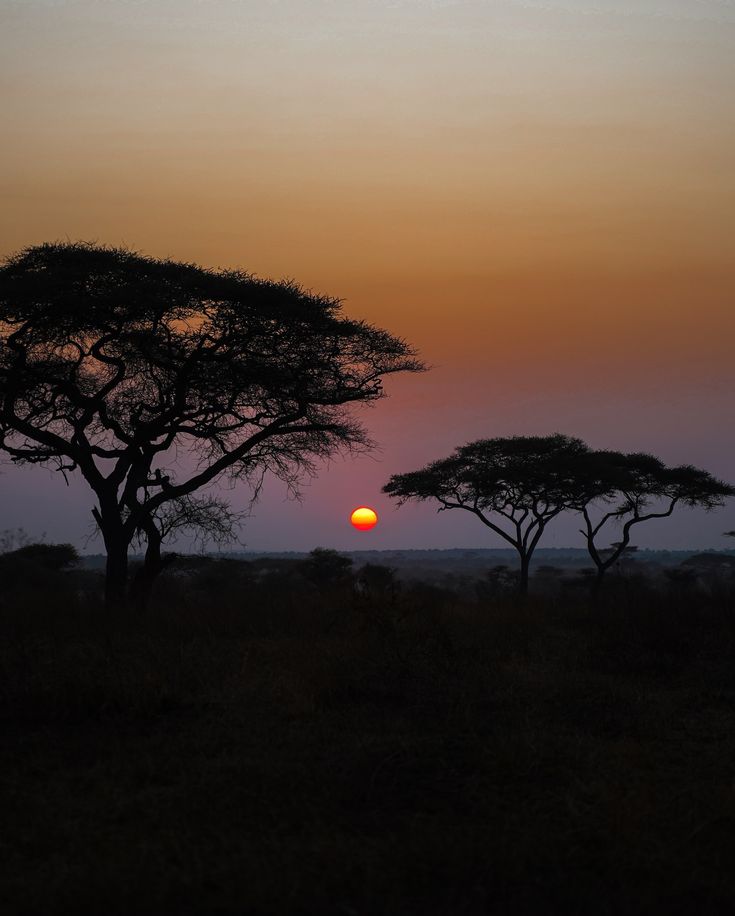
Serengeti Sunsets – Golden Light Over the Savannah
One of the most unforgettable moments in Serengeti is the sunset experience. As the sun begins to descend, the entire landscape transforms into warm tones of gold, orange, and deep red.
Animals slowly move toward resting areas, silhouettes of giraffes and acacia trees stand against glowing skies, and the sounds of the wilderness become softer and more atmospheric.
This time of day is often described by travelers as the emotional peak of a safari experience. It is when the Serengeti feels peaceful, timeless, and deeply connected to nature.
With Joyful Safaris and Tours, sunset game drives and sundowner experiences are often included in safari itineraries to allow guests to fully absorb this magical moment.
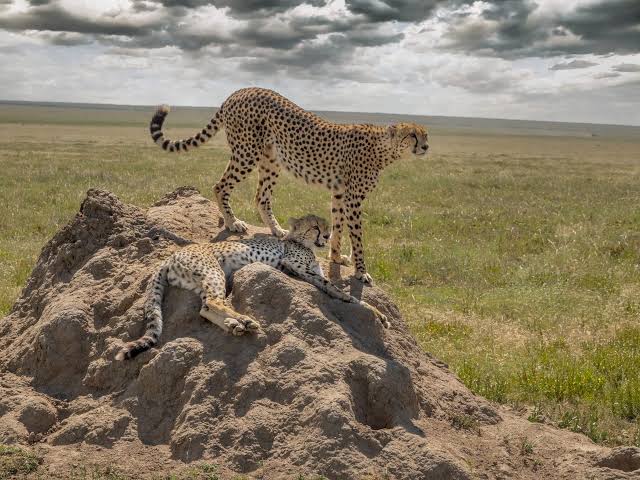
Big Cat Encounters – Lions, Leopards & Cheetahs in Action
Serengeti is one of the best places in Africa to observe big cats in their natural hunting and resting environments. Lion prides are commonly seen across open plains, often interacting socially or resting under shade during the heat of the day.
Cheetahs are frequently spotted in the southeastern grasslands, where their speed and agility are perfectly suited for hunting antelope species in open terrain. Watching a cheetah accelerate across the plains is one of the most thrilling wildlife experiences in Africa.
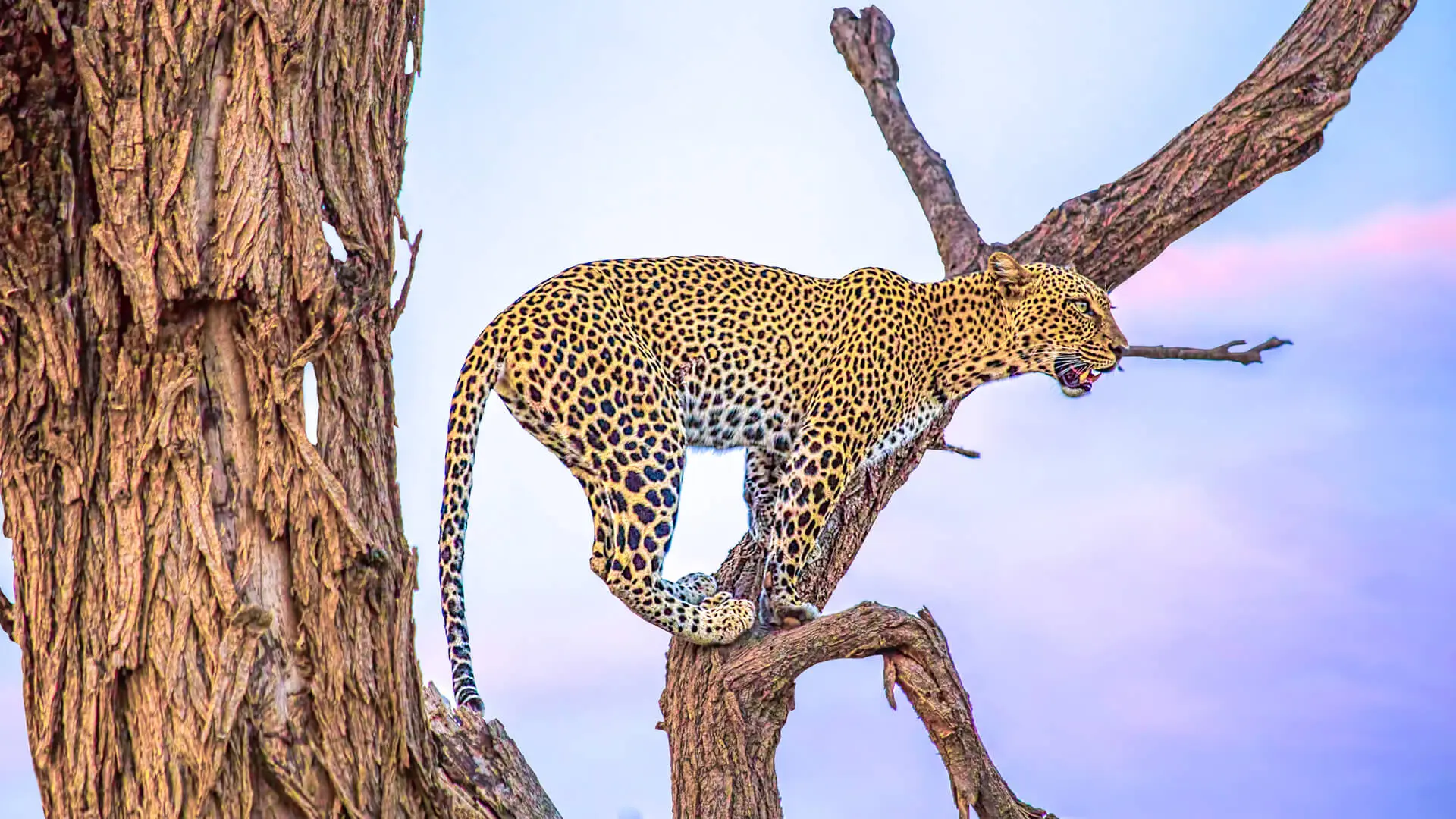
Leopards, though more secretive, are often found in riverine forests and acacia trees, especially around the Seronera region. Their solitary and elusive nature makes every sighting a rare and highly valued safari moment.
These predator encounters are a major highlight of Serengeti safaris and a key reason why wildlife photographers and documentary filmmakers are drawn to the region.
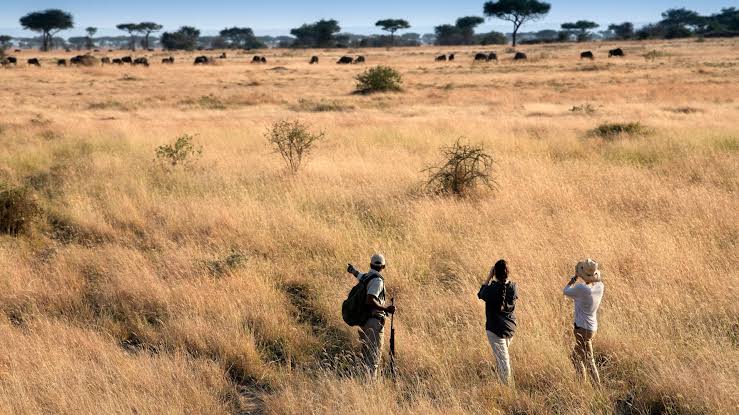
Walking Safaris – A Ground-Level Wilderness Experience
While most Serengeti safaris are conducted by vehicle, walking safaris offer a completely different perspective of the ecosystem. These guided experiences allow travelers to explore the bush on foot, accompanied by experienced safari guides and rangers.
Walking safaris focus on smaller details of the ecosystem, including animal tracks, insects, birds, and plant life. This creates a deeper understanding of how the Serengeti functions beyond large wildlife sightings.
The experience is quiet, immersive, and highly educational, offering a sense of connection to nature that is very different from traditional game drives.
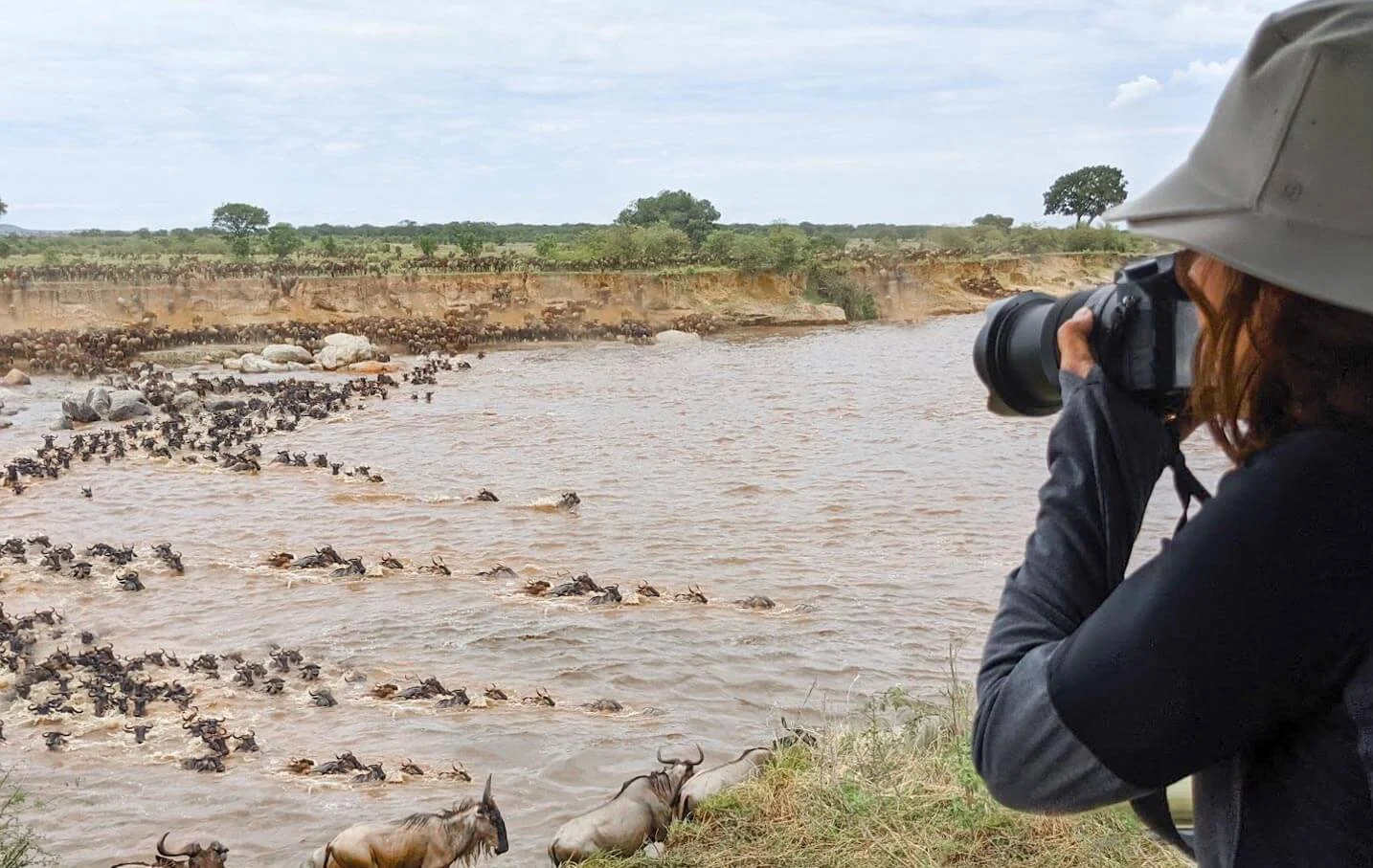
Photography Safaris,Capturing Africa’s Wild Beauty
Serengeti is one of the most photogenic safari destinations in the world. The combination of wildlife density, open landscapes, and dramatic lighting conditions creates ideal opportunities for photography.
From close-up predator encounters to wide-angle migration scenes, every moment in Serengeti offers a chance to capture powerful visual stories. The golden hour lighting during early morning and late afternoon is especially favored by photographers.
For travelers with Joyful Safaris and Tours, photography-focused safaris can be arranged to ensure optimal positioning, timing, and wildlife tracking for the best possible shots.
Cultural Encounters,The Maasai Experience
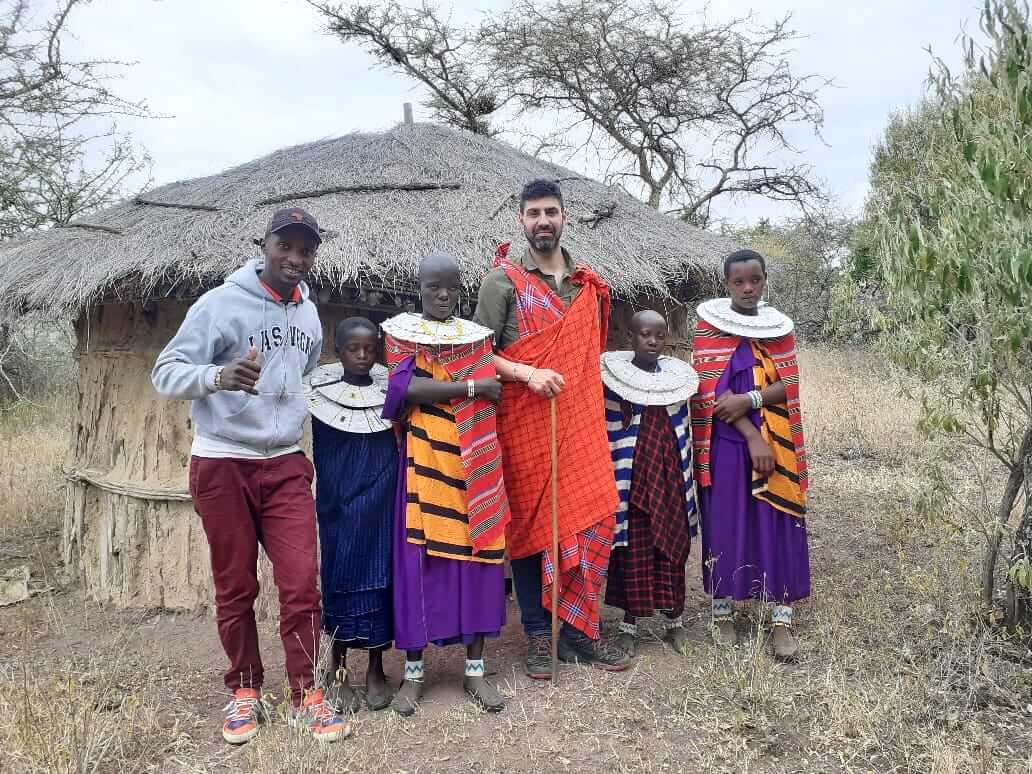
Beyond wildlife, Serengeti also offers meaningful cultural experiences with the Maasai people, one of East Africa’s most iconic indigenous communities.
Visitors can learn about traditional Maasai lifestyles, including cattle herding practices, local traditions, and community life that has remained closely connected to nature for generations.
These cultural experiences add depth to a Serengeti safari, showing how human life and wildlife have coexisted in this region for centuries.
The Soul of Serengeti Safari Adventures
Serengeti is not just about seeing animals,it is about experiencing Africa in motion. From game drives and hot air balloon safaris to kopjes, sunsets, and migration encounters, every activity reveals a new dimension of this extraordinary ecosystem.
With Joyful Safaris and Tours, each safari experience is carefully designed to combine adventure, comfort, and authentic wilderness immersion.
Serengeti Travel Intelligence for the Perfect Safari
Planning a safari to Serengeti National Park is one of the most important steps in creating a truly unforgettable African adventure. At Joyful Safaris and Tours, we believe that timing, routes, and travel strategy are just as important as the safari itself, because they directly influence what wildlife you will see and how immersive your experience will be.
The Serengeti is a year-round safari destination, but each season offers a completely different story of nature. Understanding these seasonal changes helps travelers choose the perfect moment to witness migration movements, predator action, lush landscapes, or quiet exclusive safari experiences.
Best Time to Visit Serengeti National Park
Serengeti offers two major safari seasons: the dry season and the wet season, each delivering unique wildlife experiences and photographic opportunities.
The dry season
The dry season, generally experienced from June to October, is considered the most popular safari period. During this time, vegetation becomes thinner, water sources shrink, and wildlife gathers around rivers and permanent waterholes.
This makes animal sightings easier and more predictable, especially for lions, elephants, buffaloes, and other large herbivores. The dry season is also the prime time for witnessing dramatic river crossings in the northern Serengeti as part of the Great Migration.
The wet season
The wet season, which runs from November to May, transforms the entire landscape into a lush green paradise. This is the period of new life, when thousands of wildebeest calves are born across the southern plains, attracting intense predator activity.
Although some roads may become slightly challenging due to rainfall, this season offers fewer crowds, vibrant scenery, and exceptional birdwatching opportunities.
Month-by-Month Safari Experience in Serengeti
Each month in Serengeti brings a different stage of the Great Migration and unique wildlife behavior patterns.
From January to March, the southern Serengeti and Ndutu plains become the heart of the migration calving season. This is when thousands of wildebeest give birth within a short period, creating intense predator-prey interactions and dramatic safari moments.
From April to June, herds begin moving gradually toward the western corridor as rainfall patterns shift. This period is known for massive herd movements and early stages of migration travel across open plains.
From July to September, the northern Serengeti becomes the main stage for the famous Mara River crossings, where thousands of animals risk crocodile-infested waters in one of the most dramatic natural events in the world.
From October to December, the herds slowly return southwards, completing the annual migration cycle and preparing for the next calving season.
This continuous movement ensures that Serengeti always has something extraordinary to offer, no matter when you visit.
How to Get to Serengeti National Park
Reaching Serengeti is part of the safari adventure itself, and there are two main travel options that visitors can choose depending on budget, comfort, and travel style.
The most convenient way is by air, where travelers fly into key entry points such as Arusha or Kilimanjaro before connecting to smaller safari airstrips inside Serengeti. These flights offer breathtaking aerial views of Tanzania’s landscapes, including mountains, lakes, and endless savannahs.
The second option is by road, which is often preferred by travelers seeking a more immersive journey. Road safaris typically start from Arusha and pass through scenic landscapes, including the Ngorongoro Conservation Area. This route allows travelers to experience multiple ecosystems before reaching Serengeti’s open plains.
At Joyful Safaris and Tours, both travel options are carefully arranged to ensure comfort, safety, and smooth access into the park.
Entry Gates and Safari Access Points
Serengeti National Park has several official entry gates, each providing access to different regions of the ecosystem.
- The Naabi Hill Gate is the most commonly used entry point and serves as the main southern gateway into the park. It is often the starting point for safaris entering from Ngorongoro.
- The Ndabaka Gate provides access to the western corridor and is ideal for travelers focusing on river systems and migration routes in that region.
- The Klein’s Gate is located in the northern Serengeti and is commonly used for accessing migration crossings near the Mara River.
- The Fort Ikoma Gate connects travelers to central and western safari routes, while the Handajega Gate offers access to more remote and less crowded regions of the park.
Each gate opens into a different safari experience, making route planning a key part of designing the perfect Serengeti itinerary.
Booking Your Serengeti National Park Safari

Chat with Our Expert
Safari Routes and Travel Circuits in Serengeti
Serengeti is often explored as part of a northern Tanzania safari circuit, which includes other iconic destinations such as Ngorongoro Crater, Lake Manyara, and Tarangire National Park.
Most safari itineraries begin in Arusha, travel through the highlands toward Ngorongoro, and then descend into the Serengeti plains. This route allows travelers to experience dramatic changes in landscape and wildlife density within a short distance.
Inside Serengeti itself, safari routes are carefully selected based on season, wildlife movement, and migration patterns. Central Serengeti is often used as a base for year-round wildlife viewing, while southern, western, and northern routes are chosen depending on the migration calendar.
This flexibility ensures that every safari with Joyful Safaris and Tours is customized for maximum wildlife exposure and comfort.
Travel Conditions and Safari Road Experience
Traveling through Serengeti offers a raw and authentic safari experience. Roads inside the park are mostly unpaved and follow natural terrain, which adds to the adventure feel of the journey.
During the dry season, roads are generally easier to navigate, and wildlife visibility is high due to reduced vegetation. During the wet season, certain areas may become muddy or temporarily difficult to access, but this is also when the landscape becomes lush and visually stunning.
Safari vehicles used in Serengeti are specially designed for comfort, visibility, and off-road conditions, ensuring that travelers can enjoy long game drives without discomfort.
Safari Planning Tips for Serengeti Visitors
Successful Serengeti safaris depend on thoughtful planning and understanding how wildlife behavior changes throughout the year. Booking early is highly recommended, especially during peak migration seasons when accommodation and safari routes are in high demand.
Choosing the right safari duration is also important. Short safaris offer quick highlights, while longer itineraries provide deeper exploration of multiple Serengeti regions and migration zones.
Packing appropriate clothing, including light neutral colors and layered outfits, helps travelers adapt to changing temperatures between morning, afternoon, and evening game drives.
Working with experienced safari operators such as Joyful Safaris and Tours ensures that itineraries are well-structured, professionally guided, and aligned with real-time wildlife movements.
Timing Is Everything in Serengeti
The Serengeti safari experience is deeply influenced by timing, travel routes, and seasonal wildlife behavior. Whether witnessing migration river crossings, calving season drama, or peaceful green-season landscapes, every period offers a unique perspective of this incredible ecosystem.
With Joyful Safaris and Tours, planning is not just about travel logistics—it is about positioning travelers at the right place at the right time to experience the very best of Africa’s wildlife wonderland.
Complete Accommodation & Safari Experience Guide
A Serengeti safari is not complete without the right place to stay. Accommodation plays a major role in shaping your overall safari experience, from the comfort of your nights in the wilderness to the proximity of wildlife action during the day. At Joyful Safaris and Tours, we carefully design safari experiences that combine exceptional wildlife viewing with well-selected lodges and camps that match every traveler’s budget and style.
The Serengeti offers one of the most diverse ranges of safari accommodation in Africa, from ultra-luxury lodges overlooking watering holes to mobile tented camps that follow the Great Migration across the plains. This diversity ensures that every traveler can experience the Serengeti in a way that feels personal, immersive, and unforgettable.
Safari Lodges in Serengeti – Luxury in the Wild
Luxury safari lodges in Serengeti are designed to blend modern comfort with raw wilderness beauty. These lodges often sit in prime wildlife areas, offering uninterrupted views of the savannah, river valleys, and animal migration routes.
Staying in a luxury lodge allows travelers to experience Serengeti without compromising comfort. Spacious suites, private decks, fine dining, and infinity pools overlooking wildlife corridors create a safari experience that feels both exclusive and deeply connected to nature.
Many luxury lodges are strategically located near water sources or migration routes, allowing guests to observe elephants, giraffes, zebras, and other wildlife directly from their rooms or dining areas. Nights in these lodges are peaceful, often accompanied by the distant sounds of wildlife across the plains.
For honeymooners, photographers, and luxury travelers, this is one of the most unforgettable ways to experience Serengeti with Joyful Safaris and Tours.
Tented Camps – The Authentic Serengeti Experience
Tented safari camps offer a more intimate and immersive experience of the African wilderness. These camps are designed to bring travelers closer to nature while still maintaining comfort and safety.
Unlike permanent structures, tented camps are often semi-mobile or seasonal, allowing them to follow wildlife movements, especially during the Great Migration. This means guests can stay right in the heart of action, whether it is calving season in the south or river crossings in the north.
Inside these camps, travelers enjoy spacious canvas tents equipped with comfortable beds, private bathrooms, and traditional safari-style décor. Evenings are often spent around campfires under star-filled skies, creating a truly magical safari atmosphere.
Tented camps are especially popular among adventure travelers and wildlife enthusiasts who want a closer connection to the Serengeti ecosystem.
Midrange Lodges – Comfort and Value in the Wilderness
Midrange accommodations in Serengeti provide a perfect balance between comfort, affordability, and safari authenticity. These lodges and camps are ideal for families, small groups, and travelers who want a high-quality safari experience without the premium luxury price tag.
They typically offer well-furnished rooms or tents, good dining facilities, and professional safari services, including guided game drives and cultural experiences.
Midrange lodges are often located in central Serengeti regions, making them ideal for year-round wildlife viewing. Guests staying in these properties still enjoy close encounters with wildlife while benefiting from practical comfort and accessibility.
Mobile Migration Camps – Following the Great Wildebeest Movement
One of the most unique accommodation styles in Serengeti is the mobile migration camp system. These camps move seasonally to follow the path of the Great Wildebeest Migration, ensuring guests are always positioned near the most dramatic wildlife events.
During calving season, camps are located in the southern Serengeti plains. As the herds move north, the camps relocate to western and northern regions, especially near river crossing points.
This allows travelers to witness the migration at very close range, sometimes just minutes away from their tents. The experience is raw, dynamic, and deeply connected to the natural rhythm of the ecosystem.
For many safari travelers, mobile camps represent the most authentic way to experience Serengeti wildlife movement.
Serengeti Safari Packages
Serengeti safari packages are carefully crafted to match different travel goals, budgets, and timeframes. Each itinerary is designed to maximize wildlife encounters while ensuring comfort and smooth travel logistics.
Short safari packages typically focus on key highlights such as central Serengeti game drives and nearby conservation areas. These are ideal for travelers with limited time who still want a powerful safari experience.
Mid-length safari packages often include Serengeti combined with Ngorongoro Crater and other northern Tanzania destinations. These itineraries provide a deeper exploration of Tanzania’s wildlife diversity.
Extended safari packages offer full immersion into multiple Serengeti regions, including migration tracking, luxury lodge stays, cultural visits, and hot air balloon safaris. These are designed for travelers seeking a complete African safari adventure.
Each package is fully customizable, ensuring every traveler experiences Serengeti in a way that matches their expectations and travel style.
Why Serengeti Stays Are Part of the Safari Experience
In Serengeti, accommodation is not just a place to sleep,it is part of the safari itself. Many lodges and camps are located inside wildlife zones, meaning animals often move freely around guest areas.
It is not uncommon to see elephants near waterholes, giraffes walking across distant plains, or lions calling in the night while staying at safari lodges. This creates a continuous wildlife experience that extends beyond game drives.
Evenings in Serengeti are particularly special, as the sounds of the wilderness replace city noise, and the night sky reveals millions of stars without light pollution.
This deep connection to nature is one of the reasons Serengeti remains one of the most powerful safari destinations in the world.
The Magic of Serengeti with Joyful Safaris and Tours
The Serengeti National Park is more than a destination,it is a living masterpiece of nature where every moment tells a story of survival, movement, and balance. From the endless plains and dramatic river crossings to luxury safari lodges and intimate tented camps, Serengeti offers one of the most complete wildlife experiences on Earth.
With Joyful Safaris and Tours, travelers are not just visiting Serengeti,they are stepping into one of the greatest natural theatres in the world. Every safari journey is carefully designed to combine expert guiding, strategic wildlife tracking, and unforgettable comfort in the heart of Africa.
Whether you are witnessing the Great Migration, enjoying a hot air balloon sunrise, or relaxing in a luxury lodge overlooking the savannah, Serengeti delivers moments that stay with you forever.
Why Serengeti Is the Ultimate African Safari Destination
Serengeti National Park stands as one of the most iconic safari destinations in Africa due to its unmatched wildlife density, world-famous Great Migration, and diverse ecosystems that support thousands of animal species.
It offers everything a traveler could dream of in an African safari: big cats, the Big Five, endless savannah landscapes, luxury lodges, cultural encounters, and once-in-a-lifetime wildlife spectacles.
For travelers seeking an authentic, well-organized, and deeply immersive safari experience, Joyful Safaris and Tours provides expertly crafted journeys that showcase the very best of Serengeti National Park and Tanzania’s northern safari circuit.