Tarangire National Park
2,850 Km
Area park
June - October
Best Time to visit
Elephant + Tree Lions
What to see
120km from Arusha
Distance
The Hidden Elephant Paradise of Tanzania
Deep in the heart of northern Tanzania lies one of Africa’s most captivating yet often underrated safari destinations, the magnificent Tarangire National Park. With its endless golden savannahs, ancient baobab-dotted landscapes, and extraordinary concentration of wildlife, Tarangire stands as a true jewel of the Tanzanian safari circuit. Unlike the more crowded parks in East Africa, Tarangire offers a more peaceful, authentic, and intimate safari experience where nature still feels untouched and wild.
With Joyful Safaris and Tours, exploring Tarangire becomes more than just a game drive—it becomes a deep journey into the rhythm of African wilderness. Every sunrise reveals herds of elephants moving through misty plains, every sunset paints the sky above acacia trees in fiery orange tones, and every moment in between delivers encounters with wildlife that feel raw, real, and unforgettable.
This park is not only a destination for sightseeing but a living ecosystem shaped by seasonal migration, ancient geography, and one of the most important river systems in Tanzania. Whether you are a first-time safari traveler or an experienced wildlife enthusiast, Tarangire delivers a safari experience that is both emotionally powerful and visually breathtaking.
The Identity of Tarangire National Park – A Land Sculpted by Nature and Time
Tarangire National Park is one of the most ecologically diverse protected areas in northern Tanzania. It forms a crucial part of the famous northern safari circuit alongside destinations such as Serengeti and Ngorongoro, but what makes Tarangire truly special is its unique seasonal rhythm and its extraordinary elephant population.
The park takes its name from the life-sustaining Tarangire River, a permanent water source that flows through its heart. During the dry season, when surrounding ecosystems become dry and harsh, this river becomes a lifeline for thousands of animals migrating in search of water and food. This natural cycle transforms Tarangire into one of the most dramatic wildlife gathering points in Africa.
Covering approximately 2,850 square kilometres, Tarangire is vast, wild, and beautifully diverse. Its landscapes are a combination of rolling savannah plains, dense acacia woodlands, swampy floodplains, rocky hills, and iconic baobab forests that dominate the horizon. These ancient baobab trees, some believed to be over a thousand years old, give the park its unforgettable identity and create one of the most photographed safari landscapes in the world.
Through Joyful Safaris and Tours, visitors are guided into this natural masterpiece with carefully planned safari routes that maximize wildlife sightings while ensuring a comfortable and immersive experience.
Geographical Location – The Heart of Northern Tanzania Safari Circuit
Tarangire National Park is strategically located in northern Tanzania, making it one of the most accessible safari destinations in the region. It lies just south of Lake Manyara and is easily reached from the safari hub city of Arusha, which serves as the starting point for most Tanzania safari adventures.
This location places Tarangire at a natural crossroads between different ecological zones. To the southeast stretches the Masai Steppe, a vast semi-arid landscape inhabited by Maasai communities and wildlife that move freely across open plains. To the north and west lie the lakes and escarpments of the Great Rift Valley, a geological wonder that has shaped East Africa’s ecosystems for millions of years.
Because of this positioning, Tarangire acts as a critical wildlife refuge during seasonal migration. Animals from surrounding regions move into the park during dry months, creating one of the highest wildlife densities in Tanzania outside the Serengeti migration.
For travelers booking Tanzania safari packages with Joyful Safaris and Tours, Tarangire is often included as a key destination due to its proximity, diversity, and exceptional game viewing opportunities.
Landscape and Ecosystem Diversity – A Living Canvas of African Wilderness
One of the most striking features of Tarangire National Park is its incredible landscape diversity. Unlike flat savannah parks, Tarangire is a mosaic of different ecosystems that blend seamlessly into one another, creating a constantly changing safari experience.
The southern and central areas of the park are dominated by open grasslands scattered with giant baobab trees, creating iconic African scenery that feels both ancient and timeless. These grasslands are rich grazing grounds for zebras, wildebeests, and antelopes, especially during seasonal movements.
Moving closer to the Tarangire River, the environment becomes greener and more concentrated with wildlife activity. Riverine forests and swampy floodplains attract elephants, buffaloes, giraffes, and numerous predators including lions and leopards. These areas are particularly active during the dry season when water becomes scarce elsewhere.
In contrast, the northern and western regions of the park are characterized by acacia woodlands and rolling bushland. These areas provide shelter for predators, nesting grounds for birds, and shaded resting places for wildlife during the heat of the day. The presence of rocky hills and termite mound landscapes adds further ecological depth to the park.
This dynamic combination of habitats makes Tarangire one of the most biologically rich safari destinations in Tanzania, offering constantly changing scenery and wildlife encounters throughout the day.
The Tarangire River – The Lifeline of the Ecosystem
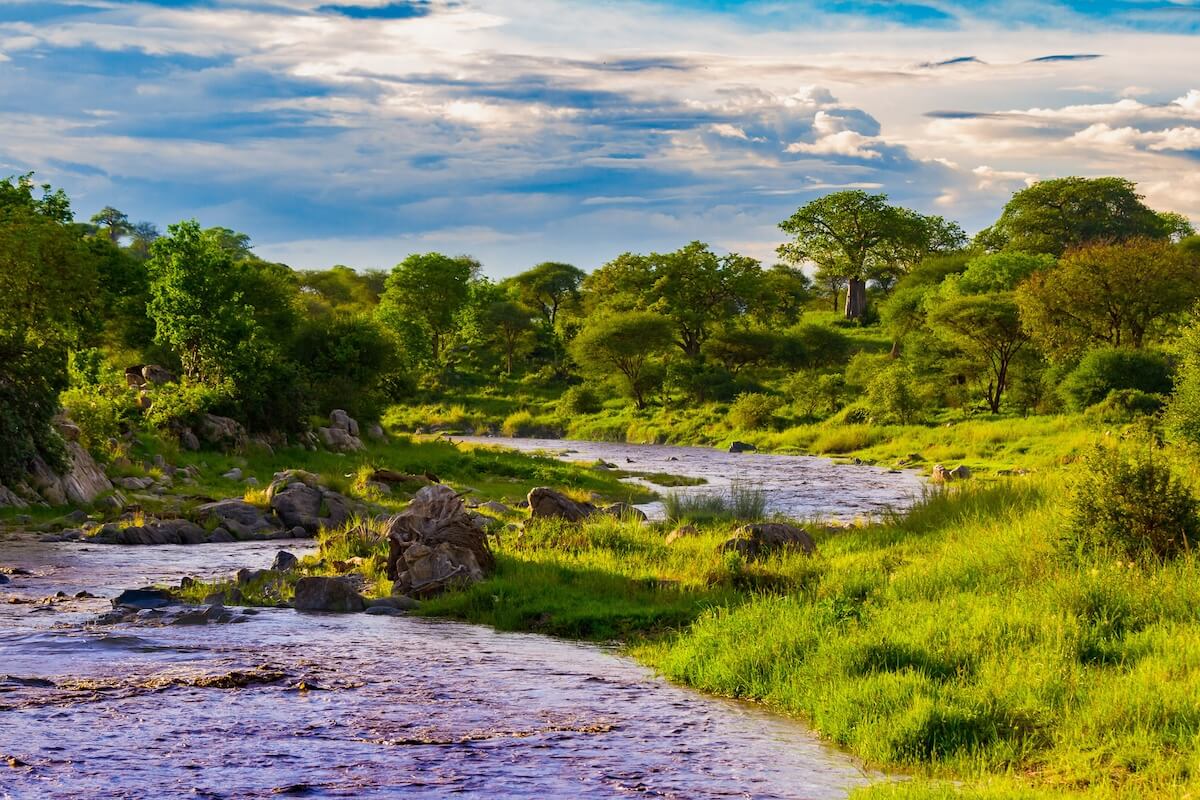
At the core of this ecosystem lies the powerful Tarangire River, the most important natural feature of the park. Flowing year-round, this river acts as the primary source of water during the long dry season when surrounding areas become extremely arid.
As water sources outside the park begin to disappear, thousands of animals migrate toward the riverbanks. This includes massive herds of elephants, large groups of buffaloes, zebras, wildebeests, giraffes, impalas, and various antelope species. The river becomes a stage for one of Africa’s most impressive wildlife gatherings.
Predators such as lions, leopards, and hyenas also follow this movement, leading to intense predator-prey interactions that make Tarangire one of the most exciting safari destinations for wildlife photography and game drives.
With Joyful Safaris and Tours, guided safari experiences are carefully timed around these natural movements, ensuring travelers witness the most active and dramatic wildlife scenes along the river corridors.
Climate and Seasonal Changes – Understanding Tarangire’s Safari Rhythm
The climate of Tarangire National Park plays a major role in shaping its wildlife behavior and safari experience. The park experiences a tropical savannah climate with distinct wet and dry seasons that define animal movement patterns.
The dry season, which typically runs from June to October, is considered the peak safari period. During this time, vegetation becomes sparse, and wildlife concentrates around permanent water sources such as the Tarangire River. This creates excellent game viewing conditions, with high chances of seeing large elephant herds and predator activity.
The wet season, from November to May, transforms the park into a lush green paradise. The landscape becomes vibrant, flowers bloom across the savannah, and migratory birds arrive in large numbers. Although wildlife spreads out during this period, it is one of the best times for photography and birdwatching safaris.
Temperatures in Tarangire remain relatively warm throughout the year, with daytime conditions often comfortable for safari activities and cooler mornings and evenings that enhance the bush experience.
Why Tarangire Stands Out in Tanzania Safari Experiences
What makes Tarangire truly exceptional is not just its wildlife or scenery, but the feeling it creates. Unlike busier parks, Tarangire offers a sense of solitude and connection with nature. Safari vehicles are fewer, sightings feel more personal, and the wilderness feels untouched and authentic.
For travelers booking with Joyful Safaris and Tours, this means experiencing Tanzania in its purest form—where elephants roam freely under ancient trees, where sunsets stretch endlessly across golden plains, and where every moment feels like a private encounter with the wild.
Tarangire is not just a stop on a safari itinerary; it is a destination that captures the essence of African wilderness and leaves a lasting emotional impression on every visitor.
Elephants of Tarangire – The Giants That Define the Landscape
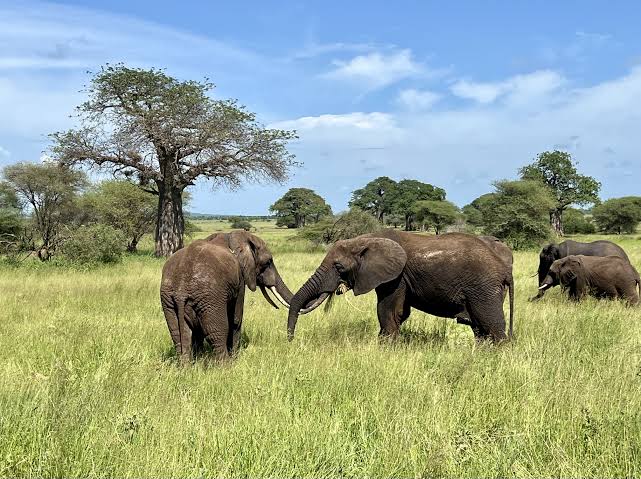
One of the most iconic features of Tarangire National Park is its extraordinary elephant population. The park is widely recognized as one of the best places in Africa to observe large, healthy elephant herds in their natural environment.
During the dry season, especially between June and October, elephants gather in impressive numbers around the Tarangire River. Herds often consist of family groups that merge into larger gatherings of up to 200–300 individuals. These gatherings create unforgettable safari scenes where elephants drink, bathe, play, and move slowly across the plains under the shade of massive baobab trees.
What makes Tarangire’s elephants unique is their behavior. Unlike heavily disturbed populations in some regions, elephants here display relaxed, natural movement patterns. Visitors traveling with Joyful Safaris and Tours often witness mothers guiding calves across riverbeds, young bulls playfully sparring, and entire herds moving silently through golden savannahs.
The presence of these elephants also plays a crucial ecological role. They shape the landscape by feeding on trees, digging for water in dry riverbeds, and dispersing seeds that help maintain the park’s biodiversity.
Big Cats of Tarangire – Lions, Leopards & the Hidden Predators
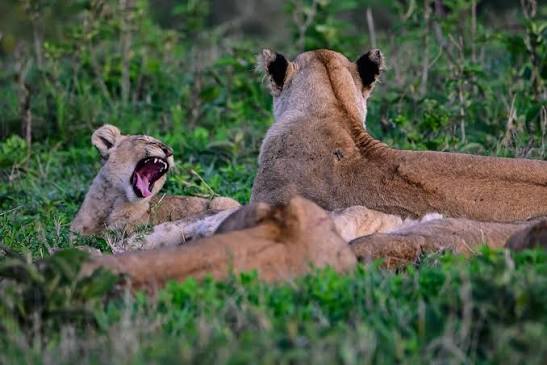
While elephants dominate the visual landscape, Tarangire is also home to a thriving population of predators that define its dramatic wildlife encounters.
The lion population in Tarangire National Park is particularly active and often observed in unique settings. Lions here are known for their tree-climbing behavior in some regions, although they are more commonly seen resting in the shade of acacia trees or stalking prey near river corridors. During early mornings and late afternoons, lion activity increases significantly as they take advantage of cooler temperatures to hunt.
Leopards, although more elusive, are frequently found in dense woodlands and riverine forests. These solitary predators prefer hidden environments where they can stalk antelope and small mammals with stealth and precision. With experienced guides from Joyful Safaris and Tours, patient travelers are sometimes rewarded with rare leopard sightings resting on tree branches or moving silently through the bush.
Hyenas also play a major role in Tarangire’s predator ecosystem. Their powerful clans are often seen scavenging or hunting in groups, especially during the dry season when competition for food intensifies.
Wildlife Migration – The Seasonal Movement That Defines Tarangire
One of the most fascinating ecological phenomena in Tarangire is its seasonal wildlife migration. Unlike the world-famous Serengeti migration, Tarangire’s movement is more localized but equally dramatic in terms of density and survival pressure.
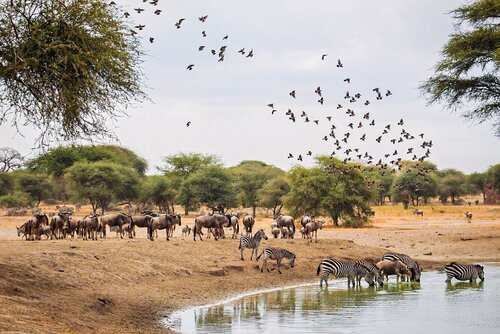
During the dry season, water sources outside the park begin to disappear. As a result, thousands of animals from surrounding ecosystems—including the Masai Steppe—move into Tarangire National Park in search of water and grazing land. This movement transforms the park into a concentrated wildlife sanctuary.
Large herds of zebras, wildebeests, elands, hartebeests, and gazelles enter the park in waves, followed closely by predators such as lions and hyenas. This creates intense predator-prey interactions that make game drives extremely exciting and unpredictable.
The Tarangire River becomes the central stage for this migration. Animals gather along its banks in massive numbers, creating one of the most photogenic safari experiences in Africa. With Joyful Safaris and Tours, travelers are guided to the best viewing points where these natural dramas unfold in real time.
Buffalo Herds and Grazing Mammals – The Power of Numbers
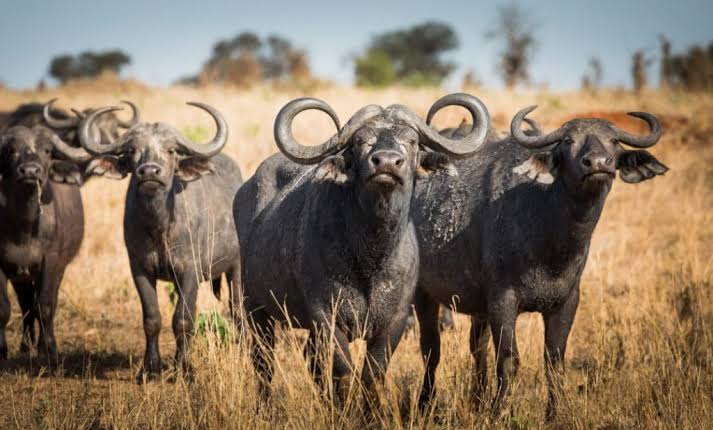
Another dominant presence in Tarangire is the African buffalo. Large herds, sometimes numbering in the hundreds, are commonly seen grazing across open plains or resting near water sources. These powerful animals play an important role in the ecosystem by shaping vegetation patterns and supporting predator populations.
Alongside buffaloes, Tarangire supports a wide range of herbivores including giraffes, impalas, waterbucks, kudu, warthogs, and various antelope species. Giraffes, in particular, are frequently spotted feeding gracefully on acacia trees, creating classic African safari imagery.
The diversity of grazing mammals ensures that predators always have opportunities for hunting, maintaining a balanced and dynamic ecosystem.
Birdlife of Tarangire – A Paradise for Avian Safari Experiences
Tarangire is not only a destination for big game enthusiasts but also one of the richest birdwatching locations in Tanzania. With more than 550 recorded species, it is a true paradise for ornithologists and nature lovers.
Wetlands, riverbanks, and seasonal swamps attract large populations of water birds, including herons, storks, kingfishers, and pelicans. Flamingos are occasionally seen in nearby wetland systems, especially during wetter months.
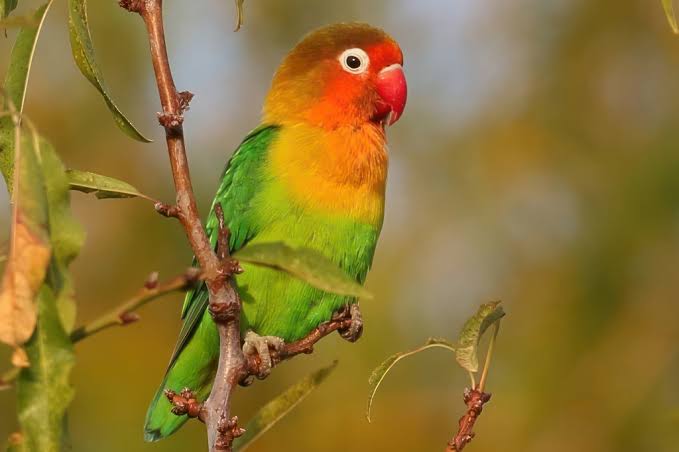
Acacia woodlands provide nesting grounds for hornbills, weavers, and lovebirds, while open savannahs are home to ostriches, secretary birds, and bustards. Raptors such as eagles, hawks, and vultures dominate the skies, especially in areas with active predator presence.
Between November and April, migratory birds from Europe and North Africa arrive, significantly increasing bird diversity and making this period ideal for birdwatching safaris with Joyful Safaris and Tours.
Rare and Special Wildlife Sightings – Beyond the Ordinary Safari
Tarangire National Park also offers rare wildlife encounters that make it stand out from other safari destinations. Occasional sightings of African wild dogs are considered highly special, as these endangered predators move in highly coordinated packs across large territories.
Other unique species include oryx, lesser kudu, and bat-eared foxes, which are more difficult to spot but add to the park’s biodiversity richness.
Even smaller mammals such as mongooses, genets, and civets contribute to the park’s complex food web, ensuring that every safari drive reveals something new and unexpected.
Ecological Balance – How Wildlife Shapes the Park
The wildlife of Tarangire is not isolated; it is part of a deeply interconnected ecosystem. Elephants shape vegetation structure, predators regulate herbivore populations, and migratory movements ensure balance between grazing pressure and plant regeneration.
Termite mounds scattered across the landscape create microhabitats for smaller species, while baobab trees provide shelter, food, and nesting spaces for both birds and mammals. Even the river system plays a central role in sustaining life during dry months.
This delicate balance is what makes Tarangire one of the most ecologically important parks in Tanzania.
Game Drives in Tarangire – The Heart of Every Safari Experience
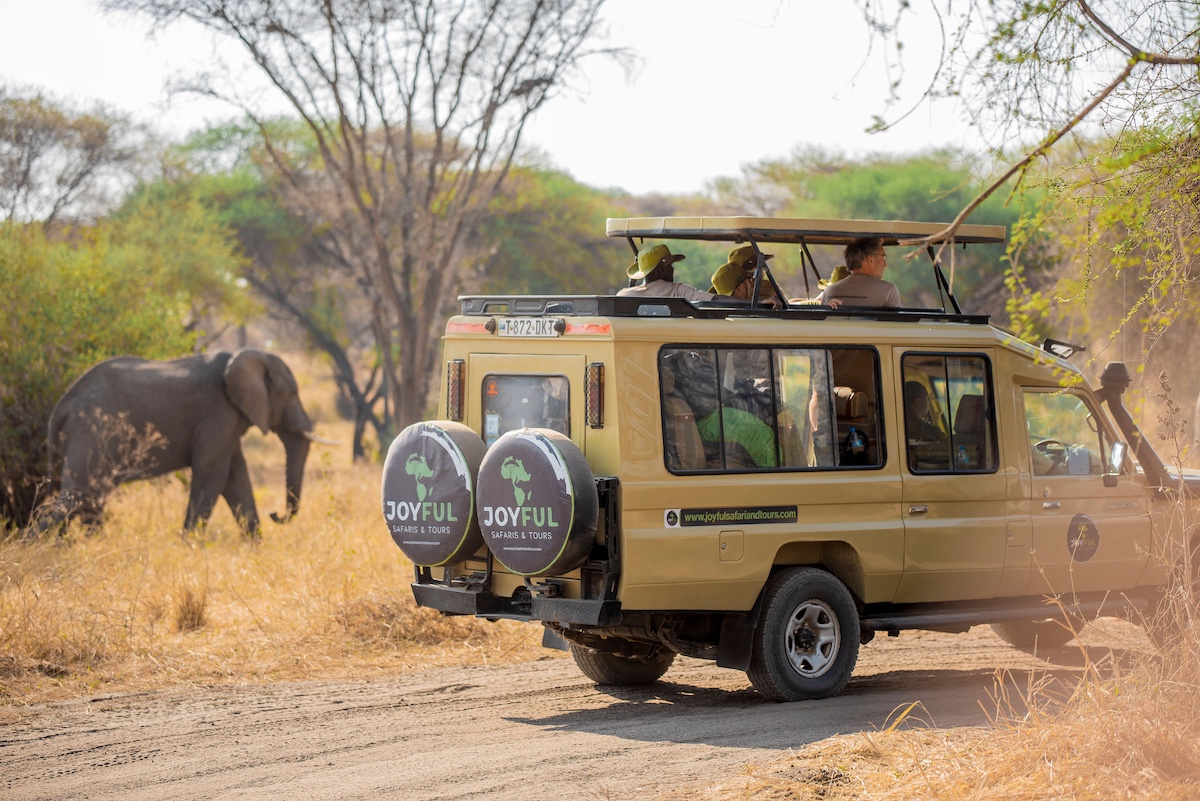
Game drives are the most popular and essential way to explore Tarangire National Park. With vast open landscapes and well-defined safari routes, the park offers excellent visibility and high chances of wildlife encounters throughout the year.
Morning game drives are especially rewarding, as animals are most active during the cooler hours. Elephants move in large herds toward water sources, predators patrol their territories, and grazing animals emerge from the bushlands. The golden morning light also creates perfect conditions for photography, making every moment visually stunning.
Afternoon and sunset game drives reveal a different atmosphere. The heat softens, shadows lengthen across the plains, and wildlife begins to gather near the Tarangire River. This is often when predator activity increases, offering exciting opportunities to witness natural hunting behavior.
With Joyful Safaris and Tours, game drives are carefully planned to maximize wildlife sightings while ensuring a comfortable and personalized safari experience.
Walking Safaris – A Deep Connection with the African Wilderness
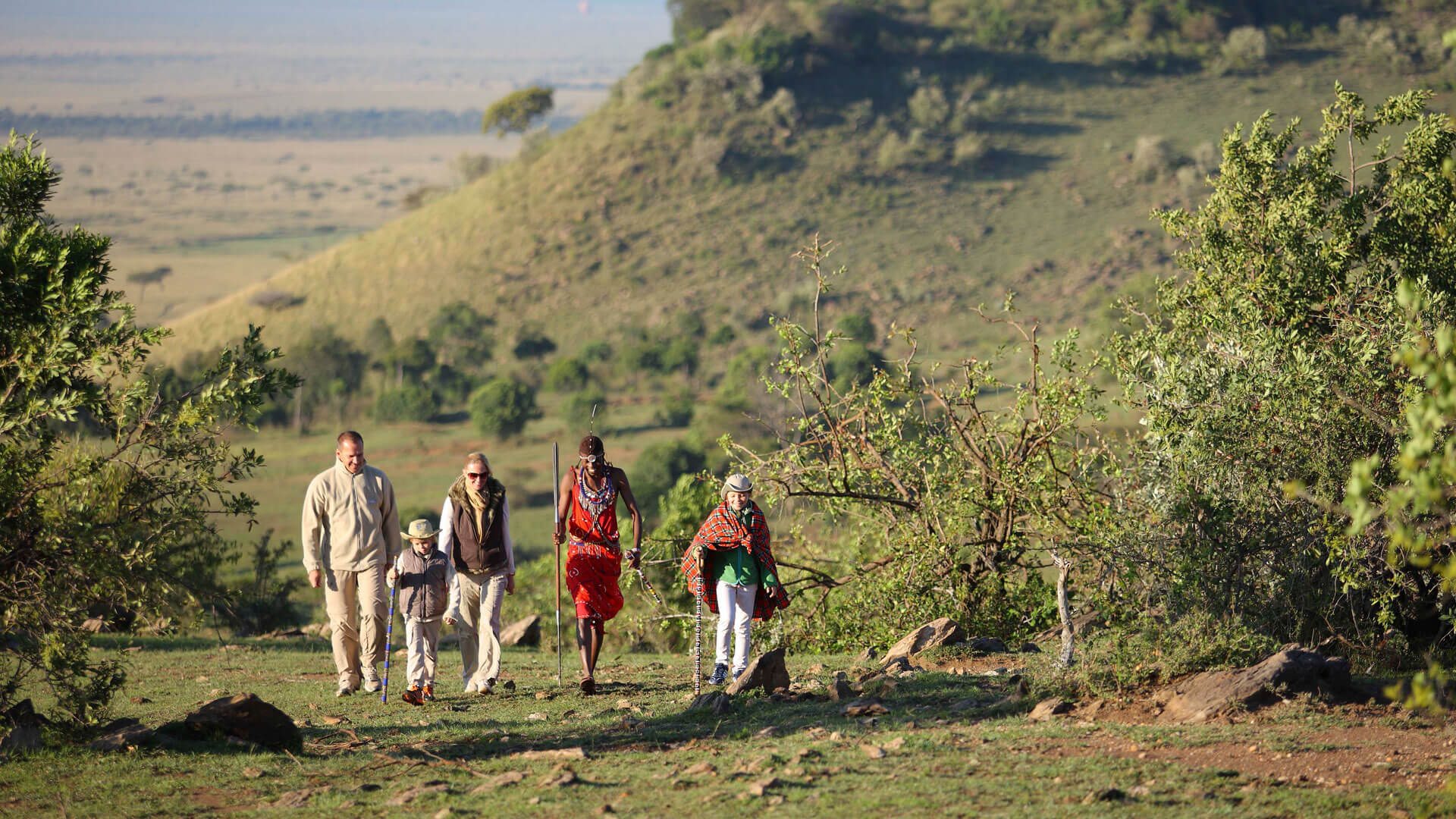
One of the most unique experiences in Tarangire National Park is the opportunity to take guided walking safaris in designated areas. Unlike vehicle-based safaris, walking safaris allow travelers to experience the bush at ground level, creating a more intimate and sensory connection with nature.
Accompanied by professional guides, visitors learn to read animal tracks, identify medicinal plants, observe insects, and understand the subtle signs of wildlife activity. Every footprint in the soil tells a story, and every sound in the bush becomes part of the experience.
Walking safaris also provide a deeper appreciation of the ecosystem’s smaller details—something often missed during game drives. The rustling of leaves, the calls of birds, and the scent of wild herbs all combine to create a fully immersive natural environment.
Photography Safaris – Capturing the Soul of Tarangire
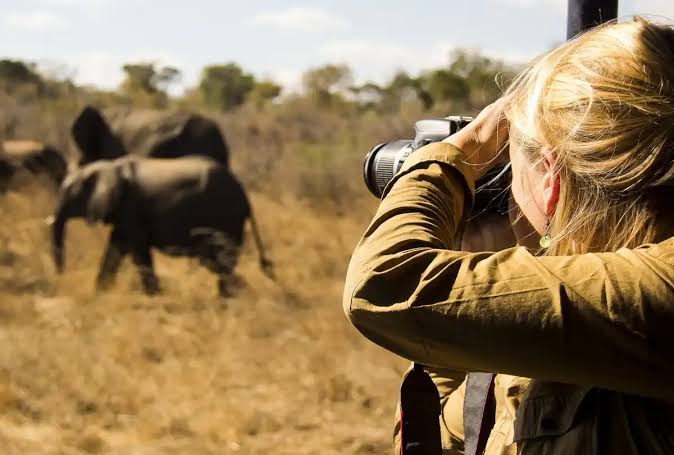
Tarangire is one of Tanzania’s most photogenic safari destinations, making it ideal for wildlife photography enthusiasts. The park’s diverse landscapes—ranging from open plains and river valleys to dramatic baobab forests—create endless opportunities for stunning compositions.
Large elephant herds moving across golden grasslands, silhouettes of giraffes against glowing sunsets, and dramatic predator scenes near waterholes all make Tarangire a dream destination for photographers.
The presence of iconic baobab trees adds a unique artistic dimension to safari photography. These ancient giants create natural frames and dramatic foregrounds that elevate every image.
With Joyful Safaris and Tours, photography-focused safaris are designed to position travelers in the best locations and lighting conditions for capturing unforgettable wildlife moments.
Birdwatching Safaris – A Colorful World Above the Plains
For bird enthusiasts, Tarangire National Park is one of the most rewarding birding destinations in East Africa. The park’s wetlands, woodlands, and river systems support an extraordinary variety of bird species throughout the year.
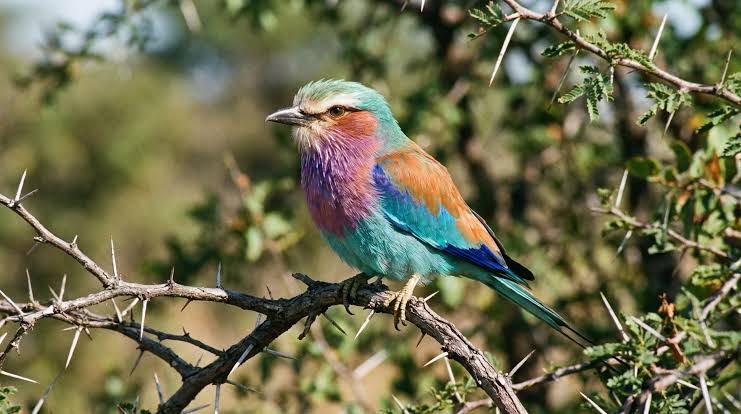
Birdwatching safaris often reveal colorful species such as hornbills, bee-eaters, kingfishers, and rollers. Raptors dominate the skies, especially in areas where predator activity attracts scavenging species.
During wet seasons, migratory birds from Europe and Asia add even greater diversity to the ecosystem.
Wetland areas near the Tarangire River and seasonal swamps become hotspots for bird activity, offering excellent viewing opportunities for both amateur and professional birdwatchers.
Cultural Experiences – Connecting with Local Maasai Heritage
A safari in Tarangire is not complete without exploring the rich cultural heritage of surrounding communities. The region is home to Maasai communities, known for their deep connection to nature, traditional lifestyle, and strong cultural identity.
Visitors can experience cultural tours that include traditional dances, village visits, storytelling sessions, and insights into pastoral life.
These experiences provide a meaningful contrast to wildlife exploration, offering a deeper understanding of how humans coexist with nature in this part of Tanzania.
Through Joyful Safaris and Tours, cultural experiences are conducted respectfully and sustainably, ensuring authentic interaction and mutual cultural appreciation.
Scenic Landscapes – The Beauty of Baobabs, Swamps & Open Plains
Beyond wildlife, Tarangire is famous for its breathtaking landscapes. The park is dominated by giant baobab trees that define its skyline and create one of the most iconic safari backdrops in Africa. These ancient trees, some over a thousand years old, stand as silent witnesses to centuries of ecological change.
Seasonal swamps such as Silale Swamp transform dramatically throughout the year. During wet months, they fill with water and support lush vegetation, while in dry months they attract large concentrations of wildlife seeking moisture and grazing.
Open savannah plains stretch endlessly across the park, offering panoramic views of wildlife movement. Rocky outcrops and river valleys add further diversity, making Tarangire one of the most visually dynamic safari landscapes in Tanzania.
Predator Tracking Experiences – Following the Wild Hunters
For those seeking thrilling safari encounters, predator tracking in Tarangire offers unforgettable moments. Lions, leopards, and hyenas follow predictable movement patterns based on prey availability and water sources.
Early morning and late afternoon drives often reveal lions resting after nighttime hunts or preparing for evening activity. Leopard sightings, though rare, are particularly rewarding due to their elusive nature and preference for dense vegetation.
With experienced guides from Joyful Safaris and Tours, travelers are taken to known predator zones where the chances of witnessing natural hunting behavior are significantly higher.
River Safari Experiences – Life Along the Tarangire River
The Tarangire River is not only a lifeline for wildlife but also a key attraction for safari experiences. Game drives along the riverbanks reveal some of the highest wildlife densities in the park.
During dry seasons, this area becomes a magnet for elephants, buffaloes, zebras, and antelopes. Predators closely follow these movements, creating dramatic wildlife interactions.
Birdlife is also abundant along the river, with kingfishers, herons, and fish eagles commonly seen hunting or nesting along the water’s edge.
Seasonal Safari Experiences – How Tarangire Changes Throughout the Year
Tarangire offers two completely different safari experiences depending on the season. During the dry season, wildlife is concentrated and highly visible, making it ideal for classic game drives and predator sightings.
During the wet season, the park transforms into a lush green paradise filled with flowers, migratory birds, and newborn animals. Although wildlife is more dispersed, the scenery becomes incredibly beautiful and peaceful.
Each season offers a unique perspective of the ecosystem, ensuring that no two safaris in Tarangire are ever the same.
Best Time to Visit Tarangire National Park – When the Wilderness Comes Alive
Tarangire is a year-round safari destination, but the experience changes dramatically depending on the season. The park’s wildlife behavior, vegetation density, and visibility are all influenced by rainfall patterns and the availability of water, especially around the Tarangire River.
Dry Season (June to October) – The Peak Safari Experience
The dry season is widely considered the best time for wildlife viewing in Tarangire National Park. During this period, water sources outside the park diminish, forcing animals to migrate toward permanent water sources inside the park.
This creates exceptional wildlife concentrations along the riverbanks, where elephants, zebras, wildebeests, buffaloes, and antelopes gather in large numbers. Predator sightings are also more frequent as lions, leopards, and hyenas follow prey movements.
For travelers booking with Joyful Safaris and Tours, this is the most recommended season for classic Tanzania safari experiences, offering high visibility, dramatic encounters, and unforgettable photography opportunities.
Green Season (November to May) – Lush Landscapes & Birding Paradise
The green season transforms Tarangire into a lush, vibrant ecosystem filled with fresh vegetation and dramatic skies. Although wildlife disperses across wider areas during this time, the park becomes incredibly scenic and peaceful.
This season is especially rewarding for birdwatching, as migratory species from Europe and North Africa arrive in large numbers. Wetlands and swamps become active breeding grounds, and the park’s biodiversity reaches its peak.
The green season is ideal for travelers seeking fewer crowds, lower safari costs, and stunning photographic conditions.
How to Get to Tarangire National Park – Travel Routes & Access Guide
Reaching Tarangire National Park is relatively easy due to its strategic location within Tanzania’s northern safari circuit. The park is well connected to major tourist hubs, making it a convenient addition to most safari itineraries organized by Joyful Safaris and Tours.
By Road – The Most Popular Safari Route
The most common way to reach Tarangire is by road from Arusha, the main safari gateway city in northern Tanzania. The drive takes approximately 2.5 to 3 hours, passing through scenic landscapes, rural villages, and open savannah plains.
This route is highly popular because it allows travelers to experience the changing landscapes of Tanzania before even entering the park. It also makes it easy to combine Tarangire with nearby destinations such as Lake Manyara and Ngorongoro.
Road safaris are fully supported by Joyful Safaris and Tours, offering comfortable 4×4 safari vehicles designed for wildlife viewing and photography.
By Air – Fast Access via Kilimanjaro and Arusha Airports
For travelers seeking faster access, flights are available into Kilimanjaro International Airport, followed by a short transfer to Arusha and onward to Tarangire.
Domestic flights can also be arranged from other parts of Tanzania, making it possible to connect Tarangire with longer safari circuits that include Serengeti National Park.
While flying saves time, road transfers remain the preferred option for most safari travelers due to the immersive experience along the journey.
Safari Entry Gates – Gateway into the Wilderness
Tarangire National Park has several entry points that connect visitors to different ecological zones of the park. Each gate provides access to unique wildlife viewing areas and landscapes.
The main entrance gate is located near the northern section of the park, offering direct access to the Tarangire River corridor, which is one of the most wildlife-rich areas. This region is especially active during the dry season when animals gather in large numbers.
Other access routes lead into southern and western sections of the park, where travelers can explore quieter landscapes, baobab forests, and less crowded safari routes.
With Joyful Safaris and Tours, entry points are strategically selected based on seasonal wildlife movement to ensure optimal safari experiences.
Recommended Safari Duration – How Long to Stay in Tarangire
The ideal duration for a Tarangire safari depends on travel goals and itinerary preferences. Most visitors spend between one to three days in the park.
A one-day safari offers a quick but rewarding introduction to Tarangire’s wildlife and landscapes, especially for travelers on shorter Tanzania itineraries.
A two-day safari allows for deeper exploration, including both morning and afternoon game drives, increasing chances of seeing predators and large elephant herds.
A three-day safari provides a fully immersive experience, allowing travelers to explore different regions of the park, enjoy slow-paced photography sessions, and experience wildlife behavior across different times of day.
Safari Planning Tips – Making the Most of Your Tarangire Experience
Planning a successful safari requires attention to detail, timing, and flexibility. Tarangire’s wildlife is highly dynamic, meaning each day can bring different encounters.
Early morning game drives are highly recommended, as wildlife is most active before temperatures rise. Afternoon drives offer excellent opportunities for predator sightings and dramatic sunset photography.
Light clothing, neutral colors, binoculars, and high-quality cameras are essential for maximizing the safari experience. Comfortable footwear is also recommended, especially for walking safaris and nature-based activities.
Travelers should also remain flexible, as wildlife movement is unpredictable and often influenced by water availability and seasonal changes.

Chat with Our Expert
Climate and Weather Guide – Understanding Safari Conditions
The climate in Tarangire National Park is generally warm throughout the year, with variations depending on rainfall patterns.
Mornings and evenings can be cool, especially during the dry season, while midday temperatures are usually warm and sunny. The rainy season brings short bursts of rainfall, often followed by clear skies.
These weather patterns contribute to the park’s ecological diversity and influence wildlife movement, making each season uniquely rewarding for safari experiences.
Safari Cost Considerations – Entry, Comfort & Value Experience
Safari costs in Tarangire vary depending on season, accommodation level, and travel style. Entry fees are regulated by Tanzania’s conservation authorities, while safari packages depend on accommodation choices ranging from budget camping to luxury lodges.
With Joyful Safaris and Tours, safari packages are designed to offer excellent value while maintaining comfort, safety, and high-quality guiding services. Whether travelers choose mid-range or luxury experiences, Tarangire consistently delivers strong wildlife value for money.
Safari Lodges in Tarangire – Luxury in the Heart of the Wild
Tarangire is known for offering some of the most scenic safari lodges in northern Tanzania. These lodges are carefully positioned to maximize wildlife viewing even from your room, balcony, or dining area.
Luxury lodges inside and around the park provide panoramic views of river valleys, open savannahs, and active wildlife corridors. Guests often wake up to the sight of elephants walking past nearby waterholes or hear distant lion calls during the night, creating a truly immersive safari atmosphere.
One of the defining features of Tarangire lodges is their integration with nature. Many are built using eco-friendly designs that blend into the landscape, ensuring minimal environmental impact while offering maximum comfort. Large open decks, infinity pools, and outdoor lounges allow visitors to relax while still feeling connected to the wild surroundings.
Mid-range lodges and tented camps provide a balance between comfort and adventure. These accommodations often feature spacious safari tents with private bathrooms, traditional décor, and dining areas overlooking the bush. Even at this level, wildlife sightings remain a common part of the experience.
Budget-friendly camps outside the park also offer a more rustic and adventurous stay while still maintaining access to Tarangire’s main wildlife areas.
Recommended Safari Lodges & Camps Experience Style Overview
Within and around Tarangire National Park, accommodation options are diverse and carefully designed to suit different travel preferences.
Luxury lodges offer exclusive experiences with high-end service, private viewing decks, and exceptional locations near wildlife hotspots. These properties are ideal for honeymooners, photographers, and travelers seeking maximum comfort in the wilderness.
Tented safari camps provide a more traditional safari experience where guests sleep in canvas tents while still enjoying modern amenities. These camps are often located in remote areas, allowing for closer proximity to wildlife migration routes and natural sounds of the bush at night.
Community-based lodges and eco-camps provide a sustainable tourism experience, supporting local communities while offering authentic cultural and wildlife immersion.
With Joyful Safaris and Tours, accommodation is carefully selected to match each traveler’s safari expectations, ensuring comfort, safety, and unforgettable views of the African wilderness.
Safari Packages to Tarangire – Curated Experiences
Safari packages to Tarangire are designed to provide seamless travel experiences that combine wildlife viewing, accommodation, transportation, and expert guiding services.
Short safari packages typically focus on 1–2 days in Tarangire, ideal for travelers with limited time who still want to experience elephant herds, baobab landscapes, and classic game drives.
Mid-length safari itineraries often combine Tarangire with nearby destinations such as Lake Manyara and Ngorongoro Crater, offering a well-rounded introduction to northern Tanzania’s safari circuit.
Extended safari packages may include Tarangire as part of a larger journey that continues into Serengeti National Park, allowing travelers to experience both seasonal migration ecosystems and year-round wildlife hotspots.
Each package offered by Joyful Safaris and Tours is customized to ensure maximum wildlife exposure, comfort, and value. Professional guides ensure that every safari drive is optimized based on seasonal animal movements and real-time field conditions.
Why Tarangire Safari Packages Are Highly Recommended
Tarangire remains one of the most valuable additions to any Tanzania safari itinerary due to its unique combination of accessibility, wildlife density, and scenic beauty.
Unlike more crowded safari parks, Tarangire offers a peaceful and less commercialized experience. This allows travelers to enjoy uninterrupted wildlife viewing without heavy tourist traffic.
The presence of massive elephant herds, seasonal migrations, and diverse birdlife makes it a highly rewarding destination for both first-time visitors and experienced safari travelers.
For photography enthusiasts, Tarangire delivers unmatched visual diversity—from golden savannahs and dramatic skies to iconic baobab silhouettes and river-based wildlife scenes.
Final Safari Experience – The Emotional Impact of Tarangire
Visiting Tarangire National Park is more than just a travel experience—it is an emotional journey into one of Africa’s most timeless landscapes. The park leaves a lasting impression on every traveler, not only because of its wildlife, but because of its atmosphere of peace, vastness, and natural harmony.
Standing under ancient baobab trees while watching elephant herds move silently across the plains creates a deep connection with nature that is difficult to find anywhere else in the world. Every sunset over the Tarangire River feels like a painting, and every morning game drive brings new surprises from the wild.
With Joyful Safaris and Tours, this experience is elevated through expert guidance, carefully designed itineraries, and a deep passion for African wildlife and conservation.
Why Tarangire Should Be on Every Safari Bucket List
Tarangire National Park stands as one of Tanzania’s most underrated yet powerful safari destinations. It combines high wildlife density, iconic landscapes, and seasonal migration dynamics into one unforgettable ecosystem.
From its legendary elephant herds and ancient baobab forests to its predator-rich river corridors and world-class birdlife, Tarangire delivers a complete African safari experience in its purest form.
For travelers seeking an authentic, less crowded, and deeply immersive safari, Tarangire is an essential destination. With Joyful Safaris and Tours, every journey into this wilderness becomes a professionally guided, emotionally rich, and visually stunning adventure.
This is not just a park—it is a living story of Africa, written in rivers, elephants, skies, and endless golden plains.