
Table of Contents
ToggleTanzania Southern Circuit Safaris: The Ultimate Guide to Luxury Southern Tanzania
Tanzania Southern Circuit safaris take you into a side of Tanzania that many travelers never experience. Far from the better-known safari routes of the north, Southern Tanzania is defined by enormous wilderness, powerful rivers, ancient baobabs, exceptional wildlife, intimate camps and a remarkable sense of space.
For luxury travelers, this distinction is important. A safari in Southern Tanzania is not simply about seeing the Big Five or collecting photographs. It is about experiencing Africa at a slower and more immersive pace—following a herd of elephants through woodland, drifting quietly along the Rufiji River, walking through the bush with an expert guide, watching predators in an uncrowded wilderness, and returning to a beautifully designed camp where the sounds of the African night become part of the experience.
The Southern Circuit is particularly compelling for travelers who value privacy, authenticity, exclusivity and wilderness. While the Northern Circuit remains the obvious choice for iconic experiences such as the Serengeti and Ngorongoro Crater, Southern Tanzania offers a different proposition: larger-feeling landscapes, fewer visitors in many areas, a greater variety of safari activities and a stronger feeling of being away from the established tourist routes.
The principal destinations are Nyerere National Park, Ruaha National Park, Mikumi National Park and Udzungwa Mountains National Park. Each contributes something different to a Southern Circuit journey. Nyerere brings the Rufiji River, wetlands and boat safaris; Ruaha delivers extraordinary landscapes, elephants and predators; Mikumi provides accessibility and productive wildlife viewing; while Udzungwa introduces mountain forests, hiking and waterfalls.
For the traveler seeking a truly memorable luxury safari, the greatest strength of the Southern Circuit is not any single park.
It is the combination of experiences.
What Is the Tanzania Southern Circuit?
The Tanzania Southern Circuit is a broad safari region encompassing some of the country’s most important wilderness areas in the south and southwest. Unlike the compact sequence of famous parks that makes up much of the Northern Circuit, the Southern Circuit is characterized by enormous distances, expansive ecosystems and a more dispersed safari experience.
The region is anchored by Nyerere National Park and Ruaha National Park, with Mikumi and Udzungwa adding further possibilities for travelers who have more time or want to diversify their experience.
The official Tanzania tourism authorities highlight Southern Tanzania for its extensive landscapes, wildlife, river experiences, hiking opportunities and comparatively intimate wilderness character. TANAPA identifies Nyerere and Ruaha among the country’s major protected areas, with distinctive ecosystems and extensive opportunities for wildlife viewing and adventure.
This geographical scale is one of the defining characteristics of the Southern Circuit.
In the north, travelers often move between several famous destinations within a relatively concentrated itinerary. In the south, the journey itself becomes part of the safari. Internal flights, remote airstrips, long wilderness corridors and small camps contribute to the feeling that you are traveling into rather than simply visiting the wilderness.
That makes Southern Tanzania particularly attractive to luxury travelers who have already experienced more conventional safari destinations—or who are specifically looking for an African journey that feels more private and exploratory.
Why Choose Tanzania Southern Circuit Safaris?
There are many reasons to visit Southern Tanzania, but the strongest argument is simple:
The Southern Circuit offers a different kind of safari.
It is not necessarily better than the Northern Circuit. It is different in ways that matter enormously to certain travelers.
- More intimate wilderness experiences
One of the first things many visitors notice in Southern Tanzania is the sense of space.
Wildlife sightings can feel more personal because there are often fewer vehicles concentrated around the same animal. Instead of arriving at a famous sighting and finding a cluster of vehicles, you may spend time with your guide searching across a huge landscape before discovering wildlife almost by yourselves.
This is particularly valuable to photographers and luxury travelers.
You can spend more time observing behavior rather than worrying about how many other vehicles are waiting.
A lion may settle beneath a tree.
Elephants may approach a water source.
Wild dogs may move through the grassland.
And rather than treating the sighting as a quick photograph before moving on, you can allow the encounter to unfold naturally.
That freedom is one of the great luxuries of safari.
- Exceptional wildlife
Southern Tanzania supports a remarkable diversity of wildlife.
Depending on the destination, habitat and season, travelers can encounter elephants, lions, leopards, buffalo, hippos, crocodiles, giraffes, zebras, wildebeest, impala, kudu, waterbuck, hartebeest, wild dogs and numerous other species.
Ruaha is particularly renowned for its elephant population and predator encounters, while Nyerere is one of Tanzania’s important strongholds for African wild dogs.
The important point, however, is that wildlife viewing in Southern Tanzania is not simply about ticking animals off a list.
The landscape itself becomes part of the experience.
A herd of elephants crossing an open plain means something different when the nearest road, vehicle or building is nowhere in sight.
A lion calling at night sounds different when your camp is surrounded by wilderness rather than a heavily developed tourism zone.
And watching hippos in the Rufiji River from a boat creates an entirely different perspective from watching them from a safari vehicle.
- A wider range of safari activities
Traditional game drives remain central to Southern Tanzania, but they are not the only way to experience the region.
Depending on the park, camp and local regulations, travelers may be able to enjoy:
- Private game drives
- Shared game drives
- Walking safaris
- Boat safaris
- Birdwatching
- Photography
- Fishing in designated areas
- Cultural experiences
- Hiking
- Bush breakfasts
- Bush lunches
- Sundowners
- Nighttime camp experiences
- Stargazing
This variety is one reason Southern Tanzania works particularly well for longer luxury journeys.
A ten-day safari does not have to mean ten days sitting in a vehicle.
You can change the rhythm.
One day might involve a dawn game drive. The next could begin with a walking safari. Another afternoon could be spent drifting down the Rufiji. Later in the journey, you could exchange the savannah for mountain forest in Udzungwa.
The result feels like an expedition rather than a conventional holiday.
- Remote luxury
Luxury in Southern Tanzania has a particular character.
It is rarely about enormous resorts, marble lobbies or dozens of restaurants.
Instead, luxury is expressed through location, privacy, service, guiding, food and attention to detail.
A beautifully positioned tent can provide more memorable luxury than a large hotel if you wake to elephants outside camp, eat dinner beneath the stars and spend the afternoon with a private guide who knows the landscape intimately.
The finest Southern Circuit camps tend to emphasize their surroundings rather than compete with them.
You may have a private veranda overlooking a river or plain, an outdoor shower beneath the stars, carefully prepared meals, personalized service and a campfire where your guide explains the events of the day.
This is low-impact, wilderness-based luxury.
And for many experienced travelers, it is the most meaningful form of luxury available.
Nyerere National Park: The River Wilderness of Southern Tanzania
Nyerere National Park is one of the essential destinations on any serious Southern Circuit itinerary.
Formerly associated with the Selous ecosystem, Nyerere is distinguished by its enormous size and the presence of the Rufiji River system.
The river changes everything.
Instead of experiencing the landscape solely from a vehicle, travelers can explore sections of the ecosystem by boat, watching wildlife from the water and experiencing the riverbanks from a completely different perspective.
For a first-time Southern Circuit traveler, Nyerere is often the ideal introduction to Southern Tanzania because it immediately demonstrates how different the south can feel from the more familiar safari destinations of northern Tanzania.
The Rufiji River Experience
The Rufiji is the defining feature of Nyerere.
The river and its associated channels, lakes and floodplains support an extraordinary concentration of aquatic and terrestrial life.
Boat safaris allow travelers to move quietly through this environment.
You may see hippos partially submerged in the water, crocodiles lying motionless along the banks, elephants approaching the shoreline, birds feeding in shallow water and fish eagles watching from trees.
The pace is also different.
A vehicle safari tends to move across the landscape.
A boat safari moves with the landscape.
There is something uniquely peaceful about drifting along the river while your guide interprets the ecosystem around you.
For couples and honeymooners, this can be one of the most romantic experiences in Tanzania.
Wildlife in Nyerere
Nyerere is home to a wide variety of wildlife, including:
- African wild dogs
- Elephants
- Lions
- Leopards
- Buffalo
- Hippos
- Crocodiles
- Giraffes
- Zebras
- Wildebeest
- Impala
- Waterbuck
- Greater kudu
- Numerous bird species
African wild dogs are particularly important to the park’s reputation.
Seeing them is never guaranteed, because they are highly mobile and naturally unpredictable, but Nyerere offers an important habitat for this endangered predator.
For photographers, wild dogs can provide extraordinary opportunities because their social behavior is so dynamic.
A pack may rest together, interact with one another, prepare for a hunt or suddenly disappear across the landscape.
Ruaha National Park: The Wild Heart of Tanzania
If Nyerere is defined by water, Ruaha is defined by wildness.
Ruaha National Park is one of Tanzania’s great wilderness destinations and one of the most compelling parks in East Africa for travelers who want expansive landscapes and serious wildlife experiences.
The park covers approximately 20,000 square kilometers and forms part of a much larger ecosystem.
That scale is important.
Ruaha does not feel like a small wildlife enclosure.
It feels like a wilderness.
The landscape combines open plains, rocky terrain, woodland, seasonal rivers and iconic baobabs.
The Great Ruaha River provides an important source of water and creates a focal point for wildlife, particularly during drier periods.
Why Ruaha Is Special
Ruaha has a distinctive visual identity.
Ancient baobabs rise from the landscape.
Rocky outcrops appear across the horizon.
Woodland stretches toward distant hills.
Golden grasslands change color as the seasons progress.
And elephants move through the landscape in herds that can make a single vehicle seem very small.
The park is particularly attractive to travelers who enjoy wildlife behavior and ecological storytelling, rather than simply seeking the highest possible number of species.
A knowledgeable guide can explain how animals respond to seasonal changes, where predators are likely to move, how elephants use different habitats and why certain areas become productive at particular times of year.
That is when safari becomes more than sightseeing.
It becomes interpretation.
Wildlife in Ruaha
Ruaha is particularly known for:
- Elephants
- Lions
- Leopards
- African wild dogs
- Buffalo
- Greater kudu
- Lesser kudu
- Giraffes
- Hippos
- Crocodiles
- Impala
- Waterbuck
- Numerous bird species
The park’s kudu populations are particularly interesting for travelers who enjoy antelope.
Ruaha is also an excellent destination for birdwatchers, with hundreds of recorded species.
For photographers, the combination of wildlife and landscape is especially powerful.
You are not photographing animals against an interchangeable background.
The baobabs, rock formations, riverbeds and woodland become part of the composition.
Nyerere vs Ruaha: Which Should You Choose?
This is one of the most important decisions when planning Southern Circuit safaris.
The answer depends on your priorities.
Choose Nyerere if you want:
- Boat safaris
- River landscapes
- Hippos and crocodiles
- African wild dogs
- Wetland ecosystems
- A strong variety of safari activities
- Easy combination with Dar es Salaam
Choose Ruaha if you want:
- Vast wilderness
- Exceptional elephant encounters
- Lions and predators
- Dramatic landscapes
- Baobabs
- Greater kudu
- A more remote safari atmosphere
Choose both if:
You have approximately a week or more dedicated to Southern Tanzania and want a comprehensive experience.
The combination is powerful because the two parks are fundamentally different.
Nyerere gives you water and river wilderness.
Ruaha gives you dry-country wilderness and dramatic landscapes.
Together, they create a much richer understanding of Southern Tanzania.
Mikumi National Park: An Accessible Southern Safari
Mikumi National Park occupies an important position in Southern Tanzania.
It is more accessible than some of the region’s remote destinations and can therefore be useful for travelers with limited time or those beginning their Southern Circuit journey around Dar es Salaam.
The park is part of the larger ecosystem associated with the Selous/Nyerere landscape and offers opportunities to see a variety of wildlife across open plains and woodland.
For luxury travelers, Mikumi may not always be the primary destination.
Instead, it can serve a strategic role.
It can be incorporated into a longer itinerary, used as a first introduction to Southern Tanzania, or considered when logistics and travel time make it advantageous.
Its accessibility can be especially valuable for travelers who want a safari experience without committing to extensive overland travel.
Udzungwa Mountains National Park: A Different Side of Tanzania
Udzungwa changes the definition of a Southern Circuit safari.
This is a destination for travelers who want to leave the safari vehicle behind.
The Udzungwa Mountains form part of the Eastern Arc Mountains, a chain of ancient mountains recognized for exceptional biodiversity.
The environment is lush, forested and dramatically different from the savannah landscapes of Nyerere and Ruaha.
Walking trails lead through forest environments toward waterfalls and mountain viewpoints.
For active luxury travelers, this can be an excellent complement to several days of game viewing.
After watching elephants and lions from a vehicle, hiking through mountain forest creates an entirely new sensory experience.
You hear different birds.
You notice different plants.
The temperature changes.
The landscape becomes vertical.
And the journey becomes physical.
Wildlife You Can See on a Southern Tanzania Safari
A major misconception about Southern Tanzania is that choosing the Southern Circuit means sacrificing wildlife.
That is not the case.
The region supports a remarkable range of species.
Elephants
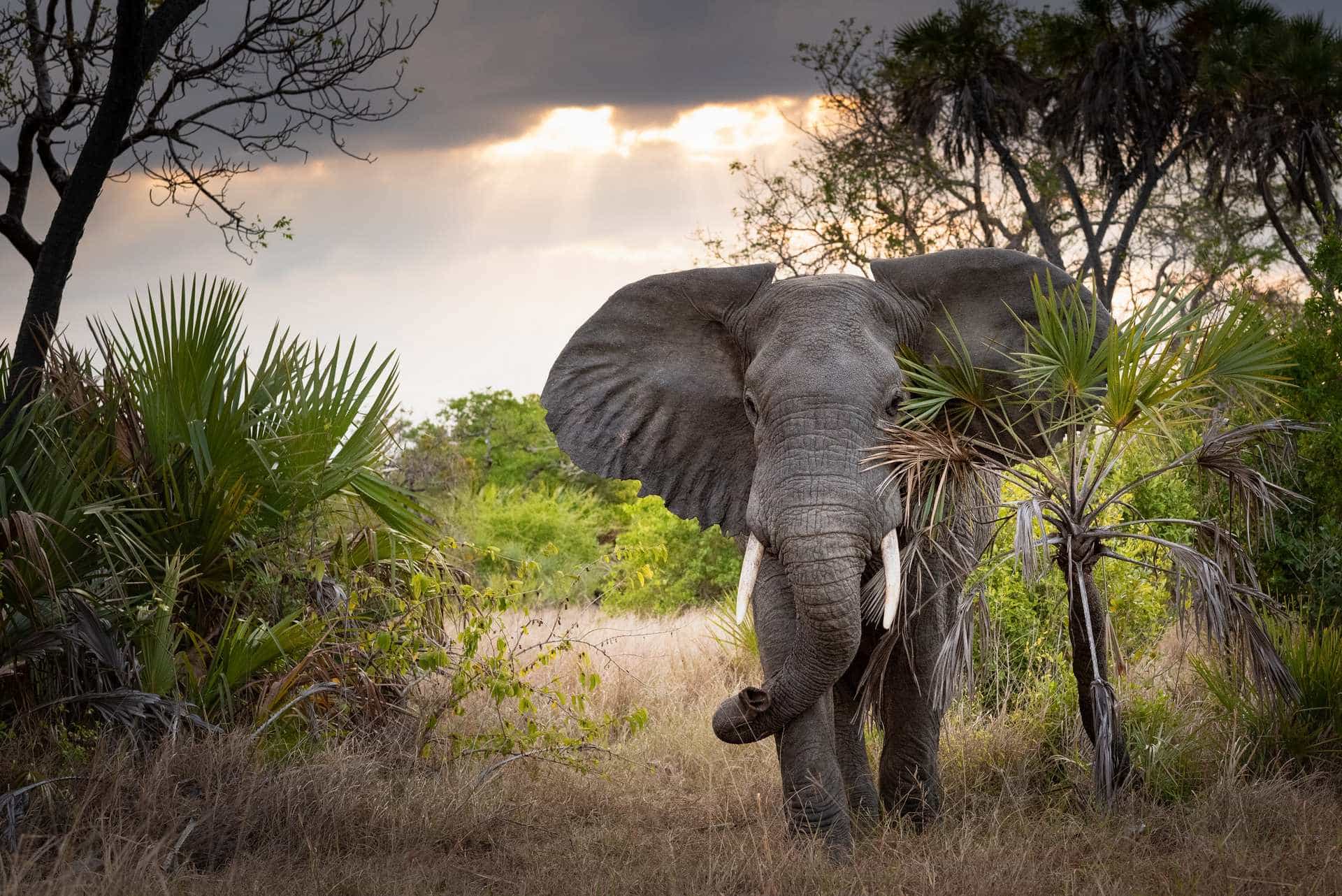
Elephants are one of the great highlights of Southern Tanzania.
Ruaha in particular is strongly associated with elephants, and seeing large herds moving through the landscape can be one of the defining experiences of a safari.
The scale of the landscape makes these encounters especially impressive.
A herd can appear small in the distance before gradually approaching your vehicle.
The experience is not simply about getting close.
It is about watching their behavior.
Young elephants playing.
Adults feeding.
Matriarchs directing movement.
Individuals communicating through subtle sounds and gestures.
Lions
Southern Tanzania provides strong opportunities for lion sightings, particularly in productive habitats where prey concentrations support prides.
However, responsible safari operators should never promise guaranteed sightings.
Wildlife is wild.
A good guide does not simply drive from one known location to another.
They interpret tracks, alarm calls, prey behavior, weather, habitat and recent sightings to decide where to search.
That process is part of the adventure.
Leopards
Leopards are among Africa’s most elusive predators.
Their solitary behavior, camouflage and nocturnal tendencies make them harder to locate than lions.
Southern Tanzania provides leopard habitat, but sightings require patience and luck.
A leopard disappearing into woodland may be just as memorable as a leopard sitting perfectly in the open.
For serious photographers, these uncertain encounters are often among the most rewarding.
African Wild Dogs
Few African safari experiences are more exciting than finding an African wild dog pack.
Their social behavior is fascinating.
They communicate constantly, move rapidly and can suddenly transition from resting to hunting.
Nyerere and Ruaha are important destinations for travelers specifically interested in African wild dogs.
Because wild dogs cover large distances, however, sightings remain unpredictable.
That unpredictability is precisely why finding them can feel so extraordinary.
Buffalo
Large buffalo herds are a familiar feature of many Southern Tanzania ecosystems.
Buffalo are particularly interesting because they interact differently with the landscape depending on season, water availability and predator pressure.
They can form enormous herds in open areas or disappear into thicker woodland.
Giraffes, Zebra and Antelope
Southern Tanzania is home to numerous herbivore species.
Giraffes provide some of the most visually striking encounters because they stand out dramatically against the landscape.
Zebra and wildebeest may occur in open grassland, while different antelope species occupy different ecological niches.
Ruaha is particularly interesting for travelers who enjoy antelope identification because of its populations of greater and lesser kudu.
The Big Five in Southern Tanzania
The term Big Five—lion, leopard, elephant, buffalo and rhinoceros—has become one of the most recognizable phrases in safari tourism.
Southern Tanzania can provide encounters with several of these species, especially elephants, buffalo, lions and leopards.
Rhinoceros are considerably more challenging and should never be presented as a guaranteed Southern Circuit sighting.
This is important when evaluating safari companies.
A reputable operator should explain realistic wildlife expectations rather than promising a checklist.
The real value of Southern Tanzania is not whether you can photograph five specific animals in one trip.
It is the quality and context of the encounters.
Best Time for Tanzania Southern Circuit Safaris
Choosing the right season can significantly influence your experience.
However, there is no single “best” month for every traveler.
The best time depends on whether you prioritize:
- Wildlife concentration
- Green landscapes
- Birdwatching
- Photography
- Walking
- Lower visitor numbers
- Weather
- Accommodation availability
- Budget
June to October: The Classic Dry Season
The dry season is generally one of the most popular periods for safari.
As water becomes less abundant, wildlife may concentrate around permanent rivers, lakes and remaining water sources.
Vegetation can also become less dense, making animals easier to locate.
For first-time safari travelers, this period offers a strong balance of wildlife viewing and generally favorable safari conditions.
The trade-off is that peak-season demand can increase accommodation prices and availability can become more limited at the most desirable camps.
For luxury travelers, booking well in advance is therefore important.
November to December: The Green Season Begins
The landscape begins changing as rainfall returns.
The bush becomes greener.
Birdlife can become particularly rewarding.
Migratory birds may add further interest for birdwatchers.
The atmosphere can feel dramatically different from the dry season.
For photographers, green-season landscapes can produce richer backgrounds, dramatic skies and excellent light.
The downside is that rainfall can affect road conditions and wildlife can be more dispersed because water becomes widely available.
January to March: Green Tanzania
The early part of the year can offer beautiful landscapes and excellent birdwatching.
This can be particularly attractive to experienced travelers who have already visited Tanzania during the dry season and want to see the country from a different perspective.
The bush can be lush and vibrant, and newborn wildlife may add another dimension to the experience depending on the destination and local conditions.
For luxury travelers who value photography, scenery and fewer visitors more than guaranteed dry weather, this period can be rewarding.
April to May: The Quiet Season
The long rains can make April and May more challenging from a logistics perspective.
Some camps may close seasonally, roads can become difficult and certain activities may be limited.
However, this period can also provide exceptionally quiet wilderness experiences in places that remain operational.
Travelers considering a Southern Circuit safari during the rains should work with an operator who understands seasonal camp closures, road conditions and flight logistics.
The question should not simply be whether it rains.
It should be:
Which camps and destinations operate well during that period?
Southern Tanzania Month-by-Month Overview
Month | Landscape | Wildlife | Visitor Levels | Best For |
January | Green | Very good | Lower | Photography, birding |
February | Green | Very good | Lower | Wildlife, photography |
March | Green | Good | Lower | Quiet safari |
April | Very green | Variable | Very low | Experienced travelers |
May | Green | Variable | Very low | Private wilderness |
June | Drying | Excellent | Rising | Wildlife |
July | Dry | Excellent | High | Classic safari |
August | Dry | Excellent | High | Wildlife & photography |
September | Dry | Excellent | High | Predators, elephants |
October | Very dry | Excellent | Moderate-high | Wildlife |
November | Green begins | Good | Lower | Birding, scenery |
December | Green | Good | Moderate | Festive luxury travel |
Luxury Accommodation in Southern Tanzania
Accommodation is a major part of the Southern Circuit experience.
Because the region is remote, many of the best properties are small camps rather than conventional hotels.
The ideal luxury camp should feel integrated into its environment.
That might mean:
- A tent overlooking a river
- A private deck facing the wilderness
- Outdoor bathing
- Open-air dining
- A fire beneath the stars
- Personalized meals
- Small guest numbers
- A dedicated guide
- Flexible activity schedules
The best camp is not necessarily the one with the most luxurious room.
It is the one that delivers the best combination of location, guiding, privacy and experience.
What Does a Luxury Safari Actually Include?
Travelers often use the word “luxury” without defining it.
On a high-end Southern Circuit safari, luxury may involve:
Private transportation
Instead of joining a vehicle with other guests, you have a private safari vehicle and guide.
This gives you control over the day’s schedule.
Flexible game drives
You can spend longer at sightings that interest you.
If you are photographing elephants for an hour, nobody else is waiting impatiently to leave.
High-quality guiding
Your guide becomes your interpreter, naturalist, logistics coordinator and cultural ambassador.
Premium camps
Accommodation is carefully selected based on location, service, food, comfort and exclusivity.
Seamless logistics
Internal flights, airport transfers and park arrangements are coordinated so you do not have to manage the details yourself.
Personalized experiences
Private bush breakfasts, sundowners, walking experiences and special celebrations can often be arranged according to your interests.
That is the difference between simply buying accommodation and designing a safari.
Private Safari vs Group Safari
For luxury travelers, a private safari is usually worth considering.
A private vehicle means the itinerary revolves around you.
If you are interested in photography, your guide can adapt accordingly.
If you are traveling with children, the schedule can be more flexible.
If you are honeymooning, you can prioritize privacy and romantic experiences.
If you are passionate about birds, the guide can slow down and identify species rather than rushing toward large mammals.
A shared vehicle can still be enjoyable and considerably more economical, but it inevitably introduces other people’s schedules and priorities.
For travelers investing heavily in a once-in-a-lifetime journey, private guiding often represents one of the most valuable upgrades available.
Walking Safaris in Southern Tanzania
Walking is one of the most profound ways to experience Africa.
From a vehicle, your attention naturally focuses on large animals.
On foot, the scale changes.
You notice tracks.
You notice dung.
You hear insects.
You see plants.
You interpret bird calls.
You begin to understand how animals move through the landscape.
Walking also teaches respect.
A safari vehicle provides a sense of security and distance.
Walking reminds you that you are part of the ecosystem.
Walking activities must always be conducted under appropriate professional guidance and according to the rules of the specific protected area.
Boat Safaris on the Rufiji
A boat safari is one of the experiences that most clearly differentiates Nyerere from many classic safari destinations.
The river creates a constantly changing scene.
A hippo surfaces.
A crocodile slips into the water.
A fish eagle calls.
An elephant approaches the bank.
Birds move through reeds and trees.
The experience is generally slower than a game drive.
That is exactly why it works so well.
There is time to observe.
There is time to photograph.
There is time simply to sit quietly.
For honeymooners, a private sunset boat experience can be one of the most memorable moments of the entire journey.
Birdwatching in Southern Tanzania
Southern Tanzania deserves much more attention from bird enthusiasts.
The combination of wetlands, rivers, woodland, savannah and mountain forests creates exceptional habitat diversity.
Nyerere’s river environment is particularly interesting for water-associated species.
Ruaha offers extensive savannah and woodland birdlife.
Udzungwa provides an entirely different forest environment with specialized species.
A serious birdwatching itinerary should therefore be planned differently from a conventional Big Five safari.
Your guide should understand bird identification, calls, habitats and seasonal movements.
If birding is one of your priorities, tell your safari designer before booking.
The itinerary can then be built around your interests rather than simply adding binoculars to a standard game-drive schedule.
Photography on a Southern Tanzania Safari
Southern Tanzania is exceptionally attractive to photographers because of its landscapes.
In addition to wildlife, you have:
- Baobabs
- Rivers
- Floodplains
- Woodland
- Mountains
- Dramatic skies
- Golden grasses
- Silhouettes
- Wildlife behavior
The best photography safari is not necessarily the one that visits the greatest number of parks.
It is the one that gives you time.
Time at sightings.
Time for changing light.
Time to wait for behavior.
Time to reposition.
Time to return to an area later in the day.
This is another reason private vehicles are valuable.
Tanzania Southern Circuit for Honeymoons
A Southern Circuit honeymoon can be remarkably romantic.
Unlike a conventional beach-only honeymoon, it combines adventure, intimacy and relaxation.
Imagine beginning the day with a private game drive before breakfast, returning to camp for a relaxed lunch, taking an afternoon boat safari and ending the day with a private dinner beneath the stars.
Then, after several days in the bush, fly to Zanzibar for a completely different experience.
The ideal honeymoon does not need to be constantly busy.
In fact, luxury honeymoon itineraries are often better when they include several nights in one camp.
You wake up knowing you do not have to pack your bags.
You become familiar with the staff.
Your guide learns your preferences.
The camp begins to feel like home.
That sense of belonging is one of the great pleasures of a slow safari.
Tanzania Southern Circuit for Families
Southern Tanzania can work exceptionally well for private family safaris.
The major advantage is flexibility.
Children may not want to spend eight hours on a game drive.
A private itinerary allows the day to be adapted.
Shorter drives can be combined with camp activities, swimming where available, walking experiences for appropriate ages and carefully planned wildlife encounters.
Families should select camps based on age policies and available activities.
The safari should also be designed around realistic expectations.
A three-year-old and a fifteen-year-old have completely different needs.
A professional safari planner should ask about ages, interests, travel experience and preferred pace before recommending camps.
How to Combine Nyerere and Ruaha
For many luxury travelers, this is the classic Southern Circuit combination.
A strong itinerary might look like:
Dar es Salaam → Nyerere → Ruaha → Dar es Salaam
The internal flights reduce travel time and allow you to spend more hours actually experiencing the parks.
A typical structure could be:
Nyerere — 3 nights
Use this time for:
- Game drives
- Rufiji boat safari
- Walking
- Relaxed camp experiences
Ruaha — 4 nights
Use this time for:
- Predator viewing
- Elephant encounters
- Walking
- Photography
- Full-day game drives
- Sundowners
Seven nights creates enough time to experience both parks without turning the journey into a constant sequence of transfers.
10-Day Luxury Southern Circuit Safari
A 10-day itinerary provides more breathing room.
Days 1–4: Nyerere
Three or four nights allow you to experience the river ecosystem properly.
Rather than treating the park as a stopover, you can explore different habitats and vary your activities.
Days 5–8: Ruaha
Four nights gives you enough time to settle into the rhythm of the park.
You can dedicate different drives to different interests—predators, elephants, photography or birds.
Days 9–10: Dar es Salaam or Zanzibar
End with relaxation or continue to the coast.
This is particularly attractive for international travelers because it creates a natural transition from safari to beach.
14-Day Luxury Southern Tanzania Journey
Two weeks allows you to slow down considerably.
One possible structure:
Dar es Salaam — 1 night
Nyerere — 4 nights
Udzungwa — 2 nights
Ruaha — 5 nights
Dar es Salaam/Zanzibar — 2 nights
This itinerary introduces significantly more variety.
The traveler experiences:
- Urban Tanzania
- River wilderness
- Walking
- Mountain forests
- Savannah
- Predators
- Elephants
- Luxury camps
- Indian Ocean possibilities
The important principle is to avoid adding destinations simply because you can.
Every additional transfer consumes time.
A luxury itinerary should maximize experience per day, not destinations per trip.
Southern Circuit + Zanzibar
One of Tanzania’s strongest luxury combinations is:
Southern Circuit Safari + Zanzibar
The contrast is extraordinary.
In the bush, your days revolve around wildlife and wilderness.
On Zanzibar, the rhythm changes to beaches, ocean, architecture, food and Swahili culture.
A high-end journey might include:
Nyerere → Ruaha → Zanzibar
After the intensity of safari, several nights beside the Indian Ocean provide a natural decompression period.
Travelers can enjoy:
- Private beach villas
- Sunset cruises
- Diving
- Snorkeling
- Spa treatments
- Seafood
- Stone Town
- Spice experiences
- Swahili cultural encounters
The safari and beach combination is particularly popular for honeymoons.
Southern Circuit vs Northern Circuit
The question is not which circuit is objectively better.
The question is:
Which circuit matches the traveler?
Southern Circuit | Northern Circuit |
More remote atmosphere | More iconic destinations |
Nyerere | Serengeti |
Ruaha | Ngorongoro |
Rufiji River | Great Migration |
Boat safaris | Classic plains safari |
Walking opportunities | Famous crater experience |
Large wilderness areas | Highly established safari infrastructure |
Intimate camps | Broad range of accommodation |
Excellent wild-dog opportunities | Exceptional migration viewing |
Ideal for repeat/experienced safari travelers | Ideal for first-time iconic Tanzania |
A traveler who has never been to Tanzania and dreams specifically of the Great Migration should strongly consider the north.
A traveler who values solitude, river safaris and remote wilderness should strongly consider the south.
And travelers with sufficient time can combine the two.
How to Get to Southern Tanzania
Logistics are an important consideration.
Southern Tanzania covers a large geographical area, so internal flights can be extremely valuable.
For luxury itineraries, flying between safari destinations often makes more sense than spending long hours traveling by road.
Flights may connect major cities and safari airstrips, depending on the itinerary and current schedules.
A well-designed safari minimizes unnecessary road transfers.
This is especially important for travelers paying for premium accommodation.
If you spend an entire day transferring between camps, you are effectively losing one of your expensive safari days.
Good safari design therefore considers time as a luxury resource.
How Much Does a Luxury Southern Tanzania Safari Cost?
There is no single price for a Southern Circuit safari.
The final cost depends on:
- Season
- Camp category
- Number of travelers
- Number of nights
- Private vehicle
- Domestic flights
- Park fees
- Activities
- Special experiences
- Transfers
- Zanzibar extension
- Level of personalization
A luxury safari should be evaluated based on total value, not simply nightly accommodation price.
Two camps might appear similar on paper but provide completely different experiences because of their locations, guiding arrangements, vehicle access and activity options.
When comparing proposals, ask:
Is the safari private?
Are flights included?
Are park fees included?
Are all activities included?
Are drinks included?
Is laundry included?
Are transfers included?
Are there additional conservation or community fees?
Understanding inclusions prevents unpleasant surprises.
What to Look for When Choosing a Southern Tanzania Safari Operator
Choosing the right operator can have more impact on your experience than choosing between two similar camps.
Look for a company that demonstrates:
Strong destination knowledge
They should be able to explain why you should choose Nyerere over Ruaha—or why you should visit both.
Transparent pricing
The proposal should clearly state what is included and excluded.
Experienced guides
Guiding quality is fundamental.
Good logistics
Domestic flights, airstrips, transfers and camp connections need to work smoothly.
Personalized planning
A luxury safari should not feel like a mass-produced package.
Responsible tourism
The operator should demonstrate a genuine commitment to conservation, local communities and low-impact travel.
Realistic wildlife expectations
Be cautious of companies promising guaranteed sightings.
No reputable safari professional can control wild animals.
Responsible and Sustainable Safari in Southern Tanzania
Luxury travel increasingly comes with an important question:
What impact does my journey have?
Southern Tanzania contains globally significant wilderness and wildlife habitats.
Tourism can contribute positively through park fees, employment, conservation funding and community partnerships.
But responsible safari requires more than simply visiting a national park.
Travelers can help by choosing operators that:
- Employ local staff
- Support local communities
- Follow wildlife-viewing regulations
- Minimize unnecessary environmental impact
- Avoid irresponsible animal interactions
- Respect local cultures
- Support conservation initiatives
- Reduce plastic waste
- Use resources responsibly
The best safari experiences should leave travelers with more than photographs.
They should contribute to keeping the wilderness intact for future generations.
What to Pack for a Southern Tanzania Luxury Safari
Packing for safari is easier than many first-time travelers expect.
You do not need a large wardrobe.
Most luxury camps provide laundry services, making lightweight packing practical.
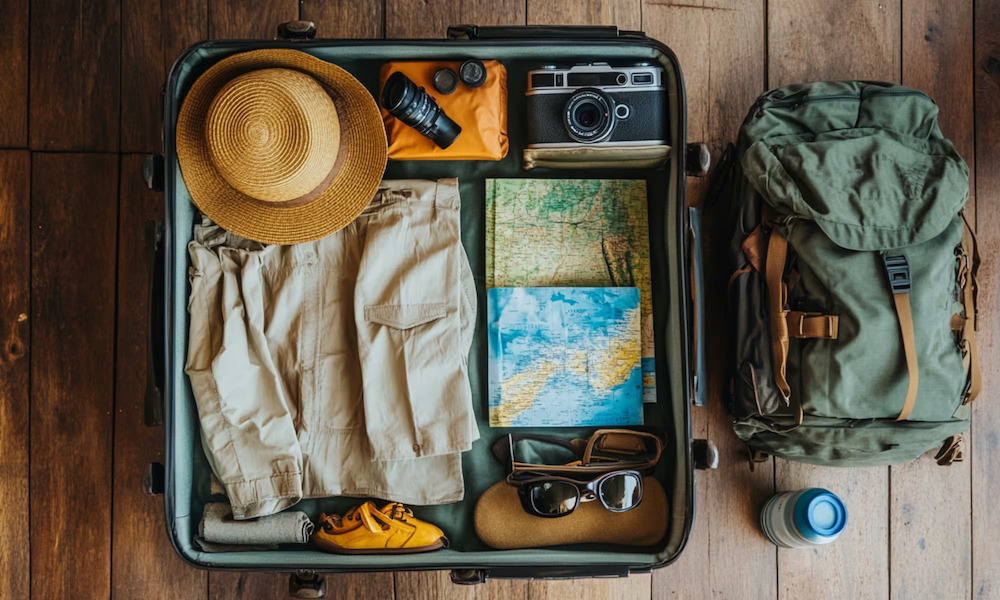
Essential items include:
- Lightweight neutral-colored clothing
- Comfortable trousers
- Long-sleeved shirts
- Fleece or light jacket
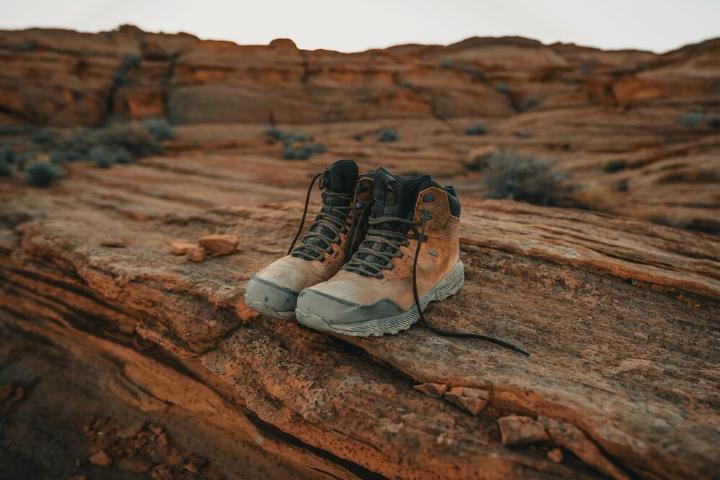
- Comfortable walking shoes
- Sandals
- Wide-brimmed hat
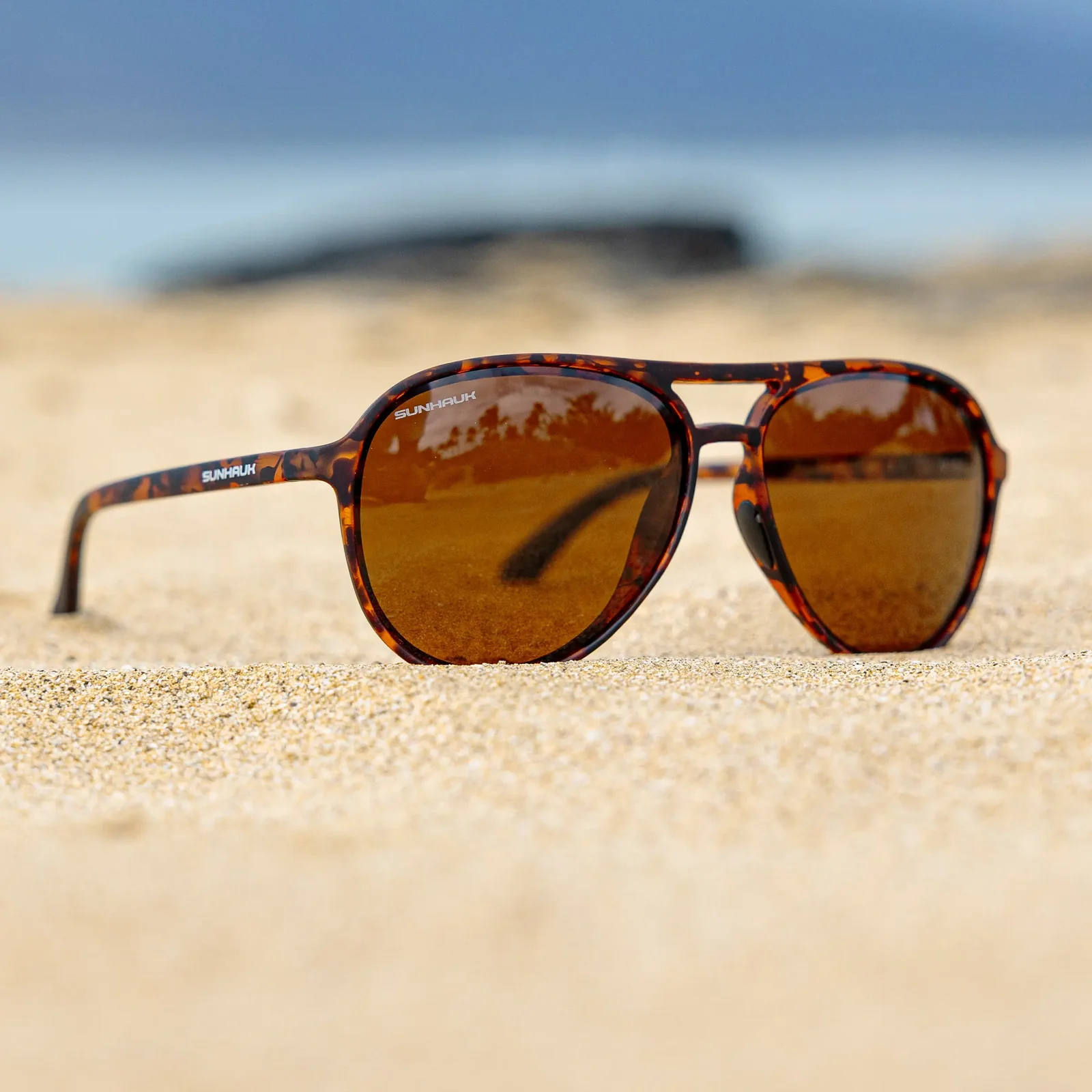
- Sunglasses
- Sunscreen
- Insect repellent
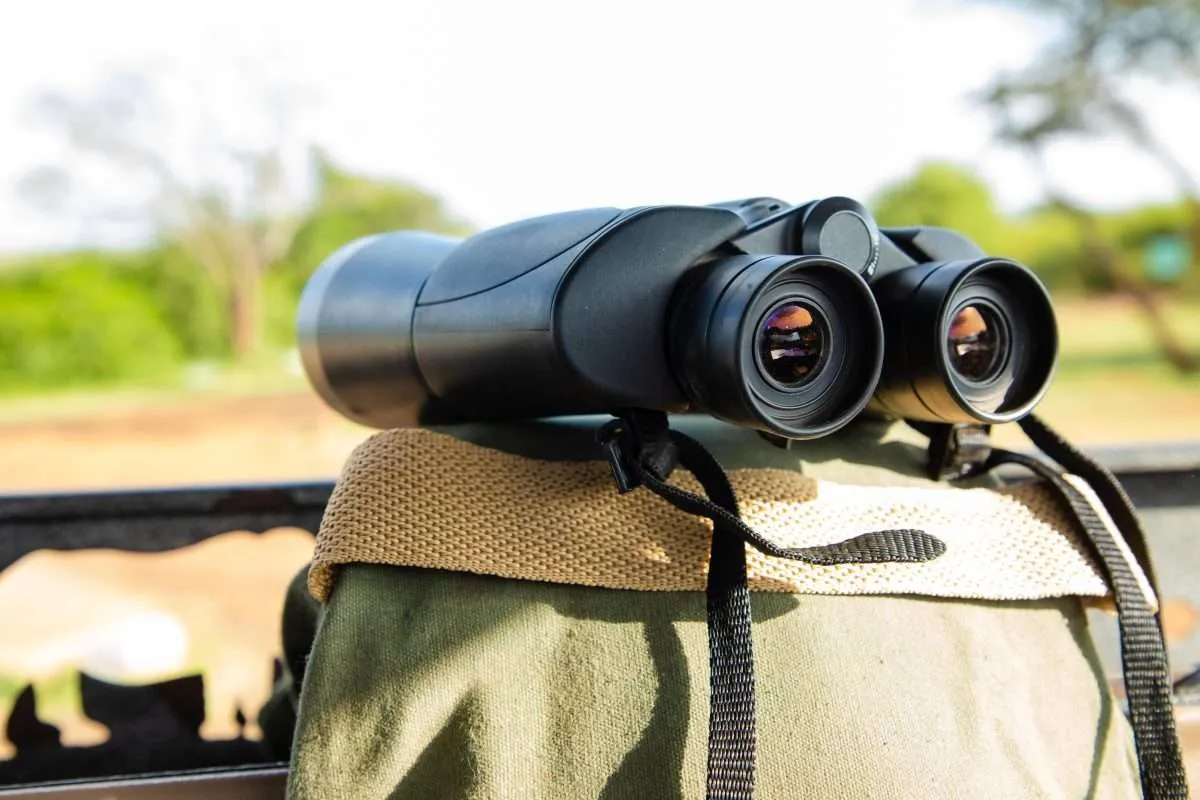
- Binoculars
- Camera
- Spare batteries
- Memory cards
- Power bank
- Personal medication
- Small day bag
If using small aircraft, pay particular attention to luggage restrictions.
Your safari company should provide current baggage requirements before departure because airline and aircraft policies can vary.
What Should You Wear on Safari?
Comfort matters more than fashion.
Choose breathable clothing that allows you to sit comfortably for several hours.
Neutral colors are traditionally recommended because they blend into the environment and are practical for walking.
Early mornings can be surprisingly cool, even in warm climates, so layering is useful.
By midday, temperatures can rise significantly.
The best safari wardrobe therefore allows you to add and remove layers throughout the day.
At luxury camps, evenings are generally relaxed.
Formal clothing is rarely necessary.
Health and Travel Preparation
Travelers should consult an appropriately qualified travel-health professional before visiting Tanzania.
Requirements and recommendations can vary according to your health, itinerary, season and countries visited previously.
Your safari operator should also provide current practical information regarding visas, travel insurance, vaccinations, malaria precautions and emergency procedures.
Travel insurance is particularly important for remote safari travel.
A good policy should be appropriate for the activities and destinations included in your itinerary and should account for medical evacuation where relevant.
How to Make a Southern Circuit Safari Truly Luxurious
Luxury is created through details.
Instead of simply booking expensive camps, focus on the following:
Stay longer
Three or four nights in one exceptional camp can be more luxurious than one night in four different camps.
Use private guiding
Your guide should understand your interests.
Minimize transfers
Fly when it saves substantial time.
Choose camps based on location
The best camp is often the one that places you closest to the experience you value.
Build flexible days
Do not schedule every hour.
Leave room for unexpected wildlife encounters.
Include non-game-drive experiences
Walking and boating can transform the safari.
Add a beach extension
A few days in Zanzibar can provide the perfect ending.
The Art of Slow Safari
Perhaps the most important lesson for luxury travelers is this:
Do not rush Southern Tanzania.
You do not need to see everything.
You do not need to visit every park.
You do not need to spend every moment searching for wildlife.
Some of the greatest safari memories happen when nothing is happening.
Sitting quietly beside a river.
Watching the changing light.
Listening to birds.
Drinking coffee at sunrise.
Returning to camp slowly.
Watching elephants from a distance.
These moments are not gaps between activities.
They are the safari.
The Best Southern Circuit Safari for First-Time Visitors
For a traveler visiting Southern Tanzania for the first time, a combination of Nyerere and Ruaha is one of the strongest choices.
Nyerere introduces the river ecosystem and boat safari.
Ruaha introduces the dry-country wilderness, elephants, predators and dramatic landscapes.
If time permits, add a coastal extension.
This provides an exceptionally balanced journey without overwhelming the traveler with too many destinations.
The Best Southern Circuit Safari for Repeat Tanzania Travelers
Repeat visitors have different priorities.
If you have already experienced Serengeti and Ngorongoro, the Southern Circuit can provide a completely different perspective.
You may want to emphasize:
- African wild dogs
- Walking
- Photography
- Birding
- Remote camps
- Longer stays
- Private guiding
- Conservation
- Cultural experiences
For repeat travelers, I would generally recommend fewer destinations and longer stays.
The objective becomes understanding an ecosystem rather than simply seeing it.
The Best Southern Circuit Safari for Honeymooners
For honeymooners, prioritize privacy.
A strong itinerary could be:
Nyerere — 3 nights
Ruaha — 4 nights
Zanzibar — 4 nights
Choose private accommodation where possible and request private dining, sundowners and special bush experiences.
The honeymoon should not be scheduled too tightly.
Allow yourselves time to enjoy the camp.
A private deck overlooking the wilderness can be just as memorable as a game drive
The Best Southern Circuit Safari for Honeymooners
For honeymooners, prioritize privacy.
A strong itinerary could be:
Nyerere — 3 nights
Ruaha — 4 nights
Zanzibar — 4 nights
Choose private accommodation where possible and request private dining, sundowners and special bush experiences.
The honeymoon should not be scheduled too tightly.
Allow yourselves time to enjoy the camp.
A private deck overlooking the wilderness can be just as memorable as a game drive
The Best Southern Circuit Safari for Honeymooners
For honeymooners, prioritize privacy.
A strong itinerary could be:
Nyerere — 3 nights
Ruaha — 4 nights
Zanzibar — 4 nights
Choose private accommodation where possible and request private dining, sundowners and special bush experiences.
The honeymoon should not be scheduled too tightly.
Allow yourselves time to enjoy the camp.
A private deck overlooking the wilderness can be just as memorable as a game drive
The Best Southern Circuit Safari for Photographers
Photographers should prioritize:
- Private vehicle
- Experienced photographic guide
- Flexible schedules
- Long stays
- Diverse landscapes
- Good access to wildlife
- Camps with suitable charging facilities
- Lightweight camera support equipment where permitted
Ruaha’s combination of wildlife and dramatic landscapes can be particularly attractive.
Nyerere provides opportunities for river photography and reflections.
Udzungwa adds forest and waterfall photography.
A multi-environment itinerary therefore offers exceptional variety.
Frequently Asked Questions About Tanzania Southern Circuit Safaris
Is Southern Tanzania worth visiting?
Yes. Southern Tanzania is particularly rewarding for travelers who value wilderness, privacy, varied safari activities and a less conventional safari experience.
Is Southern Tanzania suitable for luxury travelers?
Absolutely. The region has a growing collection of high-end camps and lodges designed around small-scale, wilderness-based hospitality.
Which is better, Nyerere or Ruaha?
Neither is universally better. Nyerere is stronger for river and boat experiences, while Ruaha is particularly strong for elephants, predators, dramatic landscapes and wilderness atmosphere.
Can I see the Big Five in Southern Tanzania?
You can encounter several of the Big Five, including elephants, lions, buffalo and leopards. Rhinoceros sightings are much less predictable and should never be guaranteed.
Are African wild dogs found in Southern Tanzania?
Yes. Nyerere and Ruaha are important destinations for travelers interested in African wild dogs.
Can I take a boat safari in Tanzania?
Yes. Nyerere is particularly well known for boat safaris on the Rufiji River and associated waterways.
Are walking safaris available?
Walking experiences are available in parts of Southern Tanzania subject to park regulations, local conditions and the specific camp or operator.
Is Southern Tanzania good for honeymooners?
Yes. The combination of private wilderness, intimate camps and the possibility of adding Zanzibar makes Southern Tanzania particularly attractive for romantic journeys.
Can families visit Southern Tanzania?
Yes, although families should select camps and activities according to children’s ages and the property’s policies.
How many days do I need?
A week can provide a meaningful experience combining Nyerere and Ruaha. Ten to fourteen days allows a slower, more diverse journey.
Can I combine Southern Tanzania with Zanzibar?
Yes. Southern Tanzania and Zanzibar make one of the country’s most appealing safari-and-beach combinations.
When is the best time to visit?
The dry season is generally favored for classic wildlife viewing, while greener periods can provide beautiful landscapes, birdlife and fewer visitors. The ideal timing depends on your priorities.
Is Southern Tanzania crowded?
Compared with Tanzania’s most heavily visited safari areas, many Southern Circuit experiences feel considerably more remote and intimate. However, visitor levels vary by park, season and specific location.
Is Ruaha good for elephants?
Yes. Elephants are one of Ruaha’s signature wildlife experiences.
Is Nyerere good for wildlife?
Yes. Nyerere supports a wide variety of wildlife and is particularly notable for elephants, hippos, crocodiles, predators and African wild dogs.
Is Mikumi worth visiting?
Mikumi can be very worthwhile, especially for travelers who value accessibility or want to incorporate a shorter Southern Tanzania safari into a broader itinerary.
Is Udzungwa a safari destination?
Udzungwa is better understood as a mountain and forest adventure destination within the Southern Circuit. It complements traditional wildlife safari with hiking, waterfalls and forest exploration.
Final Verdict: Why Tanzania Southern Circuit Safaris Belong on Your Bucket List
There are many ways to experience Tanzania.
You can follow the famous safari routes.
You can chase the Great Migration.
You can explore the Ngorongoro highlands.
Or you can turn south.
Southern Tanzania rewards travelers who are willing to look beyond the obvious.
Here, the wilderness feels larger.
The camps can feel smaller.
The pace can feel slower.
The experiences can feel more personal.
Nyerere gives you the Rufiji River and the extraordinary experience of seeing Tanzania from the water.
Ruaha gives you immense landscapes, elephants, predators and the unforgettable character of baobab country.
Mikumi provides accessibility and a productive introduction to Southern Tanzania.
Udzungwa adds mountains, forests, waterfalls and active exploration.
But the true magic comes from combining them thoughtfully.
A luxury Southern Circuit safari should not be a race between parks.
It should be a carefully designed journey where every destination adds something different.
Stay long enough to settle into the rhythm of the wilderness.
Choose a camp for its location and guiding, not simply its room.
Use private guiding when your budget allows.
Fly between remote destinations when it saves valuable safari time.
Build in experiences beyond traditional game drives.
And leave space for the unexpected.
Because the greatest luxury in Africa is not a five-star room.
It is having the time and freedom to experience the wilderness properly.
That is why Tanzania Southern Circuit safaris are so compelling.
They offer something that is increasingly difficult to find in the modern world:
space, silence, wildness and time.
And once you have experienced Southern Tanzania in the right way, you may understand why some of Africa’s most passionate safari travelers eventually stop asking where everyone else is going—and start asking:
“Where can we go next that still feels truly wild?”
Southern Tanzania is one of those places.
Are you ready to start planning?
You can proceed with booking by filling out the form below. Let’s make your adventure unforgettable!