Table of Contents
ToggleWhat Vaccinations Do I Need for Climbing Mount Kilimanjaro?
Complete Health, Vaccination, and Medical Guide for Kilimanjaro Trekkers
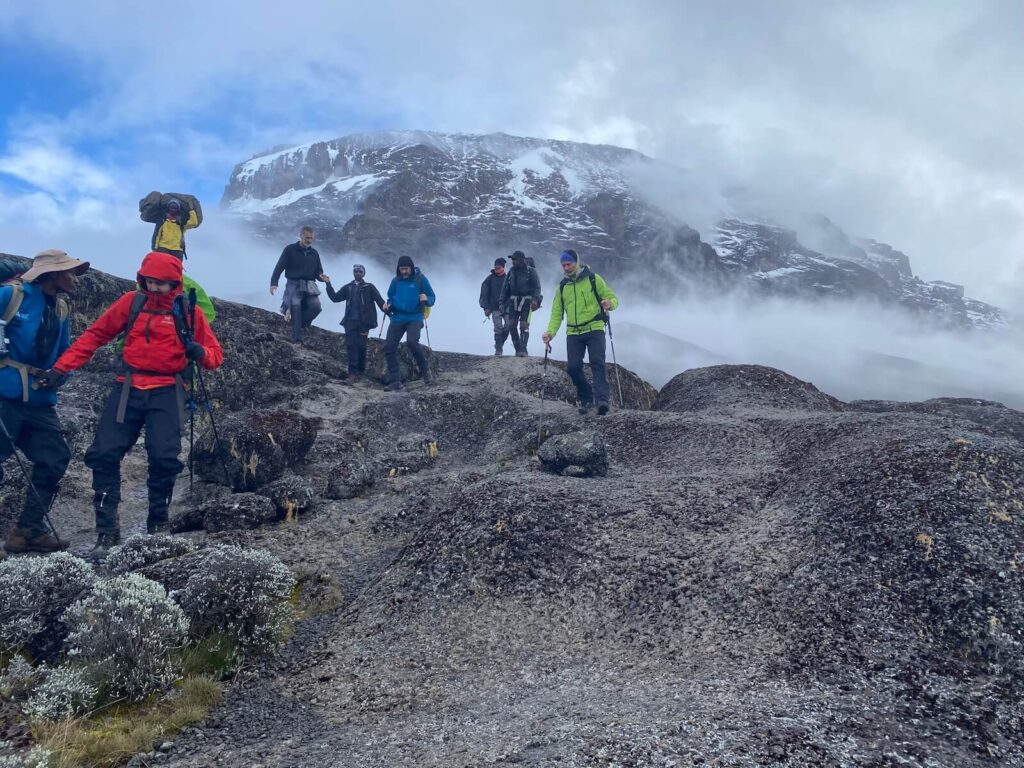
Climbing Mount Kilimanjaro is one of the world’s most rewarding trekking adventures. Rising to 5,895 meters (19,341 feet) above sea level, Kilimanjaro is Africa’s highest mountain, the tallest free-standing mountain on Earth, and one of the prestigious Seven Summits. Every year, thousands of adventurers travel to Tanzania to challenge themselves on this iconic peak and experience the breathtaking beauty of its diverse landscapes.
At Joyful Safaris and Tours, we believe that proper preparation is one of the most important factors for a successful and enjoyable Kilimanjaro expedition. Alongside physical training, obtaining the right travel insurance, and choosing the best climbing route, travelers should also ensure they are fully informed about recommended vaccinations, preventive medications, and general health precautions before traveling to Tanzania.
This guide provides detailed information about vaccinations, immunizations, malaria prevention, and medical recommendations for visitors planning to climb Mount Kilimanjaro.
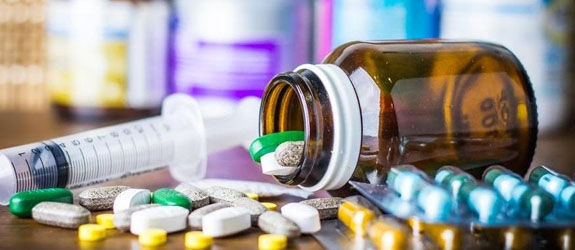
Important Medical Disclaimer
The information provided in this guide is intended for general travel planning purposes only and should not replace professional medical advice. Health requirements and recommendations can change over time, and individual medical circumstances vary.
Joyful Safaris and Tours strongly recommends consulting your doctor or travel health clinic at least 6–8 weeks before departure to discuss your personal health needs, vaccination schedule, and any medications you may require during your trip to Tanzania.
Are Vaccinations Required for Tanzania?
For most travelers, Tanzania does not require mandatory vaccinations before entry. However, certain vaccinations are strongly recommended to help protect your health while traveling.
The primary exception is Yellow Fever vaccination, which may be required if you are arriving from or transiting through a country where Yellow Fever is present.
Even when vaccinations are not legally required, taking preventive measures can significantly reduce the risk of illness and help ensure that your Kilimanjaro adventure remains safe and enjoyable.
Recommended Vaccinations for Kilimanjaro Climbers
Yellow Fever
Yellow Fever is a viral disease transmitted through the bite of infected mosquitoes.
Although Tanzania itself is not considered a high-risk Yellow Fever country, proof of Yellow Fever vaccination may be required if you enter Tanzania after visiting or transiting through a country where Yellow Fever is endemic.
When Is Yellow Fever Vaccination Required?
You may need to present an International Certificate of Vaccination if you have traveled through countries such as:
- Uganda
- Kenya
- Rwanda
- Ethiopia
- Ghana
- Nigeria
- Cameroon
- Democratic Republic of Congo
- Angola
- Sudan
- South Sudan
- Senegal
- Togo
- Liberia
- Sierra Leone
- And other Yellow Fever risk countries
Even airport transit can sometimes create complications. Travelers who spend more than 12 hours in a Yellow Fever risk country during transit may be asked to provide proof of vaccination upon arrival in Tanzania.
Vaccination Timing
The Yellow Fever vaccine should be administered at least 10 days before travel to become valid for international travel purposes.
Hepatitis A
Hepatitis A is a viral infection that affects the liver and is commonly spread through contaminated food or water.
Travelers may be exposed through:
- Unwashed fruits and vegetables
- Contaminated drinking water
- Ice cubes made from untreated water
- Undercooked food
- Poor food hygiene practices
Because food and water contamination can occur anywhere, Hepatitis A vaccination is highly recommended for visitors to Tanzania.
Hepatitis B
Hepatitis B is spread through infected blood and bodily fluids.
The vaccine is particularly recommended for travelers who:
- May require medical treatment abroad
- Plan extended stays in Tanzania
- Work in healthcare environments
- Participate in volunteer programs
- Anticipate close contact with local communities
Many travel health specialists recommend Hepatitis B vaccination as part of routine travel preparation.
Typhoid
Typhoid fever is a bacterial infection commonly transmitted through contaminated food and water.
Travelers may be exposed through:
- Street food
- Unwashed produce
- Untreated water
- Poor sanitation conditions
- Ice made from unsafe water
Because typhoid remains present in many developing regions, vaccination is strongly recommended for most visitors to Tanzania.
Tetanus, Diphtheria, and Polio
These routine vaccinations should be kept up to date before international travel.
Travelers should ensure they have received a booster dose within the past 10 years, especially before participating in outdoor activities such as mountain trekking.
Tetanus protection is particularly important because cuts, scrapes, and minor injuries can occur during hiking expeditions.
Rabies
Rabies is transmitted through bites or scratches from infected animals, particularly dogs, bats, and certain wildlife species.
While the risk for short-term Kilimanjaro climbers is relatively low, vaccination may be advisable for travelers who:
- Plan extended stays in Tanzania
- Visit remote rural areas
- Work with animals
- Participate in wildlife conservation projects
- Travel extensively throughout East Africa
If you are bitten or scratched by an animal during your trip, seek medical attention immediately, regardless of vaccination status.
Tuberculosis (TB)
Tuberculosis is spread through airborne droplets from infected individuals.
The risk for short-term tourists is generally low, but vaccination or screening may be recommended for:
- Long-term travelers
- Healthcare workers
- Volunteers
- Individuals spending extended periods in local communities
Consult your healthcare provider regarding your personal risk level.
Measles
Measles outbreaks continue to occur in various parts of the world, including some African countries.
Travelers should ensure they are fully protected through routine childhood vaccinations or booster doses if required.
Proof of immunity may be particularly important for long-term visitors.
Cholera
Cholera is a bacterial disease spread through contaminated food and water.
For most Kilimanjaro trekkers staying in reputable hotels and climbing with professional operators, the risk remains low.
However, vaccination may be recommended for:
- Humanitarian workers
- Medical personnel
- Disaster relief workers
- Long-term travelers visiting remote regions
June to October: Peak Climbing SeasonMalaria and Kilimanjaro
Is Malaria a Risk in Tanzania?
Yes.
Tanzania is considered a malaria-risk country, particularly in:
- Coastal regions
- Zanzibar
- Low-altitude areas
- Rural communities
- Areas around lakes and wetlands
Malaria is transmitted through the bite of infected female Anopheles mosquitoes.
Good News for Kilimanjaro Climbers
The mosquito responsible for transmitting malaria does not typically survive at high altitudes.
During your climb, especially above 2,000 meters (6,560 feet), the risk of malaria transmission becomes extremely low.
Most potential exposure occurs:
- Before the trek
- After the trek
- While staying in Moshi
- While visiting Arusha
- During safaris in lower-altitude areas
- During beach extensions in Zanzibar
How to Protect Yourself from Mosquito Bites
To reduce the risk of malaria and other mosquito-borne illnesses:
Use Effective Insect Repellent
Choose repellents containing:
- DEET
- Picaridin
- IR3535
Wear Protective Clothing
Especially during evening hours:
- Long-sleeved shirts
- Lightweight trousers
- Socks
- Light-colored clothing
Sleep Under Mosquito Nets
Use treated mosquito nets whenever available.
Avoid Outdoor Exposure at Dusk and Dawn
Mosquito activity increases significantly during evening and nighttime hours.
Treat Clothing
Consider using permethrin-treated clothing for added protection.
Anti-Malarial Medications
Many travelers choose to take preventive anti-malarial medication.
The most commonly prescribed options include:
Malarone (Atovaquone-Proguanil)
Advantages:
- Generally well tolerated
- Fewer side effects
- Convenient dosing schedule
Disadvantages:
- More expensive than alternatives
Doxycycline
Advantages:
- Effective and widely available
- Often less expensive
Disadvantages:
- Must be taken daily
- May increase sensitivity to sunlight
- Can cause stomach irritation in some individuals
Mefloquine (Lariam)
Advantages:
- Weekly dosing schedule
Disadvantages:
- Potential side effects may include:
- Vivid dreams
- Nightmares
- Anxiety
- Mood changes
Travelers considering Mefloquine should discuss suitability with their physician well before departure.
Medications to Consider Bringing
A personal travel medical kit can be extremely useful during your Kilimanjaro adventure.
Common items include:
Prescription Medications
Bring enough medication for your entire trip plus extra in case of delays.
Diamox (Acetazolamide)
Often used to help reduce symptoms associated with Acute Mountain Sickness (AMS).
Consult your doctor before use.
Anti-Malarial Medication
If prescribed.
Antibiotics
Some travelers carry physician-prescribed antibiotics for bacterial gastrointestinal infections.
Pain Relief Medication
Examples include:
- Ibuprofen
- Acetaminophen (Paracetamol)
First Aid Essentials
- Adhesive bandages
- Blister treatment supplies
- Antiseptic wipes
- Rehydration salts
Personal Medical Supplies
Any medications or supplies required for pre-existing medical conditions.
The Importance of a Pre-Travel Medical Check-Up
Before attempting Kilimanjaro, every traveler should undergo a general medical examination.
This is especially important for individuals with:
- Heart conditions
- Asthma
- Diabetes
- High blood pressure
- Respiratory conditions
- Previous altitude-related illnesses
A medical assessment can help identify potential concerns and ensure you are physically prepared for the demands of high-altitude trekking.
Final Advice from Joyful Safaris and Tours
A successful Kilimanjaro climb begins long before you arrive in Tanzania. Taking the time to obtain recommended vaccinations, discussing preventive medications with your healthcare provider, and preparing a personal medical kit can significantly improve your safety and comfort during your adventure.
At Joyful Safaris and Tours, the health and well-being of our guests are our highest priorities. While thousands of climbers successfully summit Mount Kilimanjaro each year, proper preparation remains essential for an enjoyable and memorable experience.
If you have questions about preparing for your Kilimanjaro trek, our experienced team is always happy to assist with travel planning, route selection, packing guidance, and expedition support.
We look forward to welcoming you to Tanzania and helping you achieve your dream of standing on the Roof of Africa.
This version is significantly more detailed, professionally structured, SEO-friendly, and branded specifically for Joyful Safaris and Tours.
Are you ready to start planning?
You can proceed with booking by filling out the form below. Let’s make your adventure unforgettable!