
Table of Contents
Climbing Mount Kilimanjaro in December
Why December Is One of the Most Magical Months to Climb Mount Kilimanjaro
December is one of the most atmospheric and emotionally rewarding months to climb Mount Kilimanjaro. It sits firmly within Tanzania’s short rainy season, yet it also coincides with one of the most festive travel periods of the year, when climbers arrive from around the world to celebrate Christmas and New Year in an extraordinary high-altitude setting.
Unlike the predictable clarity of the dry season, December delivers a mountain shaped by contrast. Rain, mist, sunshine, and dramatic cloud formations can all appear within a single day, transforming the landscape continuously. This creates a trekking experience that feels alive, cinematic, and deeply immersive, where no two days on the mountain ever feel the same.
At Joyful Safaris & Tours, December is often described as a “contrast season” month—where unpredictability becomes part of the adventure and the mountain reveals one of its most expressive and dramatic personalities. For travelers seeking something beyond the classic dry-season climb, December offers a truly distinctive Kilimanjaro experience.
Is December a Good Time to Climb Kilimanjaro?
December can be a good time to climb Kilimanjaro, but it depends heavily on expectations and mindset.
It is not a month designed for those who want guaranteed sunshine, consistently dry trails, or predictable summit views. Instead, it is best suited for climbers who are comfortable with variability and who are willing to embrace changing conditions as part of the journey.
December falls within the short rainy season, meaning rainfall is present but not constant. Some days may bring light showers and misty conditions, particularly in the rainforest zone, while other days can open into surprisingly clear skies with excellent visibility. This alternating pattern defines the month and shapes the overall trekking experience.
For those who are well-prepared and flexible, December can still offer a highly rewarding climb, with fewer crowds than peak dry-season months and a more intimate connection to the mountain’s natural environment. It is especially appealing to holiday travelers, photographers, and adventure-focused trekkers.
Kilimanjaro Weather in December
Weather in December is highly dynamic and characterized by rapid shifts across both time and altitude. The short rains continue throughout the month, but they typically arrive in bursts rather than continuous downpours. This means conditions can change dramatically within hours.
Lower elevations often experience mist, cloud cover, and intermittent rain, especially in the rainforest zone. As climbers ascend, conditions gradually become cooler and more exposed, with higher zones experiencing less rainfall but stronger winds and colder temperatures.
One of the most distinctive aspects of December weather is its unpredictability. A rainy morning in the forest may be followed by a dramatic clearing in the afternoon, revealing sweeping alpine views above the cloud line. This constant transformation creates a sense of movement and atmosphere that defines the month.
Overall, December offers a mix of wet and dry conditions, making flexibility and proper preparation essential for a successful trek.
What Makes December Special?
December stands out not because of stable weather, but because of its emotional depth, festive energy, and extraordinary visual diversity.
One of its most unique features is the holiday atmosphere. Many climbers choose December specifically to celebrate Christmas or welcome the New Year at high altitude. This adds a rare sense of celebration to the climb, where shared experiences on the mountain feel especially meaningful during this time of year.
Another defining characteristic is the richness of the landscape. The short rains transform Kilimanjaro into one of its greenest and most vibrant versions. Forests become dense and luminous, streams flow more actively, and vegetation across all lower zones appears refreshed and intensely alive. The entire mountain feels renewed and deeply expressive.
December is also a powerful month for photography. The constant interaction between mist, rain, and sudden sunlight creates dramatic lighting conditions that are difficult to replicate in any other season. The result is a highly cinematic environment where every shift in weather produces a new visual mood.
Despite being part of a holiday period, December still offers more breathing space on the mountain compared to peak dry-season months, allowing for a more personal trekking experience.
Kilimanjaro Climate Zones in December
Climbing Kilimanjaro in December means experiencing all five ecological zones in their most moisture-rich and visually dynamic state.
The Cultivation Zone at the base of the mountain is lush, humid, and intensely green due to seasonal rainfall. Coffee plantations, banana groves, and traditional Chagga farmland appear especially vibrant, reflecting the renewed fertility of the landscape.
In the Rainforest Zone, December reaches its most atmospheric expression. Mist and rainfall frequently move through dense vegetation, creating a rich, immersive environment where trails can be wet and slippery but visually stunning. Wildlife remains active, with colobus monkeys, blue monkeys, and a wide variety of bird species commonly observed. The forest feels ancient, mysterious, and almost dreamlike in its intensity.
Above the forest, the Moorland Zone becomes a shifting landscape of cloud, wind, and light. Vegetation appears vivid against moving fog, and the terrain changes constantly as visibility opens and closes throughout the day. This creates a highly dramatic trekking environment where scenery feels alive and unpredictable.
The Alpine Desert Zone introduces a stark contrast, where rainfall diminishes significantly and the landscape becomes dry, rocky, and exposed. Strong winds and cold temperatures dominate, while occasional clear breaks in the cloud layer reveal vast views stretching across East Africa.
At the summit, the Arctic Zone remains extremely cold and physically demanding. Snow or ice patches may appear depending on conditions, and visibility can vary from fully cloud-covered to breathtakingly clear. When weather aligns, summit moments in December can be especially powerful due to the surrounding cloud inversions and dramatic lighting.
Kilimanjaro Temperatures in December
Temperatures on Kilimanjaro in December vary widely depending on altitude and weather conditions.
At lower elevations, conditions are generally warm but humid due to ongoing rainfall. In the rainforest zone, temperatures are cooler and combined with frequent mist and wet terrain, creating damp but richly green trekking conditions. The moorland zone becomes noticeably colder, with persistent cloud cover and shifting visibility.
Higher up, the alpine desert zone is cold, dry, and windy, while summit conditions reach extreme sub-zero temperatures regardless of season. December’s cloud cover can sometimes moderate nighttime cooling, but summit attempts remain physically demanding and require full winter expedition gear.
Advantages of Climbing Kilimanjaro in December
December offers a very different set of advantages compared to dry-season months. One of the most significant is its emotional and experiential uniqueness. Climbing during the Christmas and New Year period creates a rare opportunity to combine a major life adventure with a globally meaningful celebration.
The mountain itself is at its most visually vibrant. The combination of seasonal rainfall and tropical ecology produces lush, saturated landscapes that feel alive in every direction. For photographers and nature lovers, this is one of the most visually expressive times of the year.
Another advantage is the presence of fewer climbers compared to the peak dry season. While December is a holiday month, it still does not reach the congestion levels of July through September, allowing for a more personal trekking experience.
From a logistical standpoint, some operators may offer more flexible pricing and availability due to mixed weather conditions, which can provide additional value for travelers.
Challenges of Climbing in December
The most significant challenge in December is rainfall. Wet trails, slippery terrain, and damp camping conditions are common, especially in lower zones. Proper waterproof gear and mental adaptability are essential for a safe and comfortable experience.
Visibility can also be inconsistent, with cloud cover occasionally obscuring mountain views for extended periods. However, these conditions can shift rapidly, sometimes revealing dramatic scenery without warning.
Trekking can feel more physically demanding due to mud, humidity, and reduced footing stability. Careful pacing becomes especially important.
As always, summit conditions remain extremely cold and require full preparation regardless of seasonal weather patterns.
Best Routes for December Climbs
Certain routes are better suited for December conditions. The Rongai Route is often considered the most reliable due to its drier northern approach. The Northern Circuit is another strong option, offering extended acclimatization and reduced crowd levels.
The Lemosho Route provides exceptional scenery but passes through wetter rainforest sections, while the Machame Route is highly scenic but more affected by rainfall during this period.
Combining Kilimanjaro and Safari in December
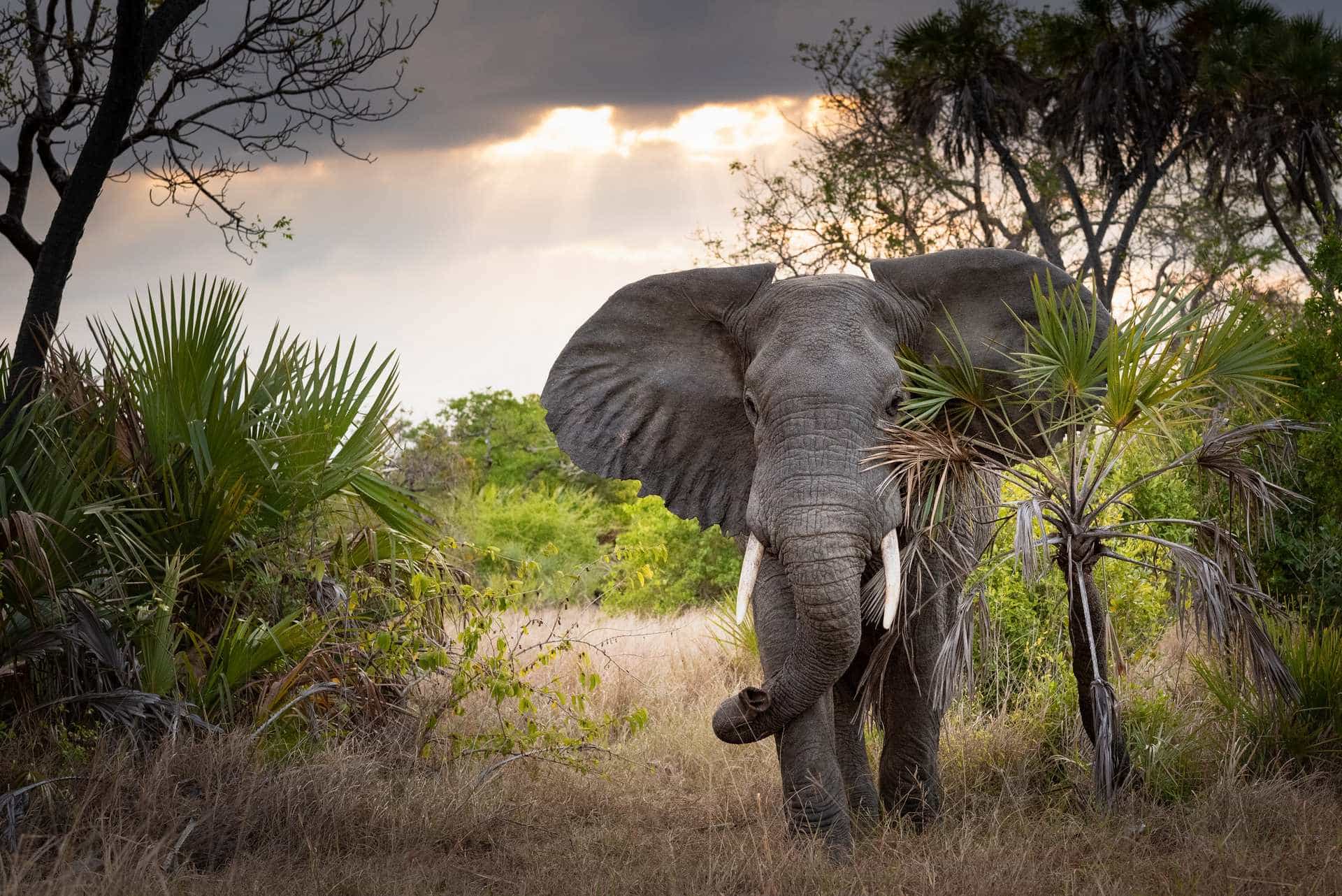
December is also a popular safari month, particularly for holiday travelers. Early in the month, wildlife viewing remains strong, and the landscape is lush and green across northern Tanzania.
Destinations such as Serengeti National Park, Ngorongoro Crater, Tarangire, and Lake Manyara offer rewarding experiences, although availability can become limited during the Christmas and New Year period due to high demand.
Birdlife is especially active, and the combination of green landscapes and seasonal atmosphere creates a visually rich safari experience.
Who Should Climb Kilimanjaro in December?
December is best suited for adventurous travelers, holiday climbers, photographers, and experienced trekkers who are comfortable with variable weather conditions. It is ideal for those seeking a unique and emotionally rich experience rather than predictable dry-season trekking.
It is less suitable for climbers who require consistently dry trails or guaranteed visibility at all times.
Our Expert Opinion
December is one of the most emotionally powerful months to climb Kilimanjaro. It transforms the mountain into a dynamic, green, and ever-changing environment where weather becomes part of the story rather than a limitation.
While conditions are less predictable than in dry-season months, the reward is a deeply atmospheric and visually rich experience that feels personal and unforgettable.
For travelers seeking a different kind of Kilimanjaro journey—one filled with contrast, celebration, and raw natural beauty—December is an exceptional choice.
With expert guidance from Joyful Safaris & Tours, a December expedition becomes a once-in-a-lifetime adventure that blends high-altitude trekking with festive holiday energy on the Roof of Africa.
December Kilimanjaro Rating by Joyful Safaris & Tours
Weather Reliability: ⭐⭐⭐
Scenery: ⭐⭐⭐⭐⭐
Photography: ⭐⭐⭐⭐⭐
Trail Conditions: ⭐⭐⭐
Crowd Levels: ⭐⭐⭐⭐
Wildlife Viewing: ⭐⭐⭐⭐
Value for Money: ⭐⭐⭐⭐
Summit Success Potential: ⭐⭐⭐
Best For
December is best suited for holiday travelers, photographers, adventurous trekkers, experienced climbers, and those seeking a more atmospheric and less predictable Kilimanjaro experience.
December is a magical and cinematic month to climb Mount Kilimanjaro, offering lush rainforest scenery, festive energy, and a deeply immersive high-altitude adventure on the Roof of Africa.
Are you ready to start planning?
You can proceed with booking by filling out the form below. Let’s make your adventure unforgettable!