
Tanzania Birding Safaris & Wildlife Tours
A Complete Photographic Journey Across the Wild Heart of Africa
Tanzania is a land where wilderness still breathes in its original form. It is not a collection of parks or destinations but a continuous ecological story stretching from the highest peak in Africa to the deepest lakes of the Rift Valley, across endless savannah plains, through ancient forests, and into remote wetlands that shimmer under equatorial light. For birdwatchers, wildlife photographers, and safari travelers, Tanzania is one of the few places left on Earth where nature still unfolds without interruption, where every horizon holds something alive, and where every sunrise begins with movement in the sky.
The experience of birding in Tanzania is not confined to observation alone; it becomes immersion. The air itself feels layered with sound—hornbills calling from riverine trees, the distant trumpet of cranes over marshes, the sharp cry of a fish eagle over open water, and the rhythmic wingbeats of flamingos lifting in synchronized waves from alkaline lakes. With more than 1,100 recorded bird species, Tanzania offers not just diversity, but density—life exists everywhere, in every ecological niche.
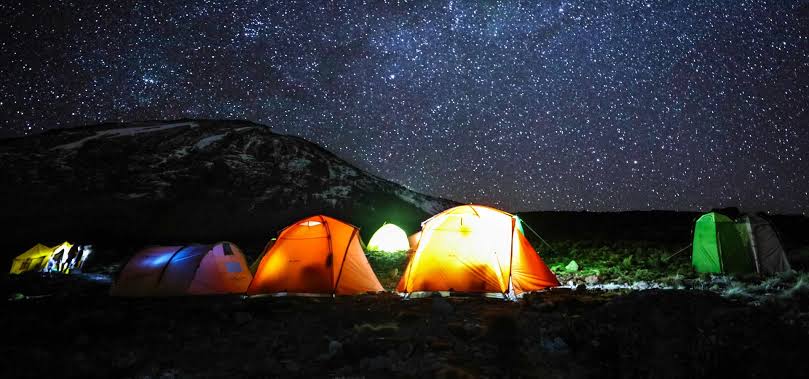
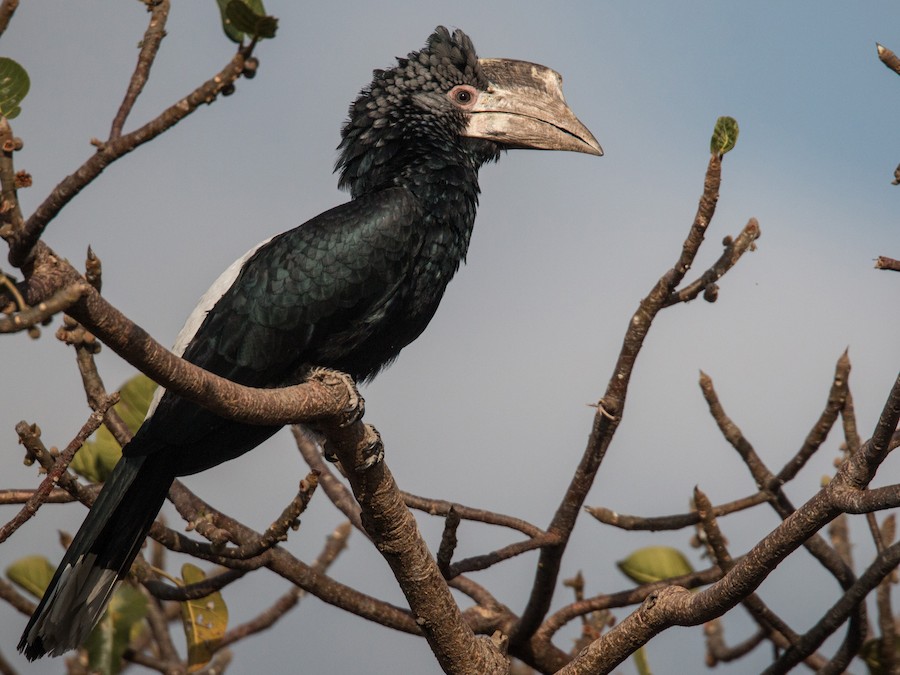
The journey often begins in the north, where Mount Kilimanjaro rises like a frozen sentinel above the plains. Here, ecosystems stack vertically in dramatic layers. At the base, lush forest belts wrap the mountain in green, alive with silvery-cheeked hornbills, turacos flashing deep forest colours, and sunbirds moving like fragments of light between blossoms. Higher up, the forest thins into moorland where alpine chat and specialized high-altitude sunbirds adapt to colder air and thinner oxygen. Near the summit, life becomes sparse but still present, reminding visitors that even extreme environments in Tanzania are never truly empty.
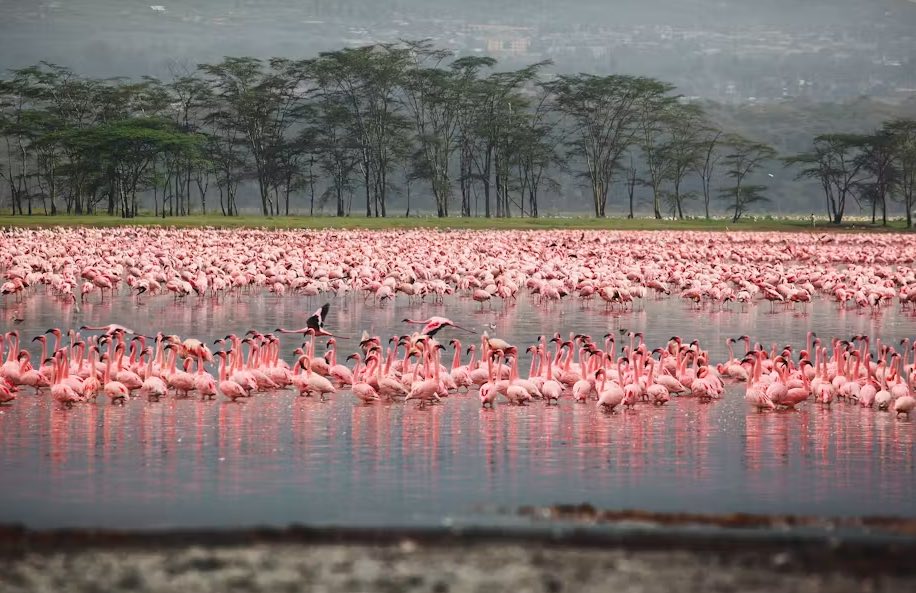
Descending from Kilimanjaro leads into the Arusha region, where the landscapes soften into cultivated highlands and protected pockets of wilderness. Arusha National Park feels intimate compared to the vastness of the Serengeti, yet it is one of Tanzania’s richest birding enclaves. The Momella Lakes shimmer in shifting tones of green and blue, often lined with flamingos that paint the shoreline in pale pink bands.
Waterbucks stand quietly at the edges of reeds while giraffes move through open glades, their silhouettes tall against the volcanic backdrop of Mount Meru. In the surrounding forest, birdlife becomes secretive and enchanting—Narina trogons flash crimson and emerald in dim light, while hornbills and barbets echo through the canopy. It is a place where every turn reveals a photographic moment waiting to be noticed.
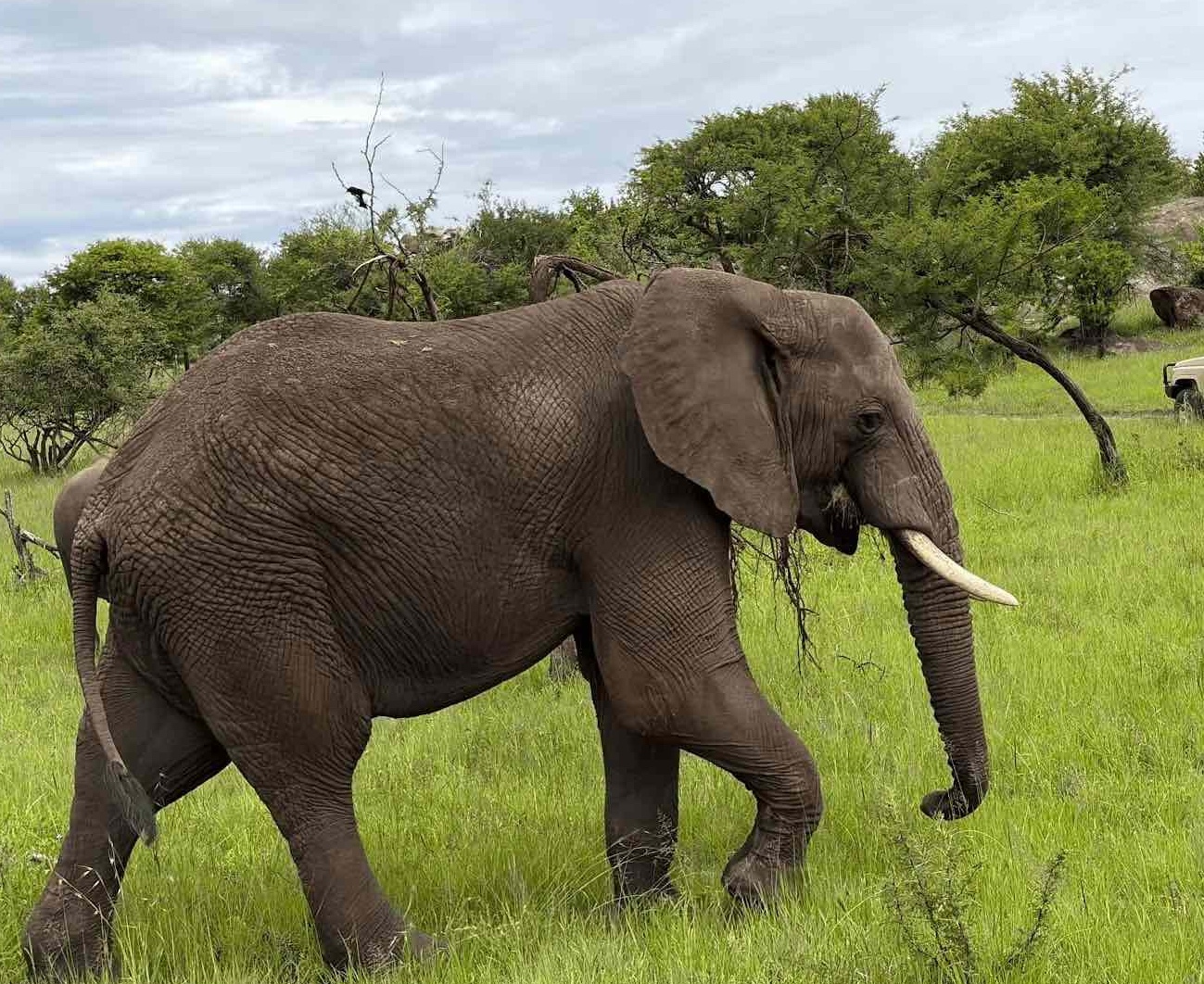
Further west and north lies the legendary Serengeti ecosystem, a landscape so vast it seems to dissolve the concept of distance itself. The Serengeti is not simply a park; it is a living migration engine where millions of wildebeest and zebras move in ancient cycles across grasslands that stretch beyond perception. But beneath the drama of large mammals exists a parallel world of birds that define the ecosystem in quieter, equally powerful ways.
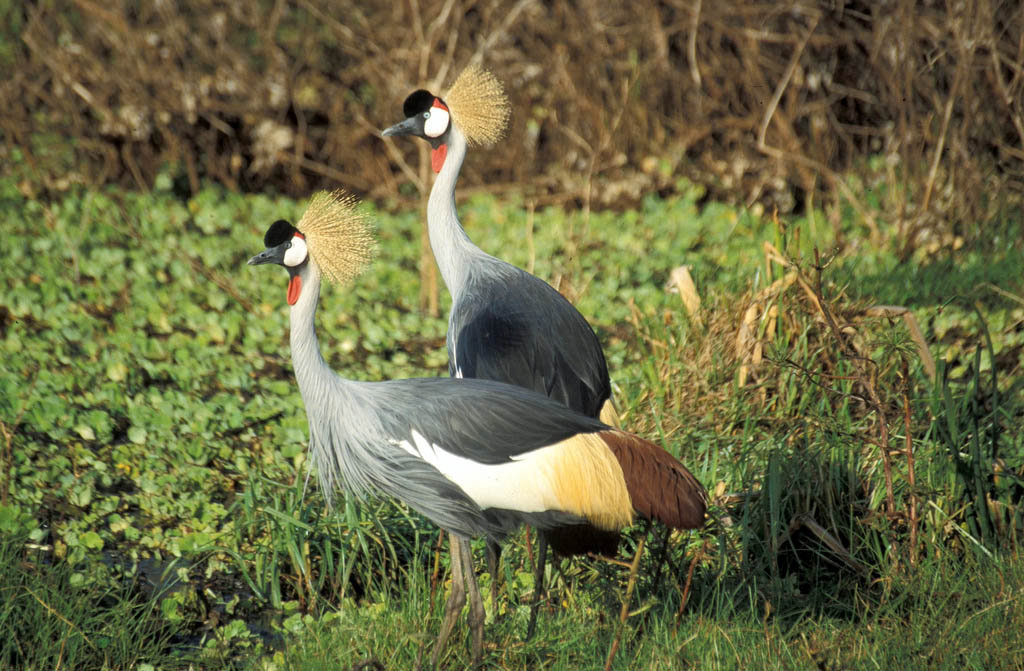
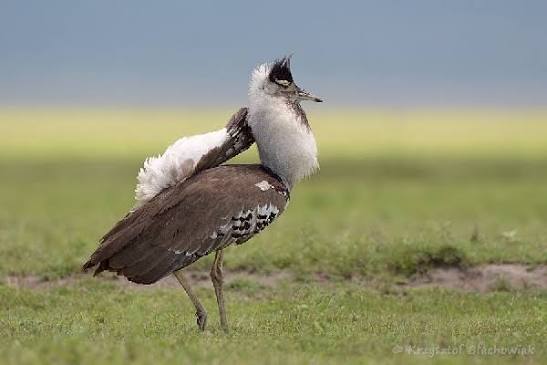
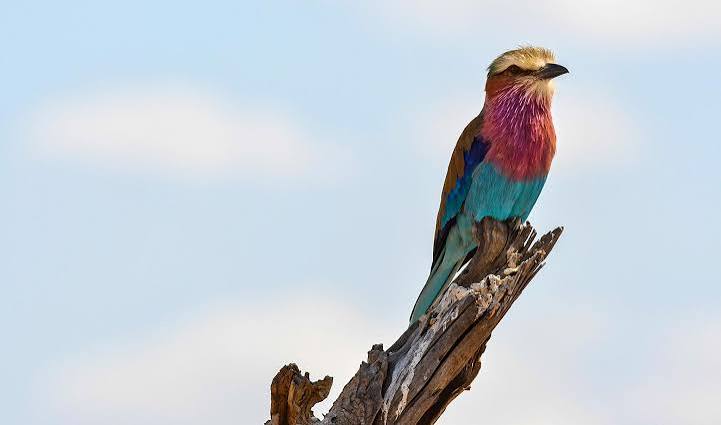
Across the golden plains, secretary birds stride deliberately through grass hunting snakes, while kori bustards move with slow authority, their size making them among the heaviest flying birds on Earth. Raptors dominate the skies—bateleur eagles tilting sharply in thermals, martial eagles scanning from impossible heights, and tawny eagles perched on acacia silhouettes. Color enters the landscape through smaller species: lilac-breasted rollers flashing turquoise and violet as they dive through the air, Fischer’s lovebirds gathering in noisy green flocks, and crowned cranes moving with ritual elegance across wetlands formed by seasonal rains.
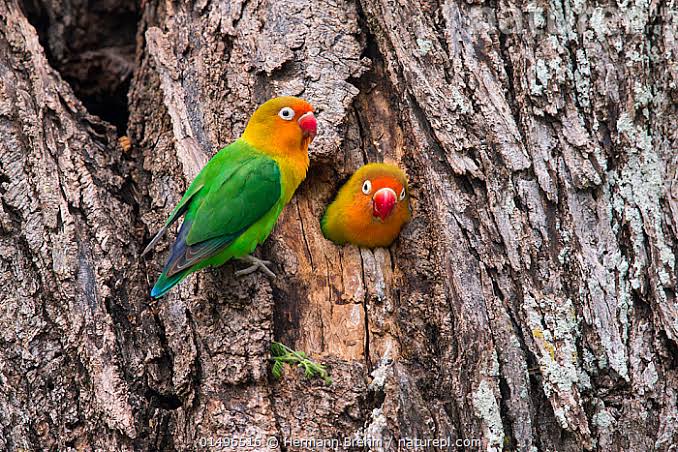
The Serengeti’s river systems, especially the Mara and Grumeti, transform the landscape into a different world entirely. Here, thick vegetation creates shaded corridors where African fish eagles call from tall trees overlooking the water. Kingfishers—pied, malachite, and giant—dart like living jewels along the banks. Goliath herons stand motionless in shallow pools, waiting with prehistoric patience. In these moments, the Serengeti feels less like a savannah and more like a network of living rivers connecting ecosystems across East Africa.
Southward, the land rises and falls into the Ngorongoro Conservation Area, a place where geological history has collapsed into a single dramatic bowl. The Ngorongoro Crater is one of the most concentrated wildlife habitats on the planet, and its birdlife reflects that intensity. Lakes within the crater attract flamingos that feed in shifting pink clouds along alkaline shores, while flocks of storks move across grasslands where grazing animals create constant motion. Raptors circle endlessly above the crater rim, riding thermals that rise from ancient volcanic walls.
Nearby lakes such as Ndutu become seasonal theatres of life, especially during rains when migratory birds arrive in vast numbers. Flamingos, plovers, stilts, and sandgrouse occupy wetlands that appear and disappear with the rhythm of the seasons. It is a landscape of transformation, where water dictates life and movement.
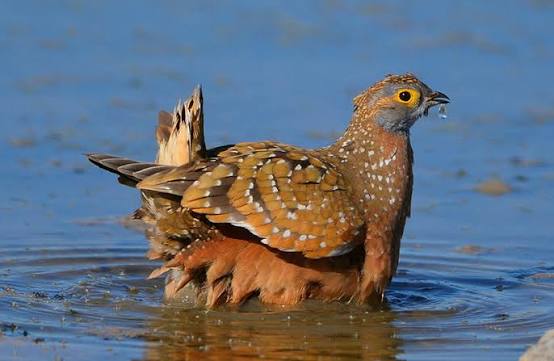
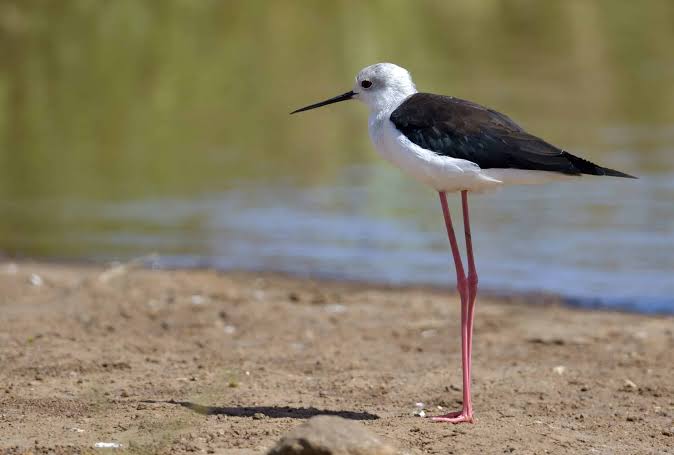
Continuing westward, Lake Manyara National Park emerges at the base of the Great Rift Valley escarpment like a narrow ribbon of green and blue. Despite its small size, it is one of Tanzania’s most concentrated bird habitats. The groundwater forest is dense and humid, filled with the calls of hornbills, trogons, and turacos. Beyond it, the alkaline lake expands into a mirror-like surface that often turns pink with thousands of flamingos feeding on microscopic life. Fish eagles patrol the shoreline, their cries echoing across the water, while pelicans and storks move in coordinated silence.
Further south, Tarangire National Park shifts the tone entirely. Here, ancient baobab trees dominate the landscape, their massive trunks holding centuries of memory. During the dry season, the Tarangire River becomes a magnet for wildlife, drawing immense congregations of birds and animals. Raptors gather in impressive numbers, and wetlands like Silale Swamp become dense with life. This is one of the most reliable places to see large flocks of yellow-collared lovebirds, ashy starlings, and an extraordinary variety of weavers and hornbills. The air feels alive with constant motion—birds crossing paths, calling, feeding, and interacting in a continuous ecological performance.
Arusha’s surrounding foothills, including small reserves and agricultural edges, provide quieter but equally rich birding opportunities. Here, human landscapes blend with wild systems, allowing species like sunbirds, rollers, shrikes, and starlings to thrive alongside rural life.
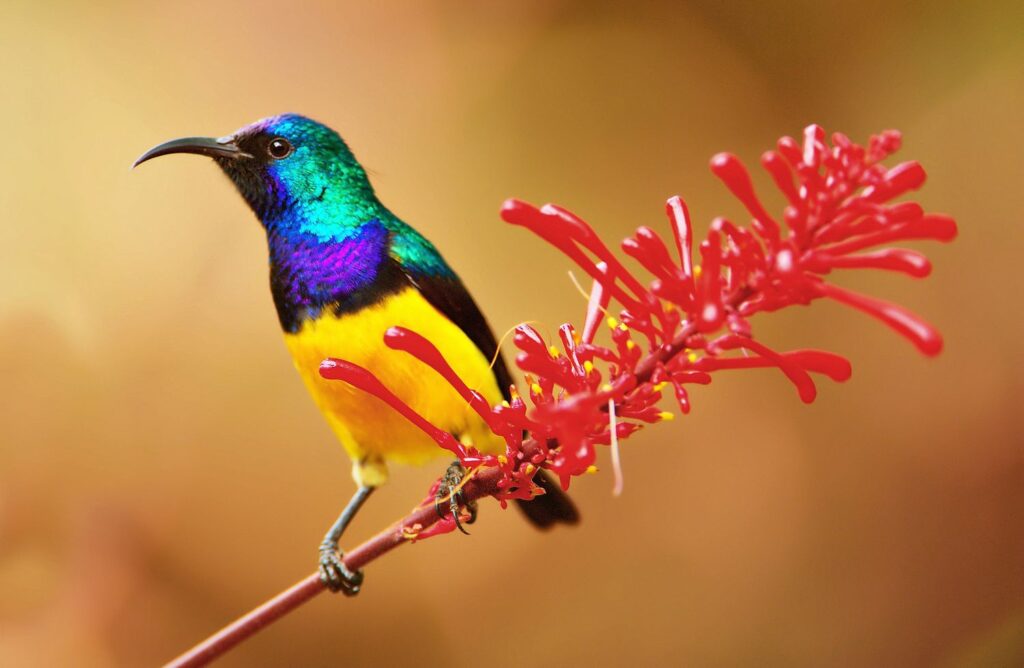
Beyond the northern circuit lies Tanzania’s vast western and southern wilderness, where travel becomes more remote and birding more specialized. Lake Victoria dominates the northwest, an inland sea so large it behaves like an ocean. Its wetlands host hundreds of species—herons, egrets, kingfishers, and fish eagles all coexist in dense ecological layers. The lake’s edges support massive biodiversity, especially in papyrus swamps where hidden species move silently through reeds.
Nearby, Rubondo Island National Park sits isolated in the waters of Lake Victoria like a forgotten world. Forests here are dense and untouched, sheltering parrots, kingfishers, and rare island-adapted species. Birding on Rubondo feels almost prehistoric, as though stepping into a world where nature has been left entirely to itself.
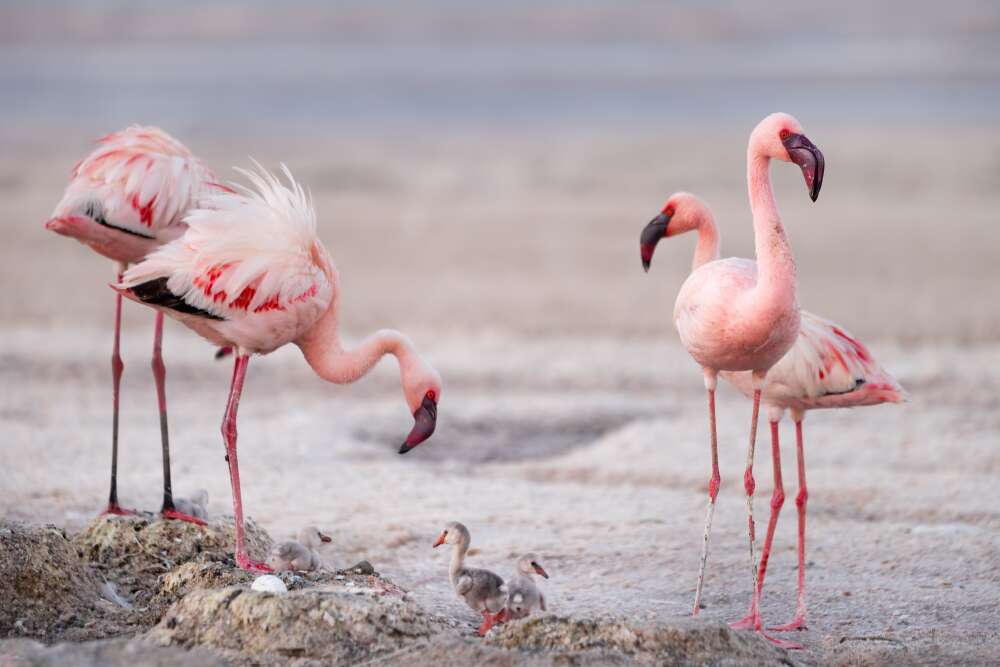
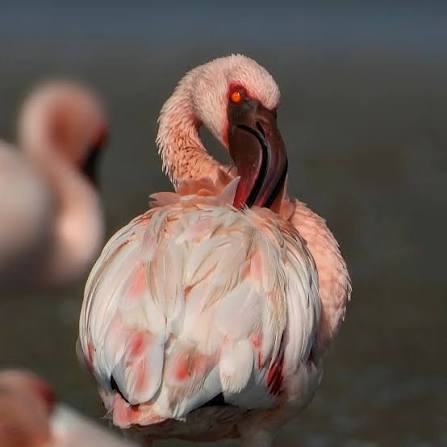
To the north-east of the Rift Valley lies Lake Natron, one of the most visually extreme environments in Africa. The lake’s alkaline waters shimmer in surreal shades of red and pink, shaped by volcanic minerals and heat. Yet it is here that millions of lesser flamingos breed, creating one of the most important flamingo ecosystems in the world. Their synchronized movements across the lake surface create shifting patterns of color and motion unlike anywhere else on Earth.
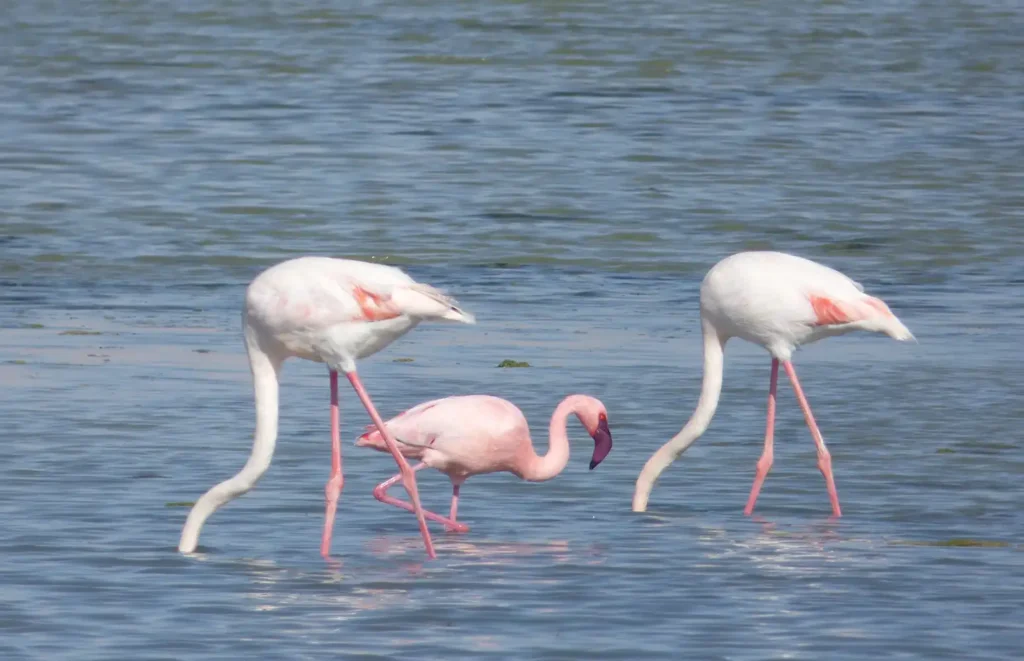
Further south, Lake Eyasi offers a quieter but culturally rich birding environment, where wetlands and dry landscapes meet traditional hunter-gatherer territories. Seasonal rains bring flamingos and waterbirds, while surrounding woodlands host raptors and dry-country species adapted to harsh conditions.
In the south-central region, Ruaha National Park unfolds as one of Tanzania’s most remote and untouched ecosystems. Its vast miombo woodlands and river systems support over 500 bird species. The Great Ruaha River acts as the lifeline of the park, attracting kingfishers, herons, fish eagles, and countless water-associated birds. The surrounding wilderness is dominated by silence broken only by calls echoing across valleys. Here, rare species such as the Ruaha chat and Pel’s fishing owl find refuge in landscapes that remain largely undisturbed by human presence.
To the northeast, the Usambara Mountains rise sharply, forming part of the ancient Eastern Arc forest system. These forests are among the oldest in Africa and contain high levels of endemism. Mist drifts through dense canopies where rare birds like Usambara thrush and localized sunbirds live in fragile ecological balance. Birding here feels intimate and exploratory, as if uncovering secrets hidden within layers of ancient vegetation.
Across all these regions, Tanzania reveals itself not as separate destinations but as one continuous living ecosystem. The birds connect wetlands to forests, mountains to savannahs, lakes to rivers. Each habitat flows into the next, forming a complete ecological network that remains one of the richest in the world.
A birding safari in Tanzania is therefore not simply a journey of sightings, but a gradual understanding of how life organizes itself across landscapes. It is the experience of watching ecosystems breathe—through wings, calls, migrations, and seasonal rhythms. For photographers and travelers, it offers not just images, but memory layered with motion, sound, and scale.
Tanzania remains one of the last places where wilderness still feels uninterrupted. And in that continuity lies its greatest beauty.
Book or Enquire
Our team can arrange your stay, transfers, and game drives. Get a custom itinerary in 24 hours.