Tanzania Cultural and Eco-Tourism
A Living Heritage Across Landscapes, People, and Wilderness
Tanzania is one of the few places in the world where cultural heritage and wild nature exist not as separate experiences, but as a continuous living system. It is a country where ancient traditions still shape daily life, where communities remain deeply connected to land and wildlife, and where eco-tourism is not just a travel trend but a practical way of sustaining both people and ecosystems.
To travel through Tanzania is to move between worlds that are distinct yet deeply connected. One moment you are standing on the edge of the Serengeti plains watching wildlife move across endless grasslands; the next, you are sitting with Maasai elders learning how cattle, seasons, and survival are intertwined; and later you may be walking through coastal Swahili towns where centuries of trade, culture, and ocean life have shaped identity and architecture. Every region carries its own rhythm, language, and relationship with nature.
The Heart of Eco-Tourism in Tanzania – Nature and People in Balance
Eco-tourism in Tanzania is built on the idea that conservation and community must coexist. National parks, game reserves, forest corridors, and marine ecosystems are not isolated spaces—they are part of a broader landscape where people live alongside wildlife.
In many regions, especially around protected areas, local communities participate directly in conservation-based tourism. Revenues from eco-lodges, guided safaris, and cultural visits often support schools, healthcare, and conservation programs. This model has helped preserve some of Africa’s most important ecosystems while creating sustainable livelihoods.
Eco-tourism here is not artificial or staged. It is grounded in real environments—walking safaris guided by local experts, community-run camps in wildlife corridors, forest conservation projects in mountain villages, and marine protection efforts along the Indian Ocean coast.
Maasai Culture – Life Along the Savannah Frontier
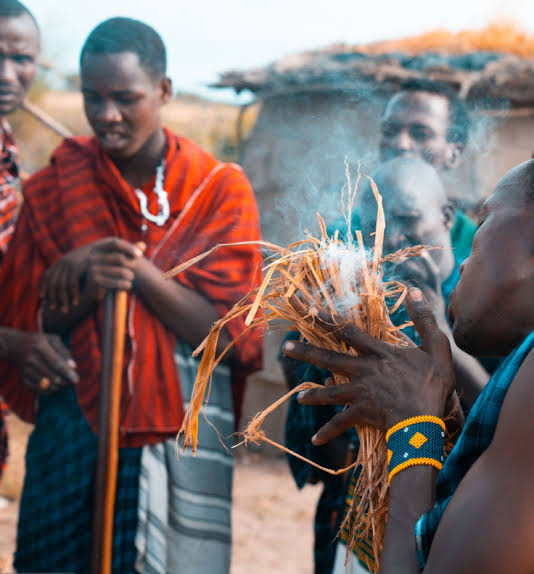
One of the most recognizable cultural experiences in Tanzania is found in Maasai communities living across the northern safari circuit, especially around Ngorongoro, Serengeti, and Lake Natron.
The Maasai people have maintained a semi-nomadic pastoral lifestyle for generations, shaped by cattle herding, seasonal movement, and deep ecological knowledge of the savannah. Their presence is not separate from wildlife—it is historically interwoven with it.
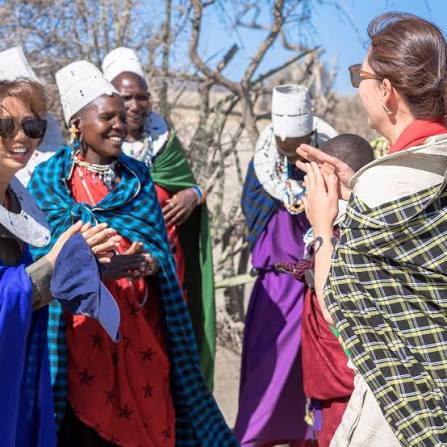
Traditional Maasai villages (manyattas) are built using natural materials such as wood, mud, and grass, designed for mobility and resilience. Visitors often experience cultural exchanges where storytelling, dance, and daily practices reveal a worldview centered on land stewardship and survival in a dynamic environment.
What makes Maasai cultural tourism unique is not performance, but perspective. It offers insight into how human life adapts within one of the most wildlife-rich ecosystems on Earth.
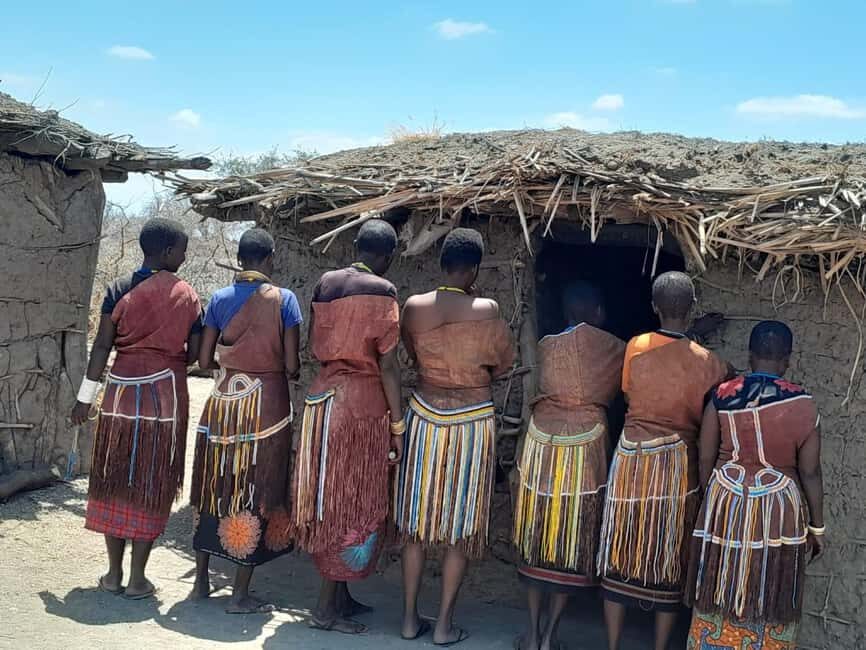
The Hadzabe and Datoga – Ancient Lifestyles Around Lake Eyasi
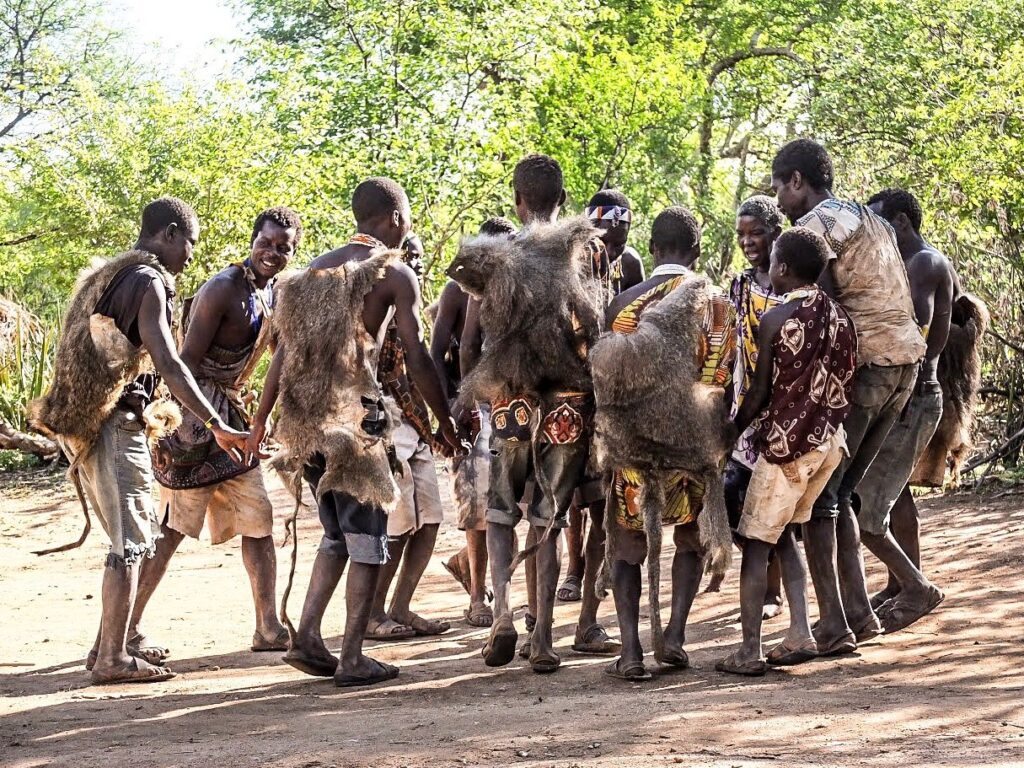
Near Lake Eyasi in the Rift Valley lives one of the most fascinating cultural groups in Africa—the Hadzabe, among the last remaining hunter-gatherer communities.
The Hadzabe live closely with the natural environment, relying on traditional hunting methods, wild foods, and deep ecological knowledge passed down through generations. Their lifestyle offers a rare glimpse into human history before agriculture and modern settlement.
Nearby, the Datoga people practice traditional metalworking and pastoralism, producing handmade tools and ornaments that are still used in daily life and trade.
Cultural visits in this region are deeply immersive, often involving guided walks, storytelling, and demonstrations of survival skills adapted to dryland ecosystems.
The Swahili Coast – Culture Shaped by the Indian Ocean
Along Tanzania’s eastern coastline, eco-tourism takes on a different character. Here, culture is shaped by centuries of interaction between African, Arab, Persian, and Indian influences, forming the unique Swahili identity.
Historic towns such as Zanzibar, Bagamoyo, and Pangani reflect this heritage through coral stone architecture, carved wooden doors, and narrow streets that once formed part of ancient trade routes.
Fishing communities continue traditional ocean practices, while coastal conservation programs now focus on protecting coral reefs, mangroves, and marine biodiversity.
Eco-tourism along the coast often includes:
- Mangrove forest walks
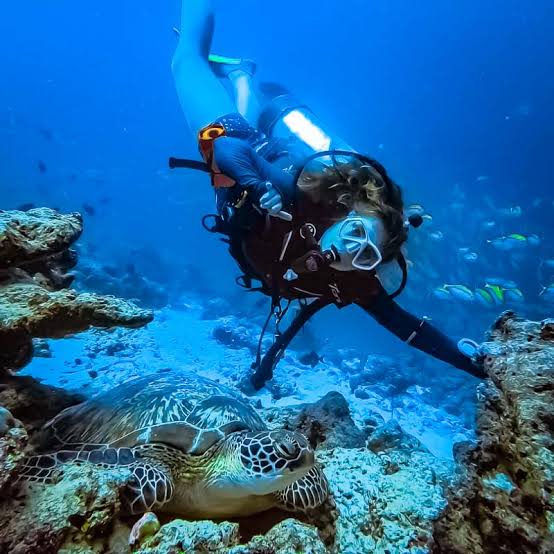
- Coral reef snorkeling and diving
- Sea turtle conservation projects
- Traditional dhow sailing experiences
- Visits to historic Swahili settlements
The Indian Ocean here is not just a scenic backdrop—it is a living source of culture, food, and identity.
Forest Communities of the Eastern Arc Mountains
The Eastern Arc Mountains, including the Usambara, Udzungwa, and Uluguru ranges, are among the most biodiverse regions in Africa. They are also home to rural farming communities who live within or near ancient forests.
Eco-tourism in these regions focuses on conservation trekking, birdwatching, and community-led forest protection programs. Villages often participate in reforestation projects, sustainable agriculture, and guided eco-walks that introduce visitors to medicinal plants, traditional farming methods, and forest ecology.
Here, culture is closely tied to forest survival. The protection of water sources, soil fertility, and biodiversity directly supports both human and ecological systems.
Conservation-Led Tourism – Protecting Tanzania’s Wild Future
Across Tanzania, eco-tourism plays a crucial role in conservation. National parks such as Serengeti, Ruaha, Nyerere (Selous), and Tarangire are part of a wider protected network that supports some of the largest intact ecosystems in the world.
Tourism revenue helps fund anti-poaching efforts, habitat protection, and wildlife research. At the same time, community-based tourism initiatives ensure that people living near wildlife areas benefit economically from conservation.
Many lodges and safari operators now follow sustainable practices such as:
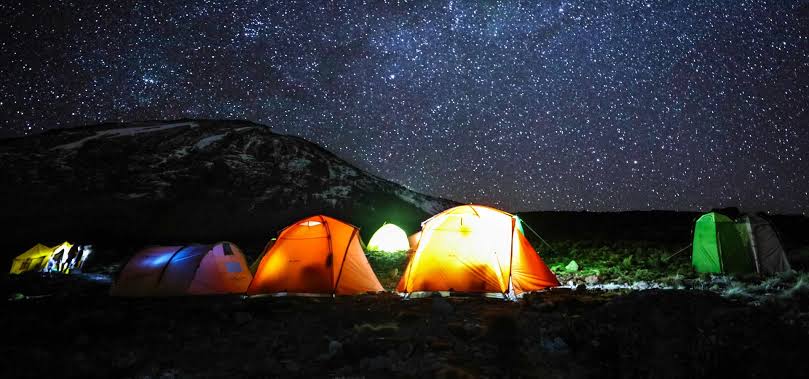
- Low-impact camp design
- Solar energy systems
- Waste reduction programs
- Local employment and training
- Support for wildlife corridors and reforestation
This approach ensures that tourism does not replace ecosystems but strengthens them.
Cultural Safari Experiences – Where Wildlife and People Meet
One of the most powerful aspects of traveling in Tanzania is the ability to combine wildlife safaris with cultural encounters in a seamless journey.
A typical eco-cultural safari might include:
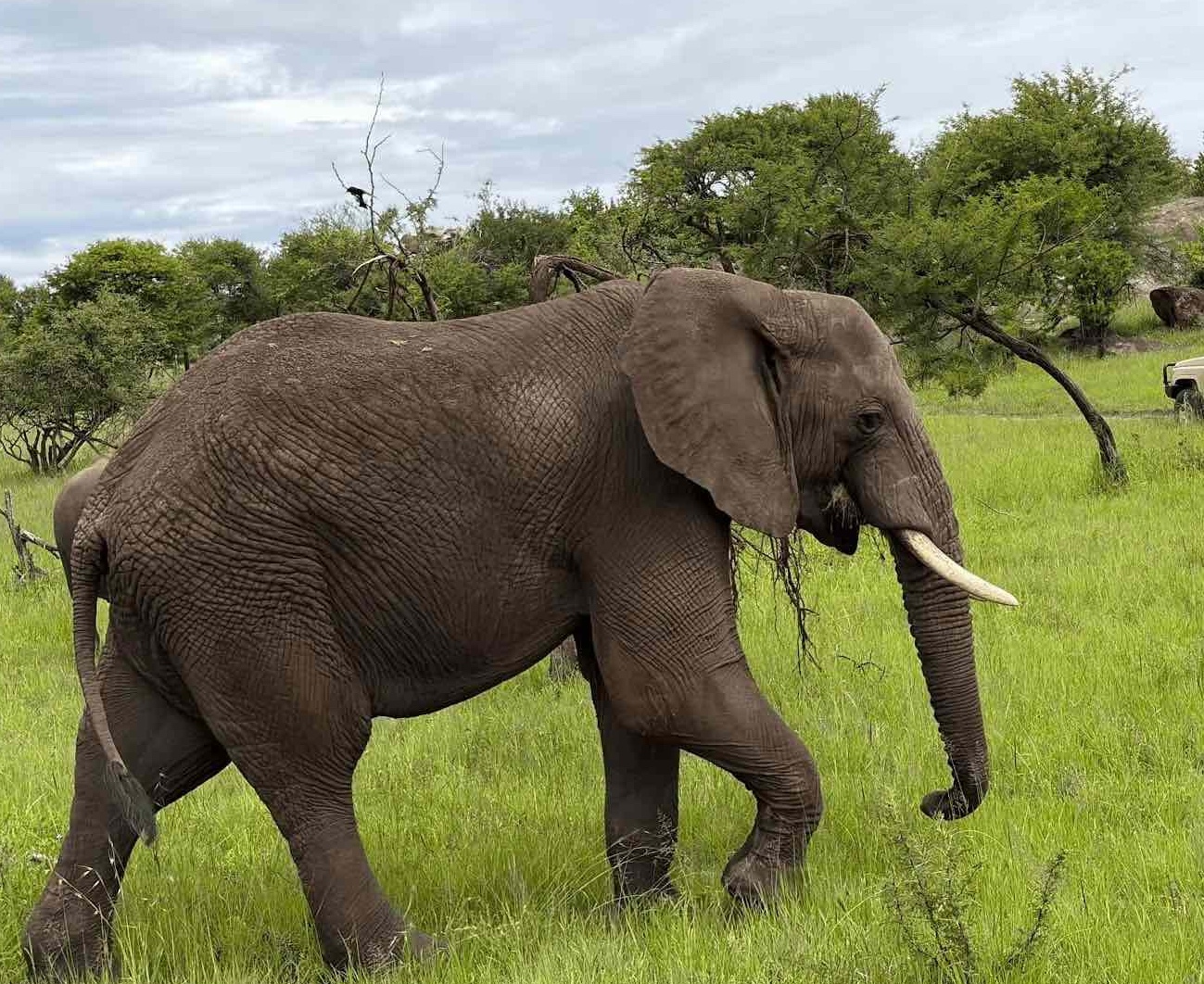
- Game drives across Serengeti plains
- Visits to Maasai pastoral communities
- Walking safaris with local guides
- Canoe or boat excursions on lakes and rivers
- Cultural visits in rural villages and markets
- Coastal heritage exploration in Zanzibar or Bagamoyo
This blend creates a complete understanding of Tanzania—not just as a wildlife destination, but as a living cultural landscape.
Responsible Travel in Tanzania – Meaningful and Sustainable Exploration
Eco-tourism in Tanzania encourages travelers to engage respectfully with both nature and communities. The goal is not consumption of experiences, but participation in conservation and cultural appreciation.
Responsible travel includes:
- Respecting wildlife distance and behavior
- Supporting community-owned tourism projects
- Choosing eco-certified lodges and camps
- Learning local customs and traditions
- Reducing environmental impact while traveling
When done thoughtfully, tourism becomes a direct contribution to conservation and cultural preservation.
A Living Connection Between People and Nature
What makes Tanzania exceptional is not only its landscapes or wildlife, but the way human life remains connected to natural systems. From the savannah to the mountains, from forests to coastlines, culture is shaped by ecology, and ecology is protected by culture.
Eco-tourism here is not an abstract concept—it is visible in everyday life, in how people move, farm, herd, fish, build, and celebrate their environment.
To experience Tanzania is to witness a living relationship between land and people that continues to evolve while still holding onto ancient roots.
Book or Enquire
Our team can arrange your stay, transfers, and game drives. Get a custom itinerary in 24 hours.